The California Fig Mistake That Destroys The Second Crop Every Summer
Figs can feel like a backyard bonus because one tree may offer more than one harvest. That is also where many California gardeners get tripped up.
The first crop can seem like the main event, but the second crop often depends on how the tree is treated right after.
One common summer mistake can push the tree into stress just when it should be setting up more fruit.
The signs may not look dramatic at first. A few dropped figs or slower growth can be easy to ignore.
But by the time the second crop looks weak, the problem has already been building. Fig trees are tough, but they still need the right rhythm during heat.
Make the right adjustment, and your tree has a better chance of carrying that later harvest through.
1. Shallow Watering Can Ruin The Second Fig Crop
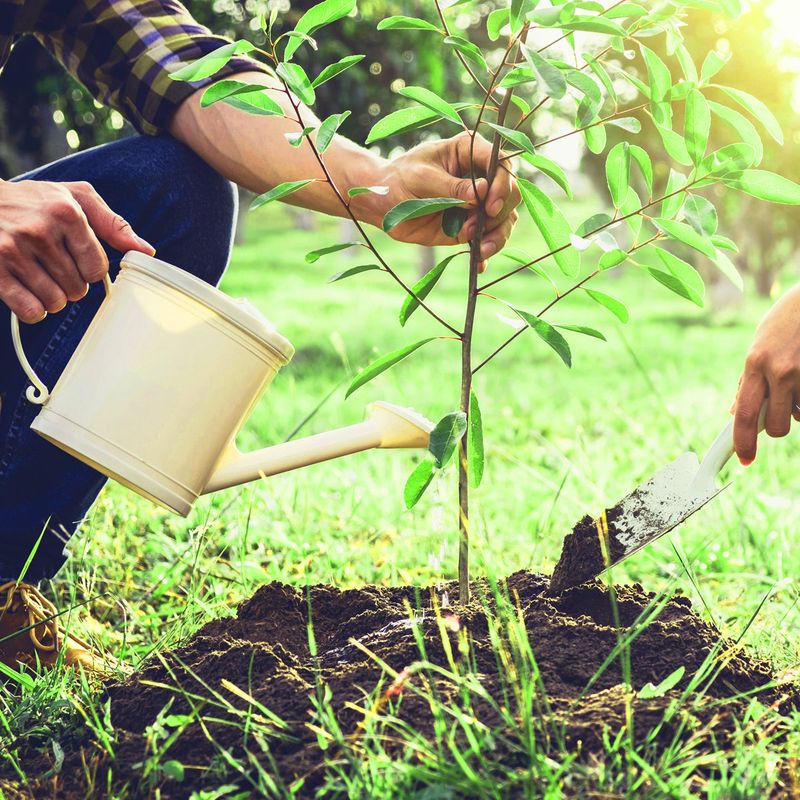
Most fig growers think they are watering enough, but shallow watering is one of the sneakiest problems in summer fig care.
When water only soaks the top few inches of soil, the deeper roots never get the moisture they need.
The tree starts pulling energy away from the fruit and putting it into survival mode instead.
Figs are deep-rooted trees. Their roots can stretch several feet down into the soil, especially in sandy or loamy ground.
If your hose or drip line only wets the surface, those lower roots stay dry even when the top of the soil feels damp to the touch.
During the second crop season, the tree is carrying a heavy load of developing fruit. That fruit needs a constant water supply to grow, fill out, and ripen without dropping early.
Shallow watering breaks that supply chain right in the middle of the most critical growth window.
You might notice the signs showing up as small, hard figs that stop growing. Some will split or drop before they soften.
Others will just hang there, never getting sweet. Switching to deep, slow watering sessions can turn this around quickly.
Give the root zone a long soak two to three times per week instead of a quick sprinkle every day.
2. Summer Heat Makes Fig Trees Drop Stressed Fruit
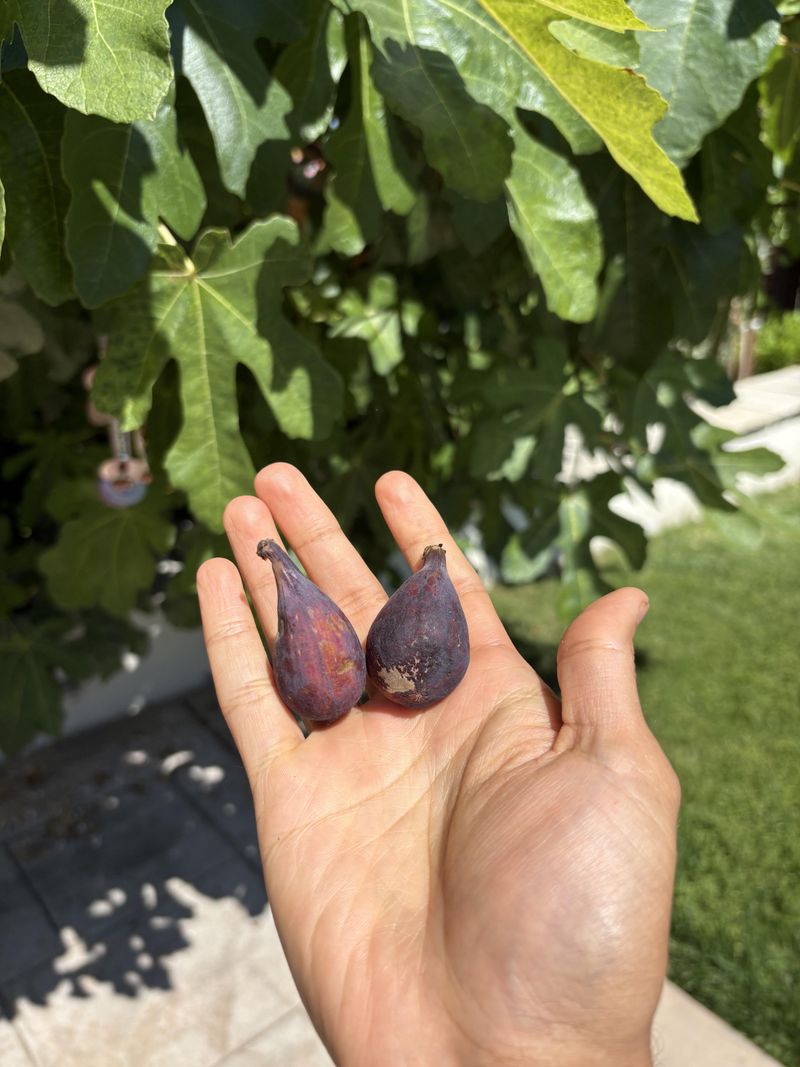
Heat stress is real, and fig trees feel it hard when temperatures climb past 100 degrees for days at a stretch. California’s inland valleys are famous for those brutal summer stretches where the air feels like an oven.
Fig trees can handle heat better than most fruit trees, but they have a breaking point.
When a fig tree gets too hot and too dry at the same time, it does something that frustrates every grower. It drops its fruit.
The tree is not being difficult. It is simply protecting itself by reducing the number of fruits it has to support with limited water and energy.
This fruit drop usually happens fast. You might walk out one morning and find dozens of small green figs on the ground under the tree.
That is the tree making a tough call to survive the heat wave rather than ripen a full crop.
Your California Garden Changes Every Week. Your Plan Should Too.
Gardening in California changes quickly throughout the season. Every Friday you’ll receive a simple weekly plan showing exactly what to plant, prune, fertilize, harvest, and protect so you never miss the right timing.
Protecting the tree from extreme heat involves more than just watering. Timing your watering for early morning helps the roots absorb moisture before the hottest part of the day arrives.
Keeping the soil covered with mulch also slows down how fast the ground dries out. Even a little afternoon shade from a nearby structure or shade cloth can reduce fruit drop significantly during the worst summer weeks.
3. Dry Roots Keep Figs From Sizing Up Properly
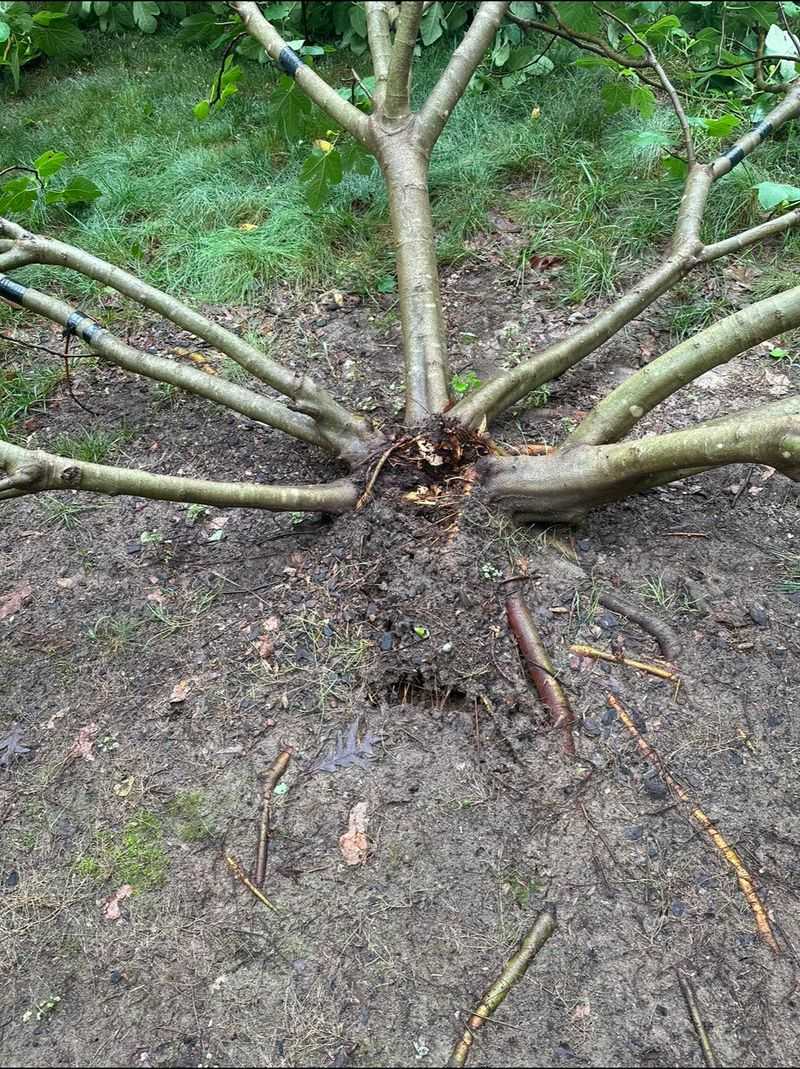
Small figs that just never seem to grow are usually telling you something important. When the roots stay dry for too long between watering sessions, the tree cannot pull enough water and nutrients up into the fruit.
The figs stall out at a small size and never develop the sweetness that makes them worth eating.
Root dryness is especially common in raised beds, containers, and sandy soils where water drains away fast. Growers in the Central Valley and other hot inland areas deal with this more than coastal growers do.
The combination of fast-draining soil and intense summer sun means the root zone can go bone dry within a day or two of watering.
Checking soil moisture before you water is a simple habit that makes a big difference. Push a finger or a wooden dowel about six inches into the soil near the drip line of the tree.
If it comes out dry, it is time to water. If it still feels slightly moist, you can wait another day.
Figs need consistent moisture from the time the second crop sets in early summer until the fruit fully ripens in late summer and fall. Any long dry spell during that window stunts the fruit.
Keeping the roots evenly moist, not soaking wet, is the sweet spot that leads to larger, sweeter figs at harvest time.
4. Deep Watering Works Better Than Daily Sprinkling
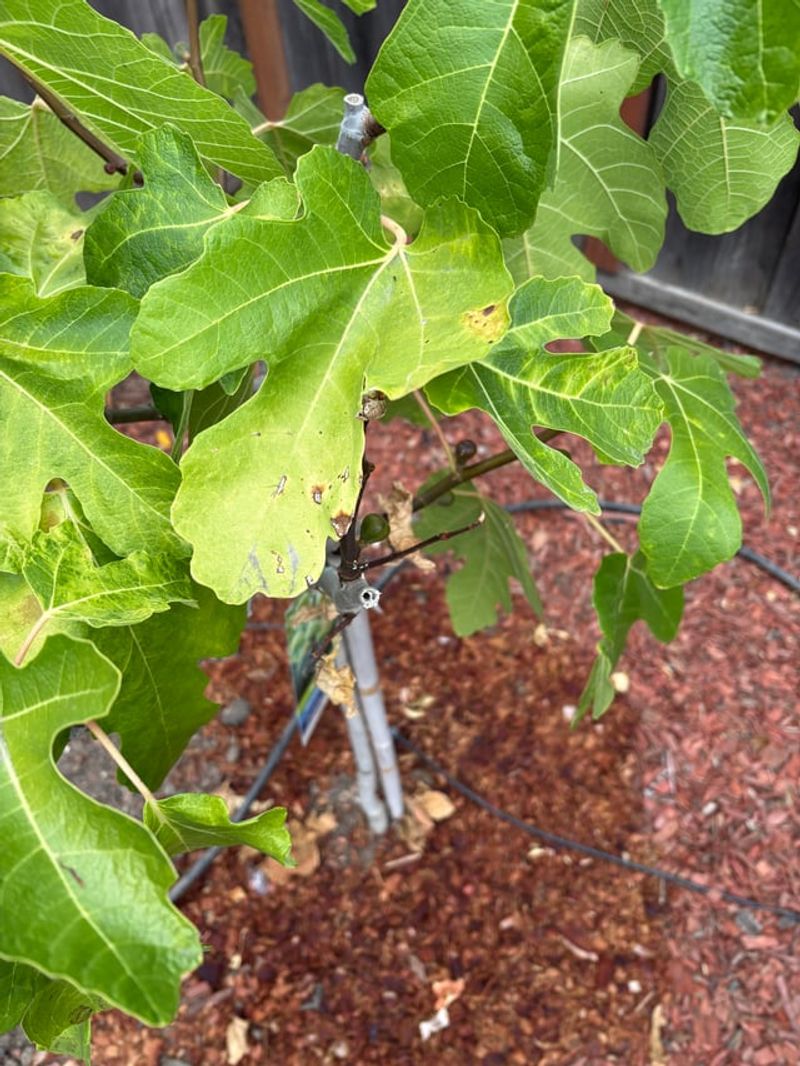
There is a watering habit that feels responsible but actually causes more harm than good. Sprinkling a little water around the base of a fig tree every single day keeps the soil surface moist but never pushes moisture down to where the roots actually live.
Over time, this trains the roots to stay shallow, making the tree even more vulnerable to heat and drought.
Deep watering means letting water soak slowly and deeply into the soil, reaching down at least 18 to 24 inches.
This kind of watering encourages roots to grow downward, where soil temperatures are cooler and moisture lasts longer.
A deeply rooted fig tree handles summer heat much better than a shallow-rooted one.
Drip irrigation set to run for a longer time period works well for deep watering. A slow trickle over several hours does a much better job than a heavy burst of water that runs off before it can soak in.
Basin watering, where you build a low dirt ring around the tree and fill it with water, is another old-school method that works really well.
Growers who switch from daily sprinkling to deep watering two or three times per week often notice bigger, juicier figs by mid-summer.
The tree becomes more stable, less stressed, and much better at supporting its second crop all the way through to a full, ripe harvest.
5. Mulch Helps Protect Fig Roots In Hot Weather
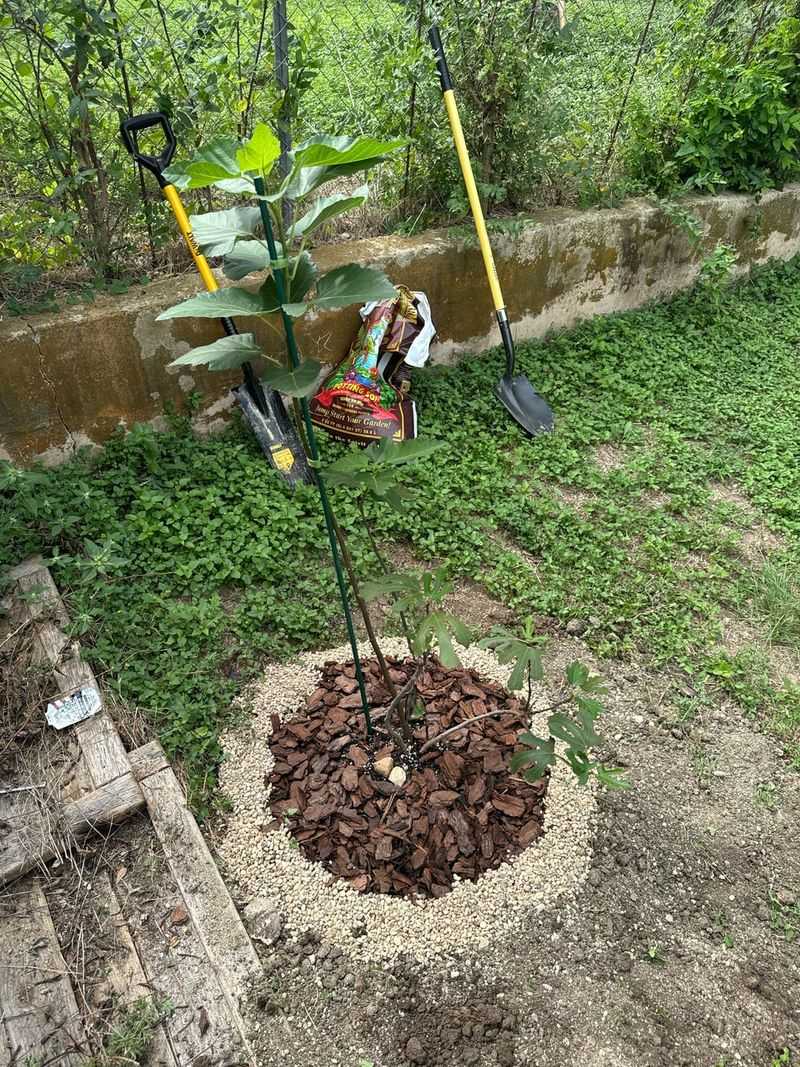
Bare soil under a fig tree during a heat wave is like leaving a pot on a hot stove with no lid. The moisture evaporates fast, the ground heats up, and the roots sitting just below the surface start to struggle.
Mulch is the simple fix that most growers overlook completely.
A good layer of organic mulch, like wood chips, straw, or shredded leaves, does several things at once. It keeps the soil several degrees cooler than bare ground.
It slows down evaporation so the soil stays moist much longer between waterings. It also breaks down slowly over time, adding nutrients back into the soil around the roots.
Spreading mulch is straightforward. Lay down a layer about three to four inches thick, starting a few inches away from the trunk and spreading out to the edge of the tree’s canopy.
Keeping the mulch away from the trunk prevents moisture from sitting against the bark, which can cause problems over time.
In California’s hottest growing regions, mulching can make a noticeable difference in how well the second crop develops.
Growers who mulch their fig trees consistently report less fruit drop, better fruit size, and trees that look healthier overall through the summer months.
It is one of the easiest, lowest-cost things you can do to protect your harvest.
6. A Thick Canopy Can Shield Figs From Sunburn
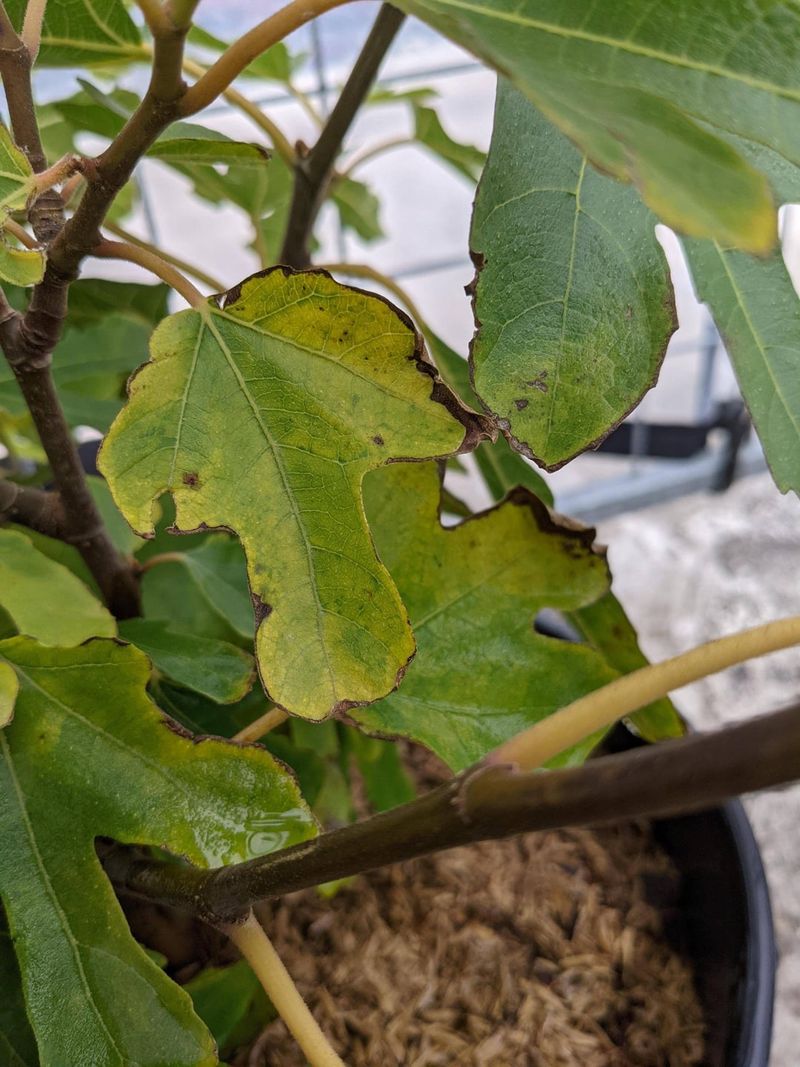
Sunburned figs are not just ugly. They are ruined.
When the skin of a fig gets direct, intense sun exposure during a heat wave, it can crack, dry out, or turn to mush on the outside while the inside never ripens properly.
This is a real problem in areas of California where summer temperatures regularly hit triple digits.
A naturally thick canopy is one of the best defenses a fig tree has against sunburn. The leaves create shade over the developing fruit, keeping the figs cooler and allowing them to ripen slowly and evenly.
Trees that are pruned too aggressively often lose this natural protection, leaving fruit exposed to direct sun.
If your tree has a thin canopy, there are a couple of ways to add protection. Shade cloth draped loosely over the canopy during the hottest weeks can reduce sunburn significantly.
A 30 to 40 percent shade cloth allows enough light for the tree to function while cutting down on the harshest rays.
Positioning also matters. Trees planted on the west side of a fence or building get afternoon sun, which is the most intense heat of the day.
If you are planting a new tree, the east or north side of a structure offers more natural afternoon shade.
For existing trees, shade cloth and a good canopy are your two best tools for keeping the fruit safe through summer.
7. Heavy Summer Pruning Can Stress The Tree
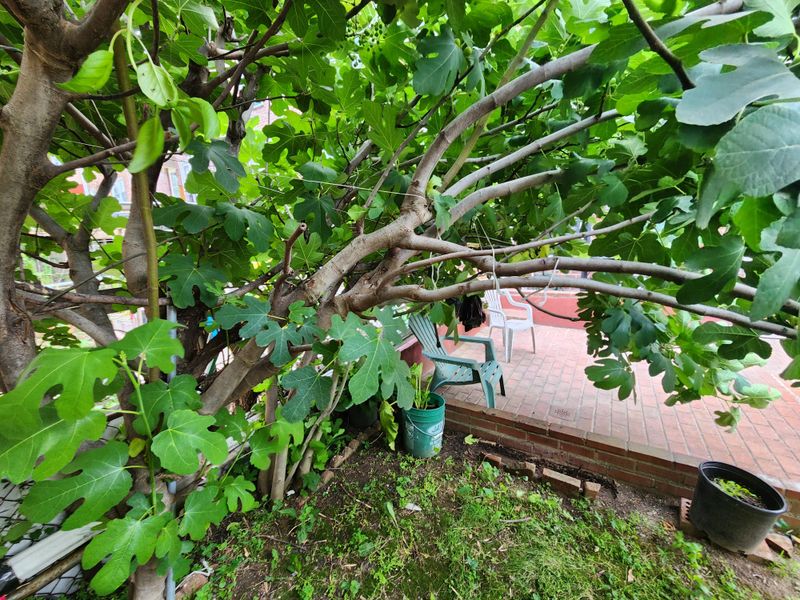
Pruning feels productive. There is something satisfying about tidying up a tree and shaping it the way you want.
But cutting too much from a fig tree in the middle of summer is one of the fastest ways to wreck the second crop before it ever ripens.
When you remove large branches in summer, you take away a significant portion of the tree’s leaf surface. Leaves are how the tree makes energy through photosynthesis.
Fewer leaves means less energy available for the fruit to grow and ripen. The tree shifts its focus away from the crop and toward healing the pruning wounds instead.
Heavy summer pruning also opens up the interior of the tree to direct sun exposure. Fruit that was previously shaded by leaves and branches suddenly sits in full, direct sunlight.
In California’s hottest regions, that kind of sudden exposure can cause sunburn damage to developing figs within just a few days.
The best time to do major pruning on fig trees is during late winter, while the tree is still dormant and before new growth begins. Light, targeted pruning to remove crossing or damaged branches is acceptable in early summer, but anything beyond that should wait.
Keeping the canopy full and intact through the growing season gives the second crop its best shot at reaching full size and ripeness without unnecessary setbacks.
8. Too Much Pruning Can Remove Useful Fruiting Growth
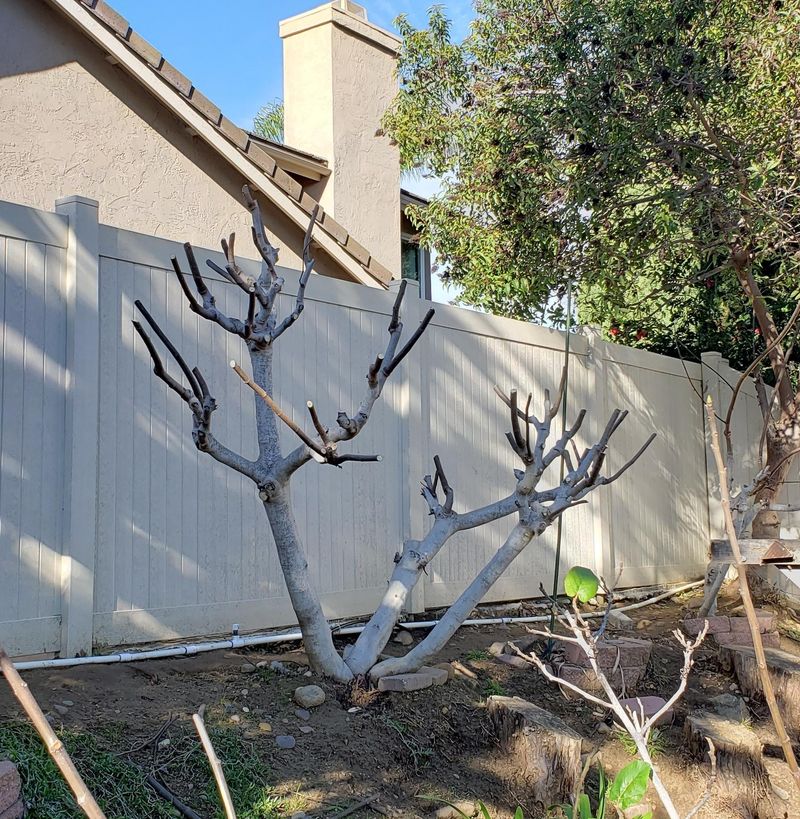
Not all branches are equal on a fig tree. Some branches are old and woody, producing little to nothing.
Others are the productive, younger growth where the second crop actually forms. Cutting without knowing the difference can strip away the very wood that would have given you a full harvest.
The main crop figs grow on wood that the tree put out earlier in the same year. That new growth is where you will find the developing fruit from mid-summer onward.
When growers prune heavily in early summer without checking the wood carefully, they often remove these productive young shoots along with the ones they meant to cut.
Learning to read your tree before you prune is a skill that pays off every season. Look for small, green figs already forming on branches before you make any cuts.
If a branch has developing fruit on it, leave it alone unless there is a very specific reason to remove it. Mark the branches you want to address and come back to them after harvest is complete.
Northern regions of California and the Central Valley both see this mistake often, especially among newer growers who are still learning how fig fruiting works.
Taking a slower, more selective approach to pruning keeps the fruiting wood intact, protects the developing crop, and leaves you with a healthier tree that produces better year after year.
9. Young Fig Trees Need More Careful Summer Water
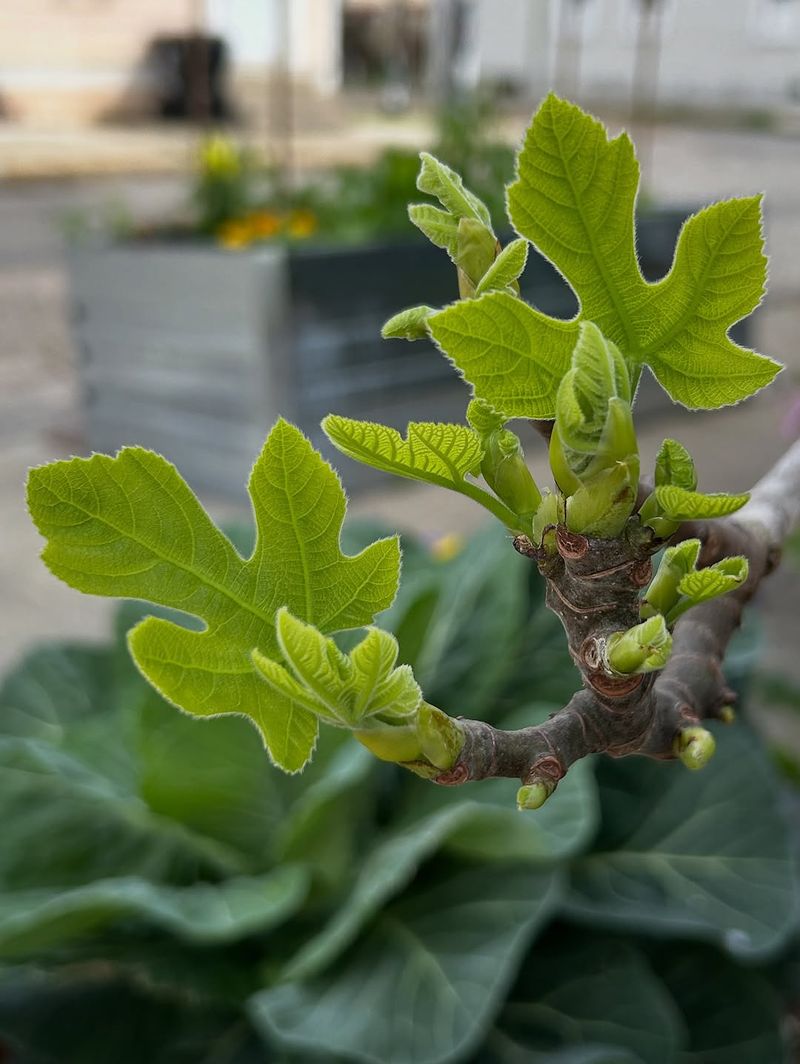
Young fig trees have not yet built the deep, wide root systems that help mature trees ride out summer heat and dry spells.
A tree that was planted within the last one to three years is still getting established, and its roots may only reach a foot or two into the ground.
That makes it far more sensitive to summer water stress than an older, well-established tree.
During the first few summers after planting, a young fig tree needs more frequent watering than a mature one. The soil around its limited root zone can dry out fast, especially in hot inland areas.
Checking soil moisture every day or two during heat waves is a smart habit for anyone growing a young tree.
Young trees also tend to set a small amount of second-crop fruit in their early years. Letting the tree carry too much fruit too soon can exhaust it during summer.
Some growers choose to remove a portion of the fruit from young trees to let the tree focus its energy on root and canopy development instead.
Patience pays off with figs. A young tree that gets proper water management through its first few summers will develop into a strong, productive tree that handles heat much better as it matures.
Skipping careful watering early on often leads to a tree that struggles for years and never quite reaches its full potential as a summer fruit producer.