These California Front Yard Fillers Look Lush Without Running Up Your Water Bill
A lush front yard does not have to come with a painful California water bill. The right filler plants can cover bare spots, soften edges, and make everything look fuller without gulping down water every five minutes.
That is a big win in California, where dry conditions, heat, and rising utility costs can make thirsty landscaping feel like a bad financial decision with flowers. Good front yard fillers earn their keep.
They spread nicely, add texture and color, and help the whole space look polished instead of patchy. Very rude of them to be this useful and this good-looking.
The best part is how much work they do behind the scenes. These plants can help shade the soil, cut down on empty gaps, and create that rich, layered look people love without turning your hose into a full-time employee.
If you want a front yard that looks fresh, full, and far more expensive than it really is, these smart California picks get it done.
1. De La Mina Verbena
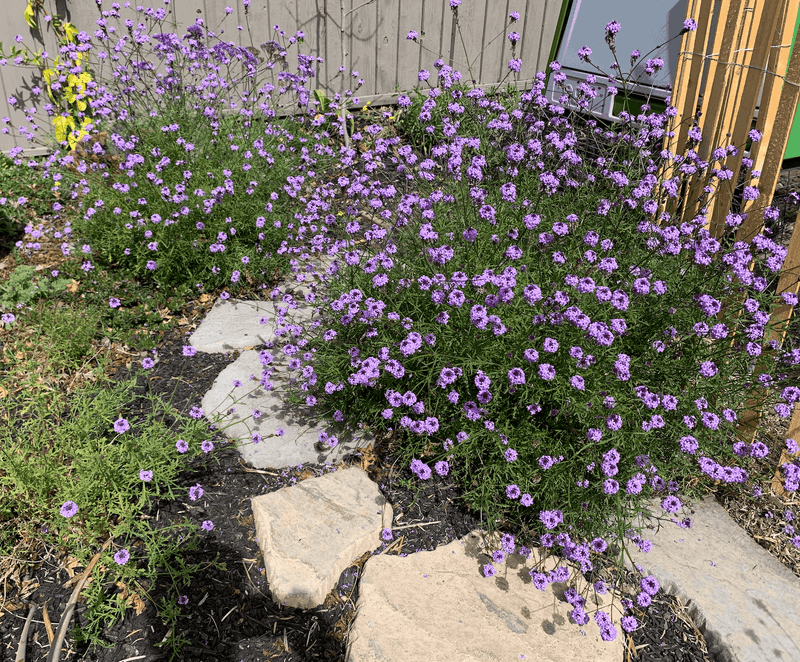
Purple blooms that practically glow in the afternoon sun make De La Mina verbena a showstopper in any California front yard. This low-growing ground cover spreads quickly and fills in bare spots with minimal effort.
It is a cultivar of Verbena lilacina, a native of Baja California, and it has adapted beautifully to Southern California’s dry conditions.
Once established, it needs very little water to keep performing. It handles full sun like a champ and does not ask much from the soil.
You can plant it along walkways, near driveways, or along the edges of garden beds to add a soft, colorful border.
Pollinators go absolutely wild for the flowers, so expect butterflies and bees to visit regularly. It stays relatively low to the ground, usually under a foot tall, which makes it easy to manage.
Trim it back lightly after blooming to encourage fresh growth. In mild California climates, it can bloom for much of the year, giving you long-lasting color without a big water commitment.
2. Hummingbird Sage
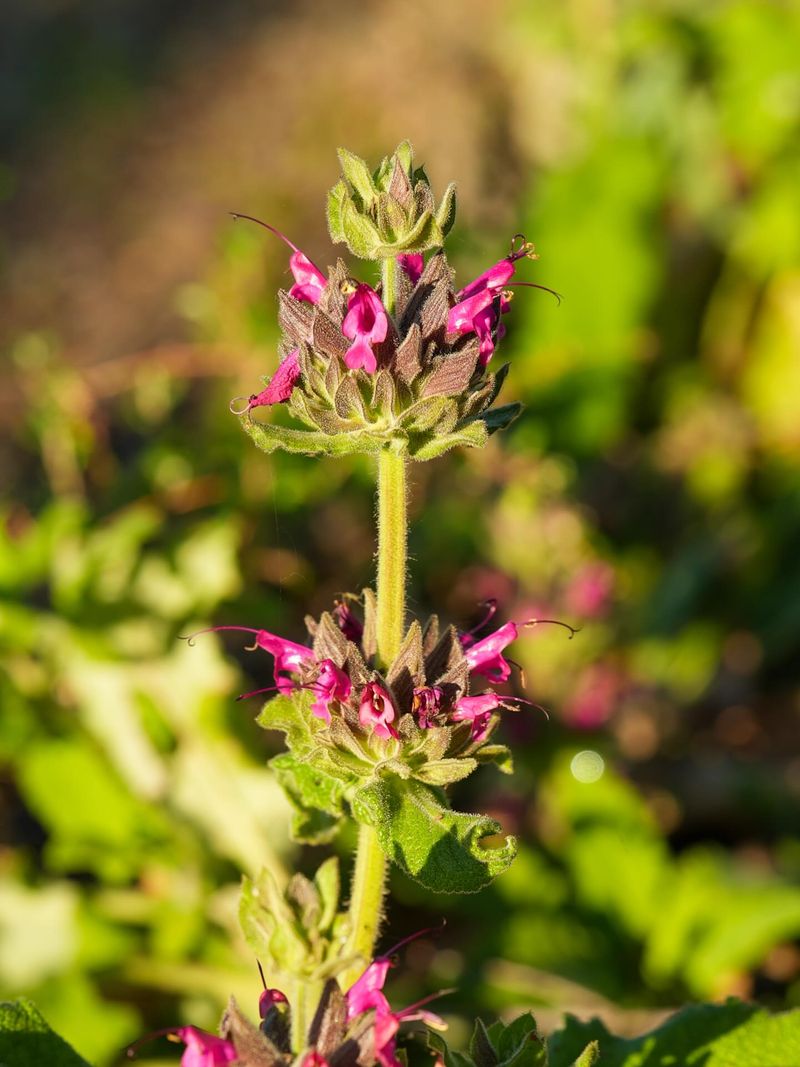
If you have ever wanted to attract hummingbirds to your front yard, this plant practically does the work for you. Hummingbird sage, or Salvia spathacea, is a California native that produces tall spikes of deep magenta flowers.
The blooms are tubular, which is exactly the shape hummingbirds love, and the show usually starts in late winter and runs through spring.
What makes it especially appealing for California homeowners is how well it handles shade. Most drought-tolerant plants want full sun, but hummingbird sage is happy under oak trees or along the shaded side of a house.
It spreads slowly by rhizomes, forming a lush, fragrant ground cover over time.
The large, textured leaves have a pleasant sage scent when brushed, which adds a sensory element to your front yard. It is deer resistant, which is a bonus if you live near open spaces or hillsides in California.
Water it occasionally during the first year to help it settle in, and then you can mostly leave it alone. It is one of those plants that rewards patience with a genuinely beautiful, low-maintenance display.
Your California Garden Changes Every Week. Your Plan Should Too.
Gardening in California changes quickly throughout the season. Every Friday you’ll receive a simple weekly plan showing exactly what to plant, prune, fertilize, harvest, and protect so you never miss the right timing.
3. Common Yarrow
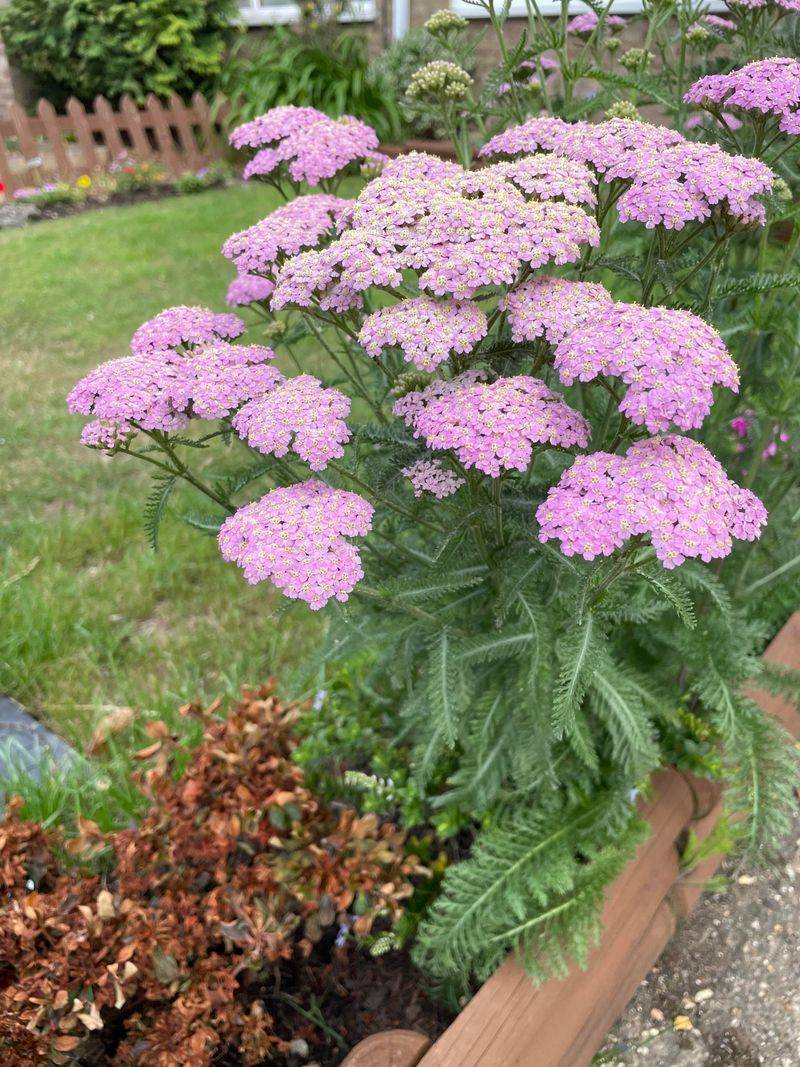
Few plants have as long a history of usefulness as common yarrow. Ancient cultures used it for everything from wound care to herbal teas, and today California gardeners use it to fill front yards with feathery texture and cheerful flat-topped flowers.
Achillea millefolium grows in a wide range of colors, from creamy white to bright yellow and soft pink.
It is incredibly tough. Yarrow can handle poor soil, rocky ground, and long dry spells, which makes it a natural fit for California landscapes that need to look good without a lot of irrigation.
Plant it in full sun and give it decent drainage, and it will reward you with blooms from late spring through summer.
The finely divided leaves have a soft, ferny look that contrasts nicely with chunkier plants like aloe or grasses. It also spreads gradually to fill gaps in your garden beds, which means fewer weeds and more coverage over time.
Deadhead spent flowers to encourage a second round of blooming. Yarrow is a workhorse plant that asks for very little while giving your California front yard a polished, cottage-style feel that neighbors will notice.
4. California Fuchsia
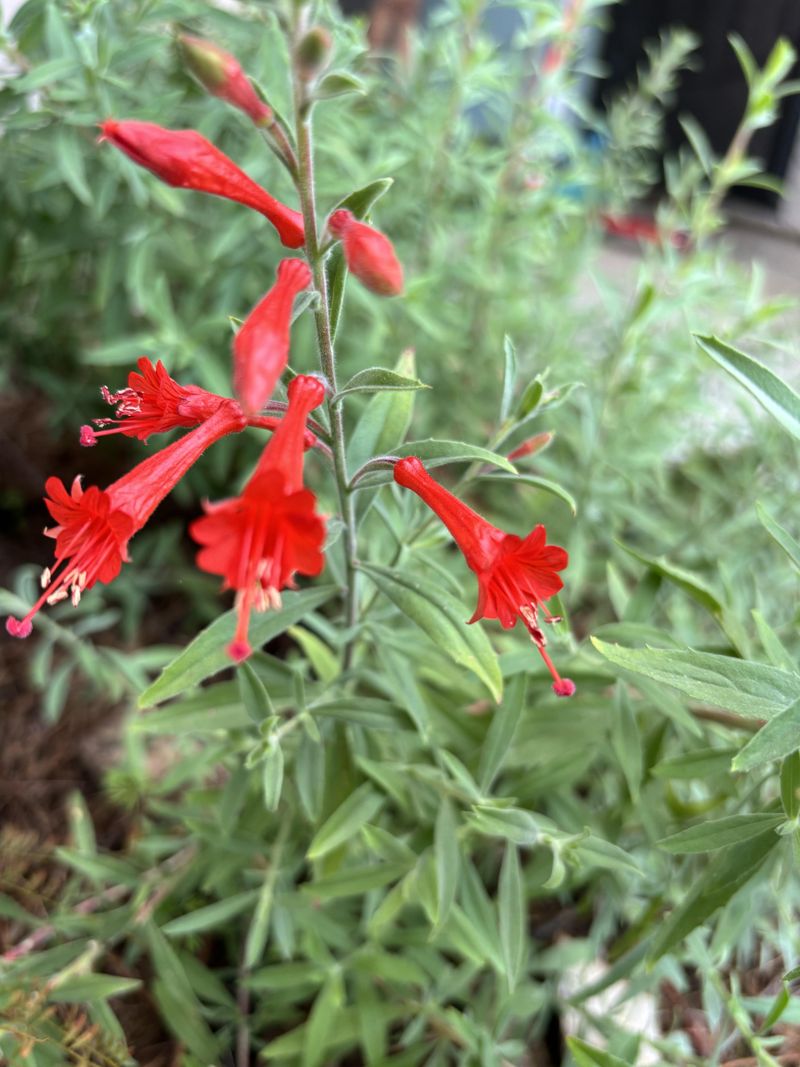
When most of the garden starts looking tired in late summer, California fuchsia is just getting started. This native plant, known scientifically as Epilobium canum, bursts into a blaze of bright orange-red flowers right when other plants are winding down.
It is one of the most reliable late-season bloomers you can find for a California front yard.
Hummingbirds absolutely love it, and you will often see them hovering around the tubular flowers from late summer well into fall. The plant forms a low, spreading mound of silvery-green foliage that looks attractive even when it is not in bloom.
It prefers full sun and well-drained soil, and once it gets going, it barely needs any supplemental water.
California fuchsia is especially well-suited for slopes and hillside plantings where erosion can be a problem. Its spreading roots help hold soil in place while keeping the area looking lush and full.
Cut it back hard in late winter to encourage compact, vigorous new growth. It is available in several cultivars, including some with more compact habits, so you can find one that fits your specific front yard space.
A truly underrated plant for California landscapes.
5. Red Buckwheat
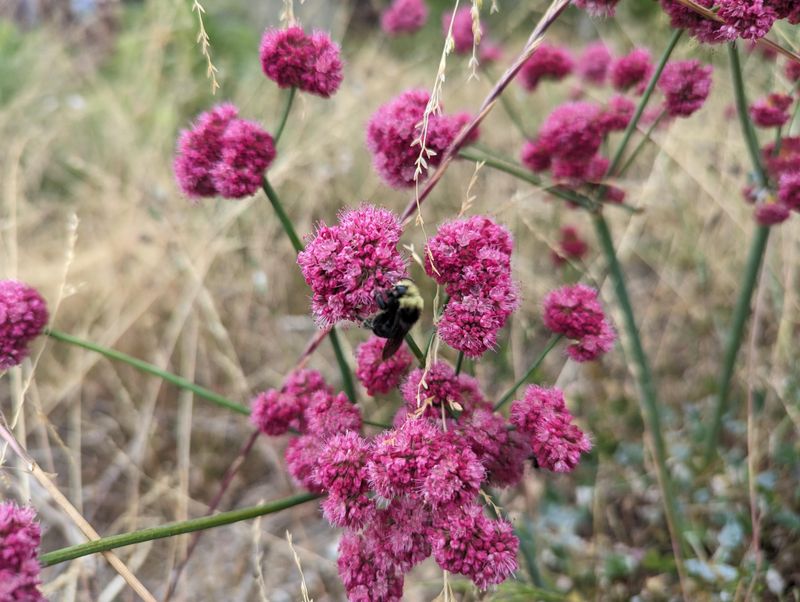
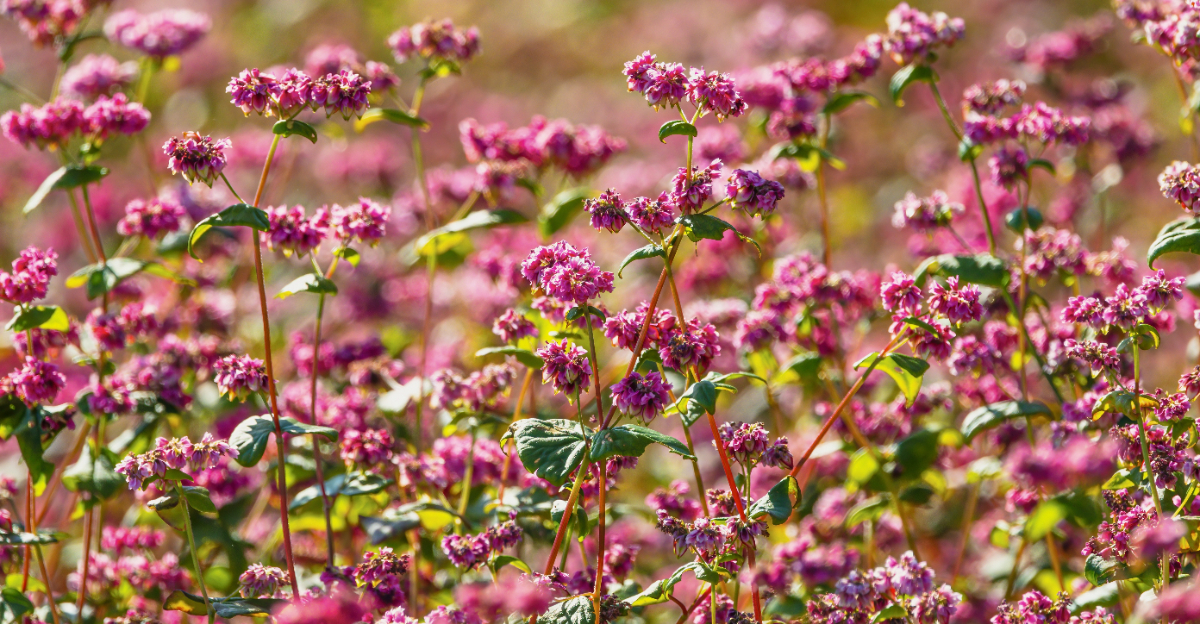
There is something quietly stunning about red buckwheat in full bloom. Eriogonum grande var. rubescens is a Channel Islands native that produces round clusters of rosy-pink flowers on slender stems above a low mat of gray-green leaves.
The flowers fade to a rusty copper color as they age, giving the plant a warm, layered look that lasts for months.
This is one of those plants that thrives on neglect. Give it full sun, fast-draining soil, and very little water, and it will perform beautifully in your California front yard.
It is especially popular in coastal areas but adapts well to inland gardens too. The flowers are magnets for native bees, butterflies, and even small birds that feed on the seeds.
Red buckwheat stays fairly compact, usually reaching about one to two feet tall and wide, which makes it easy to use as a border plant or as a filler between larger shrubs. It pairs wonderfully with other California natives like sage and penstemon.
One fun fact: buckwheats are considered keystone plants in California ecosystems because so many native insects depend on them. Adding one to your front yard means you are supporting local wildlife while keeping your water bill in check.
6. Foothill Penstemon
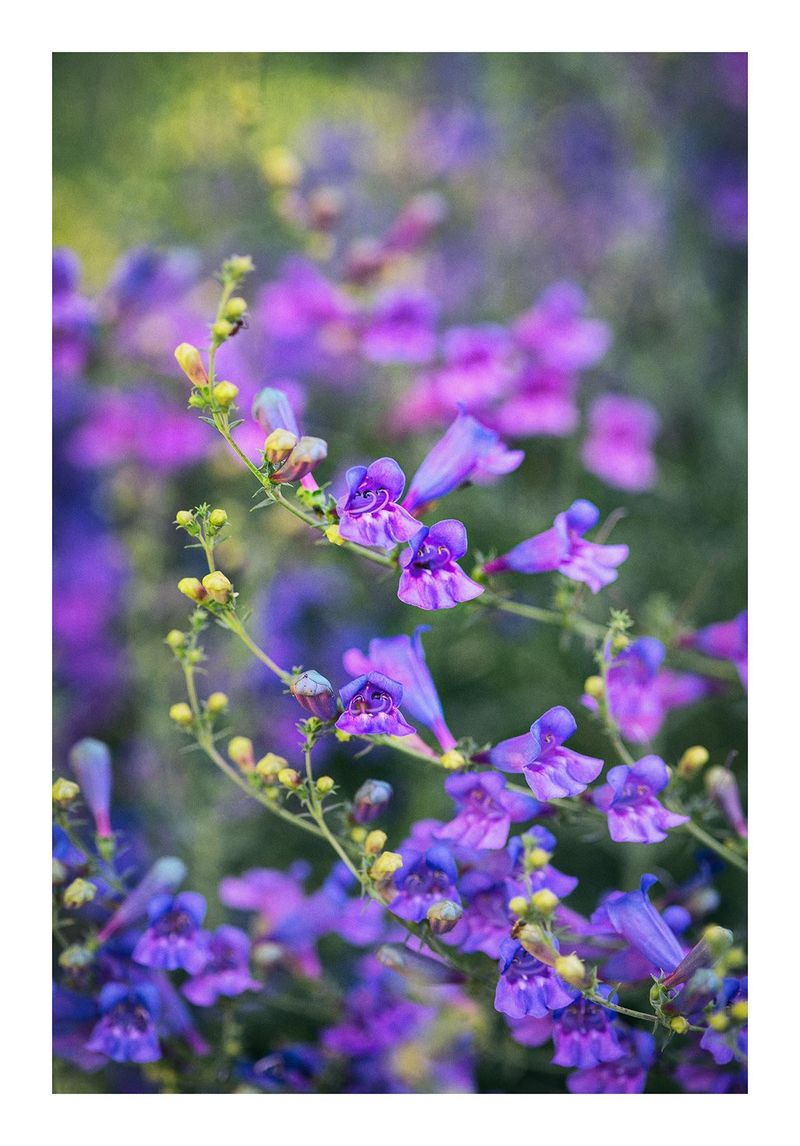
Tall, elegant flower spikes in shades of lavender, purple, and pink make foothill penstemon one of the most eye-catching plants you can add to a California front yard. Penstemon heterophyllus is native to the foothills and lower mountain ranges of California, and it has a natural grace that looks both wild and intentional in the landscape.
Blooming from spring through early summer, the tubular flowers are a favorite of hummingbirds and native bees. The plant grows about two to three feet tall and works beautifully as a mid-border accent.
It prefers full sun and excellent drainage, which makes it a great candidate for raised beds, rocky slopes, or gravel gardens.
Once established, foothill penstemon needs only occasional deep watering during dry spells. It is relatively short-lived, often lasting three to five years, but it self-seeds readily, so new plants tend to pop up nearby to replace older ones.
Deadheading spent flowers can extend the bloom period. If you are new to California native gardening, penstemon is an excellent starting point because it establishes quickly and rewards you with a generous floral display in its very first season.
It is a plant that earns its place fast.
7. Deer Grass
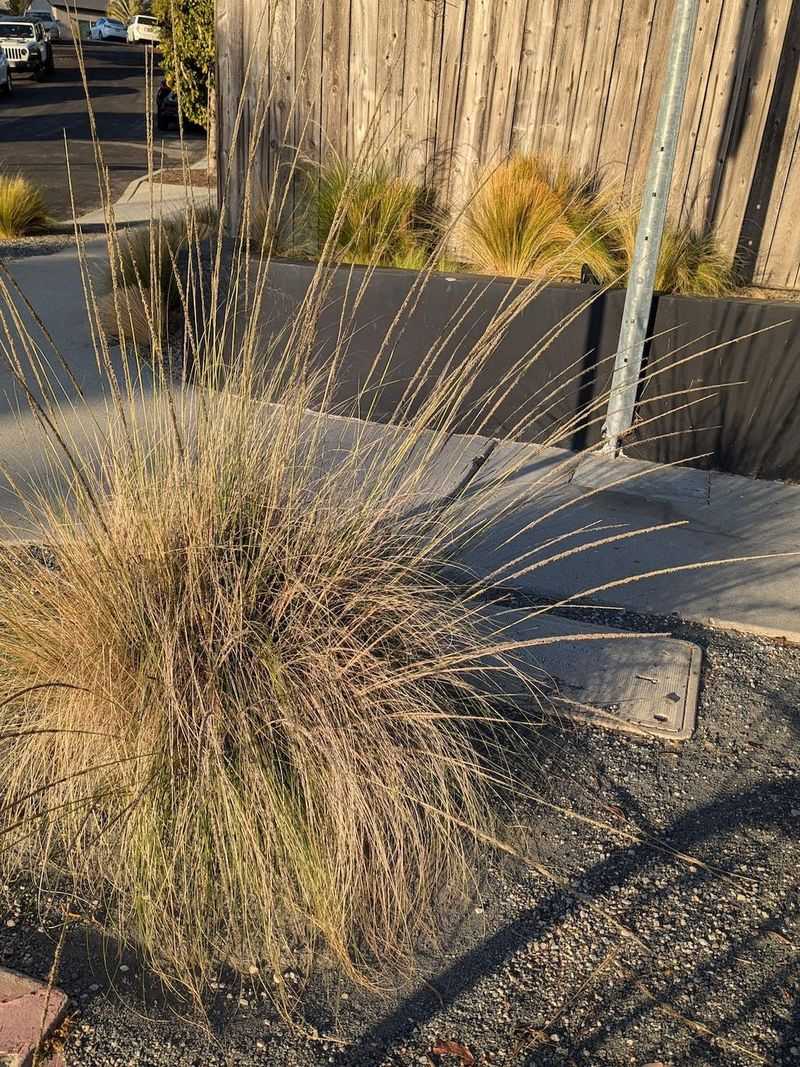
Not every front yard needs flowers to look beautiful. Sometimes all it takes is the right texture, and deer grass delivers that in a big way.
Muhlenbergia rigens is a California native bunchgrass that forms graceful, arching clumps of fine-textured foliage. In late summer and fall, it sends up tall, wispy seed stalks that catch the light and sway gently in the breeze.
It is one of the most versatile plants you can use in a California front yard. Plant it as a specimen, use it to anchor a corner of a garden bed, or mass it together for a dramatic, meadow-style effect.
It handles full sun, part shade, clay soils, and rocky soils with equal ease. Once established, it needs very little supplemental water.
Deer grass grows slowly at first but eventually reaches three to four feet tall and wide, forming a substantial, sculptural presence in the landscape. It is also highly deer resistant, which is a practical bonus in many parts of California.
Cut it back to about six inches in late winter to encourage fresh growth in spring. Few plants offer this combination of beauty, toughness, and water efficiency all in one attractive, low-maintenance package.
8. Foothill Sedge
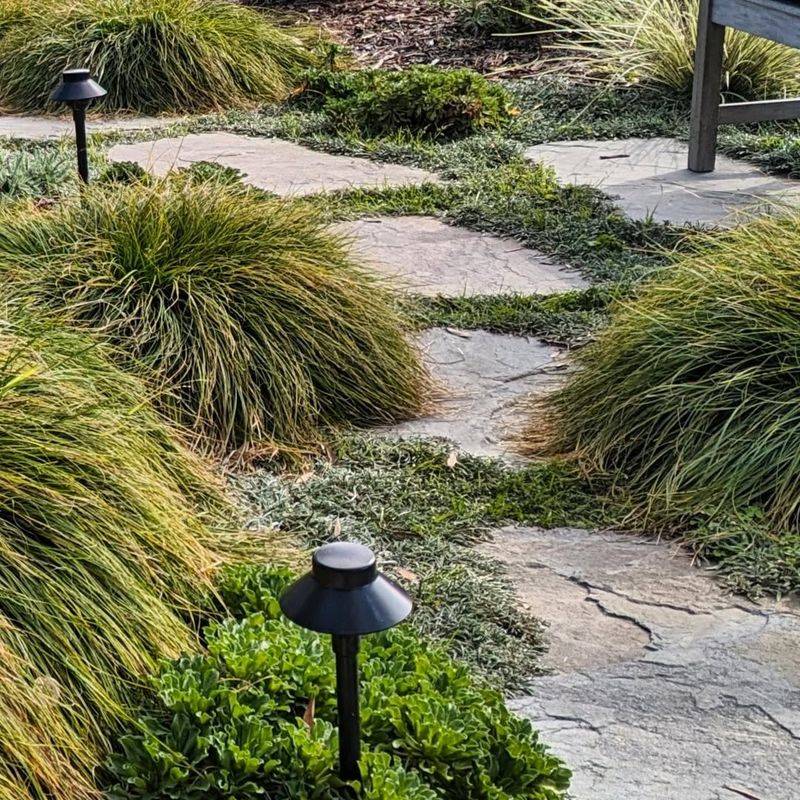
Shady front yards in California can be tricky to plant, but foothill sedge makes it look effortless. Carex tumulicola is a California native sedge that forms dense, low tufts of fine, dark green foliage.
It thrives in shade and part shade, making it one of the best options for areas under trees or along the north side of a house.
Unlike traditional lawn grass, foothill sedge stays relatively short and needs very little mowing. Many California homeowners use it as a lawn alternative, planting it in masses to create a soft, green carpet that looks lush without requiring constant irrigation.
It handles foot traffic reasonably well when established, which adds to its practical appeal.
Foothill sedge is especially popular in the Bay Area and coastal parts of California, where it fits naturally into the local ecology. It pairs beautifully with hummingbird sage and other shade-tolerant natives.
Water it regularly during the first growing season to help it establish, and then you can gradually reduce irrigation. It is a quiet, unassuming plant that does not demand attention, yet it consistently delivers a clean, tidy look that makes front yards feel polished and intentional without a high water cost.
9. California Fescue
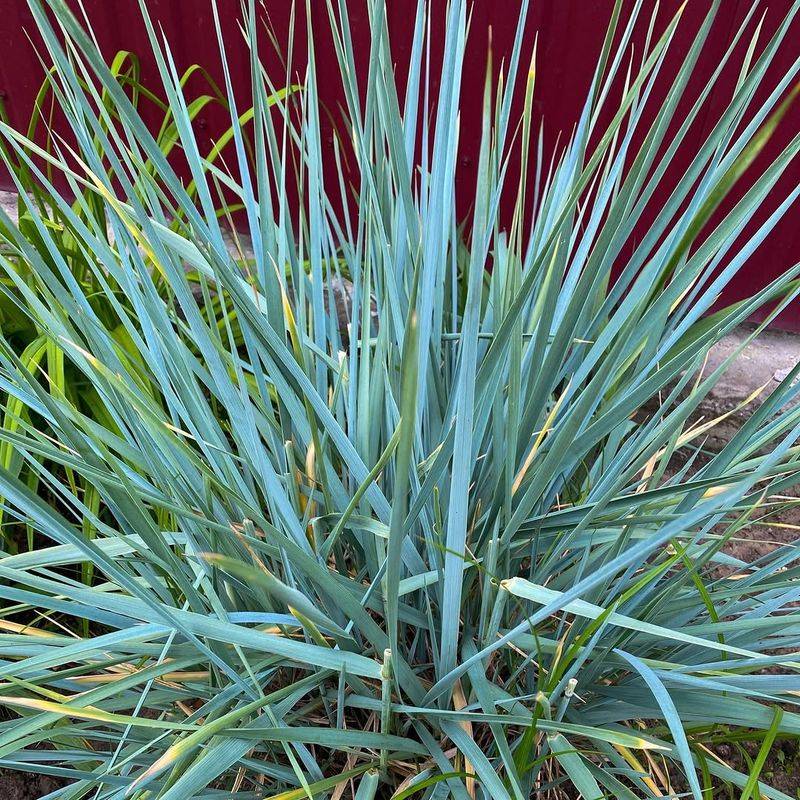
Cool blue-green foliage and an elegant, arching habit make California fescue one of the most visually appealing grasses you can plant in a front yard. Festuca californica is a native bunchgrass that grows naturally in shaded woodlands and open hillsides throughout the state.
It brings a soft, flowing quality to the landscape that few other plants can match.
It grows well in both sun and partial shade, which gives it flexibility that many drought-tolerant plants lack. The clumps reach about two to three feet tall and produce delicate, airy seed heads in late spring that add movement and texture to the garden.
California fescue pairs especially well with flowering natives like yarrow and penstemon, creating a layered, naturalistic look.
Water needs are low once the plant is established, making it a smart choice for California homeowners trying to reduce outdoor water use. It does best with occasional deep watering during summer dry spells rather than frequent shallow watering.
Divide clumps every few years to keep them looking fresh and vigorous. If you are trying to move away from a traditional lawn but still want something green and grass-like, California fescue is one of the most satisfying alternatives available for California front yards.
10. Blue Elf Aloe
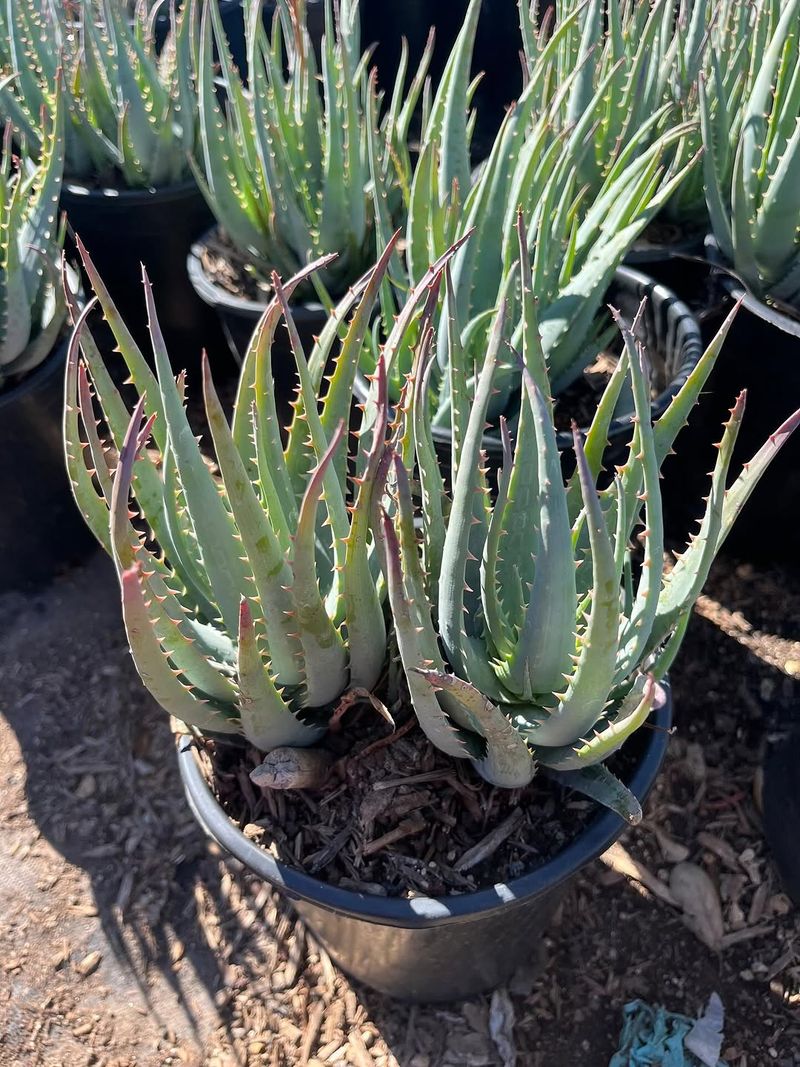
Compact, striking, and practically indestructible, Blue Elf aloe is one of the hardest-working succulents you can plant in a California front yard. This hybrid aloe forms tidy rosettes of blue-gray, spiky leaves that stay small enough to use in tight spaces.
In winter and spring, it sends up tall orange flower stalks that hummingbirds find irresistible.
It is a brilliant choice for hot, sunny spots where other plants struggle. Full sun, poor soil, and very little water are all it needs to thrive.
Plant it along a driveway, in a strip garden, or at the base of a mailbox for a low-maintenance focal point that looks great year-round. It handles the heat of inland California valleys without missing a beat.
Blue Elf aloe also looks fantastic when paired with ornamental grasses or flowering natives like yarrow and penstemon. The contrast between its blue-gray foliage and the soft textures of grasses creates a visually dynamic combination.
It stays under two feet tall, so it never overwhelms a space. Divide clumps every few years to propagate new plants and keep the original looking its best.
For anyone new to water-wise gardening in California, Blue Elf aloe is a confidence-building plant that delivers results quickly and consistently.