Oregon Gardeners Are Ditching Bark Dust For These Living Mulches That Suppress Weeds
Bark dust can make beds look neat for a while, but it does not stay fresh forever. Oregon gardeners often find themselves topping it off, raking it back into place, or pulling weeds that still manage to sneak through.
Living mulch offers a different kind of cover. Instead of sitting on the soil, it grows into a low layer that helps shade open ground.
That can make it harder for weeds to get the space and light they need. The right plants can also make beds feel softer and more natural as they fill in.
This is not about letting the garden run wild. It is about choosing ground-hugging plants that work with your space.
Once they settle in, living mulches can make weed control feel less like a constant chore.
1. Yerba Buena Adds Fragrance Beneath Trees
There is something special about a ground cover that smells amazing every time you brush past it.
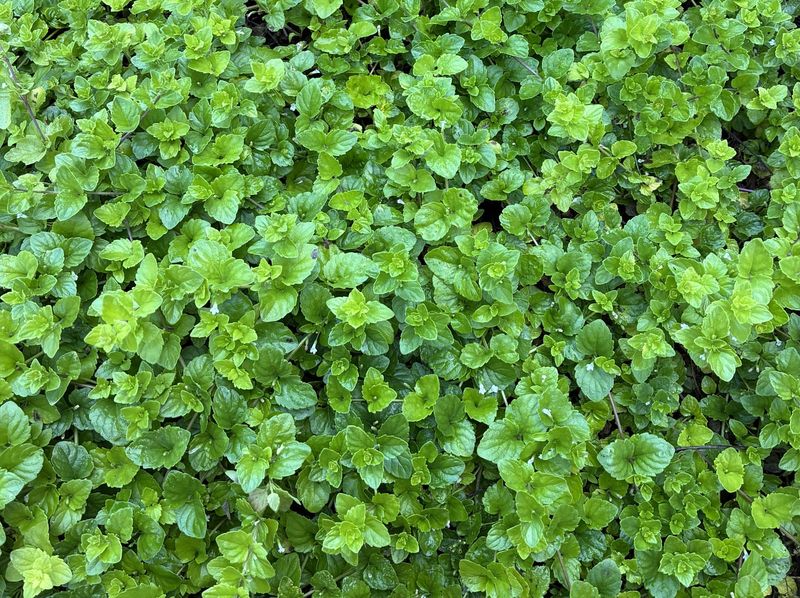
Yerba buena is a native Pacific Northwest plant that releases a fresh minty scent when touched or walked on lightly.
It has been used for centuries by Indigenous peoples in this region for tea, medicine, and cooking.
This low-growing creeper spreads along the ground with slender stems and small, rounded, bright green leaves.
It stays under about two inches tall, which makes it a great choice for planting beneath trees where you want something tidy and weed-suppressing.
It thrives in part to full shade and prefers the moist, well-drained soil found in many woodland gardens across Oregon.
One thing gardeners love about yerba buena is how well it works alongside native trees like Oregon white oak or big-leaf maple. It fills in slowly but surely, and once established, it keeps weeds from getting a foothold.
It does appreciate some moisture during the driest summer months, especially in its first year.
You can harvest small amounts of the leaves to make a soothing herbal tea, which makes it a productive ground cover as well as a pretty one. Plant starts about 12 to 18 inches apart in a shaded bed.
Within two seasons, you will have a fragrant, weed-blocking carpet that no bag of bark dust could ever match.
2. Barrenwort Covers Dry Shade Under Shrubs
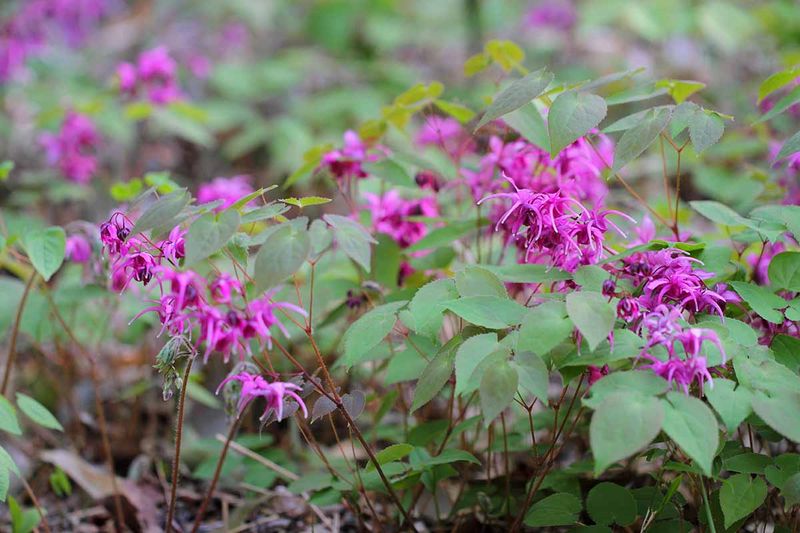
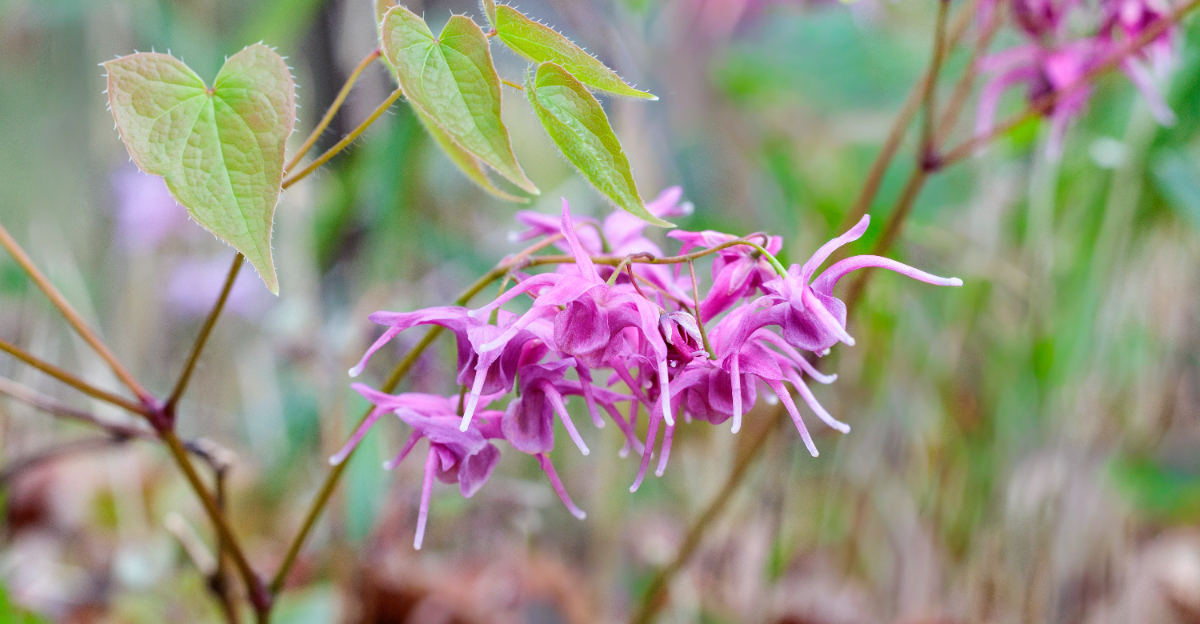
Few plants handle dry shade as gracefully as barrenwort, also known as Epimedium. Under big rhododendrons or mature shrubs where bark dust turns gray and weeds sneak through every spring, this plant quietly takes over and holds its ground.
It forms a dense, weed-smothering carpet that stays tidy without much help from you.
The leaves are heart-shaped and often have a reddish tint when they first emerge in spring. In late spring, tiny delicate flowers appear in shades of yellow, pink, purple, or white depending on the variety.
Even after the flowers fade, the foliage stays attractive through fall and into winter.
Barrenwort is especially useful in spots where the soil is dry and full of tree roots. Most other plants struggle in those conditions, but this one thrives.
Your Oregon Garden Changes Every Week. Your Plan Should Too.
Gardening in Oregon changes quickly throughout the season. Every Friday you’ll receive a simple weekly plan showing exactly what to plant, prune, fertilize, harvest, and protect so you never miss the right timing.
It handles the dry summers common in Oregon without needing extra irrigation once it gets established, which usually takes one full growing season.
Plant it about 12 inches apart and it will slowly fill in gaps over two to three years. It spreads by underground rhizomes, so it expands steadily without becoming invasive.
A light trim in late winter removes old foliage and lets the fresh spring growth look its best. Gardeners who try it once rarely go back to bark dust in those tricky shaded spots.
3. Piggyback Plant Spreads In Moist Shade
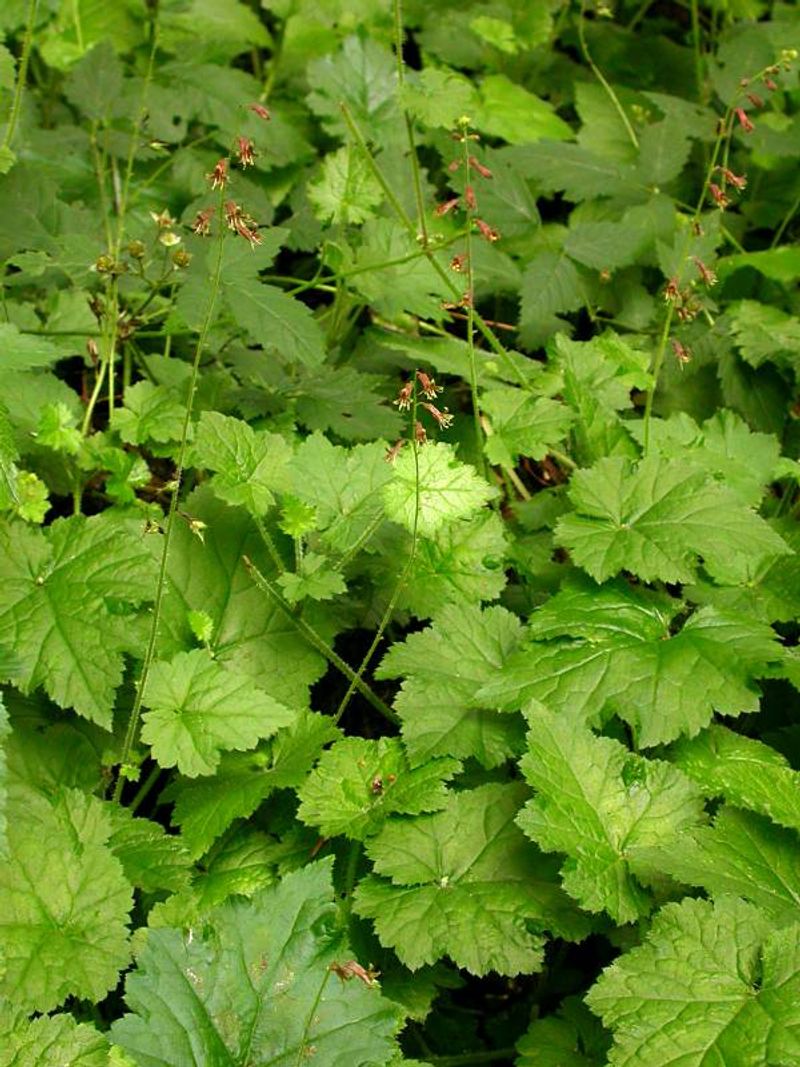
Named for the tiny plantlets that grow right on top of its leaves, the piggyback plant is one of the quirkiest and most charming ground covers you can grow in a shady, moist garden.
Those little baby plants weigh down the leaf tips, touch the soil, and take root on their own. It is basically a plant that plants itself.
Native to the coastal forests of the Pacific Northwest, Tolmiea menziesii feels completely at home in Oregon’s wet winters and cool shaded corners.
It forms a lush, leafy mat that blocks weeds effectively and looks full and healthy even in spots where other plants look tired.
The textured, bright green leaves add a lot of visual interest to the garden floor.
Moist soil is the key to keeping piggyback plant happy. It does best under trees or in north-facing beds where moisture stays in the ground longer.
In very dry summers, a bit of supplemental watering helps it stay looking its best. It is not drought-tolerant, so pair it with plants that share similar water needs.
Spacing plants about 12 inches apart works well since they spread quickly and fill gaps within a single season. Gardeners who have tried it say it is almost too easy.
The self-rooting habit means you can divide clumps and replant them elsewhere for free, making it one of the most budget-friendly weed-suppressing options available for shady beds.
4. Woodland Strawberry Fills Informal Beds Fast
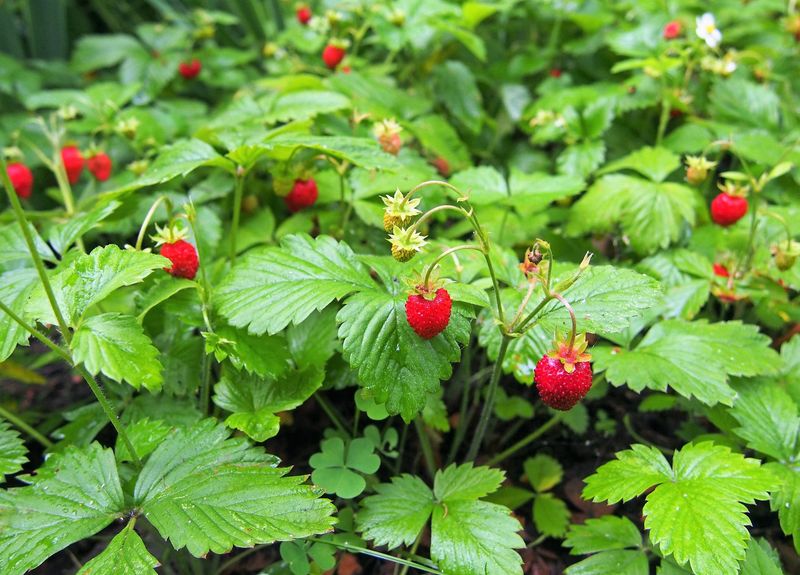
Fast, friendly, and surprisingly productive, woodland strawberry is the kind of ground cover that makes you wonder why you ever bothered with bark dust at all.
Within a single growing season, it can fill an entire bed with a cheerful carpet of bright green leaves, white flowers, and tiny sweet berries that taste far better than anything from a grocery store.
Fragaria vesca spreads by runners, sending out little stems that root wherever they touch the soil.
This habit makes it an incredibly efficient weed suppressor because it fills gaps quickly and leaves almost no open ground for weeds to colonize.
It works well in both partial shade and full sun, which gives it a lot of flexibility in the garden.
The berries are small but flavorful, and birds love them just as much as people do. If you want to keep more berries for yourself, a light bird net over the bed during fruiting season works well.
The plants stay under about eight inches tall and have a relaxed, cottage-garden look that suits informal beds perfectly.
Plant starts or divisions about 12 inches apart in spring. They establish quickly and start sending out runners within weeks.
In fall, you can dig up rooted runners and fill in any bare spots for free. Gardeners across Oregon who have tried woodland strawberry in place of bark dust often describe it as one of the best garden decisions they have ever made.
5. Kinnikinnick Holds Slopes Without Bark Dust
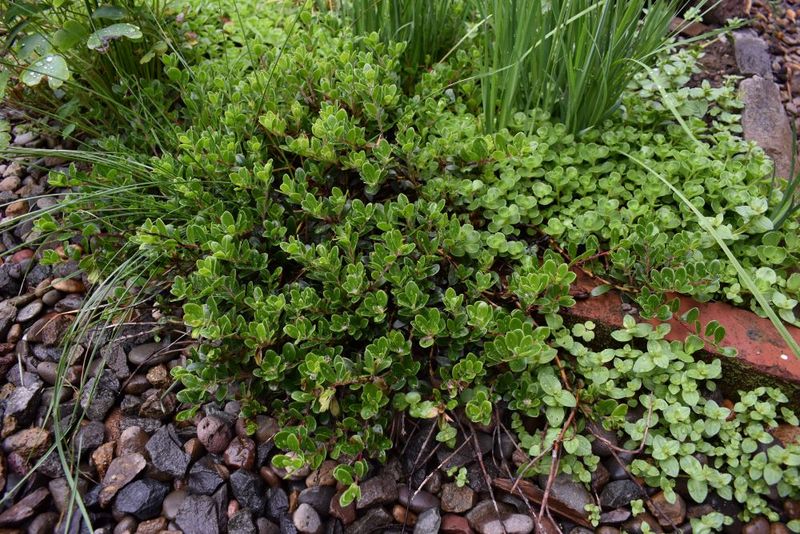
Slopes are one of the biggest challenges in any garden. Bark dust slides downhill, weeds pop up constantly, and erosion takes over after every heavy rain.
Kinnikinnick, also called bearberry, is built for exactly this kind of situation. Its long trailing stems root as they spread, locking soil in place and crowding out weeds without any help from you.
This tough native evergreen hugs the ground and stays under six inches tall. The small, glossy green leaves look attractive all year long.
In spring, tiny pink and white urn-shaped flowers appear, followed by bright red berries in fall that birds absolutely love. It is a plant that earns its keep in every season.
Kinnikinnick is perfectly suited to the dry, rocky, or sandy soils found on many slopes across Oregon. Once established, it handles drought well and needs almost no irrigation.
It does not like heavy clay soil or poorly drained areas, so make sure the slope drains freely before planting.
Give each plant about two to three feet of space and let it do its thing. It spreads slowly at first but picks up speed after the first season.
Avoid fertilizing heavily since rich soil actually makes it less vigorous. Gardeners in drier parts swear by kinnikinnick as the ultimate bark-dust replacement for slopes that used to be a constant maintenance headache.
6. Creeping Thyme Softens Sunny Gravel Edges
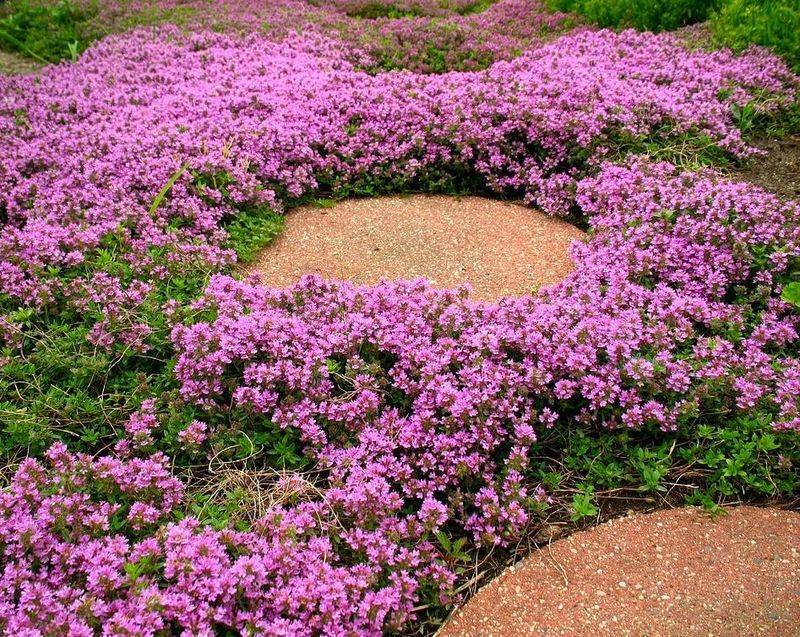
Along sunny gravel paths and at the edges of rock gardens, bark dust looks out of place and blows away in the wind. Creeping thyme is a far better choice.
It forms a flat, dense mat of tiny aromatic leaves that releases a wonderful herby fragrance when brushed by a shoe or a passing hand.
In late spring and early summer, it bursts into bloom with tiny flowers in shades of pink, lavender, or white that attract bees by the dozens.
This plant loves full sun and well-drained soil, which makes it a natural fit for the drier, sunnier spots in a garden.
It is remarkably drought-tolerant once established and handles the hot, dry summers common in the Willamette Valley and southern parts of Oregon with ease.
Heavy clay or consistently wet soil is the one thing it really does not like.
Creeping thyme can handle light foot traffic, which makes it ideal for planting between stepping stones or along path edges. It stays under three inches tall and spreads steadily to fill gaps.
Weeds have a very hard time pushing through a well-established mat of it.
Plant starts about 12 inches apart in spring or fall. After one full season, most plants will have spread enough to start connecting with their neighbors.
Trim lightly after flowering to keep it neat. Gardeners who swap gravel-edge bark dust for creeping thyme rarely look back once they see how low-maintenance and beautiful it becomes.
7. Creeping Oregon Grape Covers Dry Shade
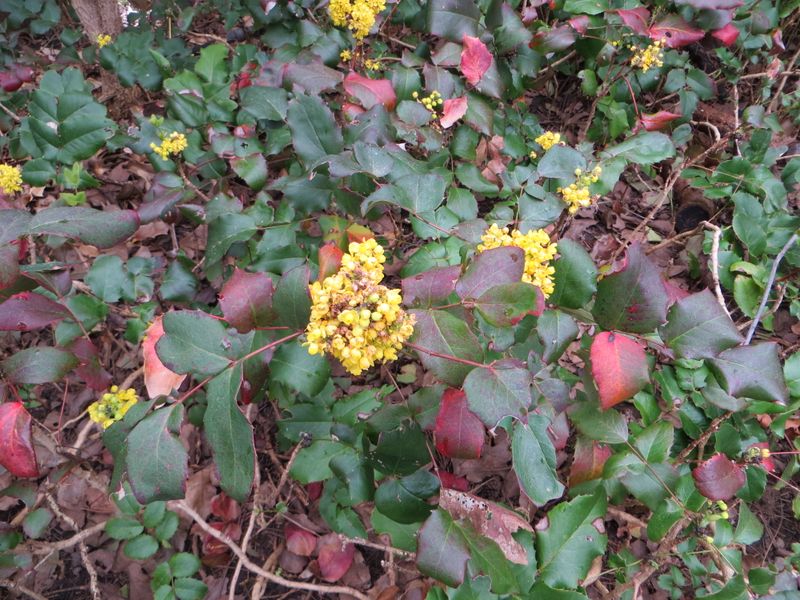
Bold, architectural, and completely unbothered by dry shade, creeping Oregon grape is one of the most reliable ground covers you can plant under big trees where bark dust always seems to look dull and flat.
Unlike its taller relative, this low-growing version of Mahonia stays under 12 inches tall and spreads steadily to form a weed-blocking mat of spiky, holly-like foliage.
Bright yellow flower clusters appear in early spring and add a cheerful pop of color right when the garden needs it most. Those flowers turn into blue-purple berries by late summer that birds and wildlife find irresistible.
The leaves often turn a rich bronze or reddish-purple in winter, giving the garden color even during the coldest months.
One of the biggest selling points of this plant is its ability to handle the dry, root-filled soil found under established trees. Most ground covers struggle in these spots, but creeping Oregon grape actually prefers them.
It needs very little water once established and does not require fertilizing or much pruning to stay looking good.
Space plants about 18 to 24 inches apart. They spread by underground stems and will gradually knit together into a dense, attractive carpet.
This is a native plant that supports local pollinators and wildlife, which makes it an especially meaningful choice for gardeners who want their yard to do more than just look nice. It is tough, native, and genuinely beautiful all year long.