These 7 Plants Repel Deer From An Oregon Garden So Reliably Neighbors Will Ask What You Did
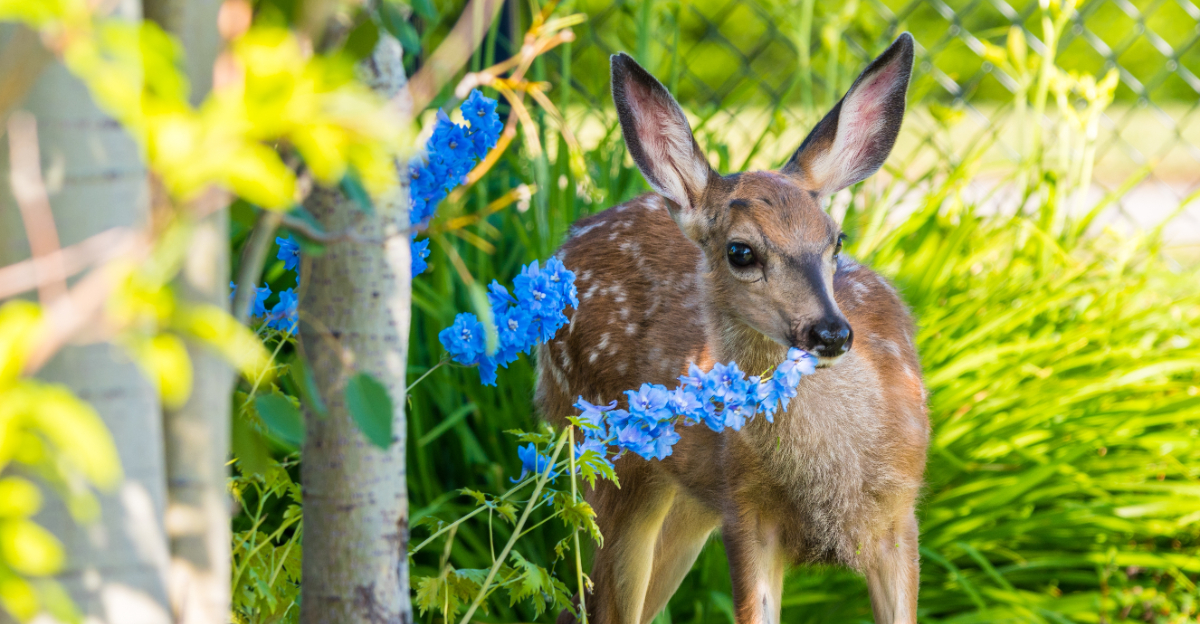
Deer can turn an Oregon garden into their personal salad bar way too fast. One evening your flowers look lovely, and by morning the stems look suspiciously bare. It feels rude because it is rude.
The tricky part is that deer rarely stop at one plant once they find a yard they like. They return, nibble, wander, and act like the whole place was planted for them. Fences help, but not everyone wants to build a fortress around the garden.
That is why many Oregon gardeners use plants deer tend to avoid. Strong scents, fuzzy leaves, and bold textures can make certain plants much less tempting. Of course, no plant is a perfect promise when deer are hungry enough.
Still, the right mix can make your yard far less inviting. A garden that smells amazing to you may smell like a bad dinner plan to them.
1. Catmint Smells Great To People, But Not To Deer
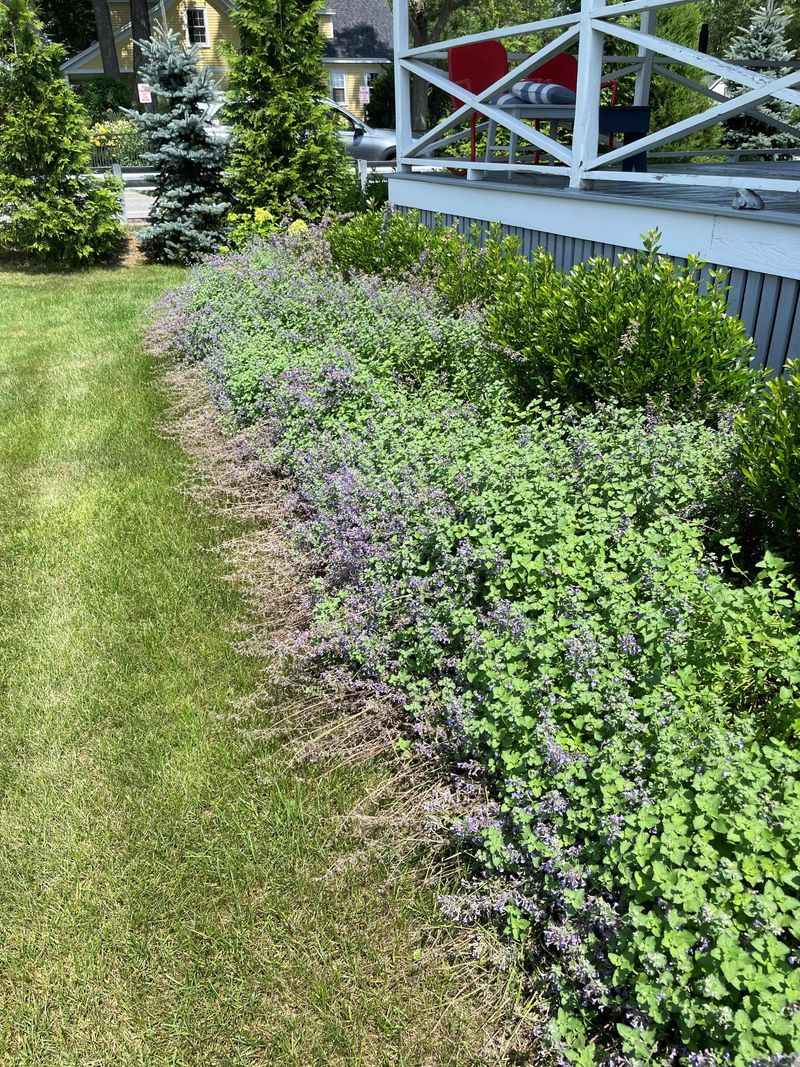
Few plants earn their place in a Pacific Northwest garden quite like catmint. It blooms in waves of soft lavender-blue flowers from late spring all the way into fall, and it smells absolutely wonderful to most people. But deer?
They want nothing to do with it. The strong minty, herbal scent that humans find refreshing is overwhelming and off-putting to deer.
Catmint is incredibly easy to grow. It thrives in full sun and handles dry summers well, which makes it a smart pick for gardens in the Willamette Valley and surrounding regions. Once established, it needs very little water or attention.
Just cut it back halfway after the first big bloom and it will flower again within a few weeks. Beyond deer resistance, catmint is a pollinator magnet.
Bees and butterflies flock to its flowers all season long. It works beautifully as a border plant, along pathways, or spilling over the edges of raised beds.
The silvery-green leaves stay attractive even when the plant is not in bloom. Cats are famously attracted to catmint, so if you have outdoor cats nearby, you may notice some rolling around in your plants.
That is the only real downside. For deer-free gardening with minimal effort, catmint is one of the most dependable choices available in this region. Plant it once and enjoy years of colorful, fragrant, deer-free blooms.
2. Russian Sage Stands Tough In Sunny Borders
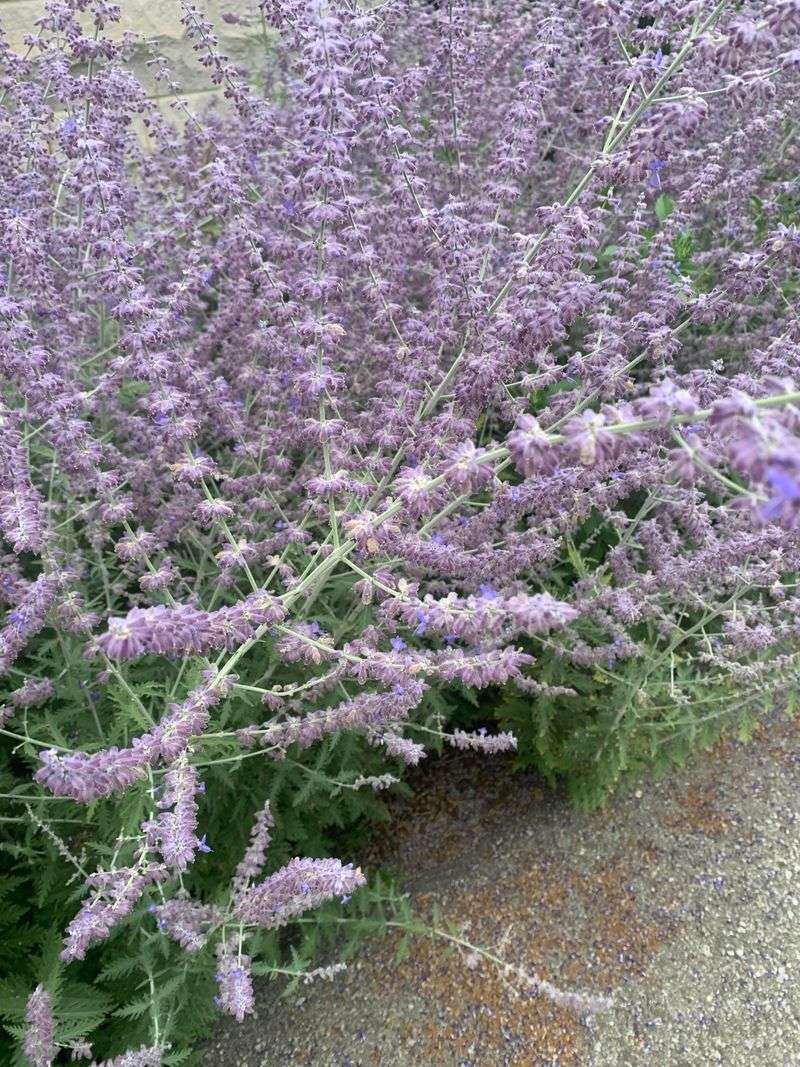
There is something almost magical about the way Russian sage looks in full bloom. Its tall, airy spikes of tiny violet-blue flowers seem to shimmer in the afternoon sun, and the silvery stems give it an almost ghostly glow.
Deer, however, are not impressed. The strong, resinous scent from its stems and leaves sends them in the opposite direction.
Russian sage is a powerhouse plant for sunny spots in the Pacific Northwest. It handles heat, drought, and poor soil without complaint. Once it gets established, it practically takes care of itself.
It is one of those plants that looks like it should be hard to grow but is actually very forgiving for beginner and experienced gardeners alike.
Your Oregon Garden Changes Every Week. Your Plan Should Too.
Gardening in Oregon changes quickly throughout the season. Every Friday you’ll receive a simple weekly plan showing exactly what to plant, prune, fertilize, harvest, and protect so you never miss the right timing.
Growing up to four feet tall, Russian sage creates a dramatic backdrop for shorter plants. It pairs beautifully with ornamental grasses, lavender, and black-eyed Susans.
The combination of silver foliage and purple blooms gives any garden a sense of depth and movement, especially when a breeze passes through.
Pruning is simple. Cut the stems back hard in early spring before new growth begins, and the plant will come back fuller and stronger each year.
Pollinators absolutely love the flowers, so expect plenty of bees humming around during peak bloom.
If you have a dry, sun-drenched border that deer keep raiding, Russian sage may be exactly the solution your garden needs.
3. Lamb’s Ear Has Fuzzy Leaves Deer Usually Avoid
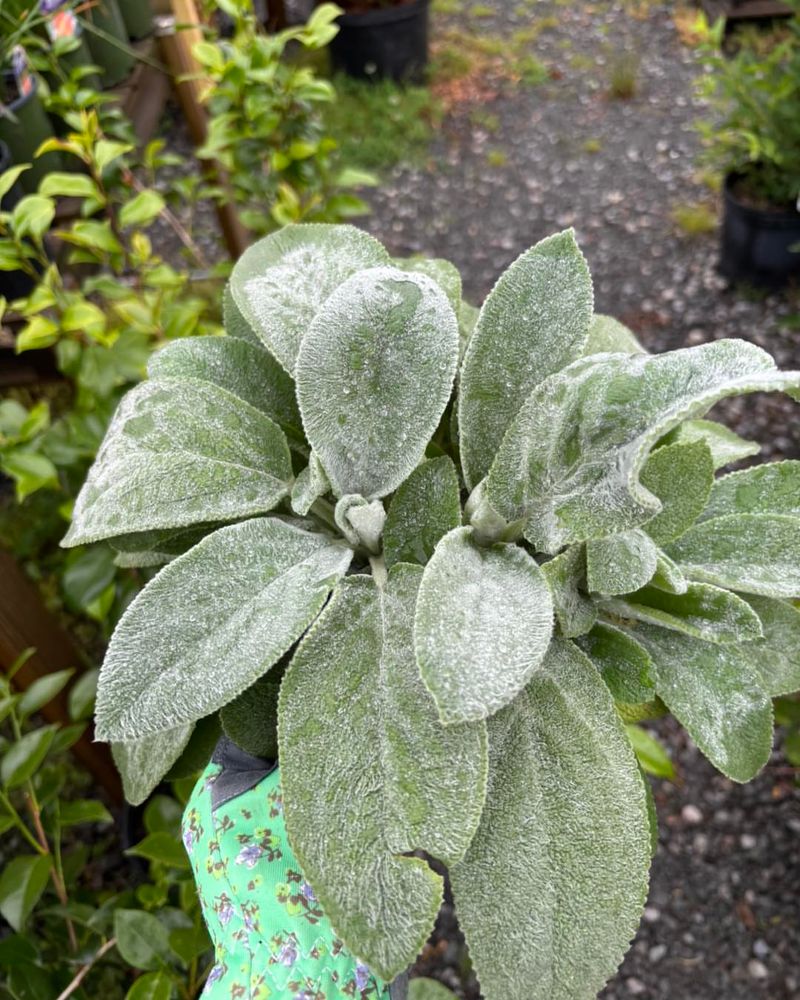
Run your fingers across a lamb’s ear leaf and you will understand immediately why deer skip it.
The thick, velvety coating of soft hairs feels unusual and is completely unappealing to deer, who prefer smooth, tender vegetation. That fuzzy texture is not just a defense mechanism. It also gives the plant its famous silvery look that gardeners love.
Lamb’s ear spreads low to the ground and makes an excellent weed-suppressing ground cover.
It works especially well along the front edges of garden beds, where its soft mounds of silver-gray foliage create a clean, attractive border. It fills in quickly without becoming invasive, which makes it easy to manage.
In late spring and early summer, tall flower spikes rise up from the rosettes and produce small pink-purple blooms that bees absolutely adore.
Some gardeners prefer to remove the flower spikes to keep the plant looking tidy, but leaving them up is a great choice if you want to support pollinators.
Lamb’s ear thrives in full sun to partial shade and handles dry conditions well once established. It does not love soggy soil, so good drainage is key, especially during the wet winters common in western parts of this state.
Plant it between other deer-resistant perennials for a layered, low-maintenance garden bed that looks great from spring through fall. It is a quiet workhorse that earns its spot every single year.
4. Bee Balm Brings Pollinators Without Inviting Deer
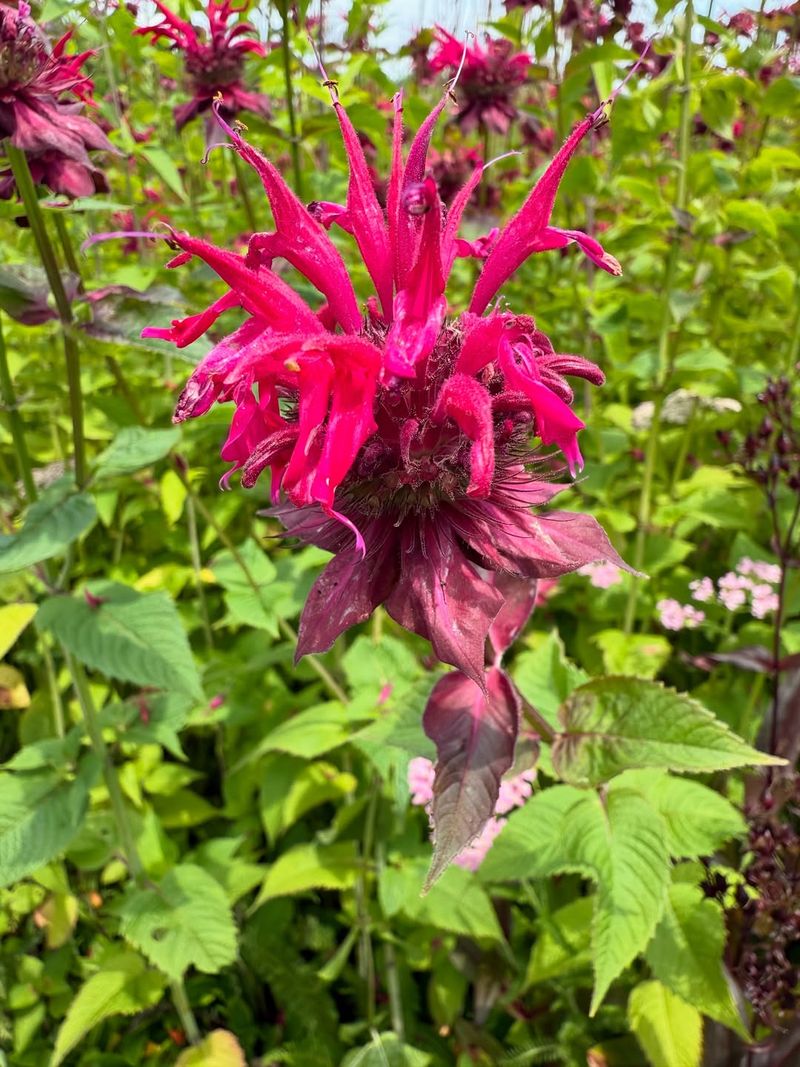
Bold, bright, and buzzing with activity, bee balm is one of the most exciting plants you can add to a summer garden.
The shaggy, crown-shaped flowers come in shades of red, pink, purple, and white, and they attract hummingbirds, bees, and butterflies in impressive numbers. Best of all, deer tend to leave it alone thanks to its strong, oregano-like fragrance.
The scent is the key. Bee balm belongs to the mint family, and like most members of that group, it produces aromatic oils that deer find unpleasant.
Crushing a leaf releases the scent immediately, and even just brushing past the plant can fill the air with its herbal fragrance.
Deer rely heavily on smell to find food, and bee balm simply does not pass the test.
In the Pacific Northwest, bee balm performs best in spots with morning sun and some afternoon shade.
It likes consistent moisture and does not do well in very dry conditions. Dividing it every two to three years keeps it healthy and prevents the center of the clump from thinning out.
One thing to watch for is powdery mildew, which can affect the leaves in humid conditions. Choosing mildew-resistant varieties like ‘Jacob Cline’ or ‘Raspberry Wine’ helps a lot.
Plant bee balm near the back or middle of a border where its height and color can really shine. It rewards you with weeks of gorgeous blooms and a garden full of life.
5. Hellebores Bloom Early And Get Left Alone
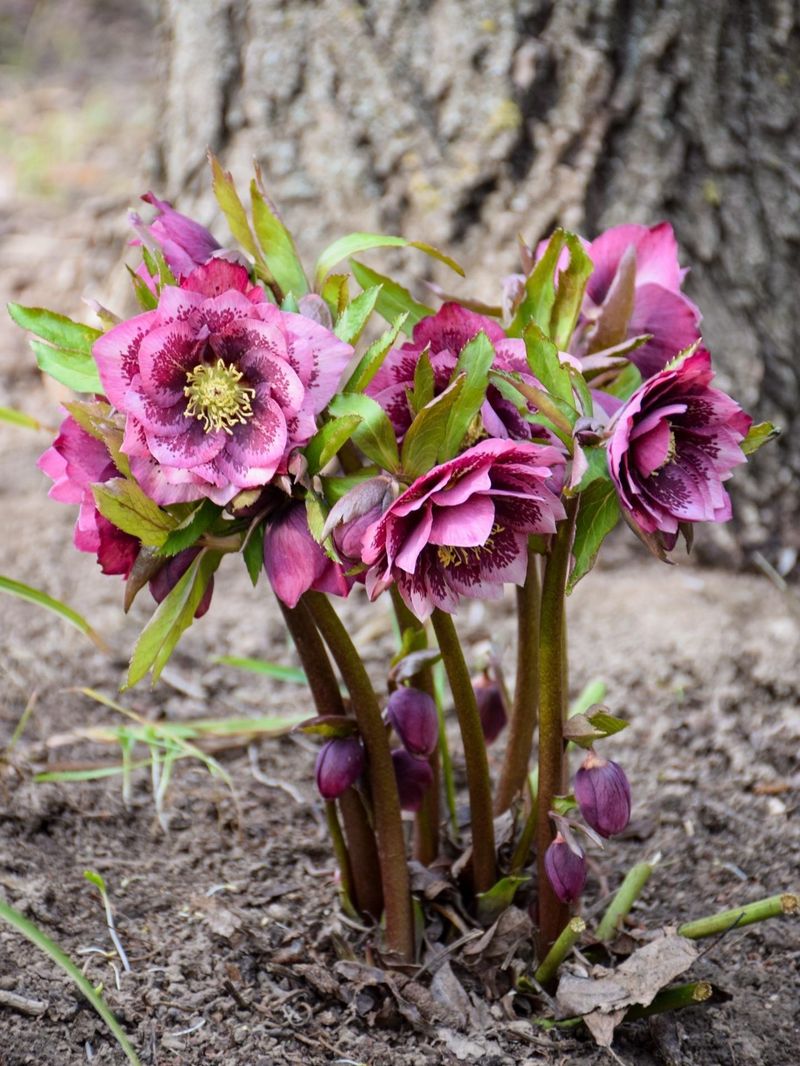
When most of the garden is still bare and cold, hellebores are already putting on a show. These tough, shade-loving perennials bloom in late winter and early spring, often pushing up flowers through frost and light snow.
That alone makes them remarkable. But the fact that deer consistently avoid them makes hellebores truly special for gardeners in this region.
The reason deer leave hellebores alone comes down to chemistry. Every part of the plant contains toxic compounds that cause a bitter, unpleasant taste.
Deer learn quickly to avoid plants that make them feel unwell, and hellebores fall firmly into that category.Once deer encounter one, they rarely come back for a second taste.
Hellebores thrive in dappled shade under deciduous trees, which makes them perfect for the shaded corners of Pacific Northwest gardens where other plants struggle.
They prefer rich, well-drained soil with regular moisture and actually resent being moved once established. Choose your planting spot carefully and then let them settle in for years of reliable beauty.
The flowers come in an amazing range of colors, from pure white and soft pink to deep burgundy, slate purple, and nearly black.
Many varieties are also fragrant, adding another sensory layer to the garden in the coldest months. Hellebores are long-lived plants that slowly spread into impressive clumps.
They are low-maintenance, evergreen in mild winters, and genuinely one of the most rewarding plants you can grow here.
6. Peonies Are Less Tempting Than Tender Garden Favorites
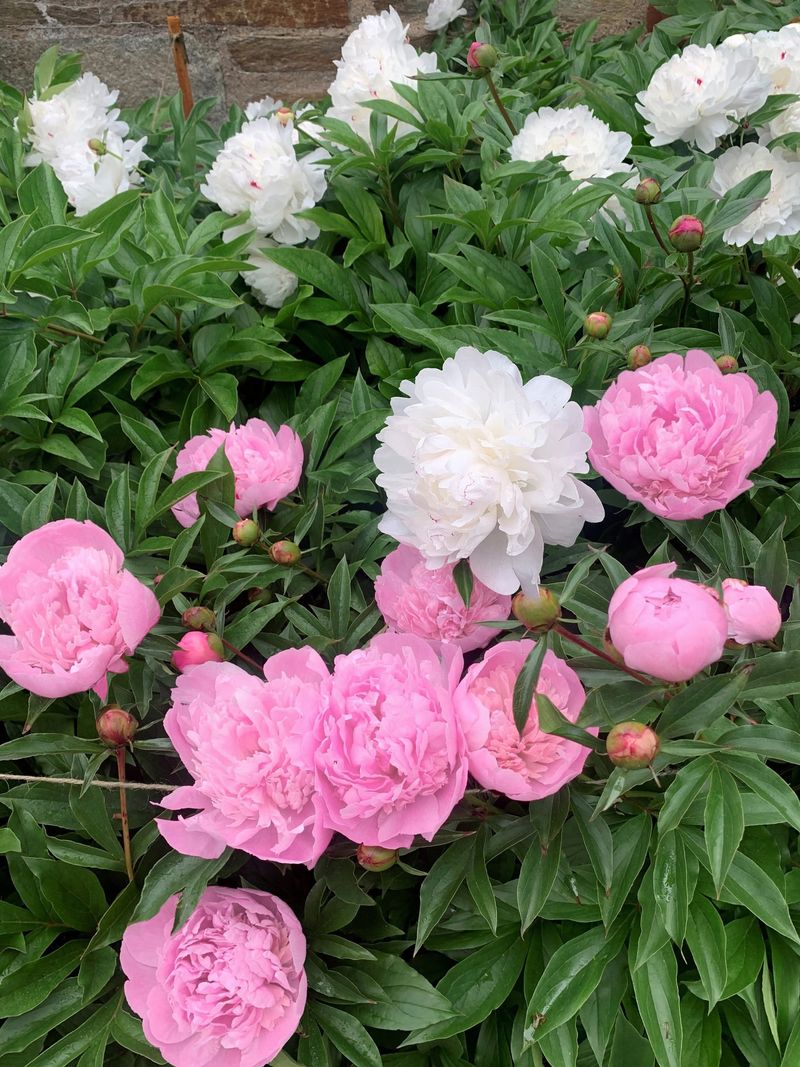
Peonies have a reputation for being fussy, but in reality they are some of the toughest and most long-lived perennials you can grow.
A well-placed peony can bloom for decades with very little intervention. And while deer will occasionally sample young peony shoots in early spring, mature plants are generally passed over in favor of more appealing options.
Part of the reason peonies get left alone is that they are not particularly palatable. The foliage has a slightly bitter taste that deer do not enjoy, and the strong fragrance of the flowers can be off-putting to them as well.
When deer have plenty of other choices in the area, peonies rarely make the shortlist.
In the Pacific Northwest, peonies do best in a spot with full sun and good air circulation. They need cold winters to bloom well, and the cooler temperatures of this state provide exactly the right conditions.
Plant the roots no more than two inches below the soil surface. Planting too deep is the most common reason peonies fail to bloom.
The flowers are absolutely breathtaking in late spring, ranging from simple single blooms to enormous, ruffled double flowers that look like something from a floral arrangement.
Colors run from pure white and blush pink to deep red and even coral. Stake taller varieties to keep the heavy blooms from drooping after rain.
For a deer-resistant garden that also looks stunning, peonies are a classic and reliable choice.
7. Alliums Add Drama With A Scent Deer Dislike
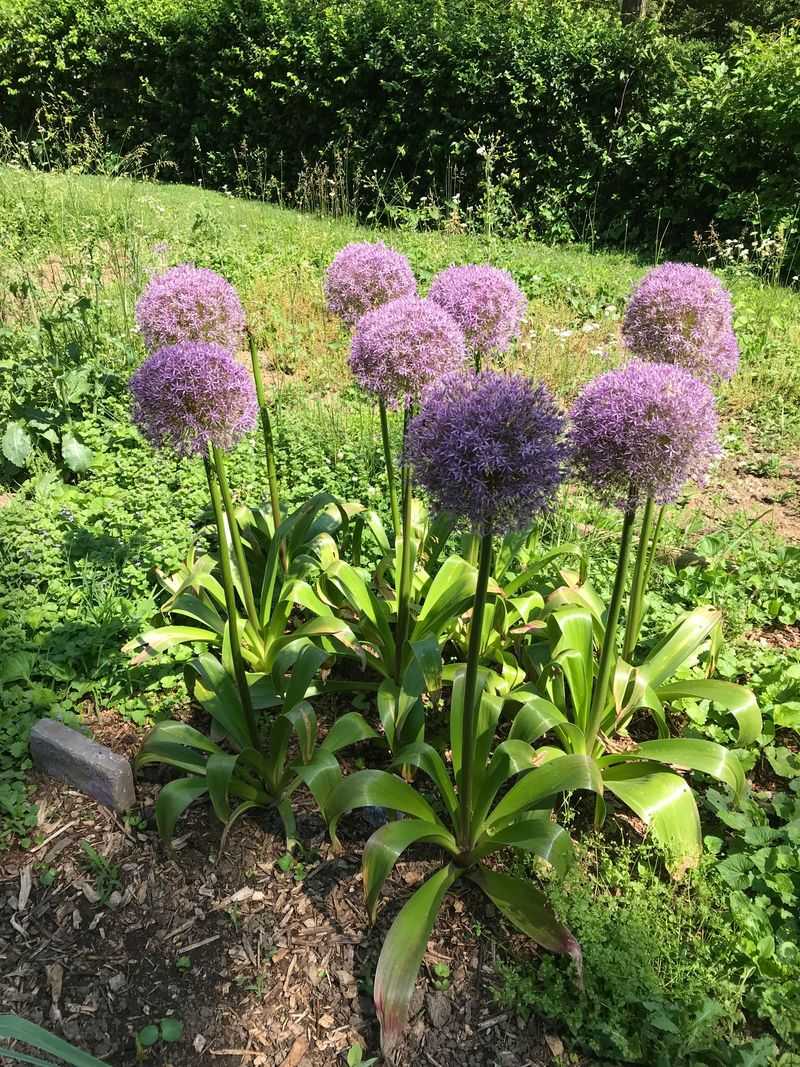
Not many plants can stop a garden visitor in their tracks the way alliums can. Those perfectly round, globe-shaped flower heads held high on tall, straight stems look almost too perfect to be real.
They add serious drama to any garden bed, and they do it while quietly keeping deer away with a scent that is unmistakably onion-like.
Alliums belong to the same plant family as onions, garlic, and chives. That relationship is obvious the moment you handle the bulbs or cut into a stem.
The sulfur compounds responsible for that familiar smell are exactly what deer find repellent. Even when alliums are planted near more tempting plants, deer often avoid the whole area.
Planting alliums in fall gives them time to establish roots before winter. They bloom in late spring to early summer, filling that awkward gap between spring bulbs and summer perennials.
After the flowers fade, the seed heads remain attractive for weeks and can even be left standing for winter interest or dried for indoor arrangements.
One of the smartest tricks experienced gardeners use is planting alliums throughout a bed as a protective barrier.
Because the scent spreads through the surrounding soil and air, nearby plants benefit from the deer-deterrent effect as well.
Alliums come in many sizes, from small six-inch varieties to towering giants like Allium giganteum, which can reach four feet tall.
Either way, they bring structure, beauty, and reliable deer protection to any Pacific Northwest garden.