What To Do With Storm-Damaged Plants In Iowa Before The Heat Takes Over
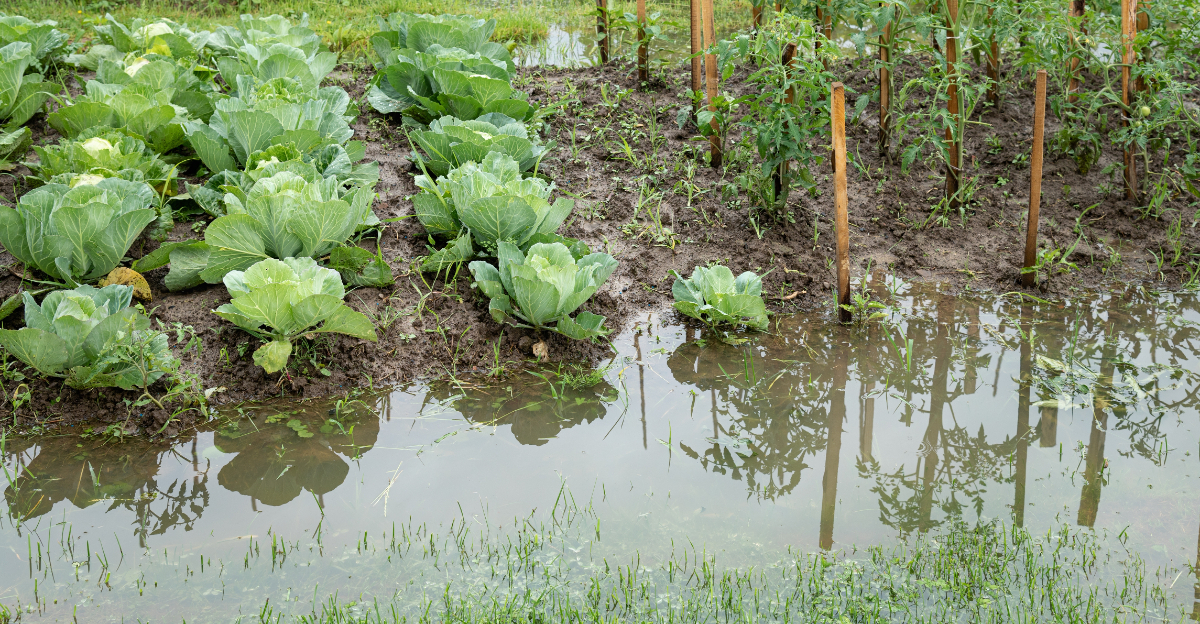
A bad storm can hit Iowa fast and leave your garden in rough shape before you even have a chance to react. Snapped stems, leaning shrubs, soil that looks more like a swamp, it’s a lot.
The instinct is to panic. Don’t. Most of what you’re looking at is fixable.
The bigger threat isn’t the storm itself, it’s what comes after. Iowa summers don’t ease up, and heat stress on top of storm damage is where plants actually start to struggle.
The window between the storm clearing and the temperatures climbing is your best opportunity to step in and make a difference. Some plants will need a clean cut. Some will need support. A few might not be worth saving at all.
Knowing which is which, and moving through it in the right order, is what separates a garden that recovers from one that doesn’t.
1. Start With A Full Garden Walkthrough After The Storm Clears
The storm is gone, but the damage is just starting to reveal itself. Walk your entire garden before touching a single plant.
Grab a notepad or your phone and document what you see. Photos help you track recovery progress over the coming weeks.
Look at each plant from multiple angles. A stem that looks fine from one side might be cracked or split on the other.
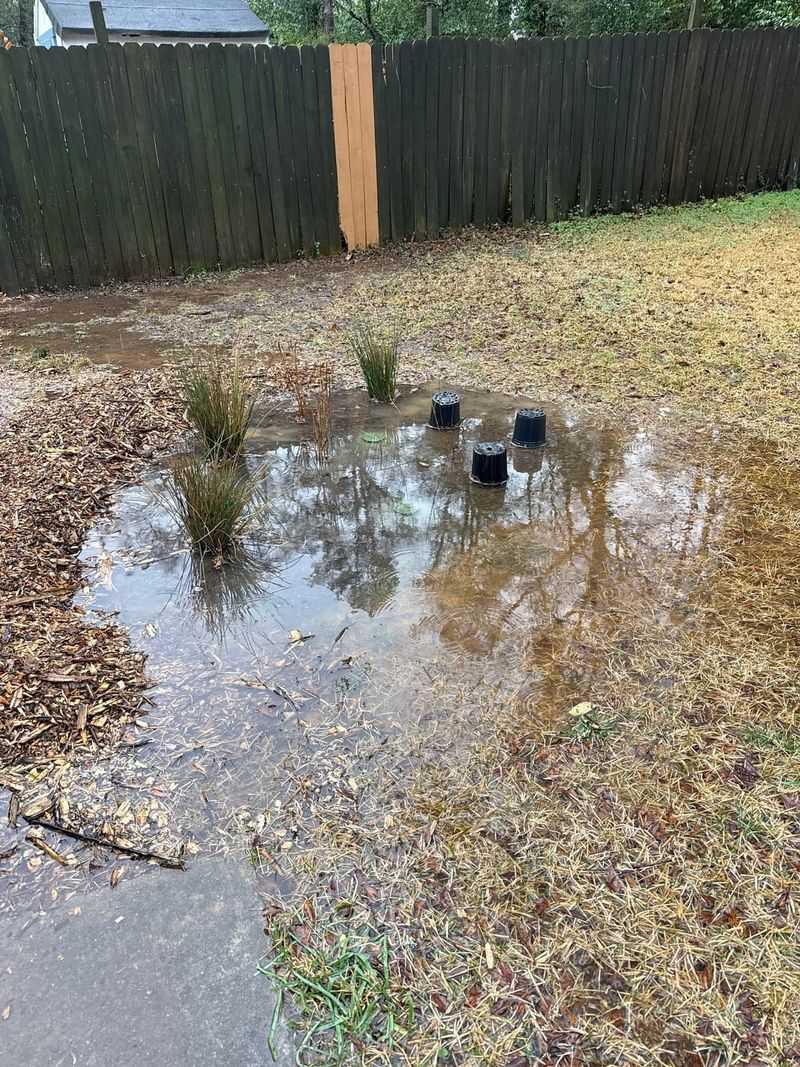
Check the soil too, not just the plants above it. Compacted or waterlogged ground can signal deeper problems you cannot see yet.
Note which plants look completely flattened versus which ones are just bent. That distinction matters when deciding what needs immediate help.
Pay attention to any plants near fences or structures. Flying debris during the storm can cause hidden puncture wounds on stems and leaves.
Assess your trees and shrubs before smaller plants. Large broken limbs are a safety hazard and should be addressed first.
Give yourself enough time for this walkthrough. Rushing through it means missing damage that could get worse in the heat.
Storm-damaged plants in Iowa often suffer more than they appear to at first glance. A thorough assessment now saves you a lot of guesswork later.
2. Broken Stems And Snapped Branches Call For Clean Cuts
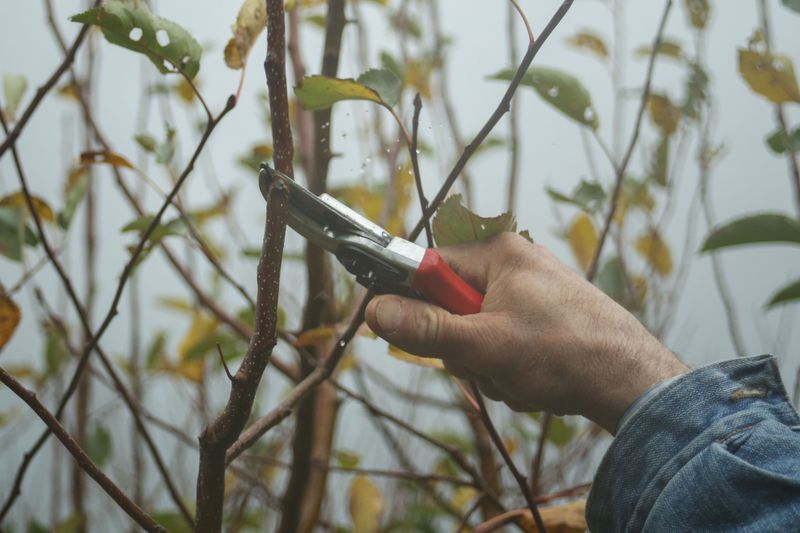
Ragged breaks are an open invitation for disease and insects. A clean cut heals much faster than a torn or jagged wound.
Use sharp, sanitized pruning shears for any cut you make. Dull blades crush plant tissue instead of slicing through it cleanly.
Cut just above a leaf node or bud when possible. That spot is where new growth is most likely to emerge.
For shrubs and trees, remove any branch that is more than halfway snapped. Leaving it attached only drains energy from the rest of the plant.
Wipe your blades with a diluted bleach solution between plants. This reduces the risk of spreading fungal spores or bacteria from one plant to the next.
Do not cut into healthy tissue just to make things look tidy. Only remove what is actually damaged.
Your Iowa Garden Changes Every Week. Your Plan Should Too.
Gardening in Iowa changes quickly throughout the season. Every Friday you’ll receive a simple weekly plan showing exactly what to plant, prune, fertilize, harvest, and protect so you never miss the right timing.
Smaller flowering plants like coneflowers or black-eyed Susans often bounce back after a good trim. Cut broken stems down to a healthy leaf set and wait.
After pruning, check the cut ends for discoloration. Brown or mushy centers can indicate disease that was already present before the storm hit.
Storm-damaged plants in Iowa respond well to precise pruning done quickly. Every clean cut you make is one less entry point for the problems heat and humidity can bring.
3. Uprooted Or Leaning Plants Can Often Be Saved
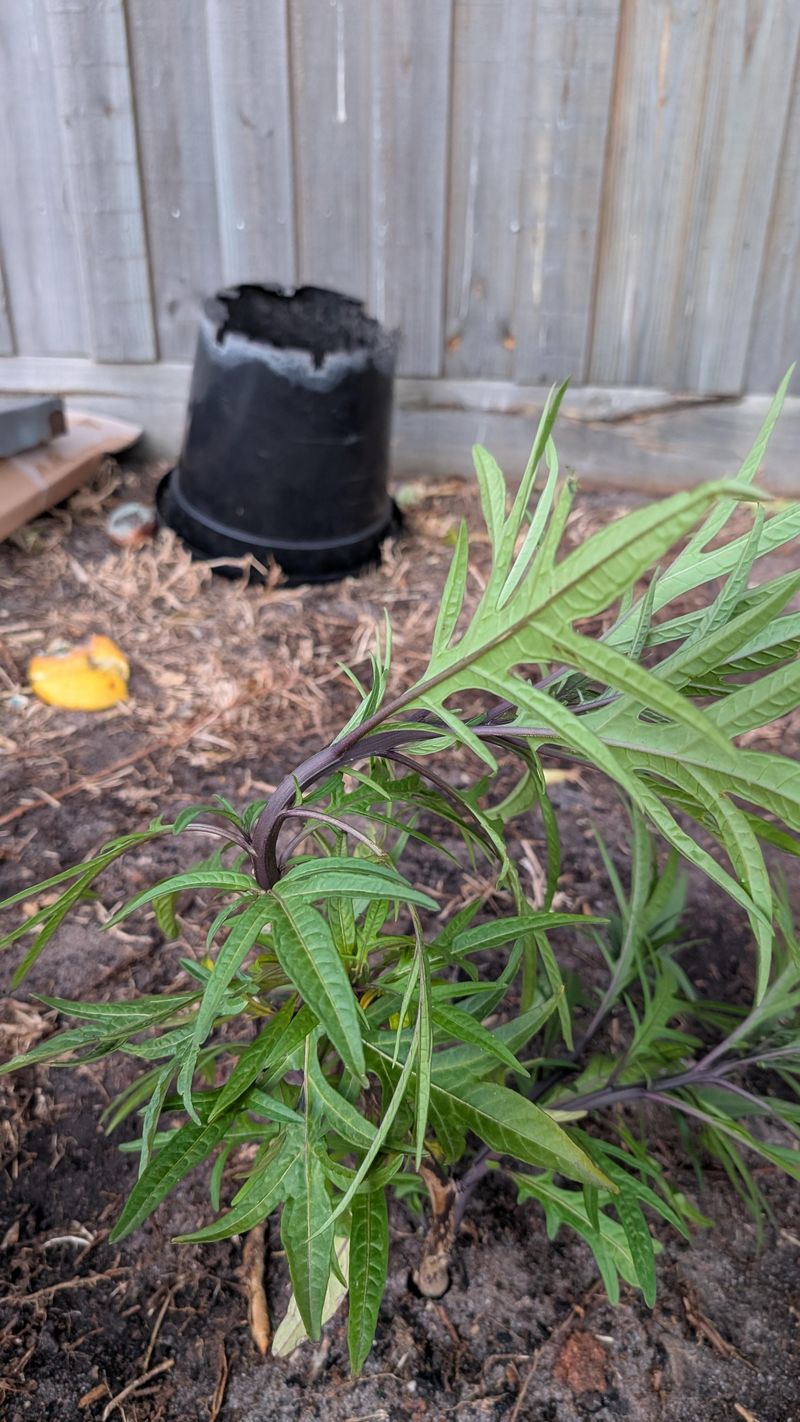
Finding a plant tipped sideways after a storm feels discouraging, but do not write it off yet. Some uprooted plants can recover if you act quickly, though success depends on the plant type and how much root damage occurred.
Gently lift the plant back into position before the roots dry out. Speed matters more than perfection at this stage.
Firm the soil back around the base with your hands. You want good contact between roots and soil, with no air pockets left behind.
Water the plant slowly right after resetting it. Moisture helps the roots reconnect with the surrounding soil more quickly.
Use wooden stakes or garden ties to support tall plants while they re-establish. Tomatoes, dahlias, and sunflowers especially benefit from extra support after tipping.
Check the roots before replanting if the whole root ball came out. Trim any roots that are badly torn or completely broken off.
Avoid fertilizing right after replanting a tipped plant. The roots need to stabilize first before they can handle nutrient uptake again.
Watch the plant closely for the first week. Wilting is normal, but leaves that stay yellow or mushy may signal root damage that is too severe to overcome.
Storm-damaged plants in Iowa that lean or tip over are not always lost causes. A steady hand, some fresh soil, and a good stake can give them a second chance before summer heat arrives.
4. Waterlogged Soil Is A Bigger Problem Than It Looks
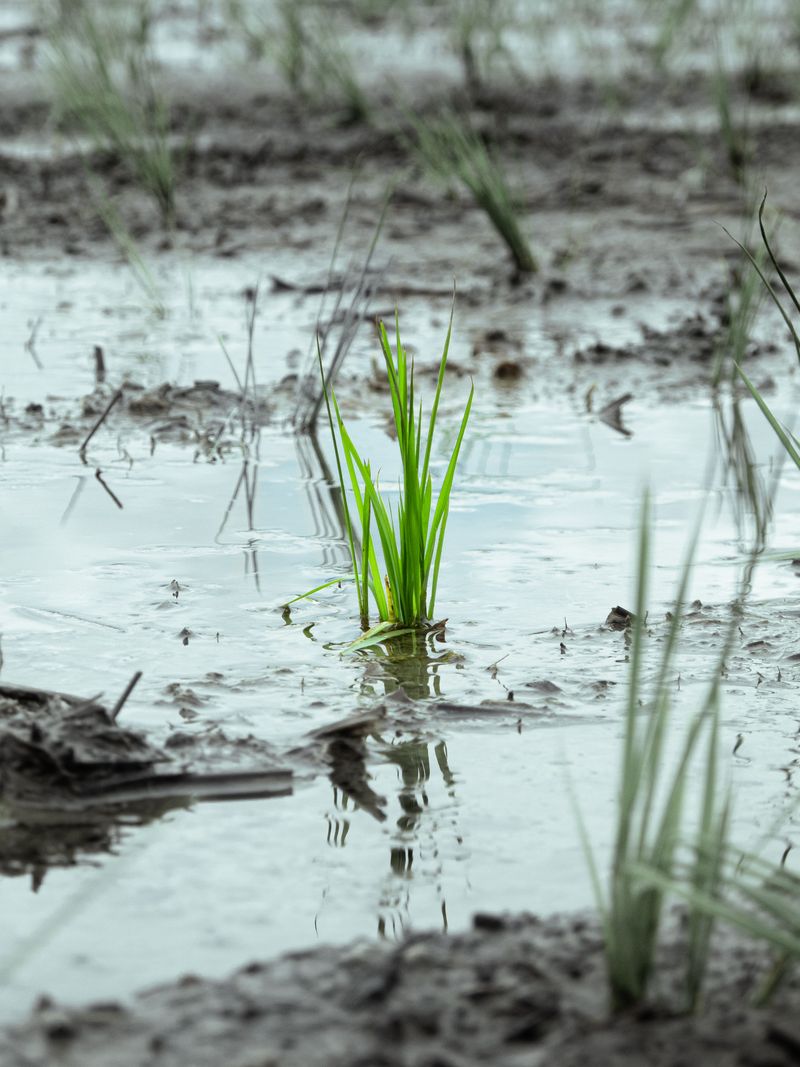
Soil that stays saturated for days cuts off oxygen to the roots, which can slow recovery or cause lasting damage. Roots need oxygen just as much as they need water.
After a heavy storm, press your finger two inches into the soil. If it feels like wet clay and holds a water impression, drainage is a problem.
Avoid walking on saturated soil around your plants. Every footstep compacts it further and squeezes out the remaining air pockets roots depend on.
If water is pooling in a specific spot, check whether a nearby downspout or slope is directing runoff into your garden. Fixing the source stops repeat flooding.
For raised beds, check whether the drainage holes or gaps at the base are clogged with debris from the storm. Clear them out immediately.
Sandy soils drain faster, but heavy clay soils common in parts of Iowa can hold water for days. Adding compost over time improves drainage significantly.
Do not try to dig or aerate waterlogged soil while it is still saturated. Wait until it is just slightly moist before working it.
Yellowing leaves that appear a few days after the storm often signal root stress from too much moisture. Adjust your watering schedule right away and skip irrigation until the ground dries out.
Storm-damaged plants in Iowa suffer twice when the soil stays wet too long. Addressing drainage early keeps root rot from turning a manageable situation into a total loss.
5. Hold Off On Fertilizing Until Plants Show Signs Of Recovery
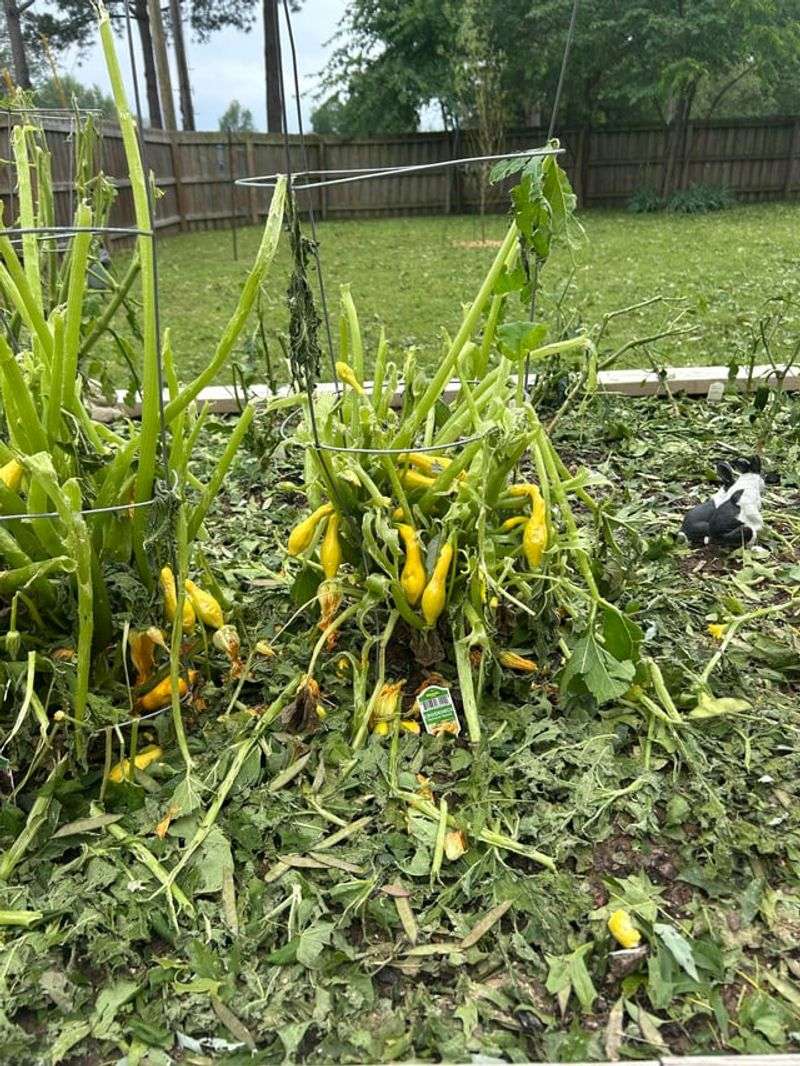
It feels logical to feed a stressed plant, but fertilizing too soon after a storm can actually cause more harm. Damaged roots cannot absorb nutrients properly.
Fertilizer salts can accumulate in the soil and put additional stress on root tissue that is already struggling to recover. Patience is the smarter move here.
Wait until you see new leaf growth or fresh green shoots emerging before reaching for any fertilizer. New growth is your green light that the plant is stabilizing.
If you were already on a regular feeding schedule, skip the next application entirely. Plants in recovery mode need energy for healing, not for processing a nutrient surge.
Liquid fertilizers move through soil quickly and can reach stressed roots faster than granular options. Once plants show recovery, a diluted liquid feed is a gentler way to start.
Avoid high-nitrogen fertilizers right after storm damage. Too much nitrogen pushes rapid leafy growth, which puts even more stress on a root system that is still recovering.
Compost tea or a light top dressing of finished compost can offer gentle support without the risk of chemical burn. These options feed the soil slowly and safely.
Keep a simple log of when you last fertilized and when you see the first signs of new growth. That gap tells you exactly how long your plant needed to rest before bouncing back.
Storm-damaged plants in Iowa need recovery time first, not a nutrient boost. Feeding too early is one of the most common mistakes gardeners make after a big storm rolls through.
6. Which Plants Are Worth Saving And Which Ones To Replace
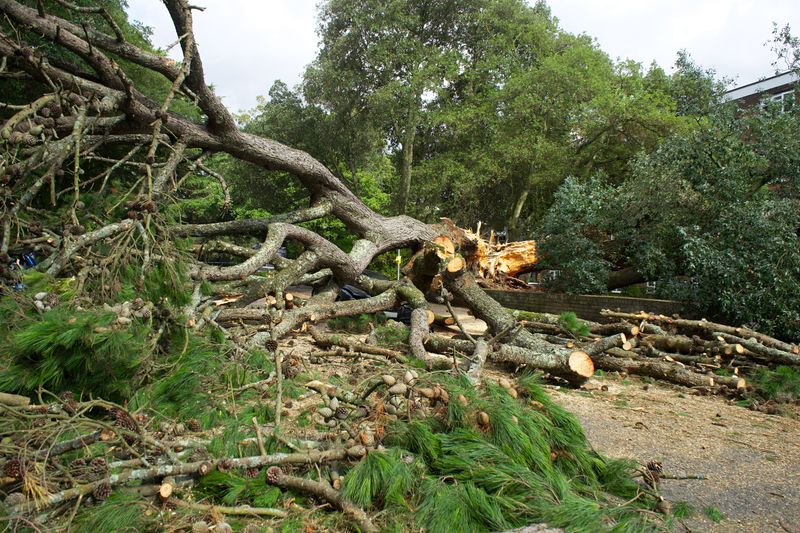
Not every storm-damaged plant deserves a rescue mission. Knowing when to let go saves you time, money, and a lot of frustration.
Start by checking the crown of the plant, which is the point where stems meet the roots. If the crown is mushy, rotted, or completely crushed, the plant likely will not survive.
Perennials are usually worth the effort to save. They have deeper root systems and more energy stored underground to fuel a comeback after storm stress.
Annuals that are badly mangled are often cheaper and faster to replace than to nurse back. A flat of new transplants from a local nursery can fill gaps quickly before summer heat peaks.
Shrubs and ornamental grasses with intact root systems almost always recover with proper pruning and support. Give them a few weeks before making a final call.
Vegetable plants near the end of their season may not be worth saving if the storm hit late in the growing window. Focus your energy on crops that still have time to produce.
Young trees that bent but did not snap at the trunk can often be staked and guided back upright. Older trees with major structural damage may need a certified arborist to assess them.
Trust your gut and your timeline. If a plant shows no new growth within two to three weeks after the storm, it is likely time to pull it and replant.
Storm-damaged plants in Iowa are not all created equal when it comes to recovery. Knowing which ones to fight for and which to replace is what separates a struggling garden from a thriving one.
7. Protect Exposed Roots And Bare Soil From The Upcoming Heat
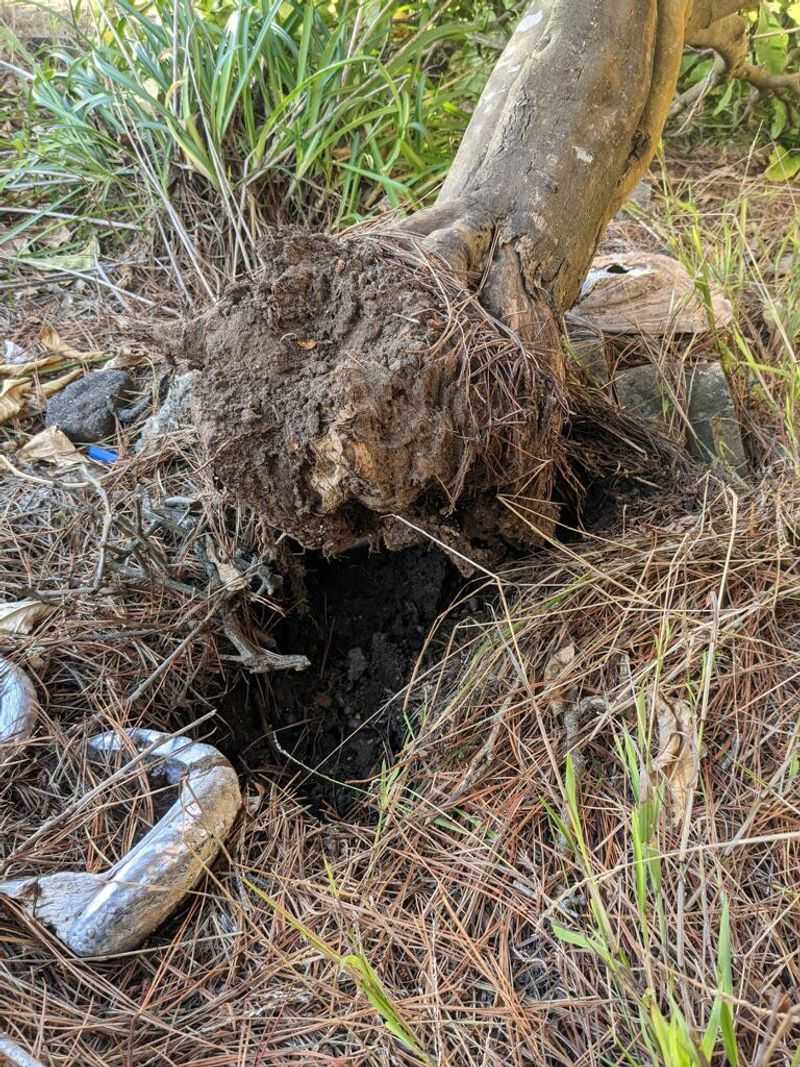
Bare soil bakes fast once summer heat arrives in Iowa. Exposed roots left uncovered after a storm are vulnerable to drying out quickly, especially during the hottest part of a summer day.
Spread two to three inches of mulch around the base of any plant that lost ground cover during the storm. Straw, wood chips, or shredded leaves all work well.
Keep mulch a few inches away from the actual stem or trunk. Piling it directly against the plant traps moisture and invites fungal problems.
If the storm stripped away topsoil in a sloped area of your garden, lay down erosion cloth or replant with a ground cover quickly. Bare slopes lose moisture fast in the heat.
Mulch also moderates soil temperature, which helps stressed roots avoid the shock of rapid heating and cooling through the day. That stability supports faster recovery.
For potted plants that tipped over in the storm, check whether any roots are poking out of drainage holes or above the soil line. Cover them immediately with fresh potting mix.
Watering in the morning helps soil stay cooler through the hottest part of the day. Pair morning watering with fresh mulch for the best protection against summer heat stress.
A layer of mulch is one of the cheapest and most effective tools in your garden recovery kit.
Protecting exposed soil after storm damage keeps your plants from facing two crises at once. Shade those roots now, before the heat turns a fixable problem into a permanent one.
8. Watch For Pests And Disease In The Days After A Storm
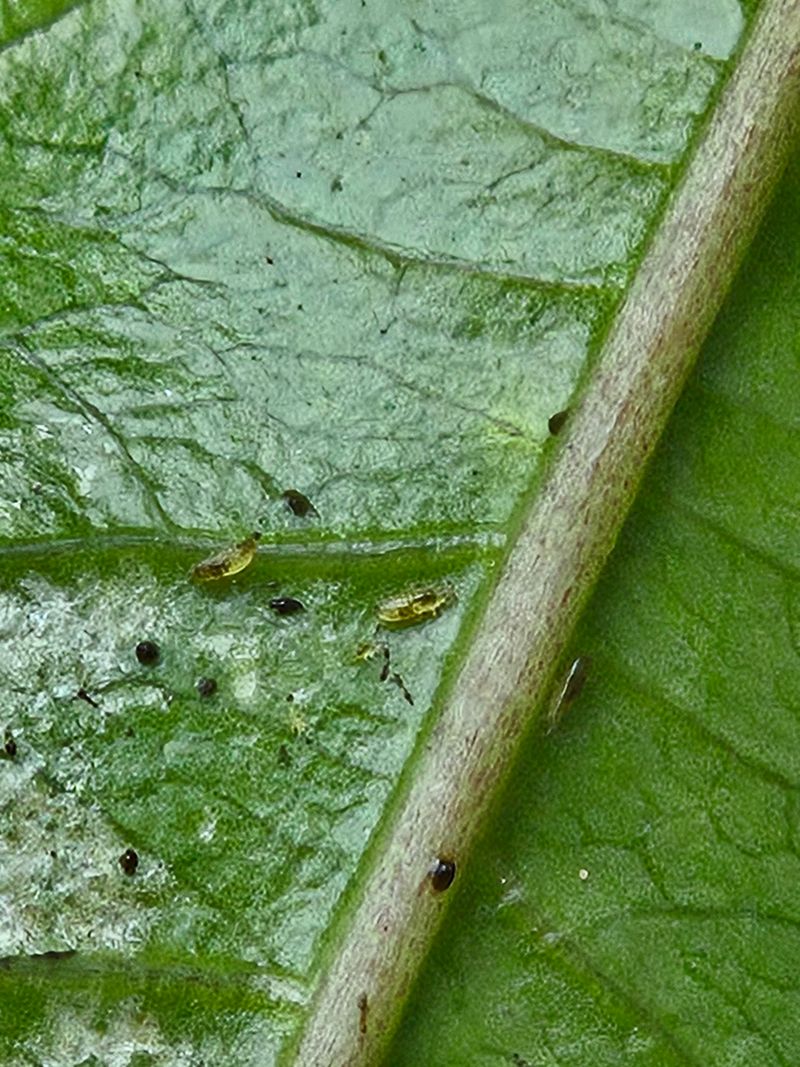
Storms create the perfect setup for pests and disease to move in fast. Stressed plants can become more attractive to certain insects, making it worth checking for pest activity in the days after a storm.
Check the undersides of leaves within two to three days after the storm. Aphids, spider mites, and thrips love to colonize stressed plants quickly.
Any cut or broken stem is an entry point for fungal spores. Powdery mildew and botrytis thrive in the humid conditions that follow a big Iowa rainstorm.
Look for dark spots, fuzzy gray patches, or slimy areas on leaves and stems. These are early signs of fungal infection that spread quickly in warm, wet weather.
Neem oil spray applied in the early morning can help deter both insects and fungal growth on recovering plants. Avoid spraying during the heat of the day to prevent leaf scorch.
Remove any heavily diseased leaves immediately and dispose of them away from the garden. Leaving them on the ground gives disease a place to overwinter and re-emerge.
Japanese beetles are a common summer pest in Iowa and can cause significant damage to plants that are already under stress.
Keep a close eye on new growth as it emerges after the storm. Fresh leaves are tender and more vulnerable to both chewing insects and fungal attacks than established foliage.
Storm-damaged plants in Iowa are at their most vulnerable in the days that follow. Catching pest and disease problems early is the final step in giving your garden a real shot at recovery before summer takes hold.