Virginia Gardeners Are Planting These 7 Rat-Repelling Plants Along Their Foundations
Rats don’t knock before they move in. They squeeze through gaps in your foundation, chew through insulation, and settle in before you even notice the signs.
Virginia homeowners know this problem well, the state’s mix of humid summers and mild winters creates near-perfect conditions for rodent activity year-round.
But here’s what fewer people realize: your landscaping can work against them. Certain plants produce oils and compounds that rats find genuinely off-putting, and planting them along your foundation can make your garden bed work harder than it looks.
Virginia gardeners have been quietly catching on to this approach. If you’re tired of checking for signs every spring, these seven plants are worth a serious look.
1. Wormwood
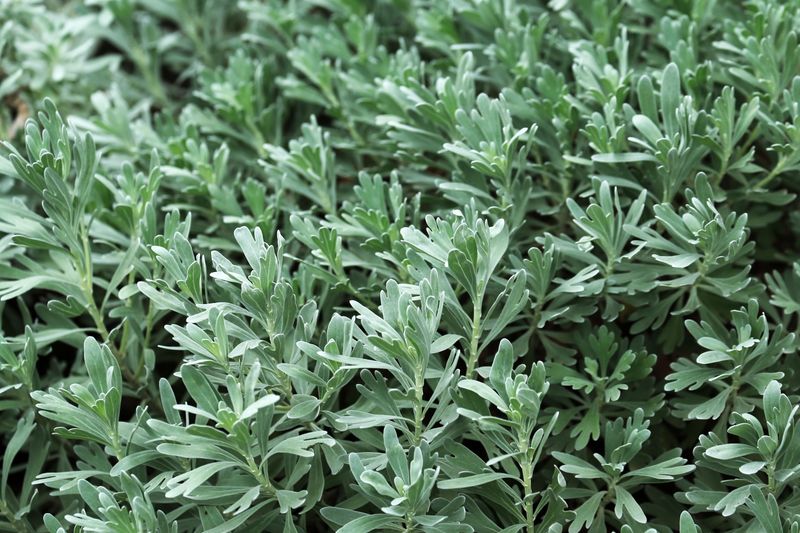
Few foundation plants pull double duty quite like Artemisia absinthium. Virginia gardeners who know it swear by its rat-repelling power.
The secret is thujone, a naturally occurring compound in wormwood’s leaves and stems. Rats are highly sensitive to it, and the scent alone is enough to make them reroute their path.
Because wormwood releases its oils continuously, it works around the clock. Unlike many natural deterrents, it doesn’t need much help from you to do its job.
It grows in a bushy, upright clump reaching about two to three feet tall. That makes it a natural fit for foundation borders, where you want coverage without overwhelming the space.
Full sun and poor, dry soil are where it thrives, exactly the conditions you often find along a home’s foundation. Once established, it’s remarkably drought-tolerant.
Virginia’s climate suits wormwood well across most of the state. It handles summer heat without complaint and bounces back reliably each spring.
The silver-gray foliage is a bonus most gardeners don’t expect. It adds texture and contrast to a foundation planting without looking out of place.
One thing to keep in mind: wormwood contains allelopathic compounds, meaning it can suppress the growth of nearby plants. Give it its own space along the foundation, and keep it away from vegetables or other herbs.
Wormwood also works well as part of a layered planting strategy. Combining it with peppermint or sage creates overlapping scent zones that leave rats with very few comfortable options.
It’s one of the few plants on this list with a documented history in commercial rodent repellent formulas. That’s not garden folklore, it’s a track record worth paying attention to.
2. Peppermint
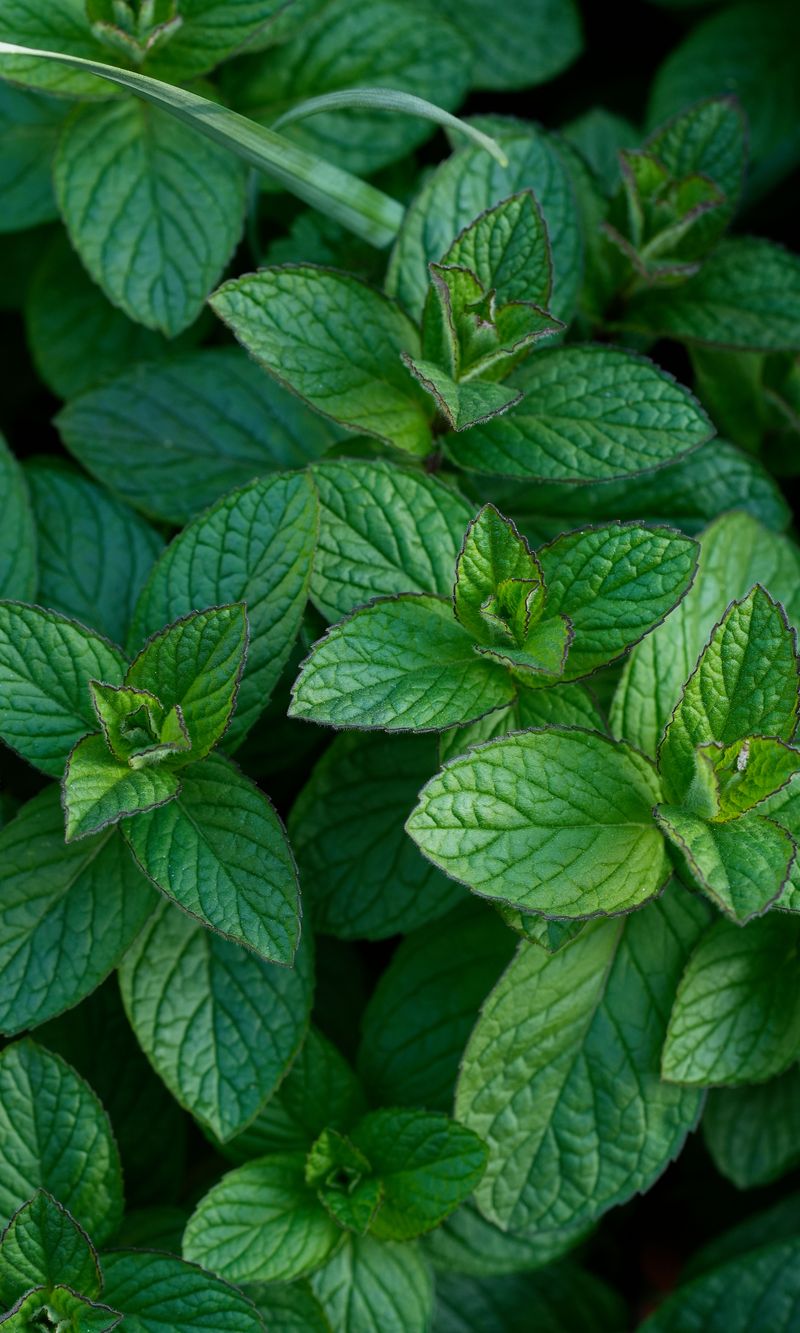
Rats rely heavily on scent to navigate, and peppermint (Mentha x piperita) hits that system hard. The menthol compounds in its leaves overwhelm a rat’s sensitive nose, making treated areas genuinely unpleasant to move through.
It works best when planted densely along the foundation. A single plant won’t do much, but a continuous border of peppermint creates a scent barrier that rats tend to avoid.
Peppermint grows fast and spreads aggressively, which is actually an advantage here. More foliage means more scent, and more scent means a stronger deterrent along your foundation line.
Your Virginia Garden Changes Every Week. Your Plan Should Too.
Gardening in Virginia changes quickly throughout the season. Every Friday you’ll receive a simple weekly plan showing exactly what to plant, prune, fertilize, harvest, and protect so you never miss the right timing.
Virginia’s climate suits peppermint well. It handles the state’s humid summers and bounces back after mild winters, giving you reliable coverage for most of the year.
One practical note: peppermint spreads by underground runners and can take over a garden bed quickly. Planting it in containers sunk into the soil keeps it contained without losing the benefits.
Brushing against the leaves releases an extra burst of scent. Planting it near a walkway or entry point means every pass by the foundation refreshes the barrier naturally.
The scent does fade over time, especially after heavy rain. Pruning the plants regularly encourages fresh growth and keeps the oils at their most potent, which matters if you want the deterrent effect to hold through Virginia’s wetter seasons.
Peppermint pairs well with rosemary and sage along the foundation. Combined, these three create overlapping scent zones that give rats very few comfortable entry points to work with.
It’s worth noting that peppermint works best as a preventive measure rather than a cure. If rats are already established near your foundation, you’ll need to combine it with other methods to see real results.
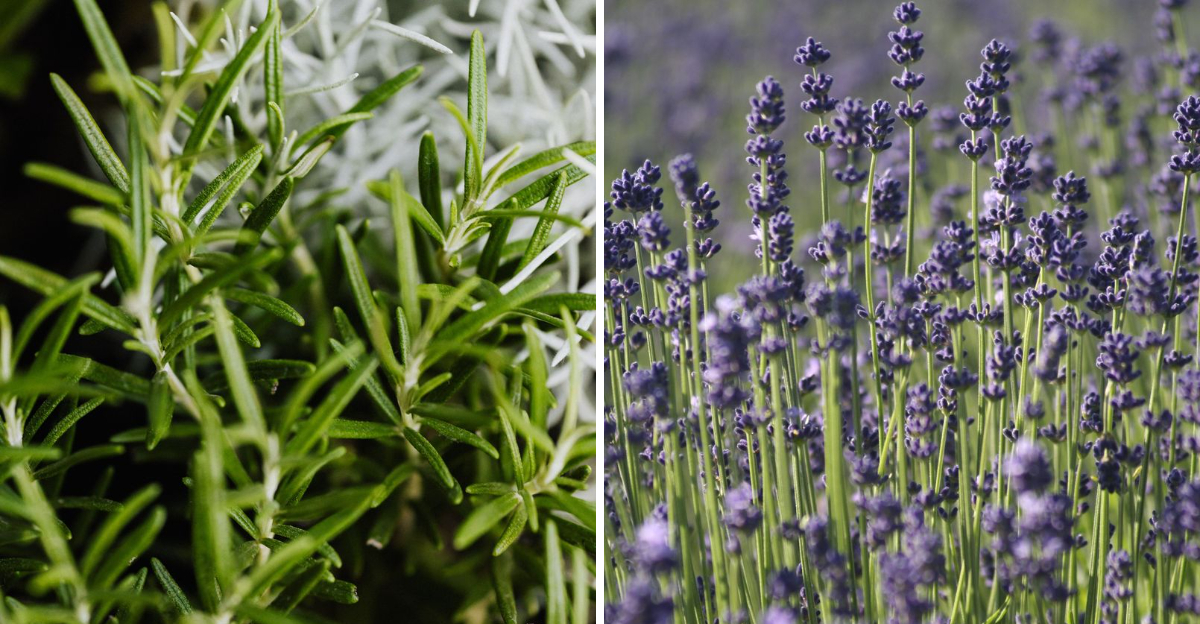
3. Rosemary
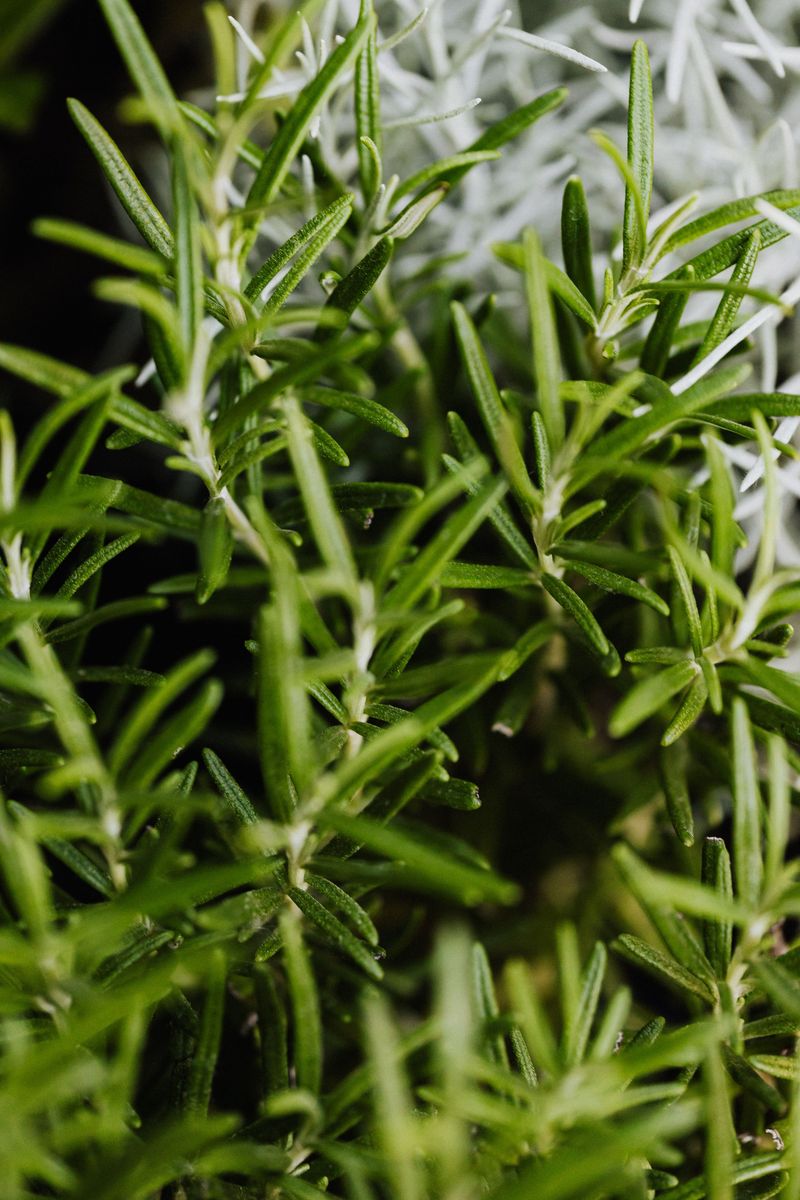
Image Credit: © www.kaboompics.com / Pexels
Rosemary is the overachiever of the herb-shrub world. It feeds your kitchen, attracts pollinators, looks stunning year-round, and sends rats running for the hills.
The strong, piney aroma that makes rosemary so beloved in cooking is precisely what makes it unbearable for rodents. Their sensitive noses cannot handle that level of intensity up close.
Plant rosemary along your foundation in a sunny, well-drained spot and it will practically take care of itself. This Mediterranean native thrives in hot, dry conditions that would stress out less tough plants.
Once established, rosemary becomes almost indestructible. It handles drought, rocky soil, and neglect with an ease that makes other gardeners jealous.
The shrub grows into a dense, woody mound that also blocks entry points along your foundation. Rats prefer open, accessible routes, and a thick rosemary hedge removes that option entirely.
Upright varieties like Tuscan Blue can reach four feet tall and wide, creating a substantial barrier. Trailing varieties work beautifully along low walls or sloped foundations where coverage is needed at ground level.
Rosemary blooms in late winter and early spring with tiny blue-purple flowers that bees adore. That early bloom makes it one of the first pollinator resources available each year in your garden.
In Virginia, rosemary is reliably hardy in zones 7 and above. Gardeners in the Shenandoah Valley or higher elevations may want to mulch heavily around the base in winter to protect the roots during hard freezes.
Snip a few sprigs for roasting vegetables or seasoning chicken while you are out tending the garden. The more you trim it, the bushier and more fragrant it becomes, which only strengthens its rat-repelling abilities.
This shrub truly earns its place along any foundation.
4. Lavender
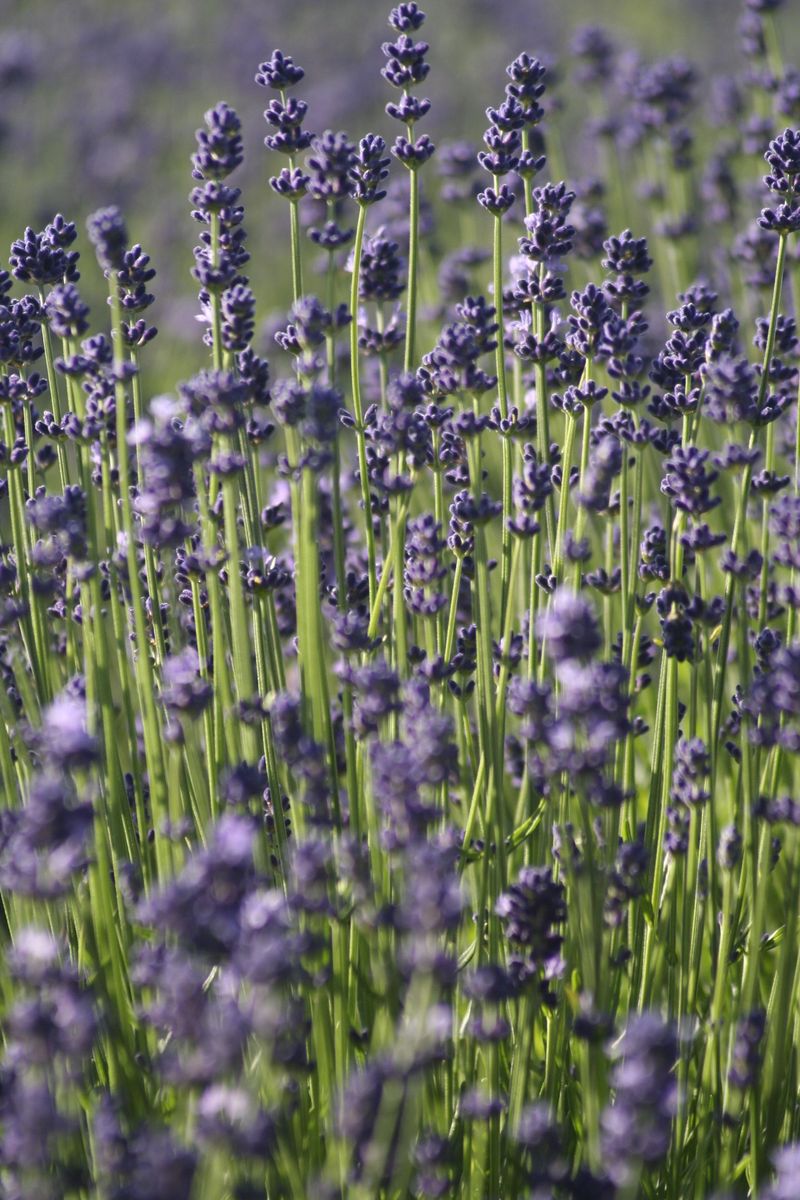
Image Credit: © hasnan pustek / Pexels
Few plants smell as heavenly to humans as lavender does. To rats, however, that same gorgeous fragrance is absolutely intolerable, making this purple beauty a powerful foundation ally.
Lavender produces linalool and other aromatic compounds that overwhelm the sensitive olfactory systems of rodents. Simply put, most rats take one sniff and move on.
Plant lavender in full sun with excellent drainage and it will reward you with years of low-maintenance beauty. Sandy or rocky soil actually suits it better than rich, fertile ground.
The key to keeping lavender healthy is avoiding overwatering. Wet roots are its one weakness, so raised beds or sloped foundation areas work particularly well for this shrub.
English lavender varieties like Hidcote or Munstead are especially well-suited to the mid-Atlantic climate. They handle cold winters and humid summers better than some of the more delicate Mediterranean types.
Beyond pest control, lavender has a calming effect on the humans who tend it. Spending time near a blooming lavender hedge is genuinely relaxing, which is a benefit no pesticide can offer.
Harvest the flower spikes in midsummer and dry them for sachets, cooking, or homemade linen spray. A plant that earns its keep in multiple ways is always worth the garden space it occupies.
In Virginia, lavender thrives across most of the state and pairs well with other foundation plants like rosemary or sage for a layered, fragrant barrier.
Planting lavender in clusters of three or five creates a more impactful visual statement than single plants. A foundation bed that smells this good while doing this much practical work is genuinely hard to argue with.
5. Catmint
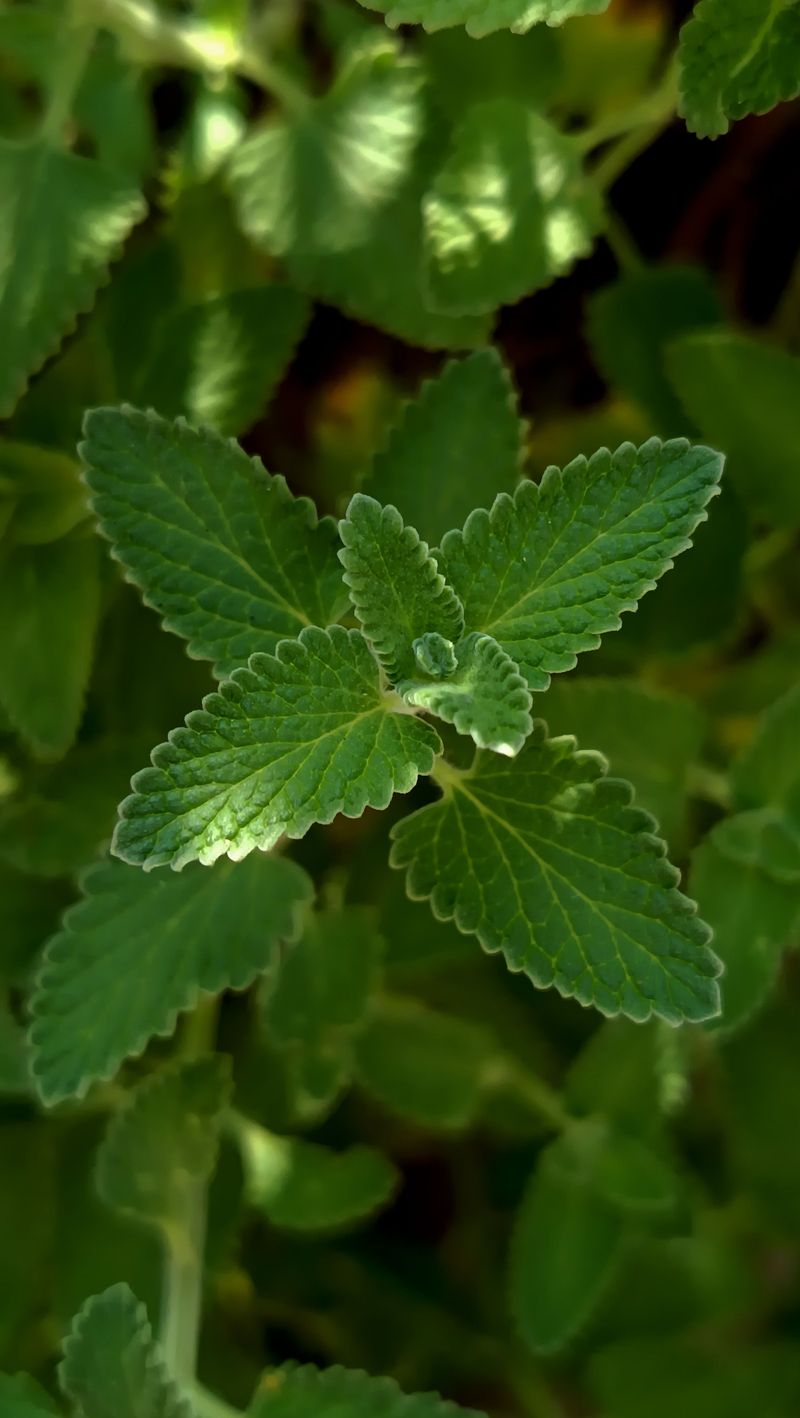
Most gardeners plant catmint (Nepeta x faassenii) for the flowers. The rat-repelling part is just a bonus they didn’t expect.
The active compound is nepetalactone, the same substance that sends cats into a frenzy. For rats, though, the effect is the opposite. They find the scent disorienting and tend to avoid areas where catmint grows densely.
Catmint forms a soft, spreading mound of gray-green foliage topped with lavender-blue flower spikes in late spring. Along a foundation, it creates a tidy, attractive border that does its job without drawing attention to itself.
It thrives in full sun and well-drained soil, making it well-suited to the dry, sometimes nutrient-poor conditions along a home’s foundation. Virginia’s climate, with its warm summers and mild winters, suits catmint well across most of the state.
One of its biggest advantages is its long bloom period. Cutting it back after the first flush of flowers encourages a second bloom, which means more foliage, more scent, and a longer stretch of effective coverage through the season.
Catmint is also drought-tolerant once established and rarely needs much attention. For a foundation planting that works quietly in the background, it’s a solid and reliable choice.
Pairing catmint with stronger-scented plants like rosemary or wormwood amplifies the overall effect. Rats navigating overlapping scent zones have fewer comfortable routes to work with.
It also attracts pollinators in significant numbers, which makes it useful beyond pest control. A foundation bed that deters rats while supporting bees is a genuinely productive use of space.
6. Sage
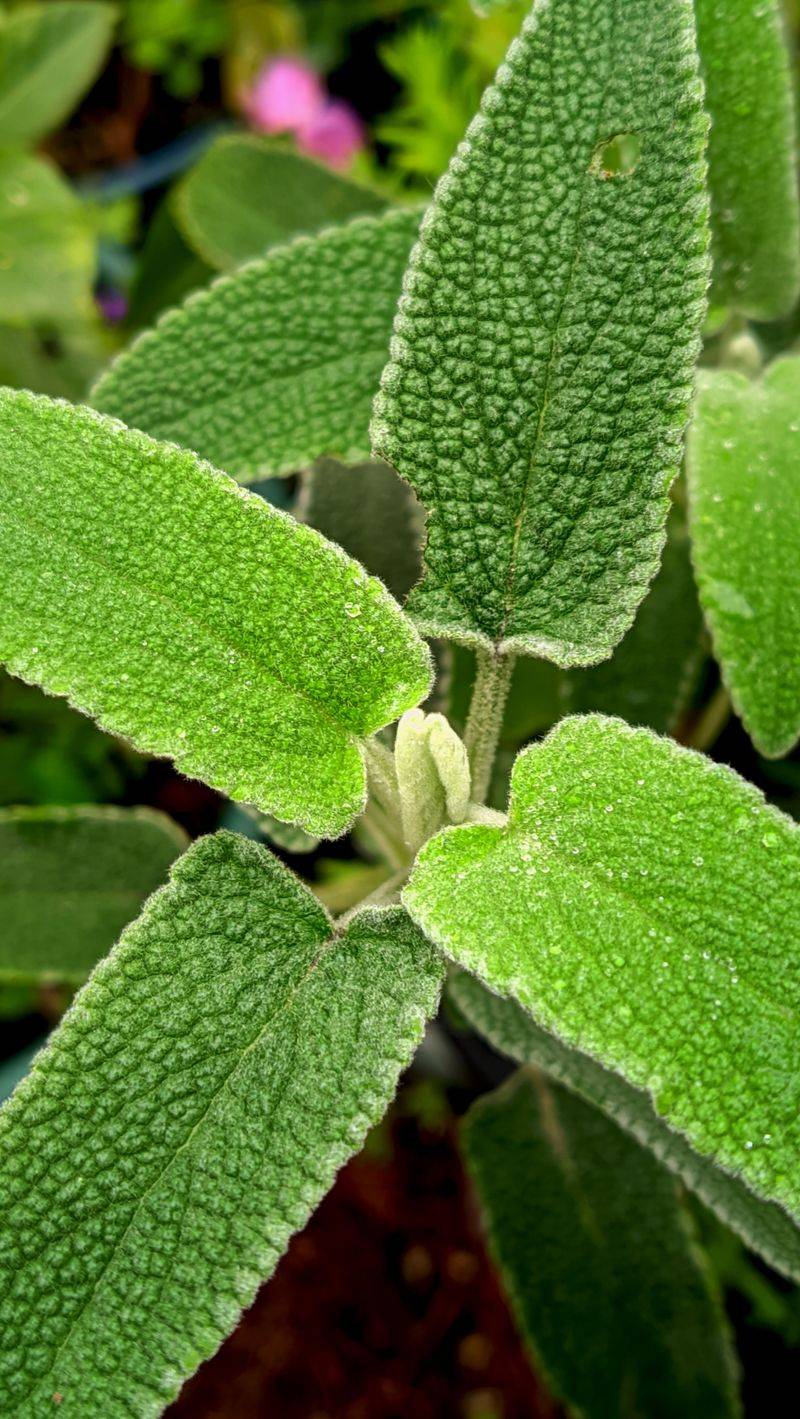
That bold, camphor-rich aroma that makes sage stuffing so iconic is the same chemical profile that makes rats avoid any space where this plant grows. Few kitchen herbs double as a foundation defense quite as effectively as Salvia officinalis.
Common garden sage grows into a substantial, woody shrub over time. Its silvery-green leaves are striking against darker mulch or stone borders, giving your foundation a soft, textured look.
Plant sage in full sun with good air circulation and it thrives with almost no effort. Poor, dry soil is actually preferred, which makes it perfect for the often-neglected strip of ground right against a foundation.
Sage is also evergreen in mild winters, meaning it continues releasing its protective scent even when other plants have gone to sleep for the season. That off-season coverage matters more than most homeowners realize.
The plant blooms in late spring with tall spikes of purple or blue flowers that hummingbirds and bees find irresistible. A foundation planting that feeds pollinators while deterring pests is a genuine win-win for your whole yard.
Try pairing sage with rosemary or lavender for a layered, fragrant barrier. The combined scent profile becomes even more confusing and overwhelming for rodents trying to navigate toward your home.
Culinary sage varieties like Berggarten or Purpurascens are especially ornamental while still packing a powerful aromatic punch. You can harvest leaves for seasoning all season long without reducing the plant’s pest-deterring effectiveness.
Sage rewards gardeners who appreciate both beauty and practicality. Once you see how effortlessly it performs, it will earn a permanent spot in your foundation planting plan.
7. Sweet Geranium
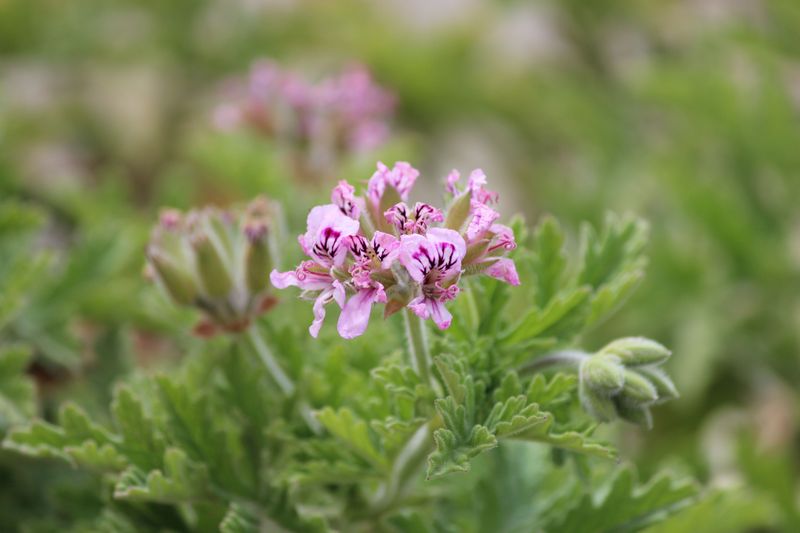
Sweet geranium is the underdog of rat-repelling foundation plants. Most people know it as a pretty potted plant, but grown in the ground along a foundation, it becomes a surprisingly tough pest deterrent.
The leaves of sweet geranium release a strong, rosy-citrus scent when brushed or disturbed. That fragrance is pleasant to gardeners but deeply unsettling to rodents with sensitive noses.
Unlike some of the woodier plants on this list, sweet geranium has a softer, more cottage-garden look. Its ruffled leaves and delicate flowers add a romantic, informal charm to any foundation planting.
In the mid-Atlantic region, sweet geranium grows as a tender perennial and may need protection or replacement in harsh winters. Many gardeners treat it as an annual, refreshing the planting each spring for consistent coverage.
The plant grows quickly and fills in gaps between slower-establishing plants like rosemary or wormwood. That fast growth makes it a smart choice for gardeners who want results in their first season.
Sweet geranium also works well in containers placed strategically near doorways or garage entries. Anywhere rats might consider sneaking in becomes a scented obstacle course they prefer to skip entirely.
Pinch the tips regularly to encourage bushy, compact growth and maximize leaf production. More leaves mean more scent, and more scent means a stronger barrier around your home’s perimeter.
Pairing sweet geranium with bolder plants like wormwood or sage creates a layered foundation planting that works around the clock without any chemicals needed.