7 Things Idaho Homeowners Should Stop Doing To Their Yards When Temperatures Hit 95 Degrees
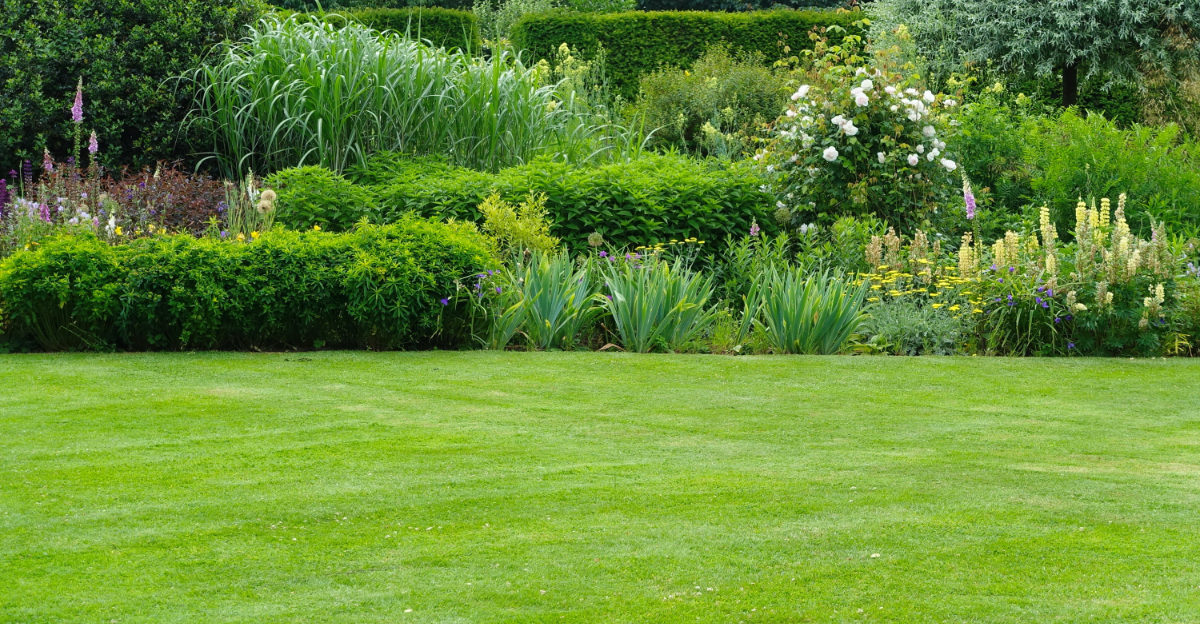
Summer in Idaho doesn’t ease you in. One week you’re watering normally, the next the thermometer is stuck above 95 and your lawn is telling you something is seriously wrong.
The problem is, most homeowners don’t realize they’re making things worse. The habits that work fine in May become the exact habits that torch your grass in July.
Idaho’s cool-season grasses weren’t built for this kind of heat, and they have no patience for mistakes. Mowing at the wrong time, watering on the wrong schedule, grabbing the fertilizer bag out of habit, each one adds up fast.
By the time the damage shows, you’re already weeks behind. Here are the yard care habits worth dropping before the next heat wave rolls through.
1. Mowing During The Hottest Part Of The Day
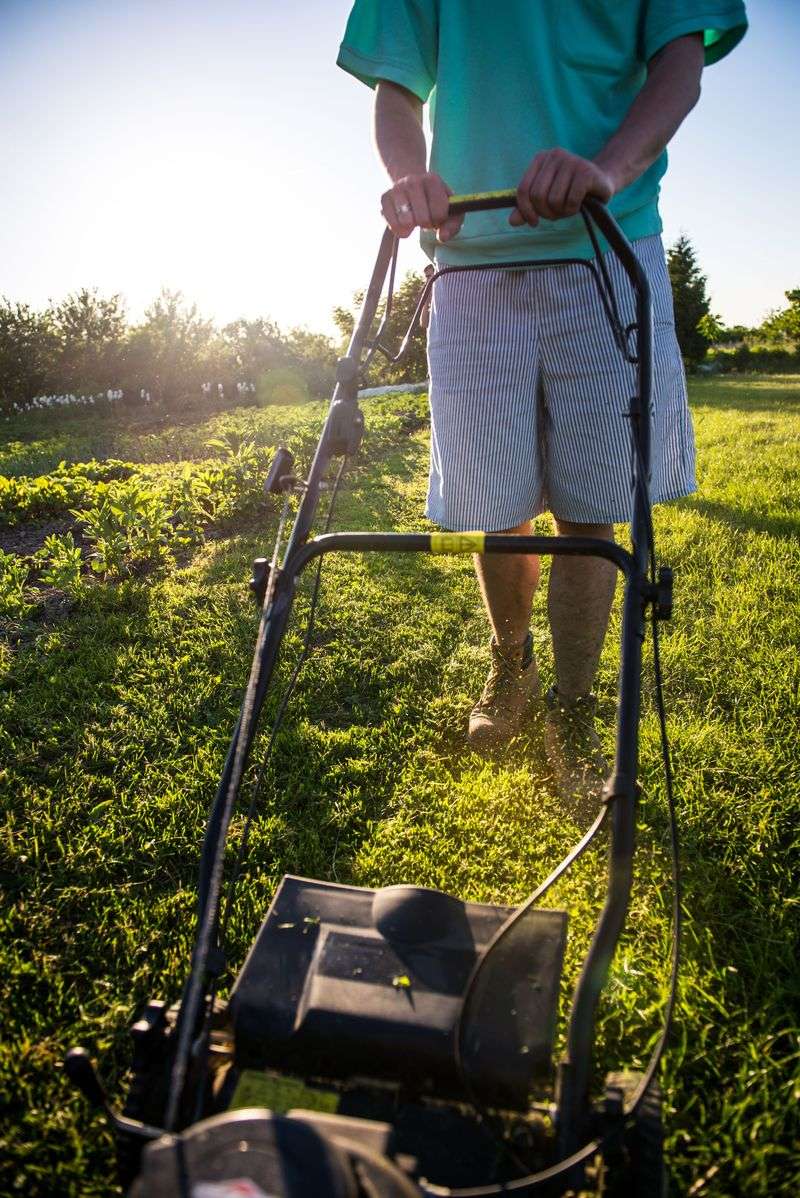
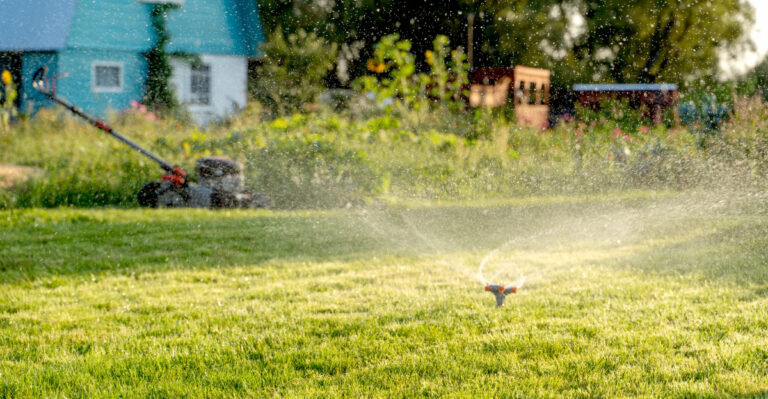
Noon mowing is a lawn nightmare. When temperatures hit 95 degrees, the sun is already stressing every blade of grass on your property.
Mowing during peak heat slices open grass blades at their most vulnerable point. Open cuts on stressed turf lose moisture at an alarming rate.
Think of it like this: your lawn is already sweating bullets. Running a mower over it mid-afternoon is like asking someone to sprint after a sunburn.
The heat from the mower engine adds extra warmth right at ground level. That combination of sun, blade stress, and engine heat creates a triple threat your grass cannot handle.
Grass needs a recovery window after being cut. Without cooler temperatures, that recovery simply does not happen fast enough.
Dull blades make everything worse. A sharp mower blade cuts cleanly through grass in one motion.
A dull one tears and shreds, leaving ragged edges that dry out even faster in extreme heat. If you haven’t sharpened your blades this season, now is the time.
Brown tips can appear within a day or two of a midday mow during extreme heat. Those tips are not just cosmetic damage; they signal deeper cellular breakdown in the grass plant.
The best time to mow during a heat wave is early morning, ideally before 10 a.m. Evening mowing works too, but morning gives the grass a full day to begin healing.
Dew on morning grass actually helps cushion the cut. Blades stay more upright, and the mower glides more cleanly across the surface.
One small schedule change saves you hours of lawn repair later. Stop mowing at noon, and your grass will thank you with a greener, fuller look all season long.
2. Cutting The Grass Too Short
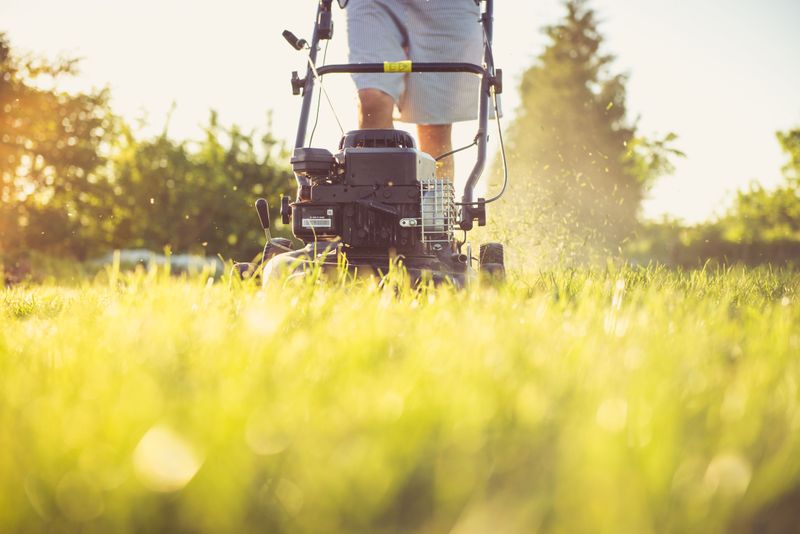
Scalping your lawn feels satisfying in the moment. Less mowing later, right? Wrong, especially when summer temperatures are pushing triple digits.
Short grass has almost no shade canopy over the soil. Without that natural shade, the ground heats up fast and moisture evaporates even faster.
Turfgrass in Idaho, especially fescue and bluegrass, thrives at a height of three to four inches during summer. Cutting below that threshold weakens the root system significantly.
Your Idaho Garden Changes Every Week. Your Plan Should Too.
Gardening in Idaho changes quickly throughout the season. Every Friday you’ll receive a simple weekly plan showing exactly what to plant, prune, fertilize, harvest, and protect so you never miss the right timing.
Roots follow the blade. When you cut grass short, roots stay shallow, and shallow roots cannot reach the cooler, wetter soil deeper underground.
A lawn cut at the right height can reduce soil surface temperature by up to 10 degrees. That difference matters enormously when the air temperature is already at 95.
Weeds absolutely love a scalped lawn. With less competition from tall grass, crabgrass and thistle move in quickly and set up permanent residence.
Taller grass blades act like tiny solar panels in reverse. They block sunlight from hitting the soil directly, keeping ground temperatures noticeably lower throughout the day.
Raise your mower deck before the next cut. Set it to the highest comfortable setting for your grass type and leave it there through August.
Your neighbors might think you need to mow more often. But your lawn will be the greenest one on the block when September arrives, and that speaks for itself.
3. Watering Every Single Day
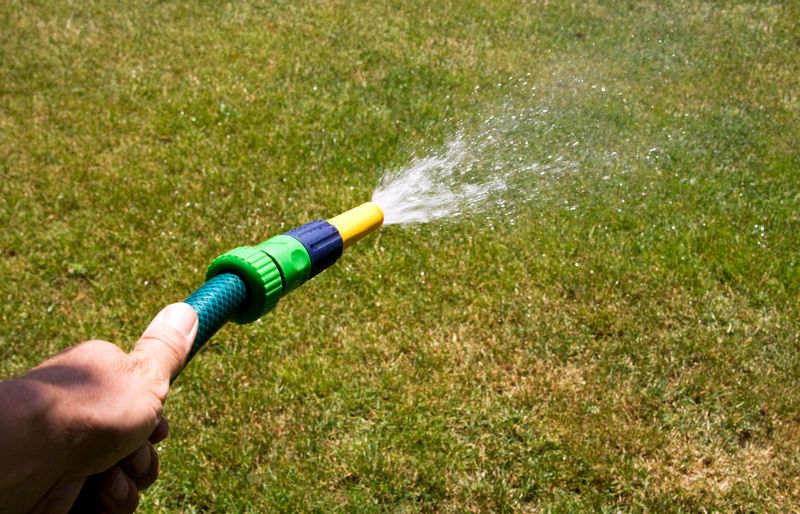
Daily watering feels like the responsible thing to do. It sounds logical: hot weather means more water, more often.
The truth is, watering every single day trains your lawn to be lazy. Grass roots stop growing deep because moisture is always available at the surface.
Shallow roots are fragile roots. When a dry stretch hits or the water schedule changes, those roots cannot sustain the plant through the stress.
Deep, infrequent watering is the gold standard for heat-stressed lawns. Watering two to three times per week, with longer run times, encourages roots to grow downward.
Deep roots find cooler soil layers. Cooler soil layers hold moisture longer, which means your lawn stays green even between watering sessions.
Overwatering also creates fungal problems. Wet grass that never fully dries becomes a breeding ground for lawn diseases like brown patch and dollar spot.
Fungal issues in hot, overwatered lawns spread quickly. Left untreated, fungal patches can spread steadily and affect a much larger area of turf.
Idaho summers are dry by nature, and that dryness tricks homeowners into overcompensating with the hose. More water does not equal more green, it equals weaker roots and a lawn that struggles the moment you ease up.
The sweet spot is about one inch of water per week total, including any rainfall. Split that across two or three sessions for best results.
A simple tuna can placed in the yard measures sprinkler output accurately. When the can fills to one inch, you have hit your weekly target and it is time to stop.
Breaking the daily watering habit is hard at first. But once your roots go deep, your lawn handles heat waves like a seasoned pro.
4. Running The Sprinklers At Midday
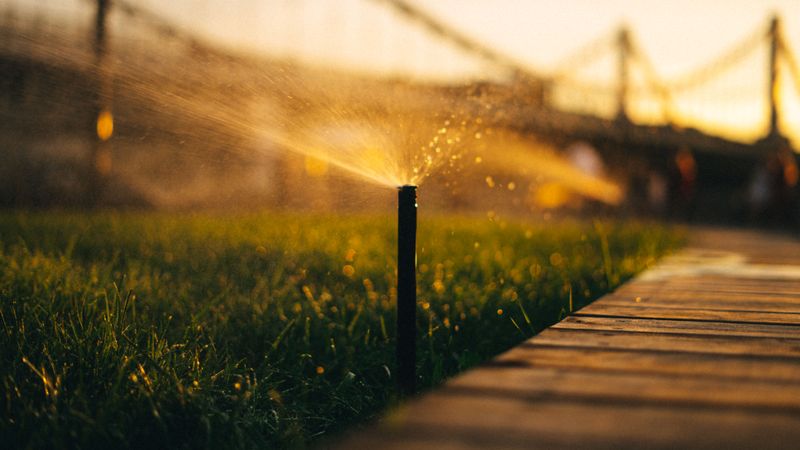
Midday sprinklers are basically a magic trick where water disappears before it helps anyone. A significant portion of irrigation water can evaporate before reaching the root zone when applied during peak sun hours.
That wasted water adds up fast, and your lawn has nothing to show for it. Running sprinklers between 10 a.m. and 6 p.m. during a heat wave is one of the most wasteful habits a homeowner can have.
Hot pavement, hot soil, and direct overhead sun create conditions where water never penetrates the root zone. The grass gets wet on top but stays dry where it counts.
Early morning irrigation, between 4 a.m. and 9 a.m., is the most efficient window. Temperatures are low, wind is calm, and water soaks straight into the soil.
Morning watering also gives grass blades time to dry before evening. Dry blades at night mean far fewer fungal problems throughout the growing season.
Late evening watering is a distant second option. Moisture sitting on grass overnight invites disease, so morning is always the smarter call.
Smart irrigation controllers can be programmed to run only during optimal windows. Many models adjust automatically based on local weather data and skip cycles after rainfall.
Installing a smart controller is one of the best investments a homeowner can make for summer lawn care. It pays for itself quickly in reduced water bills and healthier turf.
Stop letting your sprinklers run at noon just because it feels like the obvious time. Shift the schedule back a few hours, and your grass will soak up every drop where it actually matters.
5. Applying High-Nitrogen Fertilizer
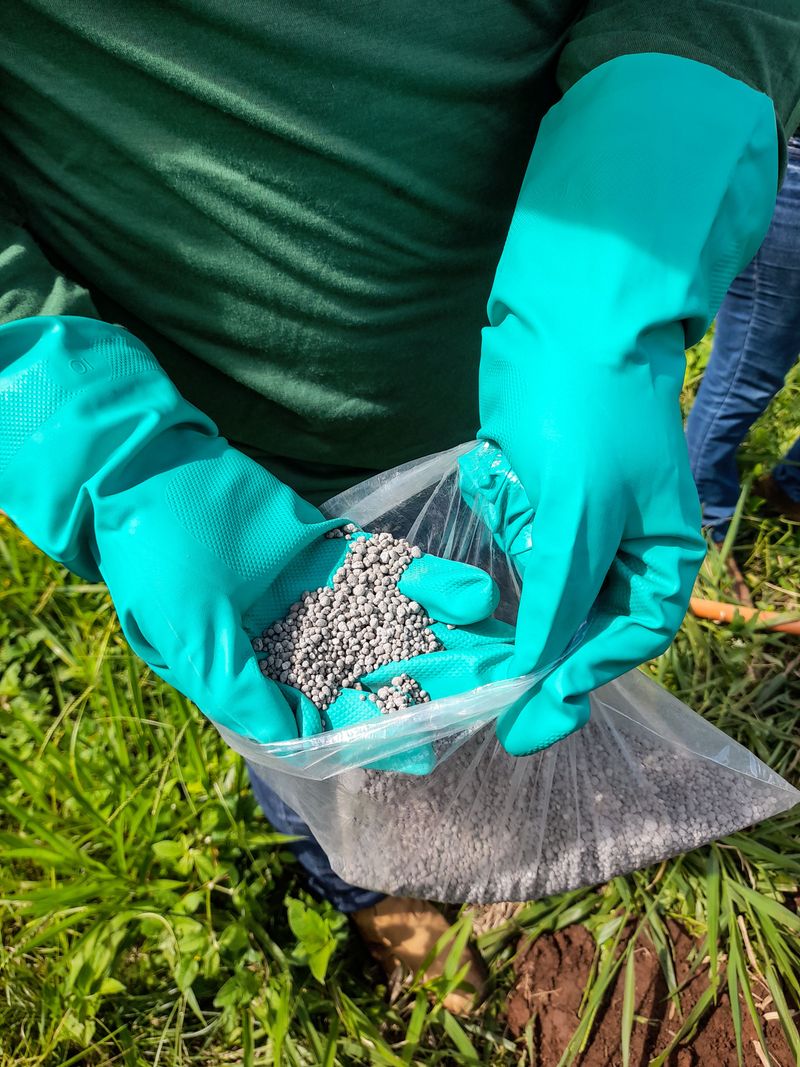
Fertilizer feels like lawn medicine, so more must be better, right? Not during a heat wave, and definitely not the high-nitrogen kind.
Nitrogen pushes rapid, lush top growth. That sounds great until you realize fast-growing grass during extreme heat burns through water reserves at a dangerous pace.
Forcing your lawn to grow quickly during 95-degree weather is like making someone run sprints in a sauna. The stress compounds fast, and the damage shows up almost immediately.
Fertilizer burn is a real and painful consequence of summer applications. Concentrated nitrogen draws moisture out of grass roots, leaving behind scorched, straw-colored patches.
Those brown patches are not just ugly. They represent severely damaged turf that will need reseeding come fall.
The right time for heavy nitrogen applications is early spring or early fall. Soil temperatures are cooler, grass is actively growing at a sustainable pace, and roots can absorb nutrients efficiently.
If you feel the urge to feed your lawn mid-summer, choose a slow-release or low-nitrogen formula. These products deliver a steady, gentle supply of nutrients without triggering dangerous growth spurts.
Organic options like compost tea or seaweed-based products are even gentler. They improve soil biology without pushing the grass to grow faster than it safely can.
Read the fertilizer bag carefully before applying anything in July or August. Checking the fertilizer label before any summer application is always worth the extra minute.
Patience pays off here. Hold off on the nitrogen, and your lawn will reward you with a healthy, even green color once cooler weather returns.
6. Bagging Every Last Grass Clipping
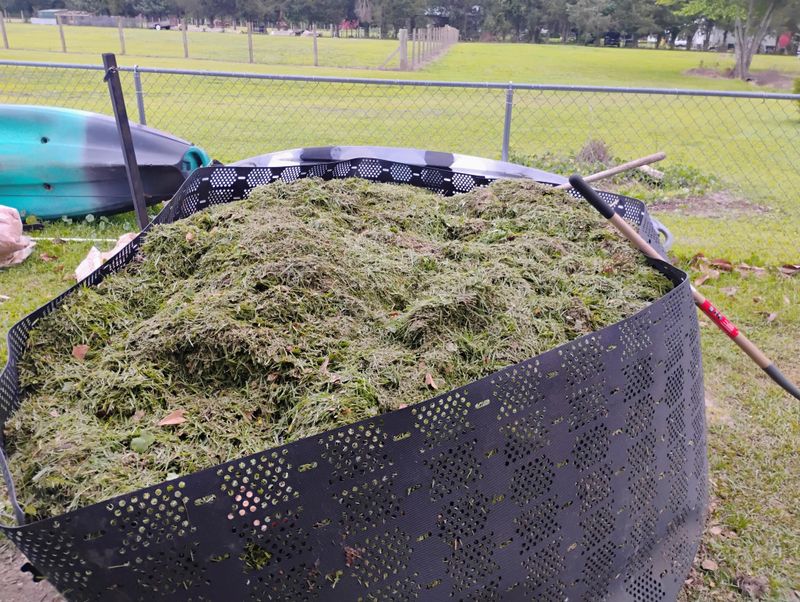
Bagging clippings feels tidy and responsible. Most homeowners do it out of habit, never questioning whether it actually helps the lawn.
Leaving clippings on the grass after mowing is one of the easiest free upgrades you can make. Those small pieces of cut grass are packed with nitrogen and moisture.
As clippings break down, they return up to one-third of the nitrogen your lawn needs annually. That is free fertilizer working quietly beneath your feet.
During a heat wave, clippings also act as a light mulch layer. They slow moisture evaporation from the soil surface, keeping the root zone slightly cooler between watering sessions.
Clippings decompose quickly when mowing is done correctly. If you mow often enough that clippings are short, they disappear into the turf within a day or two.
The old fear about clippings causing thatch buildup is largely a myth. Thatch is made of roots and stems, not leaf blades.
Only bag clippings if the grass was left too long between mowings. Long clumps block sunlight and trap excessive moisture, which can cause problems.
A mulching mower blade makes the process even more effective. It chops clippings into finer pieces that integrate with the turf almost immediately.
Mulching blades are inexpensive and available at most hardware stores. Swapping out your standard blade takes about 20 minutes and delivers season-long benefits.
Stop hauling bags of clippings to the curb every week. Let nature handle the recycling, and your lawn will stay cooler, greener, and better fed all summer long.
7. Missing The Early Signs Of Heat Stress
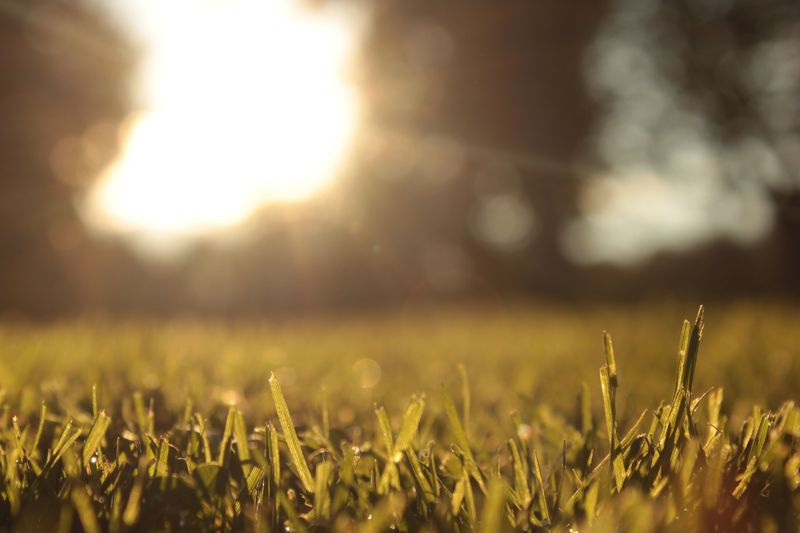
Your lawn talks to you during a heat wave. Most homeowners just are not listening until the damage is already severe.
Heat stress shows up in specific, recognizable ways before the grass turns fully brown. Catching those early signals is the difference between a quick fix and a costly overhaul.
The first sign is a bluish-gray tint across the lawn. Healthy grass is bright green; stressed grass shifts toward a dull, silvery blue as it loses moisture.
Another early warning is footprint persistence. Walk across your lawn and look back; if your footprints stay visible for more than a few seconds, the grass lacks enough moisture to spring back.
Wilting or curling blades are a third signal. Grass blades roll inward along their length to reduce the surface area exposed to the sun.
Spotting these signs early gives you a chance to intervene before permanent damage sets in. A deep watering session during the early morning hours can help mild stress begin to reverse within a day or two.
Ignoring those signals for even two or three days during peak summer heat can push stressed grass past the recovery point. Damaged turf means reseeding, which adds cost and effort to your fall calendar.
Walk your yard every morning during a heat wave. A two-minute inspection before work gives you all the information you need to act fast.
Heat stress caught early costs you nothing but a few minutes of attention. Heat stress caught late costs you a full lawn renovation.
Your lawn cannot ask for help out loud. But when you know what to look for, those early signs of stress are hard to miss.