This Natural Idaho Wildflower Is Spreading Through Lawns And Making Them Look Better
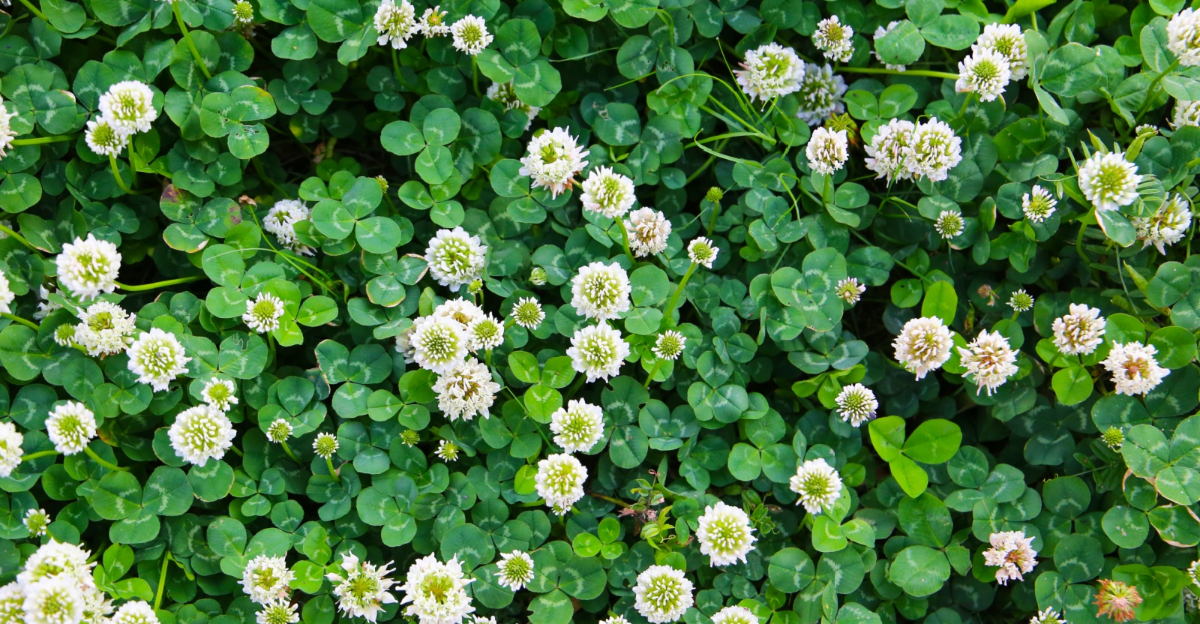
Your lawn is hiding something. Something small, white, and quietly spreading through yards all across Idaho.
You have probably walked past it a dozen times without stopping. Tiny round blooms tucked between grass blades, easy to miss and easier to pull.
Most people do exactly that. They grab it, yank it, and move on without asking one important question.
What if removing it is the single biggest mistake your lawn cannot afford? This little wildflower does not drain your soil.
Feeding it is what this plant actually does. Roots work below the surface, pulling nitrogen straight into the ground.
Grass nearby grows thicker, greener, and stronger without any extra effort from you. Many lawns across Idaho have benefited from it. Stop pulling it out before you know what you are actually losing.
It Looks Like A Weed, But Your Yard Could Seriously Benefit From It
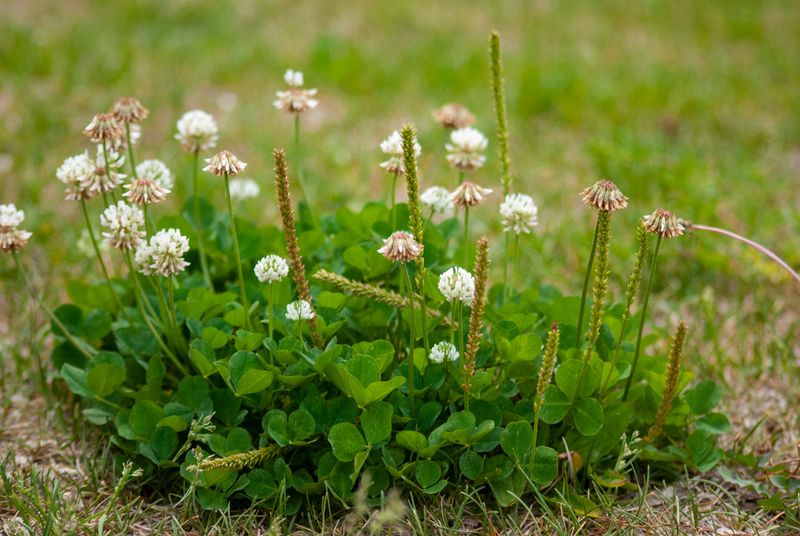
Your neighbor might call it a weed, but they are wrong. White clover is a naturalised wildflower now common across Idaho that has been quietly improving lawns for generations.
Most people yank it out without a second thought. That is a mistake that costs your lawn more than you realize.
White clover spreads low across the ground, staying under four inches tall. It weaves between grass blades without smothering them or competing aggressively.
The plant actually feeds your lawn as it grows. Its roots work with soil bacteria to pull nitrogen from the air and deposit it underground.
That means your grass gets a free fertilizer boost without any bags or spreaders. Some homeowners report noticing greener grass nearby after leaving clover to establish over a season.
Beyond feeding the soil, clover stays green even when grass turns brown and crispy. It holds moisture near the roots and keeps the ground cooler on hot summer afternoons.
Lawns with clover patches look lush longer into the season. The plant is tough, low-maintenance, and genuinely useful in ways most people never expect from something so small.
Before you grab the herbicide, take one good look at what clover is doing for your yard. You might just put the bottle back on the shelf for good.
Naturally Fixes Nitrogen In Your Soil
Nitrogen is one of the most important nutrients for healthy grass. Without enough of it, grass can turn yellow and grow thin over time.
Most homeowners buy bags of synthetic fertilizer to solve this problem. White clover solves it for free, naturally, and without any effort on your part.
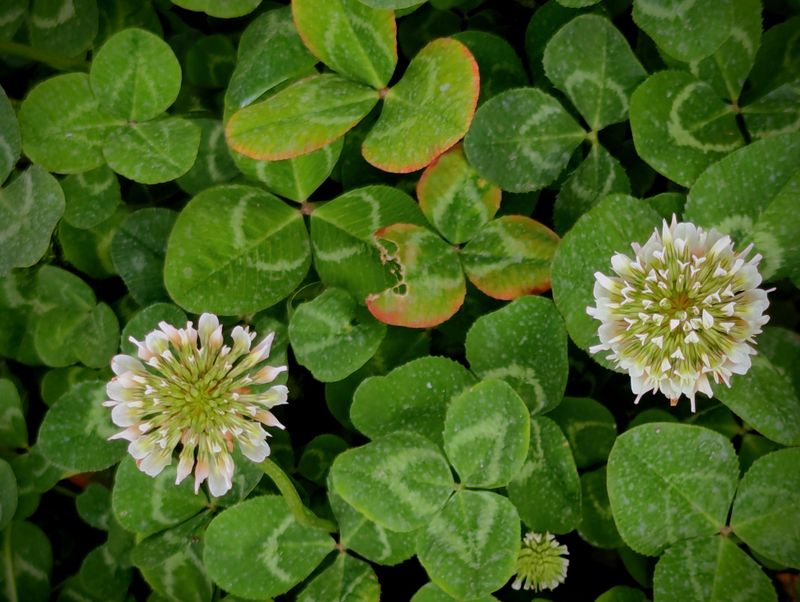
The secret lives in the roots. Tiny nodules on clover roots house bacteria called rhizobia, which pull nitrogen from the air and lock it into the soil.
This process is called nitrogen fixation, and it is genuinely impressive. One clover plant can enrich the ground around it for the entire growing season.
Grass planted near clover often grows darker green without a single bag of store-bought fertilizer. The surrounding soil gets richer the longer clover stays in place.
Your Idaho Garden Changes Every Week. Your Plan Should Too.
Gardening in Idaho changes quickly throughout the season. Every Friday you’ll receive a simple weekly plan showing exactly what to plant, prune, fertilize, harvest, and protect so you never miss the right timing.
Synthetic fertilizers can burn grass if you apply too much. Clover releases nitrogen slowly and steadily, which is actually safer and more effective for long-term lawn health.
Farmers have known about this trick for centuries. They plant clover between crops to restore soil before the next growing season begins.
Bringing that same wisdom to your front yard takes no effort. Just let the clover grow, and the soil will do the rest on its own schedule.
Fills Bare Lawn Patches On Its Own
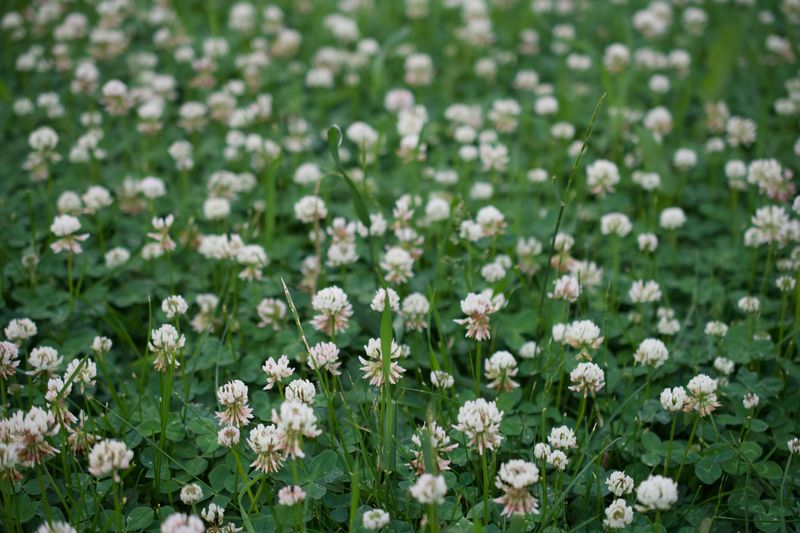
Bare spots are one of the most frustrating lawn problems to fix with grass seed alone. Reseeding them takes time, money, and usually a lot of watering before anything grows.
White clover laughs at bare patches. It spreads through stolons, which are creeping stems that root wherever they touch soil.
Those stems move outward steadily, filling gaps that grass cannot seem to cover on its own. Within one season, a small clover patch can cover several square feet of bare ground.
The plant does not need perfect soil conditions to get started. It grows in compacted dirt, clay-heavy ground, and areas with poor drainage where grass simply refuses to take hold.
This makes clover a practical naturalised wildflower that earns its place in tough spots. No raking, no fertilizing, and no daily watering required to get results.
Once established, clover holds the soil firmly with its root system. That prevents the bare patch from washing away during heavy rain or drying into a dusty crater during summer heat.
Grass seed often fails in problem areas because conditions are not ideal. Clover tolerates those same conditions and keeps spreading anyway, which is a huge advantage for low-effort lawn care.
Letting it fill those frustrating patches saves time and money. Your lawn ends up looking fuller without any extra work from you at all.
Attracts Bees And Beneficial Pollinators
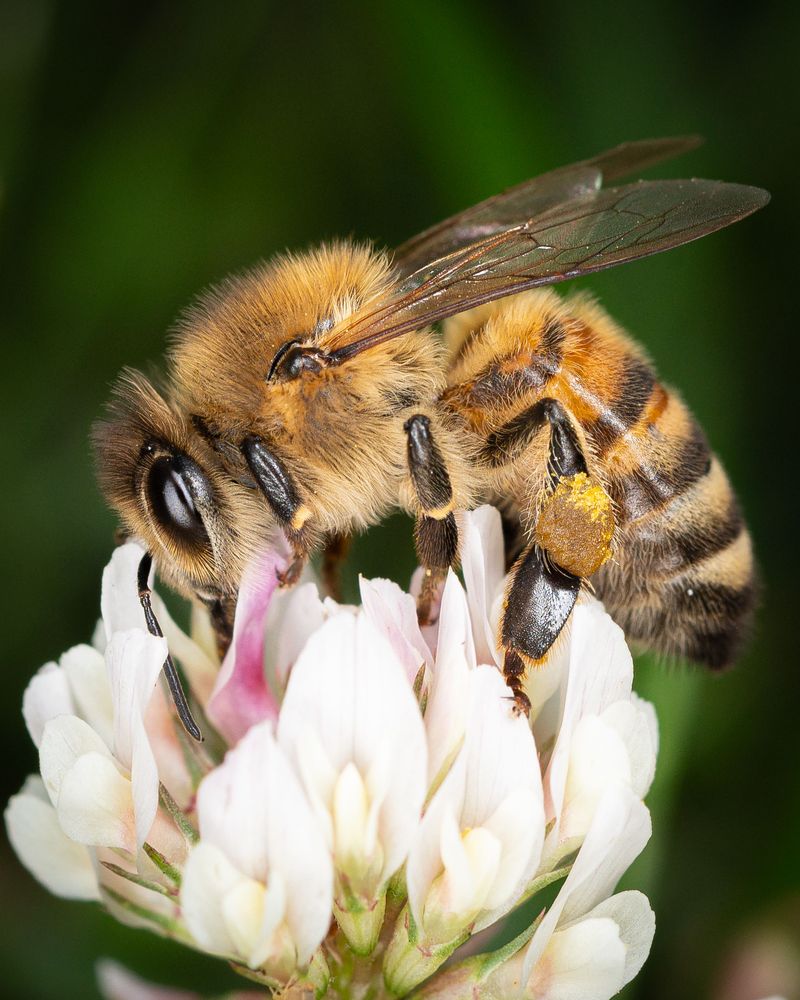
Many native bee populations face mounting pressure, and your lawn can genuinely help. White clover is one of the most reliable nectar sources pollinators can find in a suburban yard.
Honeybees, bumblebees, and native solitary bees all flock to clover blossoms. The flowers are small but packed with nectar that bees can access easily.
Clover blooms from late spring all the way through early fall. That extended season gives pollinators a consistent food source during months when other flowers fade.
Gardens near clover-filled lawns produce more fruit and vegetables because bees visit more frequently. Better pollination means bigger tomatoes, more cucumbers, and fuller berry patches every year.
Beyond bees, clover attracts butterflies and beneficial insects that prey on common garden pests. A clover lawn supports more biodiversity than grass alone, right outside your door.
Mowing less often during bloom season helps pollinators the most. Even skipping one mow per month gives bees extra days to feed and thrive.
Conventional grass lawns offer almost nothing to wildlife. A clover-mixed lawn, on the other hand, supports dozens of species that help your whole yard stay balanced and productive.
Supporting pollinators does not require a wildflower meadow or a massive garden overhaul. A few patches of white clover scattered across your lawn make a real and measurable difference.
Suppresses Common Weeds Like Dandelions
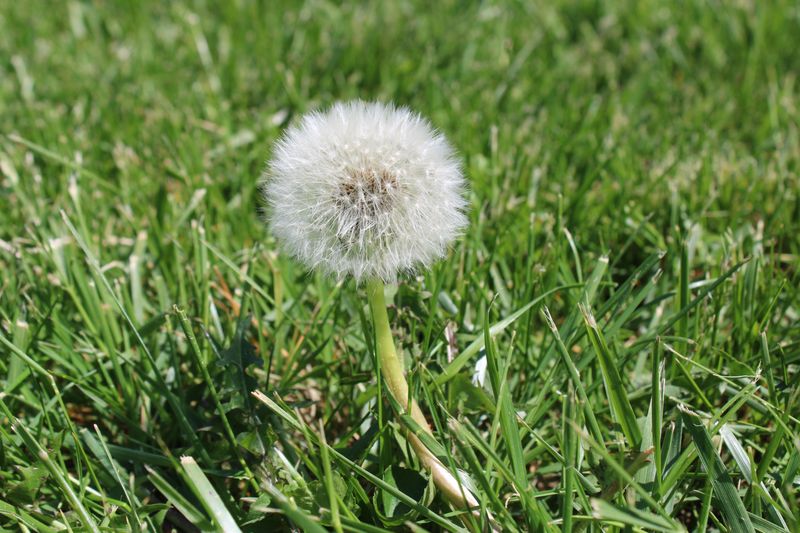
Dandelions establish quickly in open soil and can spread across a lawn within a single season. White clover fights back against them in a clever, passive way.
Its dense, low-growing mat covers the soil surface and blocks sunlight from reaching weed seeds below.
Without light, dandelion seeds cannot germinate and establish themselves. Clover essentially pulls a shade curtain over the ground and keeps unwanted plants from getting started.
This is called competitive ground coverage, and it works surprisingly well. A thick stand of clover leaves almost no open soil for weeds to colonize.
Chemical weed sprays often damage surrounding grass and can harm soil organisms. Clover suppresses many common weeds without any chemicals.
Worth noting: in formal turf settings, clover itself is sometimes managed as a weed, so it suits relaxed or mixed-lawn styles best.
Clover also outcompetes crabgrass and other low-growing annual weeds. Its spreading habit simply takes up the space those weeds need to survive and spread.
Lawns that mix grass with clover tend to need fewer herbicide applications over time. This naturalised wildflower does the weeding work quietly and consistently season after season.
Fewer weeds mean less time on your knees pulling and less money spent on sprays. Clover earns its keep just by growing exactly the way nature designed it to grow.
Survives Dry Idaho Summers With Less Water
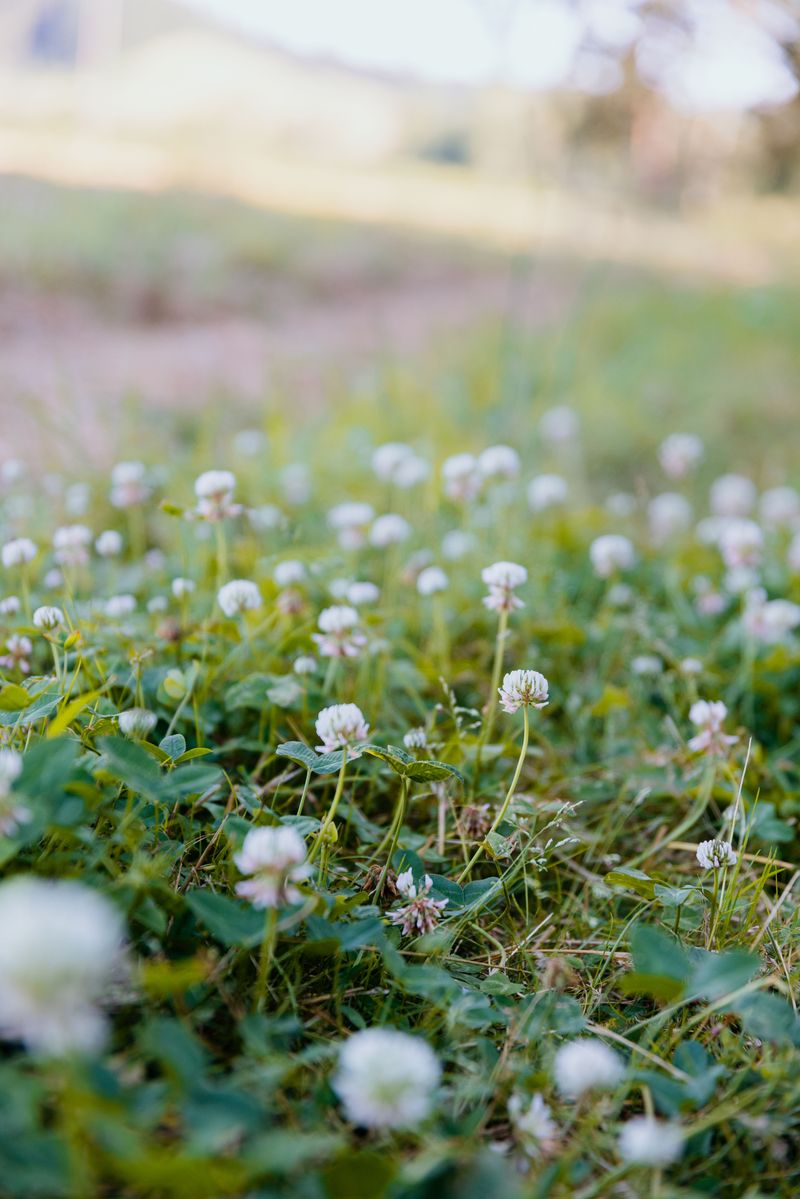
Idaho summers can be dry and hot, putting real stress on traditional turfgrass. White clover handles heat and drought far better than traditional turfgrass.
Its deep root system reaches moisture that grass roots simply cannot access during dry stretches.
Even when the top inch of soil dries out completely, clover keeps pulling water from below. That deep reach keeps it green and growing when everything around it turns crispy.
Research suggests clover generally requires less irrigation than Kentucky bluegrass or fescue, making it a practical choice in drier climates. For homeowners in water-restricted areas, that difference adds up to real savings every month.
The plant also helps the soil retain moisture more effectively. Its dense canopy shades the ground, slowing evaporation and keeping the root zone cooler during peak afternoon heat.
Grass lawns often go dormant in summer and bounce back slowly after rain returns. Clover stays active through the dry season and recovers from stress much faster than grass alone.
Mixing clover into an existing lawn reduces overall water demand without sacrificing appearance. The yard stays greener longer with less effort and fewer trips to the sprinkler controls.
Water-smart landscaping is not just trendy right now. Letting this naturalised wildflower spread through your lawn is one of the easiest conservation choices you can make.
Improves Soil Health And Prevents Erosion
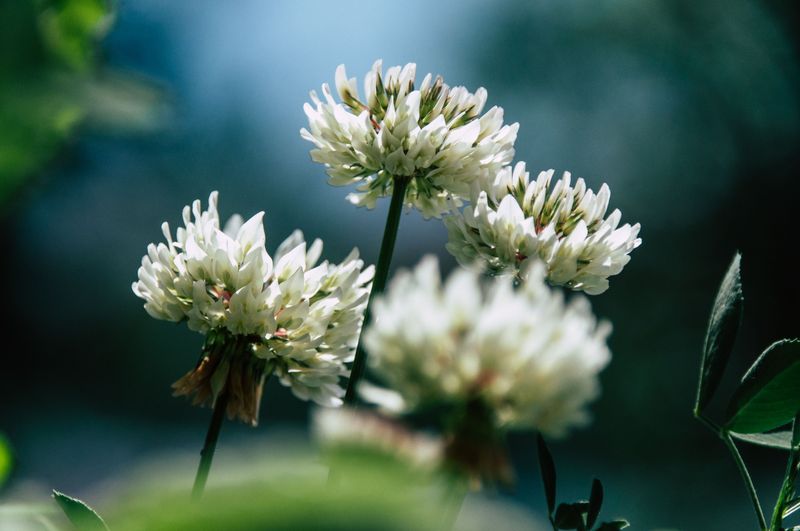
Healthy soil is the foundation of every great lawn, and most people never think about what is happening underground. White clover works below the surface in ways that benefit your yard for years.
Its roots break up compacted soil layers as they grow downward. That creates tiny channels for air and water to move through, which loosens dense ground over time.
Loose, aerated soil allows grass roots to penetrate deeper and access nutrients more easily. The result is a stronger, more resilient lawn that handles foot traffic and weather stress better.
Erosion is a serious problem on sloped yards and bare patches during heavy rain. Clover roots grip the soil firmly and prevent it from washing away during Idaho downpours.
The plant also adds organic matter to the soil as older leaves and stems decompose. That organic buildup feeds earthworms and soil microbes that keep the ground productive and alive.
Earthworms thrive in clover-rich lawns because they love the organic material and moist conditions. More worms mean better soil structure and faster nutrient cycling throughout the whole yard.
Chemical fertilizers do not improve soil structure the way clover does naturally. They feed the grass but leave the underlying soil just as compacted and depleted as before.
Choosing this naturalised wildflower is a long-term investment in your property. Every season it grows, the soil beneath your lawn becomes a little richer and more resilient.
Makes Your Lawn Noticeably Softer Underfoot
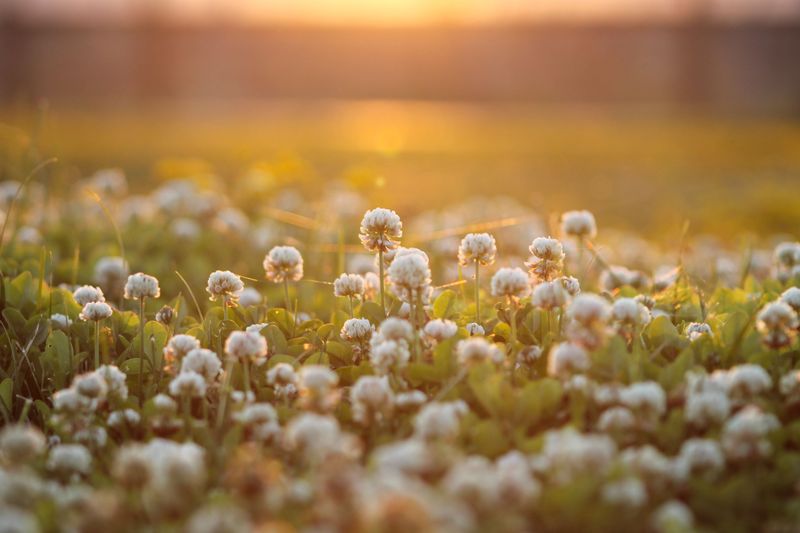
There is something genuinely pleasant about walking across a soft summer lawn. Clover makes that experience noticeably better in ways that pure grass simply cannot match.
The leaves are thick, cushiony, and slightly cool even on warm afternoons. Stepping onto a clover-mixed lawn feels different from stepping onto a pure grass surface.
Clover stays low and soft without aggressive mowing schedules. It does not develop the coarse, scratchy texture that some grass varieties get by midsummer when they dry out.
Kids love playing in clover because it is gentle on skin and smells faintly sweet when crushed underfoot. It turns an ordinary backyard into something a little more sensory and alive.
Pets also benefit from softer ground cover. The softer, cushioned surface of a clover-mixed lawn is gentler underfoot for pets than dry or coarse grass.
Clover also stays cleaner than grass during light rain. Its waxy leaves shed water quickly and dry faster, meaning less muddy paw prints tracked across your kitchen floor.
Mixing clover into your lawn does not require tearing anything out or starting over. Overseed bare spots with white clover seed in spring, and let it fill in naturally over the season.
This naturalised wildflower turns an ordinary yard into a noticeably softer, greener space. Your lawn becomes more inviting without a single extra hour of weekend work.