Why Some Oregon Plants Bloom Once And Never Again
Few things are more frustrating than a plant that puts on one gorgeous show, gets your hopes up, and then never performs like that again. One spring it is covered in blooms and looking like the star of the whole yard.
After that, it just sits there with plenty of leaves and none of the excitement. For gardeners, this is a surprisingly common letdown, and it usually has less to do with bad luck than people think.
A lot of plants bloom beautifully once because conditions happened to line up just right that year.
Then pruning mistakes, too much shade, poor timing, nutrient issues, or Oregon’s quirky weather start getting in the way.
Some plants also arrive from the nursery already loaded with buds, which can make future seasons feel extra disappointing.
The good news is that repeat blooming is often less mysterious than it seems once you know what may be holding a plant back.
1. Some Bloom Just Once
Not every plant follows the same playbook. Most flowers bloom year after year, but a special group of plants in Oregon only gets one shot at flowering.
These are called monocarpic plants, and their entire life is built around a single, often breathtaking, bloom.
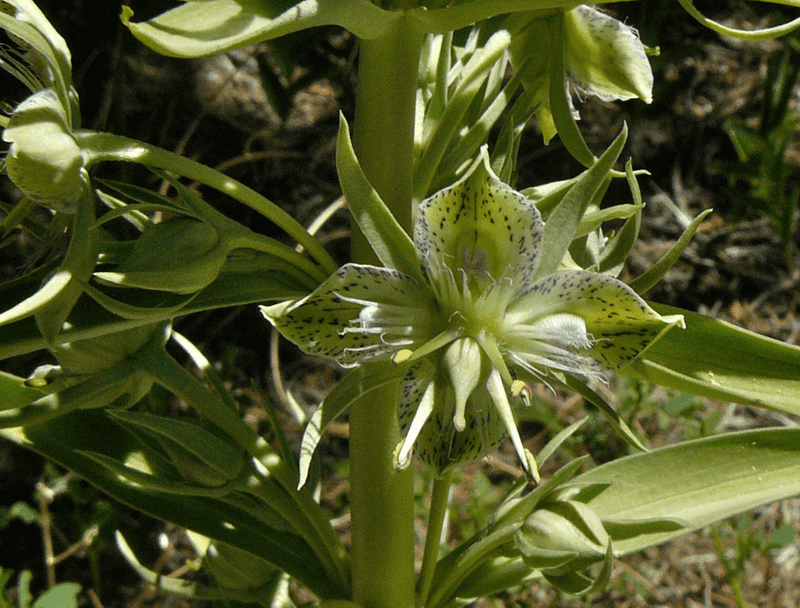
Frasera speciosa, also known as the monument plant or elkweed, is one of Oregon’s most famous examples. It grows in mountain meadows and forests across the Pacific Northwest.
For years, sometimes even decades, it stays as a low rosette of leaves. Then, when conditions are just right, it sends up a tall stalk covered in beautiful purple-dotted green flowers.
Once that stalk blooms, the plant’s job is done. It puts every last bit of energy into producing seeds before fading away.
There is no second chance, no next season. For hikers, spotting a monument plant in full bloom is genuinely rare and exciting.
It is a once-in-a-lifetime moment, for you and for the plant. These one-time bloomers remind us that nature does not always follow simple patterns, and that makes exploring Oregon’s wild spaces even more rewarding.
2. One Big Bloom Ends It
Imagine spending years saving up all your energy just for one spectacular moment. That is exactly what monocarpic plants do.
Plants like the Pine Echium, known scientifically as Echium pininana, spend two to three years as a quiet rosette of leaves. Then, almost overnight, they shoot up a massive flower spire that can reach up to 15 feet tall.
That towering bloom is loaded with light blue to purple flowers that attract bees, butterflies, and other pollinators. It is one of the most dramatic sights you can find in Oregon’s gardens and wild spaces.
But here is the catch: once that giant spire finishes blooming and the seeds are set, the plant is done. It will not come back next spring.
This might sound like a sad ending, but it is actually a brilliant survival strategy. By putting all available resources into one massive bloom, the plant ensures it produces as many seeds as possible.
Your Oregon Garden Changes Every Week. Your Plan Should Too.
Gardening in Oregon changes quickly throughout the season. Every Friday you’ll receive a simple weekly plan showing exactly what to plant, prune, fertilize, harvest, and protect so you never miss the right timing.
Those seeds scatter and grow into new plants, keeping the species going strong. Gardeners who grow Echium pininana often say watching it bloom is worth every year of waiting.
It is nature’s version of going out with a bang.
3. Short-Lived Plants Differ
Not all short-lived plants are the same, and that is something worth understanding. Annual plants complete their entire life cycle in just one growing season.
Biennial plants take two years. Perennials keep coming back year after year.
Monocarpic plants, however, do not fit neatly into any of those boxes.
What makes monocarpic plants so different is that their lifespan is flexible. Some bloom after just two years.
Others, like certain agave species that have naturalized in parts of this state, wait 10, 20, or even 50 years before flowering. The length of time does not matter as much as the end result: one bloom, one seed set, and then the plant’s cycle is complete.
Short-lived biennials like wild parsnip or some mustard species found in fields bloom quickly and move on. Long-lived monocarps make you wait much longer but reward you with something truly spectacular.
Knowing the difference helps nature enthusiasts set the right expectations. If you find a plant in its rosette stage, it might be quietly building toward its one great moment.
Patience is key. Watching a monocarpic plant finally bloom after years of waiting is one of the most satisfying experiences in Oregon’s natural world.
4. Stress Can Trigger Bloom
Here is something surprising: sometimes a plant blooms early because it is under stress. For monocarpic plants in our state, environmental pressure can actually speed up the blooming timeline.
Drought, poor soil, extreme temperature swings, or competition from other plants can all signal to a monocarpic plant that it needs to act fast.
When a plant senses these tough conditions, it shifts its energy from growing and storing to reproducing. Essentially, it decides that now is the time to flower and set seed, even if it has not fully matured yet.
This is a built-in survival response. The plant would rather bloom early and leave seeds behind than wait and risk never getting the chance.
Oregon’s varied climate makes this especially interesting. The state experiences everything from wet coastal winters to hot, dry summers in the interior.
Plants growing in harsher eastern region environments may bloom years earlier than the same species growing in a milder western location of the state.
Gardeners and land managers in Oregon sometimes accidentally trigger early blooming by disturbing the soil or changing drainage patterns.
Understanding this stress response helps explain why two plants of the same species can have very different blooming schedules depending on where and how they are growing across Oregon’s diverse landscapes.
5. Seeds Take A Toll
Producing seeds is one of the most energy-demanding things a plant can do. For monocarpic plants in Oregon, making seeds is literally the final act.
Every bit of sugar, water, and nutrients the plant has stored over its lifetime gets funneled into creating as many viable seeds as possible.
A single monument plant stalk can carry hundreds of flowers. Each flower has the potential to become a seed.
When you multiply that across a large stalk, you are talking about thousands of seeds from just one plant. That is an enormous investment of biological energy.
The plant essentially converts itself into seeds.
Once the seeds are mature and dispersed by wind, animals, or water, the parent plant has nothing left to give.
Its structures break down and return nutrients to the Oregon soil, which actually helps the next generation of seedlings get a strong start.
It is a remarkably efficient system. Hikers sometimes notice the dried-out stalks of monument plants standing tall through winter long after blooming.
Those stalks serve as a reminder of the plant’s final effort. For anyone studying plant biology or just curious about nature, watching this process unfold in Oregon’s wild spaces is a genuinely eye-opening experience about how life sustains itself.
6. Oregon Weather Matters
Oregon’s weather plays a huge role in when and how monocarpic plants bloom. The state has an incredibly diverse climate, ranging from the rainy, mild Pacific coast to the dry, cold high desert in the east.
This variety means that the same species of plant can behave very differently depending on where it is growing in Oregon.
Wet winters and warm springs in western Oregon can encourage plants to grow quickly and store energy faster. That might push a monocarpic plant toward blooming sooner than one living in the drier eastern part of the state.
On the flip side, harsh winters and summer droughts in eastern Oregon can slow growth dramatically, sometimes adding years to a plant’s pre-bloom stage.
Temperature is another big factor. Many monocarpic plants need a period of cold, called vernalization, before they can trigger blooming.
Oregon’s mountain regions naturally provide this cold period every winter. Without it, some plants might never bloom at all.
Climate shifts in recent years have started affecting these natural cues, and researchers are watching closely to see how Oregon’s monocarpic plants respond.
For gardeners and conservationists in Oregon, understanding how local weather influences bloom cycles is key to protecting and appreciating these remarkable once-in-a-lifetime flowering plants.
7. Repeat Bloomers Behave Differently
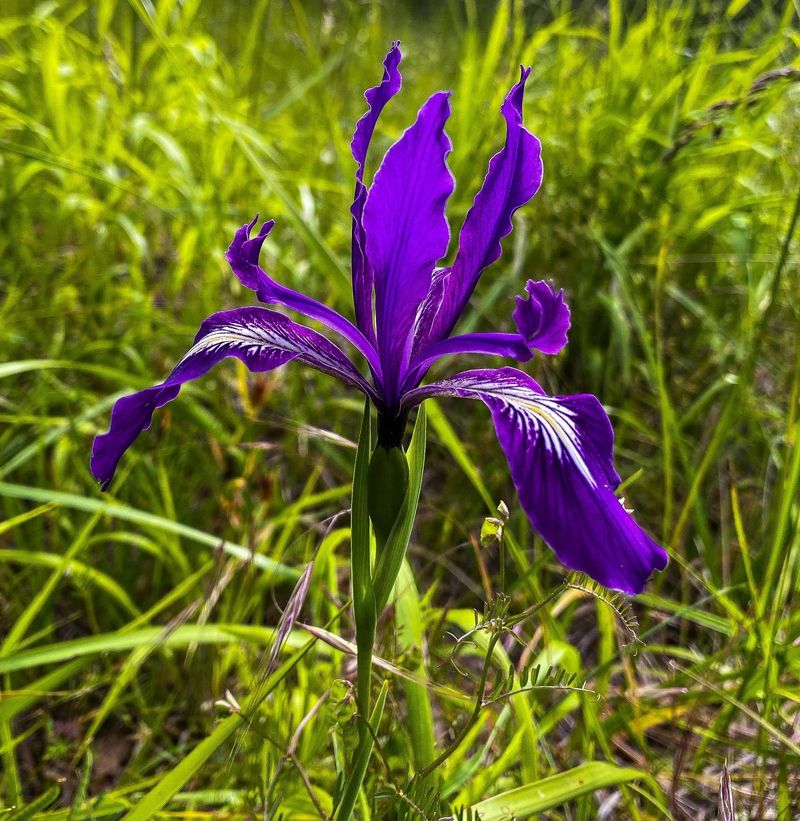
Repeat bloomers play by completely different rules. Plants like lavender, coneflowers, and black-eyed Susans come back year after year in Oregon gardens, putting out new flowers each season without exhausting themselves.
They do this by keeping their root systems alive and healthy underground, ready to fuel new growth every spring.
The key difference is resource management. Repeat bloomers never go all-in on a single flowering event.
Instead, they spread their reproductive effort across many seasons. They produce flowers, set some seeds, and then conserve enough energy to survive winter and bloom again.
This strategy works well in stable environments where conditions are fairly predictable year after year.
Monocarpic plants took the opposite approach. Rather than spreading energy thin across many seasons, they concentrate everything into one spectacular performance.
Both strategies work, but they suit different environments and different survival challenges. You can find both types growing side by side.
A hillside might have perennial wildflowers that bloom every summer right next to a monument plant quietly building toward its one great moment.
Noticing these differences while exploring trails and gardens gives you a whole new appreciation for the many clever ways plants have learned to survive and reproduce in this beautiful and varied state.