8 Illinois Vegetable Garden Hacks That Minimize Water Use And Keep The Harvest
By the time most Illinois gardeners figure out their watering rhythm, July has already made up its mind.
One week you are nurturing seedlings. The next, cracked soil is pulling away from your tomato roots like it owes you nothing.
The window between a thriving garden and a crispy disappointment is narrow. Most gardeners lose that race before the corn hits knee-height.
Water is where the season is decided. Not how much you throw at your plants, but when, where, and how it reaches them.
One gardener hauls a hose twice a day. Another walks out in August to armfuls of zucchini and peppers.
The difference comes down to a handful of decisions made back in spring. These hacks are built for Illinois growing conditions. The clay that resists everything.
The relentless stretch from late June through August that tests every plant in the ground. Use them right and your garden will outlast the season.
1. Mulch Thickly Between Rows To Cut Evaporation By Half
Bare soil is basically a sponge left out in the sun. It loses moisture fast, and your plants pay the price.
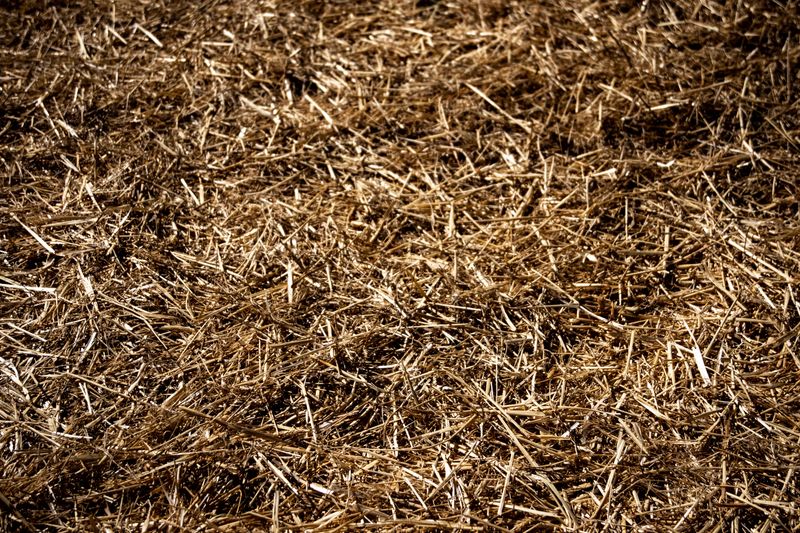
Laying down a thick layer of mulch between your rows changes everything. Straw, wood chips, or shredded leaves all work beautifully for this job.
Aim for at least three to four inches of coverage. That depth creates a barrier that slows evaporation dramatically and keeps roots cool.
Studies show mulching can cut soil moisture loss by up to fifty percent. That means you water less without sacrificing plant health.
In Illinois summers, where temps can spike past ninety degrees, that protection matters enormously. Your tomatoes and peppers will thank you with bigger yields.
Mulch also blocks weeds from sprouting between rows. Fewer weeds mean less competition for the water your plants actually need.
Pull back the mulch slightly right at the base of each plant. This prevents rot from developing right at the stem.
Reapply mulch mid-season when it starts to break down. Fresh layers keep the moisture-locking benefits going strong through August.
One bonus most gardeners overlook is that mulch slowly breaks down into organic matter. Over time, it feeds your soil and improves its structure naturally.
Think of mulch as free insurance for your garden. Lay it down once and let it quietly do the hard work all season long.
2. Switch To Drip Irrigation Instead Of Overhead Sprinklers
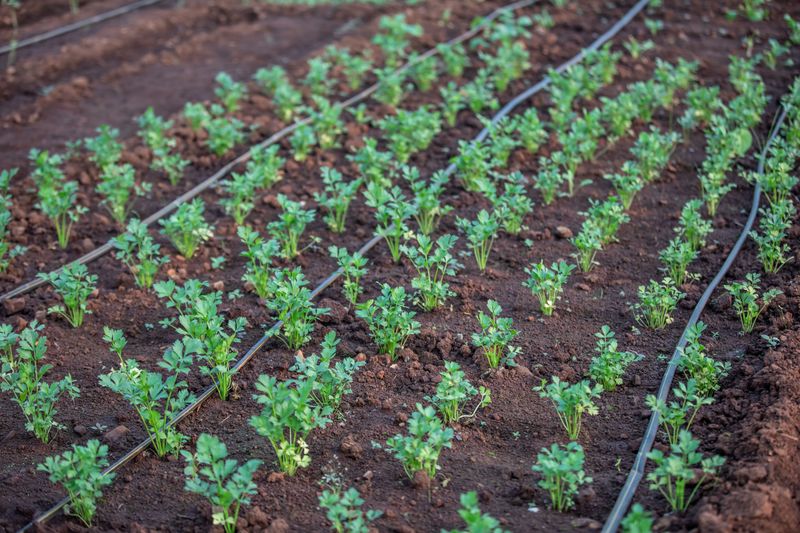
Overhead sprinklers feel satisfying to watch, but they waste a surprising amount of water. Most of that mist never even reaches plant roots.
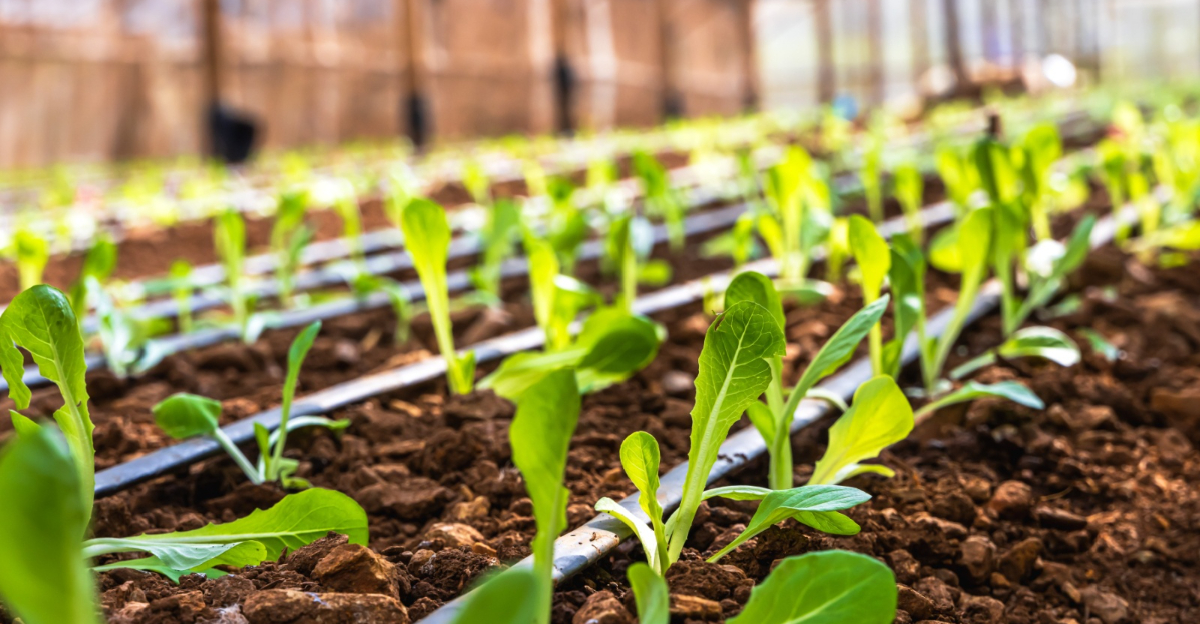
Drip irrigation sends water directly to the soil at the base of each plant. Nothing gets wasted on paths, weeds, or thin air.
You can find starter drip kits at most hardware stores for under fifty dollars. Setting one up takes just an afternoon and no special skills.
The efficiency jump is real and measurable. Drip systems use up to sixty percent less water than traditional sprinkler setups.
For Illinois vegetable gardens dealing with dry stretches in July and August, that savings adds up fast. Your water bill will shrink noticeably by mid-summer.
Your Illinois Garden Changes Every Week. Your Plan Should Too.
Gardening in Illinois changes quickly throughout the season. Every Friday you’ll receive a simple weekly plan showing exactly what to plant, prune, fertilize, harvest, and protect so you never miss the right timing.
Drip lines also keep foliage dry, which reduces fungal problems like blight and mildew. Wet leaves in humid Illinois weather are an open invitation for disease.
You can connect a simple timer to your drip system for hands-free watering. Set it and forget it while the garden handles itself.
Soaker hoses are a budget-friendly alternative if full drip kits feel overwhelming. They work on the same principle and cost almost nothing to install.
Run your lines along the base of rows and secure them with garden staples. This keeps everything tidy and prevents tripping hazards in the garden.
Once you switch to drip, going back to sprinklers will feel like pouring money down the drain. Consistent moisture at the root zone means healthier plants every single week.
3. Water At The Base Of Plants, Never The Leaves
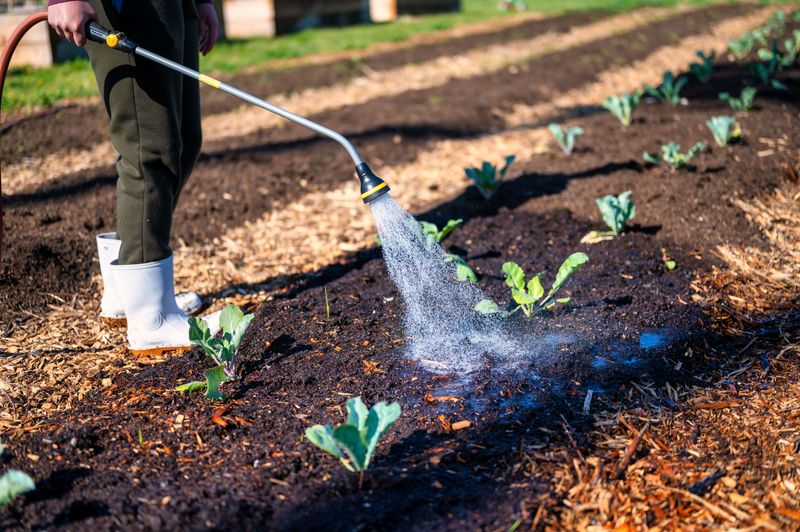
Splashing water all over plant leaves feels intuitive, but it actually causes more harm than good. Wet foliage invites fungal disease and increases evaporation from the leaf surface.
Directing water straight to the soil at the base of each plant changes the game. Roots get what they need without the drama of soggy leaves.
Illinois summers bring high humidity, especially in July. Wet leaves sitting overnight in that thick air become breeding grounds for blight and mildew.
A simple watering wand with a long neck makes base watering easy. You can reach under dense foliage without bending awkwardly or splashing around.
For gardeners using a hose, try a gentle flow setting instead of a strong blast. A soft stream soaks in slowly rather than running off the surface.
Slow and steady watering allows moisture to penetrate deeply into the root zone. Fast blasts just scatter water across the surface and evaporate quickly.
Container gardeners should water until liquid drains from the bottom holes. That signals the entire root ball has received enough moisture.
Some plants like squash and zucchini are especially prone to powdery mildew. Keeping their broad leaves dry can extend their productive season by weeks.
Train yourself to aim low every single time you water. It becomes second nature after just a few sessions in the garden.
Healthy leaves mean healthy photosynthesis, and healthy photosynthesis means bigger vegetables. Keeping foliage dry is one of the easiest wins in your whole garden routine.
4. Group Thirsty Crops Like Tomatoes And Cucumbers Together
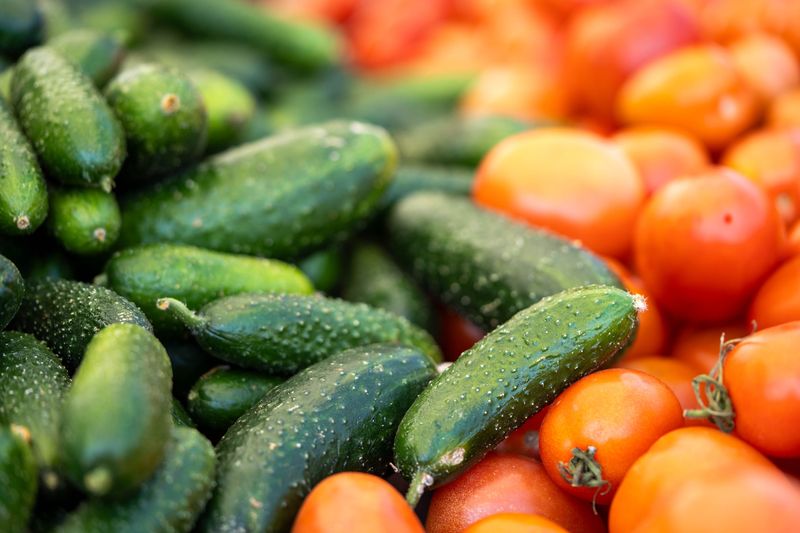
Not all vegetables drink the same amount of water, and planting them randomly makes watering incredibly inefficient. Grouping crops by water needs is one of the smartest layout moves you can make.
Tomatoes, cucumbers, and squash are heavy drinkers. Plant them together in one zone so you can water that area deeply without overwatering drought-tolerant neighbors.
Herbs like basil, thyme, and oregano need far less moisture than most vegetables. Grouping them separately prevents accidental overwatering that leads to root rot.
This strategy is called hydrozoning, and landscapers have used it for decades. Home gardeners are just starting to catch on to how effective it really is.
In Illinois, where summer rainfall is unpredictable, hydrozoning gives you precise control. You focus water exactly where it is needed most without guessing.
Raised beds make this grouping strategy even easier to manage. Each bed becomes its own watering zone with its own schedule and needs.
Companion planting pairs nicely with hydrozoning too. Cucumbers and tomatoes grow well together and share similar sun and moisture requirements naturally.
Keeping thirsty crops together also makes it easier to set up a targeted drip system. One line can serve a whole cluster of high-demand plants efficiently.
Walk your garden before planting season and sketch out zones on paper. A ten-minute plan in March saves hours of frustrated watering adjustments in June.
Smart grouping turns a chaotic garden into a well-oiled machine. Every plant gets exactly what it needs, and nothing goes to waste.
5. Compost Heavily To Boost Soil Water Retention Before Planting
Sandy or clay-heavy soil drains too fast or holds water in all the wrong ways. Compost fixes both problems at the same time.
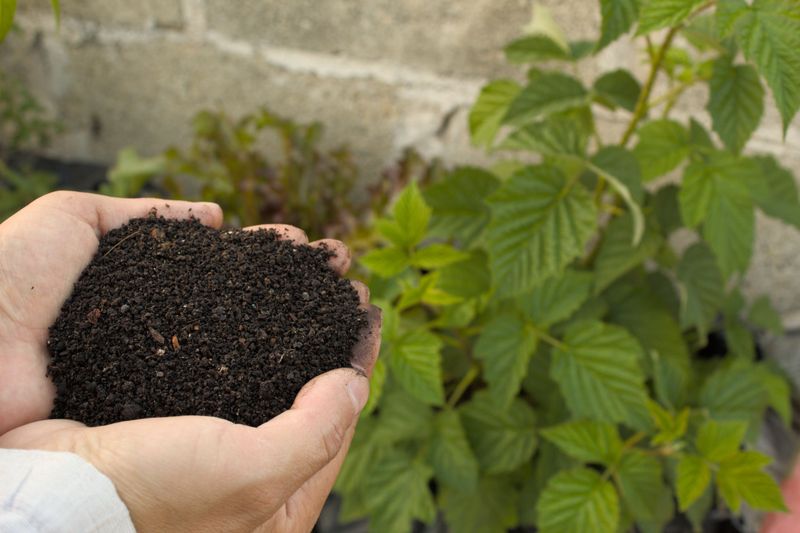
Working several inches of finished compost into your beds before planting transforms soil structure completely. It creates tiny air pockets that hold moisture without becoming waterlogged.
Illinois soil varies widely from county to county. Northern regions often deal with heavy clay, while southern areas can have sandy patches that dry out fast.
Compost acts like a sponge in sandy soil, slowing drainage and keeping roots hydrated longer. In clay soil, it loosens compaction and improves overall water flow.
You do not need a fancy composting system to get started. A simple pile of kitchen scraps and yard waste breaks down into gold within months.
Finished compost is dark, crumbly, and smells like fresh earth. If yours still has recognizable food scraps, give it more time before using it.
Apply at least two to three inches of compost across your entire bed surface. Then work it into the top six inches of soil with a garden fork.
Doing this every spring before planting builds soil quality year after year. Each season, your garden holds water better than the season before.
Gardeners who compost consistently find themselves reaching for the hose far less by mid-summer. That is a significant savings over a full growing season.
Think of compost as a long-term investment in your soil’s health. The more you add now, the less effort your garden demands later.
6. Deep-Water Less Often Rather Than Giving Shallow Frequent Drinks
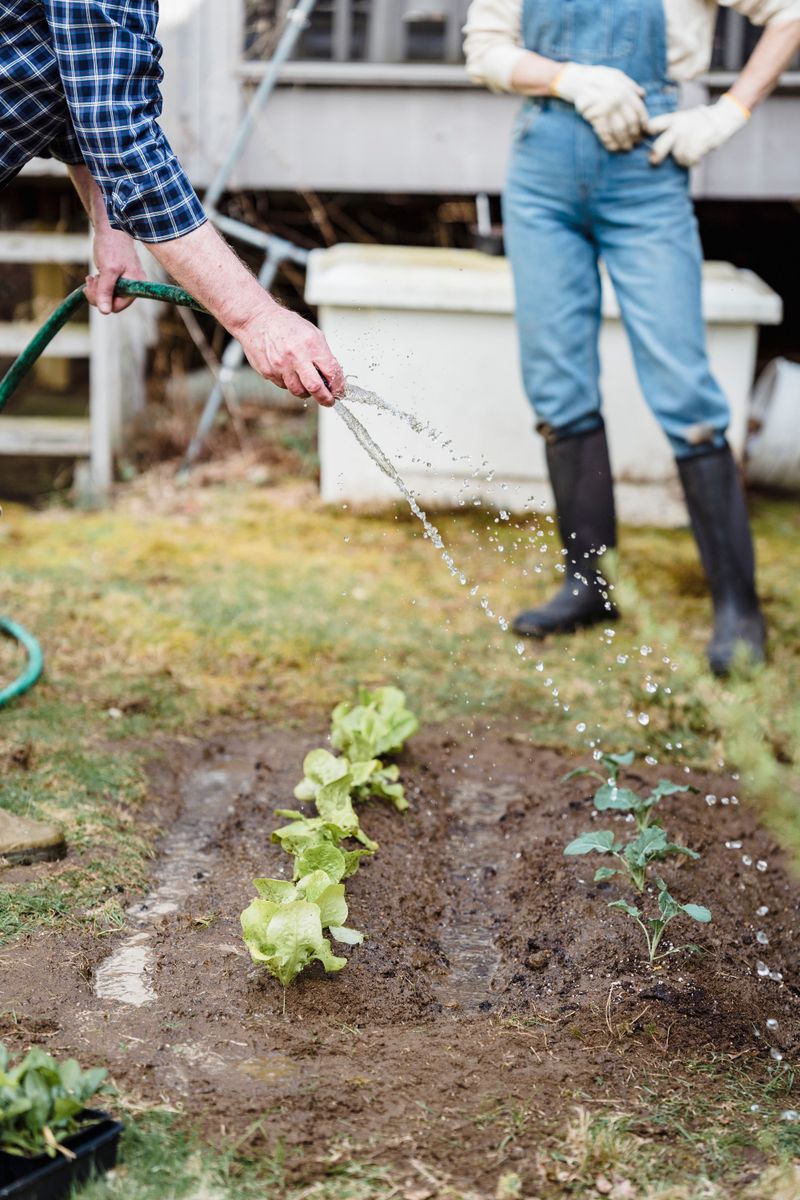
Watering your garden a little bit every day sounds responsible, but it actually trains plants to be weak. Shallow watering keeps roots near the surface where heat and evaporation hit hardest.
Deep watering once or twice a week encourages roots to grow downward. Deeper roots tap into cooler, more consistent moisture reserves underground.
For most Illinois vegetable gardens, one inch of water per week is the general target. That inch should come in one or two slow, thorough sessions.
A simple way to measure is placing a tuna can in your garden bed. When it fills to the brim, you have applied roughly one inch of water.
Deep watering is especially important during Illinois heat waves in late July. Surface soil can dry out within hours, but deep soil stays moist much longer.
Slow watering techniques work best here. A soaker hose left on for thirty to forty-five minutes delivers moisture deeply without runoff.
Vegetable plants with deep root systems also handle dry spells better. They can pull moisture from lower soil layers when the surface dries out between rains.
Tomatoes are a perfect example of this benefit. Their roots can reach eighteen inches or deeper when trained with consistent deep watering sessions.
Switching from daily sprinkles to deep weekly sessions also frees up your time. You spend less time in the garden and more time enjoying the harvest.
Strong roots are the foundation of a productive garden. Water deeply, water less often, and watch your plants grow with surprising resilience.
7. Install Rain Barrels Under Downspouts To Capture Storm Runoff
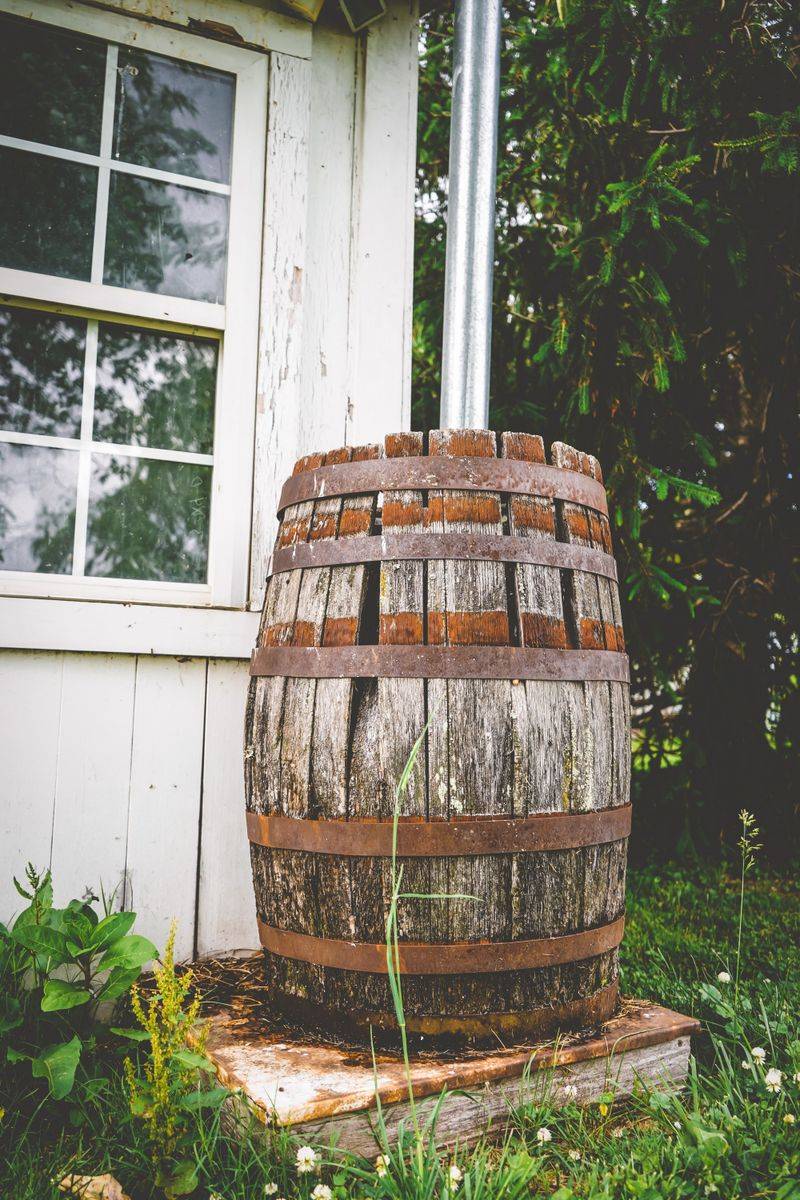
Illinois receives anywhere from thirty-five to forty-eight inches of rainfall each year, depending on the region. Rain barrels let you capture that free water before it disappears.
A standard fifty-five gallon rain barrel fills up fast during a single storm. That stored water can keep your vegetable garden hydrated for days without touching the hose.
Installation is surprisingly simple for most homes. You attach the barrel under a downspout, cut the downspout to the right height, and connect the overflow hose away from your foundation.
Many Illinois municipalities offer rain barrel rebates or discounted programs. Check with your local water utility before buying one at full retail price.
Collected rainwater is actually better for your plants than tap water in many cases. It contains no chlorine or fluoride, and many gardeners find their plants respond noticeably better to it.
Position your barrel on a slight elevation like cinder blocks for better water pressure. Gravity-fed flow works surprisingly well for garden hoses and drip lines.
A barrel with a secure lid prevents mosquitoes from breeding inside the water. Always choose a barrel with a tight-fitting screen over the opening.
During a heavy Illinois spring storm, you could fill multiple barrels in one afternoon. Linking two barrels together doubles your storage capacity with minimal extra cost.
Using harvested rainwater for your Illinois vegetable garden hacks routine is both eco-friendly and practical. Every gallon you capture is one less gallon on your water bill.
Rain barrels turn weather events into garden assets. Let the sky do the heavy lifting while you save money and resources all season.
8. Morning Watering Keeps Evaporation Low And Leaves Dry Fast
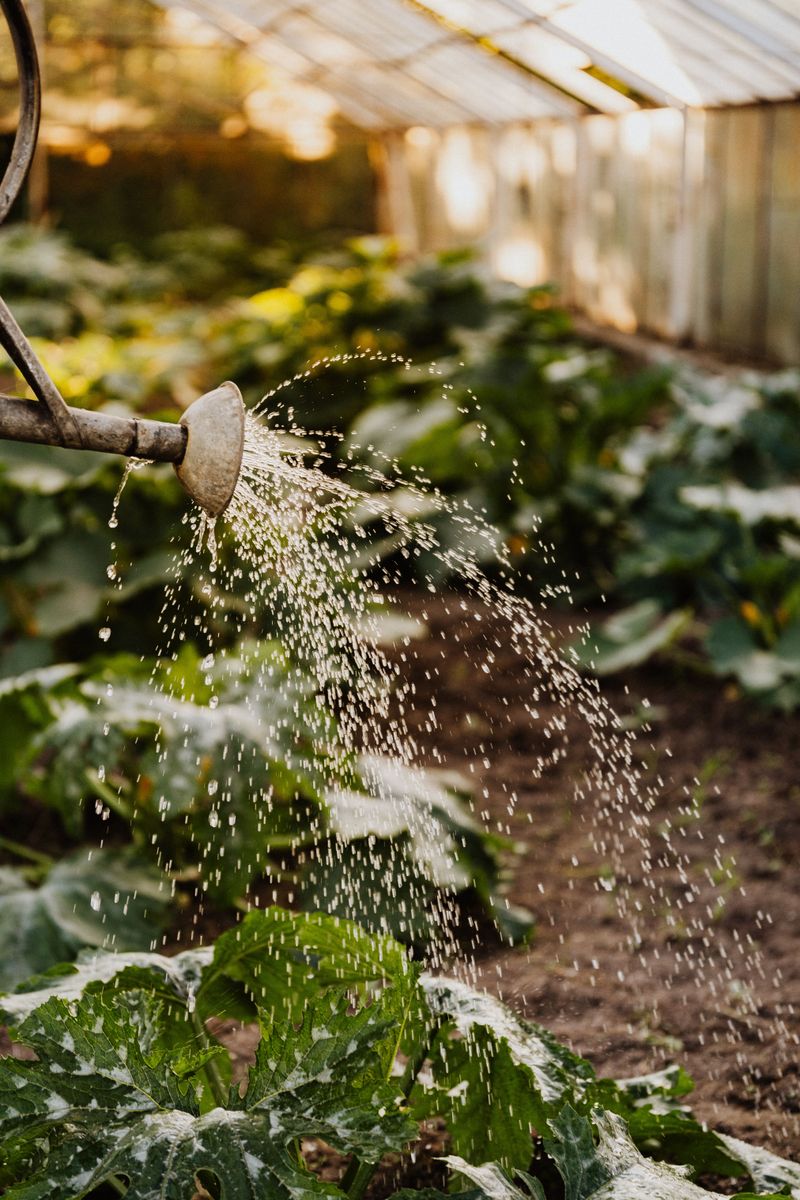
Timing your watering session might be the simplest hack on this entire list. Water in the morning and you immediately cut evaporation losses without changing anything else.
Early morning air is cooler and calmer, which means water soaks into soil before the sun gets aggressive. By mid-morning, your soil surface is moist but not wet and steaming.
Watering in the afternoon is one of the most common mistakes home gardeners make. Midday watering leaves foliage wet during the hottest part of the day, creating the exact conditions fungal disease needs to take hold.
Evening watering is the second most common mistake. Plants go to bed wet, and wet foliage overnight in humid Illinois air breeds fungal problems quickly.
Morning watering gives leaves time to dry naturally as the day warms up. Dry foliage heading into the afternoon is a disease-resistant foliage.
Aim to finish watering by eight or nine in the morning for best results. That window gives roots two to three hours to absorb moisture before peak heat arrives.
A programmable timer on your drip system makes morning watering automatic. Set it once for six-thirty AM and never think about timing again.
Morning sessions also let you spot problems early in the day. You can catch wilting, pests, or disease signs before they get out of hand.
Consistency matters more than perfection when it comes to watering schedules. A reliable morning routine trains your plants to thrive on a steady rhythm.
These Illinois vegetable garden hacks all work better together than separately. Start with morning watering and build your water-smart routine from there.