The Rain Barrel System Helping New Jersey Gardeners Get Through Dry Season
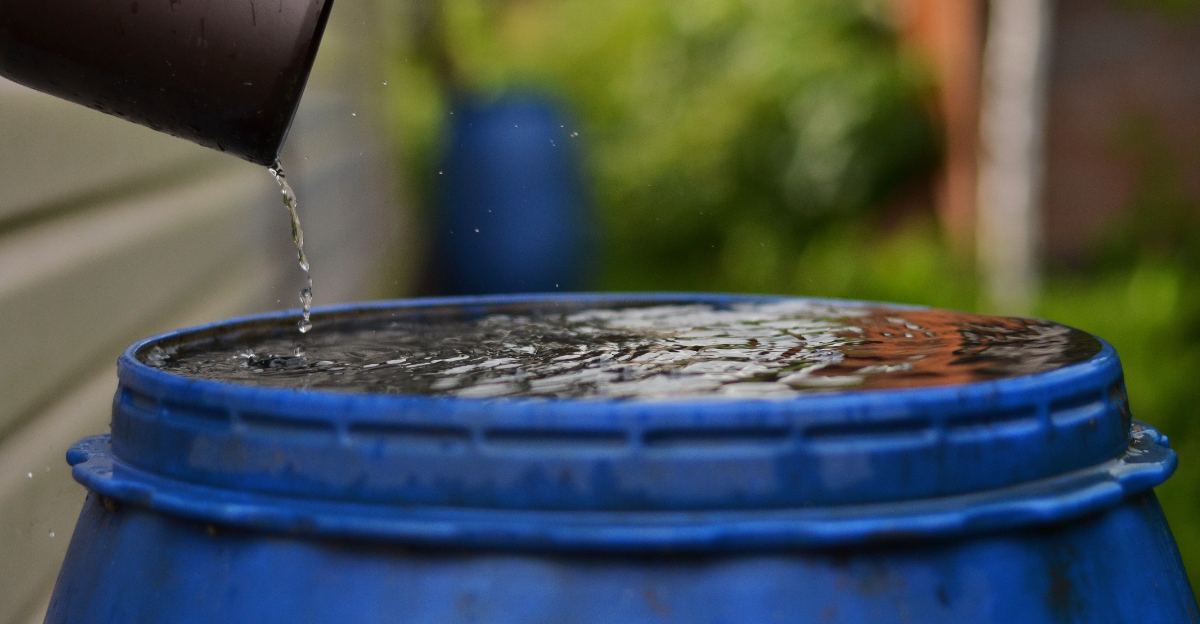
Every summer, New Jersey gardeners face the same frustrating cycle. Rain disappears, soil dries out, and water bills spike right when gardens need the most attention. A rain barrel system quietly solves all three problems at once.
One decent storm can fill a 55-gallon barrel in less than an hour. That water costs nothing, contains no chlorine, and stays cool enough to keep roots happy through the worst heat. Tap water does the job, but rainwater does it better.
Drought conditions in the mid-Atlantic have grown more frequent, and watering restrictions across New Jersey can catch gardeners off guard.
Having a personal water supply stored and ready changes the entire equation. You stop watching the sky and start working with it instead.
The Rain Barrel System New Jersey Gardeners Are Using Right Now
Your neighbor’s garden looks amazing, and their water bill does not match yours.
That is not luck. That is a rain barrel system working exactly as intended.
Across backyards from Montclair to Cherry Hill, gardeners are setting up these simple collection tanks to catch roof runoff before it disappears into storm drains. The setup takes less than an afternoon, and the payoff lasts all season long.
Many standard barrels hold between 50 and 80 gallons per unit. A modest 1,000-square-foot roof section can shed over 600 gallons during a single inch of rainfall. That number adds up fast when summer storms roll through every week or two.
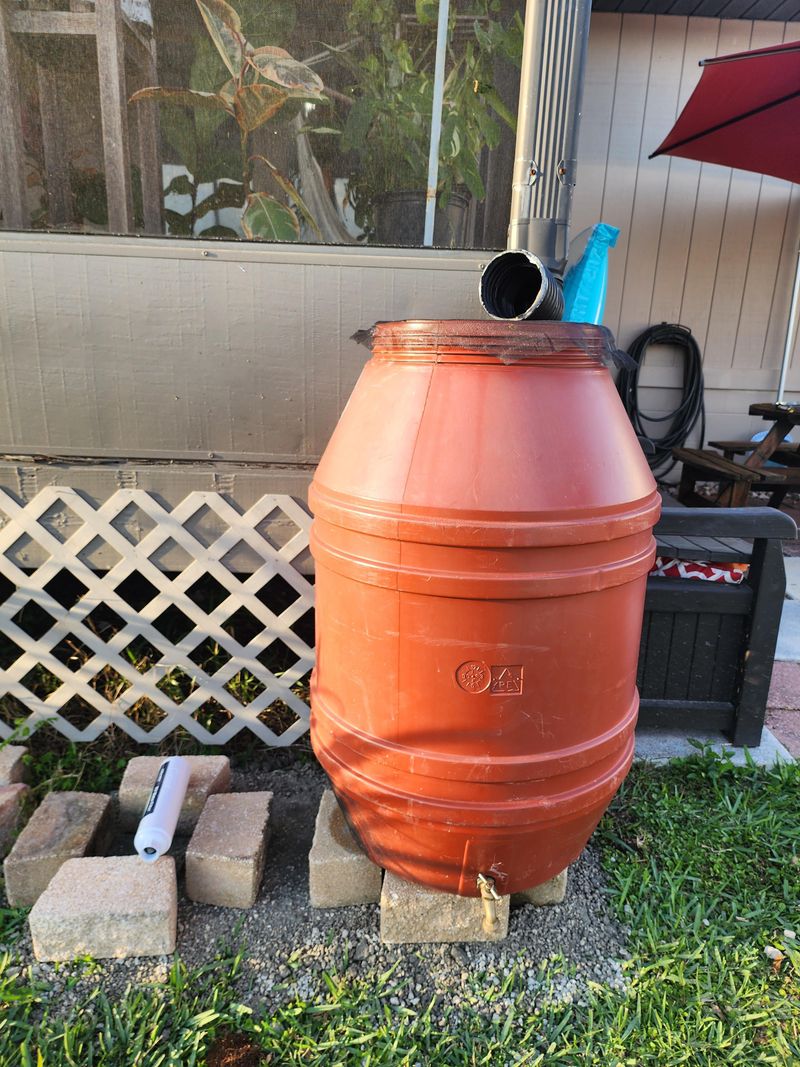
The rain barrel system helping New Jersey gardeners through dry spells is not high-tech. It is a barrel, a spigot, a diverter, and some basic plumbing fittings. Nothing about it requires a contractor or a permit in most townships.
Plastic barrels made from recycled food-grade containers are the most popular choice. They resist cracking, stay lightweight enough to reposition, and are widely available at local hardware stores.
Gardeners who use them report watering their beds two to three times per week without ever turning on the hose. That kind of independence feels especially good during a dry August when municipal restrictions kick in.
Once you see how fast a barrel fills up, you may find yourself wanting a second one before the season ends.
Water Savings That Actually Add Up Over A Dry Season
Numbers do not lie, and these numbers are genuinely exciting for any gardener watching their summer bills.
A standard garden hose can run anywhere from 9 to 17 gallons per minute, depending on hose size and water pressure. Even a moderate watering session can use 50 gallons or more before you’ve noticed the time.
Swap that hose for a gravity-fed rain barrel, and your meter stops spinning on watering days. Over a full dry season, that shift adds up to hundreds of gallons saved per month.
According to the EPA, outdoor watering accounts for more than 30 percent of a household’s total water use. In summer, that percentage climbs even higher for gardeners who water several times a week.
A single 55-gallon barrel used twice a week could save over 1,000 gallons across a three-month dry season, depending on how much you draw down each use. Two barrels linked together double that figure without much extra effort or cost.
Your New Jersey Garden Changes Every Week. Your Plan Should Too.
Gardening in New Jersey changes quickly throughout the season. Every Friday you’ll receive a simple weekly plan showing exactly what to plant, prune, fertilize, harvest, and protect so you never miss the right timing.
Beyond the bill savings, rainwater is genuinely better for plants than treated tap water. Chlorine and fluoride found in municipal supplies can affect soil microbes over time. Rainwater skips all of that and delivers what roots actually want.
The savings become even more noticeable during drought years when utility companies raise tiered pricing. Using stored water can help keep your consumption closer to the lowest billing tier through the hottest months.
Every drop you collect is a drop you did not pay for, and that math never gets old.
Finding The Right Spot For Your Rain Barrel
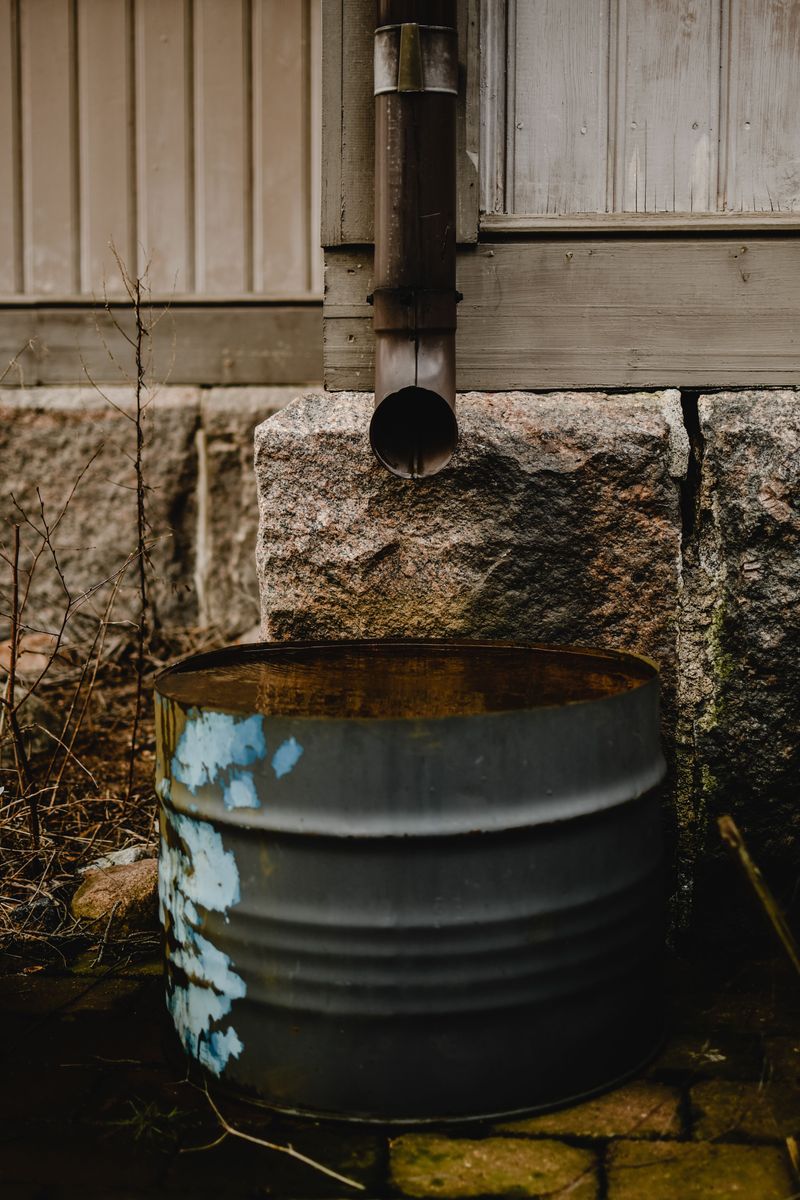
Placement sounds simple, but a poorly positioned barrel creates more problems than it solves.
The best location balances four things: access to a downspout, enough elevation for gravity flow, shade to reduce algae, and proximity to your garden beds.
Downspouts are the obvious starting point. Your barrel needs to sit directly below or beside one to catch diverted flow. Most homes have two to four downspouts, so you likely have options to choose from.
Elevation matters more than most beginners expect. A barrel sitting flat on the ground produces very low water pressure at the spigot. Raising it just 12 to 18 inches on a sturdy platform dramatically improves flow rate.
Cinder blocks, pressure-treated lumber frames, or pre-made barrel stands all work well. A full 55-gallon barrel alone weighs over 450 pounds, factor in even more for larger units.
Shade is your friend when it comes to algae control. A barrel baking in full afternoon sun warms the water and encourages green growth inside the tank. In most cases, a north or east-facing position keeps the barrel cooler and reduces algae risk.
Distance to your garden is a practical concern too. A long garden hose attached to the spigot solves this easily, but shorter runs keep pressure stronger. Plan your layout before you commit to a permanent spot.
A smart placement decision now saves a lot of frustration later in the season.
Connecting Your Rain Barrel To A Downspout
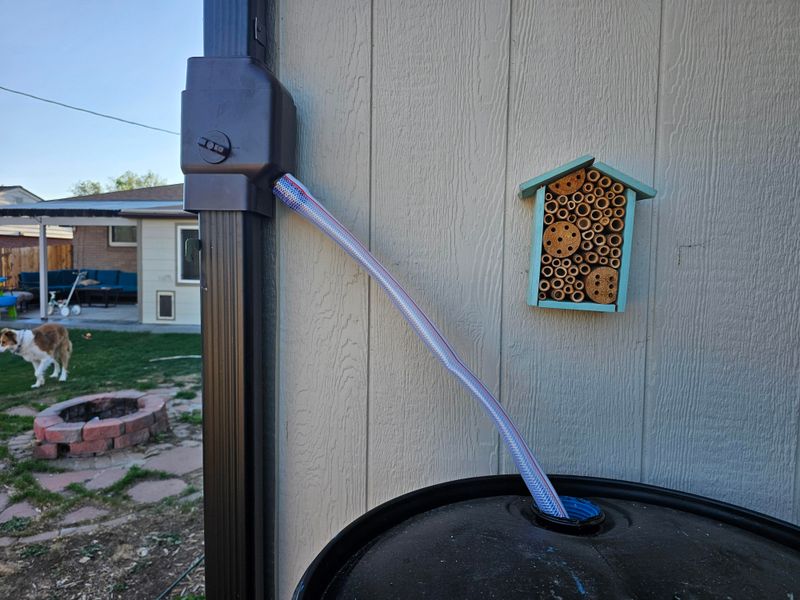
Grab a hacksaw and a diverter kit, because this part is easier than it looks.
A downspout diverter is a small plastic fitting that redirects water from your gutter into the barrel. When the barrel fills up, overflow automatically continues down the original downspout path.
Most diverter kits are affordable and include all the hardware you need. Installation typically takes about 20 minutes with basic hand tools and no plumbing experience required.
Start by measuring where you want the barrel to sit beside the downspout. Mark a cut line on the downspout at the height where the diverter will connect. Cut carefully and smooth any rough edges before fitting the diverter in place.
Attach the flexible hose from the diverter to the inlet on top of your barrel. Make sure the connection is snug to prevent leaks during heavy rain. A loose fitting will spray water everywhere except where you want it.
The barrel’s overflow outlet is just as important as the inlet. Connect a short hose or pipe to the overflow port and direct it away from your foundation. Pooling water near your home’s base causes long-term problems nobody wants.
Mosquitoes are a real concern with any standing water container. Seal the top of your barrel with mesh screen or a tight-fitting lid to block breeding access completely.
Once connected, the first good rainstorm will show you exactly how well the whole system performs.
New Jersey Water Restriction Rules Every Gardener Should Know
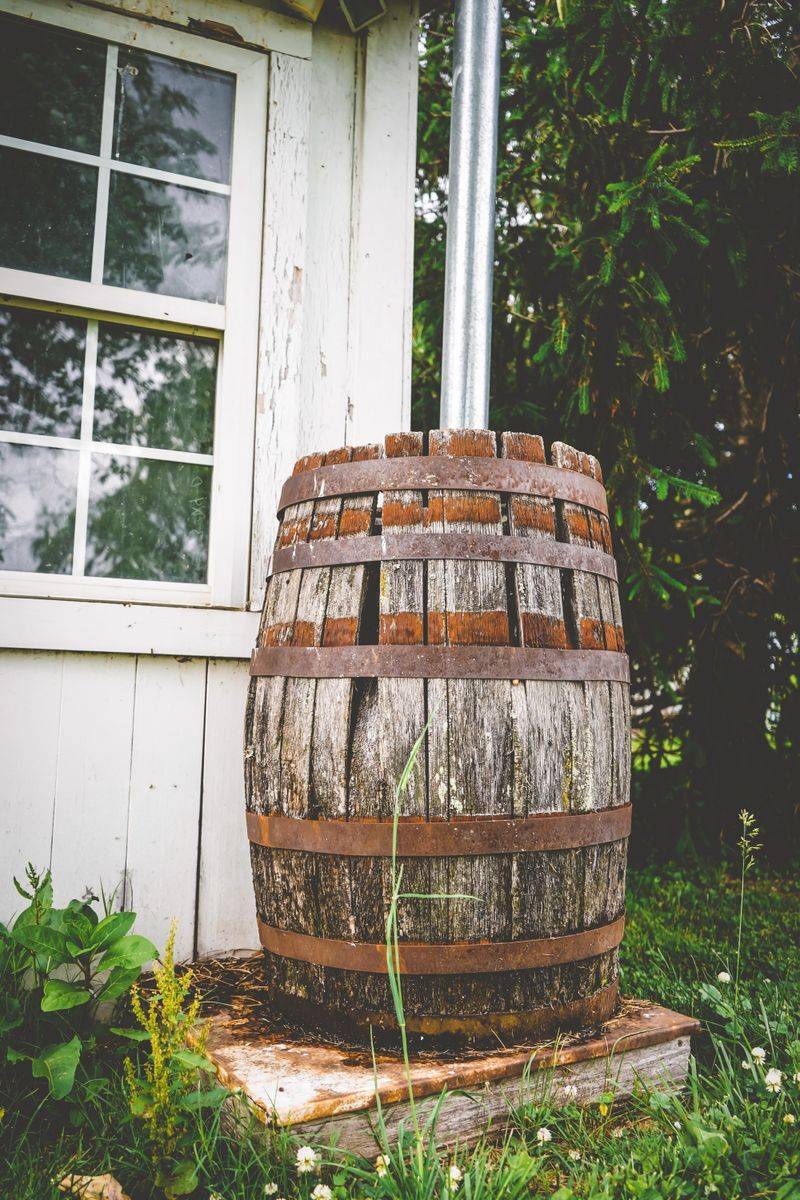
Watering your garden during a ban is not just wasteful, it can come with a real fine attached.
The Garden State has a patchwork of local and county-level water use rules that shift based on drought conditions. Knowing what applies to your township before the dry season starts is genuinely smart planning.
The New Jersey Department of Environmental Protection monitors drought status across the state. When drought watches or warnings are declared, municipalities often layer additional outdoor watering restrictions on top of state guidelines.
Most restrictions target specific watering hours, typically banning midday irrigation between 10 a.m. and 6 p.m. Some townships alternate odd and even address watering days to reduce peak demand on municipal systems.
Collecting rainwater for personal garden use is legal and unregulated at the state level in New Jersey, though checking your township’s local codes before installing is always a smart move.
That legal clarity is a big deal. Stored rainwater is generally considered your own supply. That said, during a declared drought emergency, checking the specific terms of any active restrictions is always worth doing.
Check your township’s website each spring for updated seasonal guidelines. Sign up for municipal water alerts if that option exists in your area. Staying informed prevents costly surprises when summer gets dry.
The rain barrel system helping New Jersey gardeners thrive is also keeping them on the right side of the law.
Keeping Your Rain Barrel Clean And Ready All Season
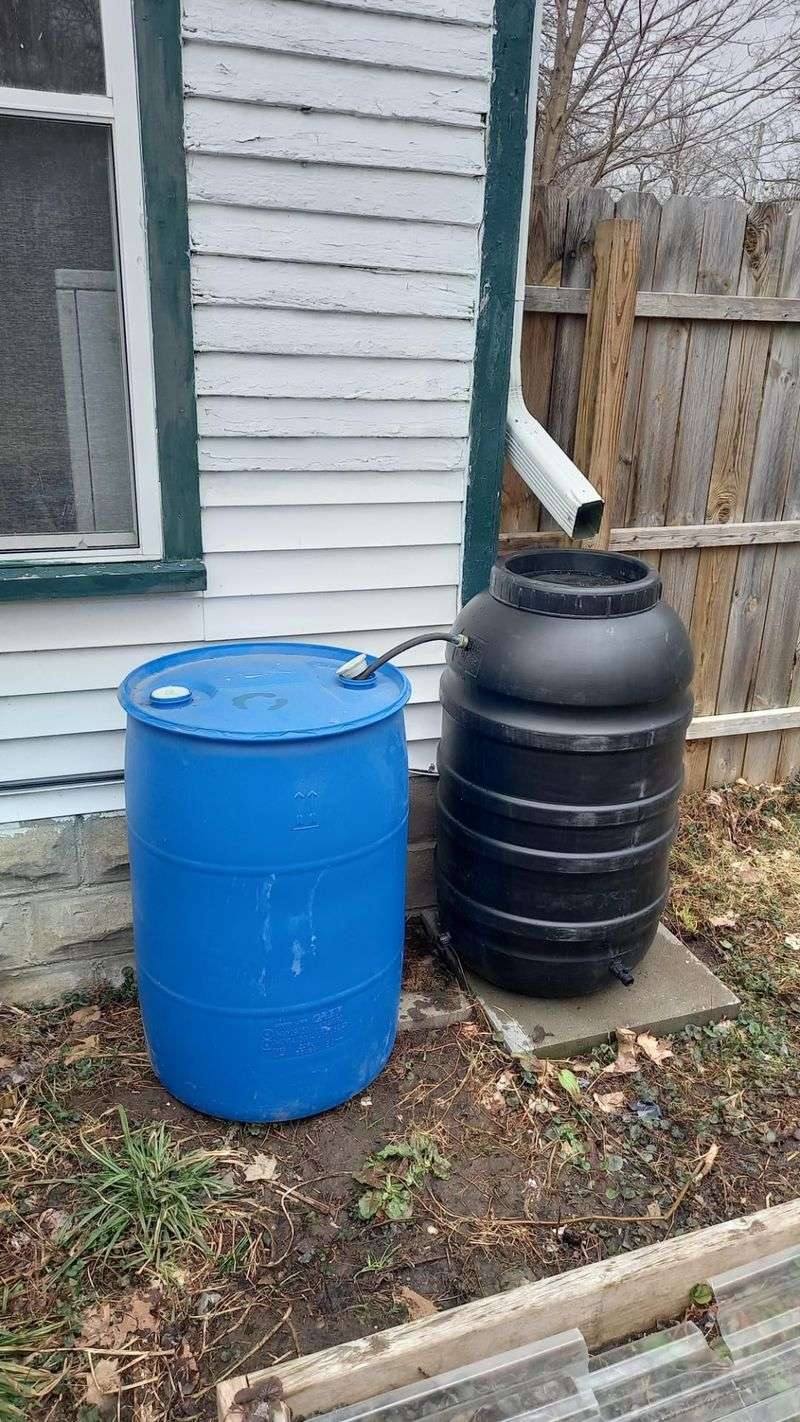
A neglected rain barrel turns into a science experiment nobody signed up for.
Algae, sediment, and mosquito larvae are the three main problems that show up when barrels go without regular attention. A simple monthly cleaning routine prevents all three from becoming serious issues.
Start by draining the barrel completely at least once a month during peak season. Leaving stagnant water sitting for weeks creates the warm, still conditions that algae and insects love most.
Rinse the inside walls with a diluted baking soda solution to break down algae buildup. About two tablespoons per gallon of water does the job without affecting your garden soil.
Check the inlet screen every two weeks for debris like leaves, twigs, and shingle grit. A clogged screen slows fill time dramatically and can force overflow before the barrel reaches capacity.
Clearing a screen takes barely any time and keeps your system running at full capacity. Inspect the spigot and overflow fittings for cracks or leaks at each cleaning session. Small drips become big puddles fast when the barrel is under full weight.
Replacing a worn washer is a quick, inexpensive fix that resolves most leaks immediately.
Before the first frost arrives, drain your barrel completely and store it indoors or in a shed. Freezing water expands and can crack even thick plastic walls beyond repair.
A clean, well-maintained barrel is the rain barrel system helping New Jersey gardeners succeed season after season.