9 Reasons Why Witch Hazel Belongs In Every Virginia Garden
Your Virginia yard holds more potential than you realize. Even in October, something extraordinary is possible.
The season is winding down, and the garden feels like it is calling it a year. Then you notice something impossible.
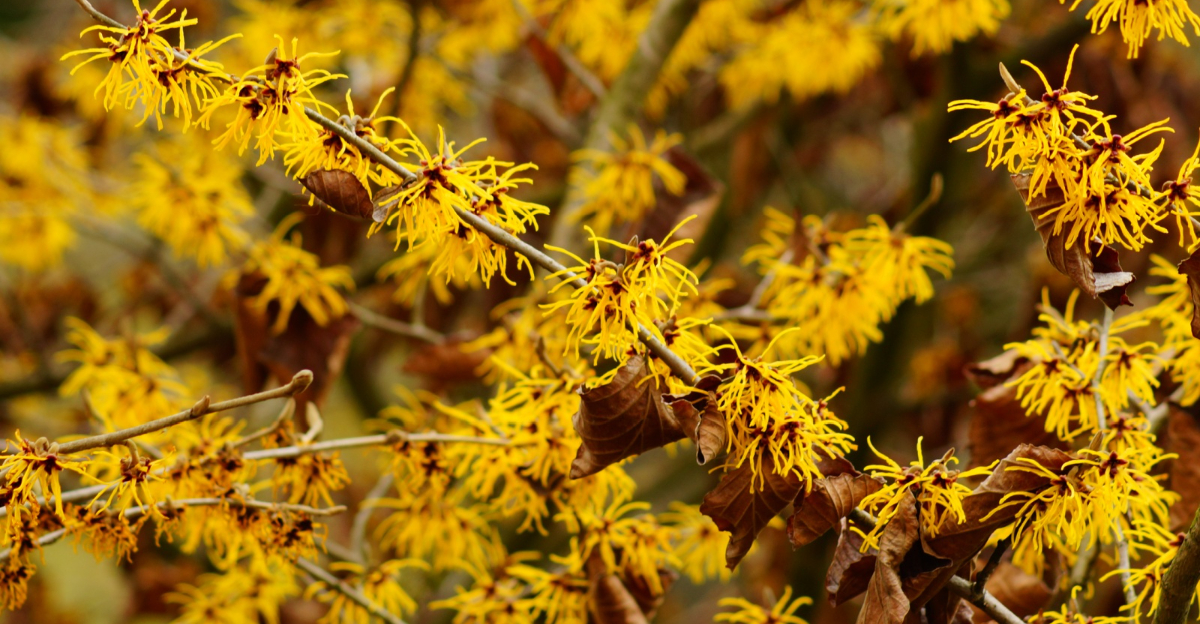
Bright yellow ribbons are curling from the branches. No leaves. The rest of the garden is shutting down. Yet here is a shrub in full bloom. What plant flowers when everything else has quit? Witch hazel does.
Native to North America, this shrub performs when your garden needs it most. Fall color arrives in deep golds and burning oranges, and then those spidery yellow flowers appear just as everything else goes quiet.
Pollinators find it when almost nothing else is offering food, and Virginia’s climate suits it perfectly.
Most gardeners walk past witch hazel without a second look, and that is exactly the mistake worth correcting.
Witch hazel is the most fearless, most generous, and most underestimated shrub in the American garden.
1. Blooms In Late Fall When Everything Else Has Stopped
Picture your garden in October: the leaves are turning, the season is winding down, and most shrubs are already checking out for the year. Witch hazel has other plans.
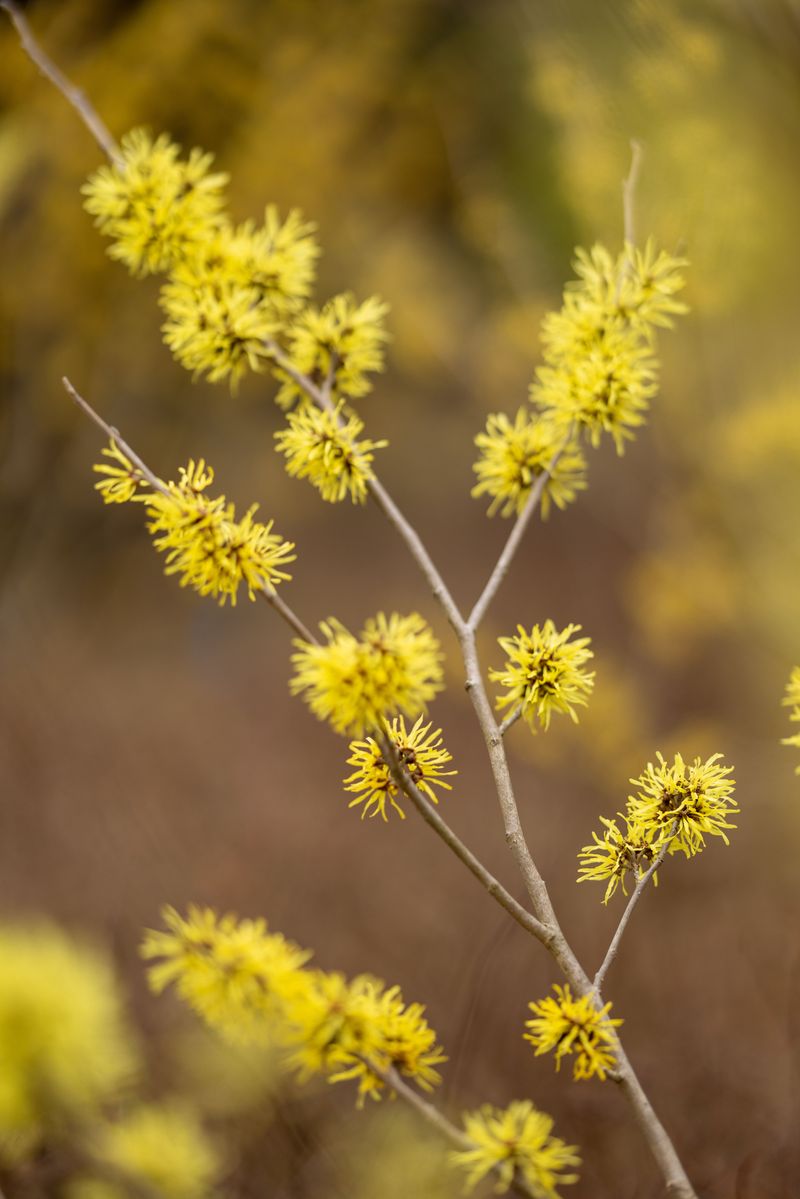
While every other shrub is preparing for dormancy, witch hazel bursts into bloom with spidery yellow flowers.
Those blooms appear on bare or nearly bare branches, which makes the display even more dramatic and eye-catching.
Gardeners who grow this shrub often describe that first autumn bloom as a genuine surprise. Nothing else in the garden looks remotely alive, yet here is this shrub putting on a full show.
Native Hamamelis virginiana blooms from October through December, making it the last native flowering shrub of the season in Virginia. Peak bloom falls between mid-October and mid-November, with flowers sometimes lingering well into December.
That timing matters more than people realize. A pop of color at the tail end of the gardening year can lift the feel of your outdoor space considerably.
It gives you something to look forward to during the most garden-starved transition of the year.
Witch hazel also holds its blooms for several weeks, not just a few days. That extended bloom window means you get real value from one single plant.
Few common flowering shrubs in Virginia pull off this late-season trick with such reliability. Once you experience that first bloom, you will wonder why you waited so long to plant one.
2. Native To Virginia And Thrives In Local Conditions
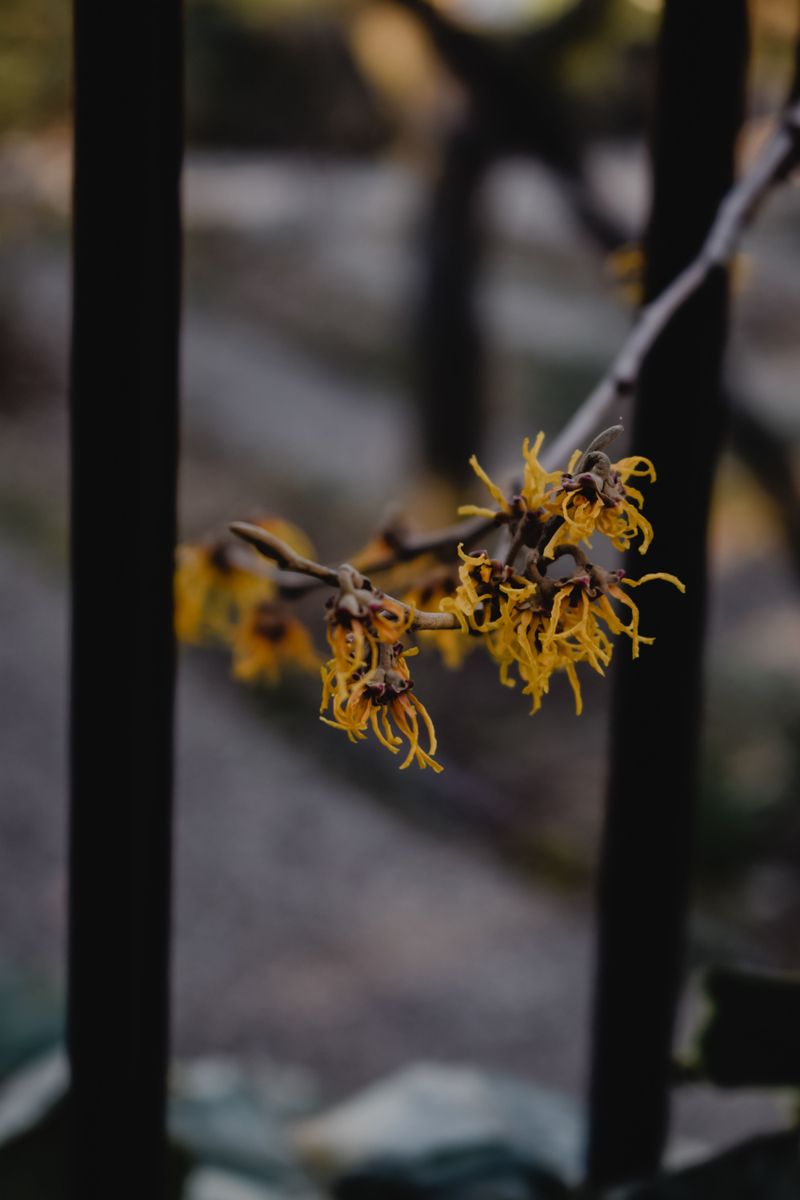
There is something deeply satisfying about planting a shrub that already belongs here. Witch hazel is native to Virginia and has been growing in these forests for thousands of years.
Because it evolved right here, it already knows how to handle Virginia weather. Hot, humid summers? No problem. Occasional late frosts in spring? Witch hazel barely notices.
Native plants are adapted to local soil chemistry, rainfall patterns, and seasonal temperature swings. Witch hazel fits all of those conditions without needing any special help from you.
Your Virginia Garden Changes Every Week. Your Plan Should Too.
Gardening in Virginia changes quickly throughout the season. Every Friday you’ll receive a simple weekly plan showing exactly what to plant, prune, fertilize, harvest, and protect so you never miss the right timing.
You will not need to amend your soil dramatically or water constantly to keep this shrub alive. Once it gets settled, it pulls its own weight season after season.
Virginia gardeners deal with clay-heavy soils in many regions, and witch hazel handles that reasonably well. It prefers moist, well-drained soil but tolerates less-than-perfect conditions far better than many ornamental shrubs.
Choosing native plants also supports the broader ecosystem around your home. Birds, insects, and other wildlife have co-evolved with witch hazel and depend on plants like it for food and shelter.
Planting something that is native is not just good gardening; it is good environmental citizenship. Witch hazel gives you beauty, resilience, and ecological value all wrapped into one low-effort shrub that was practically made for Virginia gardens.
3. Attracts Pollinators Like Moths, Wasps, And Flies
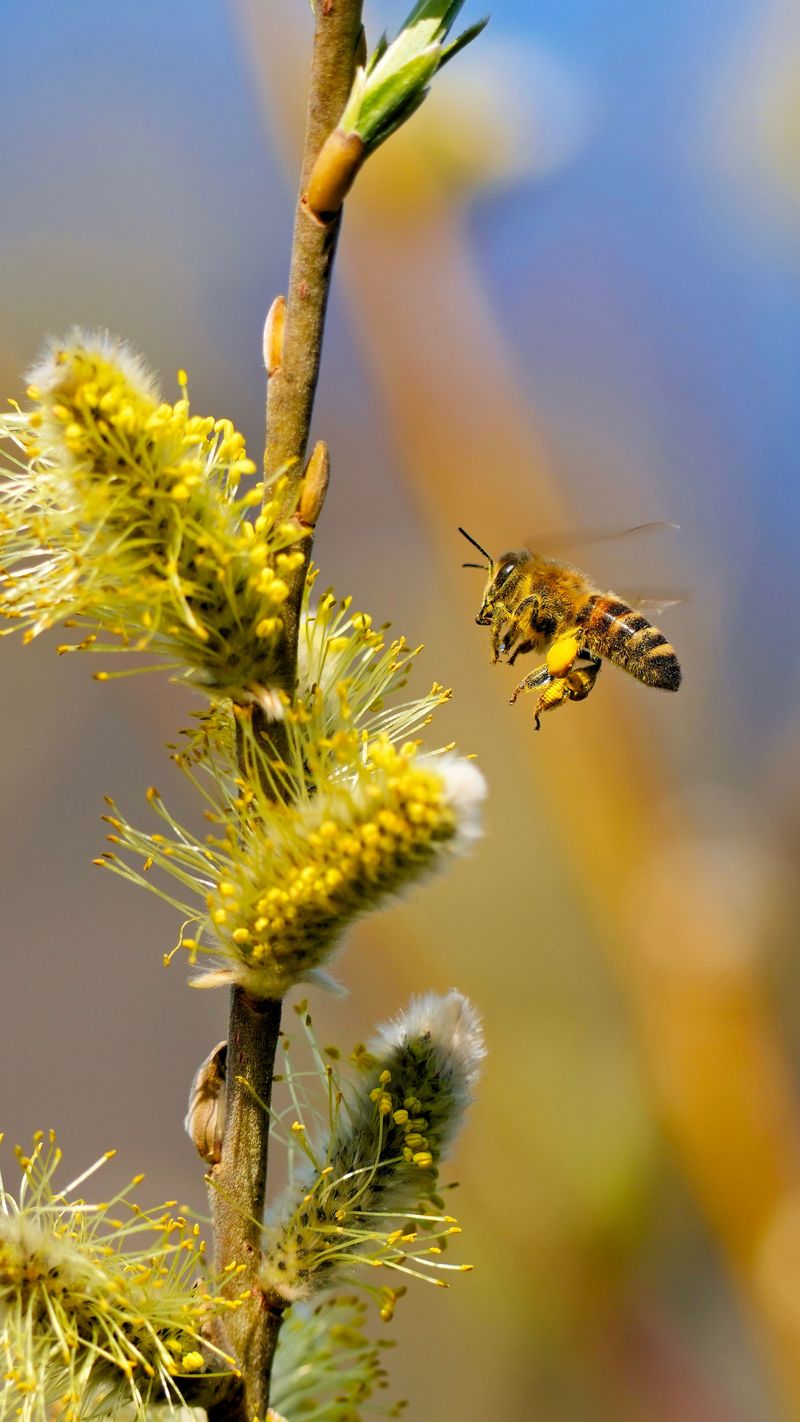
Most people do not think about pollinators in October, but witch hazel does. When almost nothing else is flowering, this shrub becomes a lifeline for the cold-tolerant insects that are still active late in the season.
The primary pollinators of witch hazel are moths, gnats, wasps, and small flies that remain active well into autumn long after bees and butterflies have disappeared.
Witch hazel is often the only game in town, making it incredibly valuable to the local pollinator population at exactly the moment resources are hardest to find.
Some gardeners are surprised to learn that moths and other insects are still flying in late October at all. On mild autumn evenings, many moth species become active and start foraging.
Witch hazel meets them right where they are, offering nectar and pollen when almost nothing else does.
That kind of ecological timing is genuinely rare in the plant world. By flowering after the crowds are gone, witch hazel faces essentially no competition for pollinator attention.
Beyond the environmental benefit, watching insects work a flowering shrub in November is just plain interesting. It is a reminder that the natural world never fully stops, even as winter closes in.
Supporting pollinators in late autumn helps build stronger populations that will benefit your entire garden come spring. Planting witch hazel is one of the easiest ways to give local wildlife a boost when they need it most.
4. Stunning Fall Foliage In Yellows, Oranges, And Reds
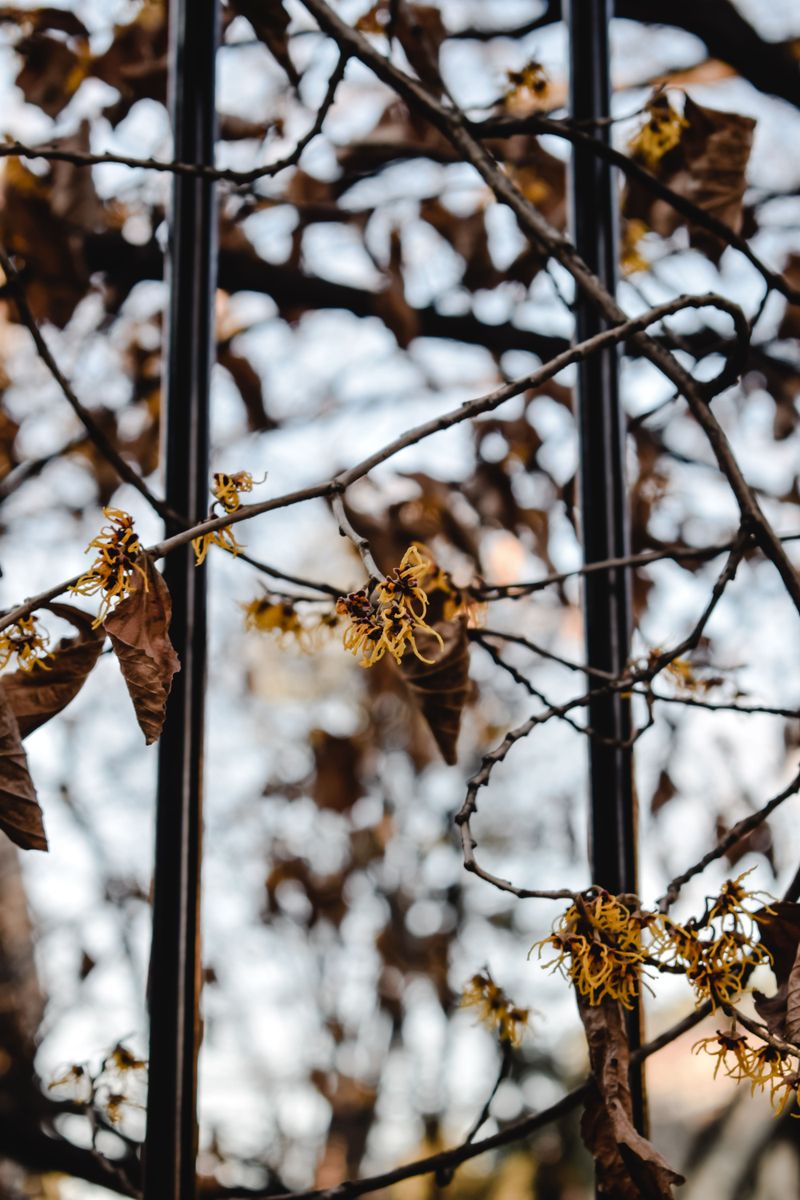
Witch hazel does not just earn its keep through its flowers. The fall foliage puts on a show of its own.
The fall foliage on this shrub is genuinely spectacular and easy to overlook when you are focused on maples and oaks.
Leaves turn brilliant shades of yellow, orange, and sometimes deep red depending on the variety. The color appears in October and can linger well into November, giving you weeks of bold seasonal display.
What makes the fall show extra interesting is the timing overlap. Some witch hazel varieties begin forming flower buds while the leaves are still turning color.
You can actually see the flower buds peeking out between the autumn leaves before they drop. That overlap of foliage color and fresh blooms adds a layer of visual interest that few other shrubs can match.
The leaves themselves have a textured, slightly wavy shape that catches light beautifully. When backlit by low autumn sun, a witch hazel shrub practically glows from across the yard.
It is like getting two entirely different plants in one package. If you are building a four-season garden, witch hazel pulls serious weight in autumn and carries its structure elegantly into winter.
That kind of dual-season performance makes witch hazel one of the most rewarding shrubs to plant in a Virginia landscape.
5. Tolerates Shade Better Than Most Flowering Shrubs
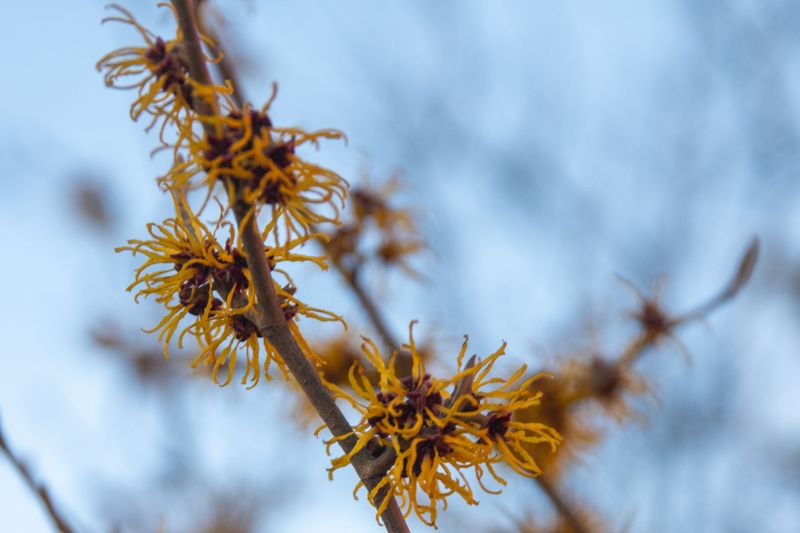
Shade is one of the biggest challenges in Virginia gardens, especially under mature trees. Most flowering shrubs sulk in low light, but witch hazel handles it genuinely well.
In its natural habitat, witch hazel grows as a forest understory plant. It evolved under the canopy of taller trees, which means partial shade is not a compromise for this shrub.
It is home. Full sun is perfectly fine and will produce the most flowers and the most compact growth.
Partial shade is equally well tolerated, and many gardeners find witch hazel performs beautifully in spots with filtered afternoon light.
Where witch hazel struggles is in deep, dense shade, such as the area directly under a thick low-canopied tree, where flowering becomes sparse and growth suffers.
If you have a partially shaded corner that has stumped you for years, witch hazel is worth a serious look. It fills those difficult spots with structure, seasonal color, and fragrance without demanding full sun.
Shade-tolerant flowering shrubs are surprisingly rare in the ornamental plant world. Most popular options like roses, hydrangeas, and butterfly bush all want significant sun to bloom well.
Witch hazel sidesteps that limitation and gives you flowers in spots where many other plants simply refuse to perform. That flexibility opens up design possibilities that many gardeners never thought were available to them.
Pairing witch hazel with shade-loving perennials like hellebores and ferns creates a layered woodland garden that looks intentional and beautiful. Your shadiest corner could become one of the most distinctive spots in the whole yard.
6. Deer Tend To Leave It Alone
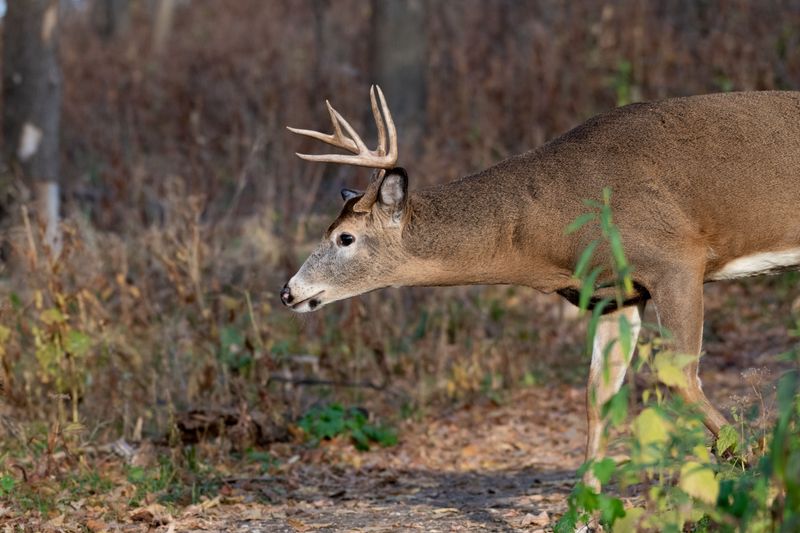
Ask any Virginia gardener about deer, and you will probably hear a frustrated sigh. Deer pressure in this state is intense, and it destroys gardens fast.
Witch hazel has a natural advantage here because deer generally find it unappealing. The leaves have a slightly bitter, astringent quality that most deer prefer to avoid when tastier options are available.
No plant is completely deer-proof, and hungry deer in harsh winters will eat almost anything.
But witch hazel consistently ranks among the plants that deer browse least in suburban and rural Virginia landscapes.
Gardeners who have fought deer damage for years often describe discovering witch hazel as a turning point. Finally, a flowering shrub that does not require netting, sprays, or a small electric fence.
The astringent compounds in witch hazel that repel deer are the same ones that make it useful in skincare products. Nature built in that protection for a reason, and your garden gets to benefit from it.
Planting deer-resistant species strategically around more vulnerable plants can also provide a buffer effect.
Witch hazel near the garden perimeter sends a subtle signal that your yard is not the easy buffet deer are looking for.
Reducing deer damage without constant intervention is one of the most satisfying things a Virginia gardener can manage. Witch hazel gives you that peace of mind while also looking genuinely gorgeous all year long.
7. Fragrant Flowers Perfume The Crisp Autumn Air
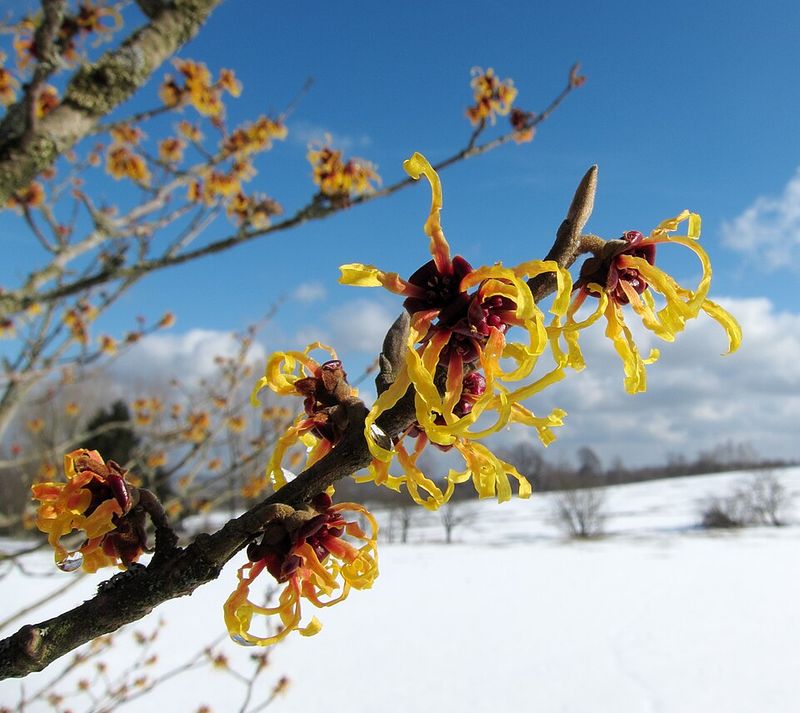
Cool autumn air carries scent differently than warm air does. Fragrances on a crisp October day feel sharper, cleaner, and somehow more surprising when you stumble into them.
Witch hazel blooms have a sweet, spicy, slightly honey-like fragrance that drifts noticeably on still autumn days. Walking past a blooming shrub in November can stop you completely in your tracks.
The scent is not overwhelming or cloying the way some spring flowers can be. It is subtle enough to feel like a secret, like the garden is sharing something special just with you.
Different varieties have slightly different fragrance profiles. Hamamelis mollis, the Chinese witch hazel, is generally considered the most intensely fragrant, while native American species offer a softer, more delicate scent.
Planting witch hazel near a path, front door, or window you open regularly puts that autumn fragrance exactly where you want it. You get a sensory reward every time you come and go.
Garden designers often talk about creating a four-season sensory experience, and fragrance is a huge part of that. Most plants that flower in late autumn offer no scent at all, which makes witch hazel even more remarkable.
A fragrant bloom at the tail end of the gardening year does something real for your mood. Witch hazel delivers that sensory lift reliably, year after year, without any extra effort on your part.
8. Low Maintenance Once Established In Your Garden
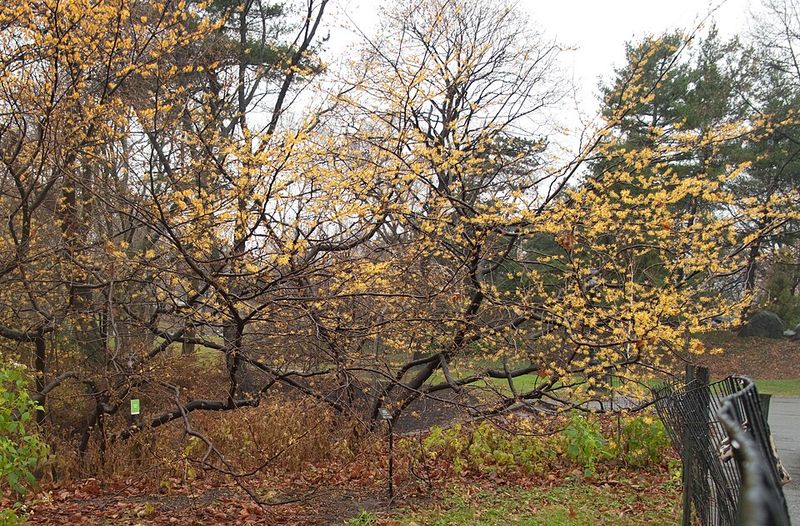
Some plants are beautiful but needy. Witch hazel is the opposite: it settles in, asks for almost nothing, and rewards you generously every single season.
The establishment period takes roughly one to two growing seasons. During that time, consistent watering helps the roots get anchored, but after that, supplemental irrigation is rarely necessary in most Virginia climates.
Pruning is minimal and mostly optional. Witch hazel naturally grows into an attractive vase or multi-stemmed form without needing constant shaping or trimming to stay presentable.
If you do prune, the best time is right after flowering ends in late autumn or early winter. Avoid heavy pruning in fall, which can remove the flower buds that are already forming for the next season.
Fertilizing is rarely needed if your soil has decent organic matter. A light layer of compost mulch around the base each spring is usually all the nutrition this shrub requires.
Pest and disease problems are uncommon with witch hazel under most garden conditions. It does not attract the aphid infestations, fungal diseases, or caterpillar damage that plague so many other popular landscape shrubs.
For busy gardeners, parents, or anyone who simply wants beauty without a full-time commitment, witch hazel is a dream plant. You plant it, water it through the first summer, and then mostly just enjoy it for decades to come.
9. Medicinal And Historical Significance In American Culture
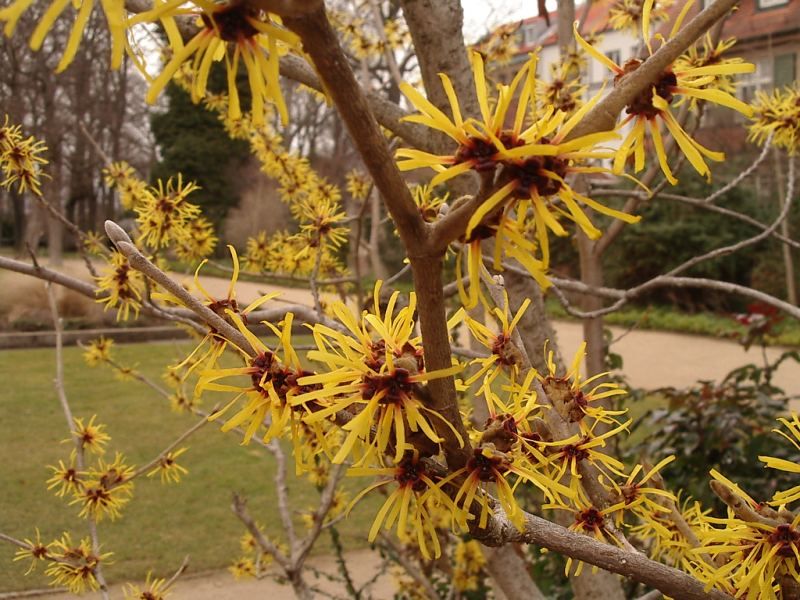
Long before witch hazel became a garden shrub, it was medicine. Indigenous peoples across eastern North America used it for centuries to treat skin irritation, inflammation, and minor wounds.
European settlers observed these practices and adopted them, and by the mid-to-late 1800s witch hazel extract had become a staple of American home medicine cabinets.
Many households still keep a bottle today for everything from bug bites to skincare routines.
The name itself carries history. “Witch” derives from the Middle English wiche, rooted in the Old English wice, a word applied broadly to trees with pliant, bendable branches. It has nothing to do with magic or witchcraft.
It was Indigenous peoples who first used forked witch hazel branches to locate underground water sources, a practice called dowsing.
European colonists observed this tradition and adopted it widely, and dowsing became a feature of well-digging well into the twentieth century. Whether it worked is debatable, but the cultural legacy stuck firmly to the plant’s name.
Growing witch hazel in your garden connects you to that long American story in a tangible way. It is not just a pretty shrub. It is a living piece of botanical and cultural history rooted right in your backyard.
The Thayers brand, founded in 1847, built its legacy on witch hazel extract and remains one of the most recognised names in natural skincare, now part of L’Oreal’s consumer portfolio.
Few plants can claim that kind of enduring commercial and cultural staying power. Planting witch hazel means welcoming a piece of American heritage into your outdoor space.
Every bloom and every leaf carries a story that stretches back centuries, and that depth makes this shrub genuinely worth growing.