Best Farmers Markets In Ohio For Finding Native Plants You Won’t See Anywhere Else
Garden centers stock what sells reliably. Farmers markets are where things get interesting.
Ohio has a handful of markets where native plant vendors show up with species that never make it onto nursery benches. Those plants are grown by people who actually know what they are selling and why it belongs in an Ohio yard.
These are not the same hostas and knockout roses rotating through the same displays every weekend.
The vendors worth seeking out bring unusual natives, locally sourced seed stock, and the kind of firsthand knowledge that turns a quick browse into an education.
The challenge is knowing which markets consistently attract those vendors and which ones offer the same mass-produced options you could find anywhere else.
Ohio’s farmers market scene runs deep, and the native plant finds at the right ones are genuinely hard to replicate through any other channel.
Some of these vendors sell out before noon and do not take pre-orders.
1. Shop 2nd Street Market For Native Plant Sale Days
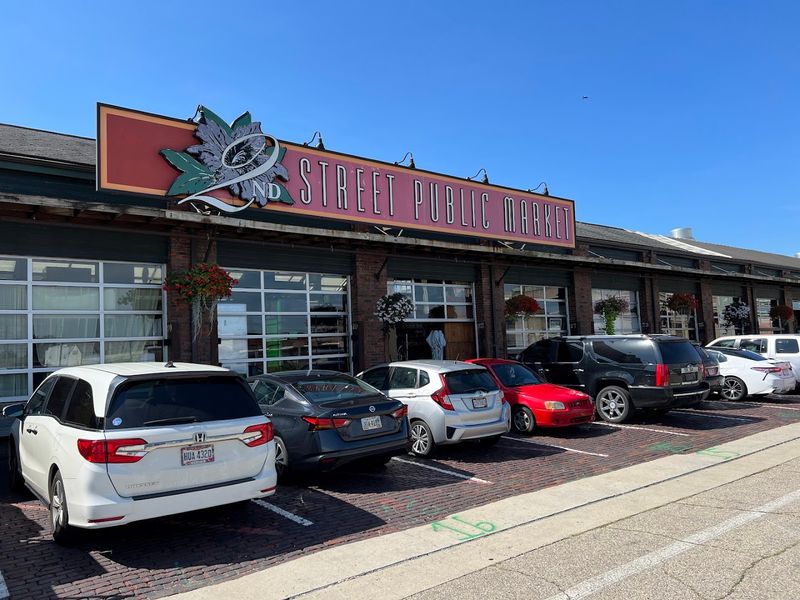
A table loaded with milkweed starts and prairie bloomers can completely change what you thought a Saturday morning market trip was going to be. The 2nd Street Market in Dayton operates year-round inside a renovated train depot at 600 E 2nd Street.
That gives it a covered, weatherproof setup that most outdoor markets cannot match. That indoor format also means the market runs even when spring weather turns unpredictable, which matters when native plant vendors are trying to move cool-season starts.
This market has a track record of hosting spring and fall native plant sales. These are not always weekly vendor appearances.
Instead, they tend to be organized sale events where multiple native-plant growers show up on a specific date. The spring window is typically the busier of the two, since that is when most gardeners are ready to plant.
Fall sales can be equally productive for getting plants established before winter sets in.
Before driving out expecting a full native-plant table, confirm the current event schedule on the market’s official website or social pages. Vendor participation can shift from year to year.
When you do find a native-plant table, ask the grower whether each plant is a straight species or a cultivar. Straight species tend to offer more value to local insects.
Ask about light needs, soil moisture preference, mature spread, and how the plant handles deer pressure in your area. Regional growers at markets like this one often know the answers from direct experience, not a catalog description.
That kind of specific, local knowledge is exactly what makes a farmers-market plant table worth the trip.
2. Visit Granville Farmers Market For Pollinator Plant Sales
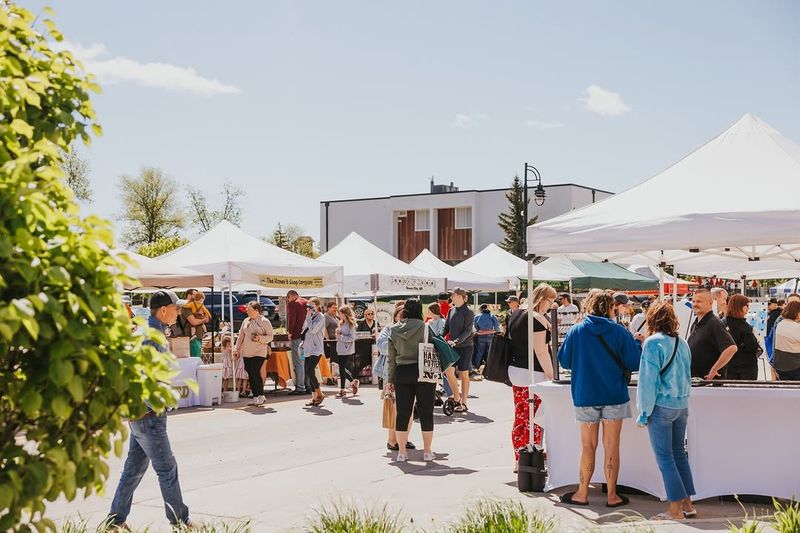
Granville has a well-earned reputation as one of the most charming small towns in the central region, and its farmers market fits that character well.
The Granville Farmers Market runs at 1225 River Road during the warm-season months, drawing a mix of local food vendors, artisans, and specialty growers.
For native-plant shoppers, the market’s connection to pollinator-focused gardening is part of what makes it worth a visit.
Your Ohio Garden Changes Every Week. Your Plan Should Too.
Gardening in Ohio changes quickly throughout the season. Every Friday you’ll receive a simple weekly plan showing exactly what to plant, prune, fertilize, harvest, and protect so you never miss the right timing.
Vendor lineups at smaller community markets like this one can change from season to season. Native plant and pollinator-plant vendors may appear regularly during peak growing season.
They may also show up for specific market events tied to pollinator awareness or habitat gardening themes. The difference between a native plant and a simple pollinator plant matters here.
Not every plant marketed toward pollinators is native to this region, so ask vendors directly whether their plants are native to central or eastern regions of the state.
When you find a grower with genuine native stock, take a few minutes to ask good questions. Find out where the seed or propagation material came from.
Ask whether the plant spreads aggressively, since some natives like wild ginger or certain asters can fill a bed quickly. Ask about sun exposure, moisture needs, and whether the plant is well-suited to a typical suburban yard or needs more space.
Goldenrods, native asters, and prairie sedges are among the kinds of plants that smaller growers sometimes bring to markets like Granville.
Confirming current vendor schedules with the market directly before your visit will save you a wasted trip and help you plan around the best sale days.
3. Shop Lynd Fruit Farm Market For Monarch Meadows Natives
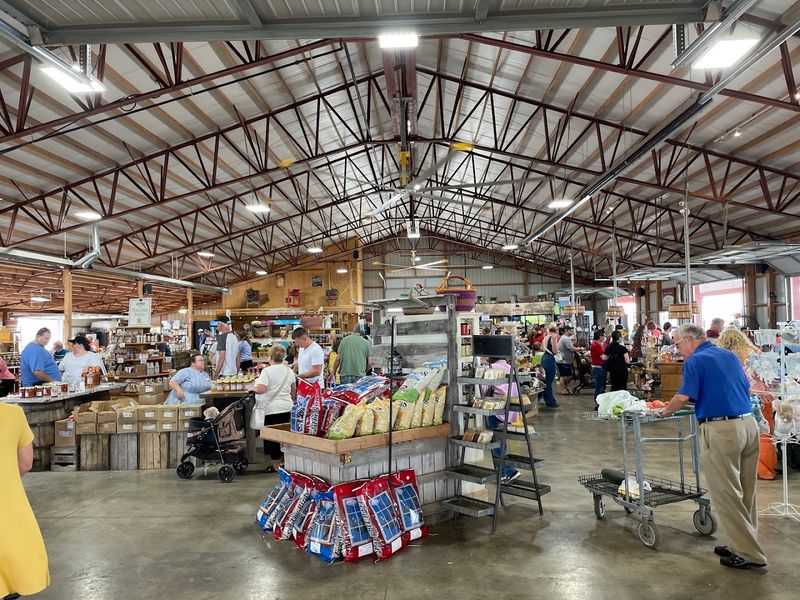
Monarch Meadows Native Plant Nursery brings something specific to the Lynd Fruit Farm Market that most farm-stand shoppers do not expect. It offers a focused selection of Ohio native plants, all propagated on-site and sold at 9399 Morse Road in Pataskala.
Lynd is already well-known for its fruit, produce, and family-farm atmosphere. The native plant connection makes it a stop worth noting on a different kind of shopping list entirely.
Monarch Meadows specializes in straight-species Ohio natives, meaning the plants they grow are not heavily hybridized cultivars bred for flashier flowers.
That matters because straight-species plants tend to support native insects, including specialist bees and monarch butterflies, more reliably than cultivars do.
Milkweed varieties are a natural focus for a nursery with that name. The selection often extends to other meadow and prairie species suited to central-region landscapes.
This is not a market where native plants are available every single day of the year. Availability follows the growing season and the nursery’s own propagation schedule.
Before making the trip, check Monarch Meadows’ current schedule or contact the farm market to confirm when the vendor will be on-site. When you do visit, come with a list of your site conditions.
Know whether your yard is sunny or partly shaded, whether the soil drains well or stays moist, and how much space you have for spreading plants. Growers like Monarch Meadows can match plants to your site much more precisely than a garden-center tag ever could.
That hands-on, regionally specific advice is a real advantage of buying from a local specialist at a farm market like Lynd.
4. Visit Cuyahoga Valley Farmers Market For Native Roots
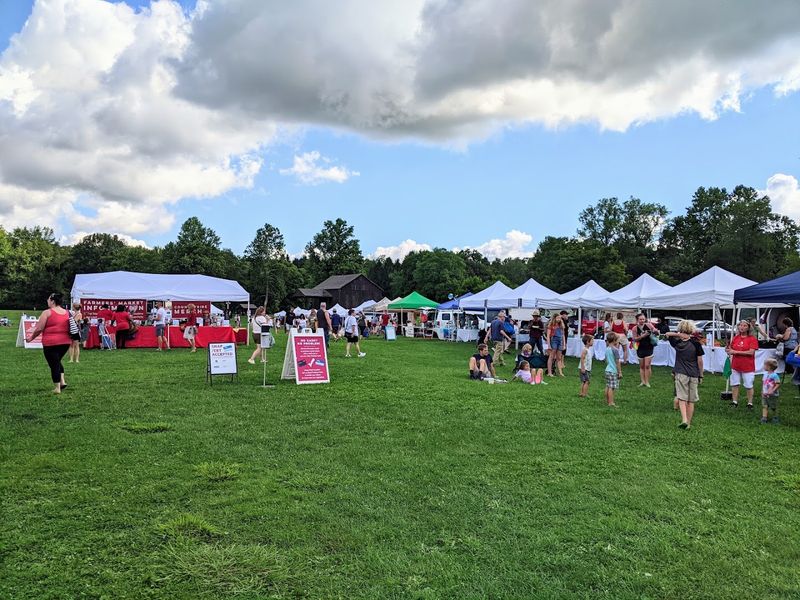
Sitting just inside the edge of Cuyahoga Valley National Park, the Cuyahoga Valley Farmers Market at Howe Meadow draws nature-minded shoppers. They already appreciate open land, trails, and the kind of natural setting that native plants are meant to support.
The market runs at 4040 Riverview Road in Peninsula during the growing season. Its location alone gives it a character that most urban and suburban markets cannot replicate.
Native Roots, Inc. has been listed as a vendor at this market, making it one of the more reliably native-plant-connected markets in the northern region.
Native Roots focuses on plants suited to local ecosystems, which aligns well with a market set inside a national park corridor.
The kinds of plants a vendor like this might bring include woodland natives, wet-meadow species, and prairie starts. Those plants fit the varied habitats found throughout the Cuyahoga Valley landscape.
Vendor participation can shift between seasons, so checking the market’s current vendor list before visiting is always a smart move. The market’s setting near the national park gives you a living reference point for what native plants look like in context.
You can see them growing alongside streams, in meadow edges, and under mature tree canopy. When you talk to a native-plant vendor at a market like this one, ask whether the plants they carry are appropriate for your specific site conditions back home.
Ask about mature height, bloom time, and whether any plants in the mix tend to reseed aggressively. Getting those details from someone who grows the plants locally is worth far more than reading a generic plant tag from a wholesale supplier.
5. Shop Frostville Farmers Market For Nodding Onion Gardens
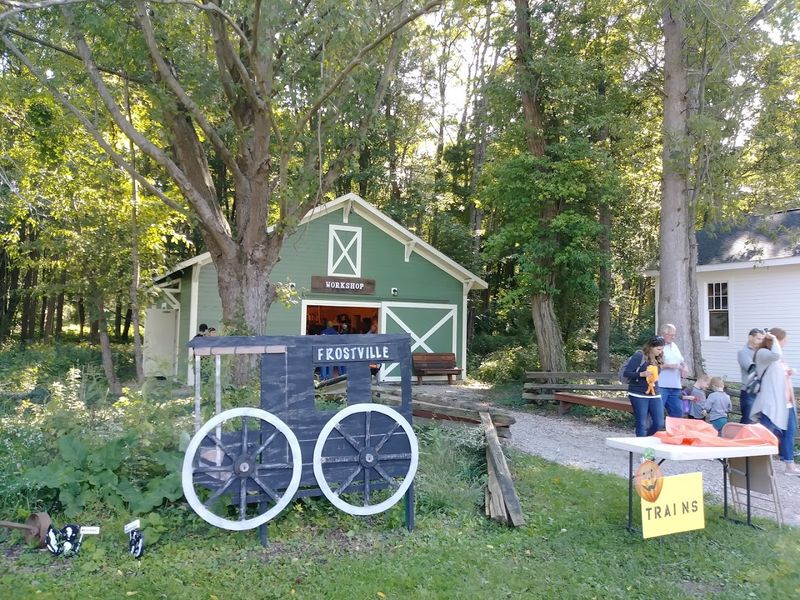
Nodding onion is itself a native plant, a slender, graceful species that blooms in late summer and supports a range of native bees. It is also the name of a vendor that has been connected to the Frostville Farmers Market at 24101 Cedar Point Road in North Olmsted.
That kind of name signals exactly what kind of grower you are dealing with: someone who thinks about native plants specifically and chooses them on purpose.
Frostville Farmers Market runs during the warm months in a setting that already feels removed from the typical suburban shopping experience. The market’s location near the Rocky River Reservation gives it a park-adjacent character.
That fits well with the idea of shopping for plants meant to support local habitat. Nodding Onion Gardens, if participating in the current season, may bring a rotating selection of native perennials, grasses, and flowering plants.
Those plants are suited to northern-region yards and gardens.
As with any farmers-market vendor, availability is not guaranteed week to week. Vendor schedules shift with the season, with plant inventory, and sometimes with weather.
Checking the market’s current vendor list or Nodding Onion Gardens’ own schedule before visiting is the best way to avoid a wasted drive. When you do connect with a native-plant grower at a market like Frostville, use the time well.
Ask where each plant performs best, whether it tolerates clay soil, and how it handles standing water after rain. Also ask whether it spreads by rhizome or stays in a tighter clump.
Those practical details matter enormously for getting a native plant to actually thrive in your specific yard rather than just survive it.
6. Visit BAYarts Thursday Market For Native Plant Vendors
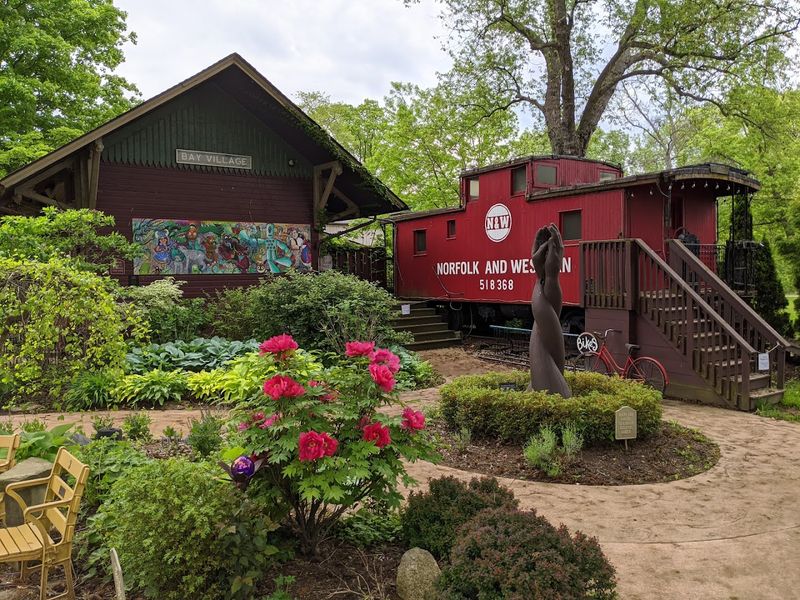
Thursday markets have a different rhythm than Saturday ones. The weekday crowd tends to move a little slower, ask more questions, and spend more time at vendor tables.
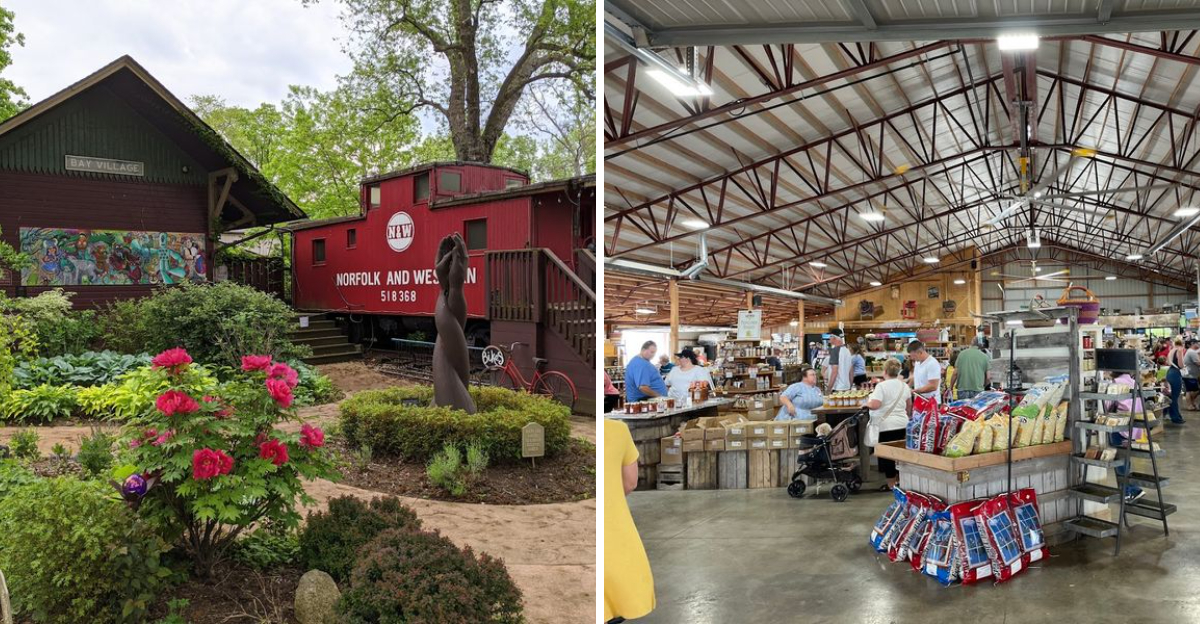
The BAYarts Thursday Market at 28795 Lake Road in Bay Village runs on that Thursday schedule during the market season, set on an arts campus close to Lake Erie.
The lakeside location means the surrounding landscape includes habitats that native plants from this region are specifically adapted to support.
Ohio Native Habitat Nursery has been identified as a vendor at this market. That name suggests a grower focused not just on selling plants but on the habitat value those plants provide.
A vendor with that kind of mission is likely to bring species chosen for their ecological function. These may include plants that feed specialist bees, support caterpillars, or provide seeds for birds in fall and winter.
That is a different selection than what you find at a general garden-center rack, where visual appeal usually drives the buying decisions.
The BAYarts setting adds something extra to the shopping experience. The campus itself is a creative space, and the market reflects that with a mix of vendors that goes beyond standard produce tables.
For native-plant shoppers, the combination of a purposeful habitat nursery and a relaxed Thursday atmosphere is appealing. It makes the market worth building into your weekly routine during market season.
Before going, confirm current vendor participation through the BAYarts website or market social pages. When you find the native-plant table, ask about plant origin and whether the stock is grown from locally sourced seed.
Also ask which current plants are best suited to a lakeshore or clay-heavy northern-region yard.
7. Shop Willoughby Outdoor Market For Plant It Native
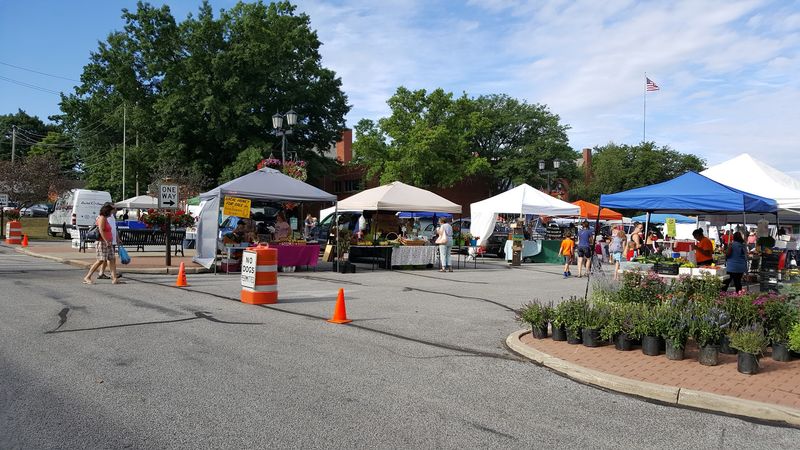
Plant It Native brings two things to the Heart of Willoughby Outdoor Market that you do not often see combined at a single vendor table. Those are Ohio native plants and pawpaw fruit.
Pawpaw is itself a native tree and one of the most interesting, underplanted fruiting natives in this region. Finding it alongside native perennials and flowering plants is useful for anyone trying to build a more complete native landscape.
The market is held at Willoughby City Hall, in the northern region, and runs from May through October. That extended season gives native-plant shoppers a longer window than many other markets offer.
Plant It Native also allows pre-ordering for market pickup. That is worth knowing if you are looking for something specific and want to make sure it will be available when you arrive.
Pre-ordering through a small native-plant nursery is a practical way to avoid showing up on the wrong day or missing out on a plant that sells out quickly.
The vendor’s focus on Ohio native plants means the selection is regionally grounded. These are plants chosen for their ability to support local insects, birds, and soil systems.
When you visit the table, ask about the difference between plants suited to sunny open spots versus those that prefer the filtered light under a tree canopy. Ask whether any of the plants in stock are harder to find at typical nurseries.
That is exactly the kind of detail that makes a farmers-market native-plant vendor worth seeking out. Confirming the current market schedule and vendor availability through official market sources before visiting is always the right move.