The Minnesota Mulching Move That Keeps Your Soil Rich Through Drought
Forget everything you think you know about keeping garden soil alive through a dry stretch. Minnesota gardeners who skip this one technique are losing moisture and money every single summer.
Your soil is not just dirt. Beneath that surface lives a thriving ecosystem your plants depend on completely.
Without protection, heat wrecks it fast. One simple move stops that damage before it starts.
Lay it down thick and watch your soil transform almost immediately. Temperatures underneath stay dramatically cooler than any exposed ground nearby.
Roots push deeper when soil stays consistently moist. Microbial activity surges when moisture levels hold steady.
Cost stays low while results stay remarkably high. Every serious Minnesota gardener quietly relies on this single technique above all others when brutal dry spells hit.
Most gardeners stumble onto it late and spend years wishing they had started sooner. What this technique does to your soil will permanently change how you garden.
Creates A Barrier That Blocks Sun From Pulling Moisture Out
Picture your bare garden soil on a 90-degree July afternoon in Minnesota. Direct sun drives rapid surface evaporation, and exposed soil heats fast with nowhere for that energy to go.
Deep mulching flips that script completely. A three-to-six-inch layer of wood chips or straw acts like a physical shield between the blazing sun and your soil surface.
Solar radiation is a primary driver of surface evaporation in summer. When sunlight cannot reach the soil directly, it cannot heat the surface enough to pull moisture upward and release it into the air.
Think of it like wearing a hat on a hot day. Your scalp stays cooler because the hat intercepts the sun before it reaches your skin. Soil works exactly the same way under a deep mulch layer.
Research consistently shows mulched soil retains significantly more moisture than bare soil on sunny days, with some studies citing reductions in moisture loss of up to 70 percent under a 2-3 inch layer.
That number is not a small detail. It is the difference between a garden that survives a two-week dry stretch and one that wilts by day five.
The Minnesota mulching move works because it starts at the very top of the problem. Blocking the sun is your first and most powerful line of defense against drought damage.
Disrupts Upward Water Wicking Before It Evaporates
Water in soil does not just sit still and wait for roots to find it. It moves upward through tiny pores in a process called capillary action, and then it vanishes into thin air.
This upward wicking is sneaky because you cannot see it happening. Your soil can look fine on top while the moisture below is quietly escaping every single hour of the day.
Deep mulching breaks that cycle at the surface. The loose, airy structure of shredded leaves or straw does not have the tight pore structure that allows capillary wicking to continue upward.
When water reaches the bottom of your mulch layer, it essentially hits a wall. The physics of capillary action require continuous contact between fine particles, and chunky mulch material simply does not provide that.
Your Minnesota Garden Changes Every Week. Your Plan Should Too.
Gardening in Minnesota changes quickly throughout the season. Every Friday you’ll receive a simple weekly plan showing exactly what to plant, prune, fertilize, harvest, and protect so you never miss the right timing.
Gardeners who switch to deep mulching often notice their soil stays damp several inches down even after a week without rain. That is not magic. That is basic physics working in your favor.
Shredded bark and wood chips tend to perform best for disrupting wicking because of their irregular shapes. Straw also works well and is often cheaper for large garden beds.
Stopping that invisible upward escape route is one of the most underrated benefits of the Minnesota mulching move during dry summer months.
Keeps Soil Cool Enough To Slow Moisture Loss
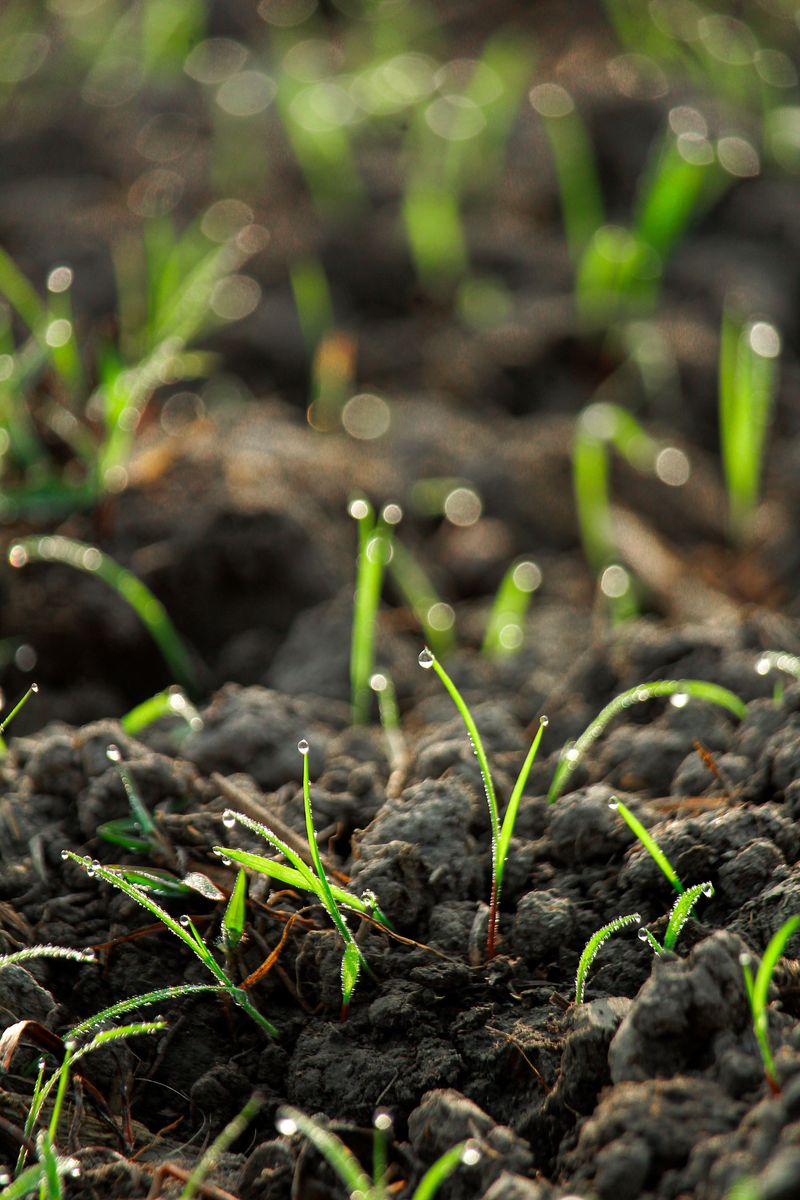
Bare soil in a Minnesota summer can exceed 100 degrees Fahrenheit at the surface on a sunny afternoon, hot enough to damage roots and drive rapid moisture loss.
At those temperatures, moisture loss accelerates sharply, far faster than plant roots can compensate for.
Cooler soil holds onto water far more effectively than hot soil does. Every ten-degree drop in soil temperature meaningfully reduces the rate at which moisture escapes into the surrounding air.
A deep layer of organic mulch keeps the ground shaded and insulated all day long. Even when air temperatures climb into the upper eighties, mulched soil often stays fifteen to twenty degrees cooler just a few inches below the surface.
Roots also function better in cooler conditions. Heat-stressed roots absorb water less efficiently, which means even well-watered plants can struggle when the ground gets too hot.
Straw mulch is particularly good at reflecting heat away from the soil surface. Its light color bounces sunlight back upward rather than absorbing it the way dark bare soil does.
Wood chip mulch insulates more than it reflects, but both approaches keep soil temperatures in a range where plants thrive. Choosing between them often comes down to what materials you have available locally.
Keeping that ground cool is not just about comfort. It is a direct moisture-saving strategy that pays off all season long.
Absorbs Rain And Releases It Slowly Into The Soil

When summer storms finally arrive in Minnesota, they often dump a lot of rain very quickly. Bare soil cannot absorb fast rain efficiently, so most of it runs off and takes your topsoil with it.
Deep mulch acts like a sponge sitting on top of your garden. It catches that heavy rainfall, holds it within its fibers, and then releases it gradually down into the soil over the next several hours.
This slow-release effect is exactly what keeps plants alive during the feast-or-famine weather patterns that define a Minnesota summer.
Instead of losing most of a heavy rain to runoff, you capture the majority of it right where your plants need it most.
Organic materials like straw can absorb a substantial portion of their weight in water, slowing the rate at which rainfall reaches and runs off the soil below.
A thick layer across a garden bed captures a surprising amount before any of it even reaches the soil. That stored water then seeps down steadily, giving roots time to absorb it fully.
Plants watered this way tend to develop deeper root systems because moisture is consistently available further down in the soil profile.
Runoff erosion also drops dramatically when mulch covers the ground. Your topsoil, which took years to build, stays right where it belongs instead of washing away down the slope.
Capturing rain and releasing it slowly is one of the most satisfying payoffs of deep mulching in a dry Minnesota summer.
Shields Soil From Drying Minnesota Winds
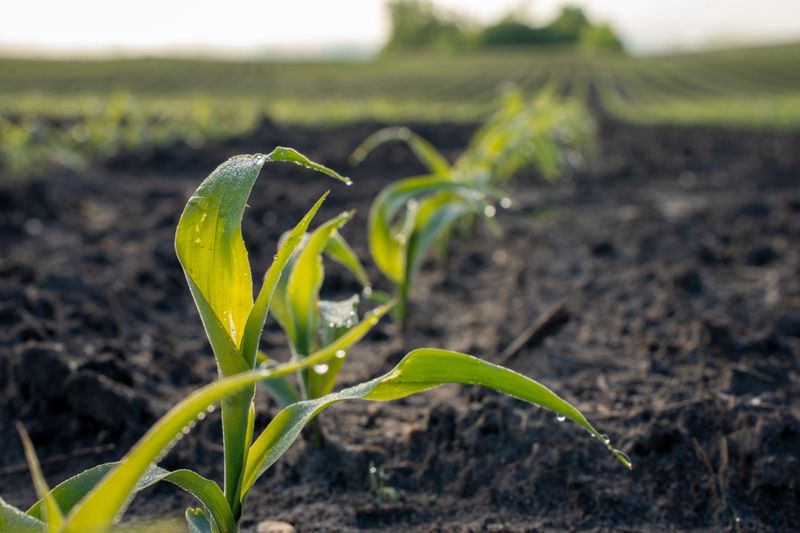
Wind is a moisture thief that most gardeners forget to plan for. In open Minnesota landscapes, wind moves across bare soil constantly, pulling surface moisture away faster than the sun can on its own.
Even a gentle ten-mile-per-hour breeze accelerates evaporation significantly when it has direct access to exposed soil. On windy days, that rate can increase dramatically compared to still conditions.
A deep mulch layer creates physical resistance at ground level. Wind still moves above the garden, but it cannot reach the soil surface to strip away the moisture sitting just beneath.
The texture of chunky mulch materials like wood chips is especially effective here. The irregular surface breaks up airflow and creates tiny pockets of still air right above the soil where evaporation would otherwise be highest.
Straw mulch also performs well against wind because it interlocks slightly as it settles. That interlocking structure makes it harder for gusts to lift or disturb the protective layer.
Gardeners in exposed prairie-style settings or open backyards benefit the most from this particular advantage. The more wind exposure your garden has, the more dramatic the moisture-saving difference becomes.
Shielding your soil from wind is one of those benefits that is easy to overlook until you start paying attention to how dry exposed soil gets on a breezy afternoon.
Builds Organic Matter That Holds More Water Over Time
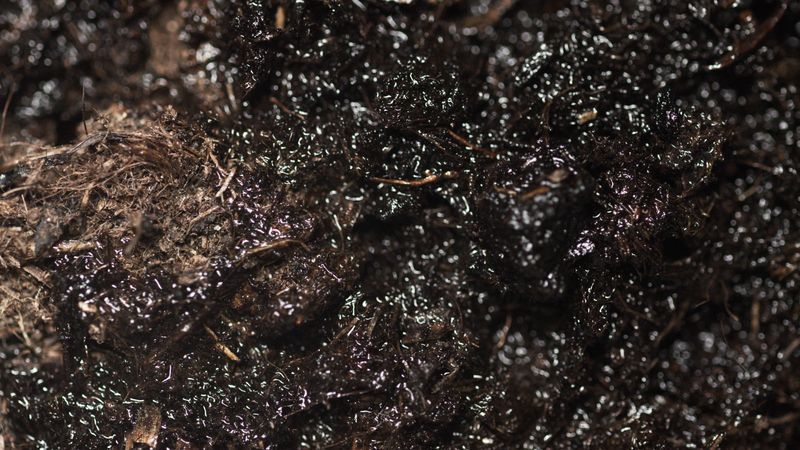
Here is the long game of deep mulching that most people do not talk about enough. As organic mulch breaks down over months and seasons, it transforms into rich humus that permanently improves your soil structure.
Humus is the dark, spongy material that gives productive garden soil its loose, moisture-holding structure. It holds water molecules within that structure far beyond what sandy or clay-heavy soils can manage on their own.
Each season of deep mulching adds another layer of decomposing organic matter to your soil profile.
Over two or three years, this cumulative effect produces soil that holds moisture dramatically better than when you started. Earthworms are drawn to decomposing mulch in large numbers.
Their activity breaks up compaction, creates channels for water to move downward, and deposits castings that further improve water retention throughout the soil.
The transformation is slow, but it is permanent and self-reinforcing. Better soil holds more water, which supports more microbial life, which breaks down more organic matter, which builds even better soil.
Gardeners who have been deep mulching for five or more years often report needing to water far less than their neighbors do. Their soil has essentially been upgraded from the inside out.
The Minnesota mulching move is not just a seasonal fix. It is a long-term commitment to soil health that compounds in real, measurable ways every season.
Suppresses Weeds That Steal Moisture During Dry Stretches
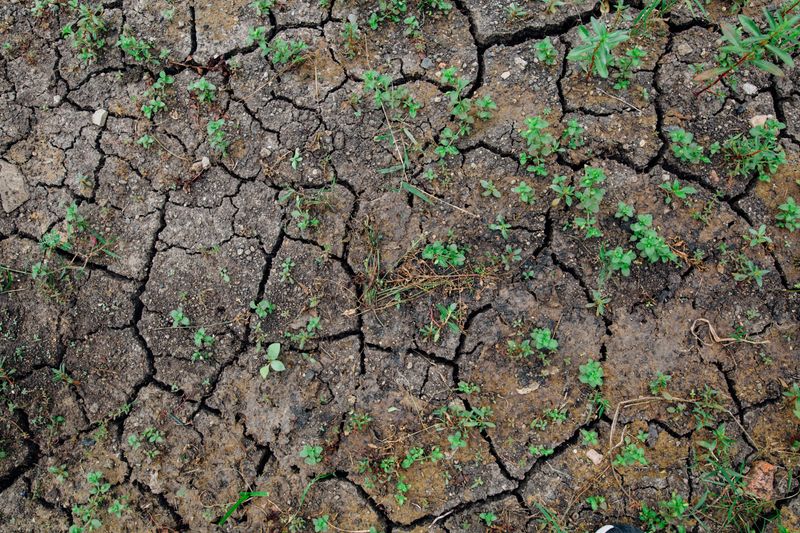
Weeds are not just ugly. During a drought, they are active competitors draining every drop of moisture your plants need to survive the dry stretch.
Weeds compete directly with your plants for the same soil moisture, and in dry stretches, that competition has real consequences for the plants you actually want to keep.
Deep mulching suppresses weed germination by blocking the sunlight that weed seeds need to sprout.
Most common weed seeds require light exposure to trigger germination, and a thick mulch layer denies them that trigger completely.
The few weeds that do manage to push through a deep mulch layer are dramatically easier to pull. Their roots do not grip the loose mulch material the way they grip compacted bare soil.
Less time weeding also means less soil disturbance. Every time you dig in bare soil, you expose new weed seeds to light and moisture, essentially planting a fresh crop of competition for your garden plants.
Keeping the ground covered breaks that frustrating cycle. Fewer weeds mean more moisture stays available for the plants you actually care about during the toughest weeks of summer.
The Minnesota mulching move earns its reputation here. Cutting off weed competition is one of the most practical and immediate rewards you will notice after laying down that first deep layer.