What You Must Do To Ohio Irises Before July For Stronger Blooms Next Spring
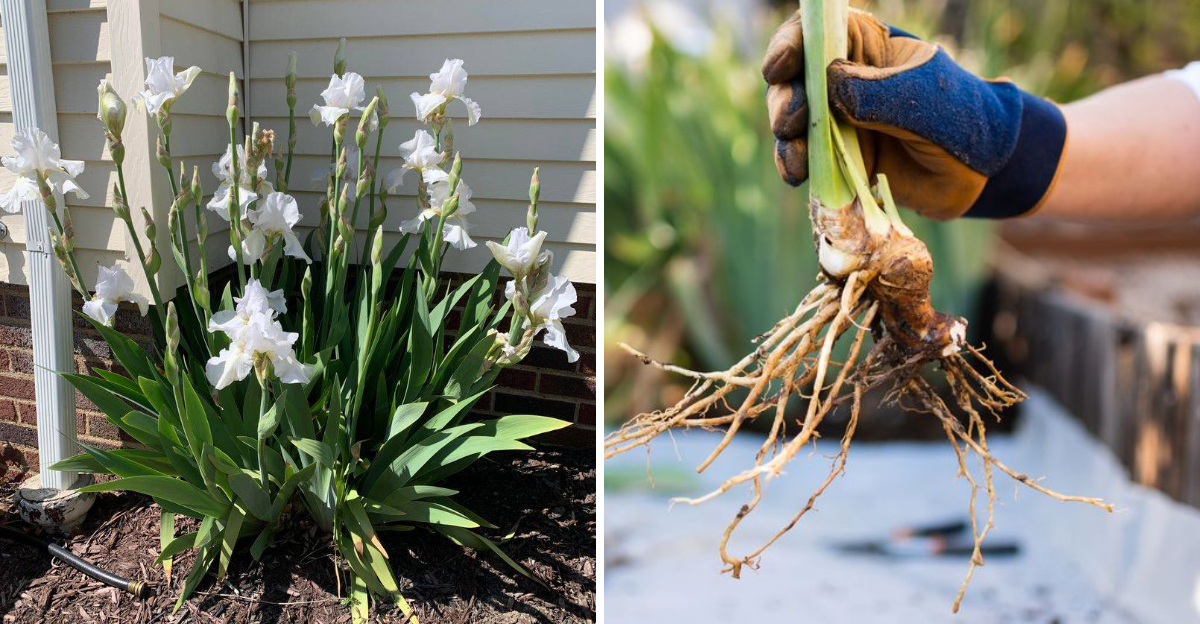
Bearded irises putting on a full spring show in an Ohio garden are genuinely hard to beat. Bold color, elegant blooms, the whole dramatic display: it is one of those moments that makes all the gardening effort feel completely worth it.
But then a few seasons pass and something shifts. The blooms thin out, the clumps look overcrowded and a little rough around the edges, and that bold color just isn’t showing up the way it used to.
Frustrating, especially when you haven’t changed anything. Here’s the thing: that’s actually the problem.
Bearded irises need to be divided periodically to keep performing, and Ohio’s clay-heavy soil and unpredictable weather make the timing of that division more important than most gardeners realize.
The good news is that a focused effort this summer can completely turn things around before next spring.
1. Crowded Clumps Can Reduce Flowering
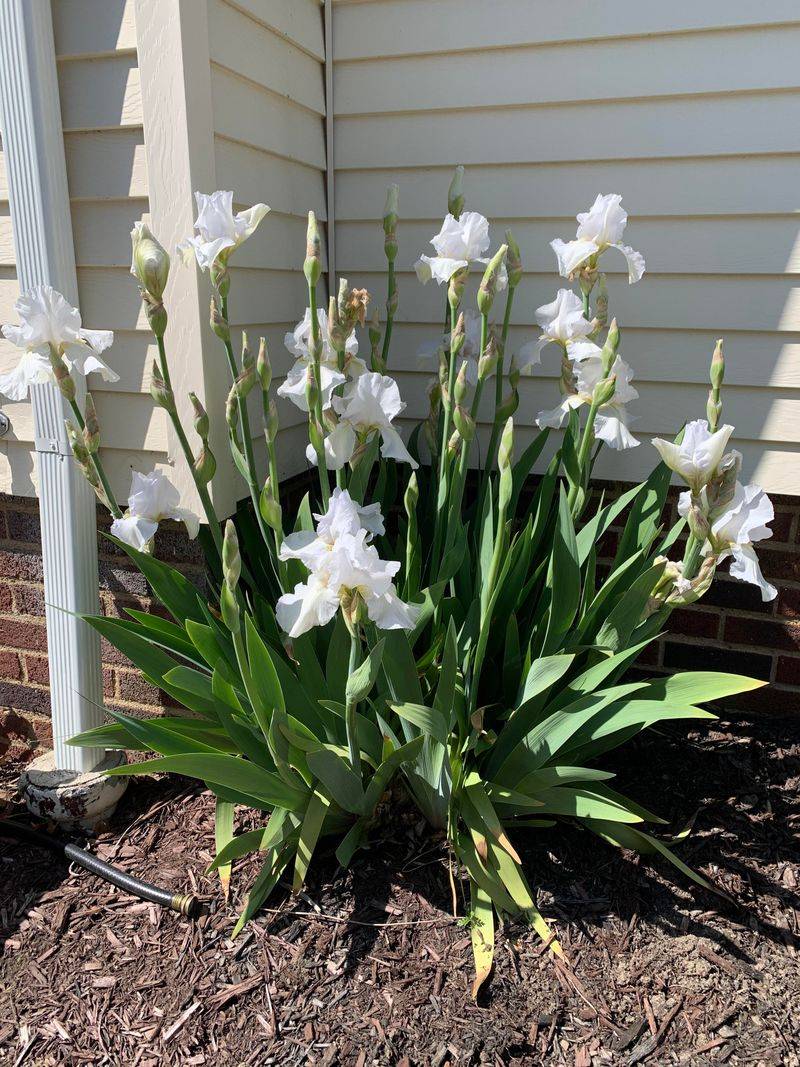
Spring after spring, a bearded iris bed can look stunning, and then one season it just seems to underperform. Fewer blooms, shorter stems, and foliage that looks more crowded than colorful.
That slowdown is often a sign the rhizomes have run out of room.
Bearded irises spread outward from a central rhizome, producing new offsets each year. Over three to five years, those offsets fill in so tightly that the plants begin competing with each other for the same nutrients, moisture, and light.
In Ohio’s often dense soil, that competition becomes even more pronounced because roots have less room to breathe and expand.
When a clump gets too thick, the older central rhizomes tend to produce fewer blooms while the younger outer sections stay more productive.
Gardeners who haven’t divided their beds in several years frequently notice a ring of foliage with little flowering in the center.
That pattern is a reliable sign the clump needs attention.
Dividing crowded clumps before July gives the separated rhizomes a long enough growing season to anchor into Ohio soil before winter.
Addressing crowding is one of the most straightforward ways to encourage a stronger, more generous bloom display the following spring.
2. Wait Until Blooms Have Finished
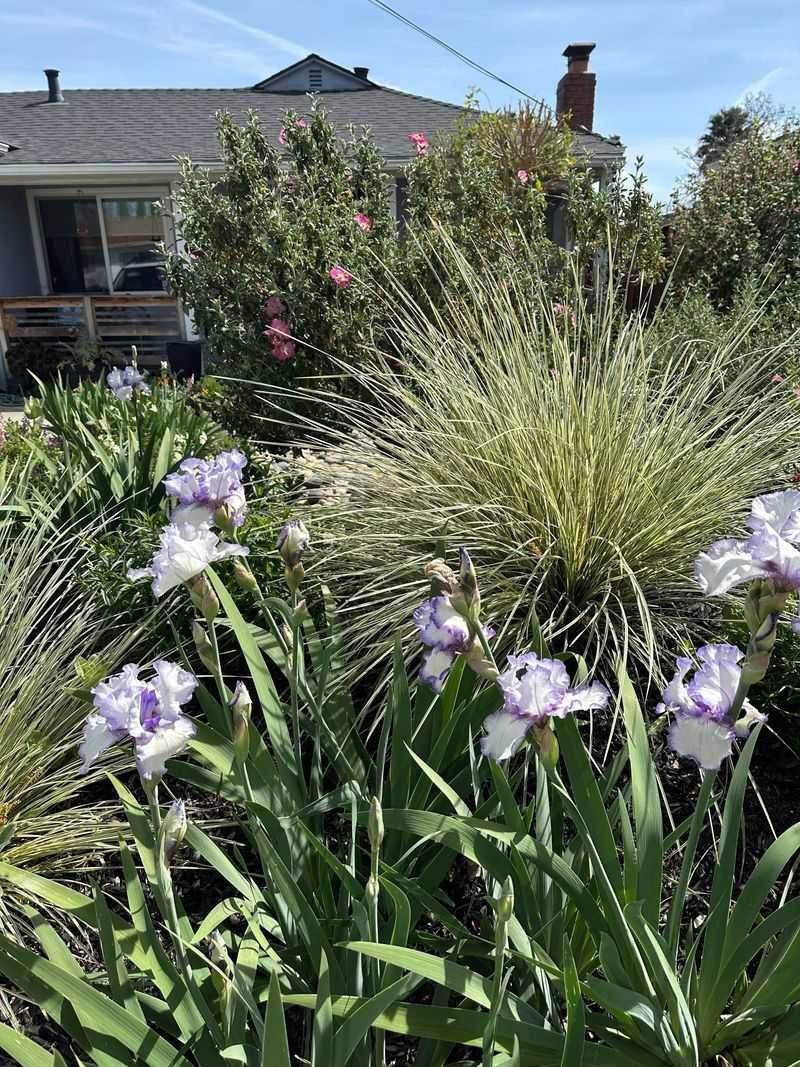
Timing the division of bearded irises takes a bit of patience, especially when the urge to tidy up the garden kicks in right after the last petals drop. Reaching for the shovel too early, while flowers are still opening, can cut short the plant’s natural energy cycle.
Bearded irises put a lot of energy into producing blooms, and that energy needs to wind down naturally before the rhizomes are ready to be lifted and divided.
Waiting until all the flowers on a clump have fully finished gives the plant time to redirect nutrients back into the rhizome itself.
That stored energy helps divided sections recover more quickly after replanting.
In most parts of Ohio, bearded irises finish blooming somewhere between late May and mid-June, depending on the variety and the season.
Once the last flower fades and the bloom stalks begin to look spent, that’s a reasonable window to begin planning division.
Your Ohio Garden Changes Every Week. Your Plan Should Too.
Gardening in Ohio changes quickly throughout the season. Every Friday you’ll receive a simple weekly plan showing exactly what to plant, prune, fertilize, harvest, and protect so you never miss the right timing.
Removing old bloom stalks at this point is fine and actually tidies up the bed.
Waiting for blooms to finish completely before lifting rhizomes is a small act of patience that pays off with healthier divisions and a better chance of strong flowering the following spring across Ohio perennial beds.
3. Lift Rhizomes Gently From The Soil
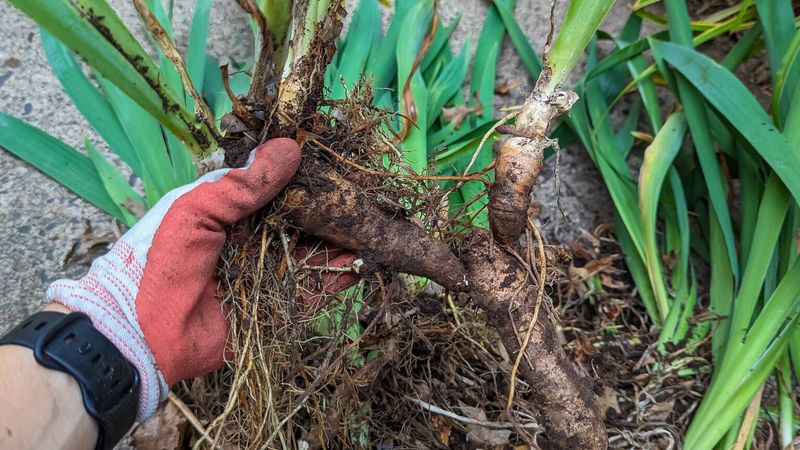
Getting a clump of bearded iris rhizomes out of the ground requires a bit more care than pulling up annuals or digging out weeds.
These rhizomes sit close to the surface, but their root systems can extend several inches down, especially in Ohio beds that have been undisturbed for a few seasons.
A garden fork works better than a spade for this job because it loosens the soil around the clump without slicing directly through the rhizomes.
Push the fork into the ground several inches away from the outer edge of the clump, then rock it gently back and forth to loosen the root zone.
Work your way around the clump from multiple angles before lifting.
Once the soil loosens, you can lift the entire clump and set it on the ground nearby for inspection. Some roots will naturally break during this process, and that’s fine.
The goal is to avoid snapping the rhizomes themselves, which are the thick, fleshy horizontal sections that store energy and produce new growth.
Handling the clump carefully during lifting makes the division process smoother and reduces unnecessary stress on the plant. Ohio gardeners working in summer heat should try to complete this step in the morning when temperatures are cooler.
4. Keep Firm Healthy Rhizome Sections
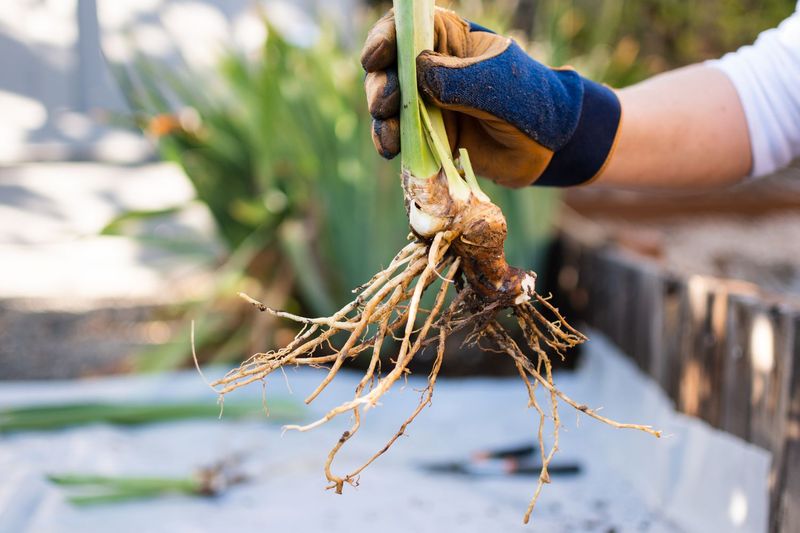
Once a clump of bearded irises is out of the ground, the next step is sorting through what you have. Not every section of the clump is worth replanting, and learning to spot the difference between a productive rhizome and a spent one saves time and garden space.
Healthy rhizomes feel firm when you press them gently. They’re usually tan or light brown on the outside with a pale interior, and they have visible leaf fans attached.
These sections have the energy and structure needed to produce new roots and eventually push up bloom stalks the following spring.
Older central rhizomes that have already bloomed multiple times often feel soft, hollow, or mushy in spots. Sections that look shriveled, discolored, or have no healthy leaf growth attached are generally not worth replanting.
Setting those aside keeps the replanted bed focused on vigorous, productive growth.
For each division you plan to keep, look for a section that has at least one healthy leaf fan and a firm rhizome body. Divisions that are roughly three to four inches long tend to establish well in Ohio soil.
Choosing quality over quantity at this stage leads to a cleaner, more productive iris bed that blooms more reliably next spring.
5. Trim Foliage Only When Dividing
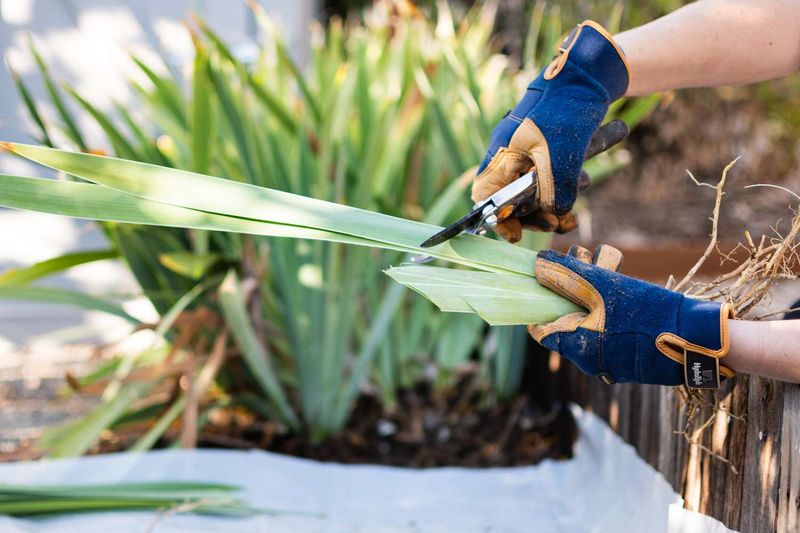
One of the more recognizable sights in Ohio gardens during iris division season is the rows of freshly trimmed fans lined up and ready for replanting. That signature trim serves a real purpose and isn’t just about making the plants look tidy.
When a rhizome is lifted and divided, it temporarily loses much of its root system. Reducing the leaf fan to about four to six inches helps balance the plant’s energy demands while the new roots are getting established.
Tall, full foliage left intact would pull more moisture than the limited root system can supply during that early recovery period.
The trim is typically done in a fan shape, cutting the leaves at an angle so the center is slightly taller than the outer edges. This shape is functional and also helps prevent the division from flopping over in the soil before it anchors itself.
A clean pair of scissors or garden shears works well for this step.
Foliage trimming is specifically a division-time practice. Cutting back healthy iris leaves outside of that context, such as trimming them down in early summer without dividing, can actually reduce the energy the plant stores for next season’s blooms.
In Ohio gardens, timing this trim to the division process keeps the plants on track for a strong return next spring.
6. Replant Rhizomes Near The Surface
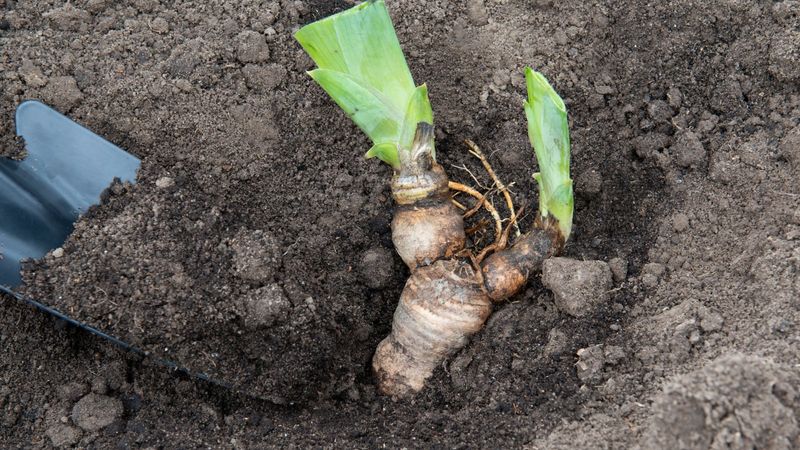
Planting depth is one of the most common mistakes Ohio gardeners make when replanting divided iris rhizomes. Unlike many perennials that benefit from being planted a few inches down, bearded irises need to sit close to the top of the soil to thrive and bloom reliably.
The general guidance from university horticulture programs is to plant bearded iris rhizomes so the top surface is at or just barely below the soil line. In heavier Ohio soils, some growers plant them with the tops slightly exposed to the sun.
The rhizome needs warmth from sunlight to develop properly, and burying it too deeply can reduce blooming and even lead to rot in wet conditions.
When setting a division in the ground, create a small mound of soil in the center of the planting hole and drape the roots down around it on either side.
This keeps the rhizome sitting at the right height while the roots have room to spread downward.
Firm the soil gently around the roots without pressing soil over the top of the rhizome itself.
Getting the planting depth right from the start makes a meaningful difference in how quickly new divisions establish in Ohio beds and how generously they bloom the following spring.
Shallow planting is one of those details that experienced iris growers return to season after season.
7. Space Rhizomes To Prevent Crowding
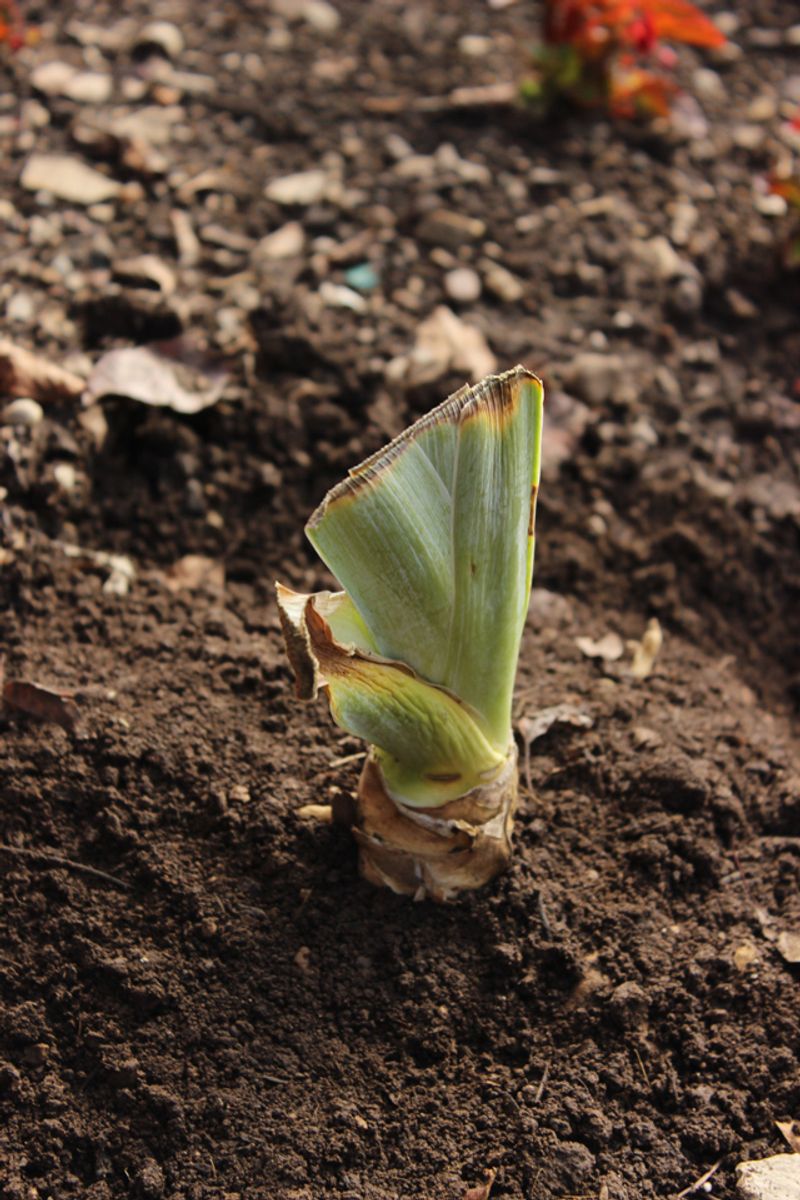
Replanting divided iris rhizomes too close together is a setup for the same crowding problem that made division necessary in the first place.
Giving each section enough room from the start reduces how often the bed needs to be divided and supports better blooming year after year.
A spacing of roughly twelve to eighteen inches between rhizomes gives each division room to spread outward over the next few seasons without immediately competing with its neighbors.
In a new planting, this spacing can make the bed look a little sparse at first, but the plants fill in more than most gardeners expect within a year or two.
Spacing also affects airflow between plants, which matters in Ohio’s humid summers. Better air circulation through the bed reduces the chance of fungal issues settling into the foliage, which can weaken plants heading into fall.
A bed with good spacing tends to look cleaner and stay healthier through the growing season.
Arranging rhizomes in a loose triangular or staggered pattern rather than straight rows can create a more natural, full appearance once the plants grow in. Marking the spacing with small stakes or a measuring tool while planting helps keep things consistent.
Taking the time to space divisions properly after lifting and sorting is one of the most practical investments Ohio gardeners can make for next spring’s bloom display.
8. Give New Divisions Plenty Of Sun
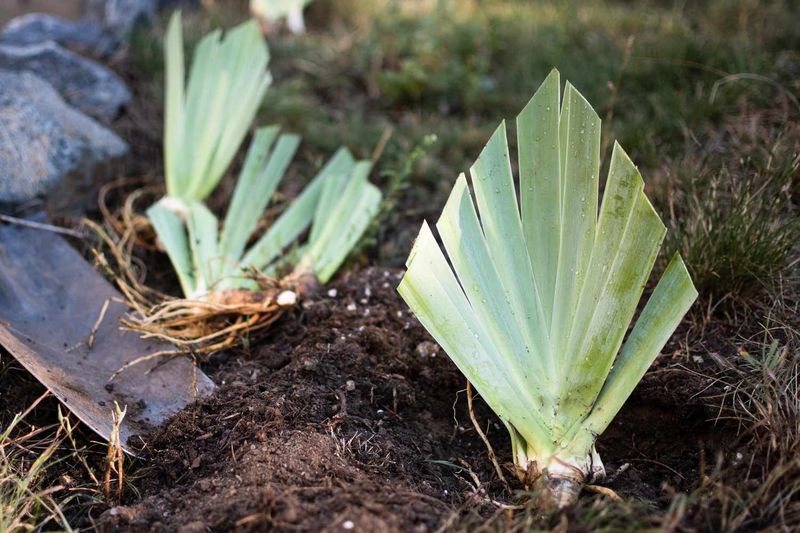
Sun exposure plays a bigger role in bearded iris performance than many gardeners initially realize.
A bed that gets strong morning light but sits in afternoon shade might grow healthy-looking foliage without producing many blooms, which can be puzzling if everything else seems right.
Bearded irises generally perform best with at least six hours of direct sunlight each day.
In Ohio, where spring weather can be unpredictable and tree canopies fill in quickly during summer, beds that seemed sunny in early spring may end up shadier than expected by June.
That shift in light conditions can quietly reduce flowering over time without an obvious cause.
When choosing a spot for newly divided rhizomes, look for an area with open sky exposure and no large trees or structures casting shade during the main part of the day.
South-facing or west-facing beds along walkways, fences, or the front of a house often provide the kind of consistent sun that bearded irises respond to well.
Replanting divisions into a sunnier location, even if it’s just a few feet away from where they were originally growing, can make a noticeable difference in bloom count the following spring.
Ohio gardeners who move crowded, shaded iris beds into brighter spots often see a satisfying improvement in flowering within the first season after division.
9. Improve Drainage Before Replanting
Heavy clay soil is something many Ohio homeowners deal with in their garden beds, and bearded irises are particularly sensitive to sitting in soggy ground for extended periods.
Wet soil around the rhizomes can cause them to soften and decline, especially during Ohio’s wet springs and humid summers.
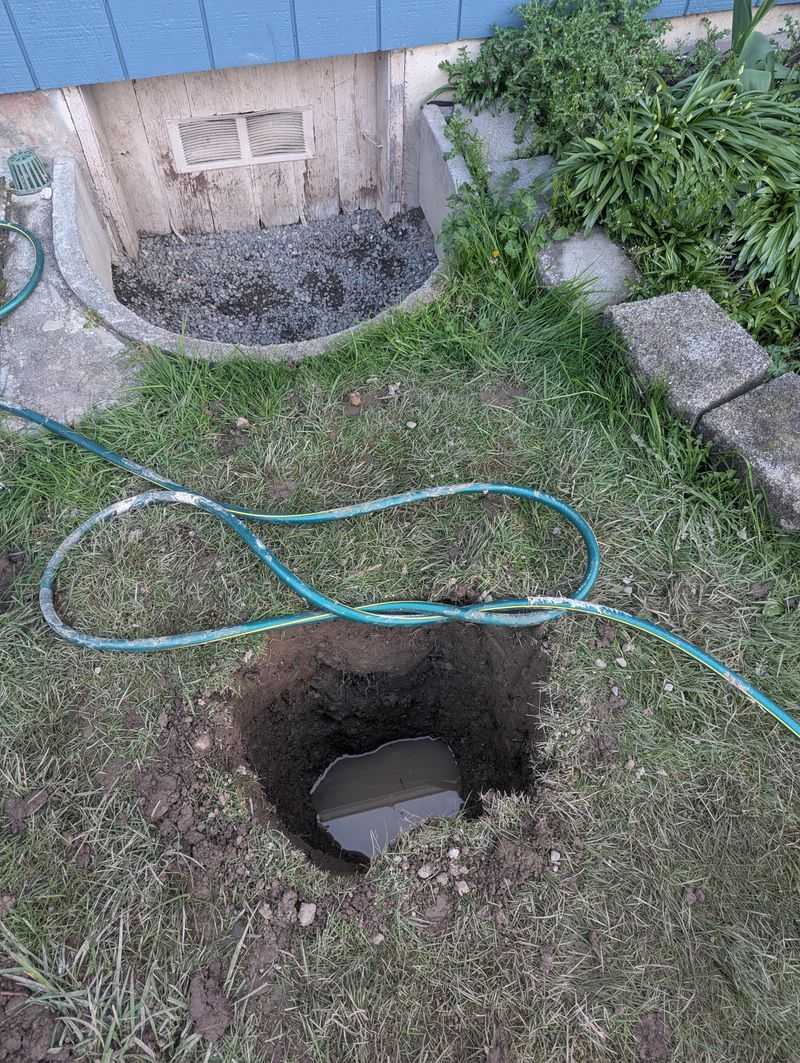
Before replanting divided rhizomes, take a close look at the bed’s drainage. A simple test is to dig a small hole about twelve inches deep, fill it with water, and watch how quickly it drains.
If water is still pooling an hour later, the drainage in that bed likely needs some improvement before irises go back in.
Working compost, coarse sand, or other organic matter into the top several inches of soil can improve the texture and drainage capacity of heavy Ohio clay.
Raised beds or slightly mounded planting areas also help by keeping rhizomes above the worst of the moisture.
These adjustments don’t require major landscaping work and can make a real difference in how well divisions establish.
Good drainage supports the shallow planting that bearded irises need, keeping the rhizome surface accessible to sunlight and warmth rather than surrounded by wet, compacted soil.
Ohio gardeners who take a few minutes to address drainage before replanting often find their iris beds bounce back faster and bloom more freely the following spring.