What Low-Circling Hawks Are Telling You About Your South Carolina Property
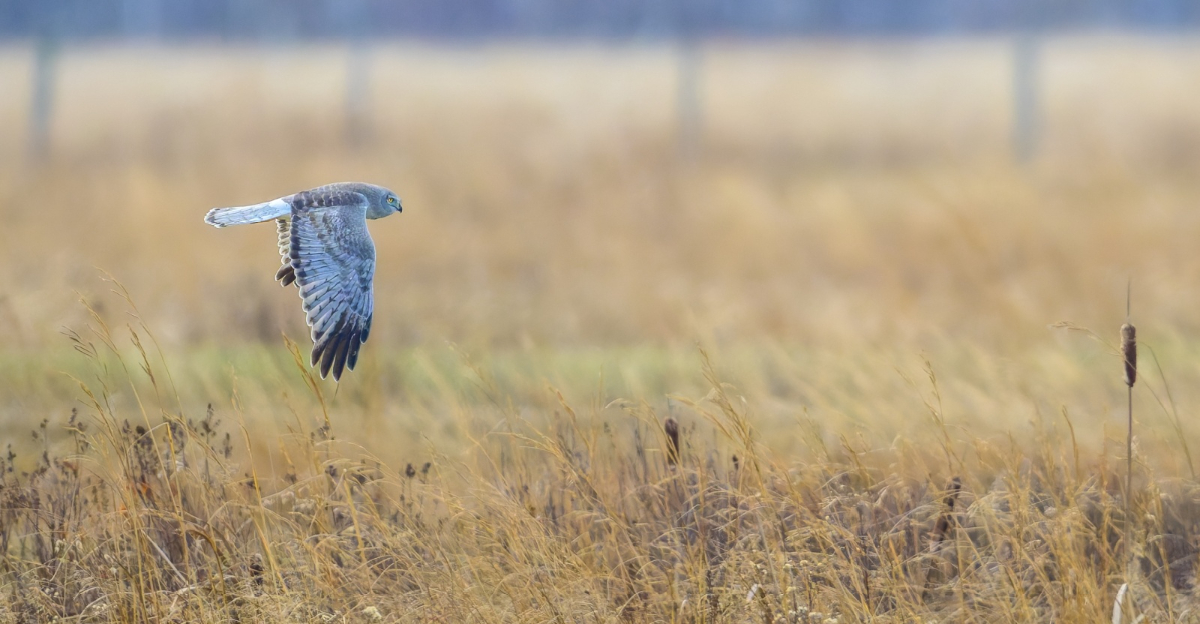
That hawk just locked its wings and dropped toward your fence line. Something moving below triggered it.
South Carolina fields run thick with prey signals most landowners walk past daily. Voles push fresh tunnel ridges to the surface after every hard rain.
Raptors read those ridges faster than you ever could on foot. Tight circles overhead mean a target has gone completely still below.
Widening spirals tell you prey is running, panicked, burning energy in the open. Your land broadcasts information constantly, and hawks are receiving every frequency.
Territorial males sweep low field boundaries during nesting season, staking invisible claims. Do you actually know which species are working your property right now?
Migrating raptors use South Carolina thermals as fixed aerial corridors season after season.
Every altitude shift, every circle, every sudden dive carries precise biological meaning. This bird overhead is reading your land more accurately than you ever have.
1. Prey Like Mice Or Voles Is Being Scouted
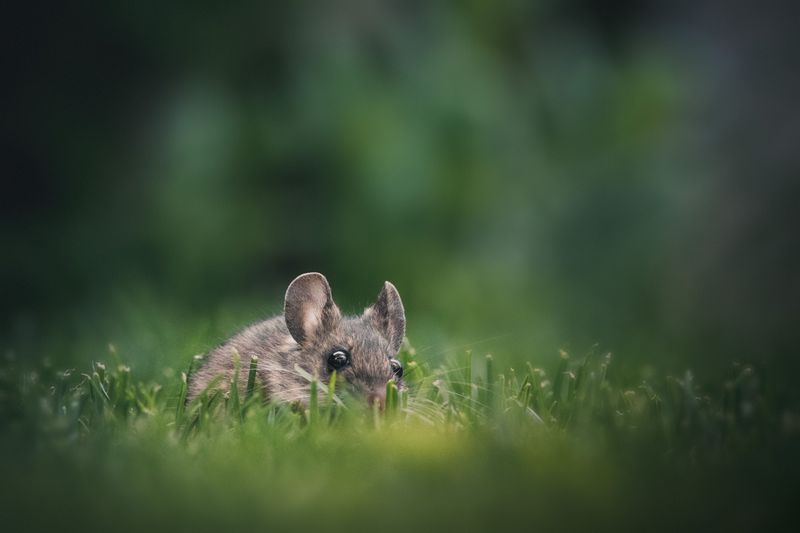
Picture a hawk hanging in the air like a feathered drone, eyes locked on the grass below. That focused, low-altitude circling is one of the clearest signs of active prey scouting happening right on your land.
Hawks have eyesight estimated to be several times sharper than a human’s, with some species showing significantly higher visual acuity in studies. They can spot a mouse moving through tall grass from 100 feet up without blinking.
Mice and voles are some of the most common targets across South Carolina fields and meadows. These small rodents leave tiny trails, disturbed soil, and movement patterns that hawks track from above.
When a hawk circles low and slow, it is triangulating the exact position of something moving below. The tighter the circle gets, the closer the bird is to committing to a strike.
If you notice this behavior near garden beds, compost piles, or brushy field edges, take note. Those spots likely have active rodent populations worth monitoring yourself.
Farmers and landowners actually benefit from hawk presence in a big way. A single hawk can catch several rodents per day, naturally reducing crop and garden damage without any chemicals involved.
Watching where hawks circle most often can act as a free pest map of your property. Pay attention over a few days and patterns will emerge quickly.
Low-circling hawks on South Carolina land are not random visitors when prey is involved. They are working professionals, and the ground beneath them is telling you exactly where your rodent pressure is highest.
2. Thermal Air Currents Are Lifting It Effortlessly
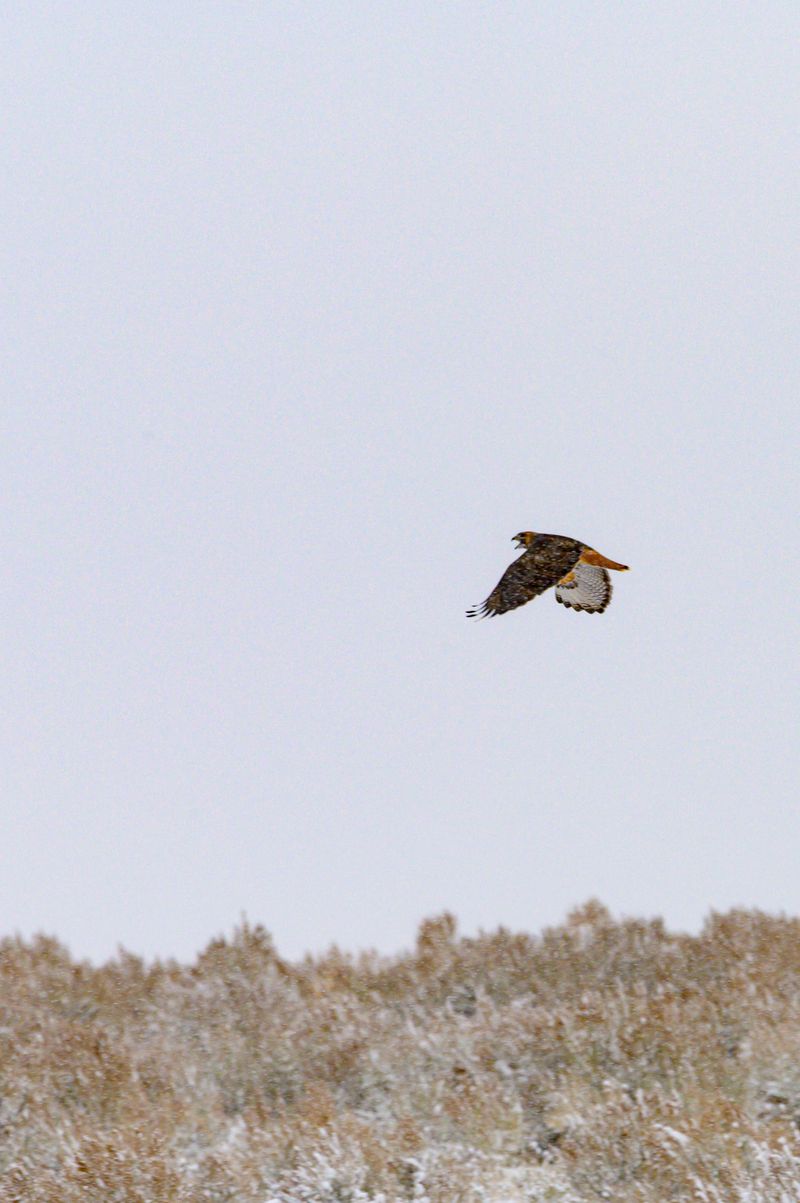
Not every circling hawk is on a mission to catch something. Sometimes the bird is simply enjoying a free ride on rising warm air called a thermal.
Thermals form when sunlight heats the ground unevenly, causing pockets of warm air to rise in spiraling columns. Hawks and other large birds have mastered the art of finding these invisible elevators.
When a hawk catches a thermal, it spreads its wings wide and circles upward without flapping once. It can gain hundreds of feet of altitude without spending any energy of its own.
Your South Carolina Garden Changes Every Week. Your Plan Should Too.
Gardening in South Carolina changes quickly throughout the season. Every Friday you’ll receive a simple weekly plan showing exactly what to plant, prune, fertilize, harvest, and protect so you never miss the right timing.
South Carolina’s mix of open fields, dark soil, and intense summer sun makes it a prime thermal generator. The land heats up fast on clear days, creating strong lift that hawks actively seek out.
You can usually tell a thermal rider from a hunting hawk by altitude and wing position. Thermal soaring birds hold their wings flat and steady, while hunting hawks may tuck and adjust as they scan below.
Groups of hawks circling together in the same column of air are called kettles. Spotting a kettle over your land means a strong thermal is present, not necessarily a prey hotspot.
Thermals typically peak in mid-morning to early afternoon when ground temperatures climb fastest. If your hawk disappears by late afternoon, it likely lost its thermal and moved on.
Understanding thermals makes low-circling hawks on South Carolina land far less mysterious. The sky above your property is an active highway of invisible energy.
3. Nesting Territory Is Being Actively Defended
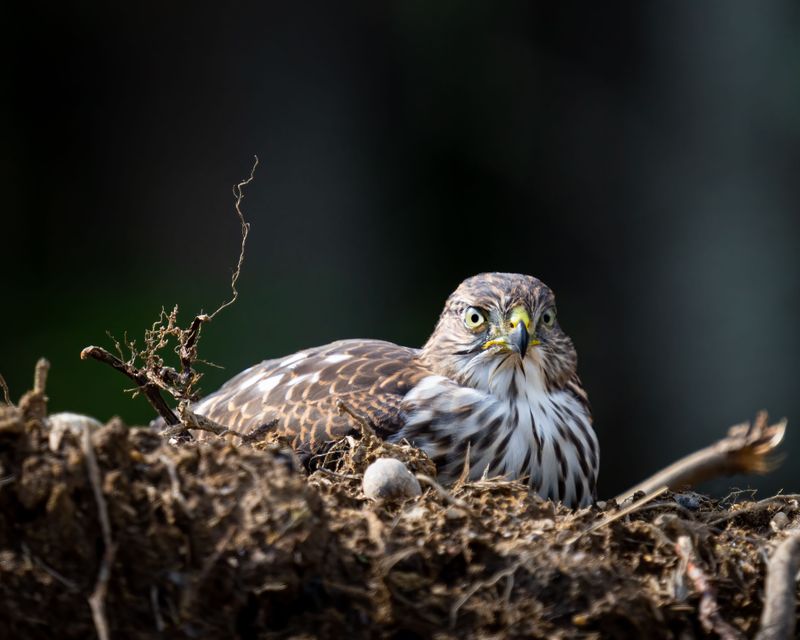
Hawks do not share space quietly. When a bird circles low and repeatedly over the same patch of ground, it may be drawing a boundary line in the sky.
Territorial defense is one of the most intense behaviors in hawk biology. A nesting pair will patrol their claimed area with aggressive consistency, especially during spring and early summer.
Red-shouldered hawks are especially common in South Carolina woodlands and wetland edges. They are famously vocal and will circle low while calling sharply to warn off rivals.
If you hear a piercing, repeated cry while a hawk circles overhead, that sound is a warning broadcast to every other hawk in the area. It means this airspace is taken.
Nesting territories vary considerably by species. Red-shouldered hawks, common across South Carolina, typically claim 50 to 150 acres, while larger red-tailed hawks may defend considerably more.
A hawk defending a large property may seem to appear everywhere at once. Other birds often react to a territorial hawk in flight.
Crows, mockingbirds, and blue jays may mob the hawk aggressively, which is another signal that nesting season is in full swing.
Landowners who spot consistent low circling near large trees or wooded edges should scan the canopy carefully. A bulky stick nest tucked into a fork of a mature tree is often the reason for all that aerial drama.
Territorial hawks are a sign of a healthy, productive habitat on your land. Protecting mature trees and natural edges keeps these guardians coming back season after season.
4. Young Hawks Are Practicing Their Hunting Skills
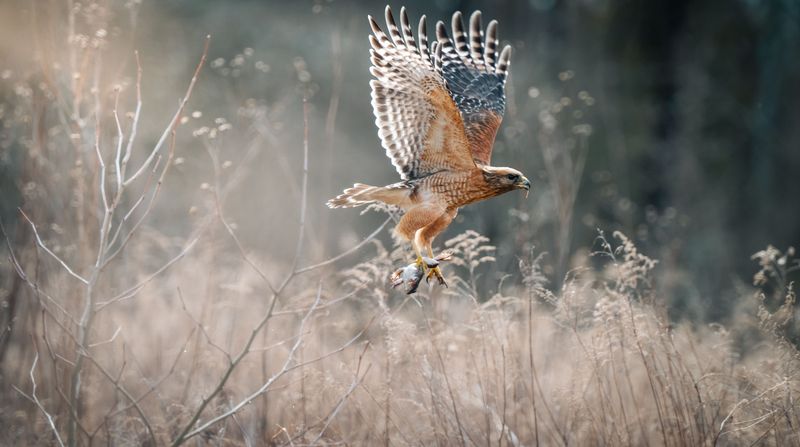
Juvenile hawks are basically teenagers with wings, and they are not always graceful about it. Clumsy dives, abrupt course changes, and repeated low passes over the same area are classic signs of a young bird in training.
Hawks do not hatch knowing how to hunt. The skill takes weeks of practice after fledging, and young birds spend a lot of time making mistakes before they get it right.
Juvenile red-tailed hawks, the most common large hawk across the Southeast, are identifiable by their streaked brown bellies and lack of the rust-colored tail adults display. Spotting one circling low means breeding season nearby was successful.
Young hawks often target easy, slow-moving prey first. Grasshoppers, frogs, and slow lizards are common early targets as the birds build confidence and coordination.
You might notice a juvenile hawk miss a strike and then circle back around to try the same spot again. That persistence is pure instinct, not stubbornness, and it is how skills get locked in.
Parent hawks sometimes follow juveniles during early hunts, offering what looks like aerial supervision. Watching two hawks circle the same area at slightly different heights often signals this family dynamic.
Late summer is peak juvenile hawk season across South Carolina. Fields, pastures, and open woodland edges become open-air classrooms for the next generation of aerial hunters.
A young hawk over your land is a hopeful sign. It means the local hawk population is reproducing well and your habitat is rich enough to raise a new generation.
5. Carrion Or Scavenging Opportunities Are Drawing It Down
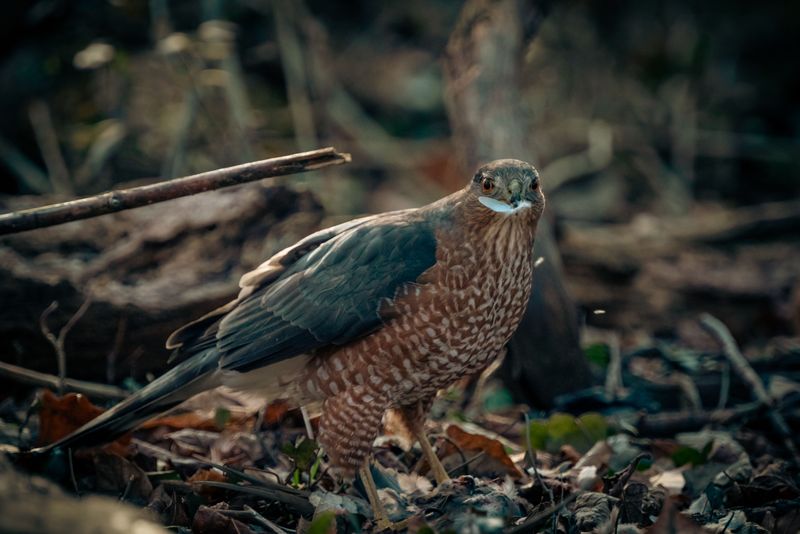
Hawks are not strictly above scavenging when the opportunity presents itself. A low-circling hawk near a road or open area may have spotted something already on the ground worth investigating.
While hawks prefer live prey, fresh carrion is an efficient meal that requires no energy-burning chase. Opportunistic feeding is a survival strategy, not a compromise.
Rural South Carolina roads cut through prime wildlife corridors, and animals struck by vehicles become a consistent food source hawks learn to patrol.
Turkey vultures are the more famous carrion specialists, but hawks will absolutely join in when the timing is right. Red-tailed hawks in particular are known for their flexible, adaptable diets.
If a hawk circles low near a road edge and then lands rather than striking downward, carrion is almost certainly the draw. A hunting hawk typically stoops fast and hard toward moving prey.
Landowners near rural highways sometimes notice hawk activity spike after heavy traffic nights. Deer, rabbits, and raccoons struck overnight become morning buffets that sharp-eyed raptors quickly locate.
This behavior is worth noting from a land management perspective. High carrion activity near your property edge can indicate heavy wildlife movement, which has implications for fencing, garden placement, and crop protection.
Seeing a hawk circle low near a road is not morbid. It is a reminder that nothing on the land goes to waste, and the food web keeps spinning in every direction.
6. Dense Vegetation Below Is Sheltering Potential Meals
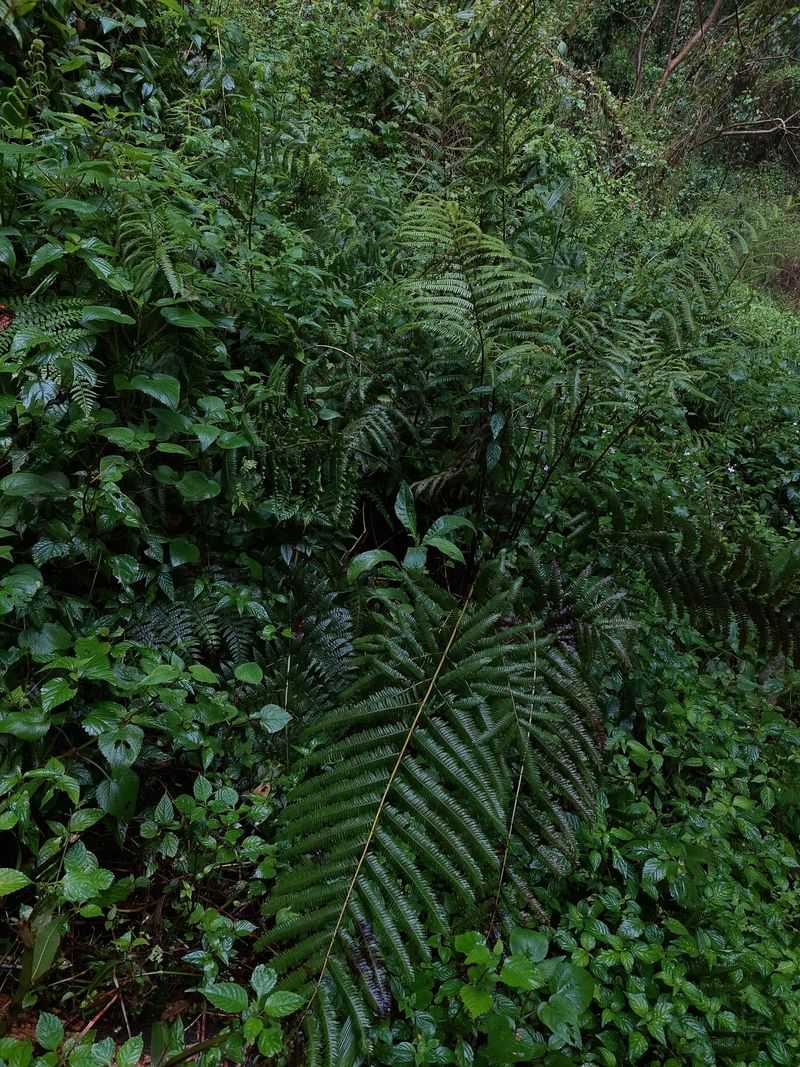
Thick brush, overgrown fence lines, and tall grass are not just messy. To a hunting hawk, they are restaurants with the lights on.
Dense vegetation creates ideal cover for a long list of prey species. Rabbits, voles, small birds, skinks, and frogs all gravitate toward thick plant growth for protection and food.
A hawk circling low over a brushy area is essentially reading the menu from above. It knows that movement in heavy cover means something alive is sheltering underneath.
Cooper’s hawks and sharp-shinned hawks are built for this kind of hunting. Their shorter, rounded wings and long tails allow them to maneuver through tight spaces at high speed when they commit to a strike.
Blackberry thickets, privet hedges, and unmowed field margins are especially productive hunting zones in South Carolina. These spots hold moisture, insects, and the small animals that eat them.
Landowners who want to attract more hawks naturally can let portions of their property grow a little wild.
A brushy edge between mowed lawn and woodland is called an ecotone, and it is one of the most biologically productive habitats in any landscape.
Watching where a hawk lingers longest during its low circles can help you identify the densest prey zones on your property. Those spots are worth monitoring if you manage game, gardens, or livestock feed areas.
Dense cover and low-circling hawks on South Carolina land go hand in hand. Wherever the brush is thick, the food chain is busy.
7. Migration Routes Pass Directly Over Your Land
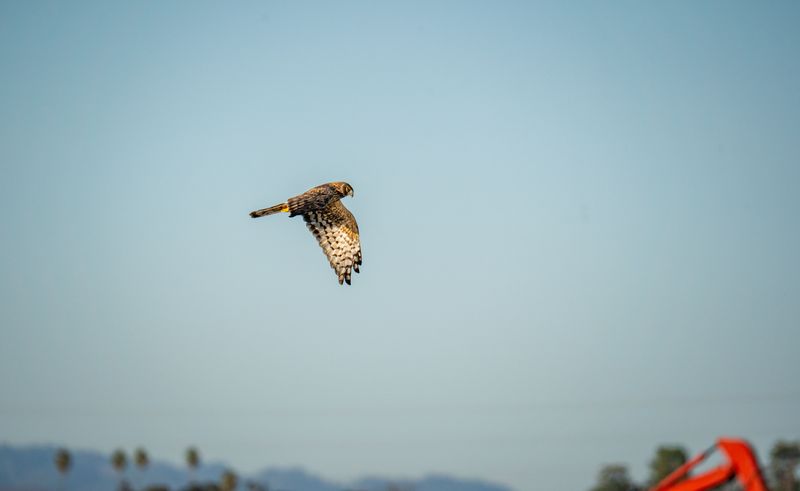
Every autumn, millions of raptors push south through the eastern United States, and South Carolina sits right in the middle of a major flyway. Your land may be a recognized waypoint on an ancient aerial map.
Broad-winged hawks are the most dramatic migrators in the region. They travel in massive groups called kettles, sometimes numbering in the thousands, all riding shared thermals southward.
Peak migration across South Carolina typically runs from mid-September through early October, with the heaviest flights concentrated in the final week of September.
During this window, hawk sightings can increase dramatically, especially on clear days following cold fronts.
Cold fronts push birds south by dropping temperatures and creating favorable northwest winds. Hawks use these tailwinds to cover enormous distances with minimal effort during migration.
Certain landscape features funnel migrating hawks into predictable corridors. Ridge lines, river valleys, and coastal edges all act as natural guides that concentrate hawk movement into narrow bands.
If your land sits near a ridge, a river, or an open corridor between forested areas, it may naturally funnel migrating raptors overhead every fall.
That is a genuinely special ecological position to occupy. Hawk watching during migration season has become a popular outdoor activity across the state.
Sites like Caesar’s Head State Park in the upstate region draw serious birders who count thousands of raptors passing in a single day.
Low-circling hawks on South Carolina land during fall are often migrants pausing to refuel. Your property may be a rest stop on one of nature’s most enduring seasonal journeys.