What It Really Means When Carpenter Bee Damage Gets Worse Every Summer In North Carolina
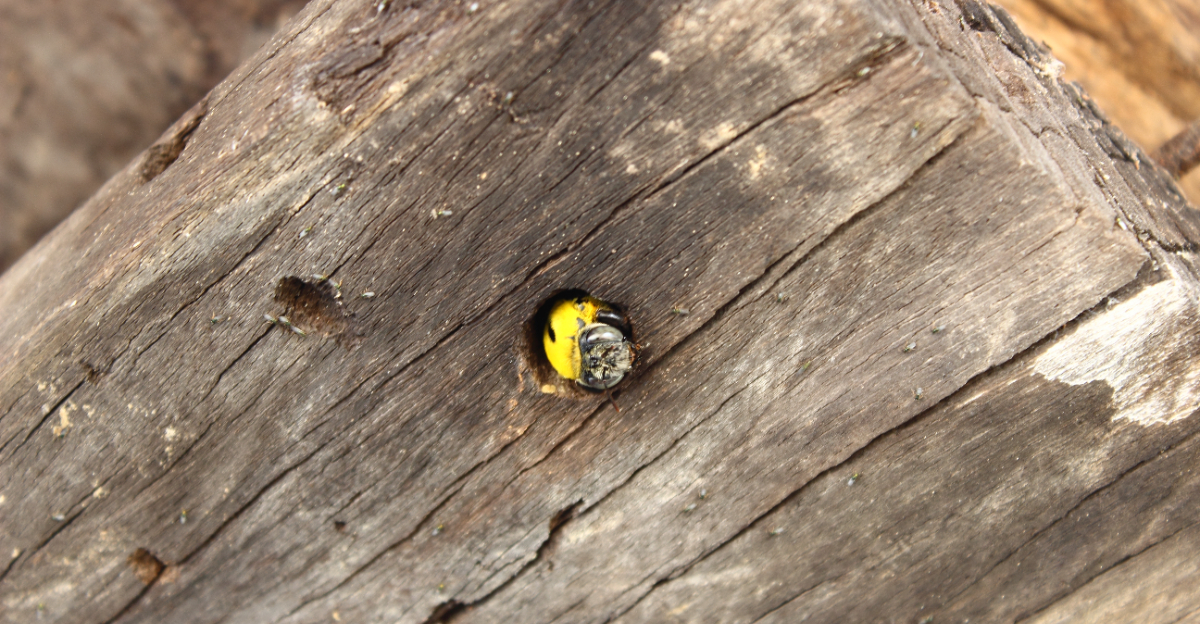
A few carpenter bee holes in a wooden structure are easy to dismiss as minor cosmetic damage.
When those holes multiply and the damage escalates noticeably from one summer to the next, something specific is driving that increase and it is worth understanding before the structural integrity of affected wood becomes a real concern.
North Carolina’s long warm season gives carpenter bees an extended active period compared to states further north.
Certain yard and garden conditions consistently attract higher bee activity than others in ways most homeowners have never connected to their own landscaping choices.
The pattern of escalating damage year over year almost always has identifiable causes that go beyond simply having wood structures present on the property.
1. It Means The Wood Is Still Too Inviting
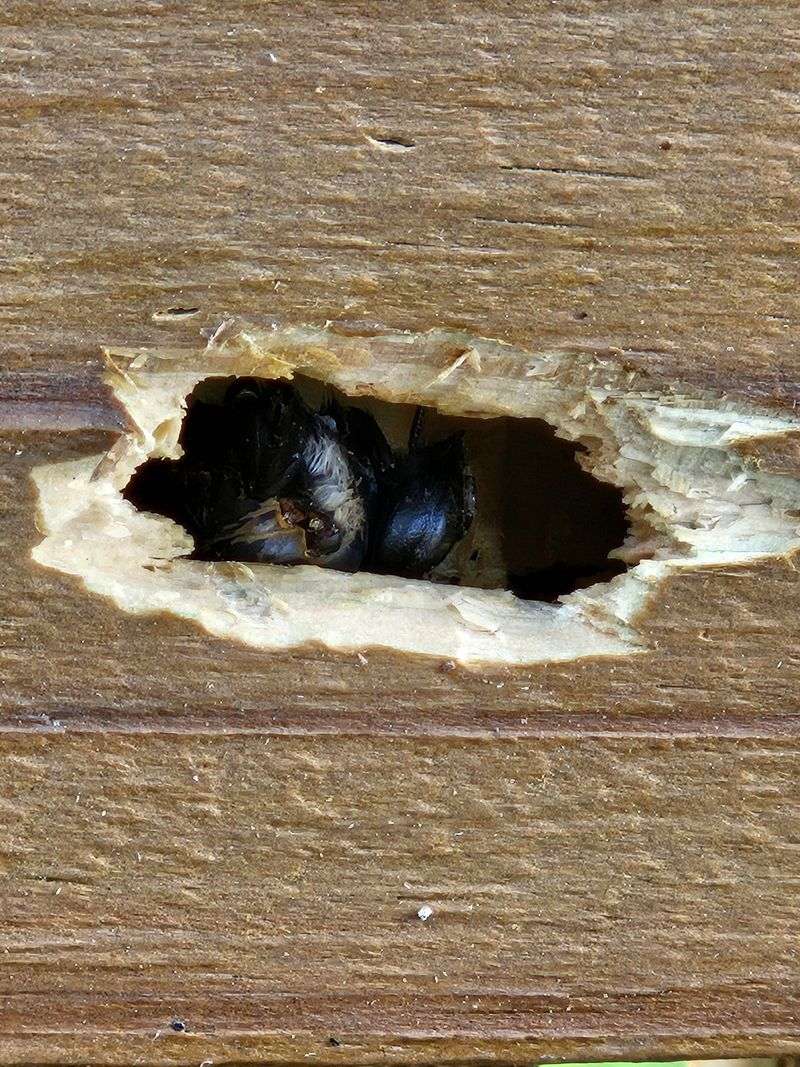
Bare wood is basically a welcome sign for carpenter bees. If the same unfinished, weathered, or soft wood surfaces are still exposed around your home each spring, you can count on those bees finding them again.
North Carolina homes often have a lot of wood on display, including porch beams, fascia boards, railings, deck boards, pergolas, eaves, window trim, siding, fences, outdoor furniture, and decorative trim.
Any of these areas that go unprotected become prime real estate for nesting activity.
Carpenter bees strongly prefer wood that has no paint, varnish, or solid sealant on it. Well-painted or properly varnished surfaces are noticeably less appealing to them because the hard finish makes it harder to bore into the wood.
Staining alone does not offer the same level of defense, which surprises a lot of homeowners who thought they had the issue covered.
Walk around your property and look carefully at every wooden surface you can see. Pay attention to the undersides of boards, where paint tends to peel first and wood gets the most moisture exposure.
Spots that look gray, cracked, or rough are exactly the kind of surfaces carpenter bees target most.
Repainting or sealing those areas before warm weather arrives is one of the most practical steps you can take to make your home less attractive to them each season.
2. It Means Old Tunnels May Be Getting Reused
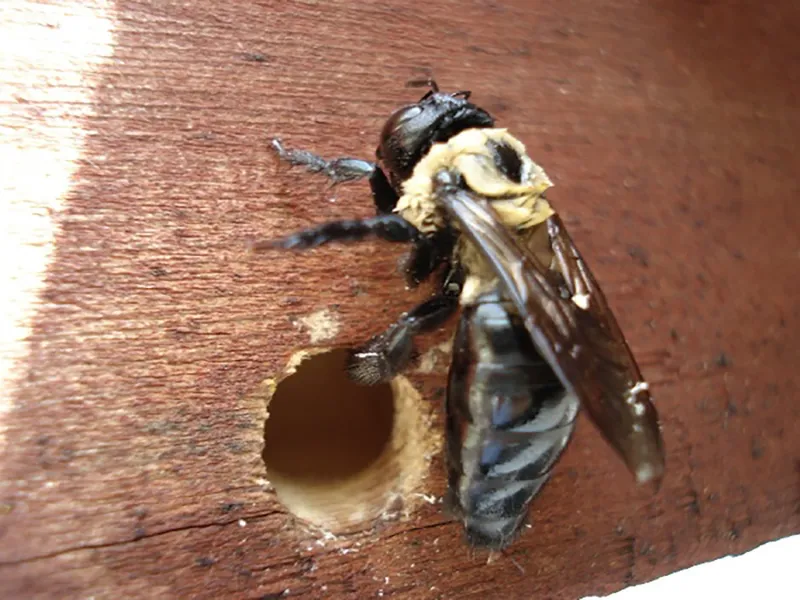
One of the most overlooked reasons damage seems to get worse each summer is that carpenter bees often return to the same spots they used before.
A tunnel that was bored last year is still there if the board was never repaired, and it acts like an open invitation for a new occupant.
What starts as one or two small round holes can quietly multiply over several seasons without homeowners realizing the same boards are being used again and again.
Carpenter bees are known to locate and reuse existing tunnels rather than always starting fresh. Females may expand an old tunnel deeper into the wood, branching it off in new directions.
This repeated use is what causes what once looked like minor damage to become a more significant structural concern over time. The original holes may not look alarming at first glance, but the tunnels behind them can run several inches into the wood.
Your North Carolina Garden Changes Every Week. Your Plan Should Too.
Gardening in North Carolina changes quickly throughout the season. Every Friday you’ll receive a simple weekly plan showing exactly what to plant, prune, fertilize, harvest, and protect so you never miss the right timing.
Checking your wood surfaces at the start of each season is a smart habit to build. Look for the telltale round holes, which are roughly the size of a finger, along with sawdust or yellow-brown staining beneath the openings.
These signs indicate active or recently used tunnels that need attention. Repairing old holes properly after addressing any active use is an important step in breaking the cycle of repeated damage season after season.
3. It Means Painting Is More Protective Than Staining
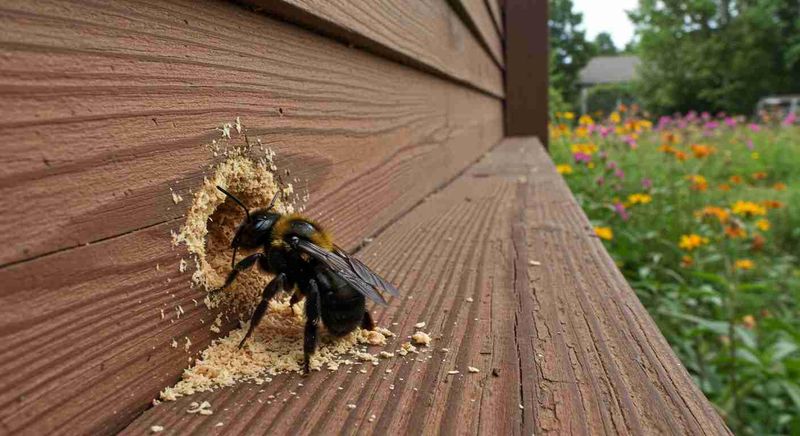
A lot of North Carolina homeowners reach for wood stain when they want to protect their outdoor lumber, and while stain looks great, it does not offer the same level of defense against carpenter bees that paint or varnish does.
NC State University Extension recommends using paint or varnish on exposed wood surfaces specifically because these finishes create a harder, more sealed surface.
Stain soaks into the wood but leaves the grain open and accessible, which bees can still bore through with relative ease.
Solid exterior paint forms a physical barrier that makes wood less appealing and more difficult for carpenter bees to work with. Varnish works similarly, creating a tough outer coating that deters nesting.
The key is keeping that coating in good condition, because cracked, bubbling, or peeling finishes lose their protective value quickly. Once the bare wood underneath is exposed again, bees will find it.
Before each spring season, inspect all painted and varnished surfaces around your home for signs of wear.
Focus on areas that take the most sun and moisture exposure, such as south-facing boards, the undersides of eaves, and railings that stay wet after rain.
Touch up or fully repaint any sections showing peeling or cracking before carpenter bee season ramps up.
Staying ahead of finish wear is one of the simplest and most cost-effective ways to reduce repeat damage to your home’s wood year after year.
4. It Means Prevention Started Too Late
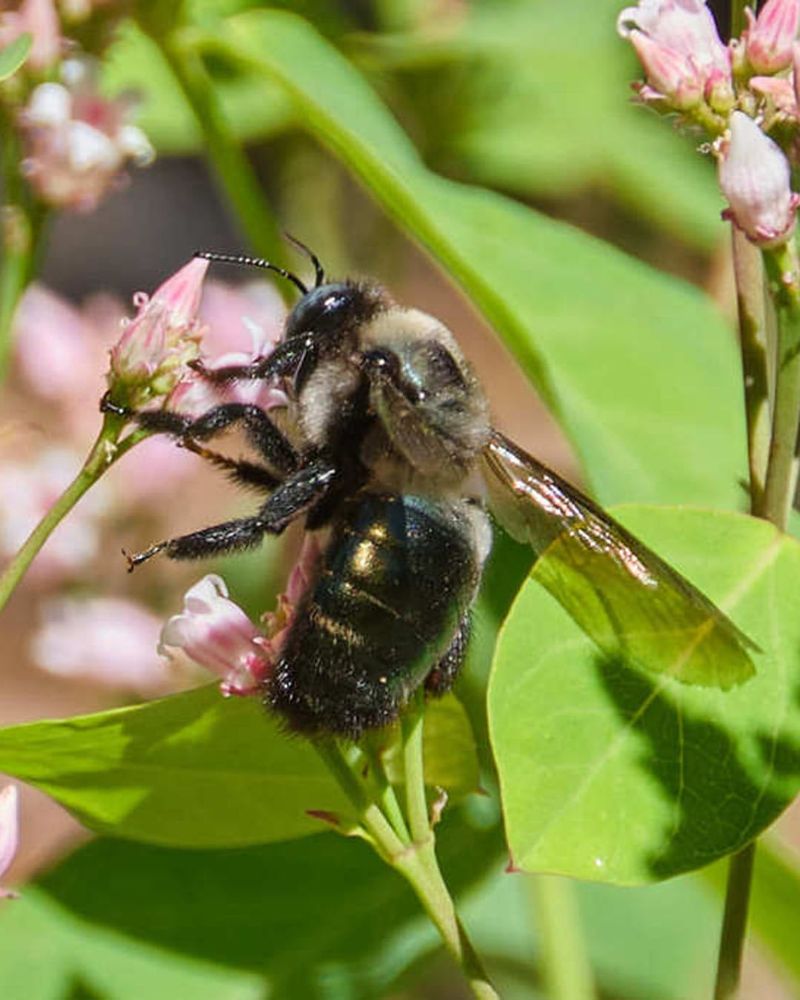
Timing matters a lot when it comes to keeping carpenter bees from setting up shop around your home. By the time you notice bees actively buzzing around your porch beams or drilling into your fascia boards, nesting is already underway.
Prevention works best when it happens before that activity begins, which in North Carolina typically means taking action in late winter or very early spring before temperatures consistently warm up.
A thorough inspection before the season starts can make a real difference.
Walk the entire perimeter of your home and look for old holes from previous seasons, cracked or peeling paint, soft or spongy wood, sawdust piles below boards, yellow staining on wood surfaces, and any gaps or unsealed areas in trim or siding.
All of these are signals that a board is vulnerable and likely to attract nesting activity once warm weather arrives.
Addressing these problem spots early gives you a window to repair, repaint, and seal before bees become active.
Filling old holes with wood putty or caulk, touching up worn paint, and replacing any boards that have gone soft are all tasks that are much easier to complete before spring is in full swing.
Many homeowners find that a consistent early-season routine dramatically reduces how much activity they see later in the summer.
Starting even a few weeks earlier than you think you need to can genuinely change your results from one year to the next.
5. It Means The Holes Were Not Fully Sealed
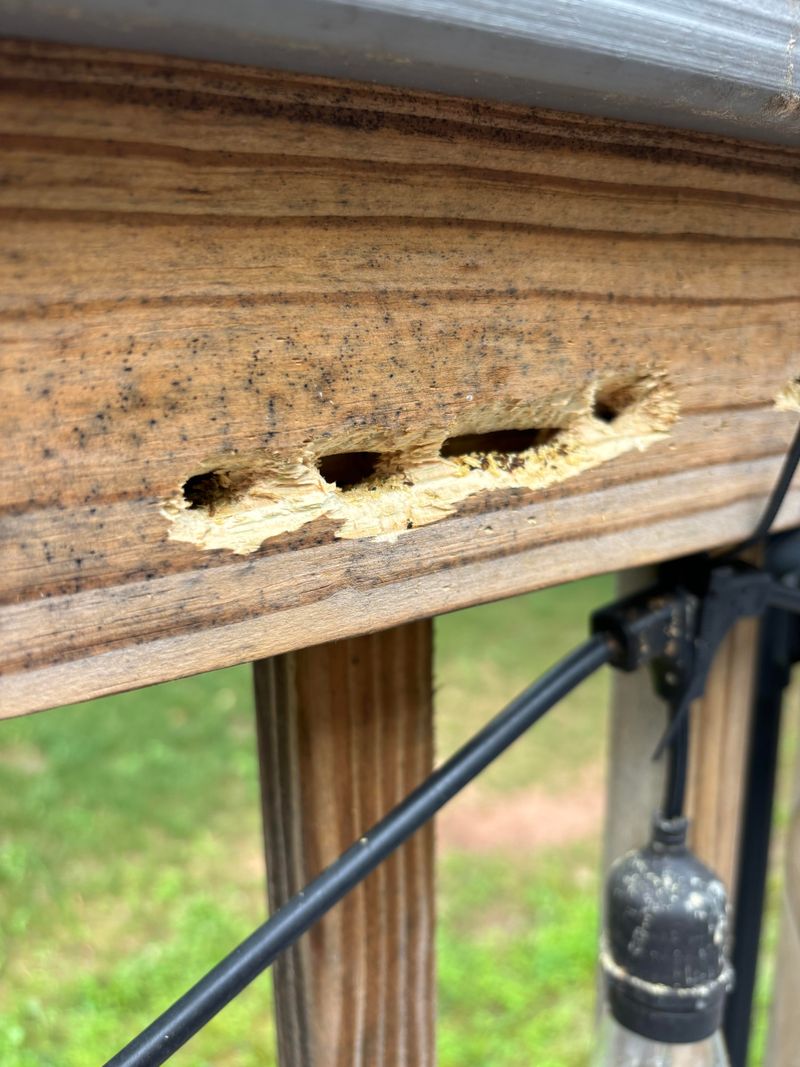
Leaving carpenter bee holes open after a season ends is one of the most common reasons the problem keeps growing.
An unsealed hole is an easy entry point for the next bee looking for a ready-made tunnel, and it also allows moisture into the wood, which speeds up deterioration and can attract other insects over time.
Proper sealing is a step many homeowners skip simply because the holes look small and harmless once the bees are gone.
Before sealing any holes, it is important to make sure the tunnels are no longer active. Sealing an occupied tunnel traps the occupant inside and can cause additional damage as it tries to exit.
If you are unsure whether a hole is still in use, or if holes are numerous, high up, or difficult to reach safely, calling a qualified pest management professional or your local NC Cooperative Extension office is a smart move.
They can help you assess the situation and advise on the right next steps.
Once the tunnels are confirmed clear, filling them with wood putty, exterior caulk, a wooden dowel, or another appropriate repair material helps close off the entry point and restore the surface.
After filling, sanding the area smooth and painting over it completes the repair and makes the board look and perform like new again.
Doing this consistently at the end of each season can significantly slow down the cycle of repeat damage that causes so many North Carolina homeowners frustration every summer.
6. It Means Woodpeckers May Be Making The Problem Look Worse
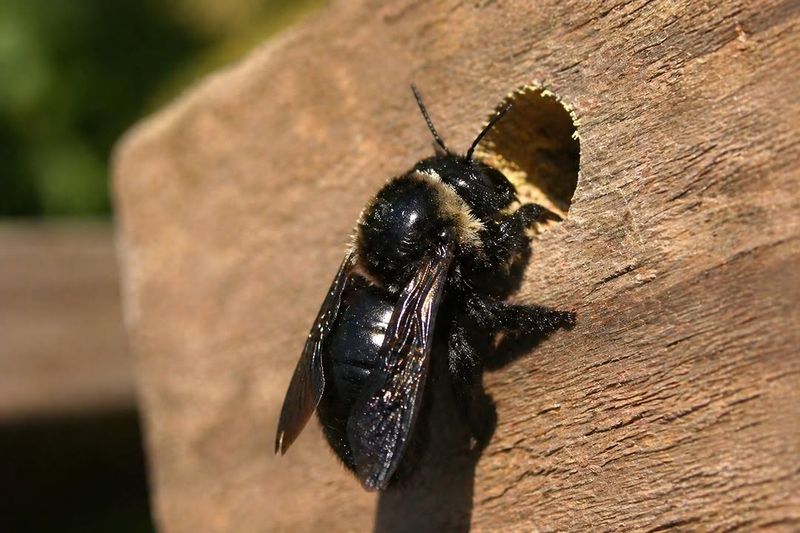
Sometimes the damage that catches your eye is not entirely the work of carpenter bees. Woodpeckers are natural predators of wood-boring insect larvae, and they have a sharp ability to detect where larvae are hiding inside a board.
When carpenter bee tunnels are present in your wood, woodpeckers may investigate by hammering at the surface around and beyond the original round holes.
The result can be large, rough, irregular patches of damage that look far more alarming than a few small circular openings.
This combination of carpenter bee activity and woodpecker foraging is actually a pretty common scenario around North Carolina homes, especially in areas near wooded lots or established trees.
Homeowners often mistake the larger, jagged damage for something more serious when in reality the root cause is still the original bee tunnels attracting bird attention.
Understanding this connection helps you address the real source of the problem rather than just reacting to the visible surface damage.
Reducing carpenter bee activity in your wood is the most effective way to also reduce the reason woodpeckers are investigating that area. When tunnels are sealed and wood surfaces are properly protected, birds have less reason to return.
Repairing damaged areas promptly also removes the visual and structural cues that attract both bees and birds back to the same spots.
Tackling the bee problem directly is the key to breaking the cycle that leaves your boards looking increasingly rough with each passing summer.
7. It Means Softwood Trim Needs Extra Attention
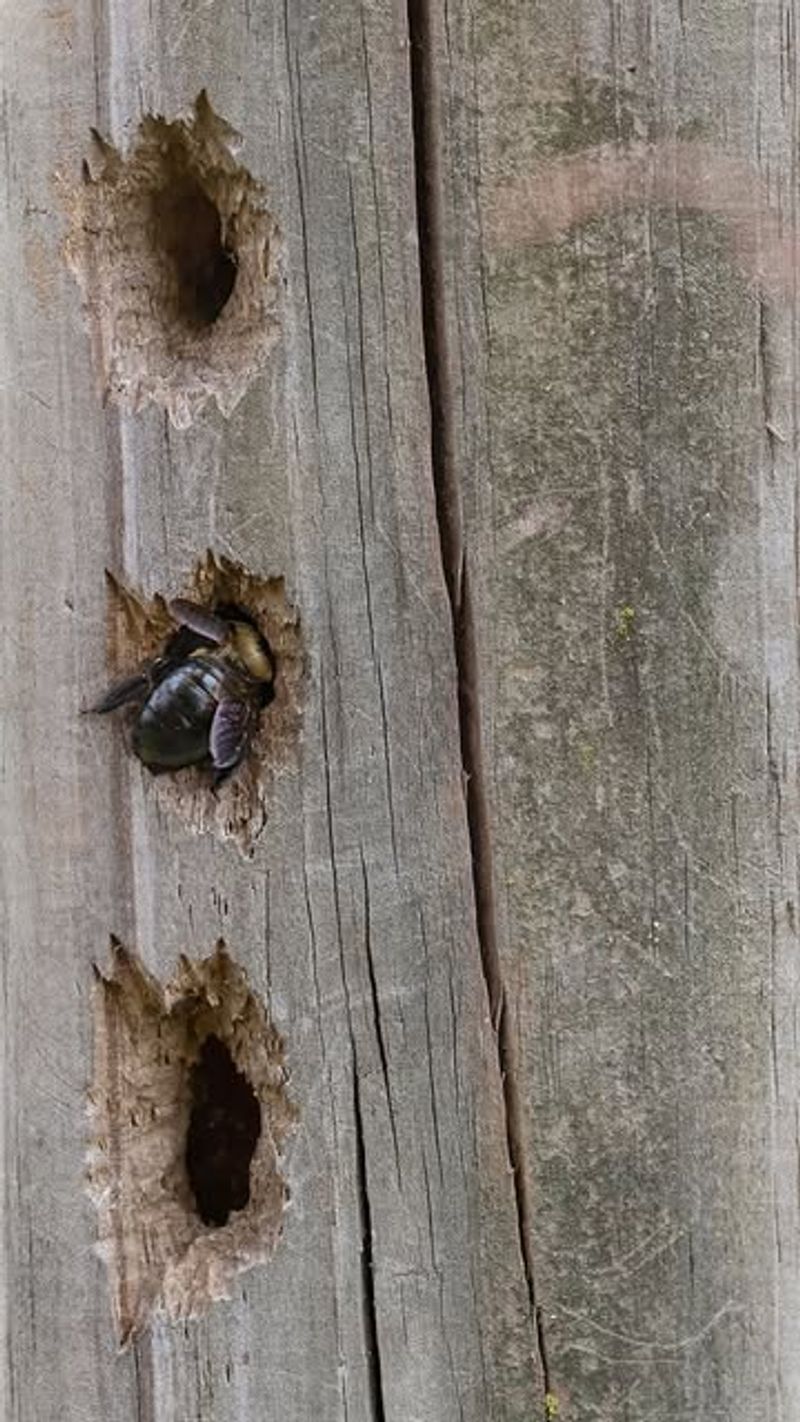
Not all wood is equally appealing to carpenter bees, and softwoods tend to top the list of favorites.
Cedar, cypress, and pine are commonly used in North Carolina homes for porch trim, railings, fascia boards, siding, eaves, and outdoor furniture, and all of these materials are easier for bees to bore into than harder wood species.
If these softer surfaces around your home are left unprotected, they will almost certainly see repeat activity year after year.
Weather exposure adds another layer of vulnerability. Boards that face direct sun, get regular rain, or sit in humid spots tend to soften and gray out faster than sheltered wood.
Once the surface starts to show that kind of wear, it becomes even more attractive to carpenter bees looking for a soft spot to start a tunnel.
Eaves, the undersides of deck boards, and the tops of fence rails are common spots where this kind of wear happens first and fastest.
Inspecting these areas regularly and keeping them well painted or sealed is the most straightforward protective strategy.
When a board has deteriorated to the point where it is soft, spongy, or deeply cracked, replacing it entirely is often the better choice rather than trying to patch it.
In areas of your home that see repeated problems season after season, considering composite or other non-wood materials for replacement can be a practical long-term solution worth exploring with a contractor or your local home improvement center.
8. It Means The Home Needs A Better Long-Term Plan
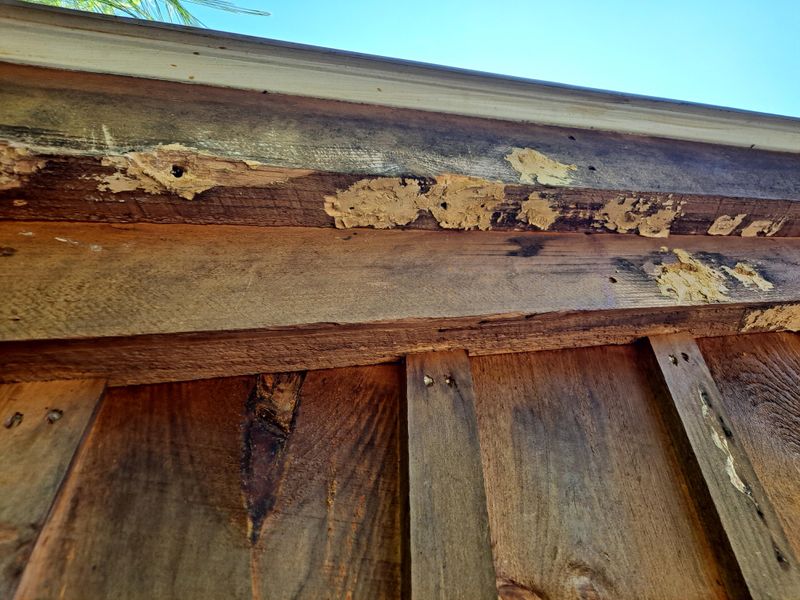
When carpenter bee damage keeps getting worse every summer, a one-time patch job is not going to cut it.
What the pattern is really telling you is that your home needs a consistent, year-round prevention routine rather than a reactive scramble once you spot the bees.
Building that routine does not have to be complicated, but it does need to happen on a regular schedule to actually work.
Annual spring inspections are the foundation of a solid plan. Before warm weather fully arrives, walk your entire property and check every wooden surface for old holes, cracked finishes, soft boards, and any unsealed gaps.
Repaint or varnish exposed wood, fill confirmed inactive holes with wood putty or caulk, and replace boards that have deteriorated beyond a simple repair.
In areas that seem to attract activity every single year without fail, switching to composite, vinyl, or other non-wood materials when replacing trim or railings can remove the target entirely.
For holes that are numerous, high off the ground, actively in use, or simply too difficult to reach safely on your own, calling a qualified pest management professional is absolutely the right call.
They have the tools and training to handle complex situations safely and effectively. Your local NC Cooperative Extension office is also a great free resource for advice specific to your region and situation.
A well-maintained home with a clear seasonal plan is the most reliable way to keep carpenter bee damage from becoming a bigger problem each year.