These Are The Signs Your North Carolina Garden Soil Needs Help Before Summer Heat Arrives
North Carolina summers arrive fast and push hard. Soil that performed well through spring can turn against you once temperatures climb, and by the time plants begin showing real stress the window to fix things has mostly closed.
The good news is that soil tends to signal trouble before that point arrives. Water pooling in spots that drained fine last year, plants that look fertilized but act starved, ground that crusts over after a decent rain.
None of that is random. These patterns show up in late spring for a reason, and reading them correctly before the heat locks in is the difference between a garden that pushes through the summer and one that simply endures it while you watch and hope.
1. Water Runs Off Instead Of Soaking Into The Soil
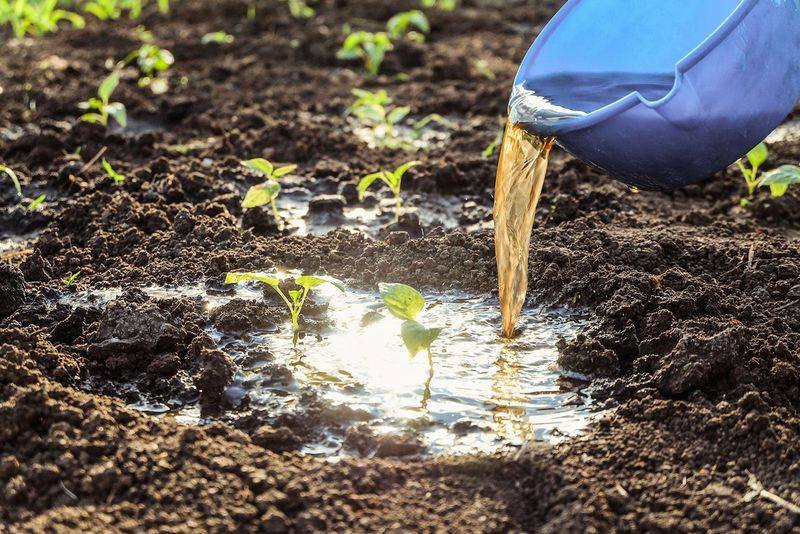
Picture pouring a full watering can over your garden bed and watching most of it slide right off the surface like water on a waxed car hood. That is not normal, and it is one of the clearest signals your soil is in trouble before summer heat even begins.
Compacted clay soil, a crusty dried surface, and low organic matter are usually the main reasons water refuses to soak in properly.
North Carolina gardens deal with a lot of heavy clay, especially in the Piedmont region. When clay gets packed down from foot traffic or repeated tilling, it forms an almost impermeable layer that sheds moisture instead of holding it.
The roots below end up thirsty even after you water, which puts plants under serious stress once July temperatures hit.
Improving this starts with adding compost generously, at least two to three inches worked into the top layer of soil. Compost opens up tight soil particles, creates space for air and water movement, and feeds the microbes that keep soil structure healthy over time.
Mulching over your beds also helps slow surface evaporation and gradually builds organic matter as it breaks down. Reduce tilling as much as possible going forward, since heavy tilling destroys the natural channels earthworms and roots create.
Consistent organic matter additions over a season or two can completely transform how your soil absorbs and holds water.
2. Plants Wilt Quickly Even When The Soil Seems Damp
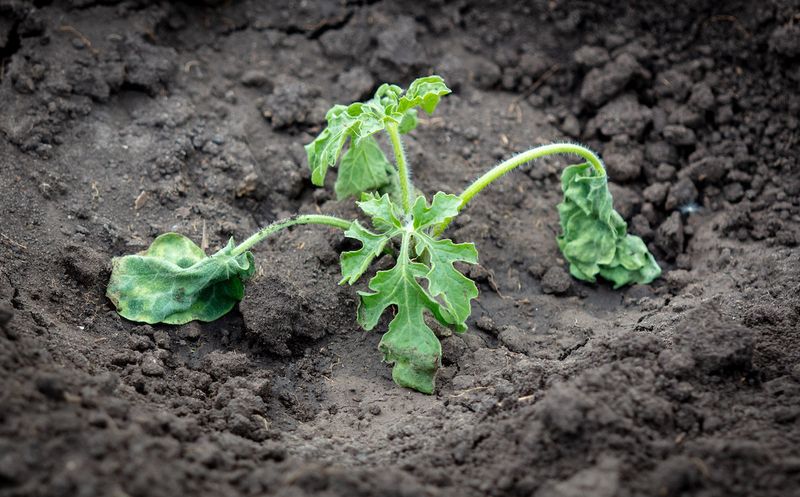
Wilting plants on a warm afternoon make sense, but plants that stay droopy even in the morning when the soil feels wet? That is a red flag worth taking seriously.
Surprisingly, soggy or poorly drained soil can cause the same wilting symptoms as drought, because roots need oxygen just as much as they need water to function correctly.
When soil stays waterlogged for too long, oxygen gets pushed out of the pore spaces between soil particles. Roots sitting in oxygen-starved conditions cannot transport water and nutrients efficiently, even if moisture surrounds them.
The plant signals distress through wilting, and many gardeners respond by watering more, which actually makes the problem worse. This cycle is especially common in North Carolina gardens with dense clay layers that trap moisture just below the surface.
Your North Carolina Garden Changes Every Week. Your Plan Should Too.
Gardening in North Carolina changes quickly throughout the season. Every Friday you’ll receive a simple weekly plan showing exactly what to plant, prune, fertilize, harvest, and protect so you never miss the right timing.
Fixing this kind of problem involves improving drainage rather than adjusting watering habits. Adding coarse compost or aged wood chips to heavy soil helps open it up over time.
If your garden sits in a low spot, consider building slightly raised rows or mounded planting areas to lift roots above the saturation zone.
Reducing how often you water while increasing how deeply you water encourages roots to grow downward into better-drained soil.
A simple soil drainage test, pouring water into a dug hole and timing how fast it drains, tells you quickly how serious the drainage problem actually is before summer arrives.
3. The Soil Cracks Hard During Warm Dry Weather
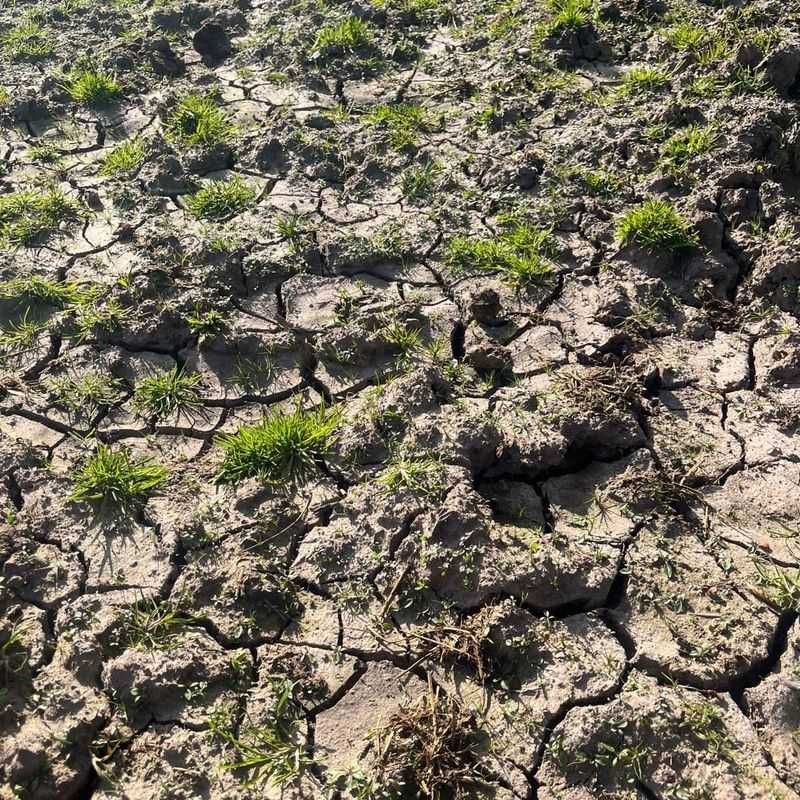
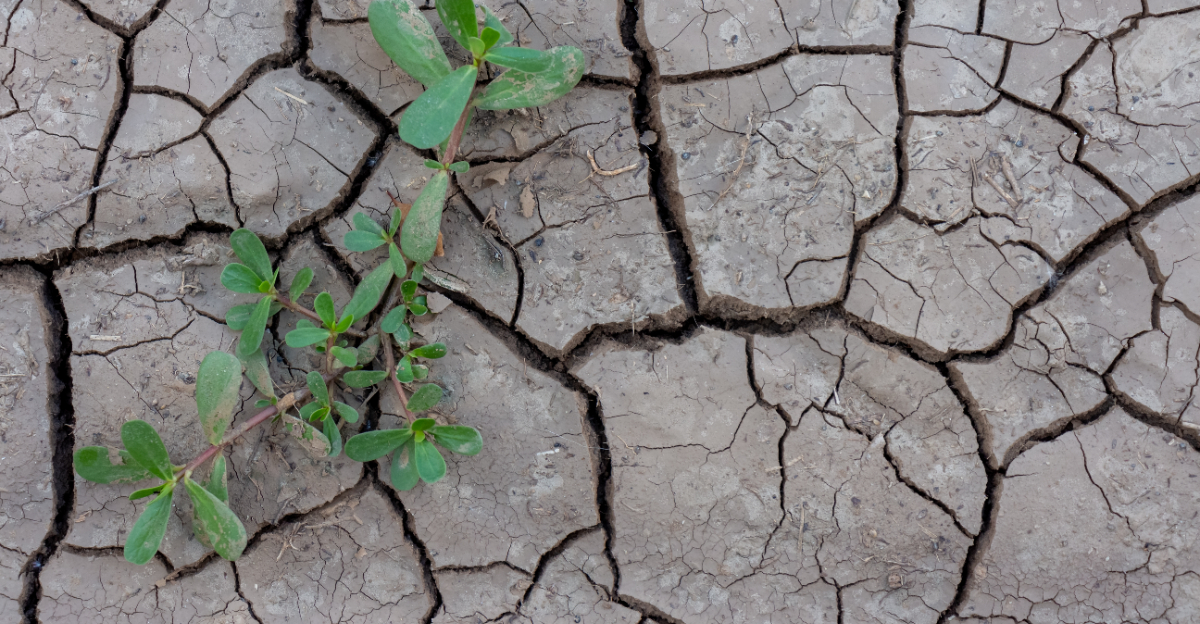
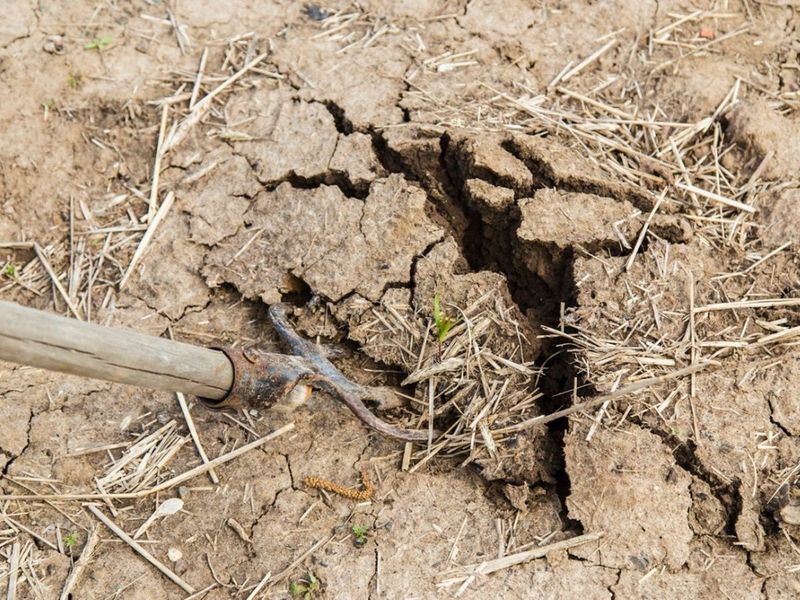
Few sights are more discouraging in the garden than staring at a patchwork of deep cracks running across your planting beds. It looks like something out of a drought documentary, but in North Carolina, this can happen even in late spring before summer officially starts.
Clay-heavy soil shrinks noticeably as it dries, pulling apart and forming those characteristic cracks that signal serious structural problems below.
When soil cracks like this, plant roots get exposed to air pockets that dry them out rapidly. The cracking and shifting also physically tears fine feeder roots, which are the tiny roots responsible for most nutrient and water uptake.
Once summer heat intensifies, cracked soil bakes even harder and becomes nearly impossible to rehydrate evenly, leaving plants struggling no matter how much you water.
Organic matter is the most powerful tool for preventing and reversing this problem. Compost acts like a sponge mixed into clay, helping it hold moisture more evenly and reducing the dramatic shrink-and-swell cycle.
Spreading two to four inches of mulch, like shredded leaves, straw, or wood chips, over your beds keeps moisture from evaporating quickly and insulates the surface from temperature swings.
Over multiple seasons, consistent organic matter additions genuinely change the texture and behavior of clay soil.
Starting now, before the hottest months arrive, gives your improvements time to take hold and protect your plants through the long North Carolina summer ahead.
4. Vegetable Plants Stay Small And Pale Despite Warm Weather
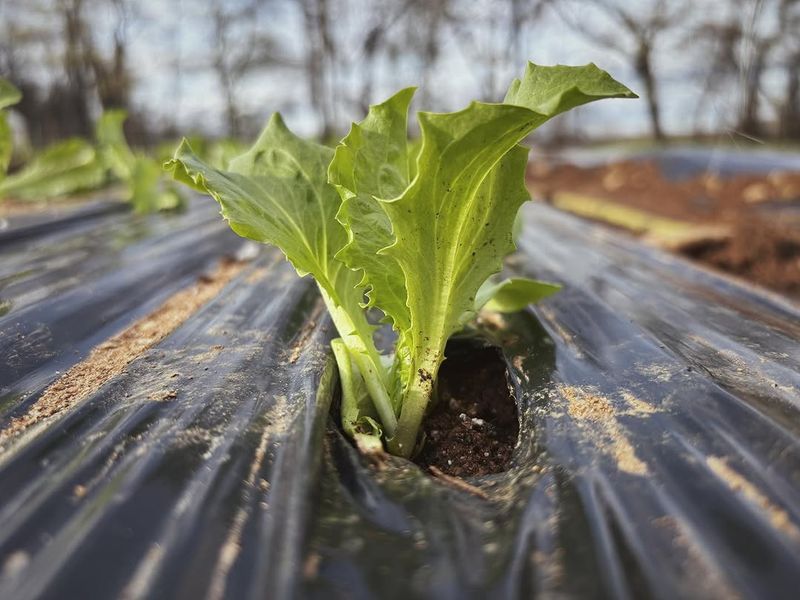
Warm weather, longer days, and regular watering should mean your vegetable plants are taking off by now. When they just sit there looking small, pale, and unimpressive, the soil is almost certainly the reason.
Nutrient depletion, compaction, poor drainage, and low organic matter can all work together to limit root development at the exact moment plants need to build momentum before summer stress increases.
Pale leaves often point to nitrogen deficiency, which is one of the most common issues in gardens that have not received fresh compost or fertilizer in a while.
Nitrogen moves through soil quickly, especially in North Carolina’s rainy spring season, so it needs regular replenishment.
Compacted soil adds another layer of difficulty because roots physically cannot spread far enough to gather the nutrients that are available, even when they exist in the surrounding soil.
Getting a soil test through North Carolina State University’s extension service is one of the smartest moves a gardener can make. The test tells you exactly which nutrients are missing and recommends specific amendments at the right rates.
Mixing in a balanced vegetable garden fertilizer alongside generous compost gives plants an immediate boost while building long-term soil fertility. Loosening compacted areas with a garden fork before planting allows roots to spread freely.
Pale, slow plants respond quickly when soil conditions improve, often showing visible green-up and new growth within a week or two of proper soil treatment and feeding.
5. Earthworms Are Hard To Find In The Garden
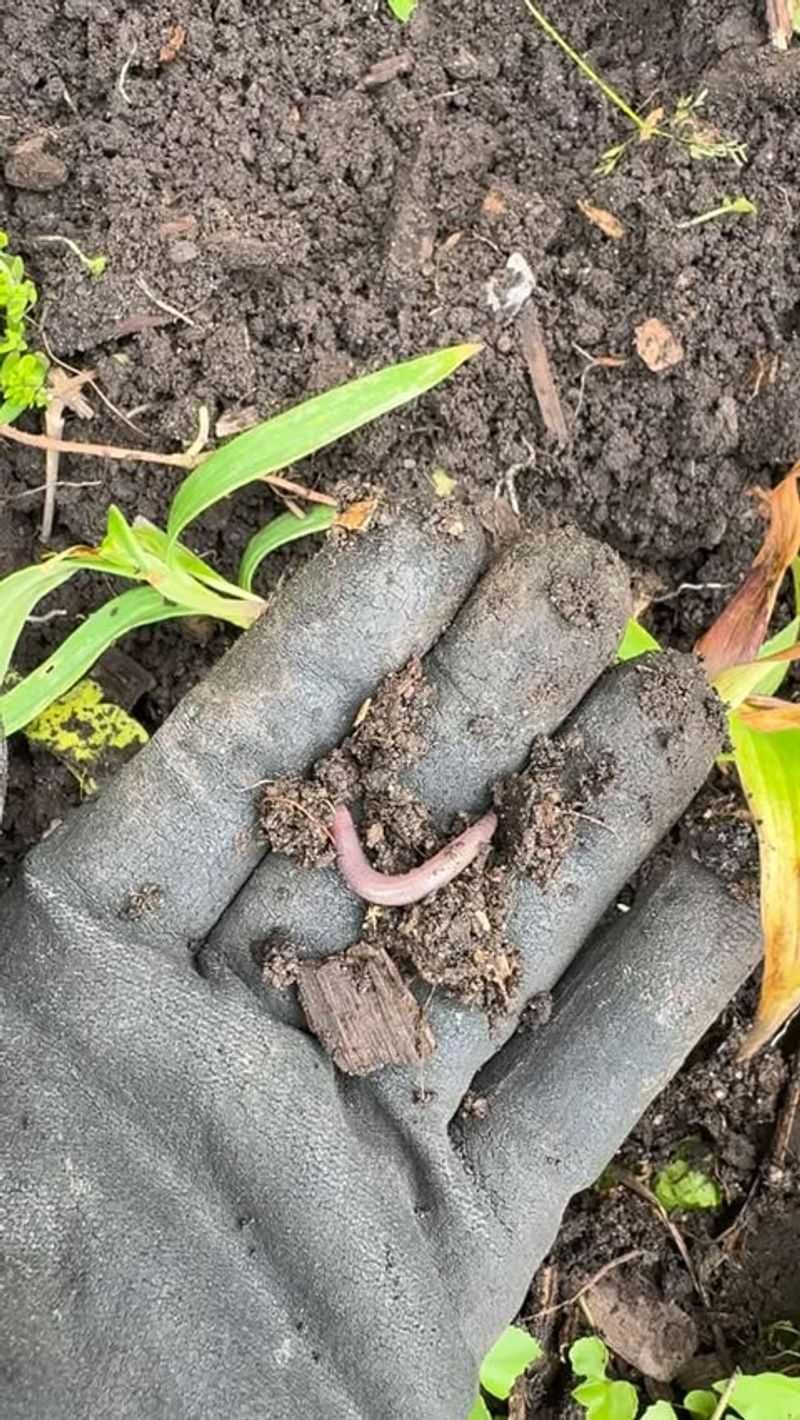
Healthy soil is alive, and earthworms are one of the most visible signs of that life. Flip over a shovelful of thriving garden soil and you should see several wriggling through the dark, rich earth almost immediately.
Finding none, or just one or two, after digging through a good-sized area is a quiet but telling sign that your soil biology is struggling well before summer arrives.
Earthworms do remarkable work beneath the surface. Their tunnels aerate the soil naturally, improve drainage, and create pathways for roots to follow.
Their castings, the material they leave behind, are packed with plant-available nutrients and beneficial microbes. When worm populations drop, all of those services decline with them.
Compacted soil, low organic matter, excessive chemical fertilizer use, and overly acidic conditions all make soil less hospitable for earthworms and the broader community of beneficial organisms that keep it healthy.
Bringing worm activity back starts with feeding the soil what it needs. Compost is the single best addition you can make, since it provides food and habitat for earthworms and microbes alike.
Spreading a thick layer of organic mulch on the surface keeps moisture stable and temperature moderated, which earthworms prefer. Avoiding unnecessary tilling preserves the tunnels and habitat structures worms depend on.
Reducing synthetic chemical inputs and adding organic matter consistently over a growing season can noticeably increase worm populations, and that biological recovery has a ripple effect on every aspect of your soil’s health and productivity.
6. Water Pools Around Plants After Heavy Rain
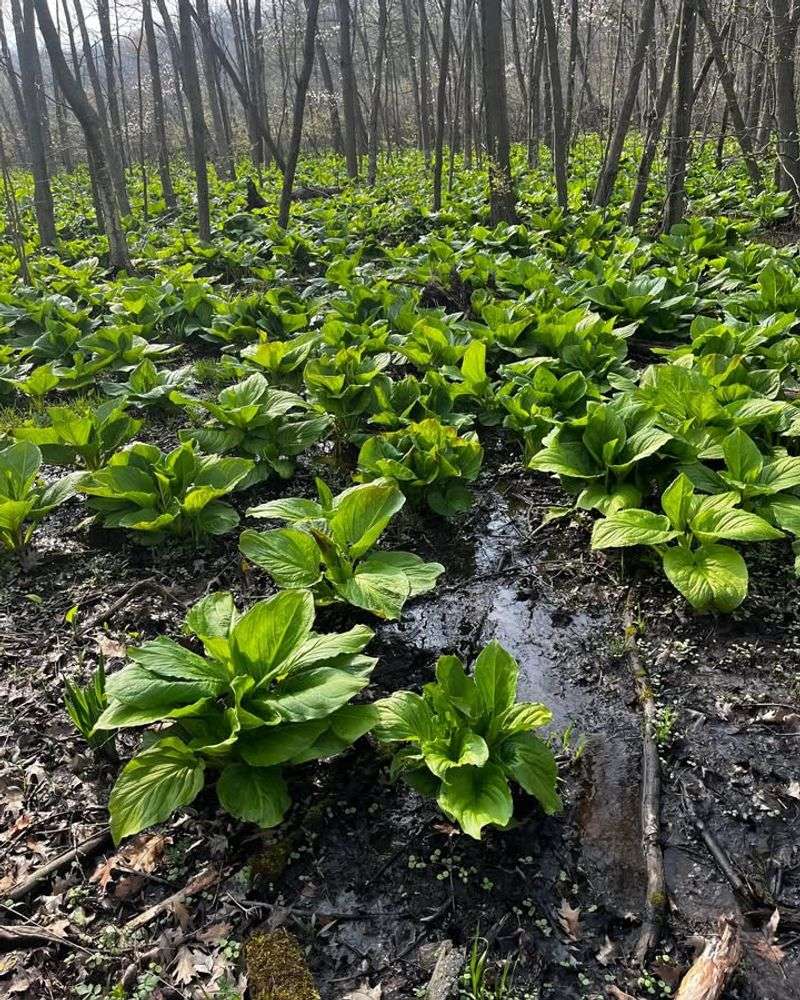
After a good rainstorm, you expect the garden to look refreshed, not flooded. When water sits in puddles around your plants for hours or even days after rain, that is a serious drainage problem that needs attention before summer thunderstorms make it worse.
North Carolina gets plenty of intense rainfall in spring and early summer, and poorly drained soil turns every storm into a threat for plant roots.
Standing water pushes oxygen out of the soil, and roots deprived of oxygen weaken quickly. Prolonged soggy conditions also create the perfect environment for fungal root diseases like Phytophthora and Pythium, which spread fast in warm, wet soil.
Once summer heat arrives and soil temperatures rise, these diseases become even more aggressive and harder to manage. Plants weakened by poor drainage are also far less able to handle the heat stress that North Carolina summers reliably deliver.
There are several realistic ways to address this problem before conditions worsen. Raised beds are the most effective long-term solution for low-lying or poorly drained areas, lifting roots above the saturation zone entirely.
For in-ground gardens, adding coarse organic matter like aged wood chips or compost helps break up clay and improve drainage over time. Creating shallow channels or swales to redirect water away from planting areas reduces pooling during heavy rains.
Choosing raised rows for vegetable planting rather than flat beds also makes a meaningful difference in how quickly water drains away from root zones after storms.
7. Soil Feels Hard And Difficult To Dig
Trying to push a shovel into concrete-hard garden soil is one of the most frustrating experiences a gardener faces.
When the ground resists a garden fork even after recent rain, compaction has likely built up over time from foot traffic, repeated tilling, or simply the natural behavior of heavy clay soil.
Compacted soil is one of the most common problems in North Carolina home gardens, and it gets worse with each passing season if nothing is done to address it.
Roots need loose, open soil to spread, breathe, and access nutrients. Dense compacted soil forces roots to stay shallow and clustered, which makes plants far more vulnerable to heat stress and drought.
Shallow-rooted plants can barely tolerate a single dry week in summer, let alone the extended hot stretches that hit North Carolina from June through August.
Compaction also reduces water infiltration, so even when you water generously, moisture struggles to reach the deeper root zone where plants need it most.
Broadforking, which uses a wide multi-tined fork to loosen soil without fully inverting it, is one of the best tools for breaking up compaction while preserving soil structure.
Working compost into the top several inches improves texture and biological activity, which naturally loosens soil over time.
Laying permanent pathways between beds keeps foot traffic off planting areas going forward. Mulching generously prevents surface crusting between waterings.
Avoiding working soil when it is wet also protects structure and prevents the compaction cycle from restarting each spring season.
8. The Soil Turns Dusty And Dry Almost Immediately After Watering
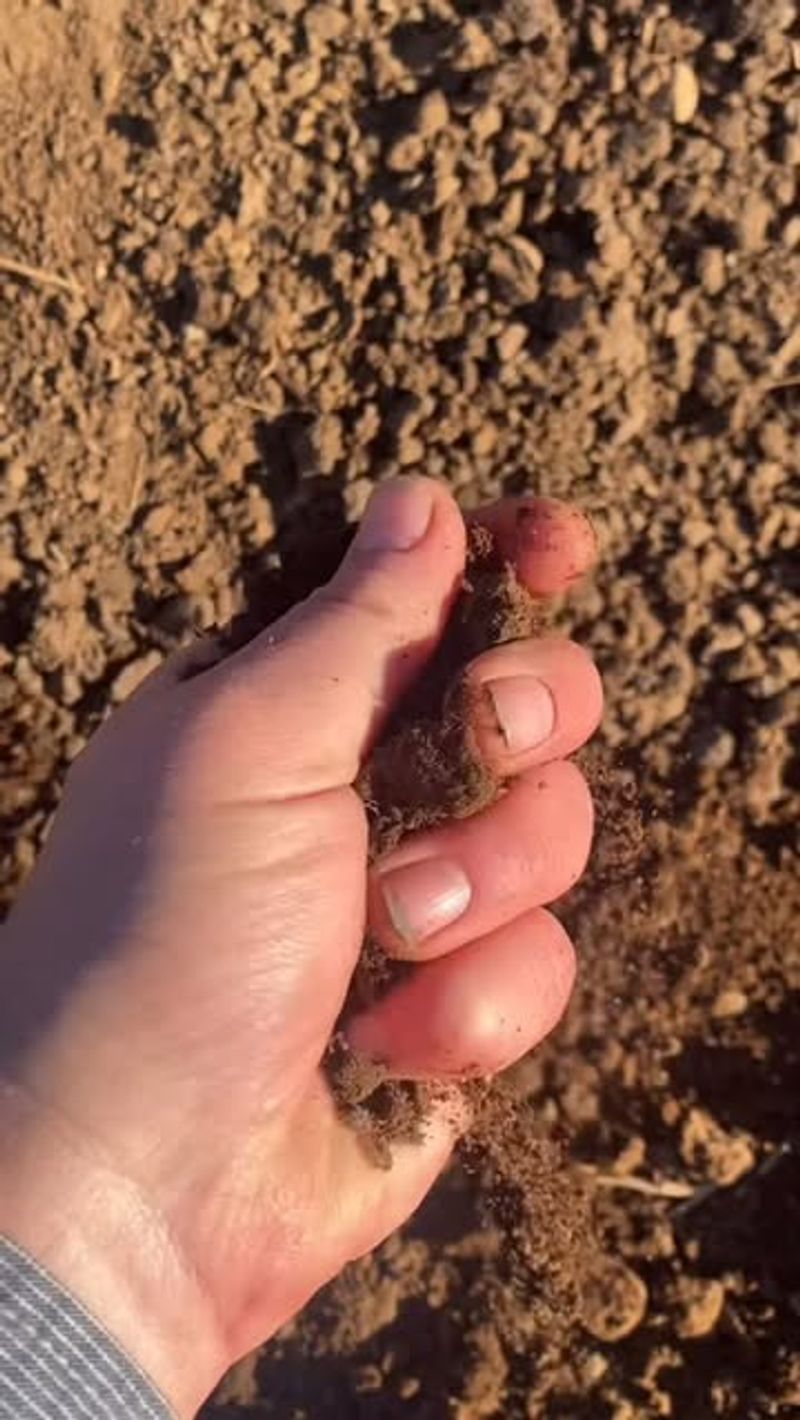
Watering your garden and watching the soil surface turn dry and dusty within an hour is a genuinely disheartening experience. Sandy or depleted soil with very little organic matter simply cannot hold moisture long enough for roots to absorb what they need.
In North Carolina, where summer heat can push temperatures above 95 degrees for days at a time, soil that loses moisture this fast puts plants under extreme stress very quickly.
Organic matter acts like a moisture sponge within the soil. It absorbs water during irrigation or rain and releases it slowly to plant roots over time.
When organic matter levels drop below about two percent, soil loses that buffering ability and moisture either drains straight through sandy soil or evaporates almost immediately from the surface.
The result is a frustrating cycle where you water frequently but plants still look stressed and thirsty throughout the hottest parts of the day.
Building organic matter back up is the most important fix for this problem. Adding three to four inches of compost and working it in thoroughly makes an immediate difference in how the soil feels and functions.
Covering beds with a thick layer of straw or shredded leaf mulch slows surface evaporation dramatically. Planting cover crops like cowpeas or buckwheat in empty beds adds organic matter as they grow and break down.
Adjusting your watering to slow, deep sessions rather than frequent shallow sprinkles also helps moisture penetrate and stay where roots can reach it throughout the season.