How Often California Gardeners Should Water New Plants In Their First Year
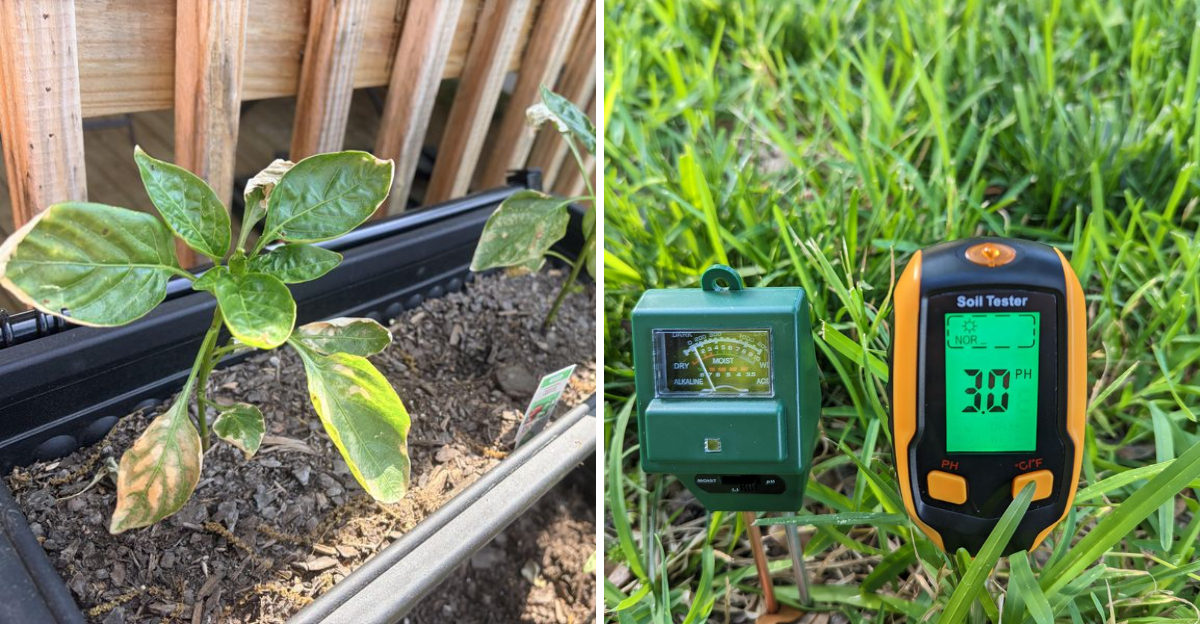
New plants in California can look fine right up until they do not.
One week the leaves stand tall. The next, the same shrub looks dramatic enough to ask for a drama couch.
The hard part is that both too little water and too much water can act guilty. Hot afternoons, dry wind, clay soil, sandy soil, tiny roots, surprise rain, and one stubborn drip timer all join the case.
So how often should you water in that first year? The answer is less about a perfect calendar and more about what the roots can reach.
A new plant is basically on a small root budget. It needs help close to home before it can search deeper.
That help changes with time, weather, soil, and plant type. The trick is to know when to baby it and when to back off.
Ready to stop the guesswork and read the soil like it owes you money? Your hose is not the boss, the root zone gets the final vote each time.
1. Water One Or Two Times Weekly At First
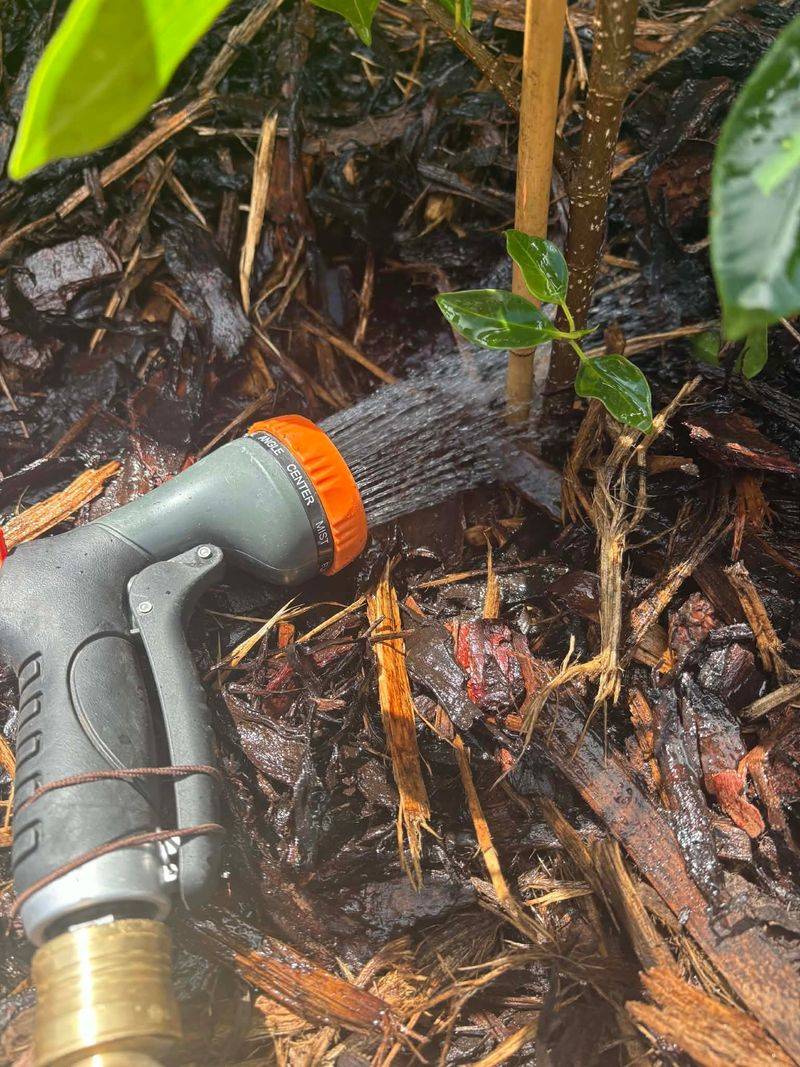
The first few weeks are not the time to test toughness. A new shrub or perennial may look settled from above, but the roots are still close to the original root ball. That small zone dries fast in California sun.
Start with one or two deep drinks per week after you plant, especially with no rain in the forecast. The goal is steady moisture near the root ball, not a daily swamp party.
Roots need water, but they also need air. Soggy soil can make a plant struggle just as fast as dry soil.
Early-day water works best. The soil gets a full drink before heat builds, and any splashed leaves have time to dry. This also cuts waste from fast evaporation. Your hose gets more credit, and your plant gets more actual moisture.
Set a phone reminder for the first month. New plants are easy to forget once the nursery-fresh look fades. One missed week in a dry inland garden can set them back. On the coast, the same plant may dry more slowly, so let the soil guide you.
A good soak should wet the root zone, then allow partial dry-down before the next round. New plants do not need constant fuss. They need a reliable rhythm while their roots learn the neighborhood.
2. Keep The Root Ball Moist Not Soggy
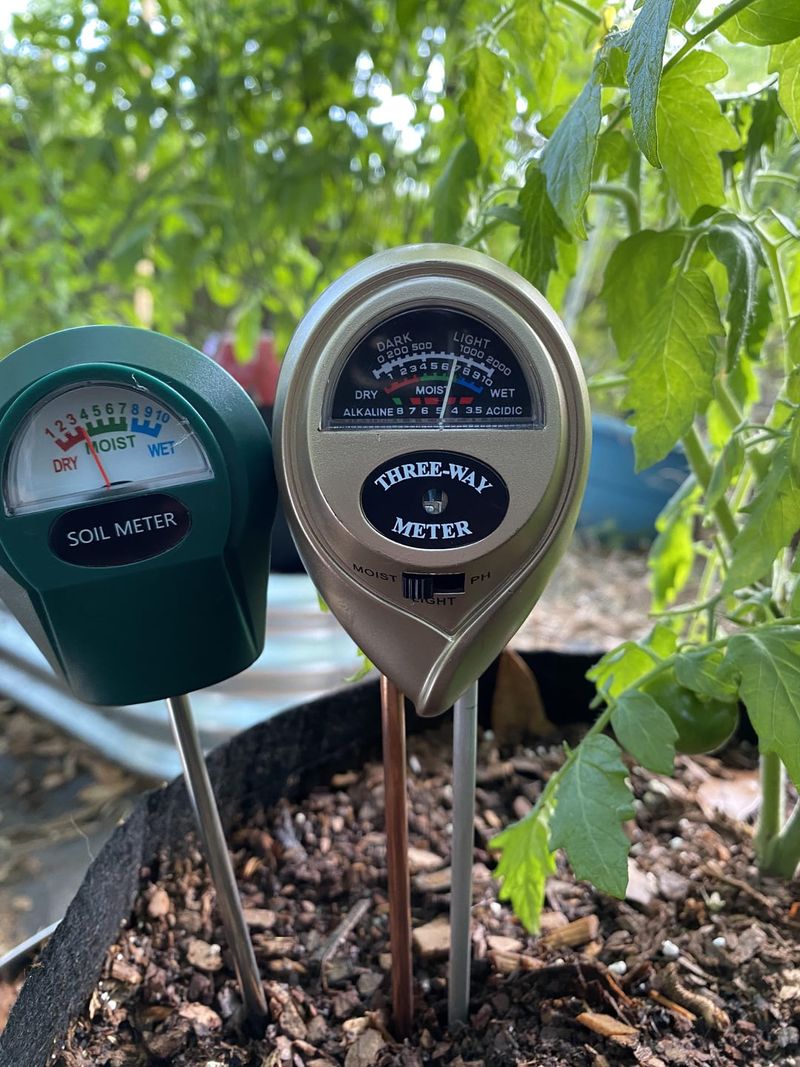
Your finger is a better judge than the timer. Push it about two inches into the soil near the base of the new plant. Dry at that depth means water. Damp and cool means the plant can wait another day.
Check near the root ball, not far out in the bed. Nursery soil often has a different texture from the native soil around it.
That means the original root ball can dry faster, even while nearby ground still feels moist. Sneaky? Very. Plants love a plot twist.
The aim is moist, not soggy. Roots need oxygen as much as they need water. Constant saturation pushes air out of the soil and can lead to soft stems, yellow leaves, or a sour smell near the base.
Your California Garden Changes Every Week. Your Plan Should Too.
Gardening in California changes quickly throughout the season. Every Friday you’ll receive a simple weekly plan showing exactly what to plant, prune, fertilize, harvest, and protect so you never miss the right timing.
That is the garden’s message: the roots are not happy.
Mulch helps stretch moisture between drinks. Add two to three inches of wood chips or similar organic mulch around the plant. Keep it a few inches away from the stem or trunk so the crown can stay drier.
This little soil check takes seconds, but it beats a blind schedule. New plants do not care what day your calendar says.
They care what the root ball feels like. Touch the soil, trust the clue, and avoid both drought drama and swamp drama.
3. Switch To Deep Soaks After Three Months
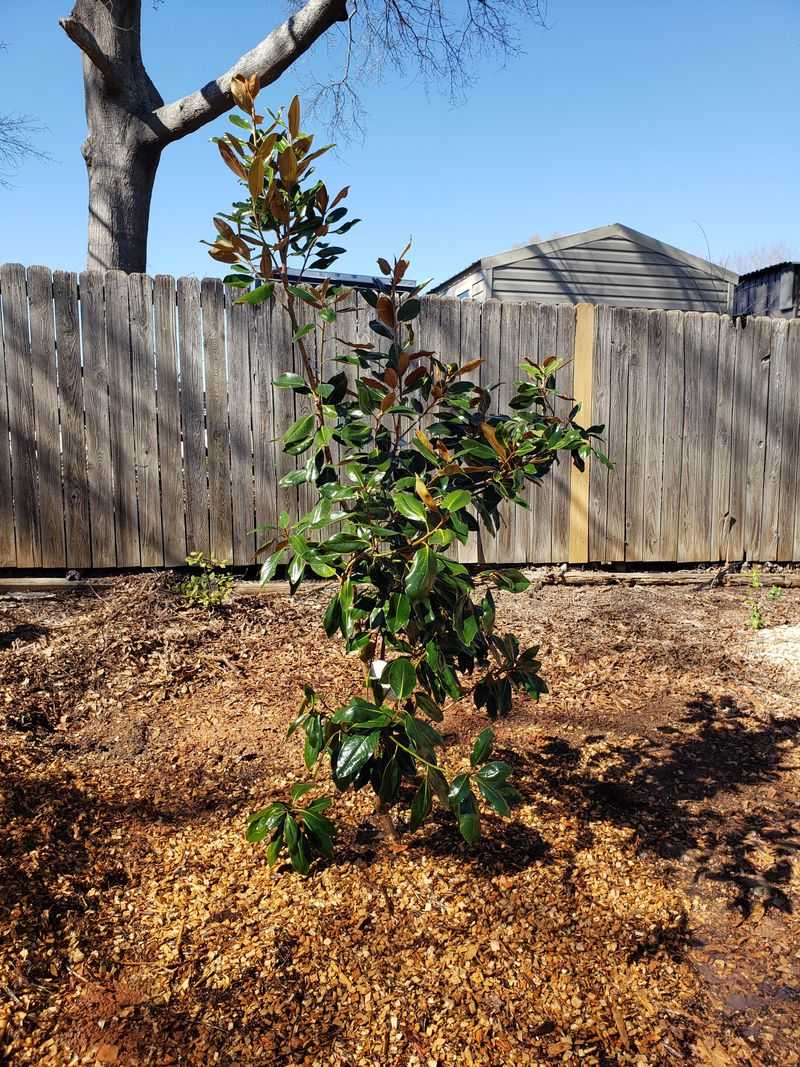
Around month three, the underground story changes. Roots start to move beyond the original nursery ball and explore nearby soil.
That is the right time to shift from frequent light drinks to deeper soaks with more space between them.
Deep water teaches roots to follow moisture down and out. A shallow splash keeps roots near the hot surface, where dry wind and heat can stress them fast.
A deeper soak, about eight to twelve inches into the soil, gives the plant a safer zone to use.
This is where a screwdriver becomes a garden tool with a secret identity. Push it into the soil after a soak. Moist soil lets it slide down with ease. Dry soil stops it after a few inches. That tells you the water did not reach far enough.
Try fewer sessions with more water per session. For example, a plant that had two short drinks each week may shift to one longer soak, based on soil and weather. Drip lines work well because they release water slowly, which reduces runoff.
Do not rush this change on a weak plant. Let leaf color, soil feel, and root-zone moisture guide the pace. The goal is not to spoil the plant. The goal is to train roots to search deeper, where California summer has.
4. Water Every Few Weeks Without Rain
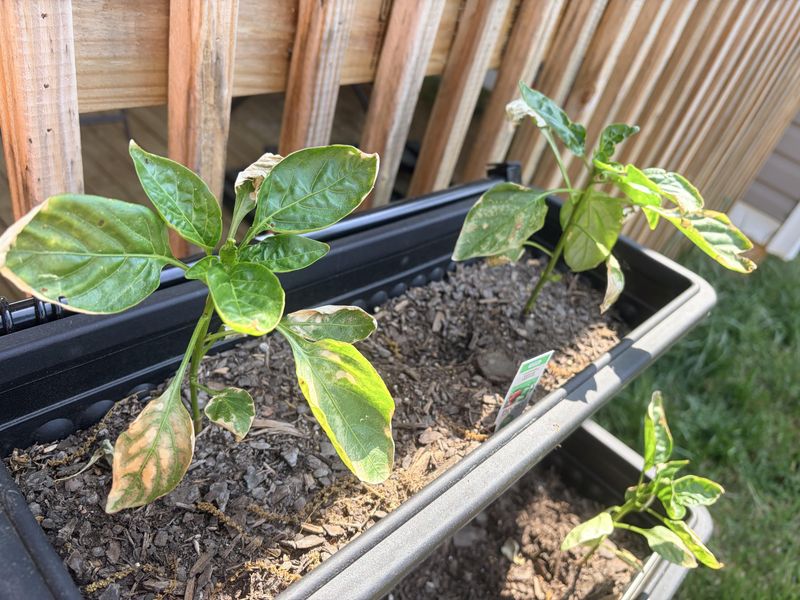
Drought tolerant is not a first-year superpower. California natives and other dry-climate plants still need support while their roots spread. The label sounds tough, but in year one the plant is still new to the yard.
After roughly six months, many natives can handle longer gaps between deep drinks. In a dry stretch with no rain, a soak about every two to three weeks may suit plants such as ceanothus, toyon, or salvia.
That schedule can shift with soil, heat, slope, and plant size.
The trick is to respect the plant’s natural rhythm. Many California natives come from places with dry summers.
Too much water in hot months can stress roots and invite disease. They do not want spa treatment in July. They want a careful drink, then time to dry.
Match the water plan to the plant’s origin. A riparian plant has different needs from a chaparral shrub. A coastal plant may respond differently than one from inland hills. Plant tags can help, but soil checks matter more.
For a first summer, do not assume drought tolerant means no water. Treat it like a future promise. Year one is the practice year. A deep soak every few weeks in a dry spell can keep the plant steady without a native bed soggy buffet.
5. Give Young Trees Weekly Summer Soaks
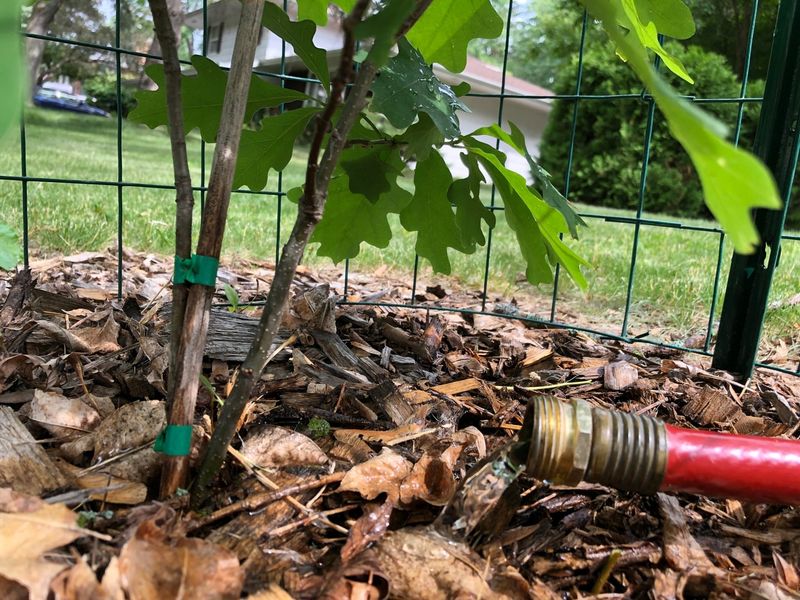
A new tree works on the long game from day one. Above ground, it may look like a skinny trunk with a hopeful canopy. Below ground, it needs time and deep water to build the root system that will carry it through dry years.
Summer is the hard test. Heat, wind, and compact soil can dry the root zone fast. A weekly deep soak often helps young trees in California, especially through the hottest months.
The water should reach well below the surface, about eight to twelve inches deep.
Aim water near the drip line, not tight against the trunk. The drip line is the outer edge of the canopy, where many active roots begin to spread. A moat around the trunk may look helpful, but bark at the base does not want constant wet contact.
A slow hose trickle for thirty to sixty minutes can work for many young trees. A soaker hose loop near the drip line can work even better because the water enters the soil with less runoff. Slow water is dull, and young roots love dull.
As days cool in fall, stretch the gap between deep soaks. Ten to fourteen days may suit many young trees, based on soil and weather.
The goal is steady root support, not a forever weekly habit. Build the roots now, and future shade gets a much better start.
6. Let Winter Rain Handle Some Watering
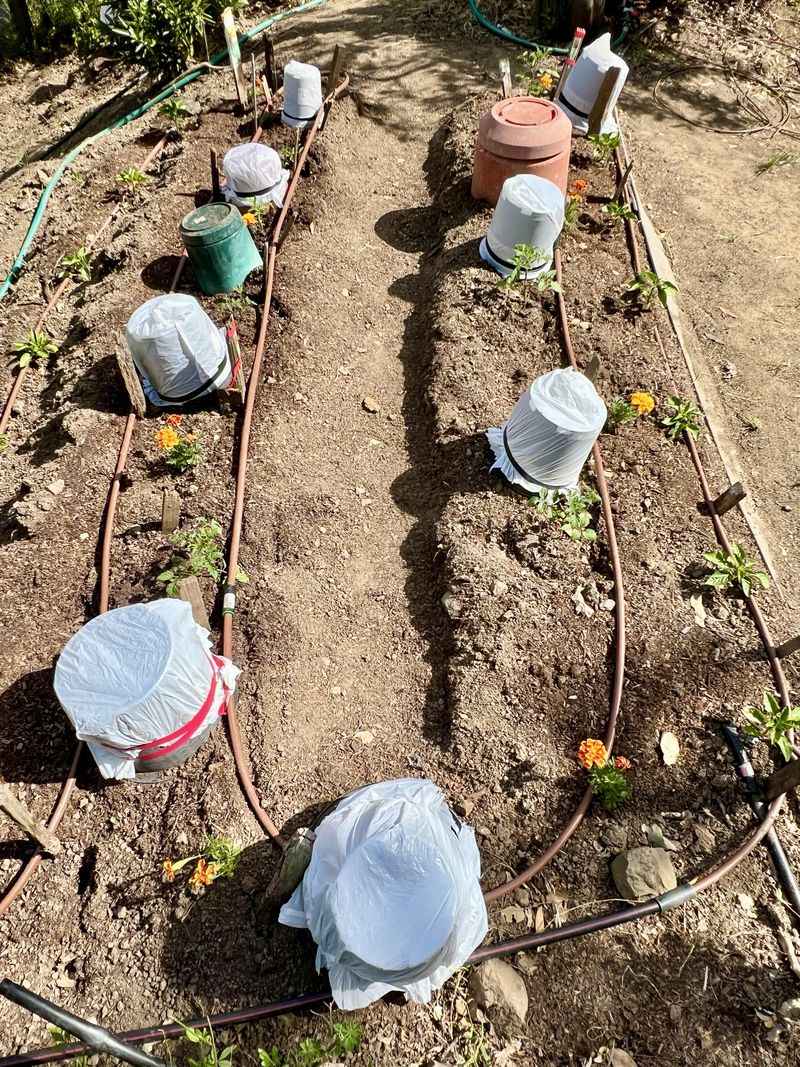
A fall start comes with a helpful sidekick: rain. In much of California, the wet season does a share of the work from November through March. That can make October or November a smart time to add new plants.
Rain helps in ways a hose cannot quite match. It wets a wider area, reaches deeper, and softens dry soil over time.
New roots get moisture not just in one small circle, but across the bed where they may soon spread. Very generous. Very free. Very appreciated.
Still, winter is not a blank check. Some years have long dry gaps between storms. Check the soil near the root ball after a week or so with no real rain. Dry soil means the plant still needs a soak, even in the cool season.
Turn off automatic irrigation after good storms. New plants do not benefit from rain plus extra water on top of it. Soil that stays wet too long can lose oxygen, and roots need air to stay healthy.
A rain gauge or simple weather app can help you track actual rainfall instead of garden gossip. After a solid storm, pause and let nature handle the next round.
After a dry gap, step in with a deep drink. Winter rain is a helper, not a hired employee, so supervision still matters.
7. Check Soil Before Running Irrigation
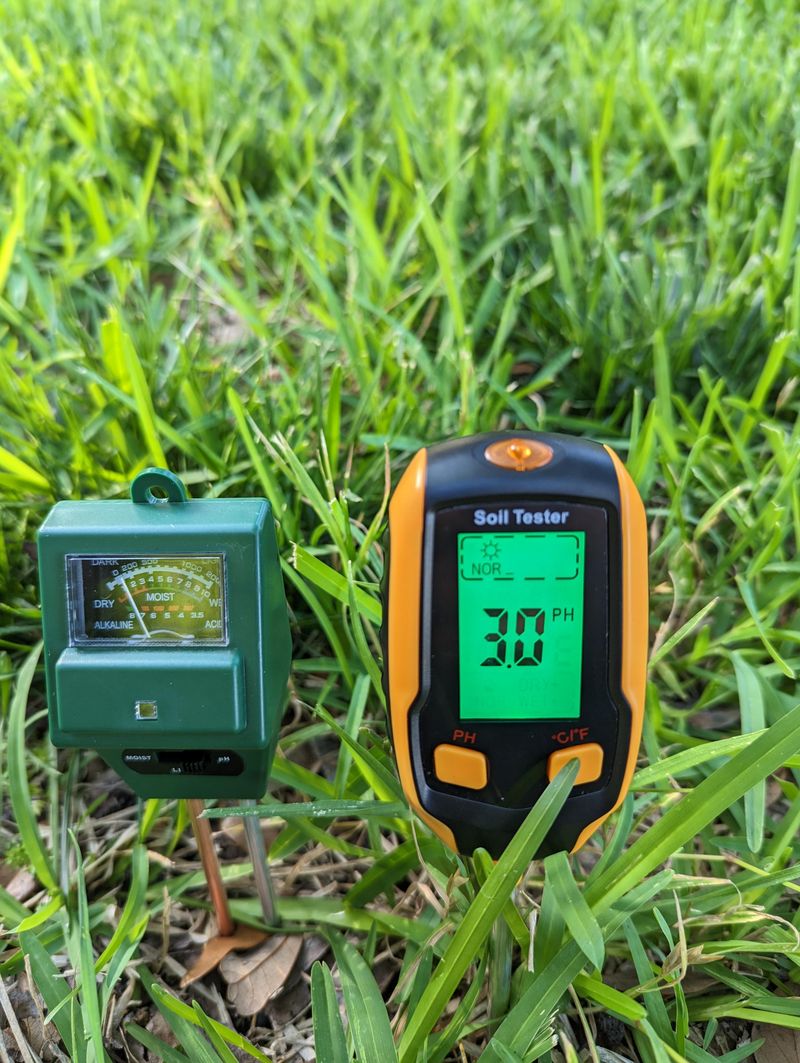
The timer does not know what happened yesterday. It does not know about last night’s cool fog, this week’s wind, or the shady spot that stayed damp longer than expected. That is why the soil gets the final say.
Before you run a drip line or sprinkler, test the root zone. Use a finger, screwdriver, or simple moisture meter. Push two to three inches down near the plant. Moist soil means wait. Dry, crumbly soil means it is time for water.
This habit saves plants from both extremes. A rigid schedule can overdo water in clay soil and fall short in sandy soil. It can also miss the way a larger plant dries faster than a smaller one. The calendar is useful, but it is not psychic.
Clay soil holds moisture longer, so it may need fewer sessions. Sandy soil lets water pass through fast, so it may need closer attention.
Mulch, shade, slope, and wind all change the math too. California gardens love to keep the plot complicated.
A moisture meter can help, but your finger works just fine. The point is to pause before the system runs. Thirty seconds of soil detective work can save water, prevent soggy roots, and help new plants get exactly what they need. Tiny effort, big garden payoff.
8. Change The Schedule During Heat Waves
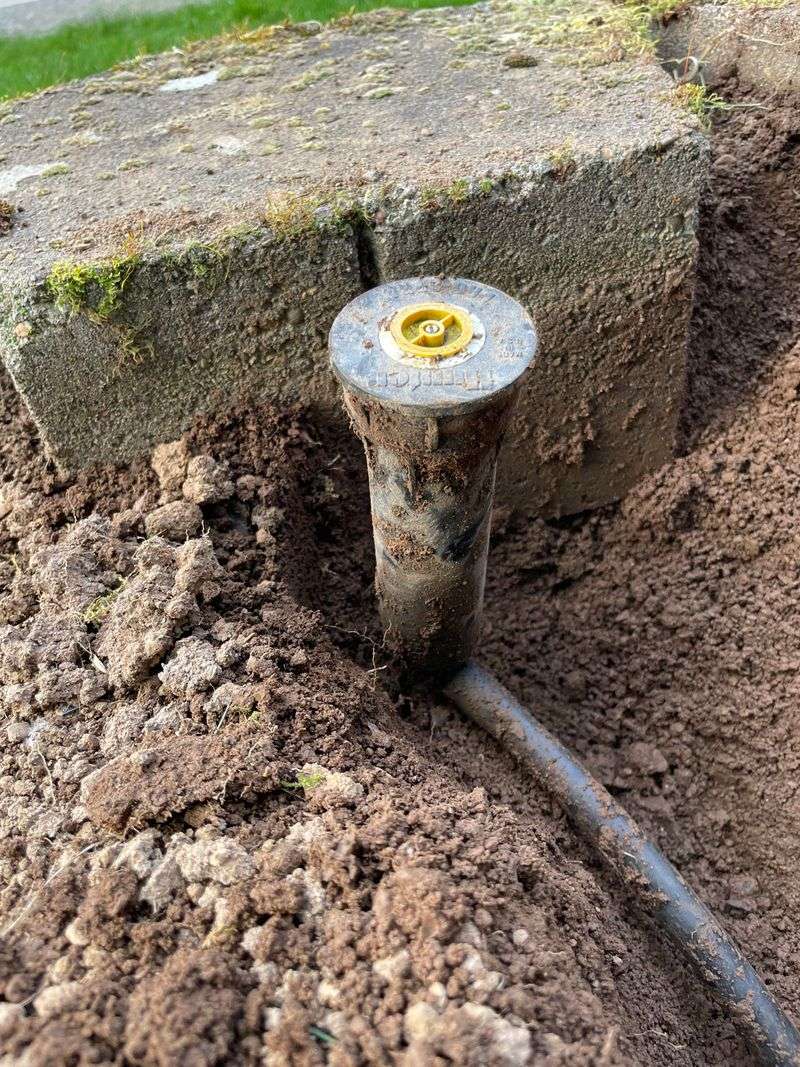
A heat wave changes the math fast. A schedule that worked last week can fall short once temperatures stay above 95 degrees for several days. New plants have small root systems, so they feel that shift before established plants do.
Add one extra deep drink in extreme heat, especially for plants still in their first year. Early-day water gives roots a full reserve before the worst afternoon heat arrives.
It also reduces loss from evaporation, which means more water reaches the soil instead of the air.
Wind makes heat harder. It pulls moisture from leaves and dries the soil surface faster. Sandy soil, south slopes, raised beds, and areas near pavement may need closer checks.
Clay soil can hold moisture longer, so the answer is not the same in every bed.
This is where the soil test earns its keep. Check near the root zone before you add extra water. Dry soil calls for help. Damp soil can wait, even on a hot day. Plants want relief, not a flood.
After the heat wave passes, return to the normal rhythm. Do not keep the bonus water schedule out of habit. Too much water after a hot spell can cause its own problems.
Give the plants support through the rough stretch, then let the soil breathe again.