How No-Dig Gardening Helps Michigan Yards Build Healthier Soil Over Time
Michigan soil has a reputation, and it is not a flattering one.
Heavy clay that cracks in August, spring rains that seal the surface shut, winters that compact everything into a dense, unfriendly slab.
Many gardeners respond by grabbing a tiller and fighting it. Almost every single year. The same battle, the same compaction, the same frustration by June.
No-dig gardening takes a completely different position: stop fighting the ground and start feeding it.
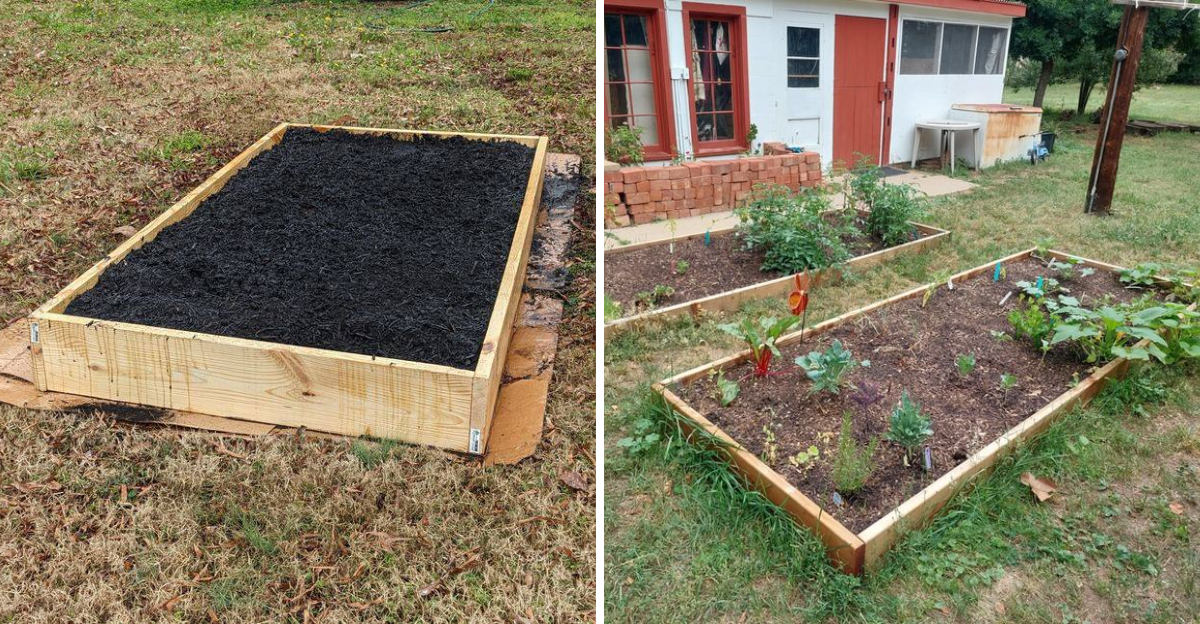
Layer by layer, season by season, the soil underneath quietly transforms into something richer, looser, and far more productive than anything a tiller ever produced. No expensive equipment. No broken-back spring weekends.
Just compost, mulch, cardboard, and a little patience. Michigan gardeners who try this approach and stick with it do not go back.
The soil starts working with you instead of against you, and that changes everything about how gardening feels. Ready to stop fighting your yard?
1. Compost Feeds Soil From The Top
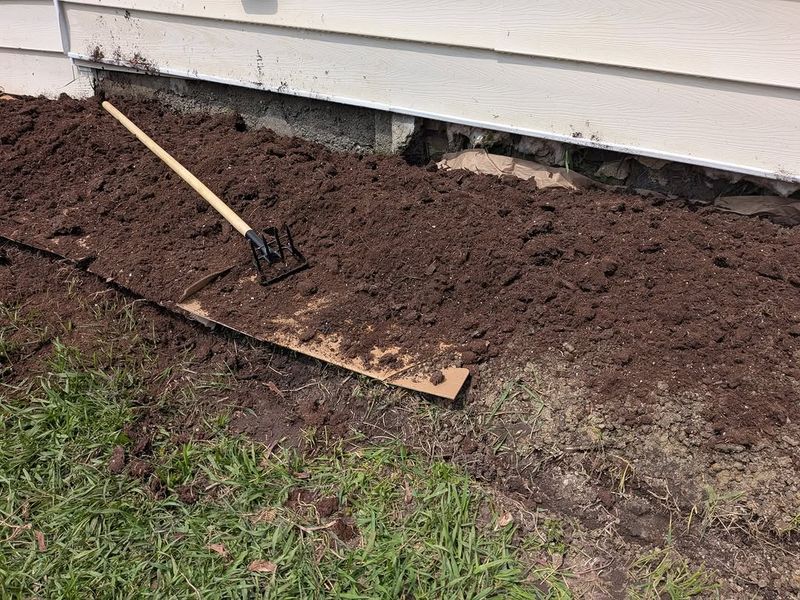
A handful of rich, dark compost smells like something good is already happening. That earthy scent means microbes are active and organic matter is breaking down into nutrients plants can actually use.
Spread it on top of your garden bed instead of digging it in, and you are working exactly the way a forest does.
Adding two to three inches of finished compost to garden beds each season lets the surface layer slowly release nutrients as rain and soil organisms pull it downward.
Nitrogen, phosphorus, and potassium move into the root zone without any shoveling required. The work happens without you.
Clay-heavy Michigan soils benefit especially from this approach. Compost added consistently over several years improves drainage, loosens tight particles, and creates better air pockets for roots to grow through.
You will notice the difference when you push a finger into the soil and it gives easily instead of pushing back.
Homemade compost works great, but bagged compost from a garden center is equally effective. The key is consistency. Adding a fresh layer every spring and fall builds soil fertility steadily.
Over three to five years, a Michigan bed treated this way looks and feels completely different from a neglected patch nearby.
Good compost is essentially slow food for your garden, and the soil gets hungrier with every season you skip the feeding. That is not a threat. It is just how soil works.
2. Mulch Shields Soil From Heavy Rain
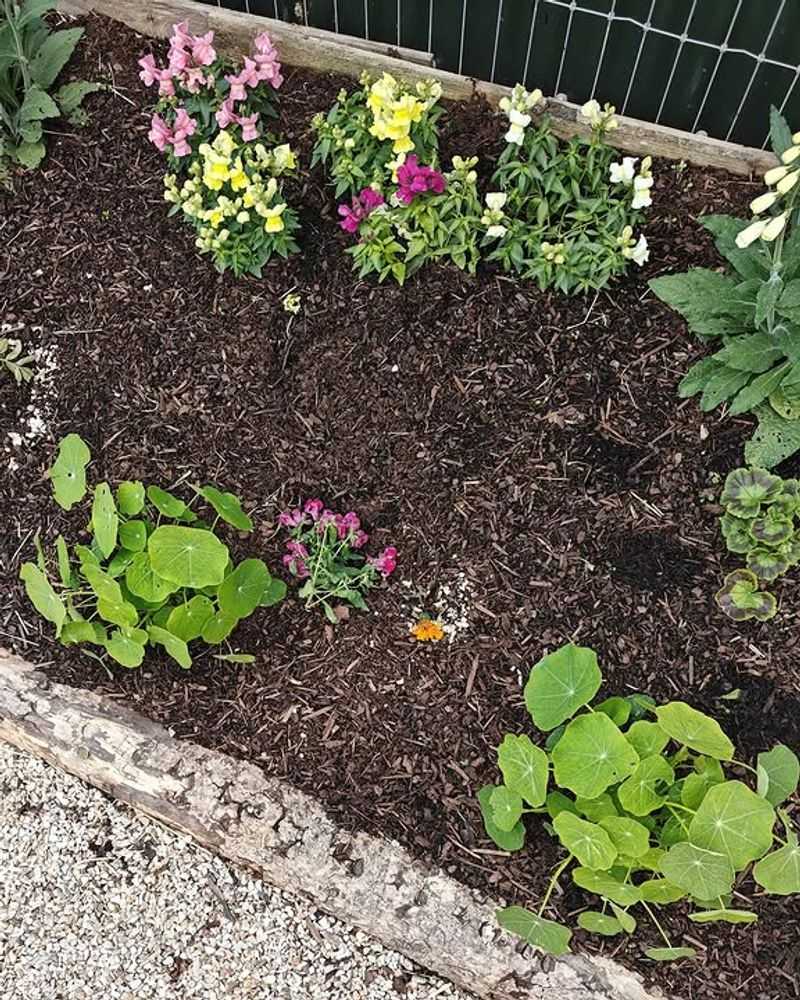
Spring in Michigan can arrive like a pressure washer. Heavy rains hit bare soil hard, breaking apart the small clumps that hold nutrients and air in place.
Once those clumps break down, the surface seals into a crust that water cannot easily penetrate. That runoff takes topsoil with it, and topsoil is not something you want leaving your yard.
A solid layer of mulch acts like a buffer. Wood chips, straw, or shredded leaves absorb the impact of raindrops before they reach the soil surface.
Mulched beds experience significantly less erosion and surface crusting compared to bare beds, which means more water soaks in where plants actually need it rather than sheeting off into the storm drain.
Your Michigan Garden Changes Every Week. Your Plan Should Too.
Gardening in Michigan changes quickly throughout the season. Every Friday you’ll receive a simple weekly plan showing exactly what to plant, prune, fertilize, harvest, and protect so you never miss the right timing.
Two to four inches of wood chip mulch is a practical target for most Michigan garden beds. Apply it after planting in late spring and refresh it each fall.
As the mulch breaks down over the season it adds organic matter to the soil below, feeding the same microbes that improve soil structure over time.
Straw works especially well in vegetable gardens because it is lightweight and easy to move around transplants. Shredded leaves are a free option most Michigan homeowners have in abundance every October.
Whatever material you choose, keeping that protective layer in place through the rainy season is one of the simplest ways to stop erosion before it starts. The mulch does the work. You just have to put it there.
3. Less Tilling Protects Soil Structure
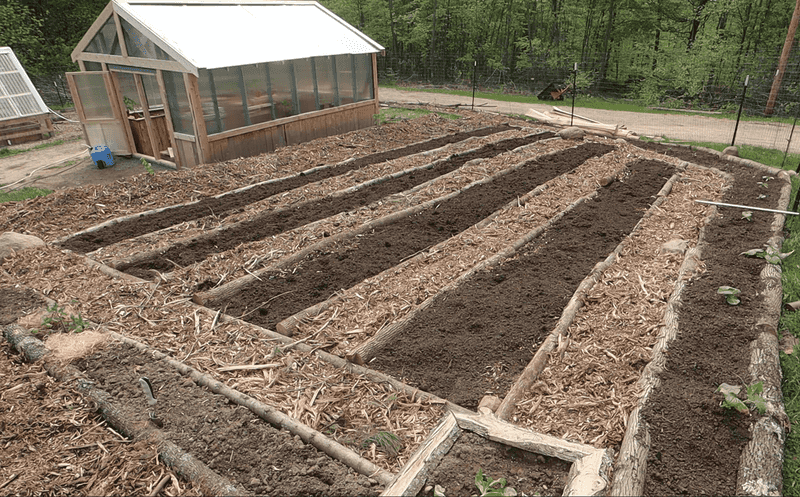
Compacted beds are a common complaint among Michigan gardeners who till every spring. This feels counterintuitive because tilling is supposed to loosen soil.
The problem is that repeated mechanical disturbance breaks apart the natural structures that make soil productive in the first place.
Soil aggregates are small clusters of particles held together by organic matter, fungal threads, and microbial activity. These clusters create the pore spaces that allow air, water, and roots to move freely.
Every time a rototiller churns through a bed it shatters those aggregates. The soil feels fluffy immediately after tilling but often compacts faster than before once rain hits. It is a cycle that never actually improves anything.
Leaving soil undisturbed preserves beneficial fungal networks called mycorrhizae. These networks connect plant roots to nutrients and water far beyond what roots could reach on their own.
Tilling severs those connections repeatedly, and rebuilding them takes time and energy that plants could spend growing instead.
Switching to no-dig does not mean ignoring compaction entirely. Starting a new bed in heavily compacted Michigan clay may call for a single initial loosening with a broadfork.
After that first pass, surface layering takes over. Compost, mulch, and time do the structural work from that point forward.
Within two to three seasons, many gardeners notice that their soil holds its shape better, drains faster after rain, and supports stronger root systems without any additional mechanical help. Turns out the soil knew what it was doing all along.
4. Cardboard Smothers Weedy Starts
Late April in Michigan. Dandelions are already sending up leaves, creeping Charlie is threading through every gap, and pulling them one by one feels like a job that never ends.
Cardboard offers a smarter first move that does not require bending down for hours.
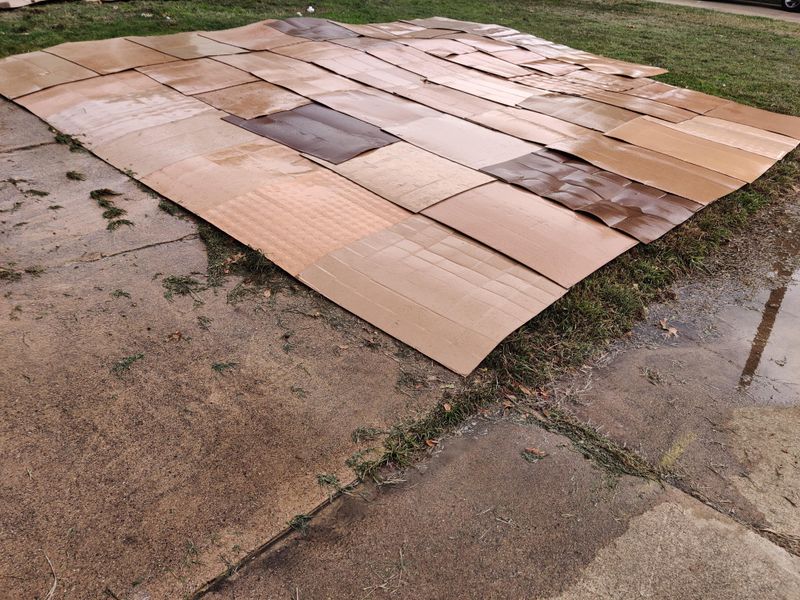
Laying corrugated cardboard directly over weedy ground blocks sunlight from reaching existing weed seedlings. Without light, most shallow-rooted weeds exhaust their stored energy and stop growing.
This sheet mulching technique is one of the most satisfying no-dig starting moves a gardener can make in a single afternoon.
The process is straightforward. Remove any large tape or staples from the cardboard, then lay it flat over the target area with pieces overlapping by at least six inches.
Those overlaps matter because weeds will find any gap and push through without hesitation. Wet the cardboard thoroughly after laying it down, then cover it with four to six inches of compost or wood chips.
Cardboard breaks down within one growing season in Michigan’s climate. By the time it decomposes, weed pressure underneath is dramatically reduced and the soil below has begun to soften.
Worms are drawn to the moist environment under cardboard and help incorporate organic matter as decomposition proceeds. This method works beautifully for converting lawn areas into new garden beds without removing sod by hand.
Your moving boxes just got a second career.
5. Worms Mix Organic Matter Slowly
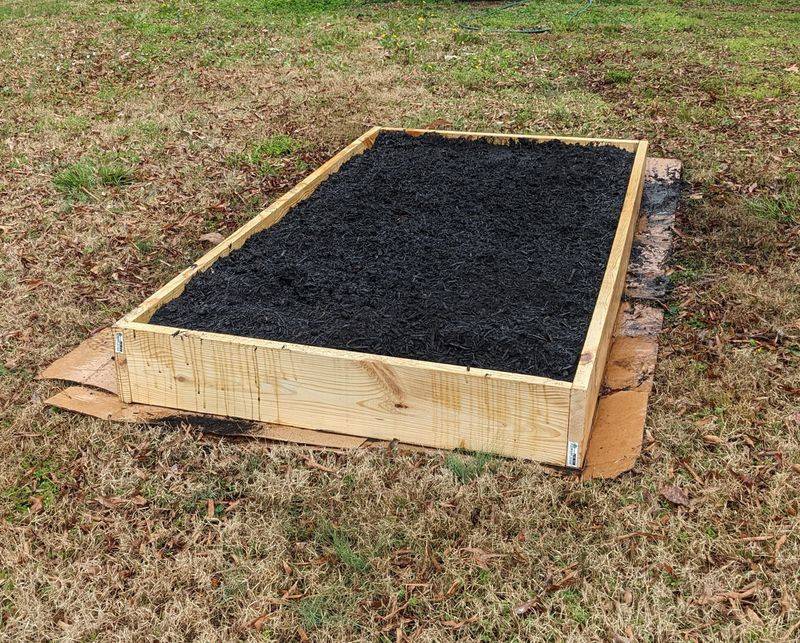
Pulling back the mulch and finding a cluster of earthworms is one of the best signs a no-dig garden is working. Worms are not incidental visitors.
They are active partners in the soil-building process, and their presence means the conditions underground are improving in ways no tool can replicate.
Earthworms consume organic matter at the surface and carry it deeper into the soil profile as they move.
Their castings are extraordinarily rich in plant-available nutrients, containing higher concentrations of nitrogen, phosphorus, and potassium than the surrounding soil material they consume.
Every worm in your bed is quietly running a nutrient delivery service around the clock.
Worm tunnels also improve drainage and aeration in Michigan clay soils where water naturally resists moving downward. Each tunnel is a tiny channel that allows water to penetrate and air to circulate.
A healthy worm population gradually transforms even stubborn clay into something more workable over several seasons.
No-dig gardens attract more worms because the surface is never disturbed. Tilling brings worms up where birds pick them off and exposes eggs to drying conditions.
Leaving the soil alone gives populations time to grow. Feeding them regularly with compost and organic mulch keeps them active and reproducing. More worms mean more tunnels, more castings, and steadily improving soil that benefits every plant in the bed.
Worms are essentially doing free labor in your garden every single day, and all they ask for is to be left alone.
6. Moisture Stays More Even Under Cover
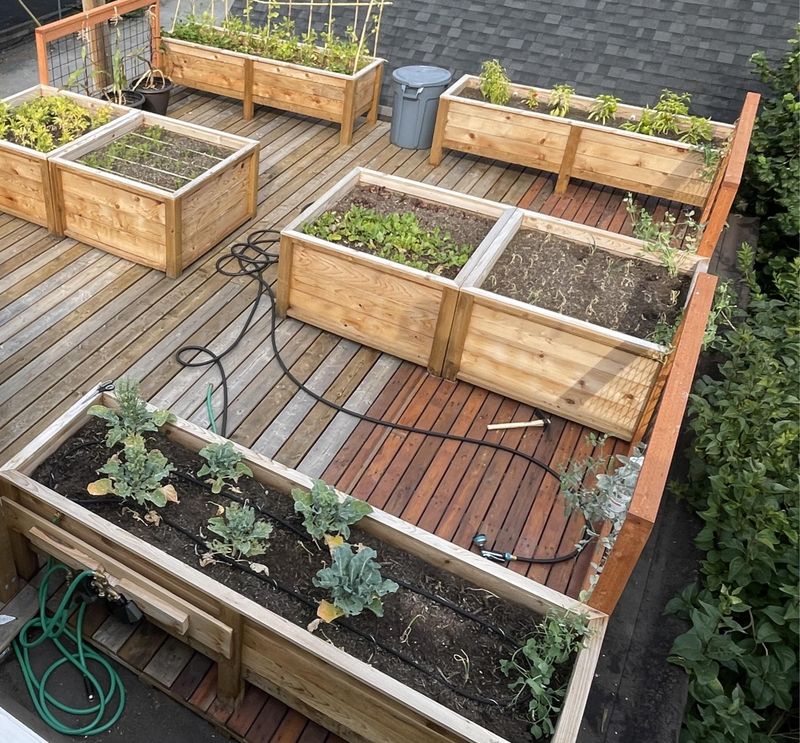
Michigan summers have a particular talent for swinging between soggy June weeks and dry August stretches that crack bare soil along the surface.
Managing that inconsistency is one of the quieter struggles of gardening in this state, and mulch handles both extremes better than most gardeners expect.
A consistent mulch layer slows evaporation dramatically. Mulched garden beds can retain significantly more moisture than bare soil during dry periods, sometimes reducing irrigation needs by thirty to fifty percent.
That is a real difference when water bills climb in August or when you leave for a long weekend and hope everything survives.
The insulating effect works in the other direction too. Heavy rain soaks into mulched beds more gradually, reducing the feast-or-famine moisture cycle that stresses plant roots.
Roots prefer steady moisture over sharp swings between wet and dry. When the soil stays more consistently moist, plants grow more steadily and produce better yields across the season.
Straw is a popular mulch choice in Michigan vegetable gardens because it stays loose and does not mat down the way some wood products can.
Shredded hardwood mulch works well in perennial beds and around shrubs. Even a two-inch layer makes a noticeable difference compared to bare ground.
Applying mulch right after transplanting in spring gives the bed the best possible start, and refreshing it in midsummer keeps the moisture benefits working through the hottest weeks of the year.
Two inches of mulch does more for your plants than most fertilizers ever will.
7. Fewer Weed Seeds Reach Light
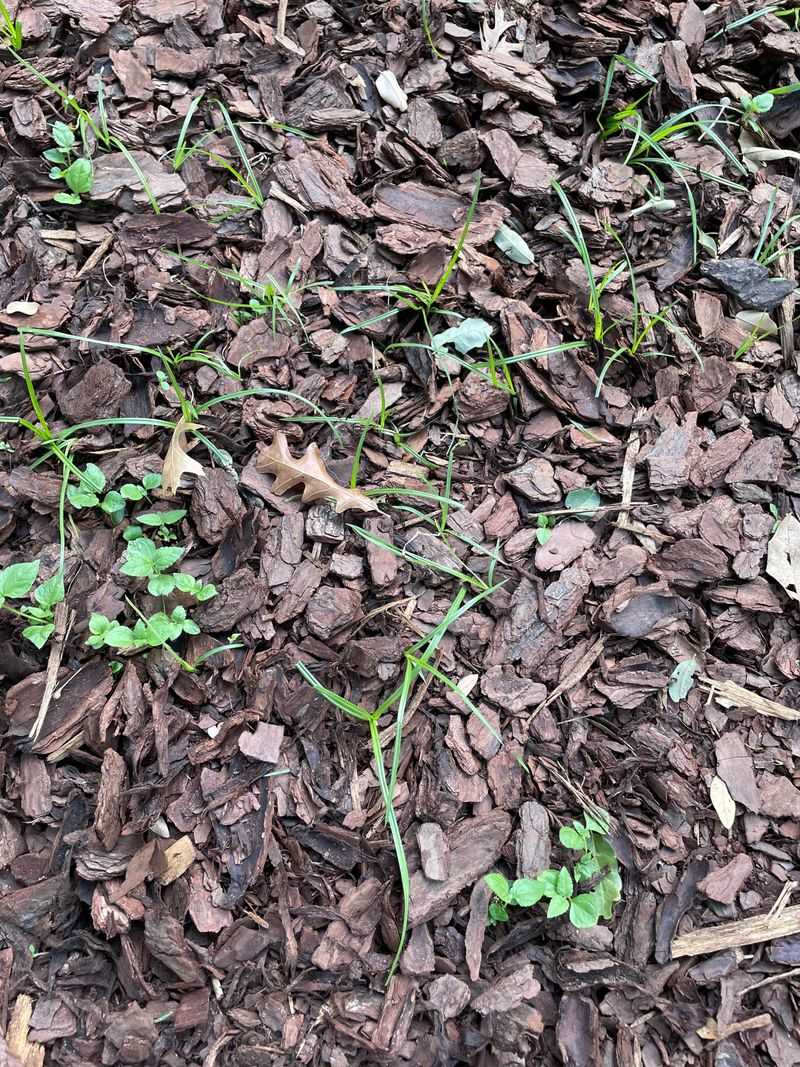
Weed seeds are patient. They sit in the top inch of soil for years, waiting for light and warmth to trigger germination.
Every time a tiller churns through a bed it brings a fresh batch of those seeds to the surface where they have exactly what they need to sprout. Tilling a weedy bed is essentially a weed-seeding operation wearing a productivity costume.
Keeping soil covered interrupts that cycle. A thick layer of mulch blocks the light that dormant weed seeds require to germinate. The benefit compounds season after season.
Fewer weeds germinating means fewer weeds setting seed. Fewer seeds setting means the weed seed bank in your soil gradually shrinks.
After two to three years of consistent no-dig practice, many Michigan gardeners spend a fraction of the time weeding compared to their tilled beds from previous years.
Gaps in coverage are where weeds reclaim ground quickly. Pay attention to the edges of beds, spots where mulch has thinned, and areas where soil was disturbed during planting.
Keeping a bag of compost or a pile of mulch nearby makes it easy to top off thin spots right away instead of letting weeds fill them in first.
Pulling any weeds that do emerge before they flower and set seed is the other half of the strategy. Catching them early is far less work than managing a patch left to spread through summer.
The goal is not a perfect weed-free bed. The goal is a system that keeps getting easier every season you stick with it.
8. Beds Improve With Each New Layer
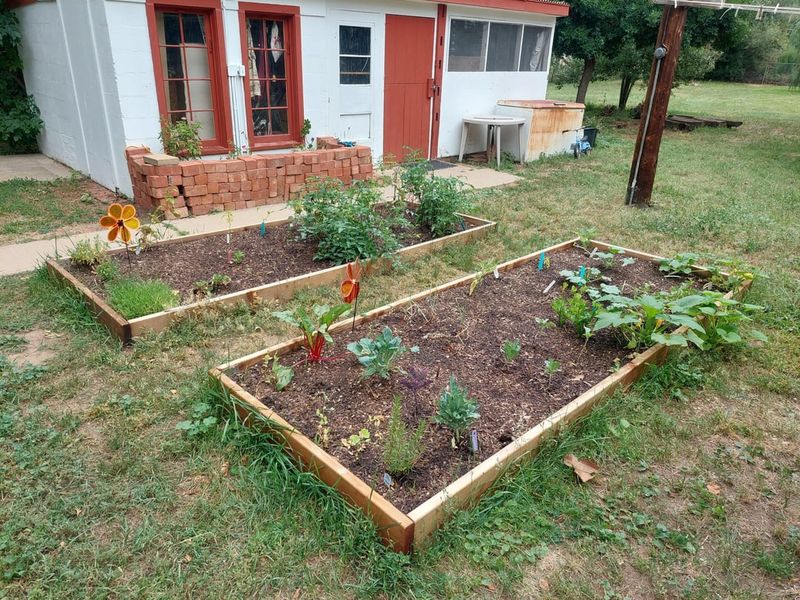
A no-dig garden bed runs like a savings account. Every layer of compost or mulch is a deposit. Each season the interest compounds.
After a few years, the bed you started from weedy clay or compacted lawn looks and performs like something completely different from what you first dug into.
Fresh compost added in fall breaks down slowly through winter. By spring, soil organisms have incorporated much of it into the upper soil layer.
A new layer added in spring continues the process. Wood chip mulch laid on top feeds fungi and bacteria as it decomposes, adding organic matter from above while roots and worms work it in from below.
The whole system builds on itself without any extra effort from you.
Organic matter percentage is one of the best indicators of soil productivity. Most Michigan soils start around two to three percent.
No-dig beds managed consistently over five or more years can push that figure noticeably higher, improving nutrient-holding capacity, water retention, and biological activity all at once.
Starting a new no-dig bed this season does not require waiting years to see results. Many Michigan gardeners notice improved planting conditions within the first growing season.
Roots establish faster, watering needs drop, and plants look healthier from the start. The long-term payoff is even better.
Each new layer you add is an investment in ground that keeps getting better season after season, for as long as you keep feeding it from the top. The soil has nowhere to go but up.