Growing Lion’s Mane Mushrooms At Home In Michigan Is Easier Than Most Gardeners Think
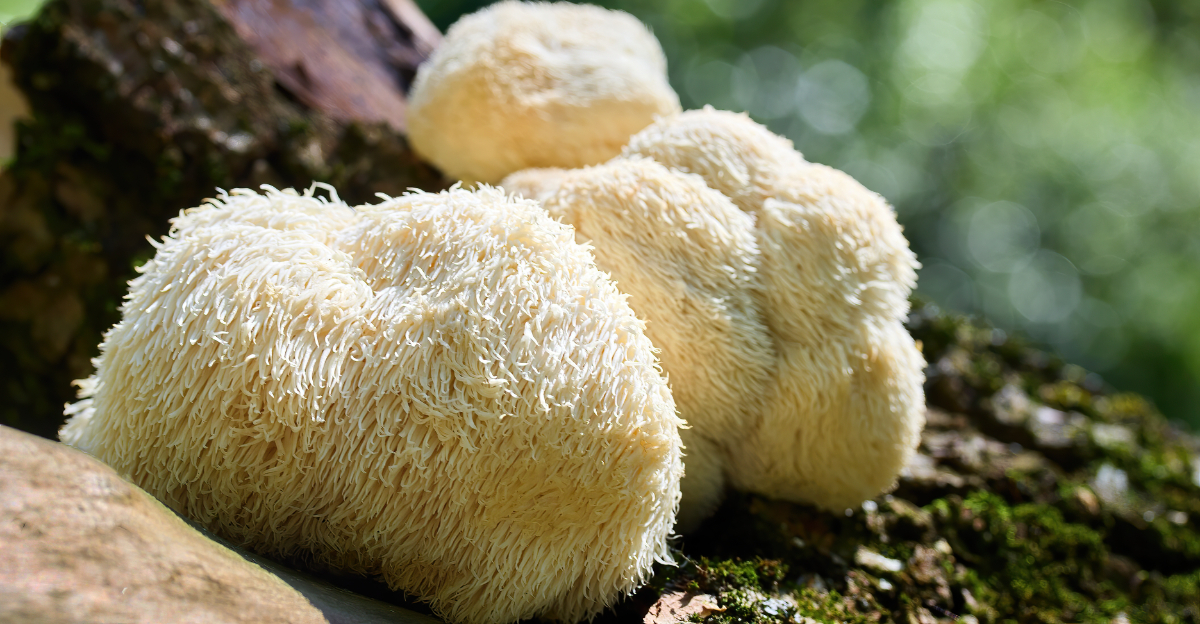
Lion’s mane mushrooms have moved from specialty grocery store curiosity to serious home cultivation project for a growing number of Michigan gardeners, and the learning curve turns out to be far gentler than most people expect before they try it.
Michigan’s humid summers and moderate temperatures through the growing season create conditions that are genuinely well suited to lion’s mane production, and the materials required to get started are widely available and inexpensive.
The process is methodical rather than complicated, and growers who approach it with reasonable patience typically see their first flush of mushrooms faster than they anticipated.
For gardeners who have been curious but hesitant, the gap between interest and first harvest is much smaller than the reputation of mushroom cultivation suggests.
1. Start With A Ready-To-Fruit Block
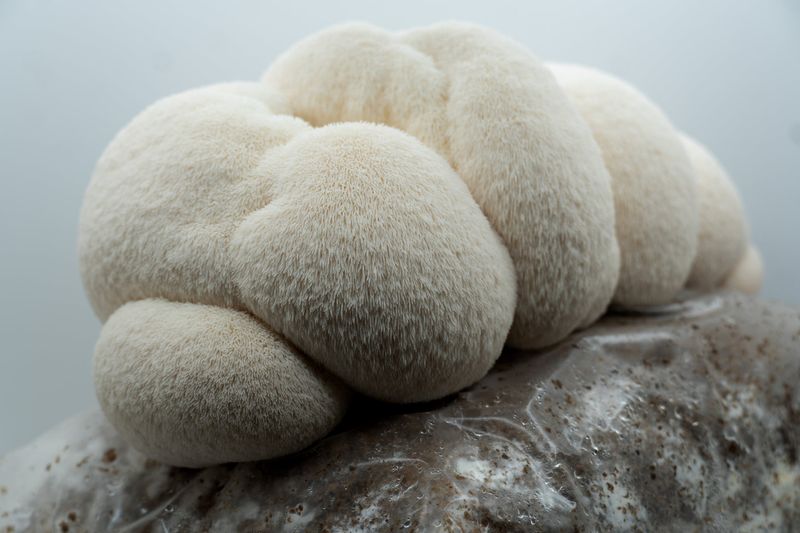
Picture this: you skip the complicated lab setup, the sterilizing equipment, and all the confusing starter steps, and you jump straight to the fun part. That is exactly what a ready-to-fruit block lets you do.
These blocks are sold by mushroom suppliers already fully colonized with lion’s mane mycelium, meaning all the hard early work is already finished before the block even arrives at your door.
For Michigan gardeners who are just getting started, this is honestly the smartest move you can make. You do not need to mix your own substrate, sterilize jars, or worry about contamination during the inoculation stage.
The supplier has handled all of that, and your job is simply to follow their directions for opening and fruiting the block at home.
Most kits come with clear instructions that walk you through every step, from how to open the bag to how to mist and maintain moisture.
Stick closely to what the supplier recommends because each block can be slightly different depending on the brand.
Starting this way builds your confidence fast, gives you a real harvest to enjoy, and sets you up with solid hands-on experience before you ever try anything more advanced. It is genuinely the easiest entry point into home mushroom growing.
2. Use Hardwood Sawdust As The Growing Base
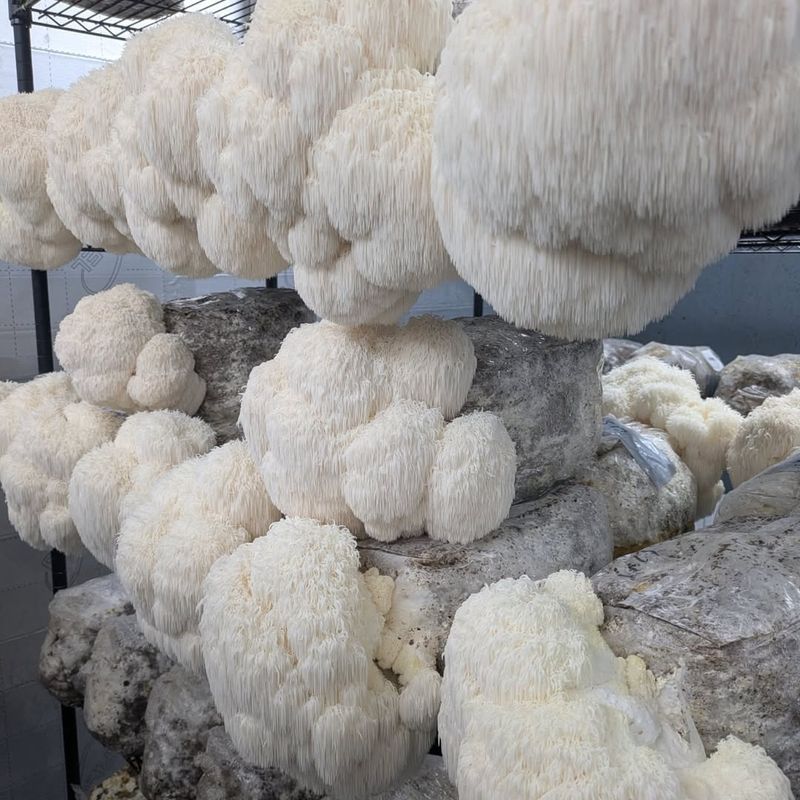
There is a reason lion’s mane thrives on wood and not in a pot of garden soil. In the wild, this mushroom grows directly from the trunks of hardwood trees like oak, beech, and maple.
That natural preference carries over into home growing, and matching that environment is one of the simplest ways to set yourself up for a healthy, productive block.
Hardwood sawdust is the most common base used in prepared lion’s mane blocks, and many suppliers also use hardwood pellets as part of the mix.
Some blocks include a small amount of nutritional supplement like wheat bran or oat bran to give the mycelium extra fuel during colonization.
The result is a dense, wood-rich substrate that lion’s mane absolutely loves to grow through.
For home growers in Michigan, this mostly means trusting the block you purchased rather than trying to swap out the substrate yourself.
Your Michigan Garden Changes Every Week. Your Plan Should Too.
Gardening in Michigan changes quickly throughout the season. Every Friday you’ll receive a simple weekly plan showing exactly what to plant, prune, fertilize, harvest, and protect so you never miss the right timing.
If you ever want to make your own blocks down the road, sourcing hardwood sawdust or fuel pellets made from oak or maple is the right direction.
The key takeaway here is simple: wood-based growing is not just a preference for lion’s mane, it is a requirement. Giving it the right base from the very start makes everything else in the growing process go much more smoothly.
3. Start Indoors Instead Of Treating It Like A Garden Bed Crop
Many Michigan gardeners make the mistake of thinking about mushrooms the same way they think about tomatoes or basil. You plant it, water it, and let the sun do the work.
Lion’s mane is a completely different kind of growing project, and once you shift that mindset, everything about the process becomes much clearer and easier to manage.
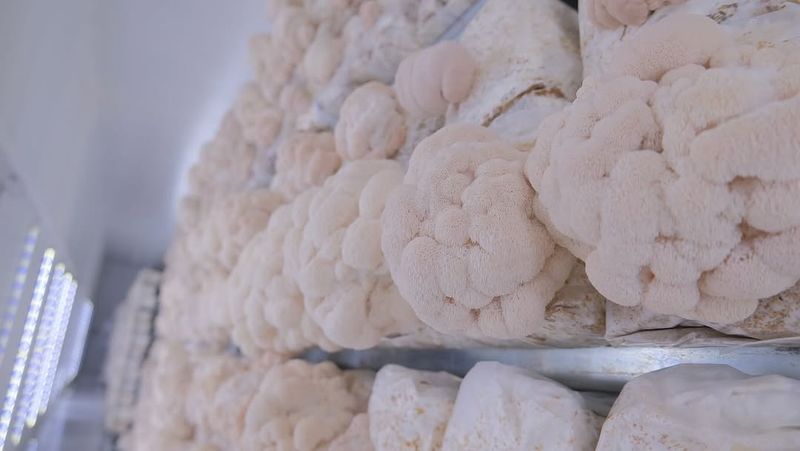
Growing indoors gives you real control over the things lion’s mane actually cares about: humidity, temperature, airflow, and cleanliness.
A basement corner, a spare bedroom shelf, a utility room, or even a closet with good ventilation can all work well if you manage the conditions properly.
Michigan winters can be brutal outside, but your indoor spaces often stay at a naturally cool and steady temperature that happens to be perfect for this mushroom.
Outdoor log growing is absolutely possible and many experienced growers love it, but it comes with more variables like unpredictable weather, slower colonization, and longer wait times.
For a first attempt, an indoor ready-to-fruit block removes most of those complications. You get faster results, better visibility of what is happening, and an easier time adjusting conditions when something looks off.
Starting indoors is not a shortcut, it is simply the smarter path for anyone who wants a successful first harvest without a steep learning curve.
4. Keep The Block Humid But Not Soaked
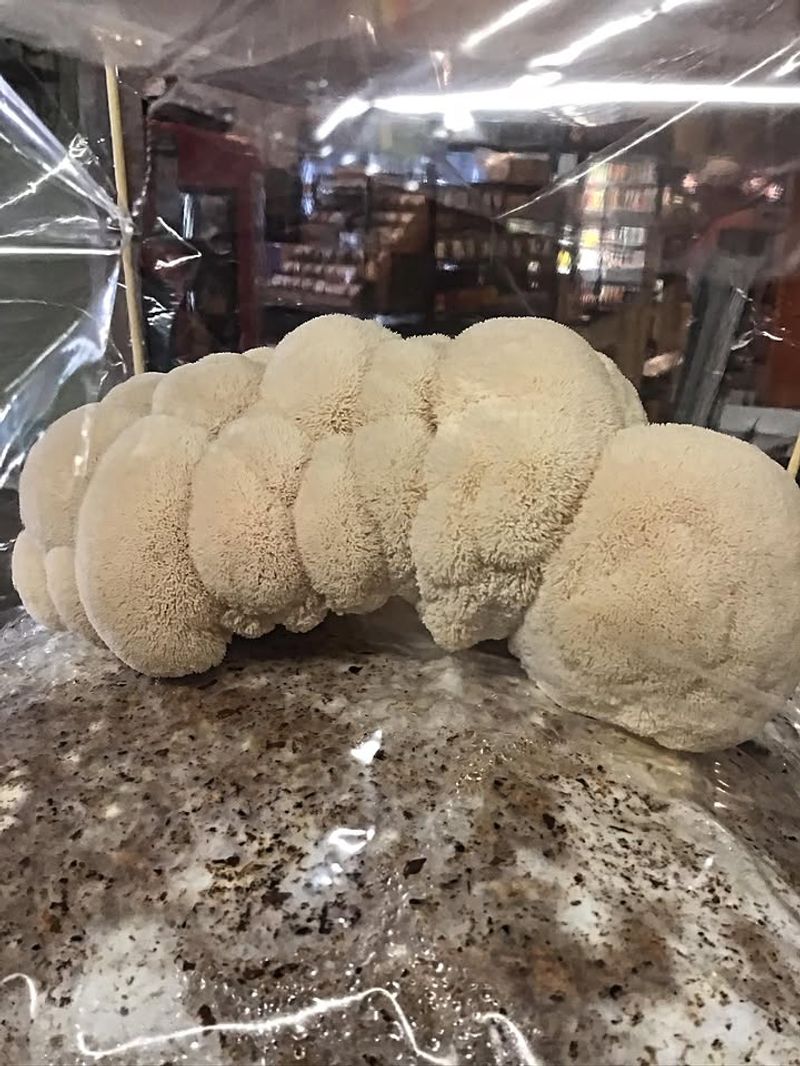
Humidity is everything when it comes to growing lion’s mane, but there is a big difference between keeping things moist and drowning your block in water.
Getting that balance right is one of the most important skills a beginner can develop, and the good news is that it is not as tricky as it sounds once you understand the basic idea.
The goal is to keep the air around the block consistently humid rather than soaking the block itself. Misting the inside walls of a plastic humidity tent, a loose bag, or a simple fruiting chamber works really well for this.
A light mist two or three times a day is usually enough to keep the surface of the block from drying out without creating puddles or standing water around the base.
Water sitting directly on the cut opening of the block or pooling inside the tent can create soggy conditions that invite unwanted mold or slow down the mushroom’s development. The mushroom itself should never look waterlogged or flattened.
Healthy lion’s mane clusters grow upright and fluffy, and when the humidity is just right, you will see those beautiful white teeth starting to form and extend downward.
Think of your job as creating a gentle, misty environment, like a cool foggy morning, rather than a rainstorm.
5. Give It Fresh Air Every Day
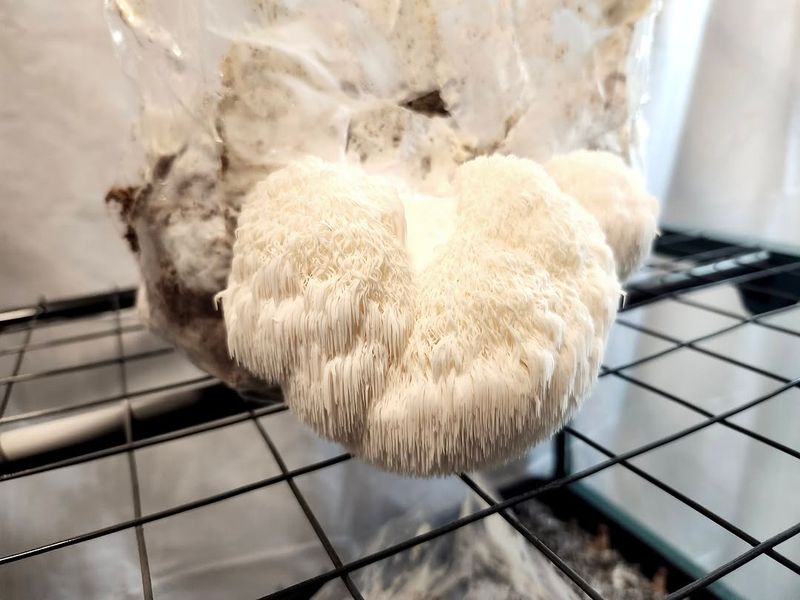
Fresh air might seem like an obvious need for any living thing, but mushroom growers sometimes forget just how much it matters for lion’s mane specifically.
This mushroom is especially sensitive to carbon dioxide buildup, and when the air inside a fruiting chamber gets too stale, the results show up quickly in the shape and quality of the cluster.
When CO2 levels stay too high, lion’s mane can grow in stretched, irregular, or icicle-like formations instead of forming the full, rounded, cascading clusters that make this mushroom so recognizable.
The good news is that fixing this is completely free and takes less than a minute. Simply open the humidity tent, fruiting bag, or cover for a few minutes each day to let fresh air move through the growing space.
Some growers fan the opening gently a few times before closing it back up, which helps push out the stale air more effectively.
If your kit came with specific fresh-air exchange instructions, follow those closely since different setups may need slightly different approaches. The key is making this part of your daily routine so it does not get skipped.
Combine your fresh-air exchange with your misting session and you will cover two important needs at once, saving time while keeping your block in the best possible condition for a strong, full harvest.
6. Use Indirect Light, Not Full Sun
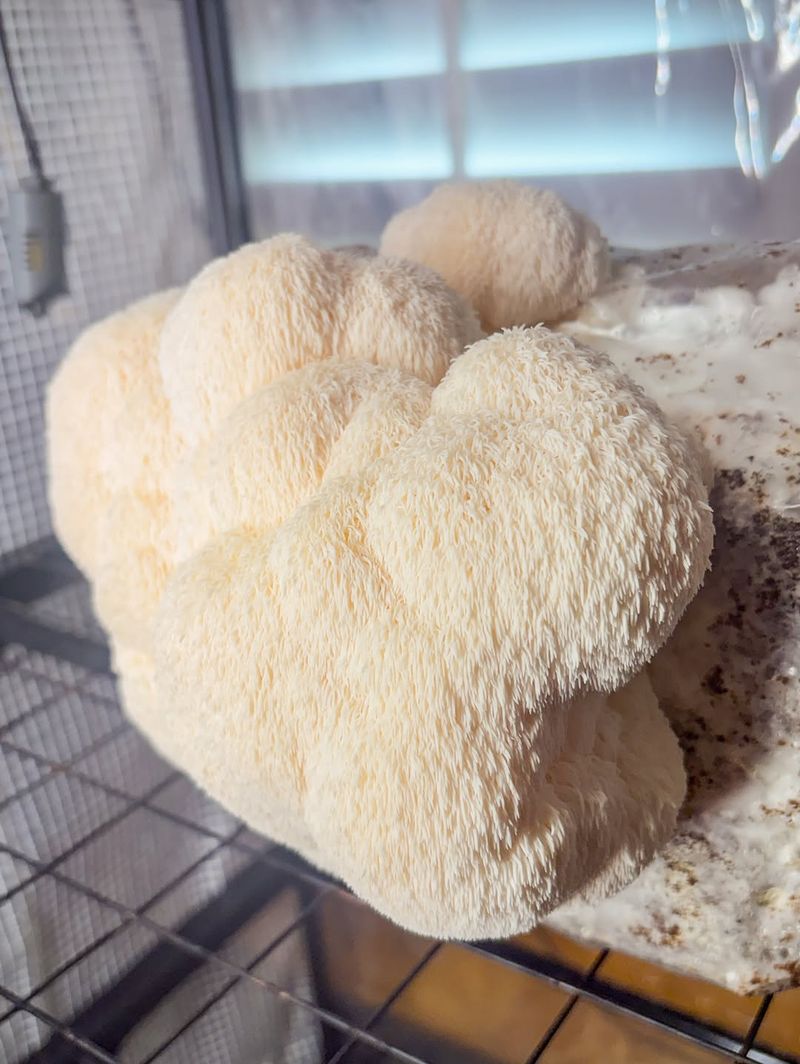
Here is something that surprises a lot of new growers: lion’s mane does not need sunlight the way a vegetable garden does. It does not photosynthesize, and it does not rely on the sun for energy.
Light still plays a role in signaling the mushroom where to direct its growth, but the intensity and type of light needed is far gentler than most gardeners expect.
Bright indirect light works perfectly. A spot near a window with sheer curtains, a corner of the room that gets ambient daylight, or a simple grow light set to a low schedule all give lion’s mane what it needs without overdoing it.
The mushroom uses light as a directional cue, growing toward the source, which helps it form a nicely shaped cluster rather than a sprawling, uneven one.
Direct hot sunlight is something to avoid, especially in Michigan homes during winter when heating systems can already make indoor air dry and warm.
A sunny windowsill in January might seem ideal, but the combination of direct sun and dry heated air can quickly pull moisture away from the block and slow down or interrupt the fruiting process.
Keeping the block a few feet back from a bright window, or using a low-wattage grow light on a timer, gives you much better control and consistently better results throughout the season.
7. Keep Temperatures Cool And Steady
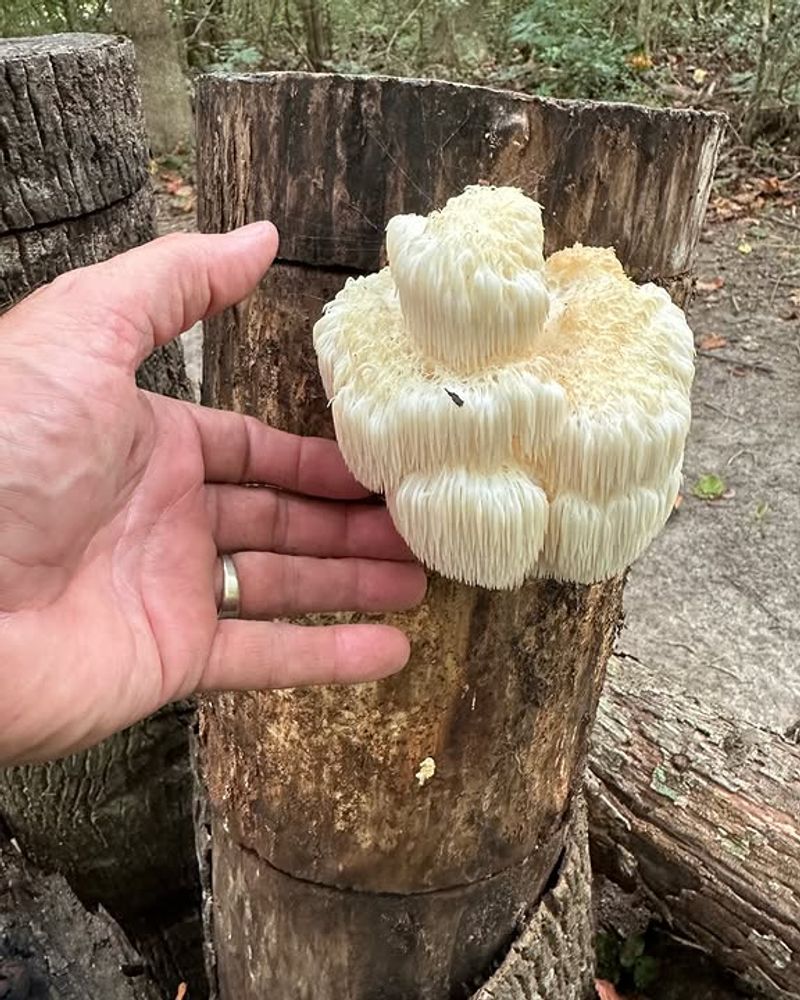
One thing Michigan gardeners have going for them that growers in warmer states sometimes envy is access to naturally cool indoor spaces.
Lion’s mane mushrooms prefer fruiting temperatures in the range of roughly 60 to 75 degrees Fahrenheit, and many Michigan basements and utility rooms sit right in that sweet spot without any extra effort from the grower.
What matters just as much as the actual temperature is keeping it steady. Big swings between warm and cold, like a room that heats up during the day and drops sharply at night, can stress the block and lead to uneven or stalled fruiting.
A consistent environment tells the mushroom that conditions are stable and safe for growing, which is exactly the signal it needs to push out a strong flush.
Avoid placing your block near heating vents, radiators, or appliances that cycle on and off and create temperature fluctuations throughout the day.
A corner of the basement away from the furnace, a shelving unit in a cool spare room, or even a temperature-controlled grow tent can all work well.
Always check the temperature recommendations from your specific kit supplier since different strains can have slightly different preferences.
Getting this right from the beginning means fewer surprises and a much smoother growing experience from your very first block to your second and beyond.
8. Watch The Teeth For Harvest Timing
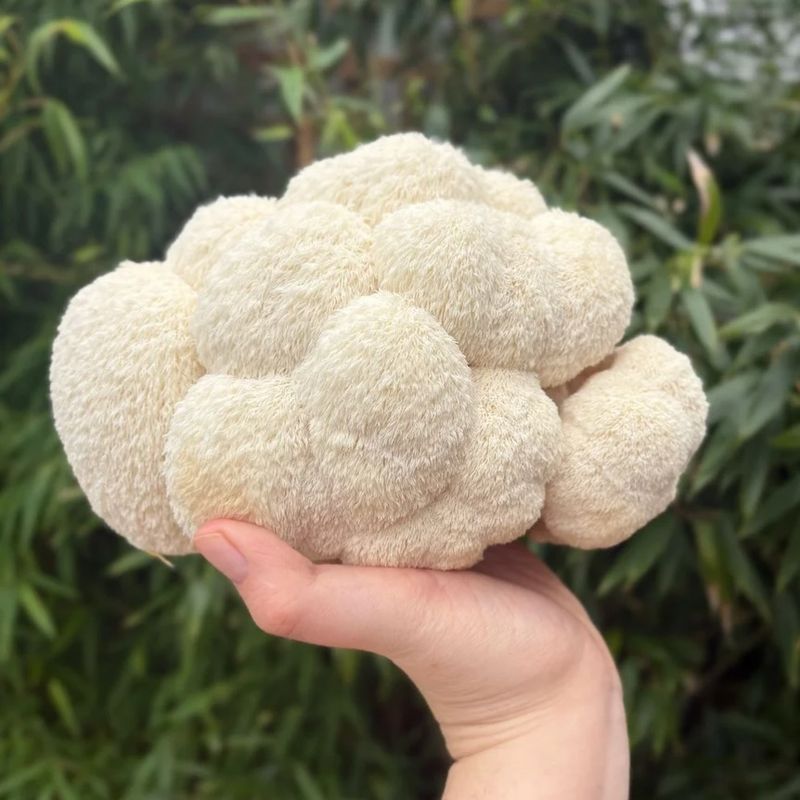
One of the most satisfying moments in growing lion’s mane is realizing the mushroom is telling you exactly when it wants to be picked. You just have to know what to look for, and once you see it once, you will always recognize it.
The mushroom gives clear visual signals that make harvest timing a lot less guesswork than most beginners expect.
A ready-to-harvest lion’s mane cluster is full, round, firm, and brilliantly white. The surface is covered with soft, fine, hanging teeth or spines that look almost like a shaggy snowball or a waterfall of tiny icicles.
These teeth are the most reliable indicator of peak ripeness. When they are well-developed, distinct, and still white, the mushroom is at its best in terms of texture and flavor.
Waiting too long past this stage causes the cluster to start turning yellow or brownish around the edges, which signals that the mushroom is past its prime.
The texture also becomes less pleasant, and a heavy release of white spores can begin, which creates a fine dusty mess in your growing area.
Harvesting at the right moment gives you the best eating experience and also signals the block to begin preparing for its next flush. Twist the cluster gently at the base and it should come away cleanly without tearing the block surface.
9. Let The Block Rest For Another Flush
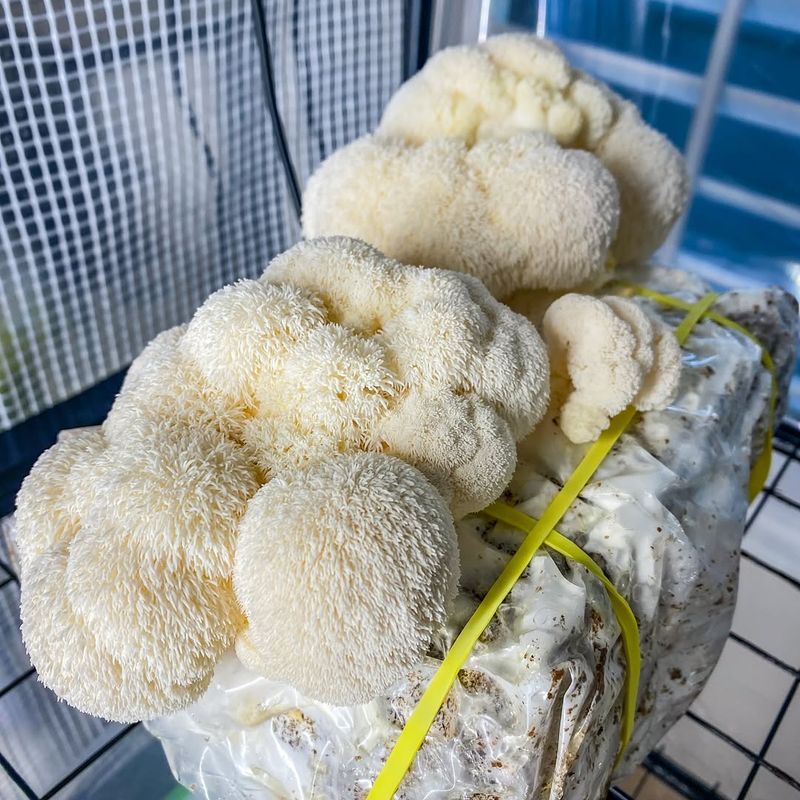
Finishing your first harvest feels amazing, but here is the exciting part: the block is not done yet. Many lion’s mane blocks are capable of producing a second flush, sometimes even a third, if you give them the right rest and recovery period between harvests.
Getting that bonus round of mushrooms is one of the most satisfying parts of the whole process. After harvesting, follow your supplier’s instructions for the resting phase.
In most cases, this involves wiping away any leftover mushroom material from the opening, allowing the surface to recover, and continuing to maintain humidity and airflow while the block rests.
Some growers lightly soak or mist the block more generously during this period to help rehydrate it after the energy it spent during the first flush.
The second flush typically takes a bit longer to appear than the first, and it may be smaller in size, but it is absolutely worth pursuing.
Even a modest second harvest adds real value to the block you already paid for and gives you more growing experience without any extra cost.
Patience is the biggest skill here. The block will signal new growth with tiny white pinheads forming at the opening or along the cut surface.
Once you see those forming, resume your regular misting and fresh-air routine and watch the next cluster develop.
10. Keep Growing Separate From Foraging
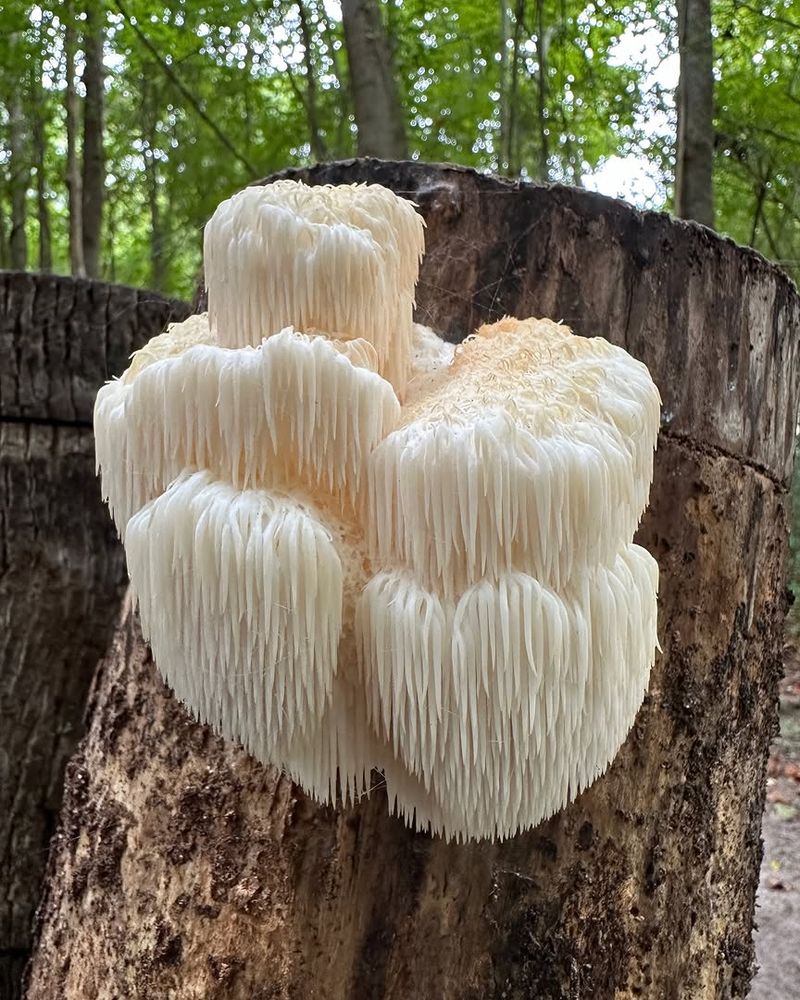
Growing lion’s mane from a verified kit and foraging for wild mushrooms in Michigan are two completely separate activities, and keeping that boundary clear is one of the most important points in this entire guide.
Michigan has a rich and beautiful mushroom foraging tradition, but it also has several wild species that can be easily confused by beginners who rely on photos or identification apps alone.
When you grow from a trusted supplier’s kit, you know exactly what you have. The species is confirmed, the growing conditions are controlled, and there is no guesswork involved.
That certainty is something wild foraging simply cannot offer until a person has spent years developing real identification expertise alongside experienced mentors in the field.
Apps and online photo comparisons are not reliable enough for making decisions about eating wild mushrooms.
Even experienced foragers can encounter unusual specimens that require close examination of multiple features before a confident identification is possible.
For home growers in Michigan, the smart approach is to stick with kits and verified spawn sources until you have built genuine expertise through hands-on study and mentorship.
The mushrooms you grow at home will always be safe, delicious, and rewarding. Wild foraging can be a wonderful hobby too, but it deserves its own careful, properly guided learning journey completely separate from your indoor growing adventures.
11. Try Logs Later After The First Indoor Success
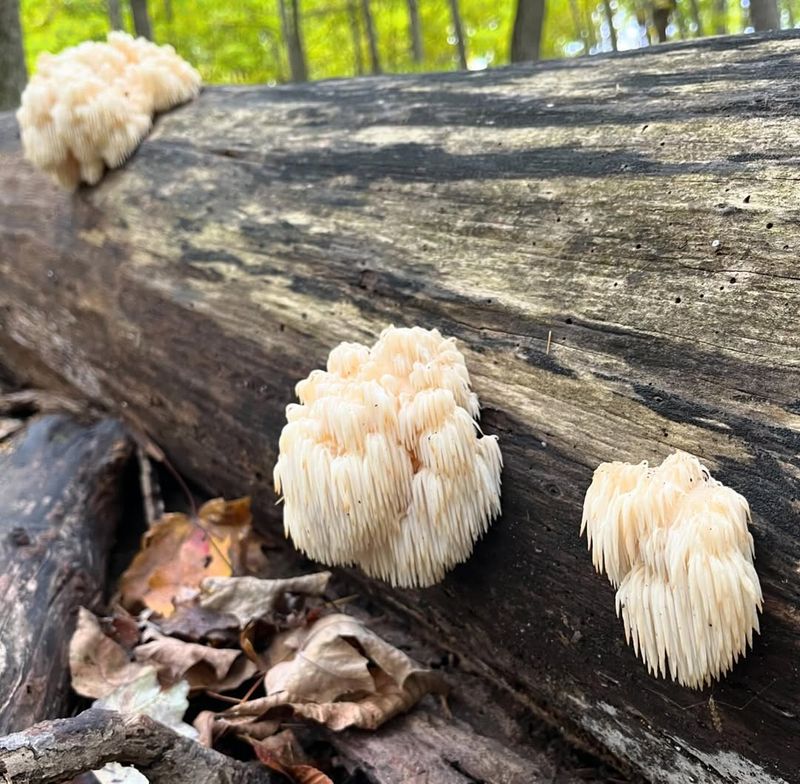
Outdoor log growing has a certain magic to it. The idea of inoculating a fresh-cut oak log and watching mushrooms emerge from it months later in your backyard is genuinely exciting, and it is absolutely something Michigan gardeners can pursue.
But it works best as a second step, not a starting point, and understanding why will save you a lot of frustration early on. Log growing requires more patience than indoor blocks.
After inoculation, a log can take anywhere from six months to over a year before it produces its first flush, depending on the wood species, the season, the moisture levels, and how well the mycelium colonizes the log.
Michigan’s variable spring and fall weather adds another layer of unpredictability that beginners are not always prepared to manage on their first attempt.
Choosing the right wood matters too. Freshly cut hardwoods like oak, maple, or beech work best, and the logs need to be sourced and inoculated at the right time of year to give the mycelium a strong start.
After you have grown one or two successful indoor blocks and understand how lion’s mane behaves, the jump to outdoor log growing feels much more natural and informed.
Your first indoor success gives you the confidence, the observation skills, and the practical knowledge to tackle a longer outdoor project with much better results.
12. Why Gardeners Find It Easier Than Expected
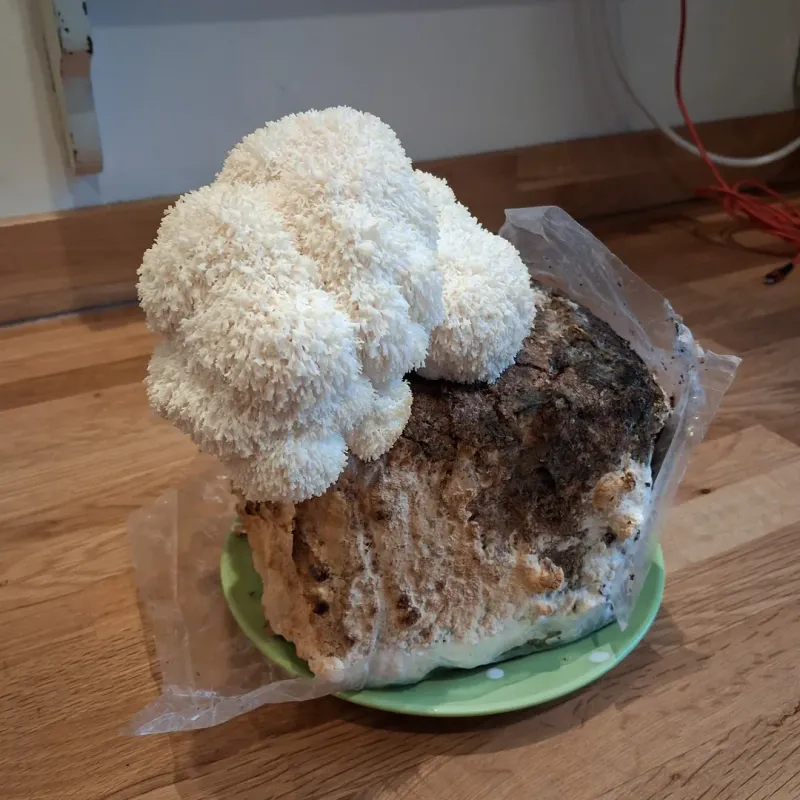
Ask any Michigan gardener who has grown lion’s mane once, and most of them will tell you the same thing: it was way easier than they expected.
The reputation for being difficult comes mostly from confusion about mushroom growing in general, not from anything specific to lion’s mane itself.
Once you understand its simple rhythm, the whole project clicks into place. The basic routine really is straightforward.
Open the block according to your supplier’s instructions, keep humidity steady with daily misting, give the block a few minutes of fresh air each day, place it in indirect light away from heating vents, and keep the temperature cool and consistent.
Check the cluster every day and watch those white teeth develop, then harvest at peak ripeness before any yellowing begins. After that, rest the block and try for a second flush.
That rhythm, repeated consistently, is genuinely all it takes to grow beautiful lion’s mane mushrooms at home.
Michigan gardeners are already used to working with seasons, adjusting to temperature changes, and paying close attention to how their plants respond to conditions.
Those same instincts transfer directly to mushroom growing. The main difference is that lion’s mane rewards patience and observation rather than digging and planting.
Start with one block this season, follow the steps, and you will almost certainly end up with a harvest that surprises you with how full, white, and satisfying it looks.