Fill Your Hanging Baskets In Michigan With This Vibrant Low Maintenance Flower
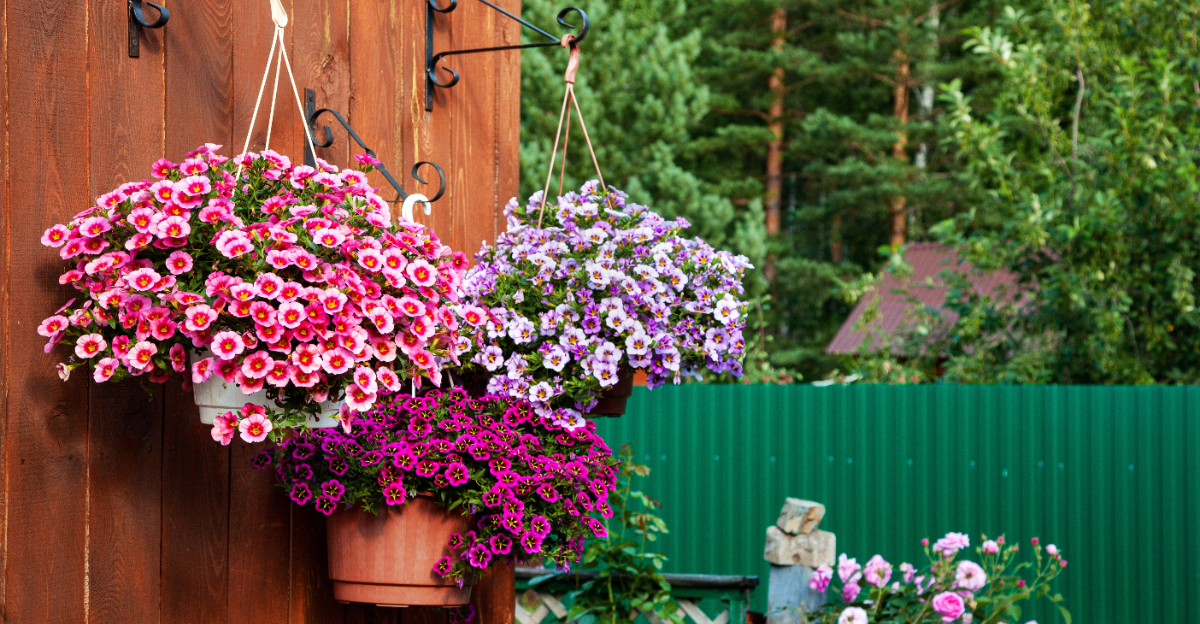
Hanging baskets have a way of looking spectacular for the first few weeks of the season and then quietly declining through the heat of summer while demanding more water and attention than most people anticipated when they bought them.
Michigan’s July and August conditions are genuinely tough on basket plantings, combining heat, wind exposure, and rapid soil drying in containers that have very little buffer against those stresses.
This one flower handles tough conditions with a consistency that most popular basket choices simply cannot match. It produces vibrant, season-long color without demanding constant fertilizing, deadheading, or twice-daily watering.
Once Michigan gardeners discover how reliably this plant performs from a hook or bracket through an entire summer, it tends to become a permanent fixture in their container routine.
1. The Flower Is Calibrachoa
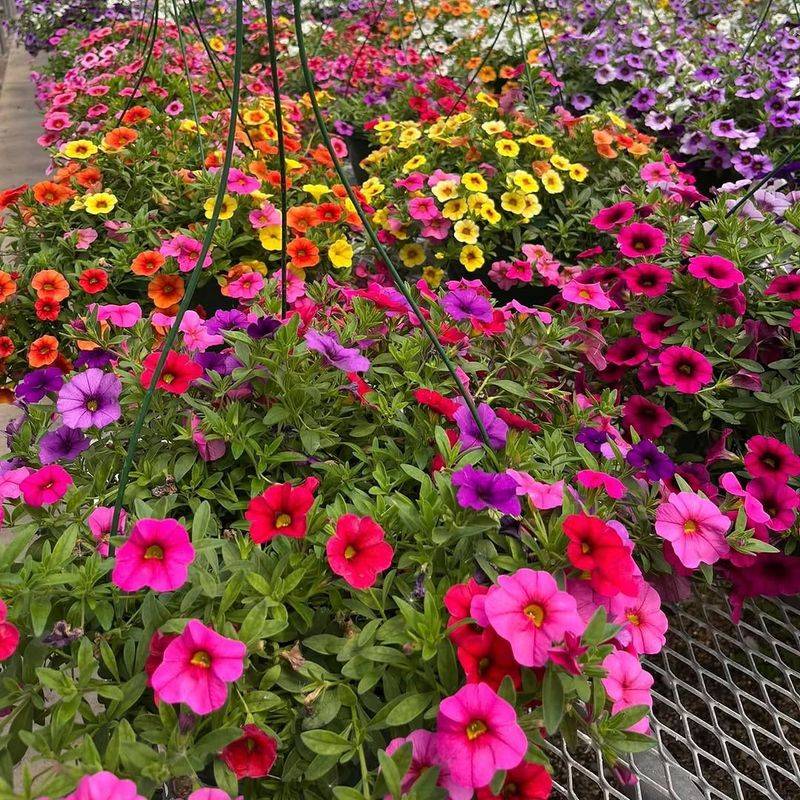
Nicknamed Million Bells, calibrachoa is one of those plants that earns its reputation the moment you see it in full bloom. Hundreds of tiny funnel-shaped flowers cover the plant at once, creating a bold burst of color that is hard to miss from across the yard.
At first glance, many people think it looks like a miniature petunia, and that comparison is not far off since the two plants are closely related.
What makes calibrachoa special for hanging baskets is its natural trailing habit. The stems grow outward and downward, spilling over the edges of a basket in soft, flowing layers that look lush and full without any special training or pruning.
That draping effect is exactly what turns an ordinary basket into something that looks like it belongs on a magazine cover.
Michigan gardeners have embraced calibrachoa because it handles warm humid summers well while keeping up a steady show of flowers. Garden centers across the state stock it every spring in a huge range of colors.
Whether you are decorating a front porch, a deck railing, or a backyard pergola, calibrachoa brings the kind of cheerful, effortless beauty that makes outdoor spaces feel welcoming all season long.
2. It Is Perfect For Hanging Baskets
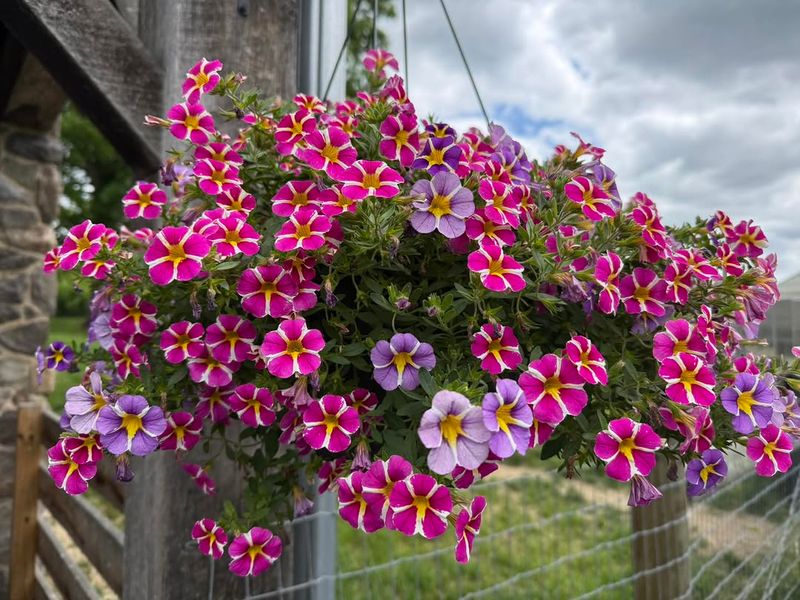
Some plants look great in the ground but struggle to shine when tucked into a hanging basket. Calibrachoa is not one of them.
Its naturally compact, trailing growth style was practically made for baskets, window boxes, and elevated containers where plants can hang freely and show off their full shape.
The stems branch out generously and tumble downward, softening the hard edges of any basket with a cascade of small, cheerful blooms.
Within a few weeks of planting, a single calibrachoa can fill a standard basket so thoroughly that the container itself almost disappears beneath the foliage and flowers.
That full, rounded look is something many gardeners spend years chasing with other plants.
Another reason calibrachoa works so well in baskets is that it does not need complicated companions to look impressive.
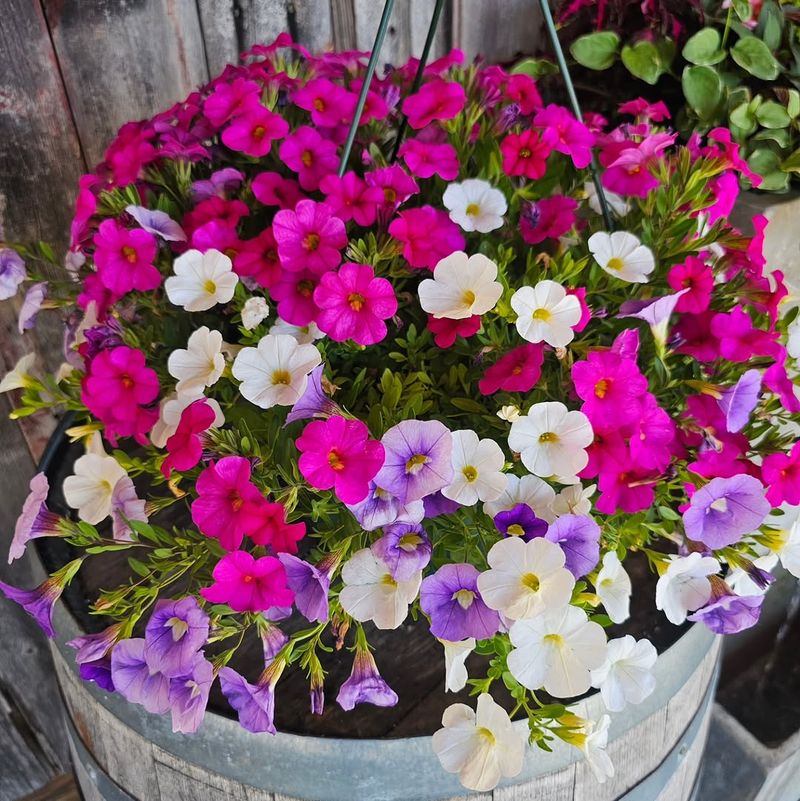
A single variety planted alone can create a stunning monochromatic display, while mixing two or three colors in the same basket produces a vibrant, layered effect.
Michigan gardeners who want maximum visual impact with minimal effort will find that calibrachoa delivers results that feel almost effortless.
Your Michigan Garden Changes Every Week. Your Plan Should Too.
Gardening in Michigan changes quickly throughout the season. Every Friday you’ll receive a simple weekly plan showing exactly what to plant, prune, fertilize, harvest, and protect so you never miss the right timing.
The plant grows quickly after planting and rarely needs much intervention to look its absolute best throughout the warm months.
3. It Blooms Through The Warm Michigan Season
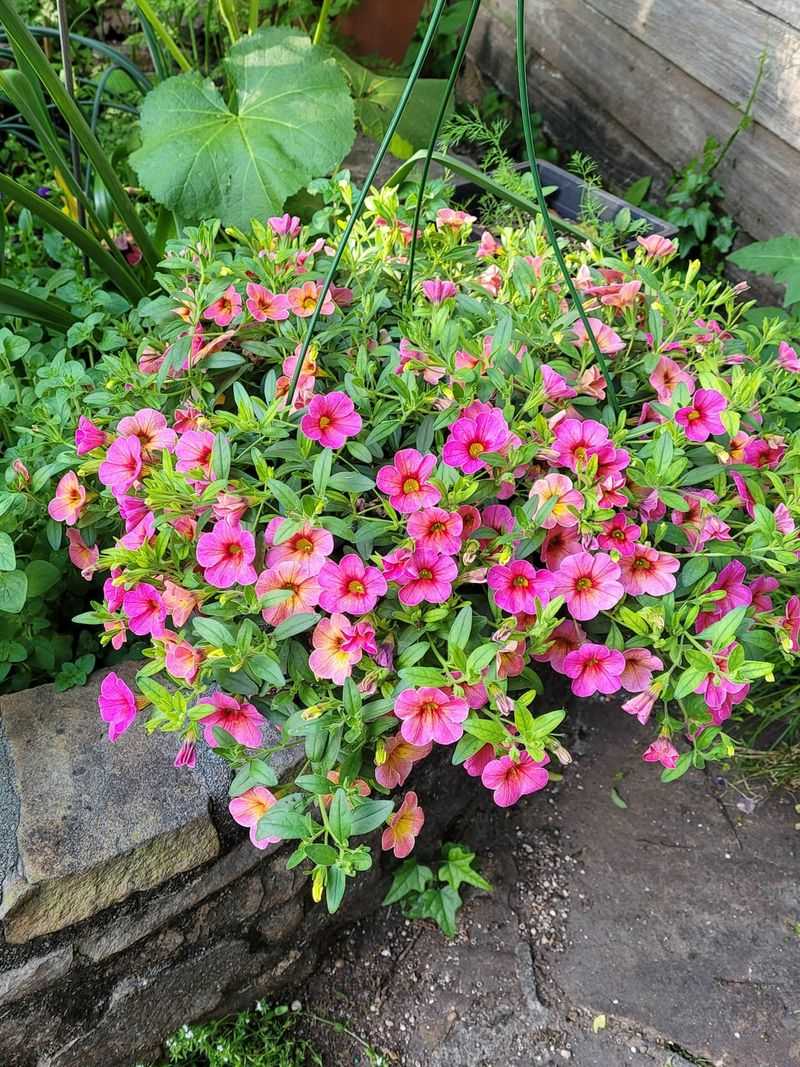
One of the biggest selling points of calibrachoa is its staying power.
While some flowers put on a big show early in the season and then fade out, calibrachoa keeps producing fresh blooms continuously from spring planting all the way through the first cool nights of fall.
That long bloom window is a huge advantage for Michigan gardeners who want their outdoor spaces to look great from May through September.
Calibrachoa is not winter hardy in Michigan. The state sits well outside the plant’s cold tolerance range, so most gardeners treat it as an annual, planting fresh each spring after the last frost has passed.
That is a small trade-off given how much color and performance the plant delivers during the growing season.
To keep the blooms coming strong all summer, the plant needs adequate sunlight, consistent moisture, and regular nutrients. When those three needs are met, calibrachoa rarely takes a break.
Even during the hottest stretches of a Michigan July, a well-fed and properly watered basket will stay covered in color.
Some gardeners are surprised by just how long the flowering season lasts, and once they see it perform through an entire Michigan summer, they tend to plant it again the very next year without hesitation.
4. It Comes In Bright Cheerful Colors
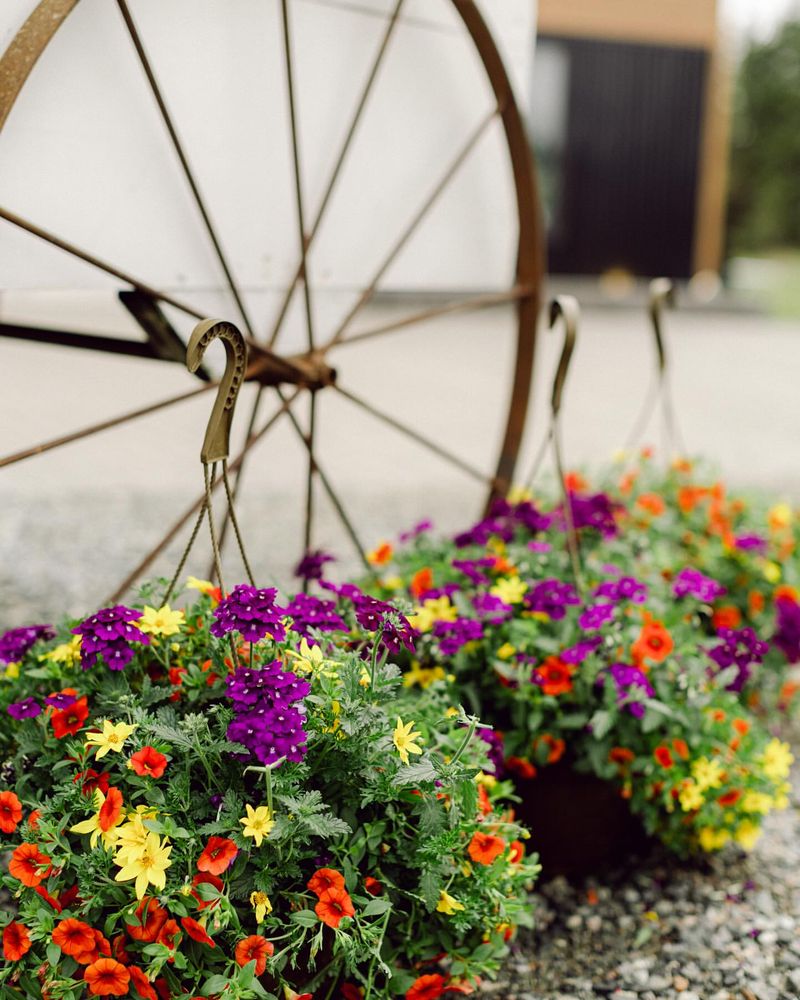
Walk into any Michigan garden center in spring and the calibrachoa display is usually impossible to miss. The sheer range of colors available is one of the main reasons gardeners get so excited about this plant each season.
Pink, purple, yellow, orange, red, white, blue, bronze, and even multi-toned patterned varieties line the shelves, giving shoppers plenty of options to work with.
That color variety makes calibrachoa incredibly useful for matching existing decor. If your front porch has red accents, a basket filled with deep red or coral calibrachoa ties everything together beautifully.
If your patio furniture leans toward cool tones, purple and blue varieties create a calm, cohesive look. Gardeners who enjoy seasonal color changes can simply swap out varieties each year to keep things feeling fresh and new.
Patterned calibrachoa varieties add another layer of visual interest. Some feature petals with contrasting veining, star-shaped markings, or a bold contrasting center that draws the eye right into each tiny flower.
These varieties tend to be real conversation starters when guests visit. With so many choices available at Michigan nurseries and big box garden centers, finding a color that fits your outdoor style is genuinely fun rather than overwhelming.
The wide selection is one of calibrachoa’s most celebrated strengths among home gardeners.
5. It Needs Plenty Of Sun
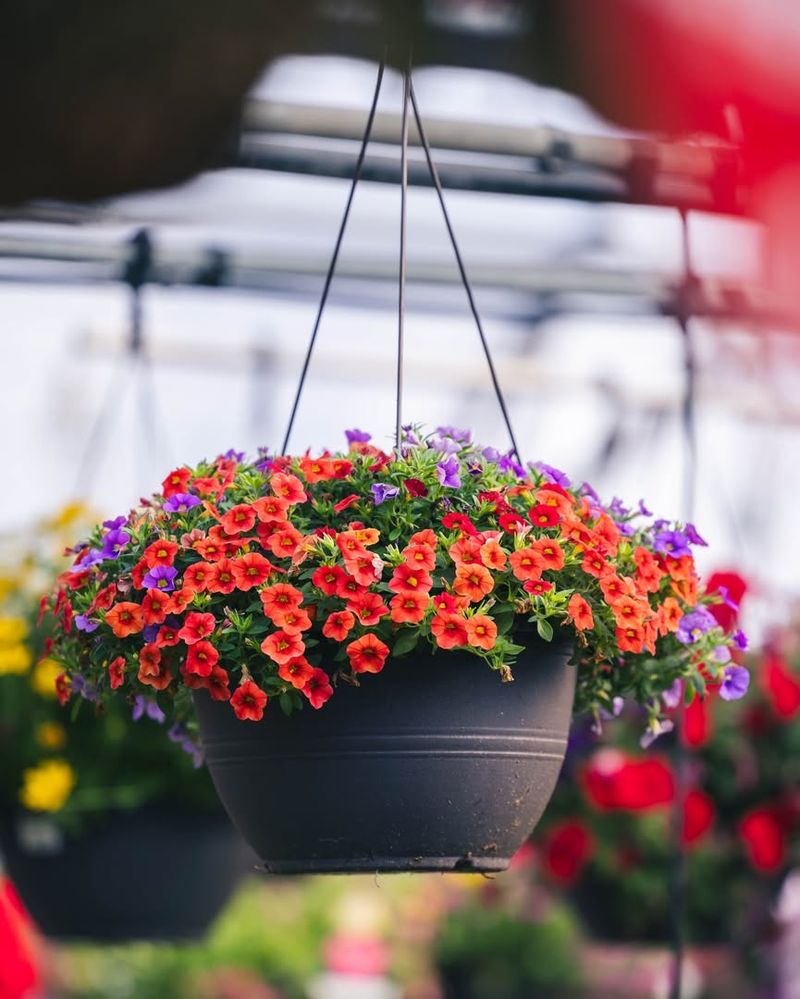
Sunlight is the fuel that keeps calibrachoa running at full speed. The plant is a sun lover through and through, and it performs at its absolute best when it receives at least six hours of direct light every day.
Michigan summers offer plenty of those long, bright days, which is one reason calibrachoa thrives so well in the state during the warm months.
Choosing the right spot for your hanging basket matters more than most gardeners realize. A south-facing or west-facing porch that gets strong afternoon sun is an ideal location for calibrachoa.
East-facing spots that catch morning light can also work well, though the plant may produce slightly fewer flowers than it would in a sunnier position.
Deep shade is where calibrachoa starts to struggle. A basket tucked under a heavy overhang or surrounded by dense trees may stay alive and look green, but the flower production drops noticeably.
Stems can become leggy and stretched as the plant reaches toward any available light, and the overall display loses the lush, full look that makes calibrachoa so appealing. When in doubt, always choose the sunnier spot.
Moving a basket to a brighter location can quickly turn a disappointing display into a thriving, flower-packed showpiece within just a couple of weeks of better light exposure.
6. It Likes Well Drained Potting Mix
Roots that sit in waterlogged soil for too long are roots that cannot do their job properly.
Calibrachoa is particularly sensitive to poor drainage, and soggy conditions at the root zone can cause the plant to look wilted, yellowed, or stunted even when the weather is warm and sunny.
Getting the growing medium right from the start saves a lot of headaches later in the season.
A high quality container potting mix is the right choice for calibrachoa hanging baskets. These mixes are formulated to drain freely while still holding enough moisture to keep roots hydrated between waterings.
They are also much lighter than garden soil, which is important because hanging baskets need to be manageable when they are full of wet soil and actively growing plants.
Garden soil pulled straight from your yard is not a good substitute. It tends to compact inside containers, drain poorly, and can introduce pests or pathogens that thrive in the confined environment of a basket.
Some gardeners add a small amount of perlite to their potting mix for extra drainage insurance, especially in baskets that will hang in very rainy spots.
Starting with the right mix gives calibrachoa the loose, airy root environment it needs to anchor itself quickly and begin putting energy into producing those abundant, colorful blooms you planted it for in the first place.
7. It Benefits From Routine Feeding
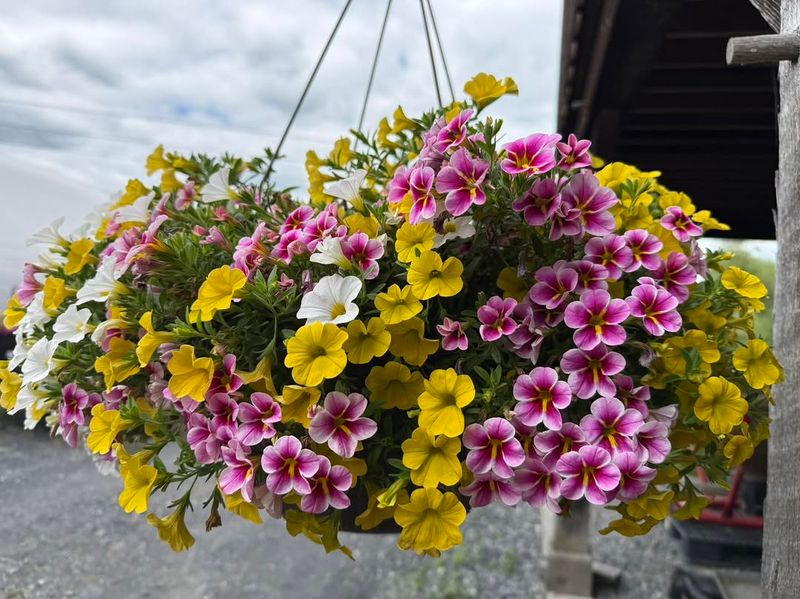
A hanging basket packed with flowers is a hungry plant. Calibrachoa produces blooms nonstop throughout the warm season, and that kind of sustained performance burns through soil nutrients surprisingly fast.
Regular feeding is what keeps the plant looking fresh and flower-covered rather than pale, sparse, and worn out by midsummer.
There are two popular approaches to feeding calibrachoa in hanging baskets. The first is mixing a slow release granular fertilizer into the potting mix at planting time.
These products release nutrients gradually over several weeks or months, providing a steady background supply that supports steady growth.
The second approach is using a liquid fertilizer applied every one to two weeks throughout the season, following the label directions carefully to avoid over-feeding.
Many experienced Michigan gardeners combine both methods for the best results, using a slow release product at planting and supplementing with liquid feeding as the season progresses and the initial fertilizer charge begins to fade.
A fertilizer formulated for blooming plants or one with a higher middle number in the nutrient ratio tends to support flower production especially well. Consistent feeding shows up quickly in the quality of the blooms.
Baskets that get regular nutrients stay vibrant and full-looking, while underfed plants tend to produce fewer, smaller flowers and develop a tired appearance that no amount of extra water can fix.
8. It Does Not Need Constant Spent Bloom Cleanup
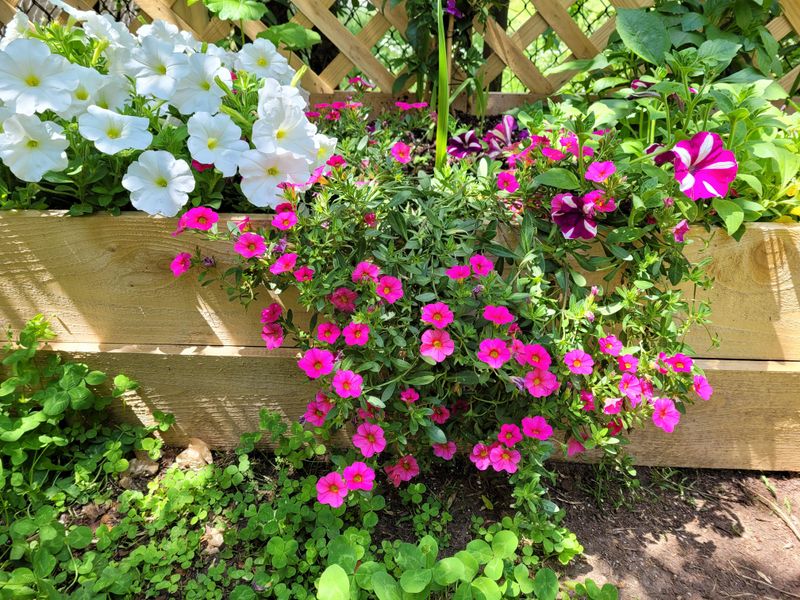
Anyone who has spent a summer meticulously pinching faded flowers off a petunia basket knows how time-consuming that chore can become. Calibrachoa takes a lot of that work off your plate.
Most modern varieties are self-cleaning, which means the spent flowers drop away on their own without needing a gardener to remove each one by hand.
That single feature alone makes calibrachoa dramatically easier to maintain than many comparable flowering plants.
Self-cleaning happens because the plant naturally sheds its finished blooms before they have a chance to set seed.
Since producing seeds takes a lot of the plant’s energy, this shedding keeps calibrachoa focused on making new buds instead of slowing down to mature seeds that nobody needs.
The result is a basket that looks tidy and continuously refreshed without constant intervention.
Even self-cleaning plants can benefit from occasional light trimming, especially later in the Michigan summer when stems may get a bit long and the center of the basket starts to look thin.
A light haircut with clean scissors, cutting stems back by about one third, encourages the plant to branch out and fill back in with fresh growth and new blooms within a couple of weeks.
That mid-season refresh is easy, quick, and makes a noticeable difference in how the basket looks during the final stretch of the growing season.
9. It Looks Great Alone Or With Simple Companions
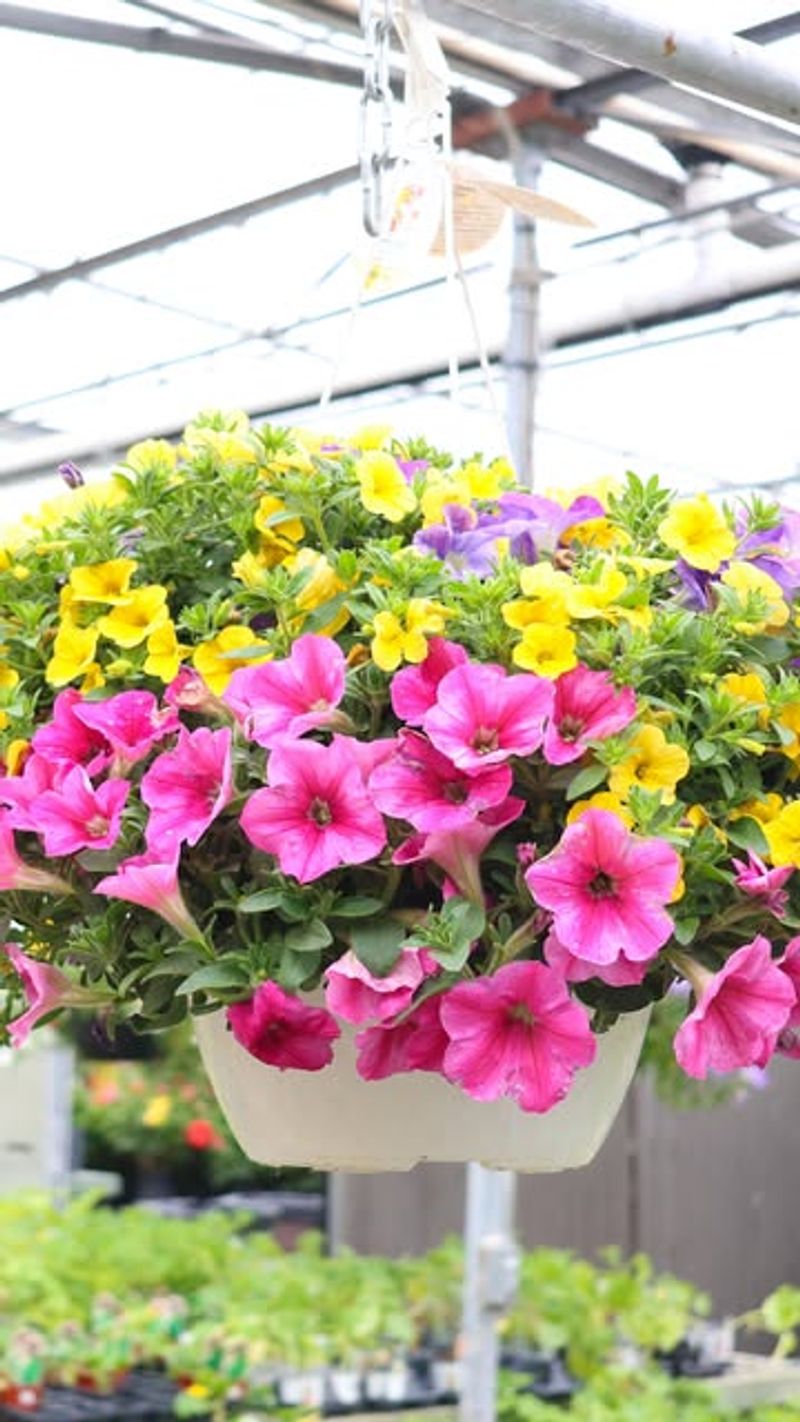
Calibrachoa has a rare quality among hanging basket plants: it looks absolutely stunning all by itself.
A single basket planted entirely with one calibrachoa variety creates a clean, bold, professional display that requires zero guesswork about plant compatibility.
For gardeners who want great results without the complexity of mixed containers, a solo calibrachoa basket is a reliable choice every time.
That said, calibrachoa also plays well with others when you want to build a more layered, textured look. Verbena adds height and a different flower shape that complements calibrachoa beautifully.
Sweet potato vine brings bold trailing foliage in chartreuse or deep purple that makes the flower colors pop even more. Lobelia and bacopa offer delicate, smaller flowers that fill gaps without competing for attention.
The key is choosing companions with similar light and water needs so the entire basket stays healthy without juggling different care routines.
For Michigan gardeners who want bold color, trailing flowers, and a summer of easier outdoor care, calibrachoa is simply the right plant for the job.
It delivers on every front, from its wide color range and self-cleaning blooms to its natural trailing habit and reliable performance through long warm summers.
Whether your basket hangs from a porch beam, a shepherd’s hook, or a deck post, calibrachoa turns the ordinary into something genuinely worth admiring all season long.