8 Massachusetts Plants That Thrive All Summer Without A Drop Of Water From You
Summer in Massachusetts has a way of turning even the most enthusiastic gardeners into reluctant hose-draggers. The rain stops, the sun bears down, and suddenly keeping your yard alive feels like a part-time job nobody signed up for.
But here’s the thing, some plants never got that memo. They push through dry spells, shrug off the heat, and come out looking just as good in August as they did in May.
Massachusetts has a surprisingly strong lineup of native and well-adapted plants built for exactly this kind of summer, and most gardeners never even plant them.
The dry spells, the heat, the weeks without rain, these eight plants take it all in stride and still show up for your garden.
1. White Yarrow
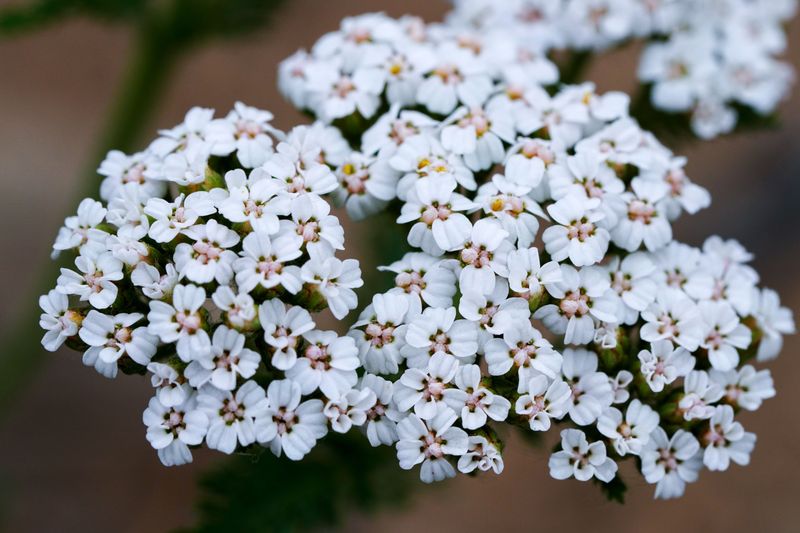
Picture a plant so tough it laughs at drought. White Yarrow has been quietly thriving in rocky meadows and sun-baked fields across the Northeast for centuries.
Once it gets established in your yard, rainfall alone keeps it going strong all season. Its flat-topped clusters of tiny white flowers look delicate, but the plant itself is far tougher than it looks.
Yarrow loves full sun and poor, well-drained soil. Actually, rich soil makes it floppy and weak, so skip the fertilizer and let it struggle a little.
Plant it along a sunny border or a dry hillside where nothing else wants to grow. It spreads slowly over time, filling gaps without becoming a bully.
Pollinators go absolutely wild for it. Bees, butterflies, and beneficial wasps treat yarrow like an all-you-can-eat buffet from June through September.
Historically, yarrow was used to treat wounds and slow bleeding, a practice that goes back thousands of years.
You can cut the flowers and dry them for arrangements that last for months indoors. Few plants give you this much beauty with this little effort.
If you want a plant that handles New England heat without flinching, White Yarrow belongs in your yard. Plant it once, and it rewards you for years.
2. Little Bluestem
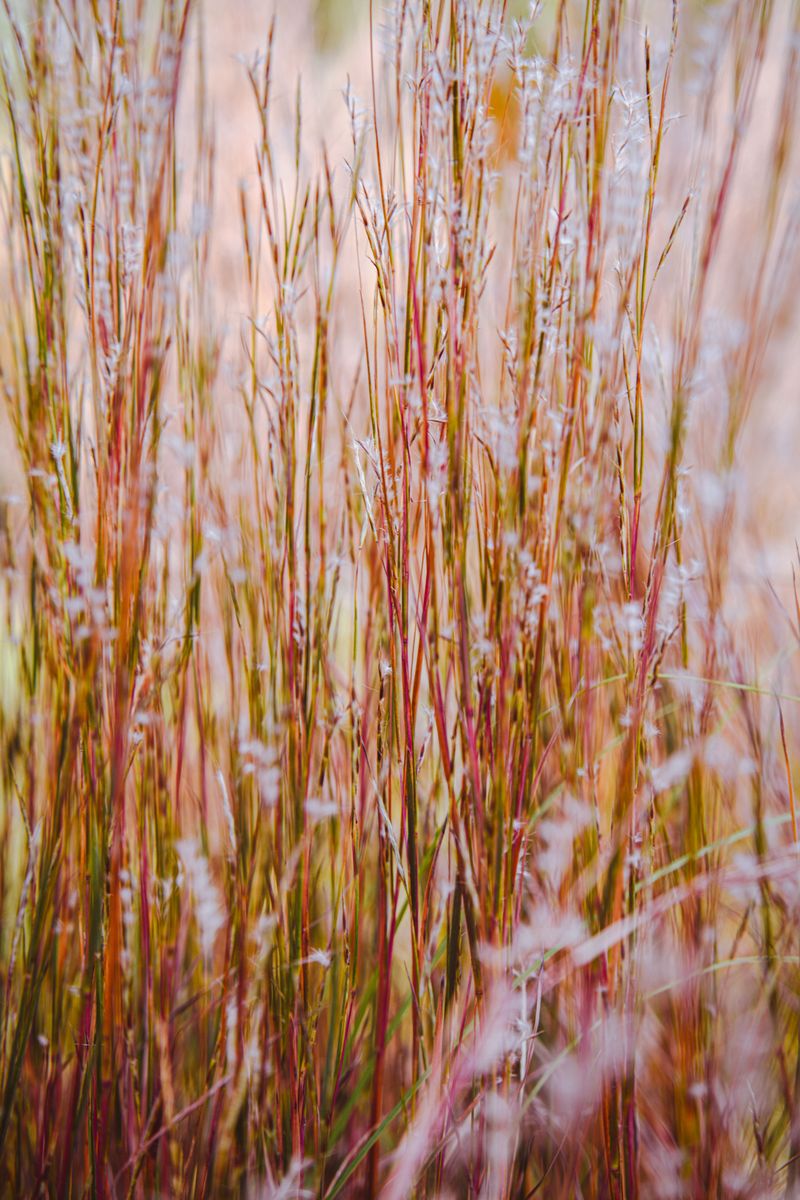
Some plants earn their keep quietly, and Little Bluestem is the ultimate slow burn. It starts the summer as cool blue-green clumps and ends it blazing copper-red and bronze.
This native grass is built for dry conditions across the entire eastern United States. Its deep root system pulls moisture from far below the surface, long after the topsoil has baked dry.
Sandy or gravelly soil is where Little Bluestem truly shines. It struggles in wet clay, so well-drained spots in full sun are the sweet zones for this plant.
Once established, which typically takes one full growing season, it needs no supplemental watering. That first summer, give it a little help; after that, step back and watch it thrive.
The feathery silver seed heads that appear in late summer are genuinely stunning. They catch the light in the afternoon sun and make your yard look designed by someone professional.
Birds love the seeds through fall and winter. Sparrows and juncos will visit your yard specifically because you planted this grass.
Your Massachusetts Garden Changes Every Week. Your Plan Should Too.
Gardening in Massachusetts changes quickly throughout the season. Every Friday you’ll receive a simple weekly plan showing exactly what to plant, prune, fertilize, harvest, and protect so you never miss the right timing.
Little Bluestem pairs beautifully with Black-Eyed Susans and Purple Coneflower for a full-season native garden. The color combinations are bold and completely effortless.
For Massachusetts plants that thrive all summer without irrigation, this grass belongs on every low-maintenance list. It earns every inch of space it takes up.
3. Bayberry
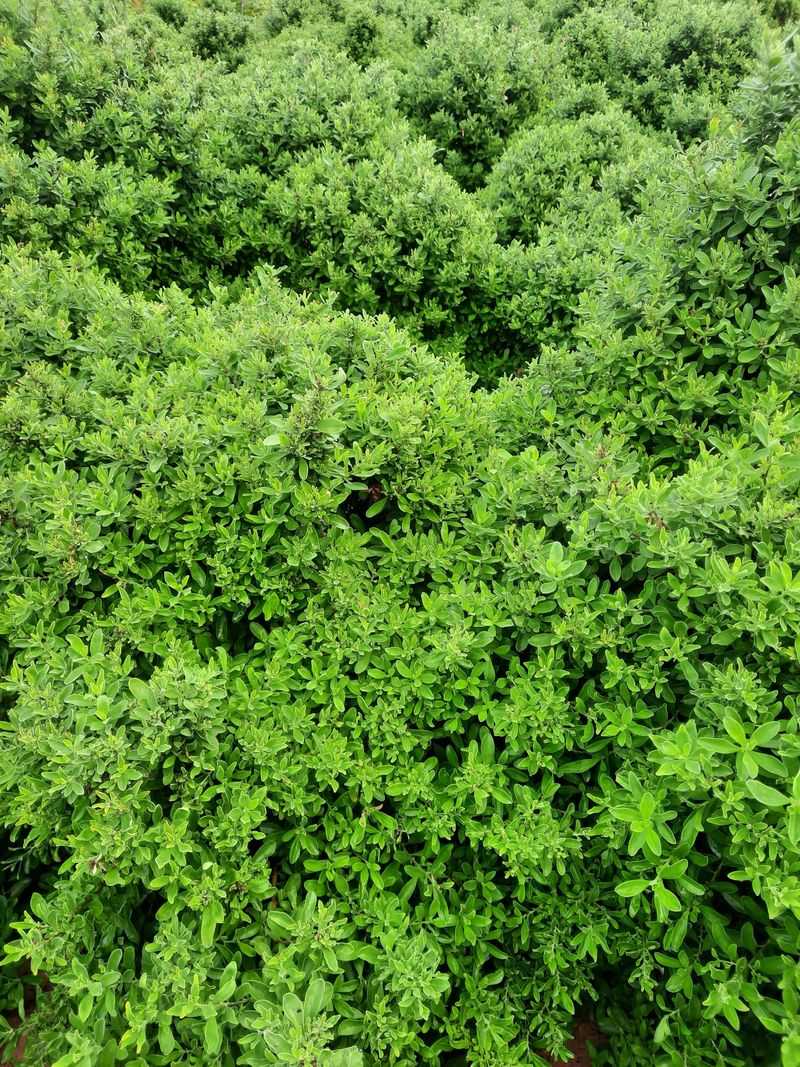
Coastal New England gardeners have a secret weapon, and its name is Bayberry. This native shrub handles salt spray, sandy soil, and summer drought like they’re minor inconveniences.
Northern Bayberry grows naturally along the Massachusetts shoreline, which tells you everything about its toughness. If it can survive ocean winds and nutrient-poor sand, your backyard is basically a spa vacation for it.
The waxy gray-blue berries that appear in fall are iconic. Early New Englanders once boiled the berries to make fragrant bayberry candles, a tradition that carried through generations right up to the present day.
Bayberry fixes nitrogen in the soil through a partnership with root bacteria. That means it actually improves the ground around it while it grows, feeding neighboring plants for free.
It tolerates part shade but prefers full sun with good air circulation. In those conditions, it forms dense, attractive masses that work perfectly as natural screens or windbreaks.
Wildlife benefits enormously from this shrub. Dozens of bird species eat the berries, including yellow-rumped warblers that depend on them during migration.
Pruning is optional and rarely necessary. Bayberry naturally maintains a tidy, rounded shape without much human involvement.
For a shrub that asks for nothing and gives back constantly, Bayberry is hard to beat. Plant it in a tough spot and let it prove what native plants can do.
4. Purple Coneflower
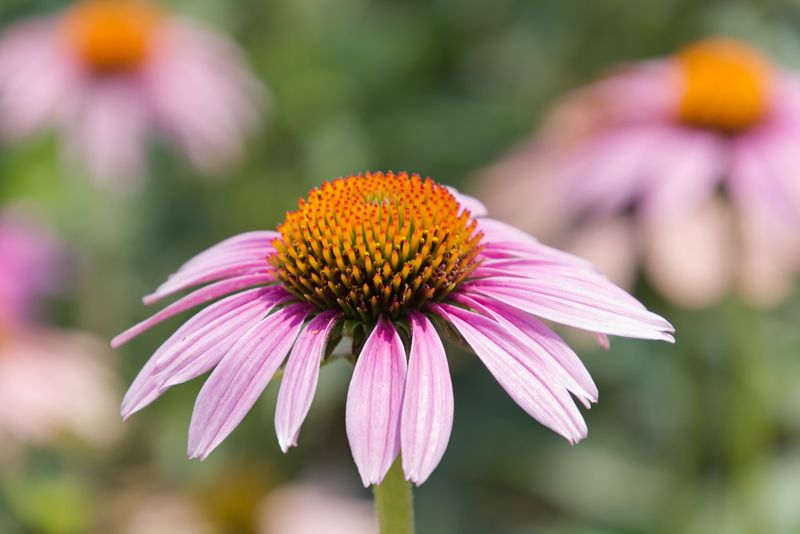
Walk through any thriving native garden in summer and you’ll almost certainly spot Purple Coneflower glowing in the heat. Its bold magenta-pink petals and spiky orange cones are impossible to miss.
Echinacea purpurea is one of the most drought-tolerant flowering plants adapted to New England conditions. Once its roots get deep, which typically happens within the first growing season, it can go long stretches without supplemental watering.
The plant blooms from late June through September, giving you months of color without a single watering session. That’s a serious return on a minimal investment of time and effort.
Goldfinches are obsessed with the seed heads that follow the blooms. Leave the spent flowers standing through winter and your yard becomes a bird feeder that costs nothing to operate.
Purple Coneflower spreads gradually by self-seeding, filling in bare spots over several seasons. You’ll start with three plants and end up with a full, lush colony.
It handles clay soil better than most drought-tolerant plants, which is great news for Massachusetts gardeners dealing with heavy New England earth. Good drainage still helps, but it’s not critical.
Pair it with Little Bluestem or White Yarrow for a low-water garden that looks professionally designed. The color contrast between the purple blooms and silver grass is genuinely stunning.
Massachusetts plants that thrive all summer often require patience, but Purple Coneflower rewards you fast. It’s the kind of plant that makes gardening feel easy.
5. Ninebark
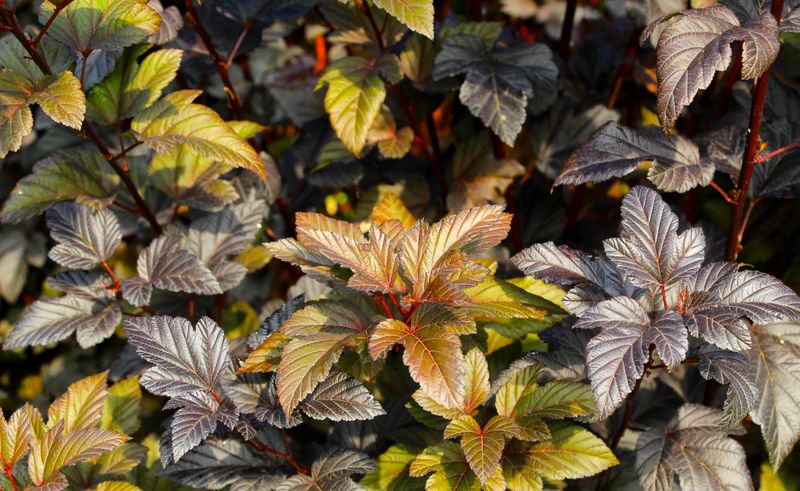
Ninebark gets its name from the way its bark peels in multiple layers, which sounds odd but looks absolutely beautiful in winter. Summer, though, is when this shrub really steals the show.
Physocarpus opulifolius is native to eastern North America and thrives across Massachusetts in a wide range of conditions. Sandy soil, clay, full sun, part shade, it handles all of them without complaint.
The dark burgundy-leafed varieties like Diabolo and Summer Wine are especially popular for their dramatic color. They tend to hold their rich purple-red tone through most of the season, though some fading can occur in extreme heat.
White flower clusters appear in late spring and early summer, drawing pollinators in by the hundreds. After blooming, reddish seed capsules take over and keep the visual interest going strong.
Established Ninebark plants are remarkably drought-resistant once their roots settle in after the first growing season. Summer heat waves that stress other shrubs barely register for this one.
It grows quickly, which is a genuine advantage if you need to fill space or create a privacy screen fast. Some varieties reach six to eight feet tall and wide within a few years.
Pruning right after flowering keeps it tidy and encourages fresh growth. Avoid pruning in late summer or fall, since that can remove next year’s flower buds.
For bold color and zero summer watering demands, Ninebark is one of the most underrated shrubs in any New England landscape. Give it room and watch it dominate beautifully.
6. Sedum
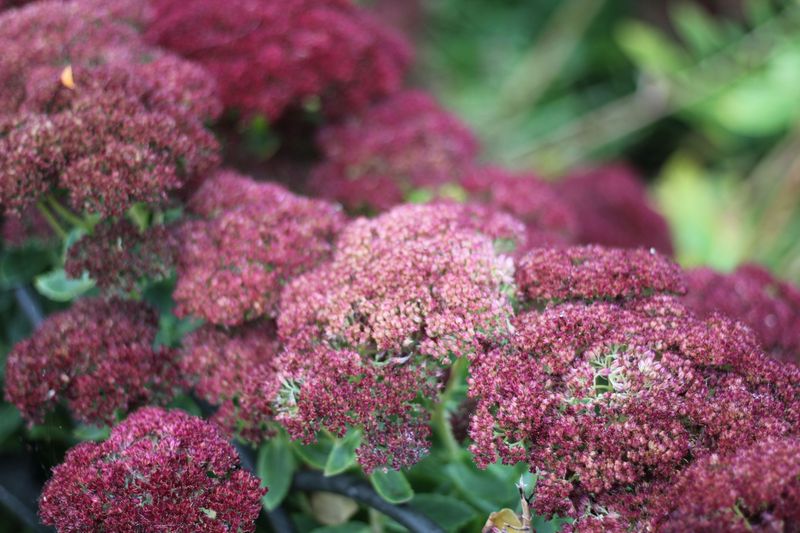
Sedum doesn’t look dramatic, and that’s exactly the point. While other perennials wilt through a dry Massachusetts summer, this low-growing succulent just keeps going.
The secret is in the foliage. Sedum stores water directly in its thick, waxy leaves, which means it can go long stretches without rain and still look composed.
It thrives in full sun and well-drained soil, including rocky, sandy patches where most plants give up entirely. Poor soil isn’t a problem — it’s practically a preference.
Varieties range from low creeping groundcovers to upright clumps reaching a foot or more, giving you options for borders, slopes, and rock gardens. The star-shaped flower clusters arrive in late summer, right when most other plants are winding down.
Pollinators arrive in numbers once sedum blooms. Butterflies are especially drawn to the flat-topped flower heads, which make an easy landing platform during late-season foraging.
Overwatering is the one thing sedum won’t forgive. Give it good drainage, a sunny spot, and minimal fuss, and it rewards you with months of color and zero maintenance demands.
Once established, sedum needs no supplemental watering through even the hottest stretches of a New England summer. That first season, give it occasional water to help roots settle in, after that, step back and let it handle things on its own.
It pairs naturally with other drought-tolerant plants like Black-Eyed Susan and Little Bluestem, creating combinations that look intentional without requiring much effort. Plant it once, and it quietly becomes one of the hardest-working things in your garden.
7. Black-Eyed Susan
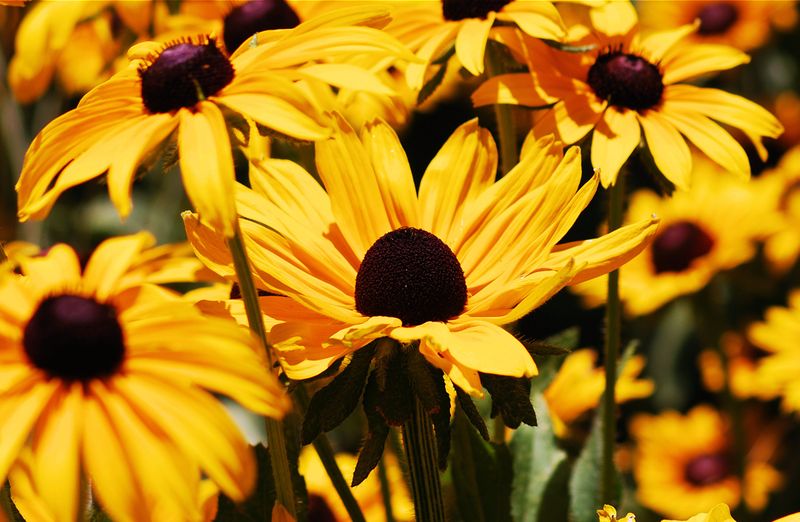
Image Credit: © Larry Siegel / Pexels
Golden petals surrounding a dark chocolate center, Black-Eyed Susan is basically summer in flower form. Few plants capture the spirit of a hot New England July quite like this cheerful wildflower.
Rudbeckia hirta is a short-lived perennial that self-seeds so enthusiastically it effectively acts like a permanent garden resident. Plant it once and it shows up faithfully, season after season, without any help from you.
Drought tolerance is one of its strongest traits. Black-Eyed Susan evolved in open prairies and meadows where summer rain was unreliable, so dry spells in Massachusetts barely slow it down.
It blooms from late June through September, which gives you nearly three full months of golden color in the garden. That’s an exceptionally long flowering window for a wildflower this easy to grow.
Full sun and average to poor soil produce the best results. Rich, moist ground actually encourages floppy growth and can shorten the plant’s lifespan, so resist the urge to pamper it.
Monarch butterflies, bumblebees, and native sweat bees all visit the flowers regularly throughout the season. Leaving the seed heads standing in fall feeds goldfinches and chickadees through the colder months.
Mix Black-Eyed Susan with Purple Coneflower and Little Bluestem for a low-water garden that looks effortlessly wild and colorful. The combination works in both formal beds and naturalized areas.
For sheer cheerfulness with no summer watering demands, this wildflower never disappoints. It’s the plant that makes every neighbor stop and ask what you’re doing right.
8. Arrowwood Viburnum
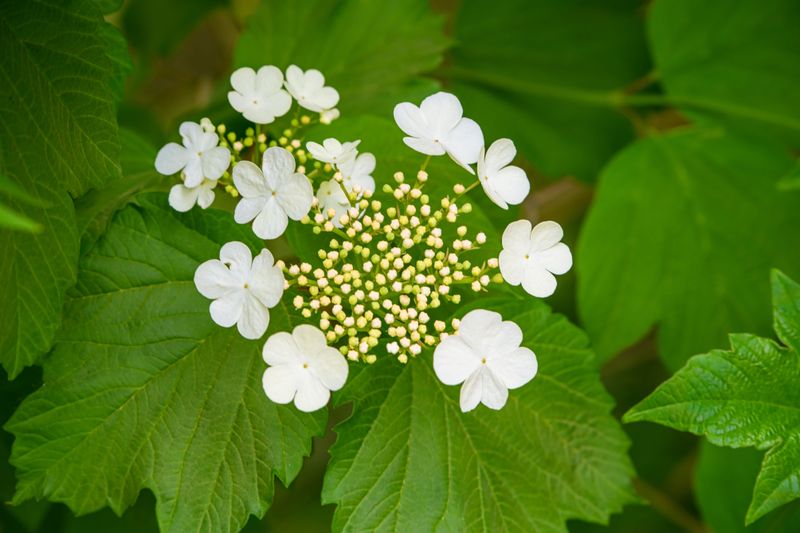
Image Credit: © Suki Lee / Pexels
Most drought-tolerant shrubs demand full sun, but Arrowwood Viburnum breaks that rule with confidence. It handles part shade to full sun equally well, which makes it one of the most flexible native shrubs available in New England.
Viburnum dentatum earned its common name because Indigenous peoples used its straight young stems to craft arrow shafts. That connection to the land runs deep, and so do its roots once established in your yard.
Flat-topped clusters of creamy white flowers open in late spring and early summer, attracting a wide range of native pollinators. The blooms have a light, pleasant fragrance that carries on warm summer evenings.
After flowering, clusters of blue-black berries develop and ripen by late summer. More than 35 species of birds eat those berries, making this shrub a genuine wildlife hub in any landscape.
Once its roots are established after the first season, Arrowwood Viburnum handles summer drought without flinching. It’s naturally adapted to the variable rainfall patterns of the Northeast.
Fall color is a bonus nobody talks about enough. The leaves turn deep red and burgundy before dropping, giving you a second season of visual interest without any extra work.
It grows six to ten feet tall and wide, making it ideal for naturalizing woodland edges or creating informal hedgerows. Pruning is optional and rarely necessary for shape.
Among Massachusetts plants that thrive all summer without irrigation, Arrowwood Viburnum is the most versatile choice on this entire list. Plant it anywhere and let it amaze you.