These Are The Smartest Ways To Mole-Proof Your Massachusetts Lawn
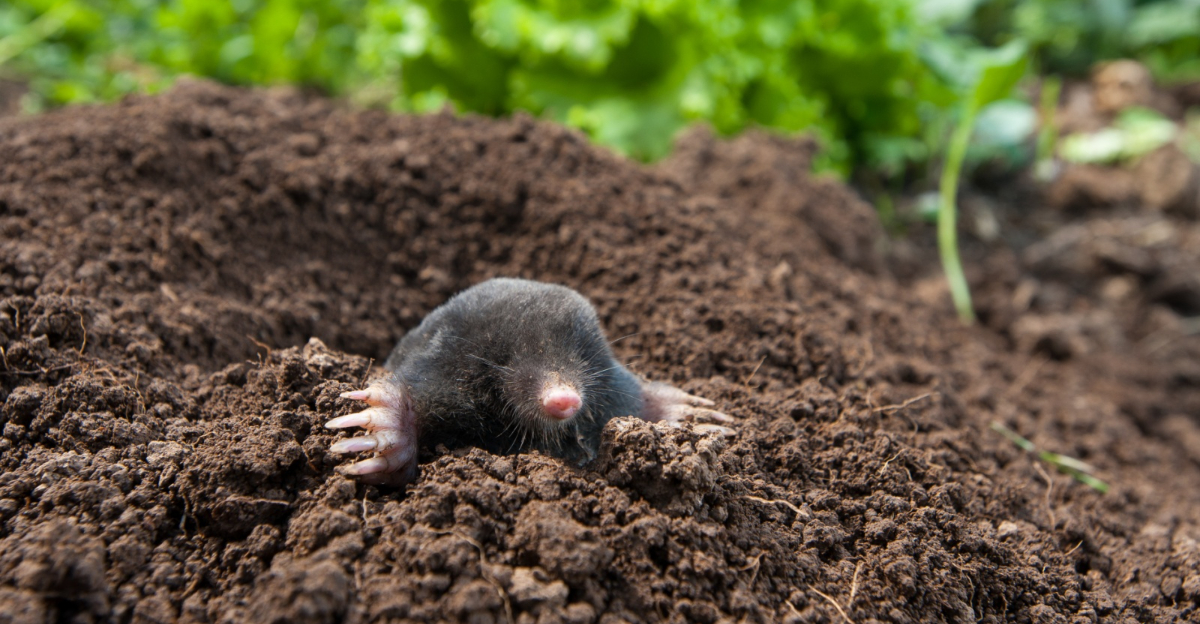
Something shifted overnight, and your yard now looks like a map of hidden highways. Massachusetts lawns feel it hardest, where rich, damp soil welcomes every mole’s relentless ambition.
Moles move with quiet, deliberate focus, claiming territory faster than most homeowners ever notice. Beneath ordinary grass, one small animal can quietly undo months of careful lawn care.
Reaching for store-bought repellents feels intuitive, but most products make your soil worse over time. Your lawn has real value, and moles are quietly reassigning ownership underground.
Across Massachusetts, homeowners who win share one thing: they understand what drives moles.
Protecting your yard is absolutely possible without harming your garden, pets, or surrounding ecosystem. Proven, non-toxic approaches exist that align with how moles actually behave and move.
Reclaiming your turf starts with knowledge, not chemicals, and that shift changes everything. This is your yard, your rules, and it is fully yours to take back.
1. Plant Daffodils And Alliums As Natural Barriers

Moles have strong opinions about smell, and daffodils offend them deeply. These cheerful flowers contain a compound called lycorine, which is toxic to moles and encourages them to tunnel elsewhere fast.
Alliums, which include ornamental onions and garlic, work in a similar way. Their sharp, sulfuric scent travels through the soil and creates an underground environment many moles find actively off-putting.
Planting these bulbs around the edges of your yard builds a fragrant perimeter. Moles tend to avoid areas where these plants grow, steering their tunnels away from treated zones.
Both plants are low-maintenance and genuinely beautiful in spring beds. They bloom when mole activity peaks, so the timing works strongly in your favor.
You can plant daffodils and alliums in clusters along garden beds, fence lines, or anywhere you notice fresh mole activity.
One important note: both plants are toxic to dogs, cats, and children if ingested, so skip this approach if pets or young kids have regular access to your yard.
Gardeners across New England have used this approach for generations. It is one of those old-school solutions that actually holds up against modern scrutiny.
Beyond mole control, you get a striking seasonal display that adds real visual interest to your yard each spring.
This is one of the most satisfying ways to mole-proof your Massachusetts lawn because it adds beauty while solving a real problem.
2. Bury Wire Mesh 2 Feet Deep Around Garden Beds
Picture this: a mole tunneling confidently toward your prize-winning tomatoes and hitting a wall of steel. That is exactly what happens when you install wire mesh barriers underground.
Hardware cloth or galvanized wire mesh with quarter-inch openings works best for this job. Smaller openings mean moles cannot squeeze through, chew through, or wiggle around the barrier.
Dig a trench around your garden beds at least two feet deep. Most active feeding tunnels stay within this range, so this depth gives you reliable protection for the areas moles damage most.
Line the trench with the mesh and bend the bottom outward at an L-shape. That angled foot makes it much harder for determined moles to burrow under the barrier from below.
Your Massachusetts Garden Changes Every Week. Your Plan Should Too.
Gardening in Massachusetts changes quickly throughout the season. Every Friday you’ll receive a simple weekly plan showing exactly what to plant, prune, fertilize, harvest, and protect so you never miss the right timing.
Backfill the trench carefully and pack the soil firmly. The mesh should sit flush with or slightly above the soil surface so water still drains naturally.
This method is especially useful for vegetable gardens and flower beds where mole tunneling can uproot plants and destroy root systems. Protecting those spaces is a top priority for any serious gardener.
Wire mesh barriers last for years with minimal upkeep. Once installed, you can basically forget about it and focus on growing instead of guarding.
It requires some weekend effort upfront, but the payoff is a protected growing space all season long. Your garden beds deserve that kind of commitment, and so do you.
3. Eliminate Grubs With Beneficial Nematodes
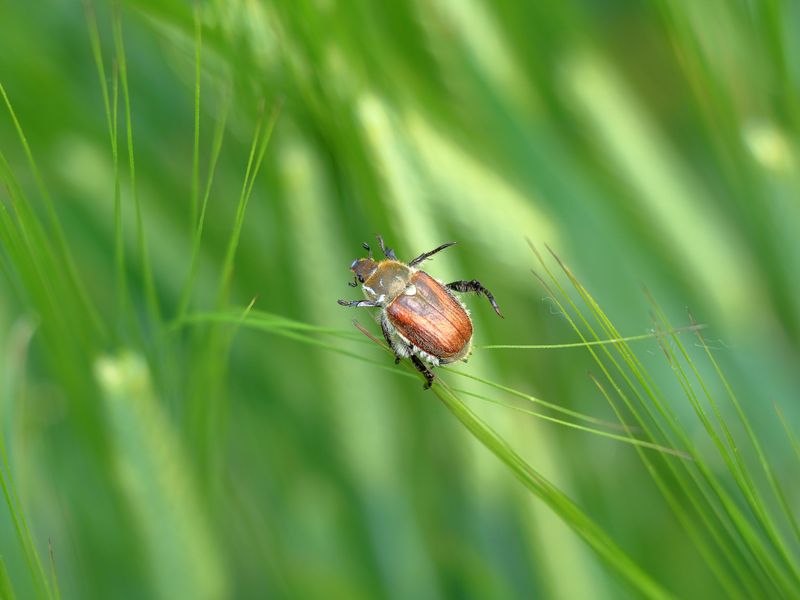
Moles do not actually want your lawn. They want the grubs living inside it, and that changes everything about how you approach the problem.
Grubs are the larvae of beetles like Japanese beetles and June bugs. They live just below the surface and are a primary food source that reliably draws moles in.
Beneficial nematodes are microscopic roundworms that hunt and destroy grubs naturally. You apply them to your lawn as a liquid solution, and they get to work immediately beneath the surface.
These microscopic organisms are completely safe for humans, pets, earthworms, and plants. They target specific pest larvae without harming the rest of your healthy soil ecosystem.
The best time to apply nematodes in Massachusetts is late summer or early fall when grubs are young and close to the surface. A second application in spring can help catch any survivors from the previous season.
You can find nematode solutions at most garden centers or order them online. Always store them in the refrigerator until you are ready to apply, as they are living organisms.
After a few weeks of nematode treatment, grub populations drop significantly. With less food available, moles lose their reason to visit your yard and move on to easier ground.
Removing the food source is one of the smartest long-term strategies to mole-proof your Massachusetts lawn. Fix the root cause, and the moles fix themselves.
4. Castor Oil Granules Scattered Across The Lawn Deter Moles

Castor oil has been used as a mole deterrent for decades, and researchers have a solid working theory for why it works.
Researchers believe the oil affects the soil and food sources in ways that moles find deeply unappealing, through a combination of scent, taste, and mild irritation.
Granular castor oil products are easy to apply with a standard broadcast spreader. You scatter them across your lawn, water them in, and let the rain and irrigation do the rest of the work.
The granules dissolve slowly and release castor oil into the soil over several weeks. This slow release keeps the deterrent effect active longer than liquid sprays, which wash away more quickly.
Moles that encounter treated soil reportedly reverse course and move on entirely. They are not harmed, simply repelled, which is exactly the outcome you want.
For best results, apply granules in a grid pattern across your entire yard rather than just problem spots. Moles are explorers and will find any untreated gaps you leave behind.
Reapply after heavy rainfall or every four to six weeks during peak mole season. Consistency is what makes this method effective over the long haul.
Castor oil granules are non-toxic and safe for children, pets, and garden wildlife. That makes them a popular choice for families who want results without worrying about chemical exposure.
When used alongside other strategies, castor oil granules become a powerful piece of your mole-proofing plan. Sometimes the simplest solutions are the ones that actually stick.
5. Vibrating Garden Stakes Irritate Moles Underground
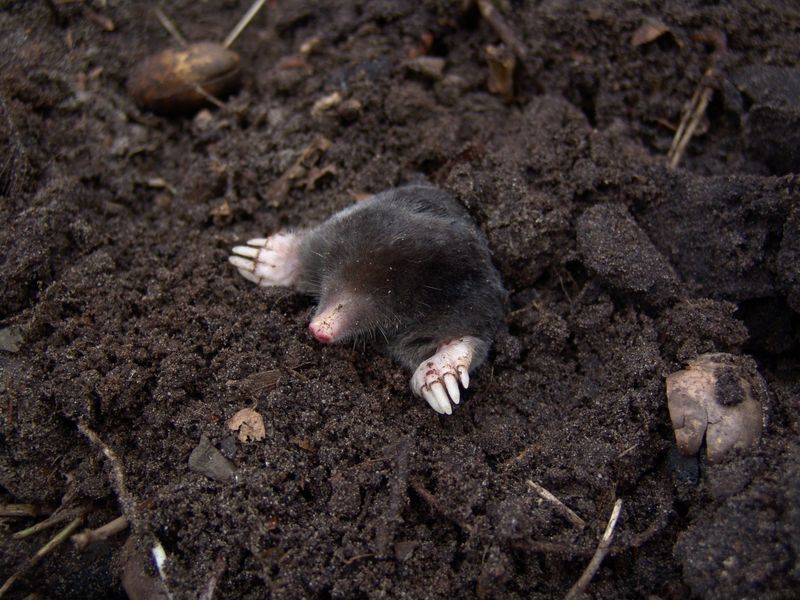
Moles are nearly blind, but their sense of touch and vibration is extraordinarily sharp. That sensitivity is what makes vibrating stakes a popular and humane option, though results vary depending on soil type and placement.
These devices are usually solar-powered stakes that you push into the ground at regular intervals across your yard.
Most models emit a low-frequency pulse on a repeating cycle, creating a persistent underground disturbance.
To a mole, that constant vibration disrupts the sensory environment they depend on for safe navigation. Their response is to move toward quieter ground, which is precisely what you want.
Solar-powered models are especially convenient because they charge themselves during the day and work around the clock without any ongoing cost. A sunny Massachusetts spring day gives them plenty of energy to spare.
Place the stakes in a grid pattern to avoid leaving gaps in coverage. Moles are clever enough to find quiet corridors if your placement is too sparse or uneven.
You may notice mole activity shifting to the edges of your yard at first as they try to escape the vibration. Moving stakes periodically prevents them from adapting to any fixed pattern.
These stakes work best when combined with other deterrents like castor oil granules or nematode treatments. Layering your defenses gives you much stronger results than relying on any single method.
No chemicals, no traps, no harm. Vibrating stakes are one of the most peaceful options in your toolkit, and they tend to work best as part of a layered approach rather than a standalone fix.
6. Try Raised Garden Beds For Vulnerable Areas

Some garden spots just seem to attract moles no matter what you try. For those stubborn zones, raised garden beds offer a structural solution that takes moles out of the equation entirely.
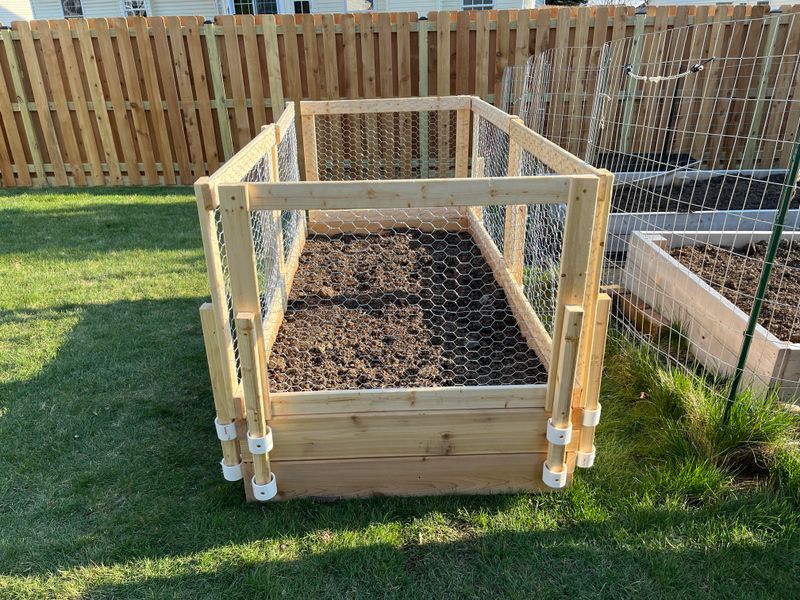
When you build a raised bed, you control everything inside it, including the soil, drainage, and most importantly the bottom barrier. Line the base with hardware cloth before filling it with soil, and moles simply cannot enter from below.
Raised beds also allow you to use lighter, fluffier growing mix that drains faster than native soil. Moles prefer moist, dense soil packed with earthworms and grubs, so faster-draining beds are naturally less inviting.
Cedar is a popular choice for building raised beds in Massachusetts because it resists rot and handles freeze-thaw cycles well. A well-built cedar bed can last many seasons with consistent basic care.
You can build them at ground level or elevate them on legs for even more separation from underground activity. Elevated beds are also easier on your back, which is a bonus worth mentioning.
Raised beds protect your most valuable plants, whether those are vegetables, herbs, or prized perennials. Keeping your best growers safe lets you focus your other mole-proofing efforts on the open lawn.
This approach does require an upfront investment of time and materials, but the payoff is long-lasting. Once built correctly, a raised bed is essentially a mole-free growing zone for years.
Raised beds are a smart structural answer when the rest of your mole-proofing plan needs backup. Build once, benefit for many seasons.
7. Reduce Excess Watering To Make Soil Less Appealing

Overwatering your lawn is basically sending moles a personal invitation. Wet, soft soil is easy to tunnel through and packed with the earthworms and grubs that moles hunt every day.
Massachusetts summers bring enough natural rainfall to keep most lawns healthy without heavy supplemental watering.
Checking your local rainfall totals before running the sprinklers is a habit worth building this season.
Most established lawns only need about one inch of water per week total, including rain. Watering deeply but less often encourages grass roots to grow deeper and soil to dry out between sessions.
Dry, firm soil is harder to tunnel through and supports fewer grubs near the surface. Moles quickly learn which yards are easy digging and which ones are not worth the effort.
A simple rain gauge placed in your yard takes the guesswork out of irrigation decisions. They cost just a few dollars and can save you a surprising amount of water and mole headaches.
If you use an irrigation system, audit it at the start of each season to check for leaks or zones that are running longer than needed. Even small inefficiencies can create persistently soggy patches that moles love.
Cutting back on watering also saves money on your utility bill, which is a nice side effect of being a smarter lawn steward. Your wallet and your yard both benefit from this simple shift.
Drier soil is just one piece of the puzzle, but it is a surprisingly powerful one. Give moles fewer reasons to stay, and they will look elsewhere for their next meal.
8. Encourage Owls By Installing Nesting Boxes Nearby
Nature already built the perfect patrol, and it flies silently at night on wings the size of dinner plates.
Owls are among the most effective natural predators of moles, voles, and other lawn-tunneling mammals. A single barn owl typically catches three to four small mammals per night.
Moles make up a modest portion of their diet alongside voles, mice, and shrews, but a resident owl still provides consistent, natural pressure on the small mammal population in your yard.
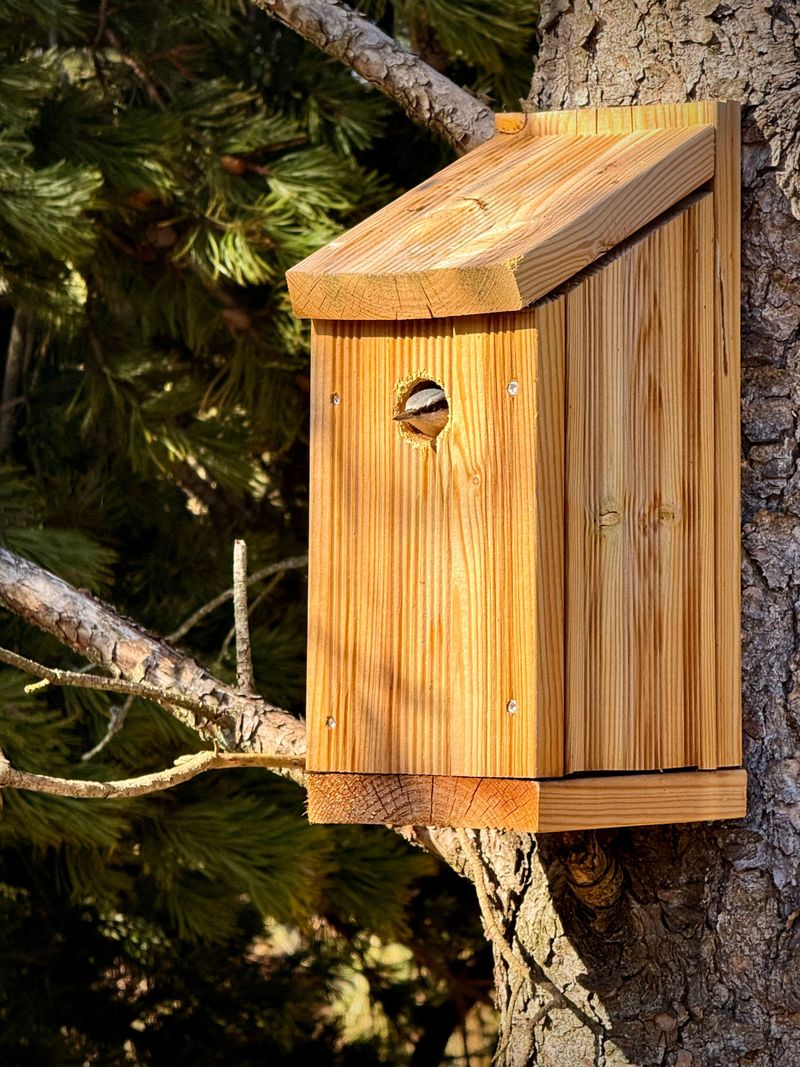
Installing a nesting box on a post at the edge of your property gives owls a reason to stick around.
Position it ten to fifteen feet off the ground with the opening facing away from prevailing winds for best results.
Barn owls and screech owls are both common in Massachusetts and both will use appropriately sized nest boxes. A quick search for local owl box dimensions will point you to the right specs for each species.
Keep the area around the box open and free of dense shrubs so owls have a clear flight path for landing and launching. They prefer hunting over open lawns, so your yard is already prime real estate for them.
Avoid using rodenticides anywhere near the box, as poisoned prey can harm owls that eat them. Keeping your yard chemical-free supports the entire predator chain from soil to sky.
This strategy takes a little patience since owls may not move in immediately. Once they do, though, you gain a free, feathered, year-round presence that keeps small mammal pressure genuinely low.
Welcoming owls is one of the most rewarding additions to any mole-proofing plan, and the wildlife benefit to your yard extends well beyond pest control.