This Gaint Mosquito In Your Texas Garden Might Not Be A Mosquito After All
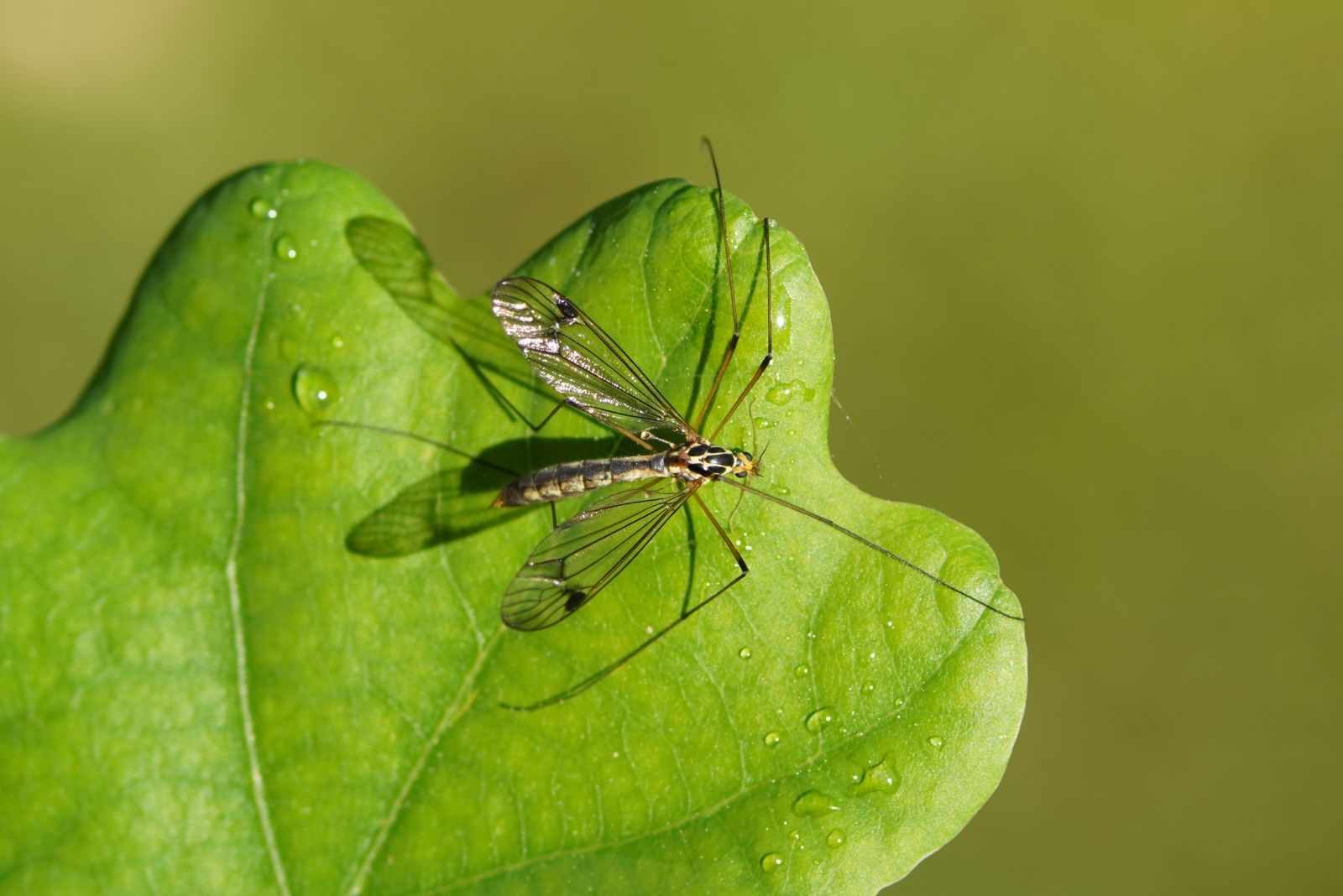
You spot it on your window screen or hovering near your porch light. It looks like a mosquito, but something is off.
It’s way too big. Like someone took a regular mosquito and hit the enlarge button several times.
Your first instinct is to back away slowly and question every life choice that led you to Texas. But take a breath.
Because that giant mosquito is probably not a mosquito at all. A lot of Texas residents are encountering this oversized, long legged flying insect and immediately assuming the worst.
And honestly, the confusion is completely understandable. At first glance, the resemblance is striking.
But once you know what you’re actually looking at, the whole thing becomes a lot less terrifying and a lot more interesting. This creature is far more common in Texas gardens than most people realize, and its presence might actually be a good sign for your yard.
Meet The Crane Fly
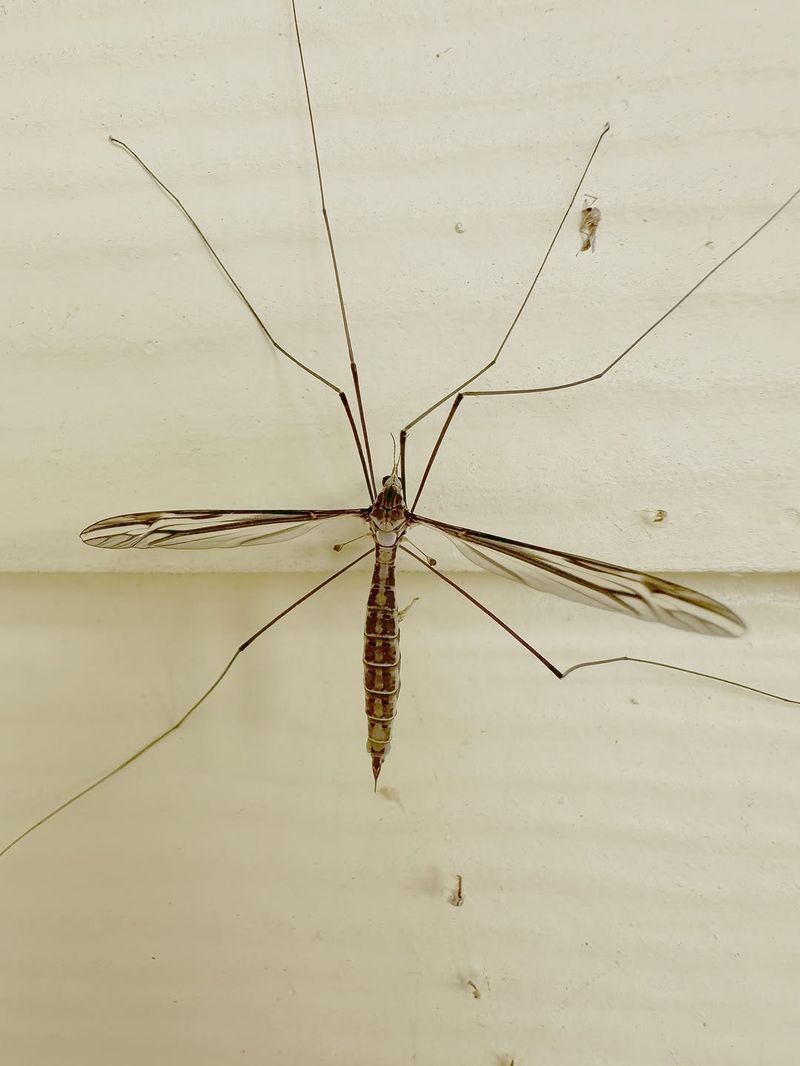
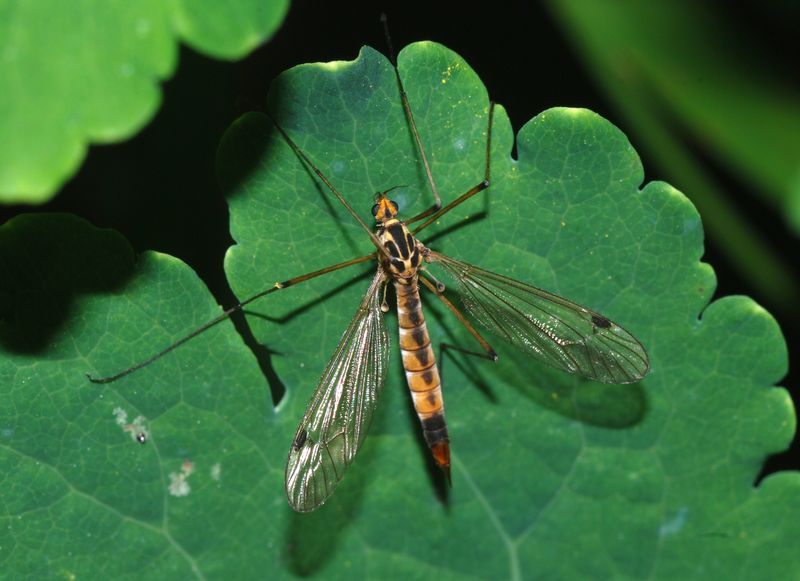
Picture a mosquito that went through a serious growth spurt. That is pretty much what a crane fly looks like at first glance, and it is exactly why so many Texas gardeners panic when they spot one hovering near the porch light.
Crane flies belong to the family Tipulidae, and there are thousands of species found all over the world, with plenty of them calling Texas home.
Here is the most important thing to know right away: crane flies do not bite. They have no interest in your blood, your pets, or your food.
Adult crane flies actually have very limited mouthparts and most species do not eat at all during their short adult lives. Their only real mission as adults is to find a mate and lay eggs before their brief adult stage comes to an end.
People sometimes call them “mosquito hawks” or “daddy longlegs flies,” which adds to the confusion. Some folks believe crane flies eat mosquitoes, but that is also a myth.
They are not predators at all. They are completely harmless, gentle insects that happen to look intimidating because of their size.
Spotting one in your garden or flying into your home through an open door is nothing to worry about. Just guide it back outside and let it go on its way.
Crane flies are far more startled by you than you should ever be by them. Getting familiar with these insects is the first step toward becoming a more confident and informed Texas gardener who knows the difference between a real threat and a harmless visitor.
Identification Tips For Spotting A Crane Fly
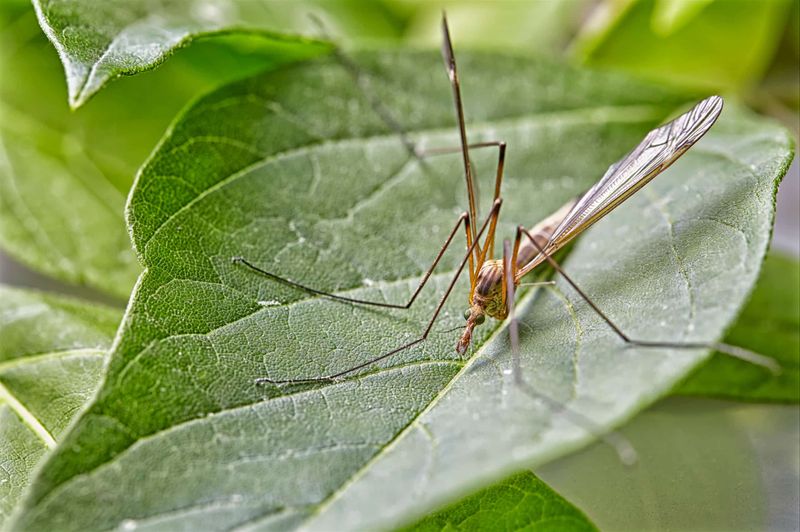
Once you know what to look for, telling a crane fly apart from a mosquito becomes pretty easy. The size difference alone is a major clue.
Crane flies are noticeably larger, with some species in Texas reaching a wingspan of over an inch. Common mosquitoes are much smaller, usually no bigger than a pencil eraser.
If the flying insect in front of you looks almost comically oversized for a mosquito, it is almost certainly a crane fly.
Your Texas Garden Changes Every Week. Your Plan Should Too.
Gardening in Texas changes quickly throughout the season. Every Friday you’ll receive a simple weekly plan showing exactly what to plant, prune, fertilize, harvest, and protect so you never miss the right timing.
Look at the legs next. Crane flies have extremely long, thin, fragile-looking legs that seem way too big for their body.
Those legs break off easily, which is why you often see crane flies hobbling around with a leg or two missing. Mosquitoes also have long legs, but they are proportionally much shorter and sturdier-looking compared to a crane fly.
The wings are another giveaway. Crane flies have two large, clear or slightly smoky wings that they often hold out to the sides when resting, almost like a small airplane.
Mosquitoes fold their wings flat along their back when at rest. Also, take a close look at the head.
Mosquitoes have a long, needle-like proboscis that sticks straight out in front, which they use to pierce skin. Crane flies lack this feature entirely.
Their mouthparts are tiny and non-threatening. Knowing these simple visual differences means you will never again mistake one for the other.
A little observation goes a long way, and your garden confidence will grow every time you correctly identify a new insect visitor.
Lifecycle And Behavior Of Crane Flies
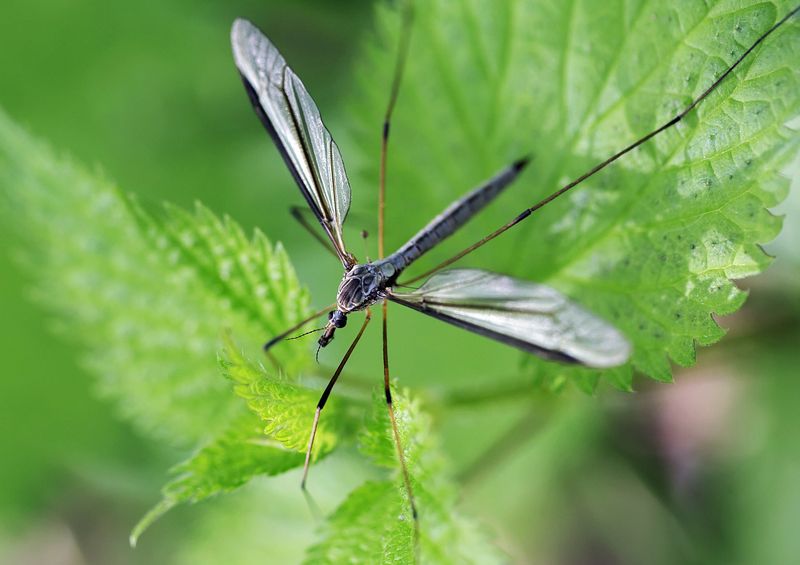
Crane flies have a fascinating lifecycle that most people never think about because all the action happens underground. The adult crane fly you see flying around your garden is only the final, short-lived stage of a much longer journey.
Most of a crane fly’s life is actually spent as a larva living in the soil, where it quietly goes about its business without anyone noticing.
Adult crane flies typically emerge in late spring through summer in Texas, though some species show up in fall as well. Once they emerge, their adult lives last only a few days to a couple of weeks.
During this time, they focus entirely on mating. Females lay their eggs in moist soil, grass, or near water, and then the cycle begins again. Adults of most species do not feed on blood or plant material at all during this stage.
The larvae, commonly called leatherjackets because of their tough, grayish skin, hatch from those eggs and burrow into the soil. They spend months feeding on decaying plant matter, fungi, and sometimes grass roots.
Leatherjackets are most active during cooler, wetter months and tend to stay deeper in the soil during dry or hot periods. They are not fast movers, and they prefer moist environments.
Understanding this lifecycle helps gardeners realize that the flying adult is not the stage causing any potential lawn concerns.
It is the larval stage in the soil that occasionally interacts with garden plants, which we will cover more in a later section. Knowing the full picture makes it easier to respond calmly and wisely.
Garden Role And Benefits Of Crane Flies
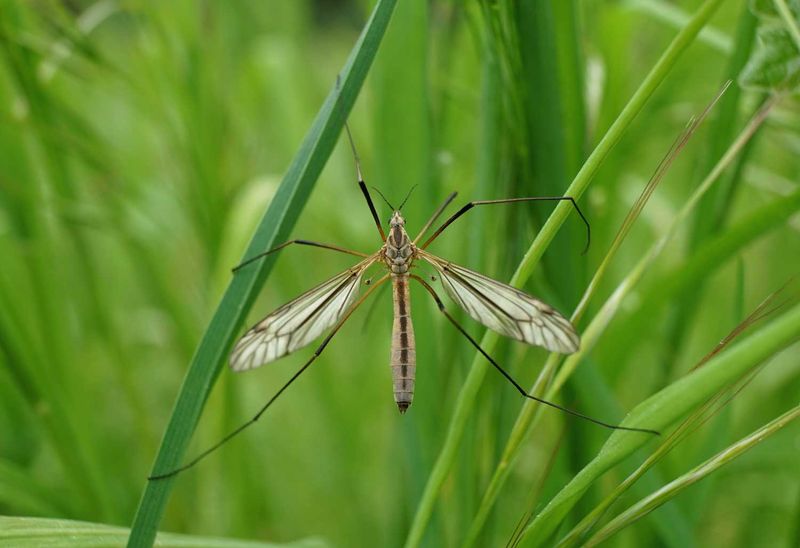
Surprisingly, crane flies do a lot of quiet, behind-the-scenes work that benefits your garden. Most gardeners focus on the adult fliers and never consider what the larvae are doing in the soil below.
Leatherjackets feed on decomposing organic matter, which helps break down dry plant material and return nutrients to the soil. This natural recycling process improves soil structure and supports a healthier growing environment for your plants.
Think of leatherjackets as tiny, unseen composters working in the dark. They are part of a larger community of soil organisms, including earthworms and beetles, that keep garden soil alive and balanced.
Healthy soil is full of activity, and crane fly larvae contribute to that ecosystem in a real and meaningful way.
Gardens with rich, biologically active soil tend to grow stronger plants and need fewer chemical inputs over time. Adult crane flies also play an important role in the food web. Birds absolutely love them.
Robins, starlings, and other backyard birds will eagerly snatch up crane flies from the air or dig for larvae in soft soil. Frogs, spiders, and bats also feed on adult crane flies, making them a valuable food source for a wide range of beneficial wildlife.
By supporting crane fly populations, you are indirectly supporting the birds and frogs that visit your garden. More biodiversity in your yard means a more balanced and resilient ecosystem overall.
Welcoming crane flies, rather than treating them as a problem to eliminate, is one of the easiest ways to encourage a thriving, wildlife-friendly Texas garden without spending a dime.
Misconceptions About Crane Fly Danger
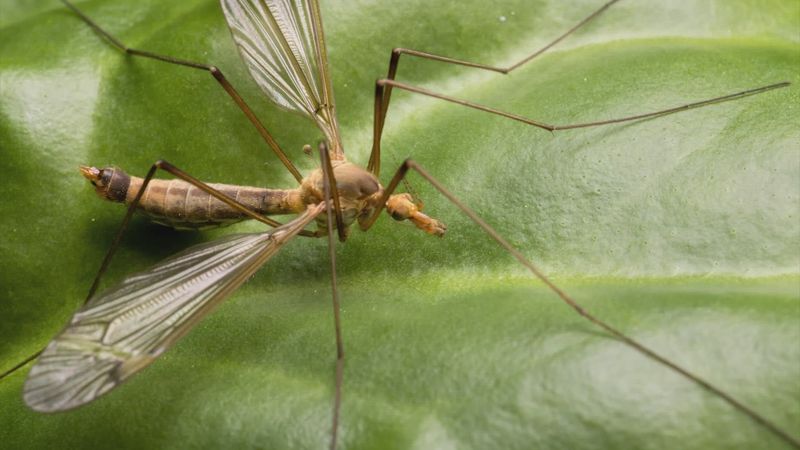
Few garden insects carry as many false rumors as the crane fly. One of the most stubborn myths is that crane flies are “mosquito hawks” that hunt and eat mosquitoes. It sounds great, but it simply is not true. Crane flies are not predators.
They do not chase, catch, or consume other insects. Adult crane flies of most species do not even have functional mouthparts for feeding.
The mosquito hawk label is completely misleading and has stuck around way longer than it should have. Another common fear is that crane flies bite or sting. Nope.
Not even close. They have no stingers, no biting mouthparts, and zero ability to harm humans or animals.
If one lands on your arm, it is just resting. It cannot pierce your skin, inject anything, or cause any reaction whatsoever.
They are about as dangerous as a paper airplane. People sometimes flinch or scream when one flies at their face, which is totally understandable given their size, but the fear is not based on any real risk.
Some gardeners also worry that crane flies transmit disease the way mosquitoes do. They do not.
Crane flies are not known to carry or spread any human or animal diseases. Spraying pesticides to get rid of them is not only unnecessary but can harm the beneficial insects, birds, and soil organisms that your garden actually depends on.
Spreading accurate information about crane flies within your neighborhood and gardening community makes a real difference.
When people understand that these insects are harmless, they are far less likely to reach for chemicals that cause unintended damage to the local environment.
Managing Crane Fly Populations Naturally
Good news for gardeners who like to keep things simple: adult crane flies do not need to be managed at all. They are short-lived, harmless, and naturally controlled by the birds and other wildlife already living around your yard.
If you see adult crane flies swarming around your porch light or hovering over your lawn in the evening, there is no action required on your part. They will move on quickly and naturally.
Larval crane flies are a slightly different story, but even then, the situation is rarely serious enough to require intervention. In most Texas gardens, leatherjacket populations stay at low levels that cause no noticeable damage.
Occasionally, in lawns with poor drainage or heavily compacted, waterlogged soil, larval numbers can build up enough to cause patchy, yellowing grass. The best response is not pesticide use but improving soil health.
Aerating your lawn, improving drainage, and avoiding overwatering creates conditions where leatherjacket populations naturally stay balanced.
Encouraging natural predators is one of the most effective and rewarding strategies available. Birds like starlings and thrushes are expert leatherjacket hunters and will work your lawn for free if you make your yard welcoming to them.
Adding a bird bath, planting native shrubs for shelter, and avoiding broad-spectrum pesticides all help attract these helpful visitors.
Nematodes, which are microscopic beneficial organisms, can also be applied to soil as a targeted and eco-friendly option if larval numbers become a genuine concern.
Working with nature rather than against it is always the smartest long-term approach for a healthy, balanced Texas garden that you can feel good about tending.