What Every Colorado Gardener Needs To Know When Temps Hit Triple Digits
Summer in Colorado has a way of sneaking up on you. One morning you’re sipping coffee on a comfortable patio, and by afternoon, the thermometer is flirting with triple digits.
For gardeners, that shift isn’t just uncomfortable, it’s a race against the clock. Plants that looked perfectly healthy at sunrise can show signs of serious stress by noon, and once the damage sets in, it’s harder to undo than most people expect.
What you do in the next few hours can mean the difference between a thriving backyard and a season-ending loss. Colorado’s intense sun, low humidity, and rapid temperature swings create conditions that most plants weren’t built to handle on their own.
When temps push past 100 degrees, your garden needs more than a quick spray from the hose. It needs a plan. Here’s what to do when Colorado heat turns relentless.
What Happens To Your Garden When Temps Hit Triple Digits
Triple-digit heat puts your garden under serious pressure fast. Plants stop growing and start just trying to survive.
When temperatures climb past 100 degrees, photosynthesis slows way down. Your plants can’t turn sunlight into energy as well as they normally would.
Flowers drop before they’re pollinated. Tomatoes stop setting fruit when nighttime temps stay above 75 degrees.
Roots struggle to pull water fast enough to replace what’s lost through leaves. That imbalance causes wilting, even in soil that feels moist.
The ground itself bakes hard. Surface soil in direct sun can climb well above air temperature on a hot afternoon.
At that temperature, roots near the surface suffer serious damage. Container plants are especially vulnerable because the pot walls absorb and hold intense heat.
Soil microbes that help feed your plants also slow down in extreme heat. That means fewer nutrients reach your plants right when they need support most.
Colorado’s dry air makes things even harder. Low humidity causes plants to lose moisture faster than in more humid climates.
Wind adds another layer of stress. Even a light breeze can pull moisture from leaves faster than roots can replace it.
Understanding what happens underground and above it is the first step. Once you know the mechanics of heat stress, you can fight back smarter and more effectively.
Signs Your Plants Are Struggling In Extreme Heat
Your plants can’t talk, but they absolutely send signals. Learning to read those signs early saves your garden.
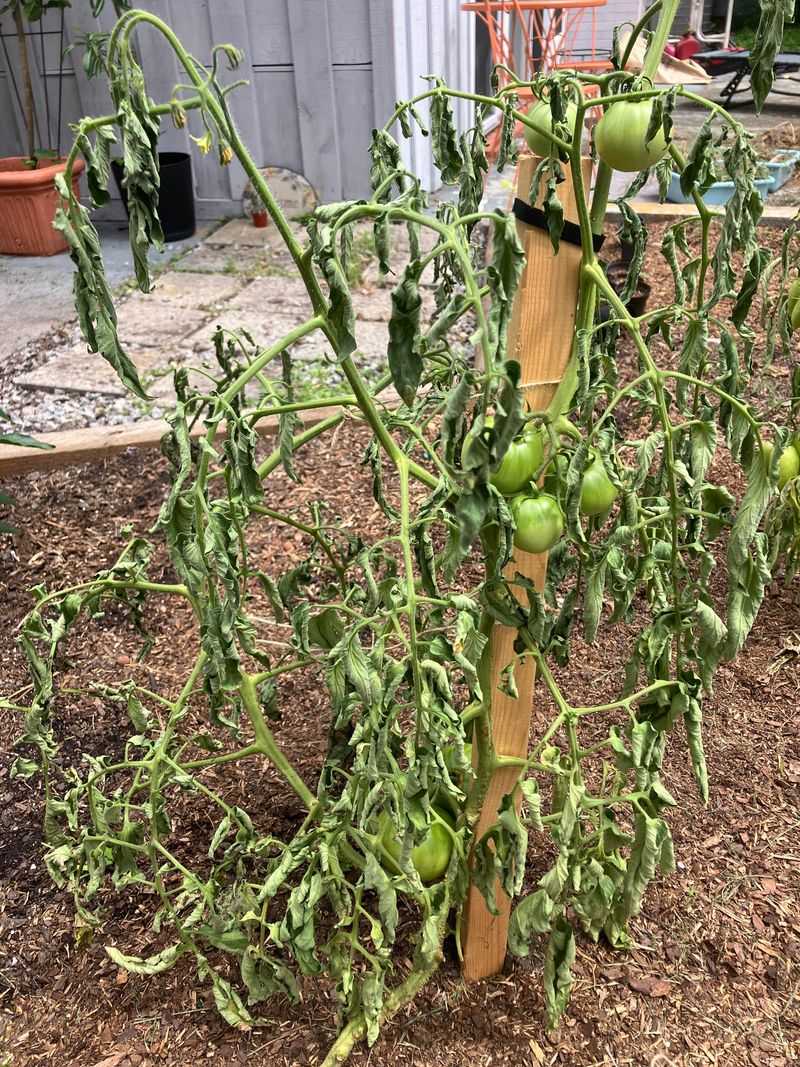
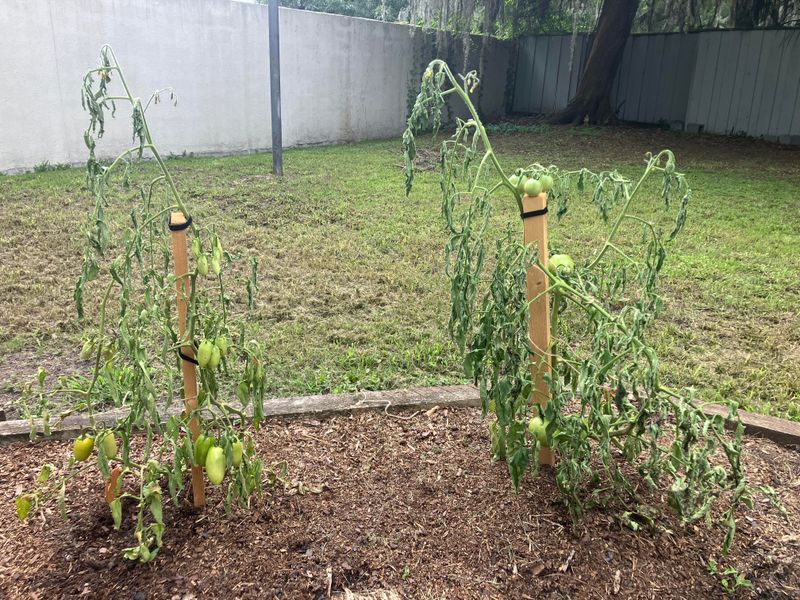
Wilting during the hottest part of the day is normal. But if plants are still drooping in the early morning, that’s a red flag.
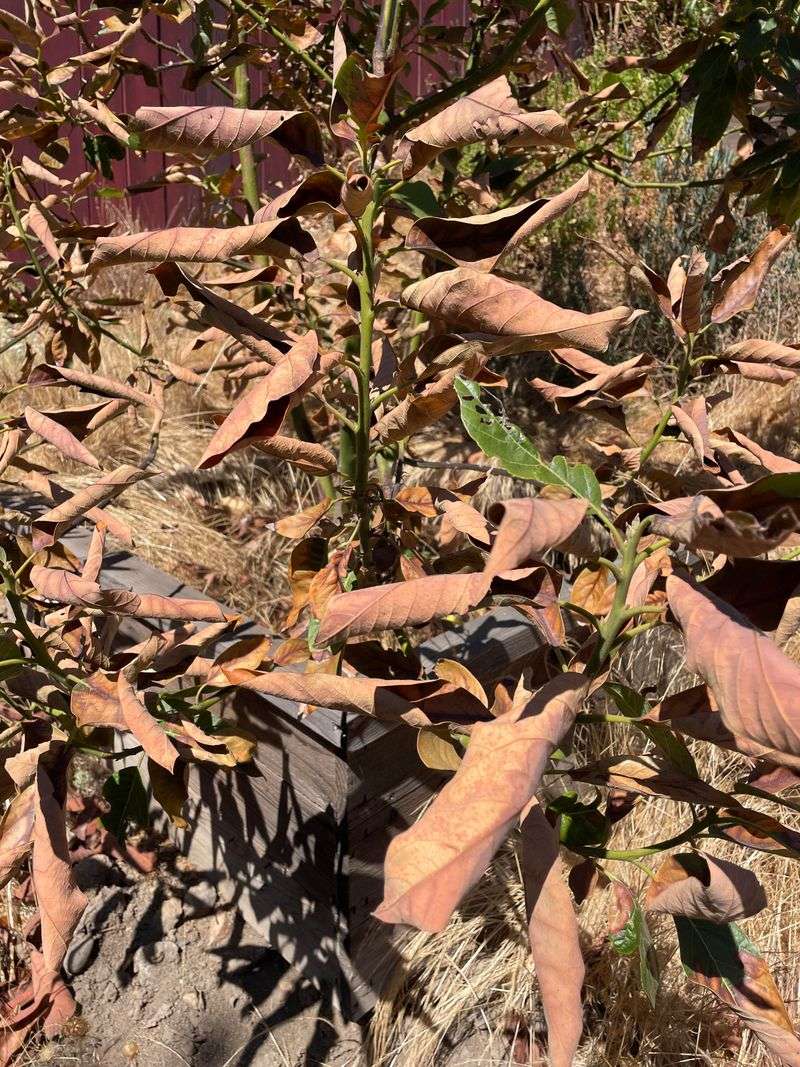
Leaf edges turning brown and crispy are classic signs of heat scorch. This damage is permanent, but the plant can still recover if you act quickly.
Yellowing leaves in summer can sometimes signal heat stress rather than a watering problem. Many gardeners overwater when they see yellow, which makes things worse.
Blossom drop is one of the most heartbreaking signs. Your pepper or tomato plant looks healthy, but the flowers fall off before setting fruit.
Your Colorado Garden Changes Every Week. Your Plan Should Too.
Gardening in Colorado changes quickly throughout the season. Every Friday you’ll receive a simple weekly plan showing exactly what to plant, prune, fertilize, harvest, and protect so you never miss the right timing.
Stunted new growth is another clue. When a plant puts all its energy into surviving, it stops sending out new shoots or leaves.
Curling leaves are the plant’s way of reducing sun exposure. It’s a smart survival trick, but it also signals that the plant is under serious pressure.
Check the soil about two inches down. If it’s bone dry there, your watering schedule isn’t keeping up with the heat.
Look at the color of your stems. Pale, bleached-looking stems often mean too much direct sun with too little moisture.
Catching these signs early gives you a fighting chance. A struggling plant that gets help on day one recovers far faster than one ignored for a week.
How To Water Wisely During A Heat Wave
Watering during a heat wave sounds simple, but most people do it wrong. Timing and technique matter more than the amount.
Shallow watering is one of the biggest mistakes gardeners make in summer. It trains roots to stay near the surface where heat is most intense.
Deep, slow watering pushes moisture down six to eight inches. That’s where roots need to go to find cooler, stable ground.
Drip irrigation is your best friend during triple-digit temps. It delivers water directly to the root zone without wasting a drop to evaporation.
Sprinklers lose a significant amount of water to evaporation on hot, windy days. If you’re using overhead sprinklers, you may be watering more than your plants actually receive.
Water pressure matters too. A slow, gentle flow soaks in better than a hard blast that runs off before it can absorb.
Check your soil moisture before watering every time. Stick your finger two inches deep and feel for dampness before turning on the hose.
Avoid wetting leaves during peak heat hours. Wet foliage in direct sun can cause scorching, adding to the plant’s stress load.
Group plants with similar water needs together. This makes efficient watering easier and prevents overwatering drought-tolerant varieties.
A soaker hose left on for 30 to 45 minutes can do more good than a daily five-minute sprinkle. Smart watering during a Colorado heat wave is how you keep your garden alive and thriving.
The Best Time Of Day To Work In Your Garden
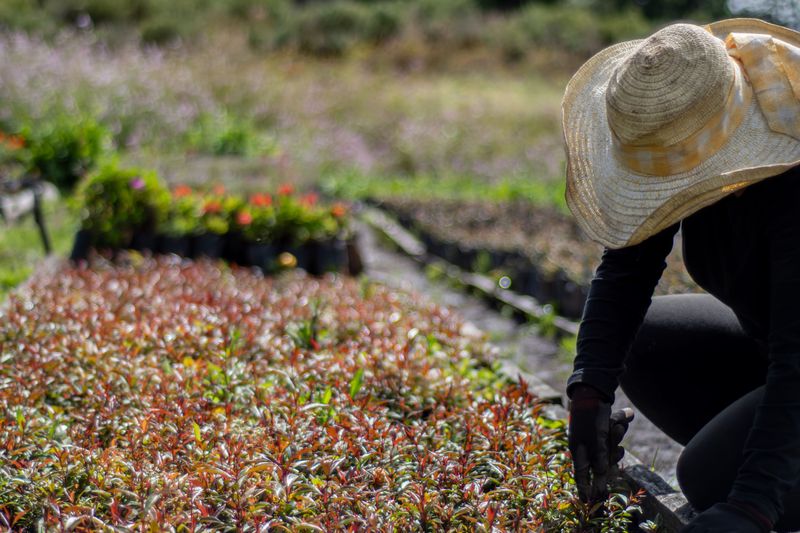
Your body and your plants share the same enemy during a heat wave: midday sun. Working smart means choosing your hours carefully.
Early morning, between 6 and 9 a.m., is the golden window. Temperatures are cooler, the soil holds overnight moisture, and plants are at their most responsive.
Pruning, transplanting, and fertilizing are all best done in the morning. Plants recover from stress faster when they have the whole day ahead to stabilize.
Evening gardening, around 6 to 8 p.m., is your second-best option. Temps drop quickly after sunset in Colorado, making late-day work much more comfortable.
Avoid working between 10 a.m. and 4 p.m. during a heat wave. That window is brutal for both you and any plants you’re moving or trimming.
If you must work midday, wear light-colored, loose-fitting clothing. A wide-brimmed hat and sunscreen are non-negotiable when the sun is overhead.
Bring water for yourself, not just your plants. Dehydration sneaks up fast when you’re focused on gardening tasks in the heat.
Limit heavy physical work like digging or hauling during peak hours. Save those tasks for cooler parts of the day when your body handles exertion better.
Pay attention to how your pets behave too. If your dog heads for shade, that’s a solid hint to follow their lead.
Working with the sun’s schedule instead of against it makes gardening more enjoyable and far more effective all summer long.
Plants That Need Extra Attention When It Gets This Hot
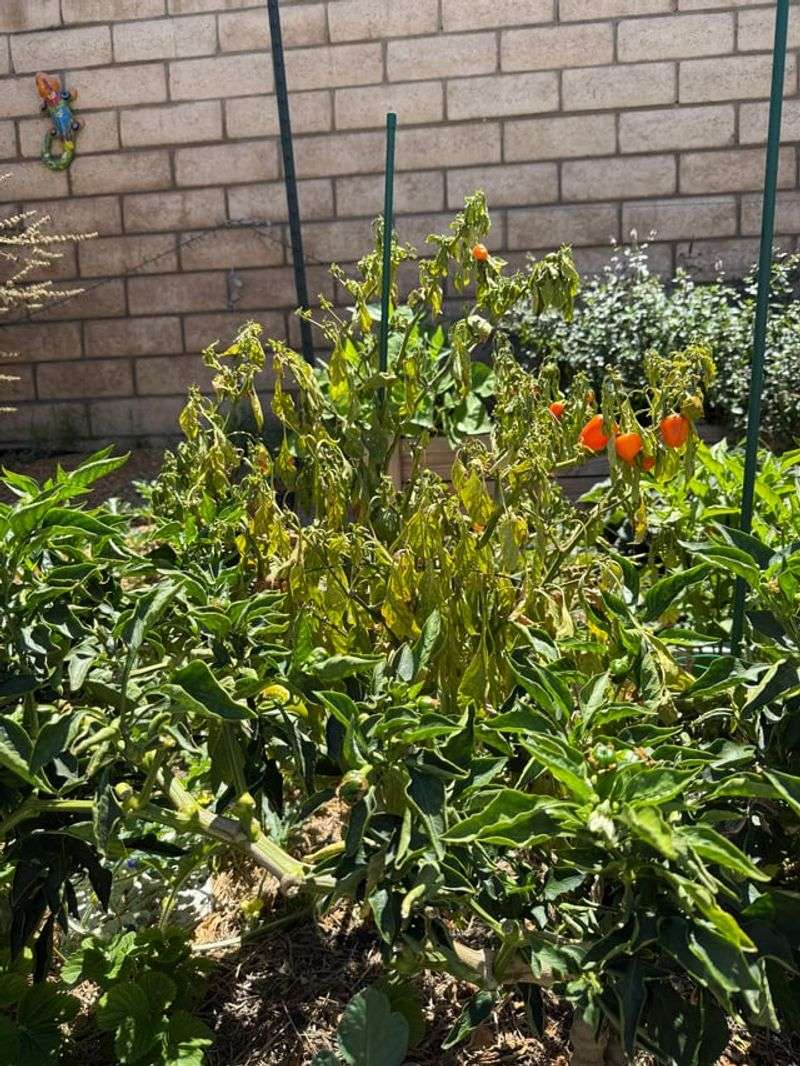
Not every plant handles heat the same way. Some are tough as nails, while others wave the white flag fast.
Lettuce tends to bolt when temperatures push past 80 degrees, and spinach can start the process even earlier, around 75 degrees. Once they bolt, the flavor turns bitter and the plant focuses on making seeds instead of leaves.
Tomatoes are tricky in extreme heat. They love warmth but stop setting fruit when daytime temps stay above 95 and nights don’t cool below 75.
Peppers drop their blossoms in triple-digit heat, just like tomatoes do. Shade cloth during peak hours can help them hold on until temps drop.
Strawberries need consistent moisture and hate baking soil. Mulch around them heavily and check soil moisture daily during a heat wave.
Herbs like basil wilt dramatically in afternoon heat. Moving potted basil to a spot with afternoon shade can extend its life significantly.
Roses are more vulnerable to heat stress than many gardeners expect. They may drop petals early and become more susceptible to pests when temperatures spike.
Cucumbers need a lot of water to stay productive in summer. A skipped watering during a heat wave can cause bitter fruit or total crop loss.
Newly transplanted seedlings are the most fragile of all. They haven’t established roots yet, so even one hot afternoon without shade protection can set them back weeks.
Knowing which plants need your help most lets you focus your energy where it counts when temps hit triple digits.
How Mulch Can Make A Real Difference In High Heat
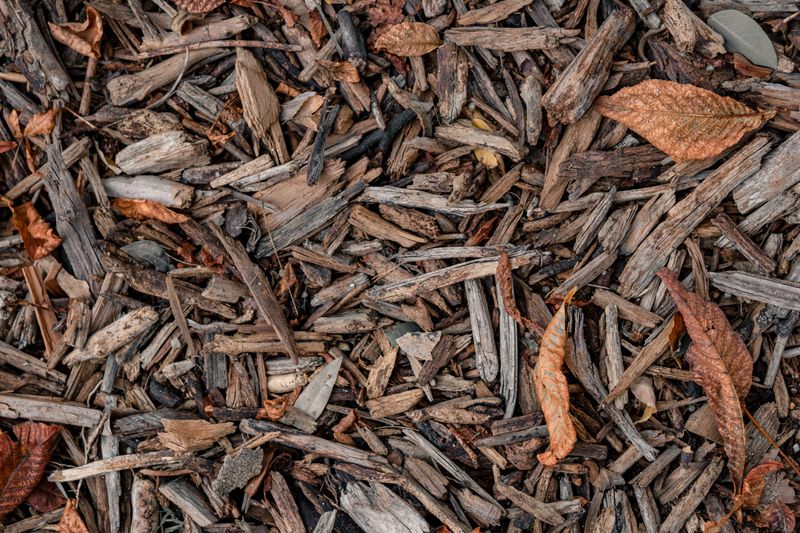
Mulch is the unsung hero of every summer garden. It does more quiet, heavy lifting than most gardeners realize.
A three-to-four-inch layer of mulch can meaningfully lower soil temperature in the root zone. That kind of protection matters a great deal for roots trying to survive triple-digit air temps.
Organic mulches like wood chips, straw, or shredded leaves work best. They break down slowly, feeding the soil as they decompose over the season.
Mulch also dramatically slows water evaporation from the soil surface. In dry Colorado air, that moisture retention can noticeably reduce how often you need to water.
Apply mulch in a wide ring around each plant, not just at the base. Wide coverage protects more root area from surface heat.
Keep mulch an inch or two away from plant stems. Piling it directly against stems traps moisture and can cause rot or pest problems.
Fresh grass clippings can work as mulch in a pinch. Spread them thinly so they don’t mat down and block water from reaching the soil.
Dark mulches absorb more heat than light-colored ones. In peak summer, opt for lighter-colored straw or wood chips to reflect rather than absorb sunlight.
Replenish mulch mid-season if it thins out from rain or wind. A fresh layer in July can give your garden a second wind heading into August.
Think of mulch as a shield between your soil and the sun. It’s one of the cheapest, most effective tools for surviving extreme summer heat.