These Native Oregon Plants Do Everything Burning Bush Does Without The Invasive Problems
Burning bush had a good run. For decades it showed up in Oregon front yards, foundation beds, and neighborhood landscapes like clockwork, and the fall color genuinely is spectacular.
Hard to argue with that blazing red. But burning bush has a habit of spreading beyond garden edges into natural areas, crowding out native plants in ways that have made a lot of gardeners start reconsidering their loyalty to it.
The great news is that swapping it out does not mean settling for something boring.
Oregon has a genuinely impressive lineup of native shrubs that bring fiery fall color, winter berries, strong structure, and real wildlife value to the table.
None of them are a carbon copy of burning bush, but each one fills the same landscape role while actually supporting local birds, pollinators, and ecosystems. That feels like a pretty solid upgrade.
1. Vine Maple Brings Fiery Fall Color
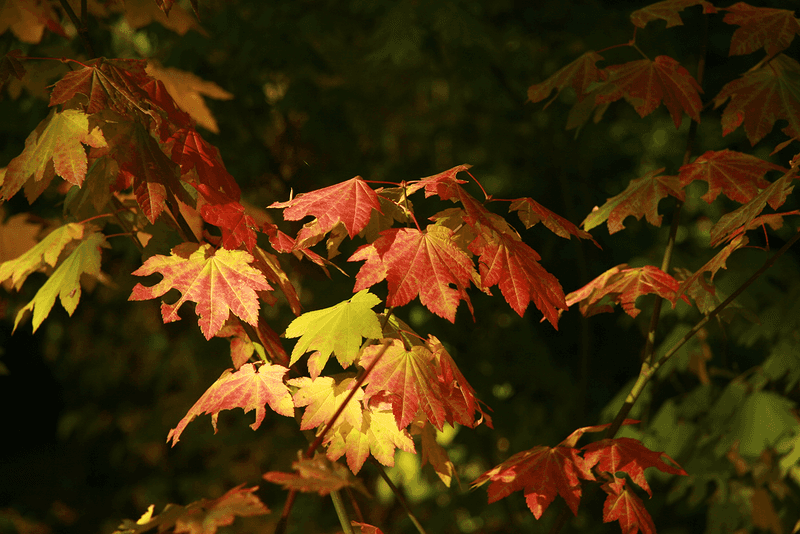
Few plants can match the raw fall color that vine maple puts on display when the temperatures drop in October. The leaves shift from green into shades of orange, scarlet, and yellow, sometimes all at once on the same plant.
For gardeners who chose burning bush mainly for that dramatic seasonal color, vine maple is one of the strongest native replacements available in Oregon.
Vine maple grows naturally along stream banks, woodland edges, and forest understories across western Oregon. In the garden, it can grow as a large multi-stemmed shrub or a small tree depending on how much light it receives.
In shadier spots it tends to sprawl and lean, while in more open conditions it grows more upright and compact.
One thing to keep in mind is that vine maple is not a clipped hedge plant. It works best where it has room to spread and develop its natural form.
Homeowners who want that tidy burning bush silhouette may need to adjust their expectations, but those who give vine maple space will be rewarded with a genuinely spectacular fall display that feels right at home in an Oregon landscape.
2. Western Serviceberry Adds Flowers And Fruit
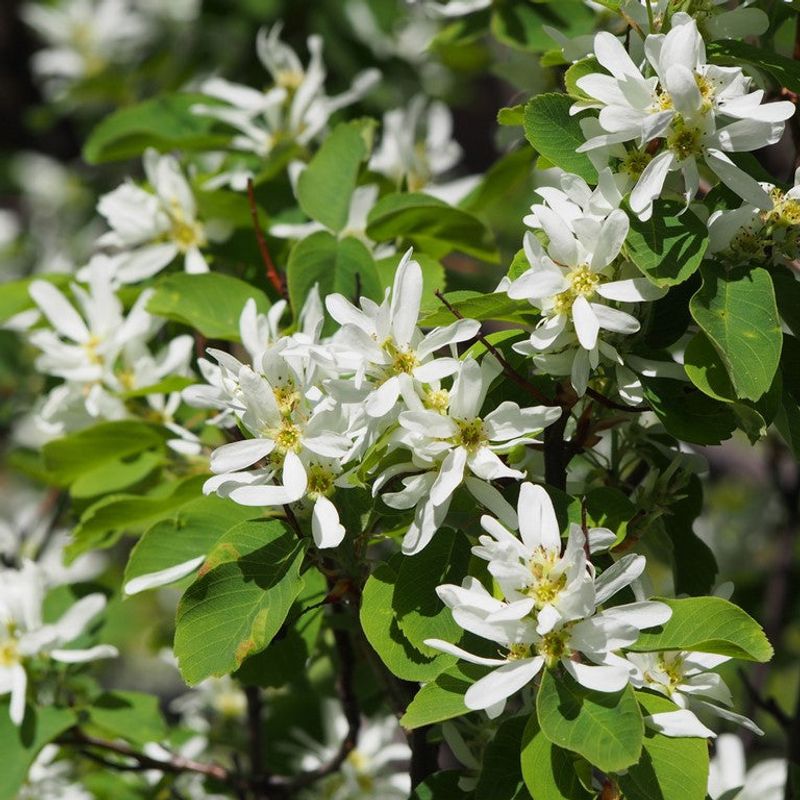
Walk past a western serviceberry in early spring and you will notice the white flowers before almost anything else in the garden has woken up. The blossoms appear on bare branches, making them easy to spot against an Oregon sky that is still more gray than blue.
That early spring show is something burning bush simply cannot offer, which makes serviceberry a more layered and interesting landscape plant overall.
Beyond the flowers, western serviceberry produces small purple-red berries in early summer that birds find irresistible. Robins, cedar waxwings, and thrushes often visit serviceberry shrubs before the fruit has a chance to fully ripen.
For gardeners who want to support local wildlife, that kind of reliable food source adds real value to the yard.
In fall, the foliage turns orange and red, giving the plant a third season of interest that rounds out its appeal as a burning bush alternative.
Western serviceberry can grow as a large shrub or small tree and fits well in mixed shrub borders, woodland edges, and naturalistic front-yard plantings across Oregon.
Your Oregon Garden Changes Every Week. Your Plan Should Too.
Gardening in Oregon changes quickly throughout the season. Every Friday you’ll receive a simple weekly plan showing exactly what to plant, prune, fertilize, harvest, and protect so you never miss the right timing.
It handles both dry summers and moderate moisture, making it adaptable to a range of Oregon garden conditions.
3. Red-Flowering Currant Gives Spring Color
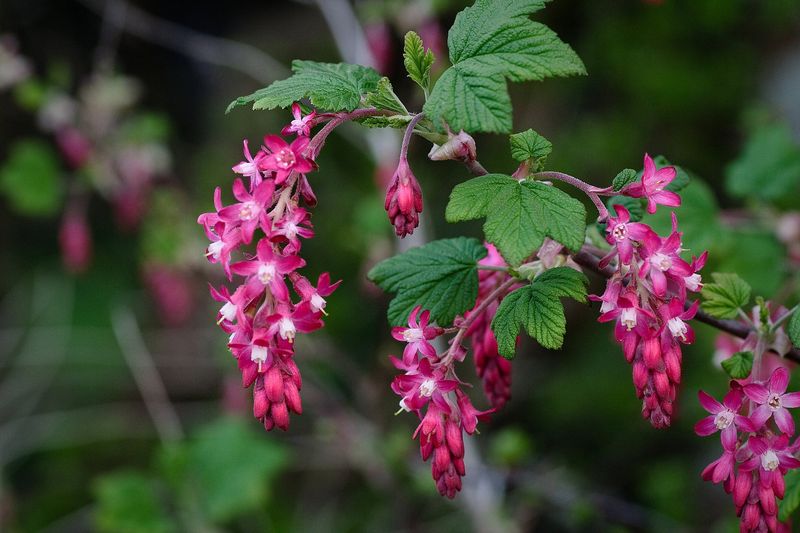
Spring in Oregon can feel like it arrives overnight, and red-flowering currant seems to know exactly when to show up.
The clusters of deep pink to red flowers appear in March and April, right when hummingbirds are returning to Oregon gardens and looking for early nectar sources.
That relationship between the plant and its pollinators is one of the most compelling reasons to add red-flowering currant to a shrub border.
As a burning bush replacement, red-flowering currant covers the structural shrub role well. It grows as a medium to large deciduous shrub with a rounded, fairly dense form that works in foundation beds, mixed borders, and informal hedgerows.
The foliage has a pleasant fragrance when brushed, which is a small but enjoyable detail that surprises many gardeners the first time they notice it.
One thing to be clear about is that red-flowering currant is not a red-fall-foliage match for burning bush. The leaves turn yellow to soft orange in fall rather than blazing red.
Gardeners who want a spring color replacement and a solid shrub form will find red-flowering currant very satisfying, but those focused entirely on fall color may want to pair it with another native on this list to cover that seasonal gap.
4. Golden Currant Adds Red Fall Foliage
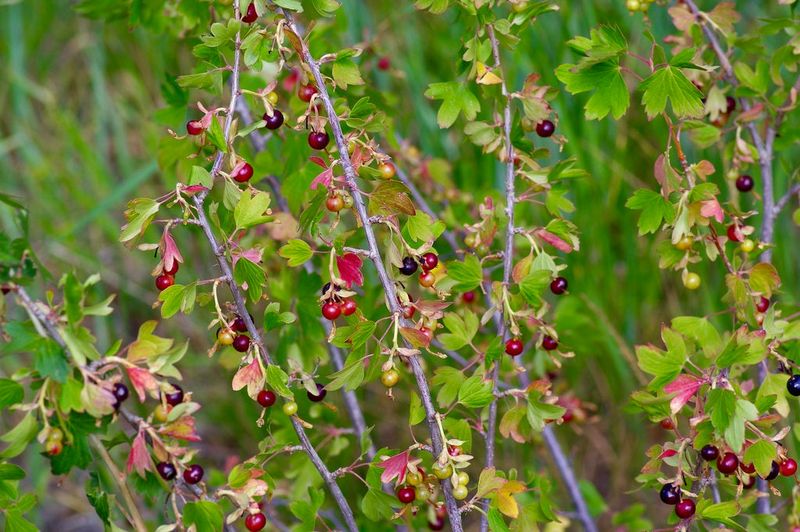
Golden currant earns its place on this list for more than one reason. In spring it opens with fragrant yellow flowers that smell faintly of cloves, which is a pleasant surprise in a garden that is still waking up from winter.
By summer, the small berries ripen from yellow to red to black, attracting birds and other wildlife to Oregon yards in a way that burning bush never could.
The fall color is where golden currant starts to feel like a genuine burning bush alternative. Under the right conditions, the foliage turns shades of orange and red before dropping, giving the garden a warm seasonal finish.
The intensity of fall color can vary depending on sun exposure and soil moisture, so results may differ from one garden to the next.
Golden currant tends to grow in drier, sunnier spots compared to red-flowering currant, which makes it a useful option for eastern Oregon gardens or drier areas west of the Cascades.
It stays relatively compact for a native currant, usually topping out around four to six feet.
For gardeners who want spring flowers, summer fruit, fall color, and wildlife value all from a single shrub, golden currant delivers a lot without any of the invasive concerns that come with burning bush.
5. Red-Osier Dogwood Brings Winter Stems
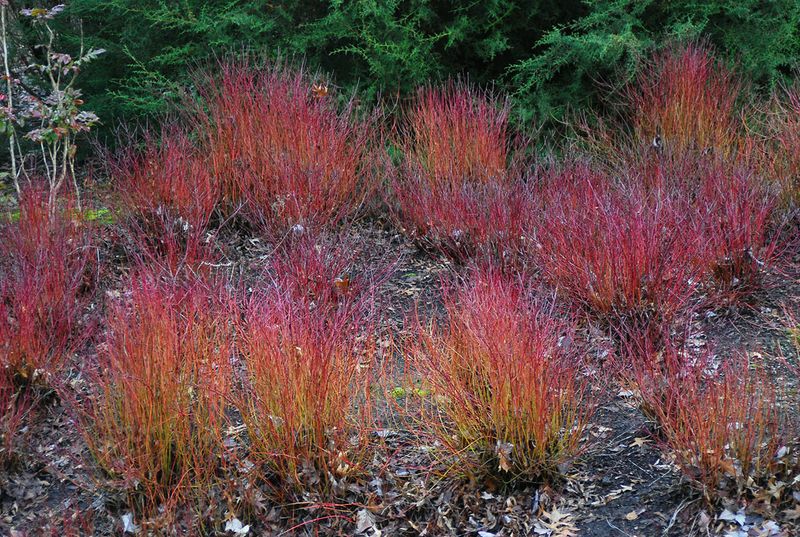
When the leaves drop and most of the garden goes quiet, red-osier dogwood steps forward with something burning bush cannot match: brilliant red stems that glow through Oregon winters.
The stems are at their most vivid on younger growth, which is why many gardeners cut a portion of the oldest stems back each year to keep the color fresh and intense.
That simple maintenance habit makes a noticeable difference in how the shrub looks from November through March.
Red-osier dogwood grows naturally along stream banks, wetland edges, and moist lowland areas throughout Oregon.
In the garden it performs best where it has access to consistent moisture, making it a strong choice for rain gardens, low spots in the yard, or areas near downspouts and drainage paths.
It is not the right fit for dry, well-drained sites where it may struggle to establish.
The shrub can spread by layering and suckering, so it works better in informal plantings and naturalistic borders than in tight foundation beds. White flower clusters appear in late spring and the small white fruit that follows attracts birds into late summer.
For homeowners looking for a native shrub that earns its keep in all four seasons, red-osier dogwood makes a compelling case, particularly for sites that stay on the moist side.
6. Pacific Ninebark Adds Structure And Bark
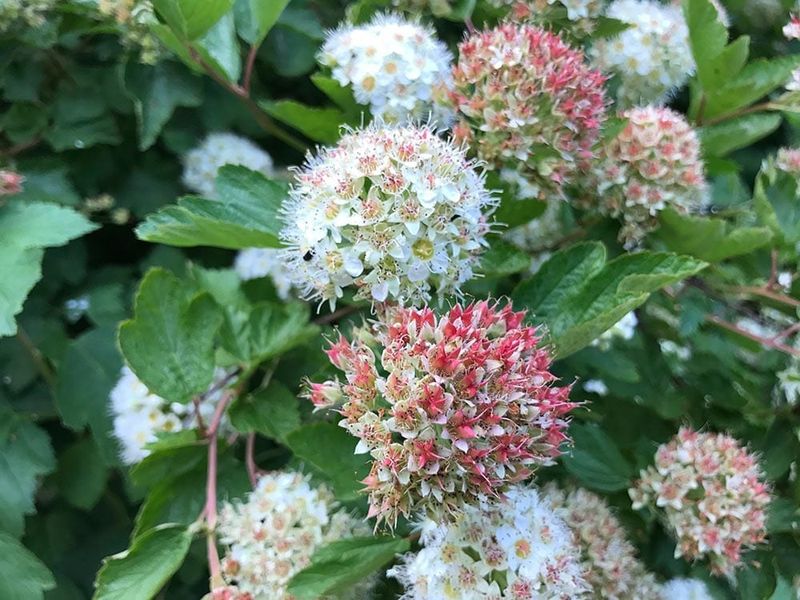
Peeling bark is not something most gardeners think about when they plant a shrub, but once you notice it on Pacific ninebark, it becomes one of those details you look forward to every winter.
The cinnamon and reddish-brown bark peels away in papery layers, exposing lighter inner bark beneath and giving the stems a layered, textured look that stands out when the leaves are gone.
That winter detail adds something to the Oregon garden that burning bush never offered.
Pacific ninebark grows as a medium to large deciduous shrub with an arching, somewhat loose form.
White flower clusters appear in late spring and attract pollinators, followed by reddish papery seed capsules that persist into fall and add a bit of color without being showy.
The overall look is naturalistic rather than formal, which suits mixed shrub borders, woodland edges, and wildlife-friendly plantings better than tight foundation beds.
In terms of replacing burning bush, Pacific ninebark covers the structural shrub role and brings additional seasonal interest through its bark and fruit.
It tolerates a range of soil conditions and is reasonably drought-tolerant once established in Oregon gardens.
Gardeners who want a native shrub with four-season character and an easy-care personality will find Pacific ninebark a reliable and underused option worth considering.
7. Common Snowberry Carries Winter Berries
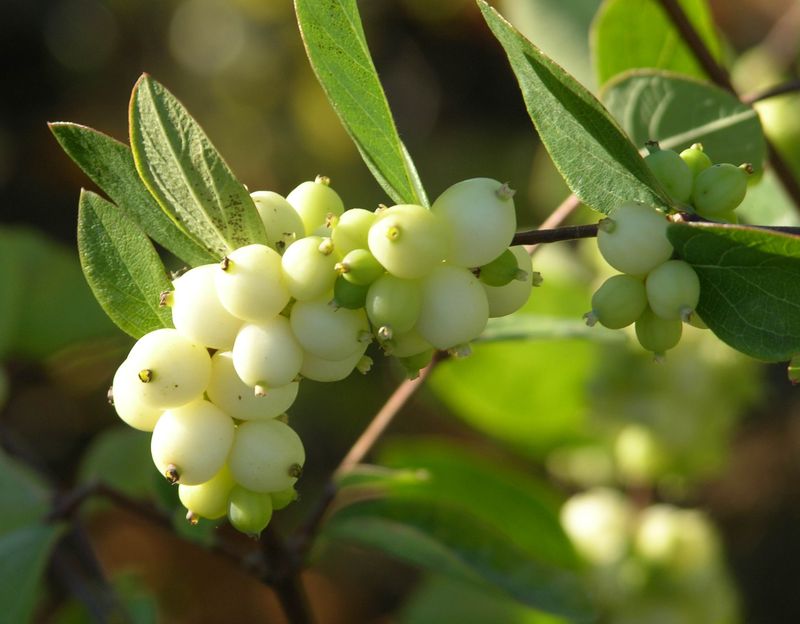
By November, most of the color has faded from Oregon gardens, which is exactly when common snowberry steps into the spotlight.
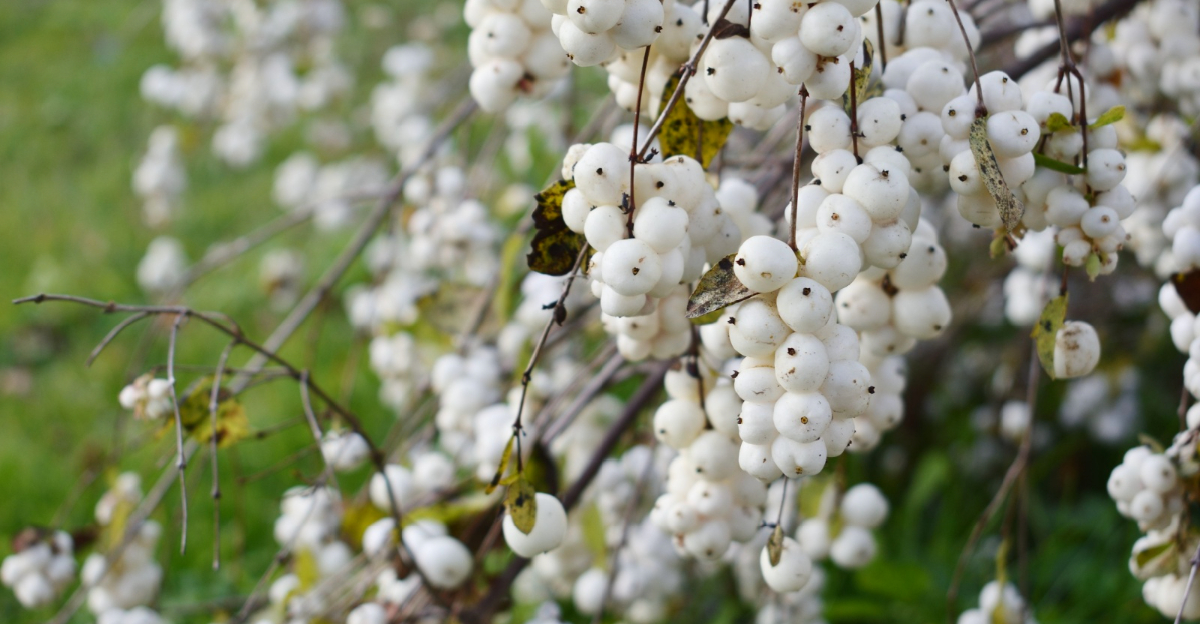
The clusters of white berries cling to bare branches well into winter, offering a soft but striking contrast against dark soil and gray skies.
Those berries are not edible for people, but they are important food for several bird species that spend winters in Oregon, including some thrushes and waxwings.
Common snowberry is a tough, adaptable shrub that grows in a wide range of Oregon conditions, from dry rocky slopes to moist woodland edges.
It spreads by underground runners and can form loose colonies over time, which makes it well suited for slopes, naturalistic borders, and informal areas where ground-covering spread is welcome.
Tight foundation beds or formal hedgerows are generally not the best match for its spreading habit.
As a burning bush alternative, snowberry replaces the idea of winter interest and shrub mass rather than fall color.
The foliage is not notably colorful in autumn, but the white berries more than make up for that gap by carrying visual interest through the coldest months.
For gardeners building wildlife-friendly landscapes, common snowberry is a reliable, low-maintenance native that earns its space without demanding much attention in return.
8. Nootka Rose Supports Informal Native Borders
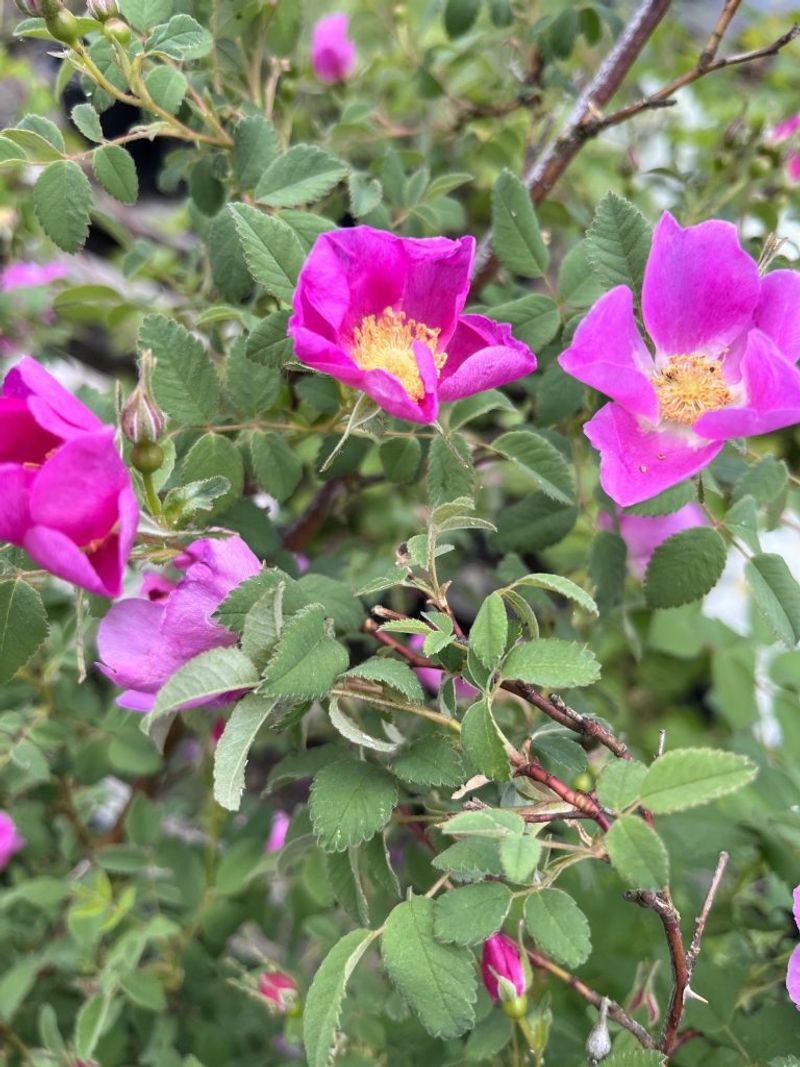
There is something deeply satisfying about a shrub that works hard across three seasons without needing much help from the gardener.
Nootka rose blooms with fragrant pink flowers in late spring and early summer, attracting native bees and other pollinators to Oregon gardens at a time when many other shrubs have already finished flowering.
That bloom season gives it a clear advantage over burning bush, which offers almost nothing to pollinators.
After the flowers fade, Nootka rose develops large, deep red hips that persist well into fall and winter.
Those hips are a valuable food source for Oregon birds, including robins and waxwings, and they add a warm color note to the garden during the quieter months.
The combination of flowers and hips across multiple seasons makes Nootka rose a genuinely productive native shrub.
What Nootka rose does not do is mimic the tidy, clipped silhouette that burning bush is often used for. It grows as an arching, somewhat thorny shrub that fits naturally along fence lines, woodland edges, and informal native borders.
Trying to force it into a formal foundation bed will lead to frustration. Gardeners who embrace its relaxed, wildlife-friendly character will find it one of the more rewarding native shrubs they can grow.
9. Baldhip Rose Adds Hips For Winter Interest
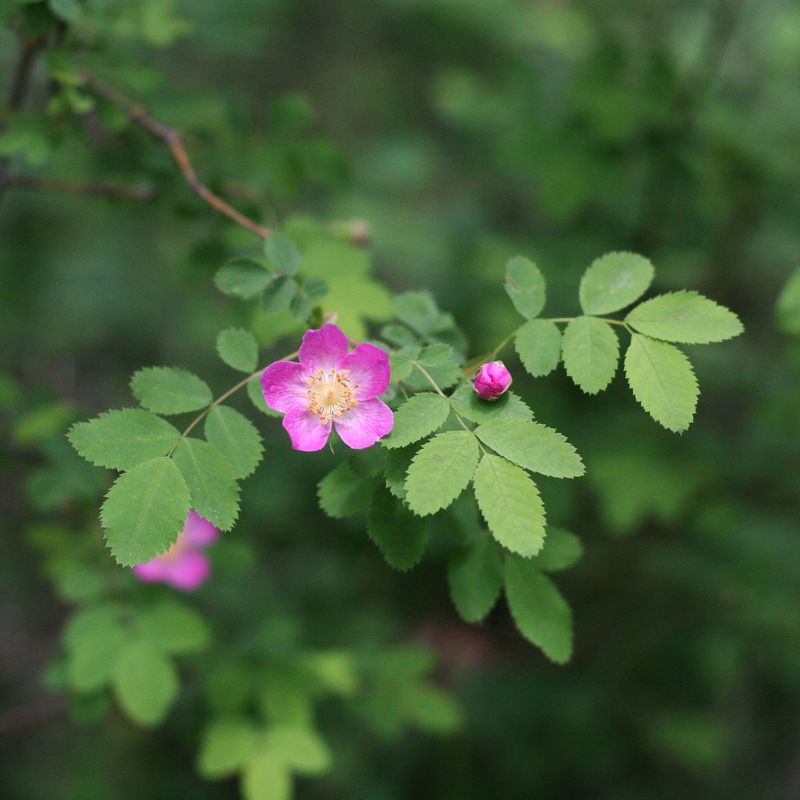
Tucked along woodland edges and open slopes across Oregon, baldhip rose is a native shrub that tends to go unnoticed until fall, when its small, round red hips catch the light and remind you it has been quietly doing its job all season.
The hips are smaller than those of Nootka rose but they appear in good numbers and persist into winter, giving birds and other wildlife a reliable food source during the leaner months.
Baldhip rose blooms with white to pale pink flowers in late spring, which are smaller and more delicate than the blooms of Nootka rose.
The flowers attract native bees and other pollinators, and the foliage turns soft shades of orange and yellow in fall before dropping.
That seasonal progression from flower to hip to bare stem gives the shrub a quiet but consistent presence in the Oregon garden across three seasons.
As a burning bush alternative, baldhip rose fills the role of informal shrub with winter interest rather than bold fall color or dense structure.
It suits naturalistic borders, woodland-edge plantings, and wildlife gardens better than formal foundation beds.
For gardeners who want a low-maintenance native rose that rewards patience with seasonal texture and wildlife value, baldhip rose is worth including in a mixed native shrub planting.
10. Tall Oregon Grape Gives Evergreen Structure
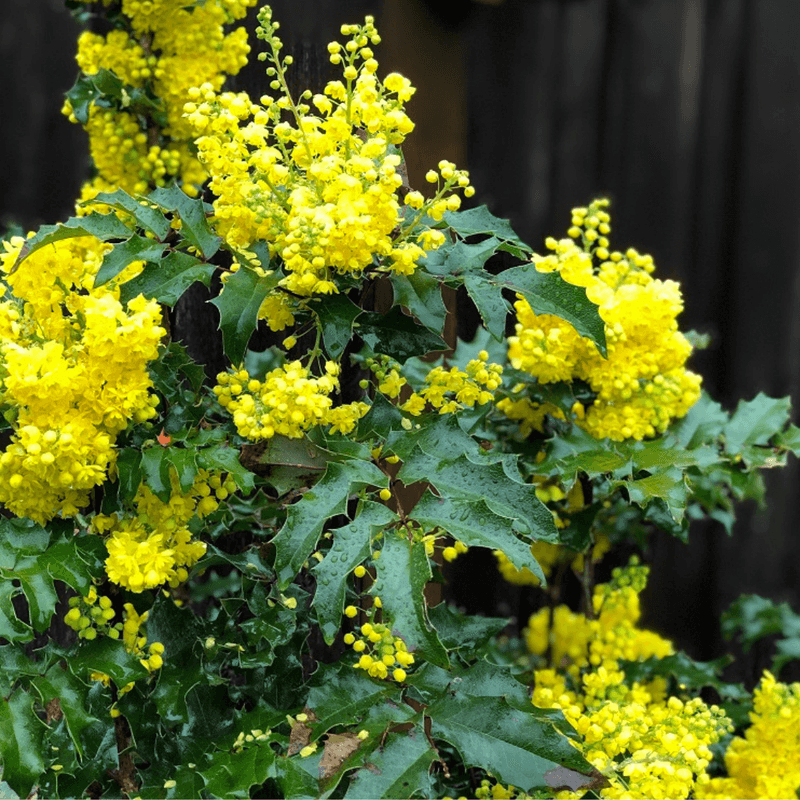
Not every burning bush replacement needs to be a deciduous shrub that shows off in fall and disappears in winter.
Tall Oregon grape takes a completely different approach, holding its glossy, spiny evergreen foliage year-round and giving the garden a strong structural presence in every season.
That consistent evergreen mass is something burning bush never offered, and for gardeners tired of bare stems from November through March, it is a meaningful upgrade.
In early spring, tall Oregon grape opens with clusters of bright yellow flowers that attract native bees emerging from winter. Blue-purple berries follow in summer, providing food for Oregon birds and a striking color contrast against the dark green foliage.
The berries have also been used to make jelly and natural dye, which adds a small practical dimension to the plant beyond its ornamental value.
Tall Oregon grape can reach six to eight feet or more in favorable conditions, making it more of a background shrub or screen than a compact foundation plant.
It tolerates shade reasonably well, which makes it useful under Oregon’s larger trees where other shrubs may struggle.
For gardeners who want evergreen structure, wildlife value, spring flowers, and summer fruit from a single low-maintenance native shrub, tall Oregon grape covers a lot of ground without any of the invasive concerns attached to burning bush.