The Meaning Behind Seeing A Possum In Your Ohio Yard
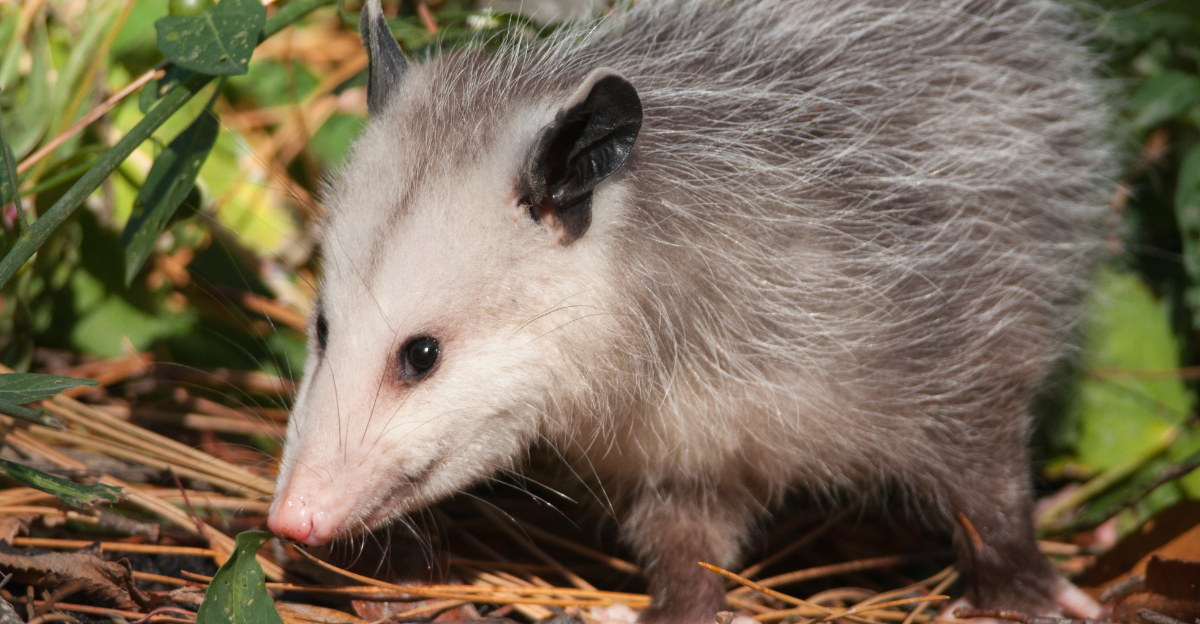
A possum moving through your Ohio yard at night tends to provoke one of two reactions. A startled step backward or a long, curious look at something that seems almost prehistoric in the way it carries itself.
Not many backyard visitors produce that kind of response, and fewer still deserve a closer look than most people give them. Possums in Ohio are not random wanderers.
They show up where conditions suit them, and what draws one through your yard says something real about the habitat your property has quietly become. The meaning behind a possum sighting pulls from more than one direction.
The meaning draws from ecology and Indigenous tradition across this region. It also draws from Appalachian and Midwestern folklore around animals that have long shared human spaces.
What passed through your yard last night is a more layered story than it first appears.
1. A Possum Nearby Means Your Yard Has Nighttime Food
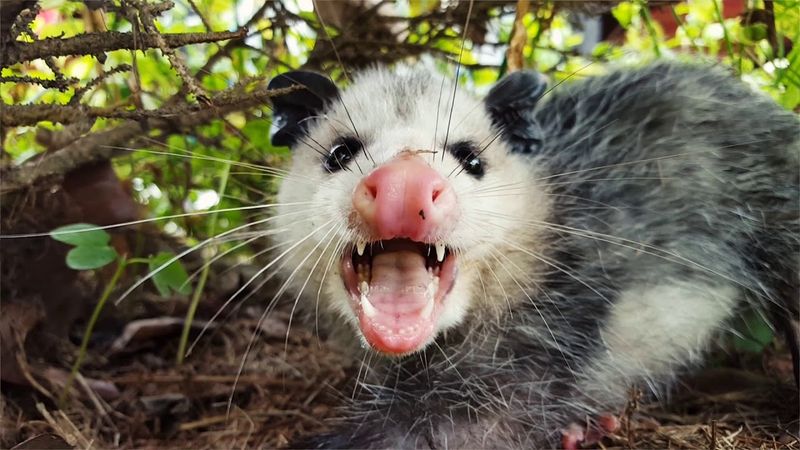
A rustle under the apple tree can sound dramatic until the visitor turns out to be a quiet nighttime forager. When a possum appears near your Ohio yard, the most practical explanation is almost always food.
Something on your property caught its attention during one of its nightly rounds.
Possums are opportunistic omnivores. They eat insects, fallen fruit, compost scraps, carrion, and just about anything edible they can find.
A yard that offers even one of these items can become a regular stop along a possum’s nightly travel route.
Common food sources include overripe fruit, unsecured trash bins, open compost piles, and outdoor pet bowls left out overnight. Spilled birdseed beneath feeders can also attract them.
Greasy grill drip trays can also draw them in closer to patios and porches.
The good news is that removing or securing these food sources often reduces how often a possum passes through. You do not need to do anything dramatic.
Simply tighten the lid on the compost bin, bring in pet bowls before dark, and rake up fallen fruit regularly. Small changes to your yard routine can make a real difference without harming the animal or disrupting the local wildlife balance.
2. Fallen Fruit Or Trash May Be Bringing It Closer
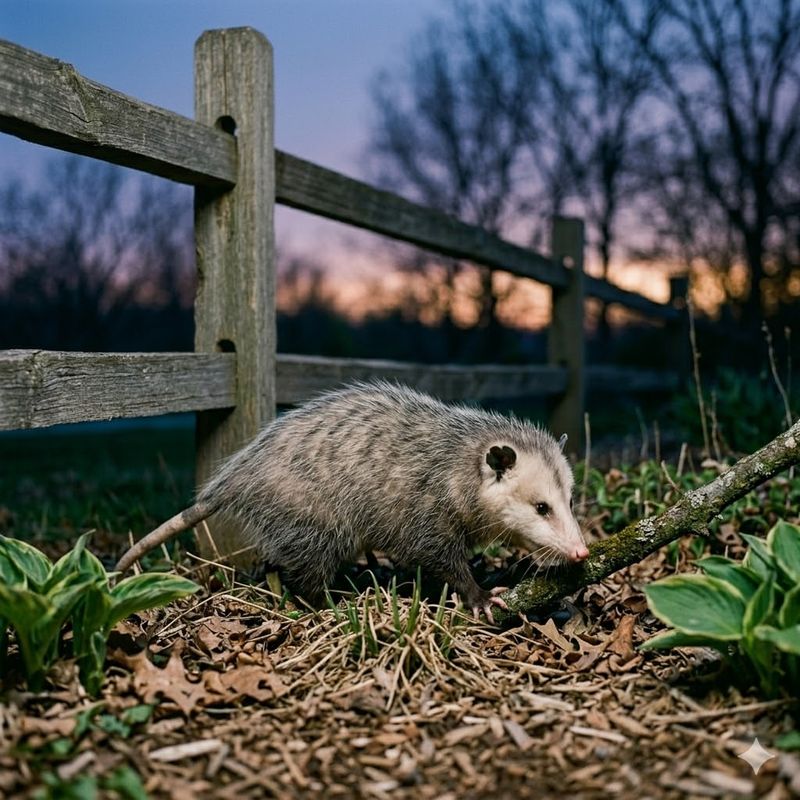
An apple tree dropping fruit in late summer does a lot of quiet work after dark. To a possum following a nightly food route, a yard scattered with soft, overripe fruit is a reliable and easy meal.
The same goes for an unsecured trash bin or an open compost pile sitting near the back fence.
Possums have a strong sense of smell, and they use it to locate food efficiently. Items that humans barely notice, like a few fallen pears, a cracked trash lid, or a compost bin with kitchen scraps near the top, can signal a worthwhile stop.
Outdoor pet food is another common attractant. A bowl of dry kibble left on the porch overnight is easy pickings for any passing wildlife, including possums.
Spilled birdseed beneath hanging feeders also adds up quickly as a ground-level food source.
Your Ohio Garden Changes Every Week. Your Plan Should Too.
Gardening in Ohio changes quickly throughout the season. Every Friday you’ll receive a simple weekly plan showing exactly what to plant, prune, fertilize, harvest, and protect so you never miss the right timing.
Cleaning up attractants is the most effective first step. Rake fallen fruit every couple of days.
Use bins with secure, locking lids. Bring pet bowls inside before dark.
Move birdseed feeders or add a tray to catch spills. These small adjustments can significantly reduce close encounters near your porch and patio without causing any harm.
3. Brushy Corners Can Give Possums A Safe Route
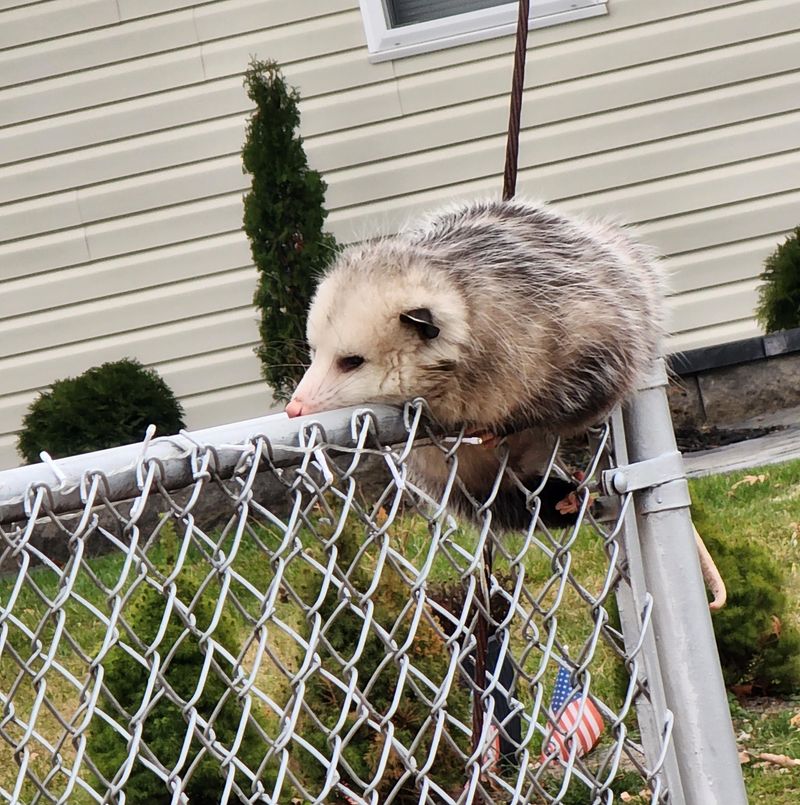
Fence lines, brush piles, dense shrubs, and quiet corners of a yard do more than look untidy. For a possum moving through a neighborhood at night, these features work like covered pathways.
They provide the low-profile cover that a shy, slow-moving animal needs to feel safe crossing open ground.
Possums are not bold explorers. They prefer routes that offer some overhead or side cover.
That is why they hug fence lines, move along garden edges, or slip through brushy corners instead of crossing wide-open lawns.
A wood pile near the back fence or a row of dense shrubs along a property line can make your yard part of a regular nightly travel corridor.
This does not mean you need to clear out every shrub or brush pile to discourage possum visits. That kind of habitat removal can actually hurt other beneficial backyard wildlife, including songbirds, toads, and native pollinators.
A balanced approach works better.
If you want to reduce possum activity near your home, focus on securing food sources first. Cover and movement corridors are a normal part of any Ohio healthy backyard habitat.
Letting wildlife move through without interference is usually the most practical and wildlife-friendly response available to most homeowners.
4. A Slow Walk Through The Yard Is Usually Normal
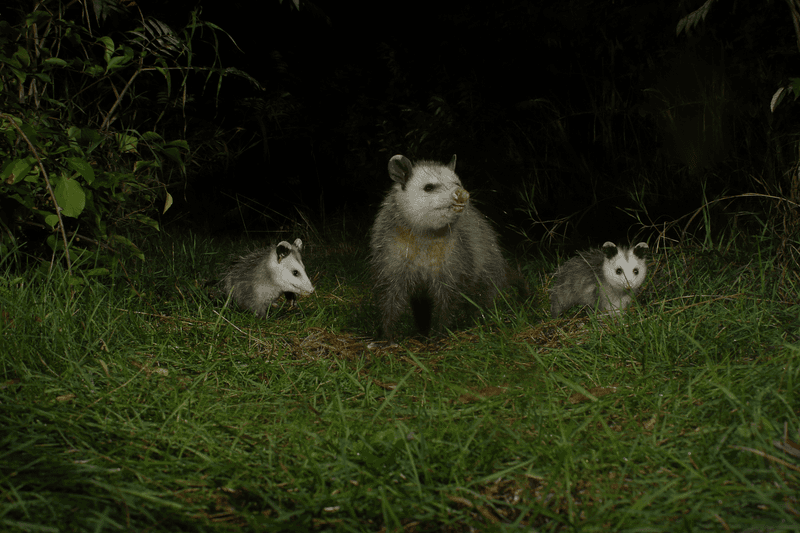
Watching a possum shuffle across the lawn in the beam of a flashlight can feel like something unusual is happening. In reality, that slow, deliberate walk is perfectly typical behavior.
Possums are not built for speed. They move at a measured pace and often pause, sniff the ground, or freeze when they sense they are being watched.
That freeze response is a natural reaction to a perceived threat. The animal is not sick or injured.
It is simply waiting to see if the situation changes. Giving it space and turning off the flashlight for a moment is usually enough for it to continue on its way.
A calm nighttime crossing is not an emergency. Possums are generally shy animals that would rather avoid a confrontation than cause one.
They rarely act aggressively unless cornered or handled, which is why the best response is to observe from a distance and let the animal move through on its own schedule.
If a possum appears during the day and seems disoriented, injured, or unusually bold, that is worth a closer look. Contact a licensed wildlife rehabilitator or your local wildlife agency for guidance.
For most nighttime sightings, though, patience and distance are the right tools.
5. Possums May Be Cleaning Up Insects And Leftovers
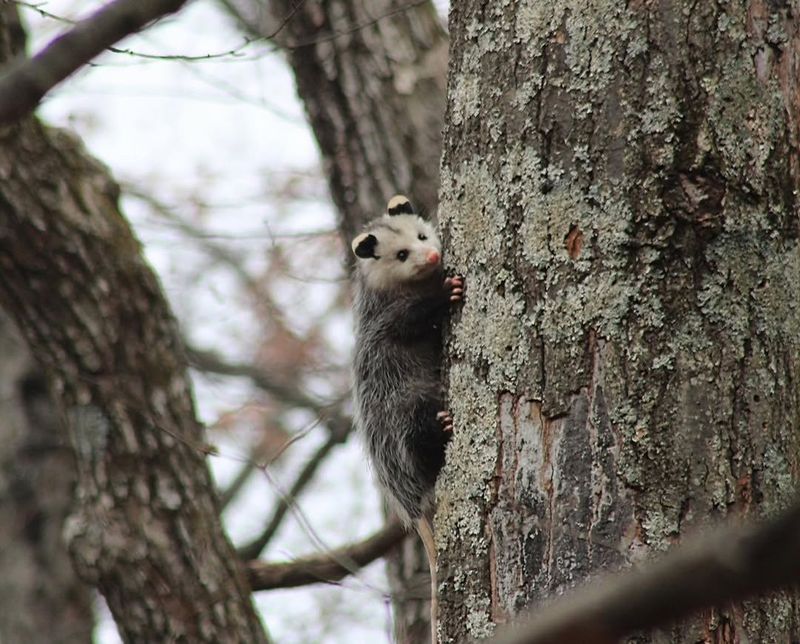
Under a garden bed or along a leaf-covered edge, a possum is doing what it has always done: sorting through whatever is available. As opportunistic omnivores, possums eat a wide range of foods depending on what the season and the yard offer.
Insects, grubs, fallen fruit, carrion, and kitchen scraps that escaped the compost bin all qualify.
One genuine benefit of possum activity is that they do pick up ground-level insects and other invertebrates as they forage. Beetles, cockroaches, and similar insects are fair game.
Some possums also consume ticks during grooming or while moving through vegetation, though they should not be counted on as a yard tick-management plan.
Their actual impact on tick populations in any given yard varies and has not been consistently documented in controlled field studies.
What is more reliable is that possums help clean up organic material that might otherwise attract other less-welcome visitors. A fallen bird, rotting fruit, or food scraps left near the garden edge are things a possum will gladly handle.
Recognizing these modest benefits can shift how you feel about a possum passing through. It is not causing a problem.
Most of the time, it is quietly doing cleanup work that goes unnoticed until a flashlight catches it mid-forage.
6. Small Pets Still Need Sensible Nighttime Supervision
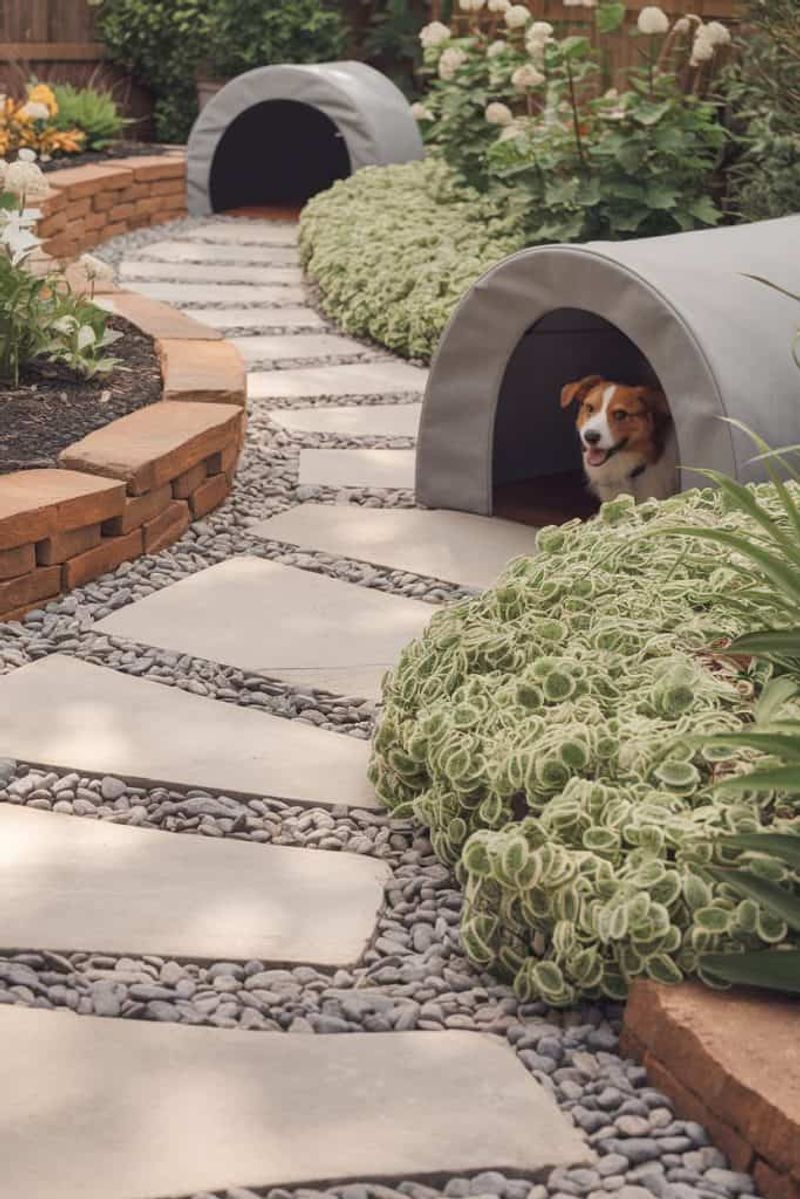
Possums are not looking for a fight. When faced with a larger animal, their instinct is usually to freeze, hiss defensively, or slip away.
That said, a small pet and a surprised possum in close quarters at night is not a situation you want to encourage. Basic supervision makes a real difference.
Cats allowed outdoors after dark can encounter possums near food sources, compost areas, or dense shrubs. Small dogs are also better off on a leash during evening yard time, especially in yards where possum activity has been noticed.
A leash gives you control of the situation before anything escalates.
Backyard chicken coops deserve attention too. A securely latched coop with hardware cloth rather than standard chicken wire is a reliable barrier.
Possums are attracted to feed, eggs, and easy access, so closing the coop properly each evening is a simple but effective habit.
Removing outdoor pet food before dark is one of the easiest steps any pet owner can take. A bowl of kibble left on the porch overnight is an open invitation for possums and other nighttime wildlife.
Bringing it inside removes a major attractant without any cost or effort. If a bite or scratch occurs, contact a veterinarian or local health guidance promptly.
7. One Visit Does Not Mean Your Yard Is Infested
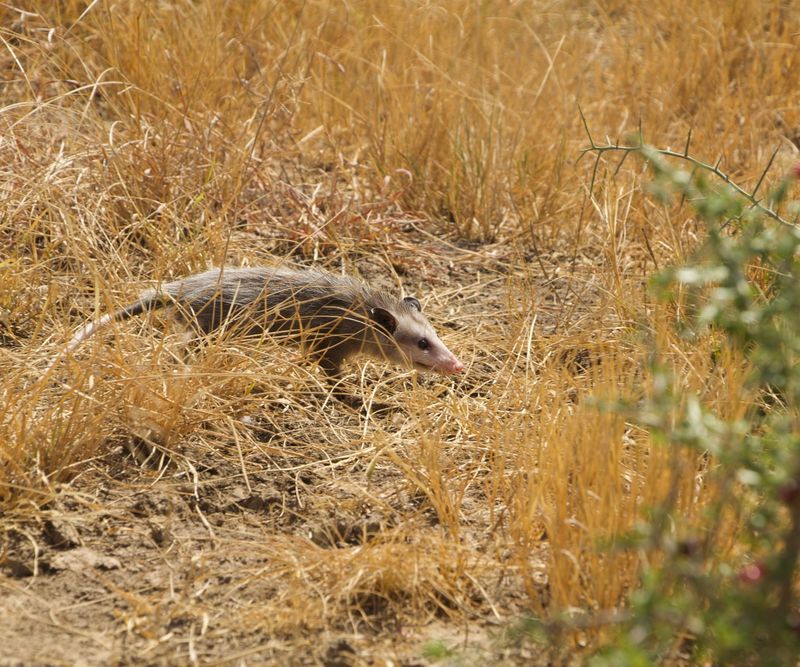
Spotting a possum once near the Ohio garden or back fence does not mean a problem has taken root. Possums are wide-ranging animals that cover a lot of ground during a single night.
A one-time sighting often means a passing animal moved through your yard as part of its regular travel route and kept going.
Possums do not establish permanent dens in yards the way some other wildlife might. They tend to move frequently, using different resting spots over a broad home range.
A single nighttime visit is common and usually resolves itself without any action needed on your part.
Repeated sightings over several nights are worth paying attention to, but the explanation is almost always practical. Something on the property is offering a reliable reward.
Food, shelter, or easy access is drawing the animal back. Identifying and securing that attractant is the most effective response.
There is no need to panic or assume a larger issue is developing. Possums are solitary animals, and seeing one does not mean a group is nearby.
If the visits feel frequent or you notice signs of denning under a porch or deck, do not handle it alone. Contact your local wildlife agency or an extension office for calm, practical guidance.
8. A Possum Sighting Points To A Working Backyard Food Web
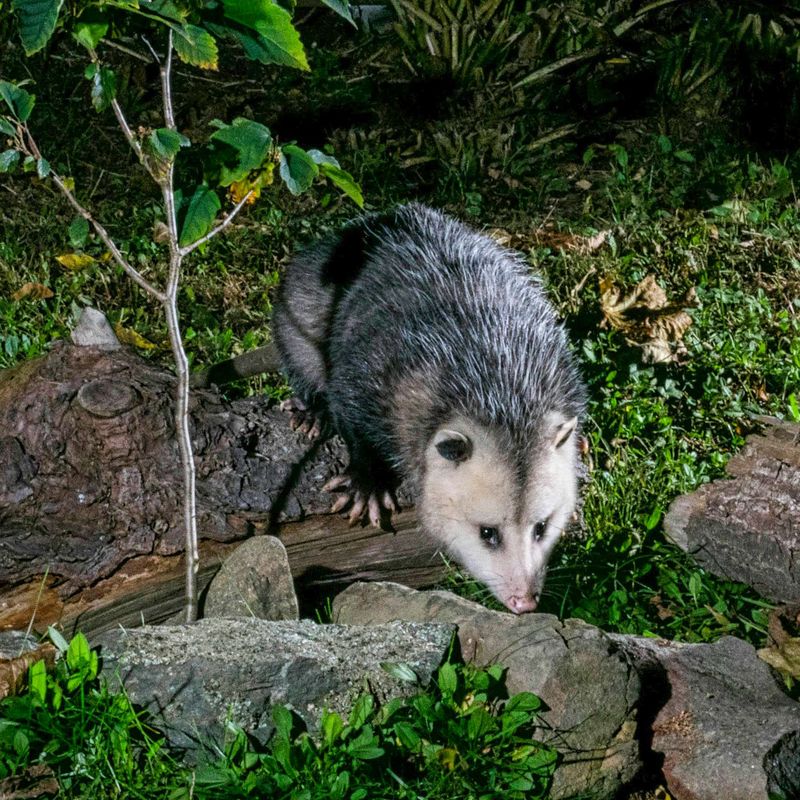
A quiet yard after dark is rarely as empty as it looks. Insects move through the leaf litter.
Fruit falls from trees. Small animals follow scent trails along fence lines.
A possum appearing in this setting is not an intruder. It is a participant in a larger nighttime food web that runs through most residential neighborhoods.
Seeing a possum can be a signal that your yard connects to something broader. A property that supports insects, native plants, ground cover, and fruit trees is also supporting the animals that depend on those resources.
A possum moving through is one visible thread in that web.
This perspective does not mean you should encourage wildlife to linger. Securing food sources, supervising pets, and maintaining good yard habits are still the right steps.
But it does mean that a possum sighting is not automatically a bad sign. For many homeowners, it reflects a yard that functions as part of a living local landscape.
The most useful takeaway from any possum sighting is simple. Check your yard for easy food rewards, secure what you can, give the animal space, and let it pass through.
Backyard wildlife moves on when the yard stops offering an easy meal. A calm, practical response is almost always the right one.