Georgia Gardeners Who Grow Rosemary In Containers Swear By This One Simple Trick
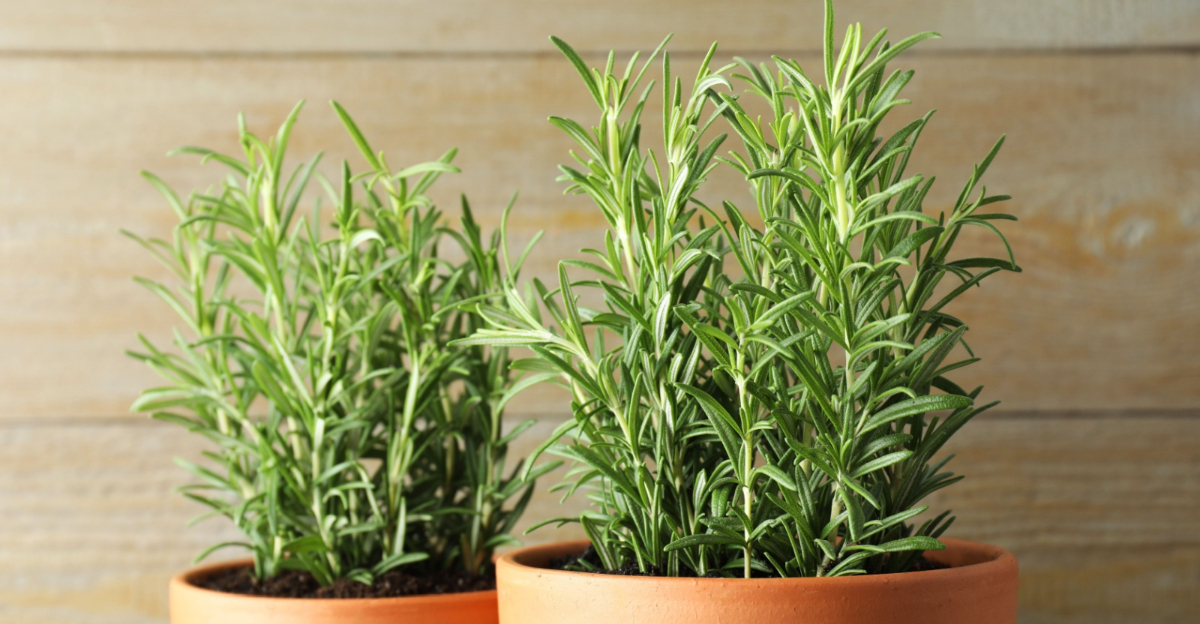
Rosemary looks like it should be easy to grow in a Georgia container garden, and then Georgia’s summer humidity gets involved and suddenly things aren’t going quite as planned.
This is a Mediterranean herb that genuinely loves dry, well-drained conditions, which puts it at odds with the warm, sticky climate that keeps pot soil damp far longer than rosemary would prefer.
The good news is that experienced Georgia gardeners have figured out the one habit that makes the biggest difference, and it has nothing to do with fertilizer schedules or special soil blends.
It comes down to watering discipline: letting the pot drain fully and dry out slightly before watering again.
That one adjustment can completely change how container rosemary performs on a Georgia porch or patio through the hottest months of the year.
1. Let The Pot Drain Before Watering Again
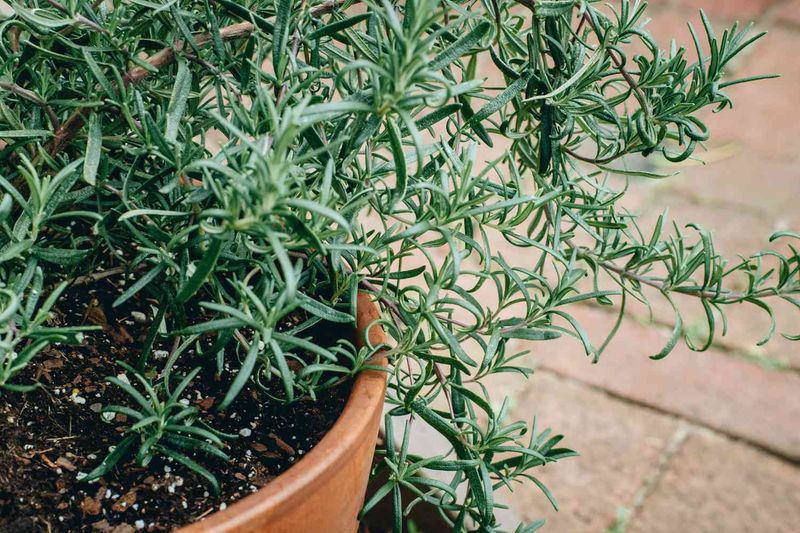
Damp potting mix that never gets a chance to dry out is one of the most common reasons container rosemary struggles on Georgia patios and porches.
When water sits in the lower portion of a pot without draining, the roots stay in a wet environment that rosemary simply was not built for.
Letting the pot drain fully before watering again gives roots the breathing room they need.
Rosemary originates from the dry, rocky coastlines of the Mediterranean, where rainfall drains quickly through sandy or gravelly soil. That background means the plant expects periods of dryness between waterings.
When you water a container rosemary and then wait until the top inch or two of potting mix feels dry before watering again, you are mimicking the natural conditions the plant prefers.
Gardeners who grow rosemary on sunny decks and kitchen-door planters often notice that the plant looks perkier and more aromatic when they stop watering on a fixed schedule and start checking the soil instead.
The simple act of waiting for the pot to drain and the mix to dry slightly can improve the overall health of the plant noticeably.
Checking the potting mix with a finger before reaching for the watering can is a small habit that supports stronger, more resilient container rosemary throughout Georgia’s long growing season.
2. Drainage Holes Matter More Than Pot Size
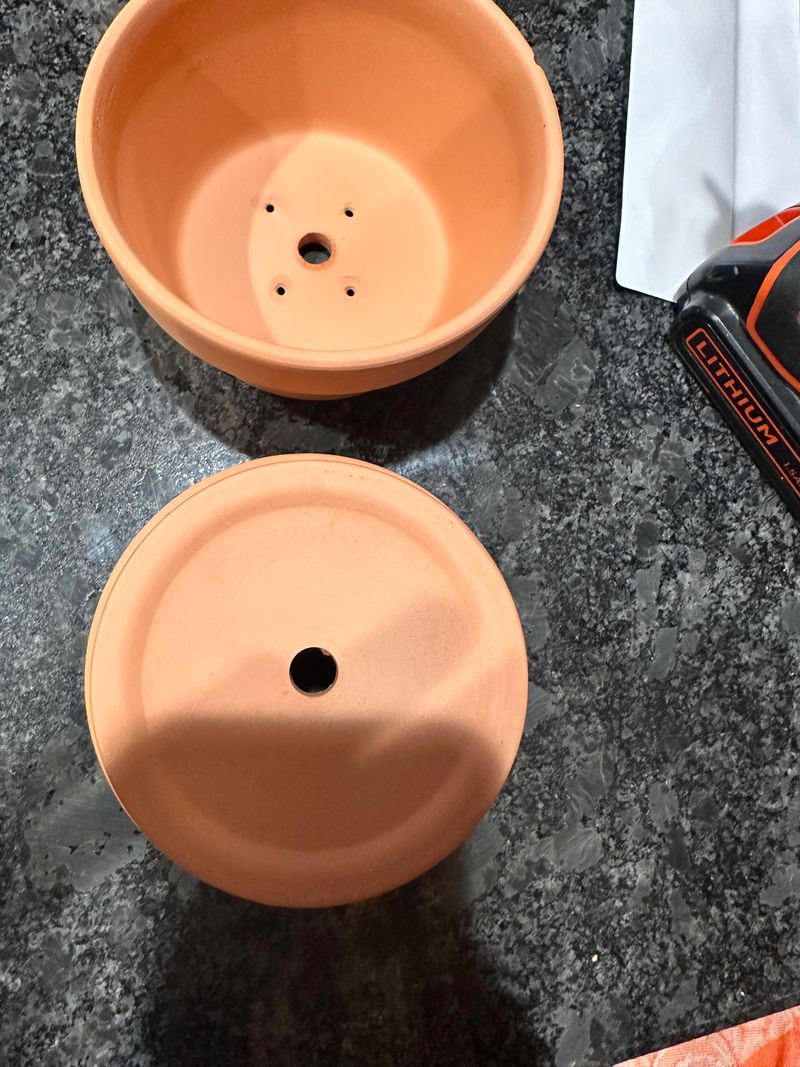
A pot without drainage holes is essentially a bucket, and no matter how carefully you water, excess moisture has nowhere to go.
Many Georgia homeowners pick a container based on looks or size without checking the bottom first, and that single oversight can lead to soggy soil conditions that stress rosemary over time.
The number and size of drainage holes matter far more than the overall size of the pot.
Terracotta pots are a popular choice among container gardeners because the porous walls allow some moisture to escape through the sides, which helps the potting mix dry more evenly.
Glazed ceramic and plastic containers can also work well, but they rely entirely on their drainage holes to release excess water.
If those holes are too small or partially blocked by a layer of potting mix, water builds up at the bottom of the container even when the top of the soil looks dry.
Your Georgia Garden Changes Every Week. Your Plan Should Too.
Gardening in Georgia changes quickly throughout the season. Every Friday you’ll receive a simple weekly plan showing exactly what to plant, prune, fertilize, harvest, and protect so you never miss the right timing.
Some gardeners place a small piece of mesh screen or a coffee filter loosely over the drainage hole before adding soil. This keeps the potting mix from washing out while still allowing water to flow freely.
Raising the pot slightly off the ground or deck surface with pot feet or bricks also helps water exit more quickly after a deep watering or a heavy Georgia summer rain.
Good drainage from the very start sets container rosemary up for a much healthier growing season.
3. Empty The Saucer After Each Deep Watering
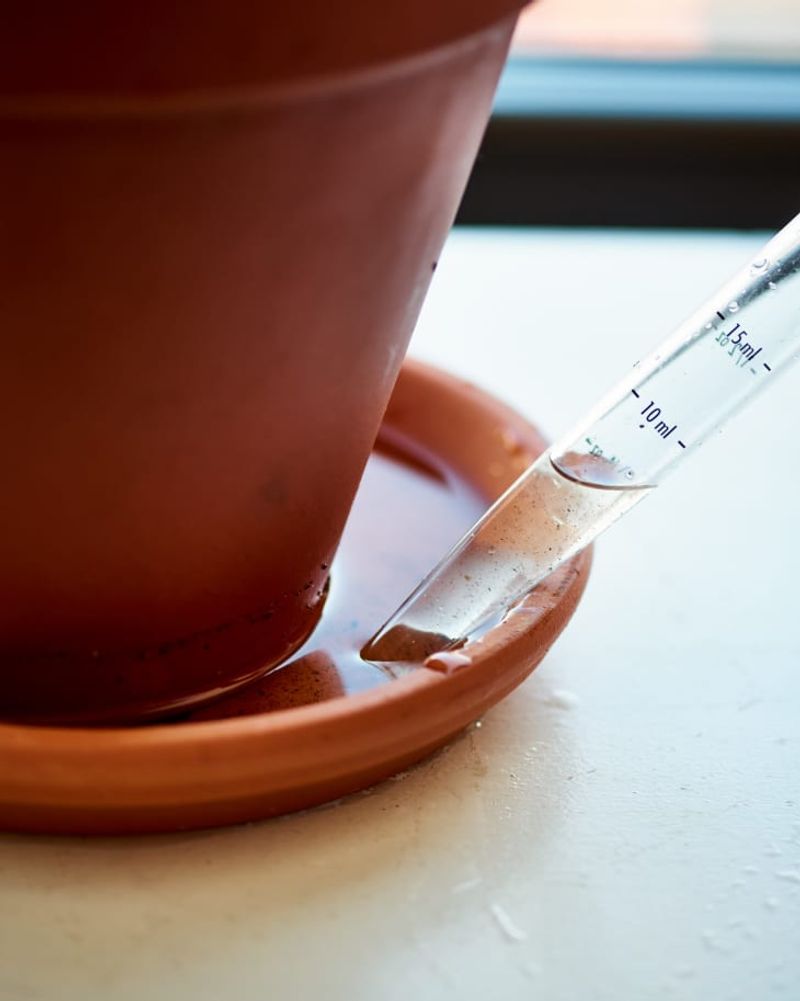
Saucers full of standing water sitting beneath rosemary pots are one of the quieter causes of root trouble in Georgia container gardens.
A saucer can seem helpful because it catches the overflow and keeps the porch or deck dry, but if it holds water for hours or days at a time, the bottom of the pot stays in contact with that moisture constantly.
Roots that sit near standing water have a much harder time staying healthy.
The fix is straightforward. After watering your container rosemary thoroughly, let it drain for about thirty minutes and then empty the saucer completely.
On days when afternoon thunderstorms roll through and soak everything on the porch, check the saucer afterward and tip out any collected water.
This one small step removes the standing water that would otherwise keep the potting mix wetter than rosemary prefers.
Some gardeners skip saucers entirely for their rosemary containers, especially when the pot is on a surface that handles water runoff easily.
Others use saucers with a layer of gravel inside so the pot sits slightly above the waterline, reducing direct contact between the drainage holes and the pooled water.
Either approach supports the drier root environment that rosemary grows best in.
Keeping the saucer empty after each watering session is one of the easiest adjustments a Georgia home gardener can make to improve container rosemary performance all season long.
4. Well-Drained Potting Mix Keeps Roots Healthier
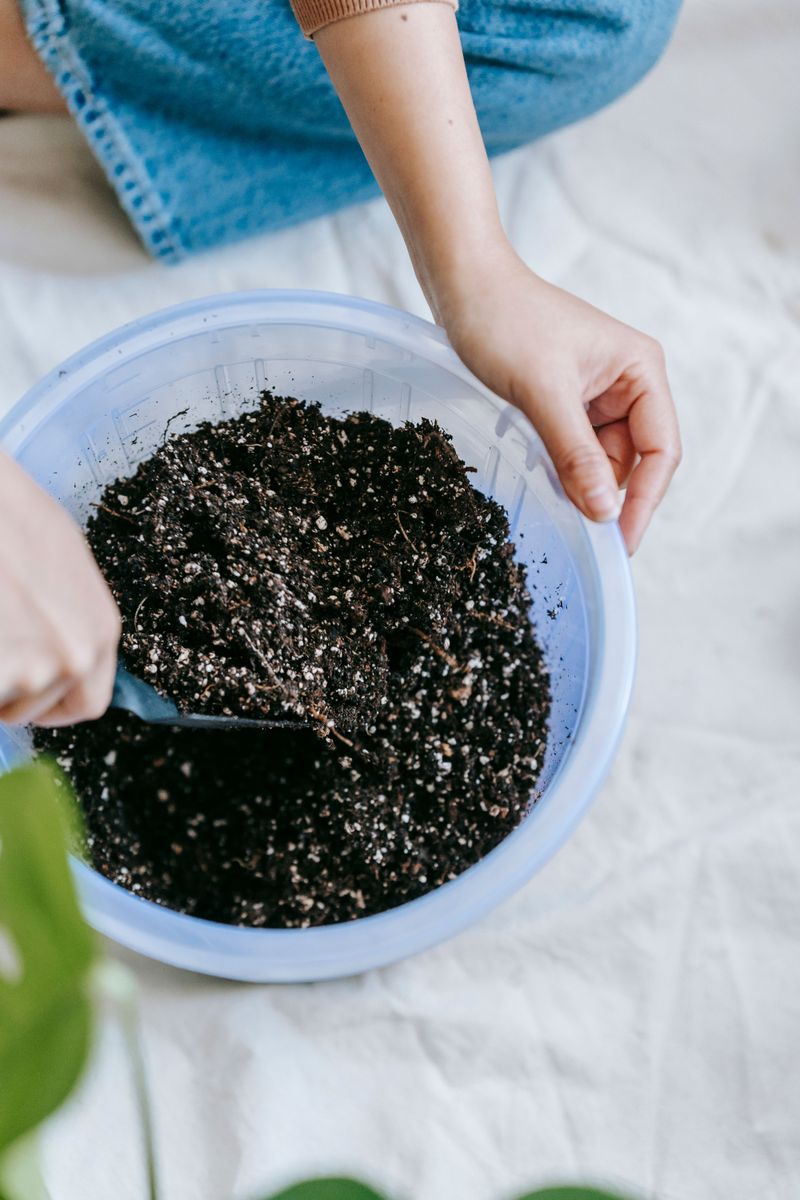
Not every bag of potting mix from the garden center is suited for container rosemary.
Many general-purpose mixes are formulated to retain moisture, which works well for vegetables and flowering annuals but can keep rosemary roots sitting in damp conditions longer than they should be.
Starting with a well-draining mix from the beginning makes a real difference in how the plant performs over a Georgia summer.
A simple way to improve drainage in any potting mix is to blend in perlite, coarse sand, or a small amount of fine gravel before filling the container.
A ratio of roughly one part perlite or coarse amendment to three parts potting mix gives the roots more air space and allows water to move through the container more freely.
The mix should feel light and loose rather than dense and heavy when you press it between your fingers.
Gardeners who have experimented with different soil blends often report that rosemary planted in a grittier, faster-draining mix needs less monitoring overall.
The plant seems to find its footing more easily, sends out new growth more consistently, and handles the heavy summer humidity with more resilience.
Some experienced container gardeners in Georgia even use mixes specifically blended for cacti and succulents, adjusting slightly for rosemary’s slightly higher moisture needs.
A well-matched potting mix supports the roots from the moment the plant is placed in its container, giving it a stronger foundation for the rest of the growing season.
5. Georgia Humidity Makes Wet Soil Riskier
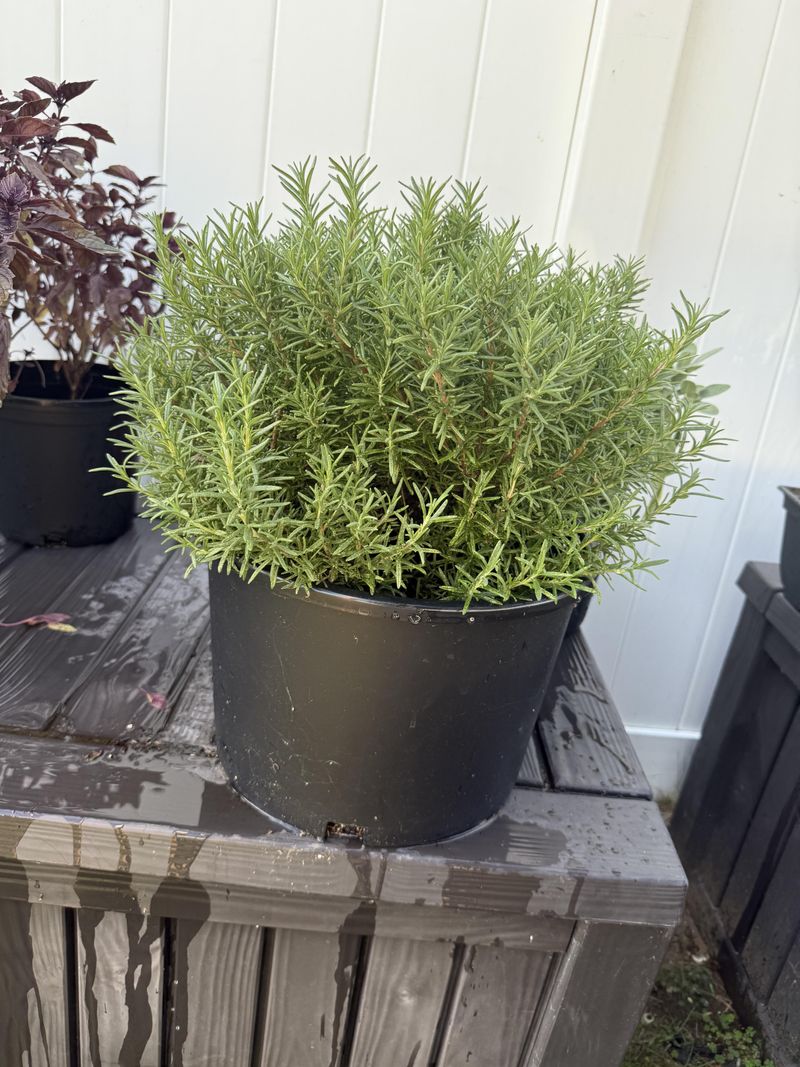
Heavy summer air settles over Georgia patios and porches for months at a stretch, and that moisture-laden atmosphere changes how quickly container soil dries out between waterings.
In a drier climate, potting mix might dry to the right level within a day or two.
In Georgia, that same pot can stay damp considerably longer simply because the surrounding air holds so much humidity that evaporation slows down noticeably.
Rosemary is a plant that handles dry heat reasonably well but can struggle when the combination of wet soil and humid air persists for extended periods.
The roots need some exposure to air to function properly, and when the potting mix stays saturated, that air exchange is reduced.
Humid summers create conditions where even a pot with good drainage holes can remain wetter than ideal if watering happens too frequently.
Paying attention to the actual feel of the potting mix rather than watering on a set schedule helps gardeners avoid overwatering during the most humid stretches of the year.
Pushing a finger an inch or two into the soil near the edge of the container gives a much more accurate picture of what the roots are experiencing than looking at the surface alone.
When Georgia’s humidity is at its peak in July and August, many experienced container herb gardeners water their rosemary noticeably less often than they do in spring or fall, adjusting to what the plant and the soil are actually telling them.
6. Full Sun Helps Rosemary Stay Strong
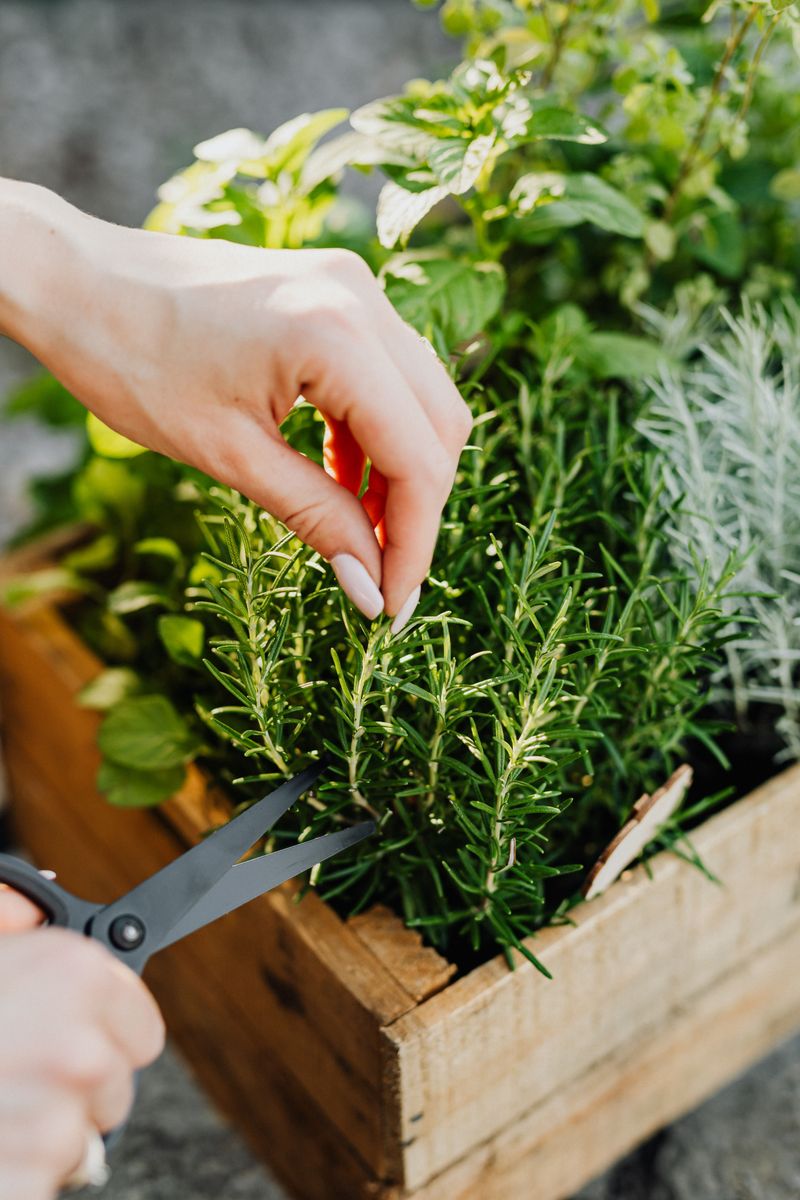
Bright, direct sunlight is one of the best things you can give container rosemary in Georgia.
A sunny spot on a south- or west-facing patio, deck, or balcony gives the plant the light energy it needs to grow steadily and keeps the potting mix from staying damp too long between waterings.
Rosemary planted in a shady corner tends to stay wetter and can look lackluster compared to plants grown in full sun.
Six or more hours of direct sun each day is what rosemary really thrives on. In Georgia, that kind of sun exposure is easy to find for most of the year, especially on open patios, raised decks, and south-facing porches.
Containers placed in full sun also benefit from slightly faster soil drying, which works in the plant’s favor during humid stretches when the air holds a lot of moisture.
One thing gardeners sometimes notice is that rosemary moved from a partly shaded spot to a sunnier location will often show a visible improvement in leaf color, stem firmness, and overall growth within a few weeks.
The plant becomes more fragrant and produces denser foliage when it gets the light it prefers.
Pairing full sun exposure with good drainage and a slight dry-down period between waterings creates conditions that closely match what rosemary would experience in its native Mediterranean environment.
Container plants in Georgia tend to respond to that combination very positively once the routine becomes consistent.
7. Water Less Often But More Thoroughly
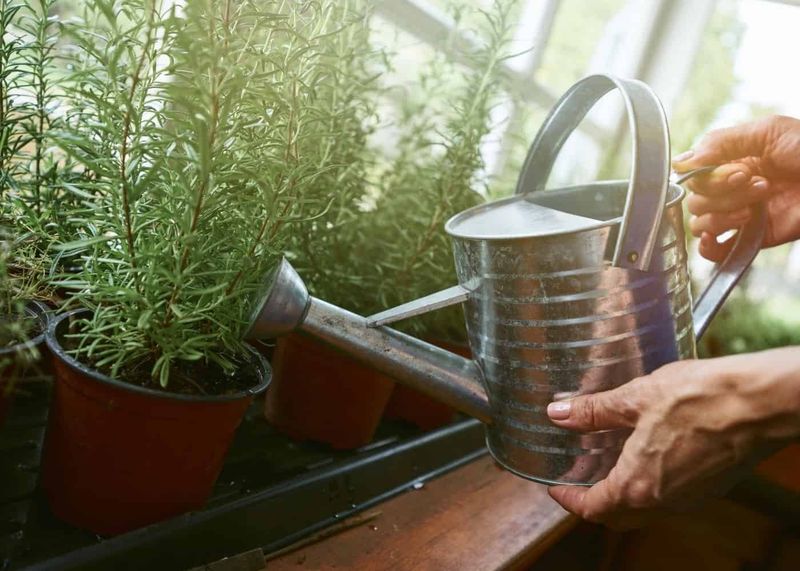
Picking up the watering can every single day might feel like attentive plant care, but for container rosemary in Georgia, frequent light watering can actually create more problems than it solves.
Shallow, repeated watering keeps the upper portion of the potting mix constantly damp without ever encouraging roots to grow deeper into the container.
Over time, this kind of watering pattern can leave the plant weaker and more dependent on surface moisture.
A better approach is to water less often but more thoroughly when you do water.
Pouring water slowly and evenly over the surface of the potting mix until it flows freely from the drainage holes ensures the entire root zone gets moistened, not just the top inch or two.
After that deep watering, the container should be left alone until the top portion of the potting mix dries out noticeably before the next watering session.
Georgia gardeners who switch from daily light watering to this deeper, less frequent approach often report that their rosemary looks more robust within a few weeks.
The roots have an opportunity to spread through the container in search of moisture, which builds a stronger overall root system.
During Georgia’s cooler months in fall and early spring, the gap between thorough waterings may stretch to a week or more depending on the weather and pot size.
Letting the plant guide the schedule rather than following a rigid routine tends to produce healthier, more vigorous container rosemary throughout the year.
8. Drying Slightly Between Waterings Supports Better Growth
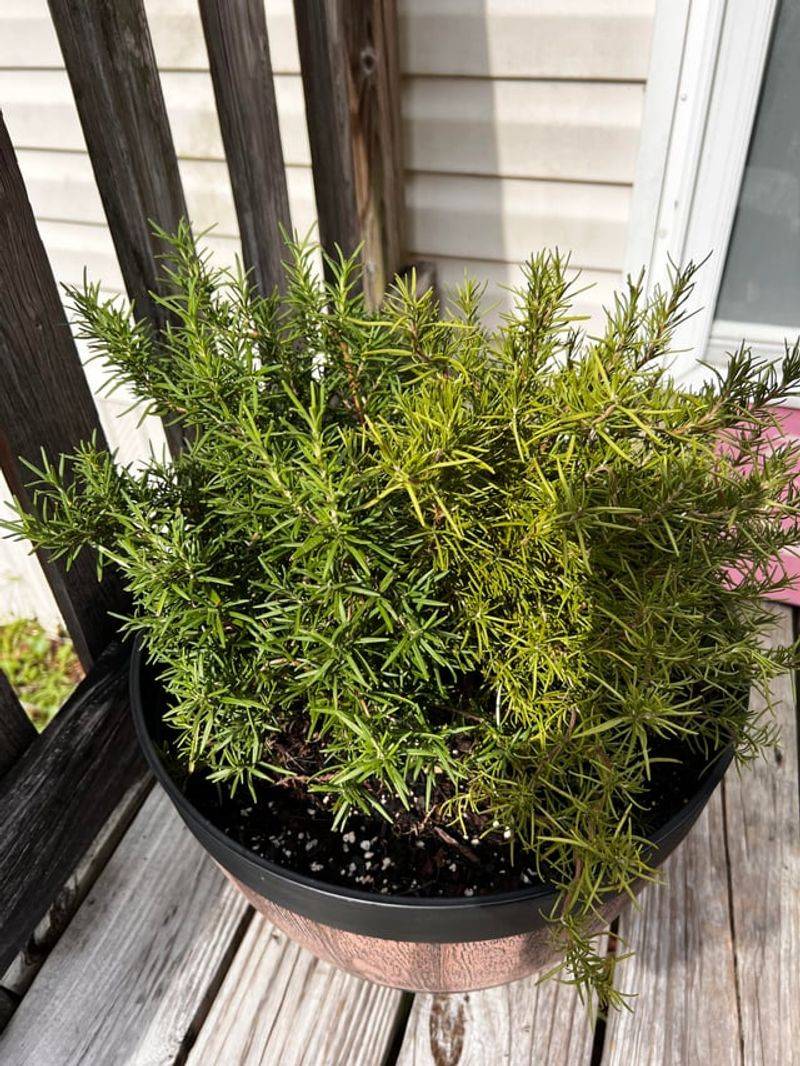
Letting the potting mix dry slightly between waterings is the central habit that ties all of the other container rosemary tips together.
It sounds almost too simple to make a real difference, but the results tend to speak for themselves.
Georgia gardeners who adopt this one practice consistently report that their rosemary looks healthier, smells stronger, and holds up better through the humid summer months than it did before they made the change.
The slight dry-down period between waterings is not about stressing the plant or letting it wilt. It is about giving the root zone a brief window of reduced moisture so that air can move back into the spaces between soil particles.
Roots need that air exchange to absorb nutrients and water efficiently, and a potting mix that is wet from top to bottom all the time does not provide it.
Rosemary is built to handle short periods of dryness, and those intervals are actually part of what keeps the plant thriving rather than merely surviving.
On a Georgia porch or patio in mid-summer, checking the potting mix every two to three days and watering only when the top inch or so feels dry is a practical way to manage this balance.
In cooler or cloudier weather, the wait between waterings naturally extends.
Container rosemary that experiences this gentle rhythm of thorough watering followed by a brief drying period tends to develop stronger stems, more aromatic foliage, and a root system that fills the container in a healthy, even way over time.