How To Prune Yellow Bells In Arizona In June For Nonstop Summer Color
Not every part of a landscape handles summer the same way. By the time June settles in, some plants already look like they are struggling to keep up with the heat.
Others seem completely unfazed and continue putting on a show while temperatures climb higher each week. Those differences become impossible to ignore once summer is fully underway.
That contrast is often what makes certain plants stand out. A yard full of fading color naturally draws attention to the plants that are still blooming heavily.
They become the first thing people notice and the plants homeowners appreciate the most during the hottest part of the year.
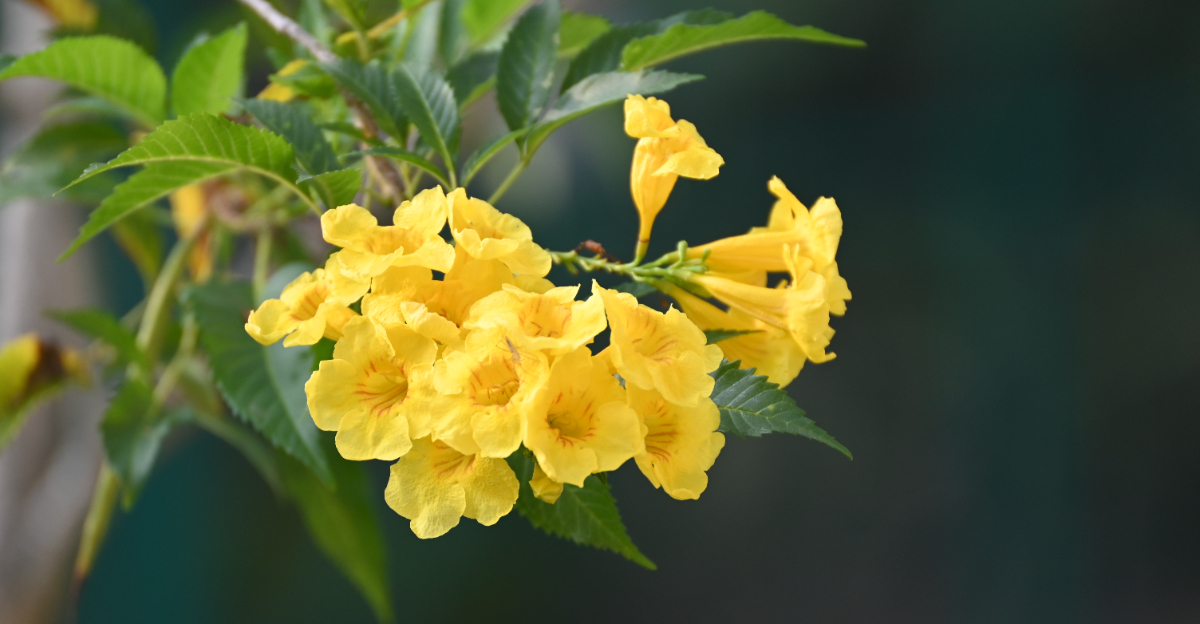
Yellow bells have earned that kind of attention in Arizona landscapes. Their bright flowers can keep a yard looking lively long after many other plants begin slowing down.
June is also an important point in their growing season, and the way they are maintai
1. Remove Spent Blooms Before New Buds Take Over
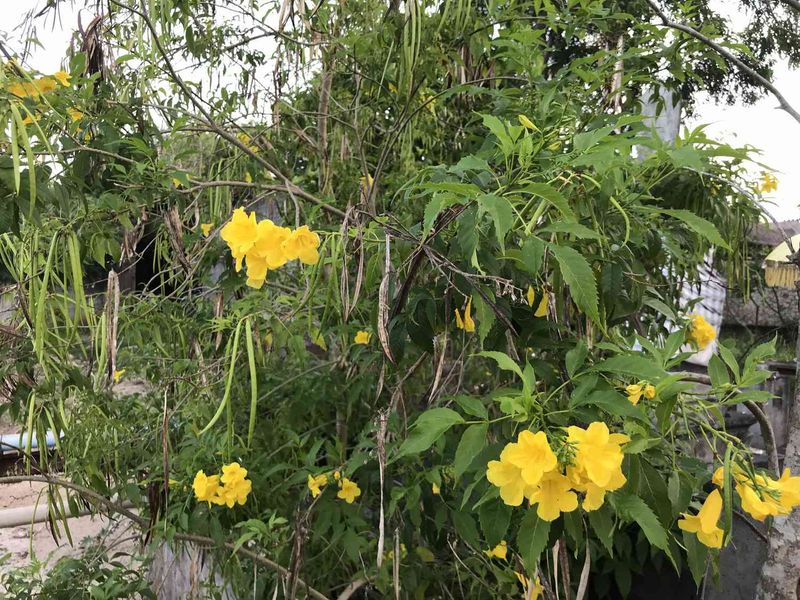
Deadheading sounds like a chore, but it is honestly one of the fastest ways to unlock more blooms on your Yellow Bells. Spent flowers left on the plant signal that it is done working for the season.
Snip them off, and the plant gets the message to keep producing.
Work your way along each stem and look for clusters that have turned brown or papery. Cut just below the spent flower cluster, right above a healthy leaf node.
Sharp bypass pruners make this job clean and quick.
In Arizona’s June heat, plants push energy fast. Removing old blooms redirects that energy toward fresh buds instead of seed production.
You will notice new flower clusters forming within days after a good deadheading session.
Try to deadhead every week or every ten days during peak summer. Staying consistent keeps the plant in active bloom mode rather than letting it slow down.
It takes maybe fifteen minutes per plant once you get the hang of it.
Do not skip this step thinking the plant will self-clean. Some plants do, but Yellow Bells holds onto spent clusters longer than most desert shrubs.
A quick pass with your pruners keeps things looking tidy and productive all at once.
2. Cut Back Leggy Growth To Keep Plants Full
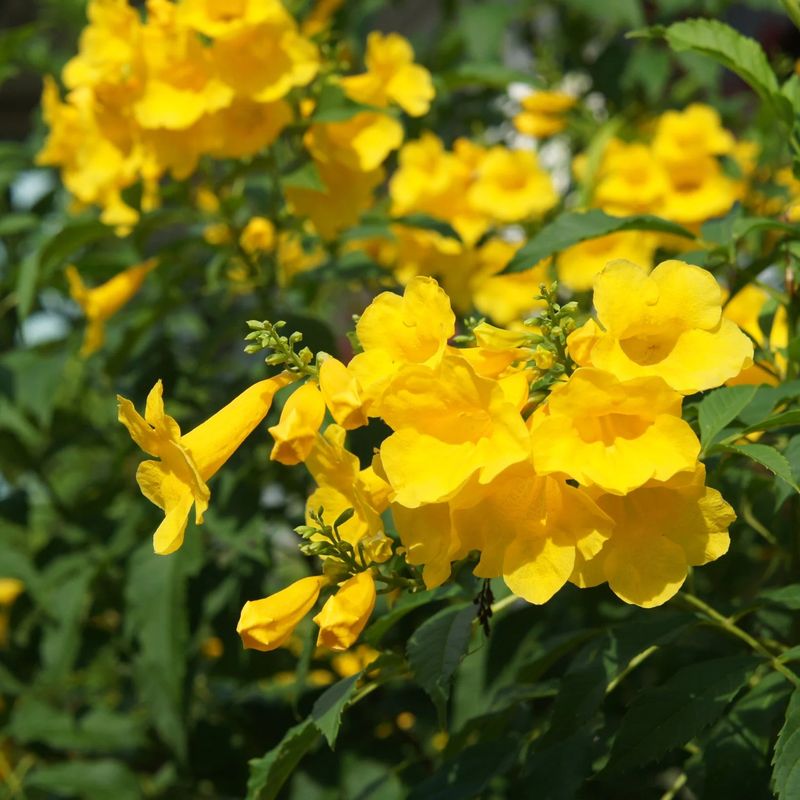
Leggy stems are a real problem by June. Yellow Bells grows fast in warm weather, and some branches shoot out much longer than others.
Those long, bare stems make the plant look stretched and sparse instead of full and bushy.
Cut leggy stems back by about one-third of their length. Find a leaf node or a side shoot along the stem and make your cut just above it.
New growth will branch out from that point and fill in the gaps nicely.
Avoid cutting all the leggy stems at once if the plant is actively blooming. Stagger your cuts over a week or two so the plant keeps some flowers going while you shape it up.
Patience here pays off with a fuller look faster.
Plants growing in full sun tend to push leggy growth more aggressively than those in partial shade. If your Yellow Bells sits in a spot that gets intense afternoon exposure, check it every couple of weeks through summer.
Your Arizona Garden Changes Every Week. Your Plan Should Too.
Gardening in Arizona changes quickly throughout the season. Every Friday you’ll receive a simple weekly plan showing exactly what to plant, prune, fertilize, harvest, and protect so you never miss the right timing.
Growth can get away from you quickly in those conditions.
Fuller plants also hold up better against monsoon winds that roll through the desert region later in summer. A tighter, more compact structure means fewer broken branches when storms arrive.
Keeping growth in check now sets the plant up to handle rough weather without as much damage.
3. Thin Crowded Stems For Better Airflow
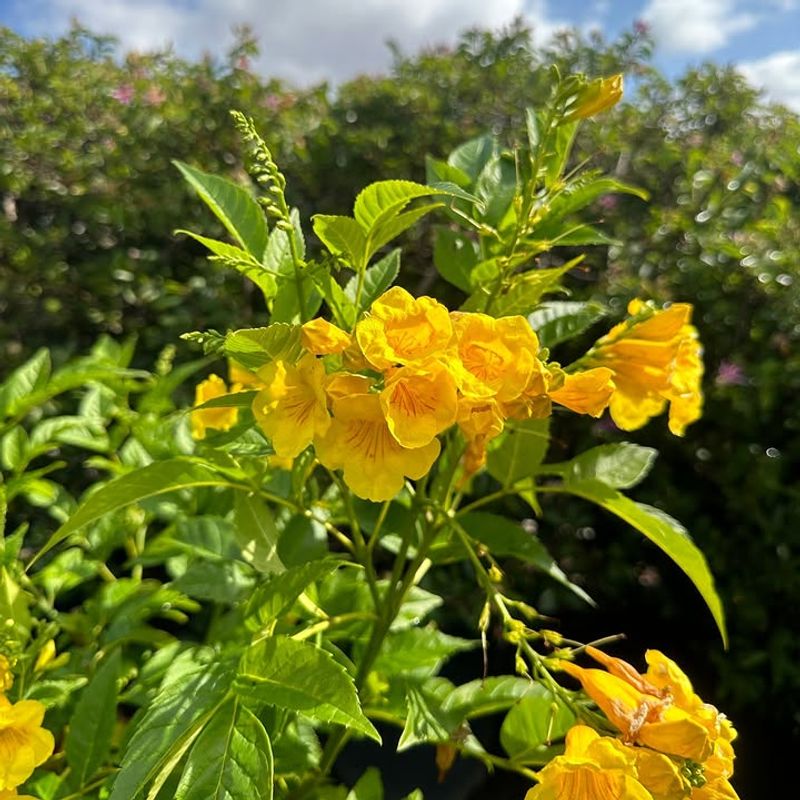
Walk around your Yellow Bells and peek inside the canopy. If you see a tangle of crossing, rubbing stems with little light reaching the center, that plant needs thinning.
Poor airflow inside a dense shrub creates humid pockets where fungal problems can develop, especially once monsoon moisture arrives.
Select stems that are crossing over each other or growing inward toward the center of the plant. Remove them at their base or back to a main branch.
You are not trying to reshape the plant here, just open it up a bit.
Aim to remove no more than twenty to twenty-five percent of the total stems in one session. Taking too much at once stresses the plant and can reduce blooming significantly.
Light, targeted thinning is always safer than aggressive removal.
Better airflow also means faster drying after irrigation or rain. Wet foliage sitting for hours in stagnant air is an invitation for powdery mildew and other issues.
Opening the canopy even slightly makes a real difference in plant health over a full summer season.
After thinning, step back and look at the overall shape. Good thinning should not be obvious from the outside.
The plant should still look full and natural. If it looks noticeably bare, you may have removed too much and should hold off on further cuts for several weeks.
4. Skip Hard Pruning During Peak Blooming Season
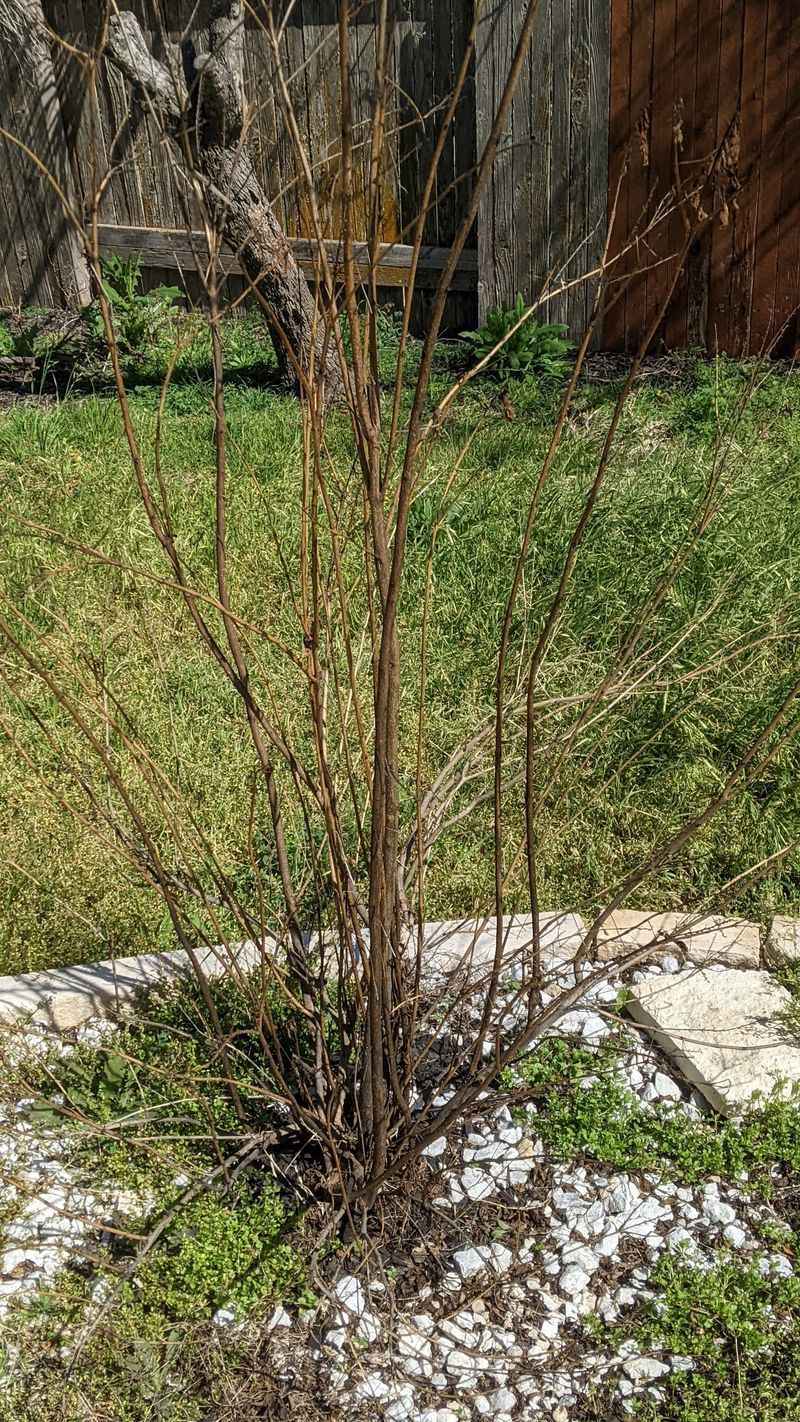
Hard pruning in June is a mistake most desert gardeners make at least once. Cutting a Yellow Bells back severely while it is loaded with buds strips away weeks of potential color.
You end up waiting longer for blooms to return than if you had just left it alone.
Hard pruning means removing more than a third of the plant’s total growth at one time. That kind of cut is better saved for late winter or very early spring before new growth begins.
June is not the moment for that level of intervention.
Plants under heat stress recover more slowly from heavy pruning. June temperatures in the desert Southwest regularly push past one hundred degrees.
Adding the stress of a severe cut on top of that heat load is tough on even a well-established plant.
Light, targeted pruning is always the better call during active bloom periods. Focus on spent flowers, leggy stems, and problem branches rather than reshaping the entire plant.
You get the benefits of pruning without sacrificing the color show.
Save your hard pruning urge for February or March. At that point, you can cut the plant back dramatically, and it will respond with vigorous new growth and a fresh flush of blooms well before summer peaks.
Timing your pruning correctly by season is the single most important habit to develop with Yellow Bells.
5. Focus On New Growth That Has Finished Flowering
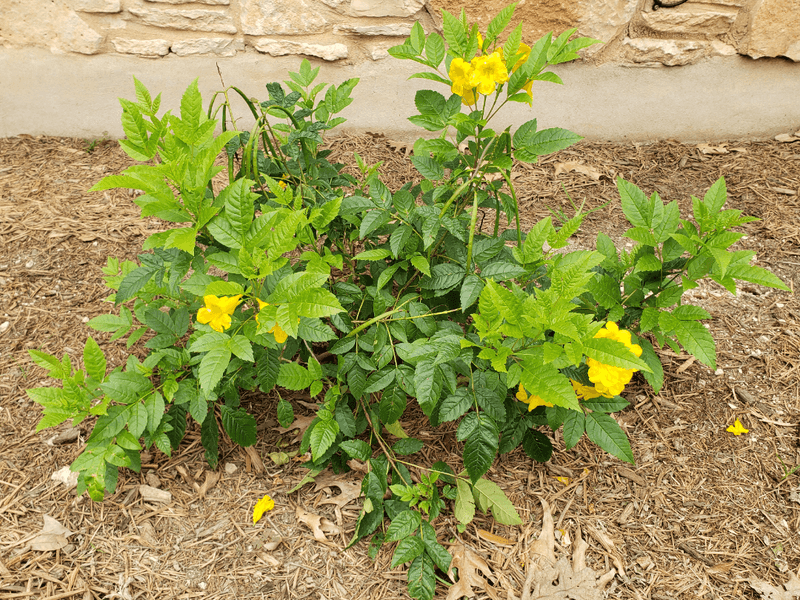
Not all stems on a Yellow Bells bloom at the same time. Some branches finish their flower cycle while others are just getting started.
Knowing how to spot the difference lets you prune smarter without cutting off tomorrow’s blooms.
New growth that has already flowered and dropped its petals is your target. Look for stems with green, flexible wood that end in spent or empty flower clusters.
Those stems are ready to be trimmed back to encourage a second flush of blooms.
Older woody stems at the base of the plant usually do not push as many new flowers. Focus your attention on the younger, greener growth in the upper and outer portions of the plant.
That is where most of the fresh blooming action happens through summer.
After trimming finished stems, watch those areas closely over the next two weeks. New lateral shoots will emerge from the nodes below your cuts.
Each of those shoots has the potential to carry a fresh bloom cluster, which is exactly what you want heading into July and August.
Keep a close eye on water during this period. Plants pushing new growth after pruning need consistent moisture, especially in the desert heat.
Soil that dries out completely between waterings can slow regrowth and delay the next round of blooms by several weeks. Adjust irrigation timing if needed to keep things moving.
6. Shape The Plant Without Removing Too Much Foliage
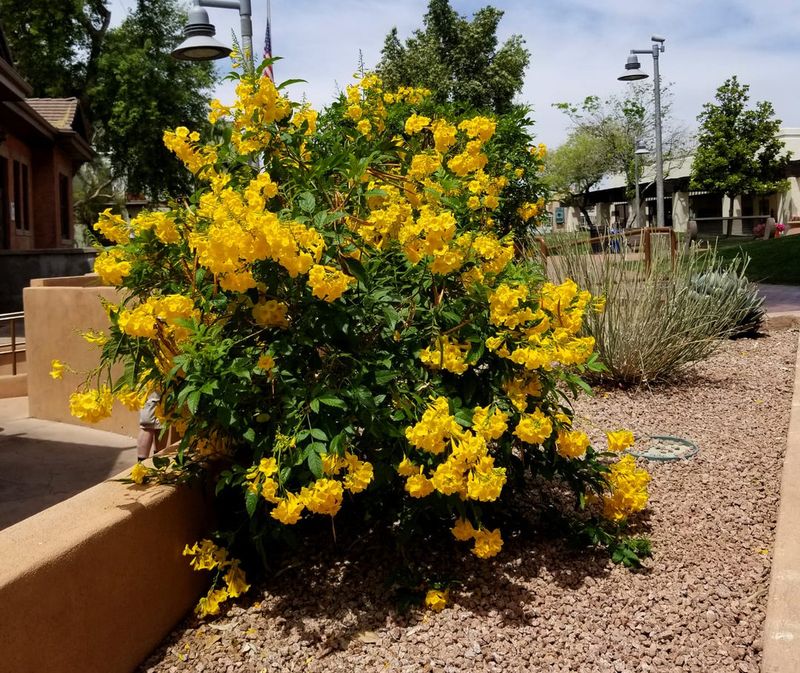
Shaping a Yellow Bells is less about making it perfect and more about keeping it manageable. Overly sculpted desert shrubs often look out of place, and they can struggle when too much leaf cover gets removed in hot weather.
Foliage acts as natural shade for the root zone and inner stems.
Work with the plant’s natural growth habit rather than against it. Yellow Bells naturally wants to grow upright and slightly vase-shaped.
Light shaping to maintain that form takes far less effort than trying to force it into a tight ball or a flat hedge shape.
Remove branches that extend awkwardly beyond the plant’s natural outline. One or two cuts on the outer edges usually does the job.
Avoid shearing the entire surface because that removes too many potential bloom sites all at once.
Foliage loss in desert heat can lead to sunscald on exposed inner stems. Bark that never sees direct sun is not hardened against it, and sudden exposure can cause real damage.
Removing foliage gradually over several sessions gives the plant time to adjust.
A well-shaped Yellow Bells looks intentional without looking manicured. Neighbors might not even notice you trimmed it, which is actually the goal.
Subtle shaping done consistently throughout the season beats one aggressive cut that leaves the plant looking rough for weeks at a time.
7. Clear Away Damaged Growth Before Summer Storms Arrive
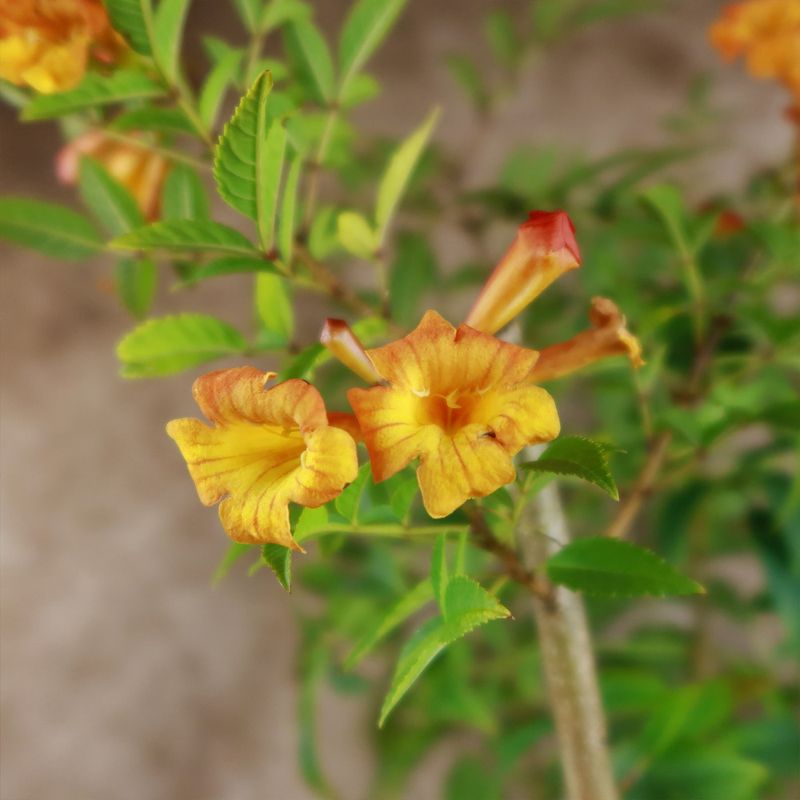
Monsoon season rolls into the desert Southwest starting in early July, and it brings serious wind gusts along with heavy rain. Damaged or weakened branches that seem fine in calm weather become projectiles or snap points when storms hit.
Getting ahead of that in June is smart preparation.
Walk the plant carefully and look for branches that are cracked, partially broken, or showing signs of pest damage.
Hollow-looking stems, discolored bark, or branches that flex oddly under light pressure are all worth removing before storm season begins.
Cut damaged growth back to a healthy junction point. Do not leave stubs, as they tend to attract insects and can become entry points for disease.
A clean cut flush with a main branch heals faster and cleaner than a rough one.
Removing weak growth now also reduces wind resistance. A plant with fewer compromised branches is less likely to suffer major structural damage when a strong monsoon gust rolls through.
It sounds simple, but it genuinely reduces the recovery work you have to do after storms.
After each monsoon event, do a quick walk-around to check for any new damage. Catching broken branches early prevents them from tearing further down the stem and causing more extensive wounds.
Staying proactive through the storm season keeps your Yellow Bells healthier and looking great from June all the way through fall.