Why Ohio Homeowners Who Plant Serviceberry Never Plant Bradford Pear Again
Bradford pear has a short and complicated resume. It blooms in spring, looks tidy enough through summer, and then reveals everything wrong with it in slow motion over the years.
Weak branch structure, invasive spread into natural areas, and a smell during bloom that Ohio homeowners spend years trying to politely not mention to guests. Serviceberry exists in a completely different category.
Same spring bloom window, better color, wildlife value that Bradford pear never comes close to. A track record in Ohio landscapes that holds up across every season.
The homeowners who make the switch tend to say the same thing afterward. Not that serviceberry is good, but that they cannot understand why they waited.
Bradford pear was filling a space serviceberry was always better suited for. Some plant decisions age well.
This is one of them.
1. Choose Serviceberry When Bradford Pear Feels Like A Mistake
A cracked Bradford pear limb on the lawn after a spring storm is a moment many homeowners in this state know too well. The tree looked fine until it did not.
Serviceberry offers a different story from the start.
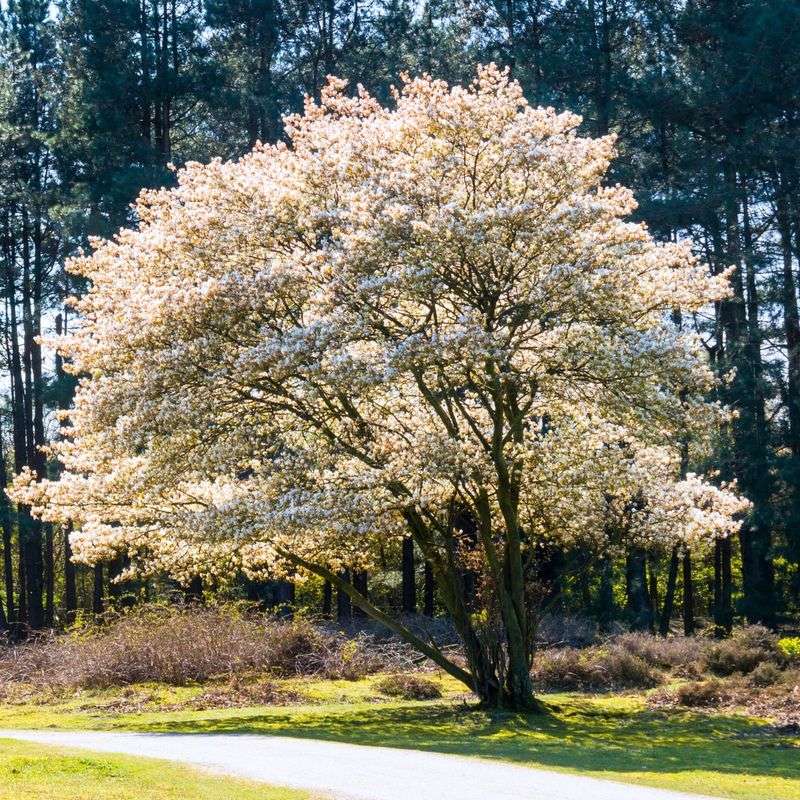
Amelanchier arborea, commonly called downy serviceberry, is native across much of this region. It grows as a small tree or multi-stemmed shrub reaching roughly 15 to 25 feet tall.
That scale fits most front yards far better than a Bradford pear ever did at 30 to 50 feet.
Bradford pear and its Callery pear relatives have been flagged as invasive in this state. The Ohio Department of Agriculture has addressed Callery pear as a plant of concern, and removal programs have gained traction in recent years.
Planting more of them now feels outdated.
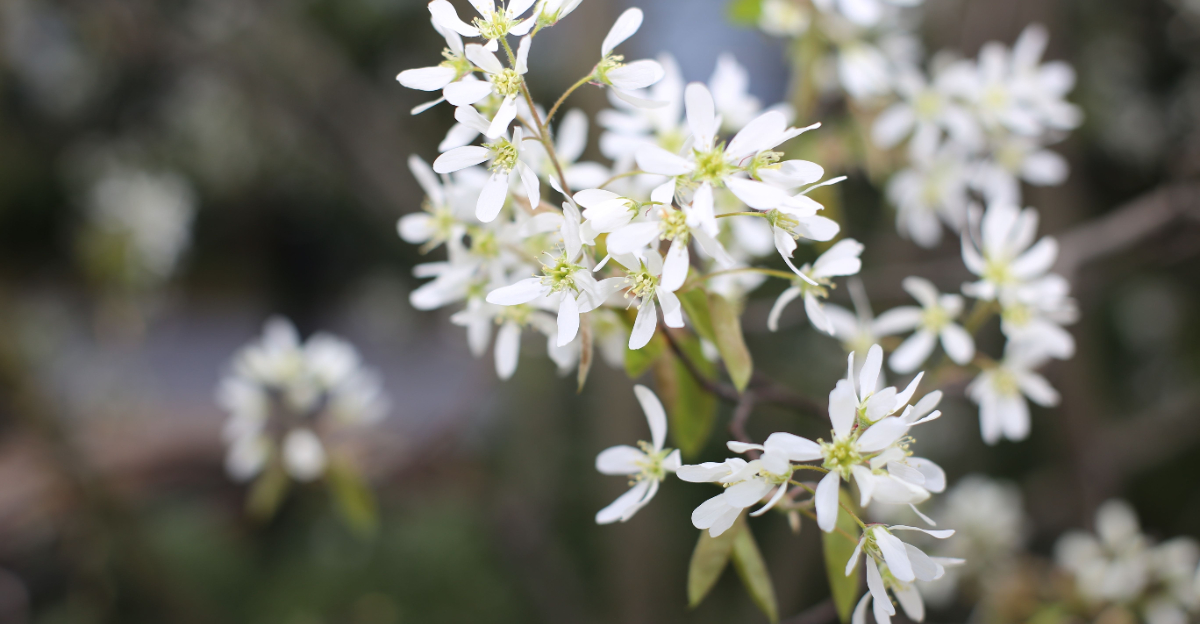
Serviceberry blooms in early spring, often before most other trees leaf out. The white flowers appear on bare branches and create a genuinely striking display.
There is no unpleasant odor, which is something Bradford pear cannot claim.
Choosing serviceberry is not about following a trend. It is about picking a tree with real seasonal value, a manageable size, and a clean bloom.
It also has a track record of fitting naturally into local yards without spreading where it should not go.
2. Get Spring Flowers Without Planting An Invasive Pear
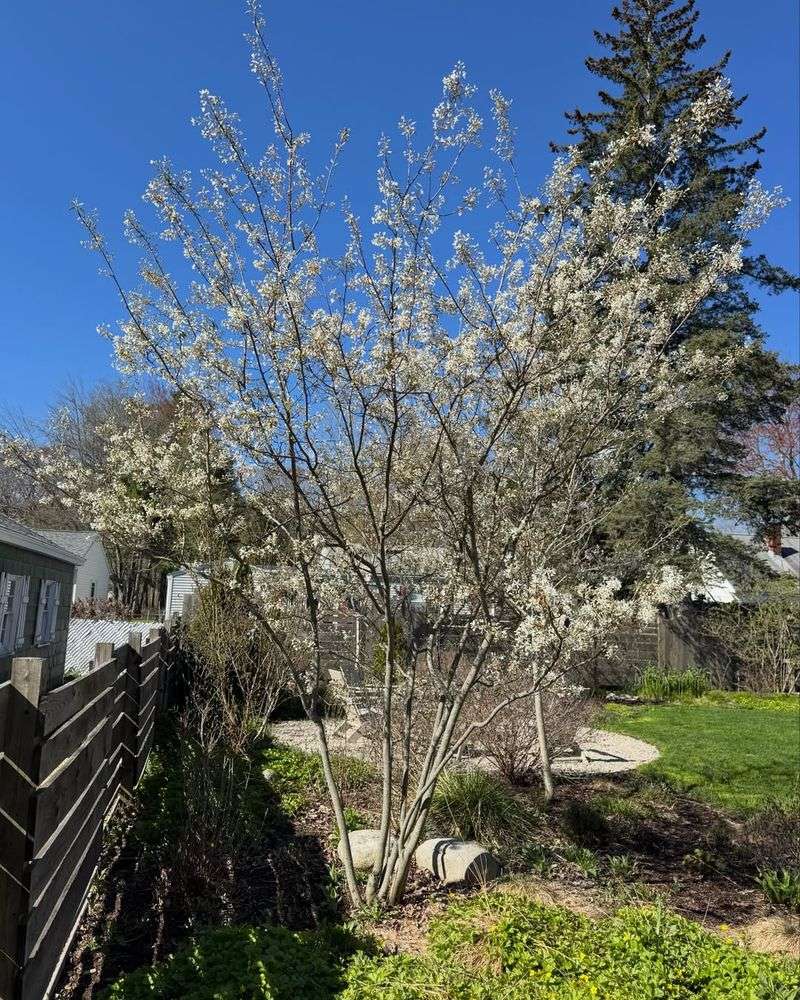
Early April in this state can still feel uncertain, but serviceberry does not wait for warm weather to commit. The flowers open on bare branches while most of the yard is still waking up.
That early timing is part of what makes it so satisfying to watch.
Amelanchier species vary in bloom timing, flower density, and overall form. Downy serviceberry tends to bloom a bit earlier than Allegheny serviceberry, which is Amelanchier laevis.
Both offer white, five-petaled flowers that catch morning light in a way that feels genuinely wild and graceful.
Bradford pear also blooms early, and that timing was a big part of its appeal. But the flowers carry a scent that many people find unpleasant.
Serviceberry flowers do not have that problem. They attract early pollinators, including native bees that need spring forage before other trees have opened.
Your Ohio Garden Changes Every Week. Your Plan Should Too.
Gardening in Ohio changes quickly throughout the season. Every Friday you’ll receive a simple weekly plan showing exactly what to plant, prune, fertilize, harvest, and protect so you never miss the right timing.
The bloom period for serviceberry lasts roughly one to two weeks depending on weather and site conditions. A cooler spring can extend it.
A warm stretch may shorten it. Either way, the display is worth planning around.
Callery pear cultivars, including Bradford, have shown the ability to cross-pollinate and produce viable seeds that spread into natural areas. Serviceberry does not carry that concern.
Planting it means enjoying spring flowers without contributing to a larger regional problem.
3. Enjoy Berries That Feed Birds And People
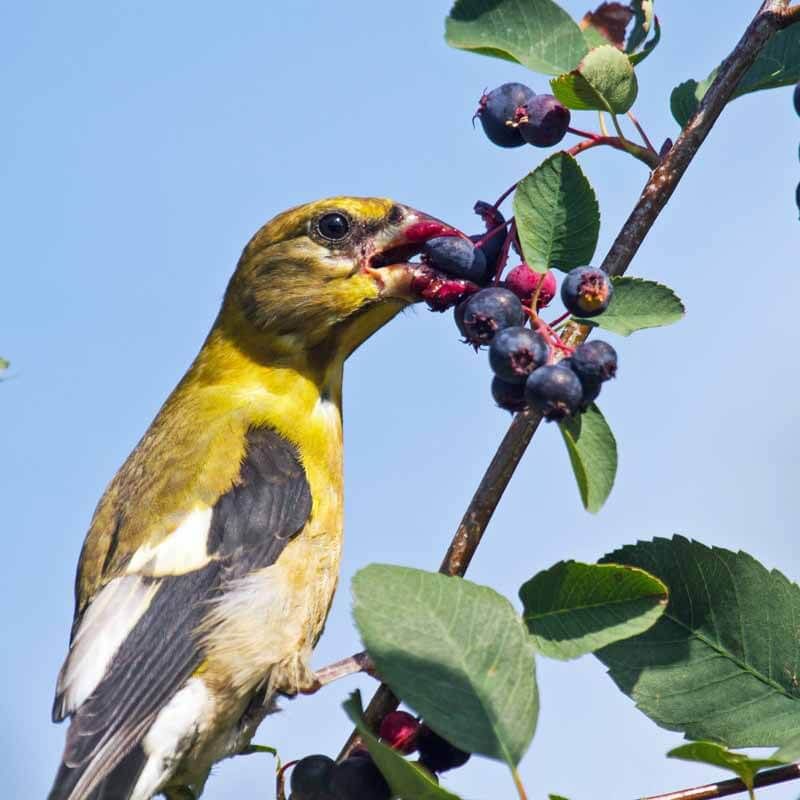
By late June, a well-established serviceberry can be covered in small, dark berries that ripen from red to deep purple. They look a little like blueberries and taste sweeter than most people expect the first time they try one.
Serviceberry fruit is edible and has a long history of use in North America. Indigenous communities used the berries fresh and dried.
Today, homeowners who get to the fruit before the birds can use them in pies, jams, or just eat them off the branch. Getting there first is not always easy.
Birds find serviceberry fruit quickly. Robins, cedar waxwings, catbirds, and bluebirds all visit heavily fruiting trees.
Some years the entire crop disappears in a day or two. That is not a failure.
It is the tree doing exactly what a native fruit-bearing plant is supposed to do.
Fruit production depends on several factors. Species choice matters.
Pollination, which can improve with more than one plant nearby, also affects yield. Late frosts can reduce a crop.
Some years are better than others, and that variability is normal.
Bradford pear produces small, hard fruit that birds rarely use well and that contributes to invasive spread. Serviceberry fruit feeds wildlife meaningfully and does not create an ecological problem.
That difference alone makes the switch worth making for most homeowners.
4. Count On Fall Color Beyond A Plain White Bloom
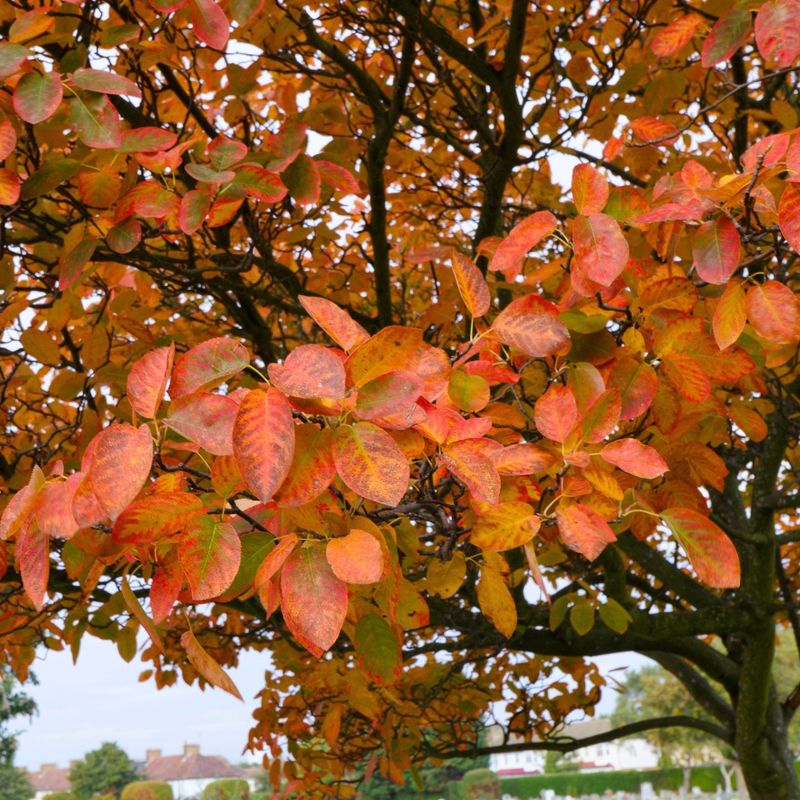
Most Ohio ornamental trees earn their place in spring and then fade into the background for the rest of the year. Serviceberry is not built that way.
Once summer fruit season winds down, the tree begins preparing a second act that many homeowners do not expect.
Fall color on serviceberry can range from warm yellow to deep orange and red. The specific color depends on the species, the individual tree, the growing site, and the weather that season.
A dry summer followed by cool fall nights tends to bring out the richest tones.
Allegheny serviceberry is often noted for particularly strong fall color. Downy serviceberry also delivers, though color intensity can vary more by individual specimen.
Buying from a local native nursery that grows from regional stock can improve your chances of getting a tree with reliable fall performance.
Bradford pear does develop fall color, sometimes a decent reddish-purple. But that one seasonal moment does not offset its structural problems, invasive potential, and short landscape lifespan.
Serviceberry offers fall color as one layer in a year-round picture that also includes spring bloom and summer fruit.
A tree that gives three distinct seasons of visual interest is a smarter use of front-yard space than one that peaks once and causes problems the rest of the time. Serviceberry earns its spot from April through November without much help from the homeowner.
5. Use Serviceberry Where A Smaller Tree Fits Better
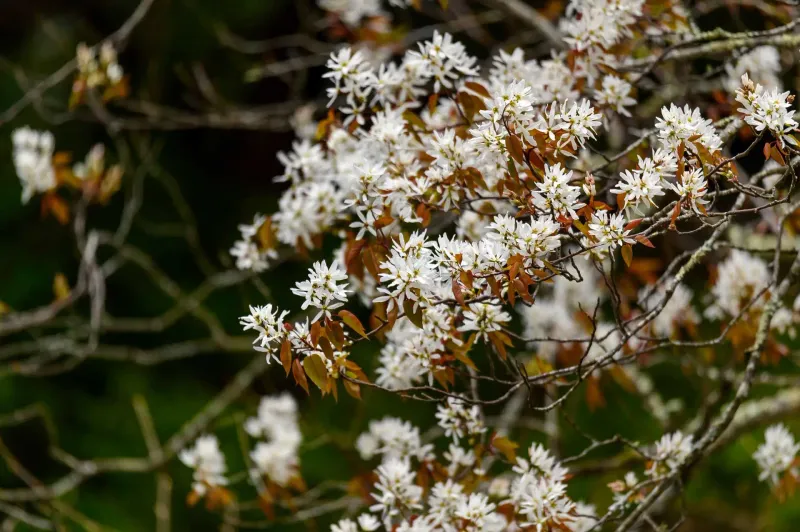
Not every yard has room for a tree that tops out at 40 feet with a matching canopy spread. Many front yards, side yards, and narrow planting strips need something that stays in scale with the house and the surrounding space.
Downy serviceberry typically matures between 15 and 25 feet tall, sometimes a bit taller on ideal sites. Allegheny serviceberry grows similarly.
Both can be found in single-trunk or multi-stemmed forms. The multi-stemmed form often works well near corners of a house or at the edge of a mixed border where a softer silhouette fits better.
Cultivars can help when size control matters. Selections like Amelanchier x grandiflora, a natural hybrid of downy and Allegheny serviceberry, are available in named cultivars that offer predictable size and form.
Always check the mature size on the plant tag or with the nursery before planting.
Bradford pear was never truly a small tree. It was sold as manageable but regularly outgrew its space and created canopy conflicts with utility lines, rooflines, and neighboring plantings.
Serviceberry does not have that reputation.
Placement still matters. Avoid planting any tree directly against a foundation or under low utility lines.
Give serviceberry room to express its natural form. Planted with even a modest setback from structures, it tends to develop into a graceful, layered shape that enhances the yard rather than crowding it.
6. Avoid The Weak Branching Bradford Pear Is Known For
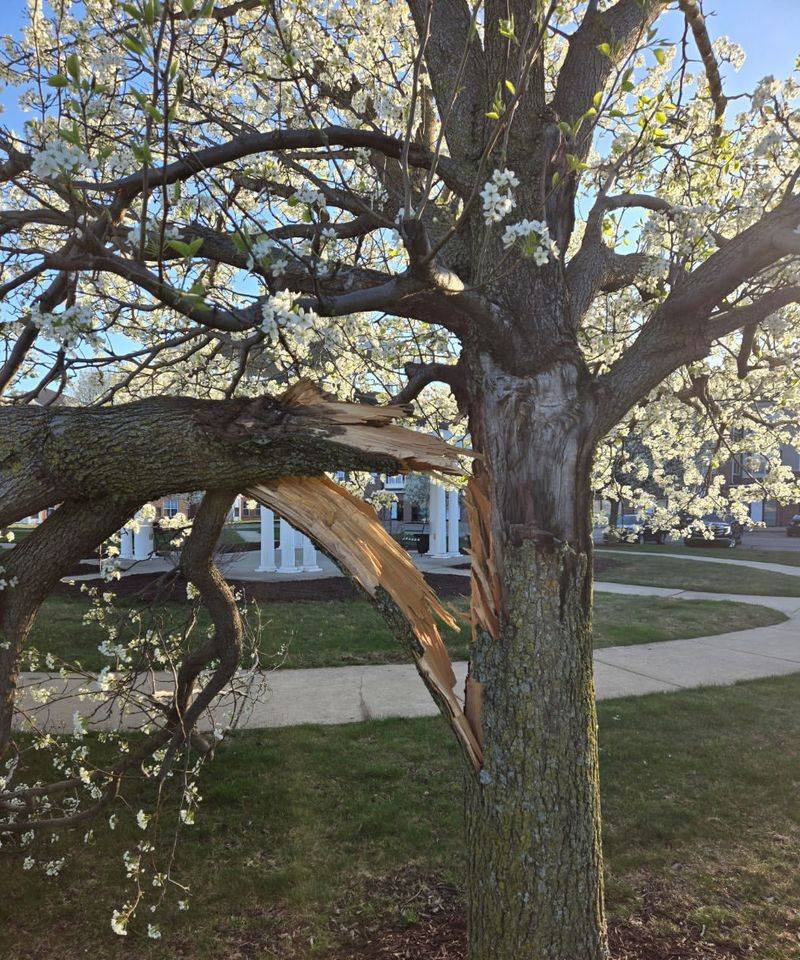
Bradford pear has a structural flaw built right into its shape. The branches grow at narrow, upright angles from the trunk.
That creates tight V-shaped crotches that hold water, develop included bark, and eventually split under weight or in a storm.
This is not a rare problem. Arborists across Ohio have documented Bradford pear branch failures for decades.
The tree often looks healthy until a wet snow or a strong wind event reveals how poorly the branch structure was holding together. Homeowners sometimes lose large sections of the canopy within ten to fifteen years of planting.
Serviceberry does not carry that reputation. Its branching tends to be more open and graceful, with better-angled attachments that hold together more reliably.
That said, no tree is entirely immune to storm damage, and serviceberry may occasionally need light corrective pruning to maintain good form.
The difference in long-term maintenance is significant. Bradford pear often requires aggressive pruning to manage its weak structure.
Even careful pruning cannot fully correct the narrow branch angles it grows with naturally. Serviceberry typically needs far less intervention to stay structurally sound.
Choosing a tree with better natural architecture is a practical decision, not just an aesthetic one. A tree that holds itself together through storms and seasons costs less in cleanup and tree service calls.
It also causes far less stress for the homeowner who planted it.
7. Plant A Native Tree That Supports More Backyard Wildlife
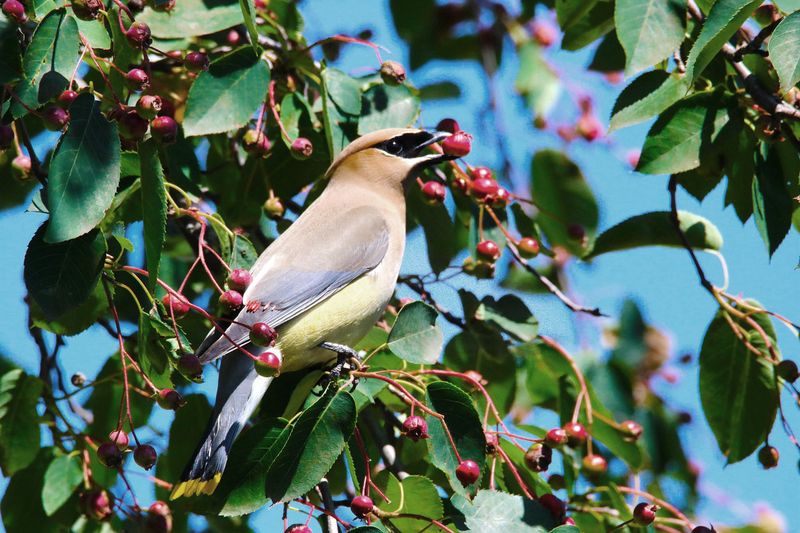
Wildlife-friendly yards are not built on one tree alone, but the right anchor plant makes a real difference. Serviceberry pulls multiple threads together in a way that few small ornamental trees can match.
The flowers open early enough to support native bees and other pollinators that emerge before most trees have bloomed. Research from entomologist Doug Tallamy and others highlights the importance of native plants in supporting insect food webs.
Serviceberry, as a native Amelanchier species, participates in those relationships in ways that non-native ornamentals cannot replicate.
The fruit draws a wide range of bird species. Cedar waxwings are particularly reliable visitors and often arrive in flocks that strip a tree quickly.
Robins, bluebirds, thrushes, and orioles also use the fruit. The timing of serviceberry fruit in early summer fills a window before many other native fruits are ready.
Beyond fruit and flowers, the tree provides nesting structure and canopy cover. Planted near shrubs or understory plants, it contributes to a layered habitat that supports more species than a single lawn tree in open turf.
Native value is not automatic. It depends on species selection, site health, and the surrounding landscape context.
A serviceberry planted in a yard with diverse native understory plants will support more wildlife than one surrounded by bare mulch. Start with the tree, then build outward with native shrubs and ground covers for the best result.
8. Let One Serviceberry Make The Front Yard Feel More Thoughtful
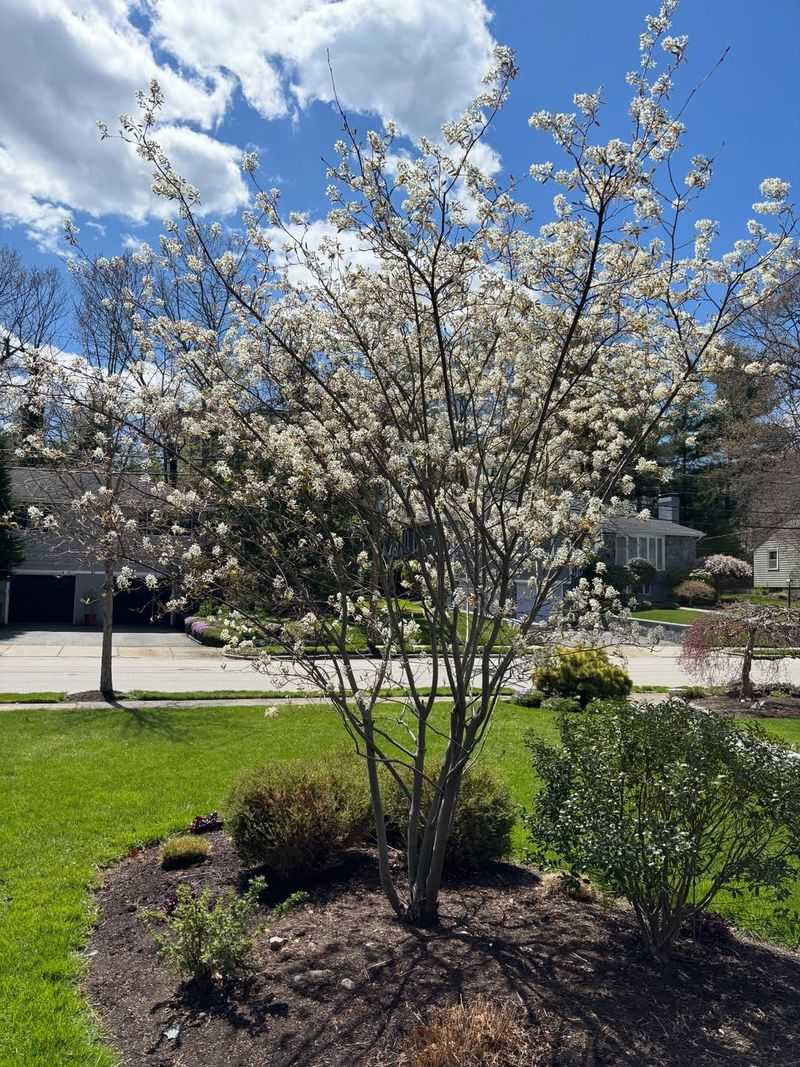
Front yards do a lot of quiet work. They set a tone for the house, shape the street view, and signal something about the people who live there.
A tree chosen with care reads differently than one grabbed off a nursery lot because it was the cheapest blooming option in April.
Serviceberry earns its place as a front-yard focal point through four seasons of honest performance. Spring flowers draw attention from the street.
Summer fruit brings birds that neighbors notice and comment on. Fall color gives the yard warmth at a time when most landscapes start to look tired.
The tree does not demand much in return. Serviceberry grows in full sun to part shade and adapts to a range of well-drained soils.
It prefers moist, slightly acidic conditions but handles the variable clay and loam soils common in many local yards reasonably well once established.
Pairing serviceberry with native shrubs can make a simple front-yard planting feel genuinely designed. Native viburnums, native witch hazel, or low-growing native groundcovers all work well.
The combination of layered plants also supports more ecological function than a single specimen in turf.
Bradford pear gave homeowners a fast start and a short window of bloom. Serviceberry gives a slower, steadier return that builds value year after year.
That is the kind of tree a thoughtful yard deserves, and most homeowners who plant one are glad they made the choice.