Why Arizona Scorpions Move Indoors Right After Monsoon Rains And What To Do About It
Monsoon season brings a welcome change after weeks of intense heat and dry conditions. The rain cools things down, freshens up the landscape, and gives plants a much-needed boost.
It is often the kind of weather many Arizona homeowners look forward to after a long stretch of hot days.
Then something unexpected happens. Not long after a storm passes, more scorpions seem to be showing up around the house.
A sighting in the garage, on a patio, or even indoors can quickly turn a relaxing rainy period into a source of frustration.
What makes the situation confusing is that many people assume the rain itself is attracting scorpions. The reality is a little more complicated.
Changes in moisture, shelter, and activity levels can all influence where scorpions end up after monsoon storms move through an area.
That is why scorpion encounters often increase after summer rains in Arizona. Understanding what is happening can help homeowners take practical steps before unwanted visitors start appearing inside the home.
1. Monsoon Rains Can Flood Outdoor Hiding Places
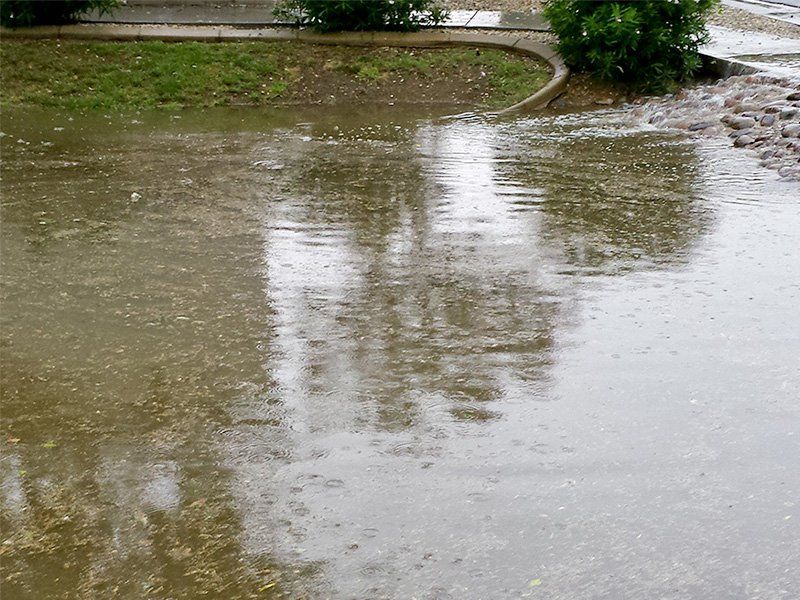
Scorpions spend most of their time tucked under rocks, inside soil cracks, and beneath desert debris. When monsoon rains hit, those hiding spots quickly fill with water.
Suddenly, their safe zones are gone.
Bark scorpions, the most common species found in the Sonoran Desert region, cannot survive in flooded soil. They need dry, sheltered spaces to rest and hunt.
Rain removes those options fast.
Once their outdoor habitat floods, scorpions instinctively move to higher, drier ground. Your home sits exactly where that higher ground tends to be.
Foundation walls, porch ledges, and raised garden beds become temporary stops on their way inside.
Monsoon rains in this region can dump several inches of water in just a few hours. That kind of rapid flooding pushes scorpions to relocate quickly.
They do not wait around for conditions to improve.
Understanding this behavior is the first step toward preventing an unwanted encounter. Scorpions are not seeking you out specifically.
Water displacement is the real driver behind their movement.
After a heavy rain event, do a quick walk around your home’s exterior. Look for scorpions resting on walls, window ledges, or near your foundation.
Catching them early outside is always better than finding them in your bathroom later.
2. Increased Insect Activity Can Draw Scorpions Indoors
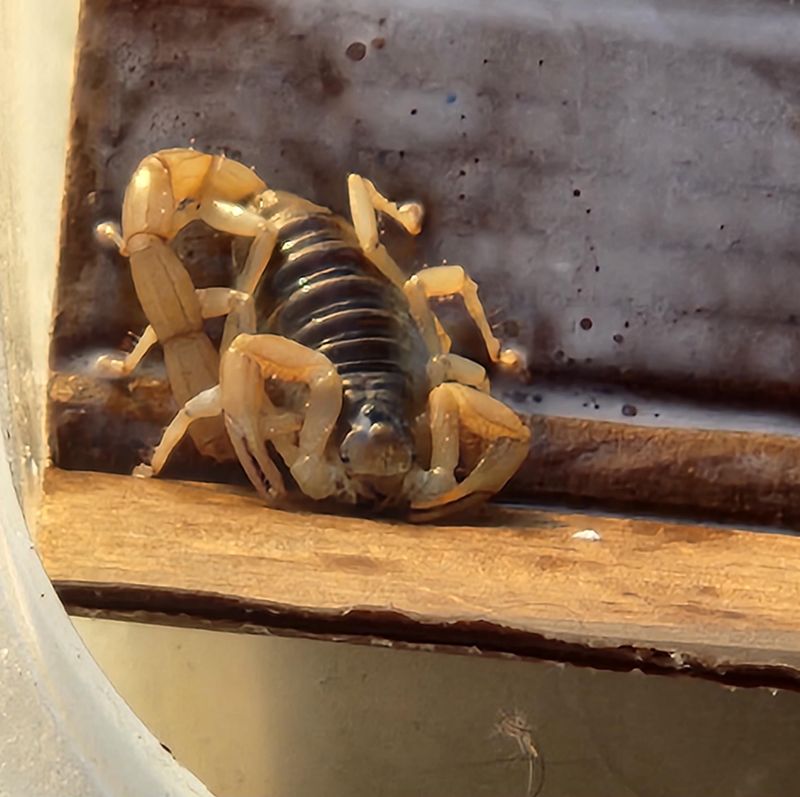
Scorpions do not wander randomly. Food is almost always the reason they push into new territory.
Monsoon rains cause a massive spike in insect populations. Crickets, beetles, cockroaches, and ants all surge in numbers after rainfall.
More insects mean a bigger food supply, and scorpions follow that supply wherever it leads.
Insects often squeeze indoors through the same gaps scorpions use. Once bugs set up inside your walls or near your baseboards, scorpions have every reason to follow.
Your home essentially becomes a well-stocked hunting ground.
Kitchens and bathrooms attract the most insect activity because of moisture. Scorpions know this too.
Finding one near your sink or behind your refrigerator usually means insects were already present in that area.
Your Arizona Garden Changes Every Week. Your Plan Should Too.
Gardening in Arizona changes quickly throughout the season. Every Friday you’ll receive a simple weekly plan showing exactly what to plant, prune, fertilize, harvest, and protect so you never miss the right timing.
Cutting off the insect food supply is one of the most effective scorpion prevention tactics. Fix leaky pipes and clean up food crumbs regularly.
Reducing moisture removes the conditions that attract both insects and the scorpions that chase them.
Outdoor lighting also plays a role. Bright porch lights draw flying insects at night, which then draws scorpions to your entryways.
Switching to yellow or amber bulbs reduces insect attraction significantly.
Addressing insect activity directly lowers the overall risk of scorpion encounters inside your home after monsoon season.
3. Gaps Around Doors And Windows Can Provide Easy Access
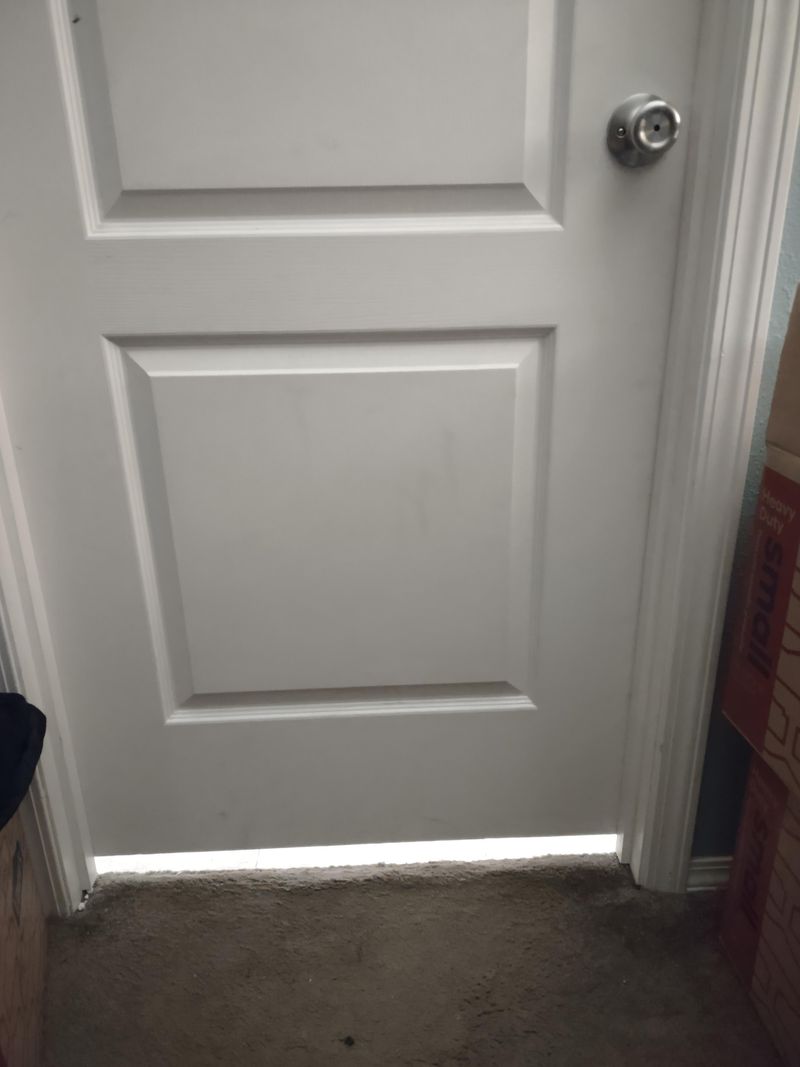
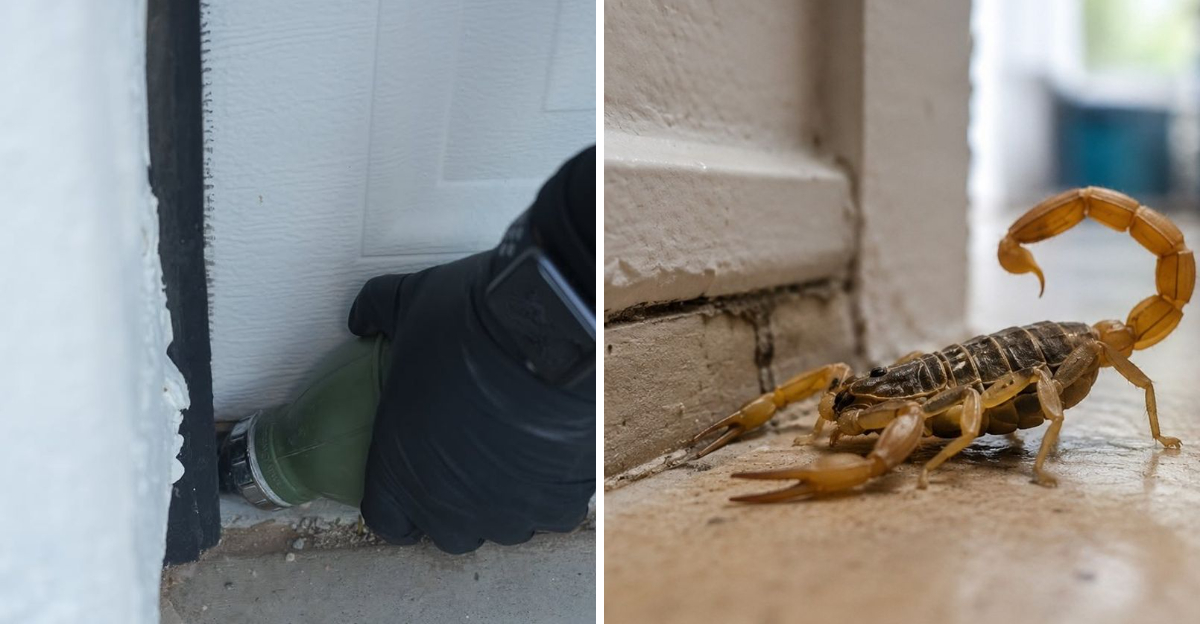
A bark scorpion can squeeze through a gap as thin as a credit card. Most homes have several spots that wide without their owners even realizing it.
Door sweeps that are worn, cracked, or missing leave a clear path inside. Window screens with small tears or poor-fitting frames offer another easy route.
Scorpions are patient and persistent when searching for shelter.
Garage doors are especially vulnerable. The rubber seal along the bottom often gaps unevenly on uneven concrete.
Even a small uneven section is enough for a scorpion to pass through without difficulty.
Sliding glass doors are another common problem area in desert homes. The tracks collect debris over time, which prevents the door from sealing fully.
Cleaning those tracks regularly and checking the weatherstripping can make a real difference.
Walk around your home after dark with a black light. Scorpions glow bright green under ultraviolet light, making them easy to spot.
Check every door frame, window edge, and wall penetration point while you are at it.
Replacing worn weatherstripping and installing quality door sweeps costs very little. Those small upgrades block scorpions far more effectively than any spray treatment alone.
Combine physical barriers with regular inspections for the strongest results.
Sealing gaps is not a one-time project. Check your entry points at least once per year, especially before monsoon season begins.
4. Firewood And Stored Materials Can Provide Shelter
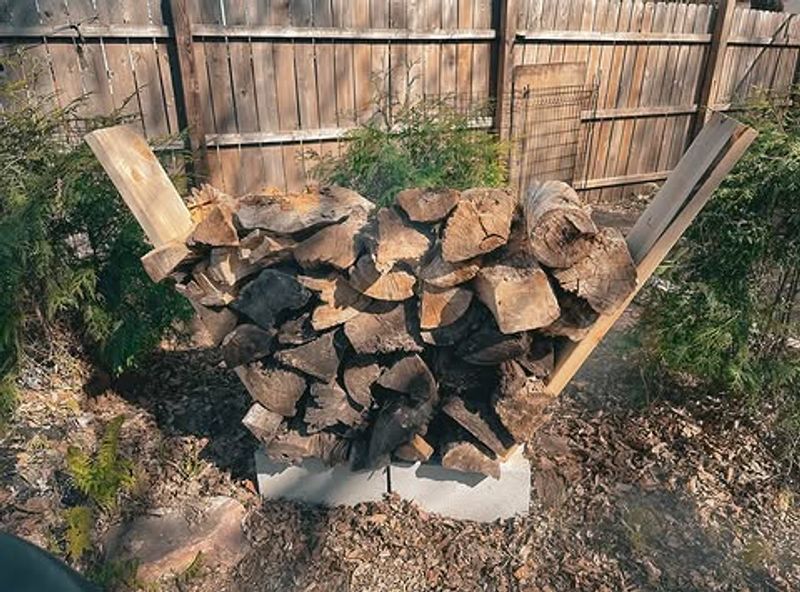
Stacked firewood is one of the most overlooked scorpion magnets around any home. Logs create tight, dark, humid spaces that scorpions love.
Stacking wood directly against your house is essentially an open invitation.
After monsoon rains, damp wood piles become even more attractive. Insects move into wet wood quickly, and scorpions follow right behind them.
The combination of shelter and food in one spot is hard for them to resist.
Move firewood at least 20 feet away from your home’s exterior walls. Store it elevated off the ground on a rack if possible.
Keeping it dry and away from the structure removes one major harborage site.
Stored materials like cardboard boxes, old lumber, and unused equipment create the same problem. Garages and storage sheds are common hotspots.
Clutter in those spaces gives scorpions countless places to hide undisturbed.
Cardboard is particularly problematic. It retains moisture, breaks down slowly, and provides warm, dark hiding spots.
Switching to plastic storage bins with tight-fitting lids is a simple upgrade that pays off quickly.
Always wear thick gloves when handling stored wood or materials during and after monsoon season. Shake items out before bringing them inside.
A scorpion hiding in a log or box can end up in your living room before you notice.
Keeping storage areas tidy and off the ground is one of the most practical steps any homeowner can take.
5. Clutter Creates More Indoor Hiding Spots
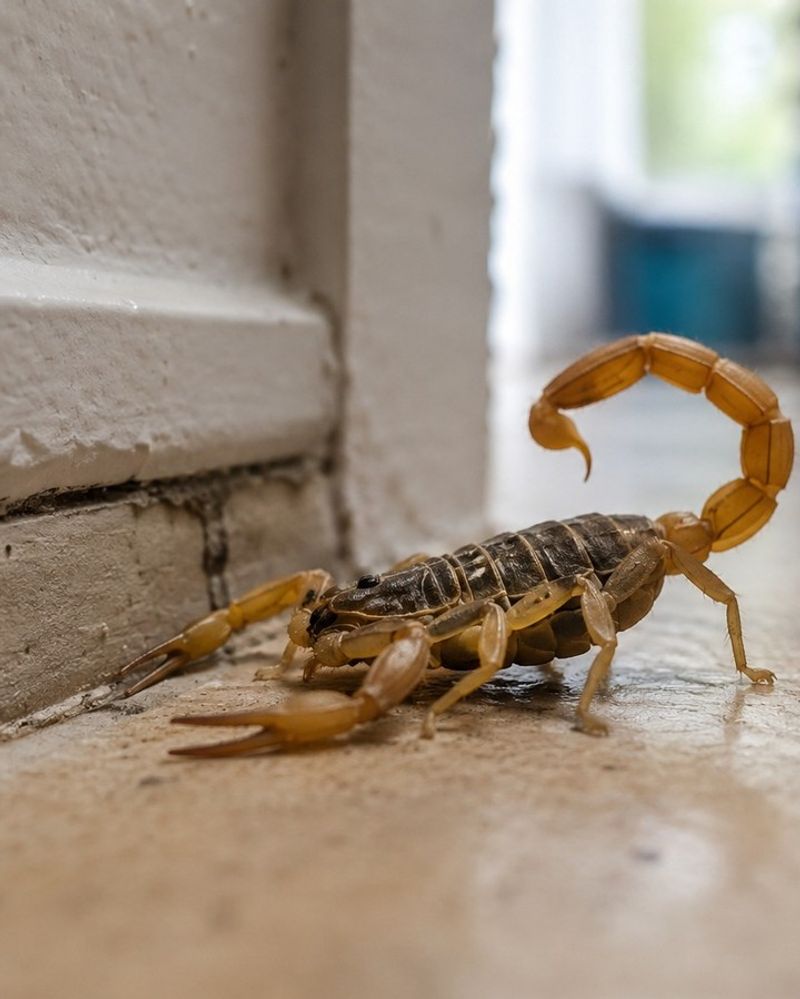
Scorpions do not need much to feel at home inside your house. A pile of shoes, a stack of towels, or a forgotten box in the corner works just fine for them.
Indoor clutter multiplies hiding options dramatically. The more objects on the floor, the harder it becomes to spot a scorpion before an accidental encounter.
Closets, laundry rooms, and garages tend to accumulate the most risky clutter.
Shoes left on the floor overnight are a classic problem. Scorpions crawl inside for warmth and shelter.
Shaking out shoes before putting them on is a habit worth building, especially during and after monsoon season.
Bedding that touches the floor is another risk. Scorpions can climb up fabric easily.
Keeping bed skirts lifted and not storing items under beds reduces the chance of one climbing into your sleeping area.
Reducing floor clutter is about more than tidiness. It is a direct safety measure.
Fewer hiding spots mean fewer surprises when you walk through a dark room at night.
Children’s toys, pet bedding, and sports gear left out overnight are easy targets. Pick them up before bed and store them off the ground when possible.
Simple habits like these significantly cut down on indoor scorpion encounters.
Go through your garage and storage areas before monsoon season hits. Eliminating unnecessary clutter now makes the entire season much easier to manage.
6. Sealing Entry Points Can Reduce Indoor Encounters
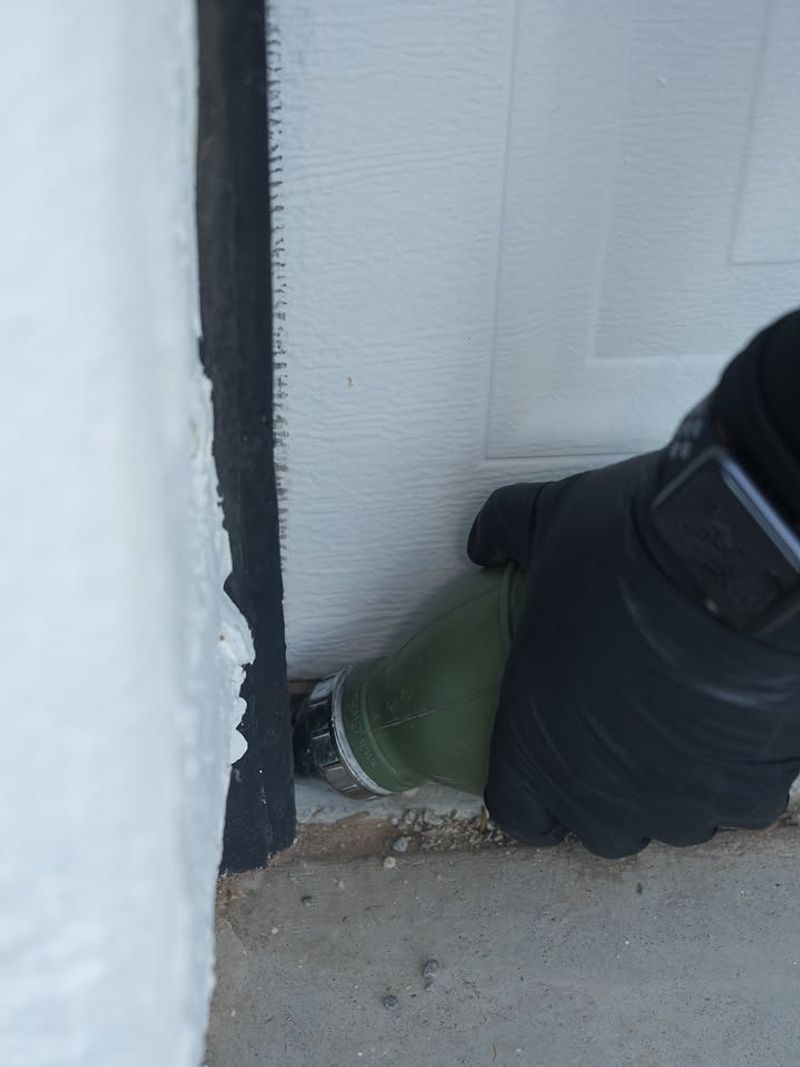
Caulk and foam sealant are two of the most powerful tools in any homeowner’s scorpion prevention kit. Pipes, conduits, and cable lines that pass through walls leave gaps that are easy to overlook.
Utility penetrations behind washing machines, under sinks, and near electrical panels are common entry points. Even small gaps around these areas let scorpions pass through without resistance.
Sealing them with expanding foam or silicone caulk cuts off those access routes.
Check your attic and crawl space vents as well. Mesh screens on vents should be intact and tight-fitting.
Torn or missing screens on soffit vents are a direct path inside that many homeowners never think to inspect.
Weep holes in brick exteriors are another underappreciated entry point. These small openings allow moisture to drain from wall cavities, but they are wide enough for a scorpion to pass through.
Weep hole covers with fine mesh are inexpensive and easy to install.
Plumbing under sinks often has gaps around the pipe where it meets the cabinet floor. Fill those gaps with steel wool or caulk.
Scorpions cannot chew through steel wool the way rodents cannot either.
Work through your home systematically, one room at a time. Start with the rooms closest to the ground floor and garage.
Sealing entry points is not glamorous work, but it delivers results that no single pest treatment can match on its own.
7. Sticky Traps Can Help Monitor Indoor Activity
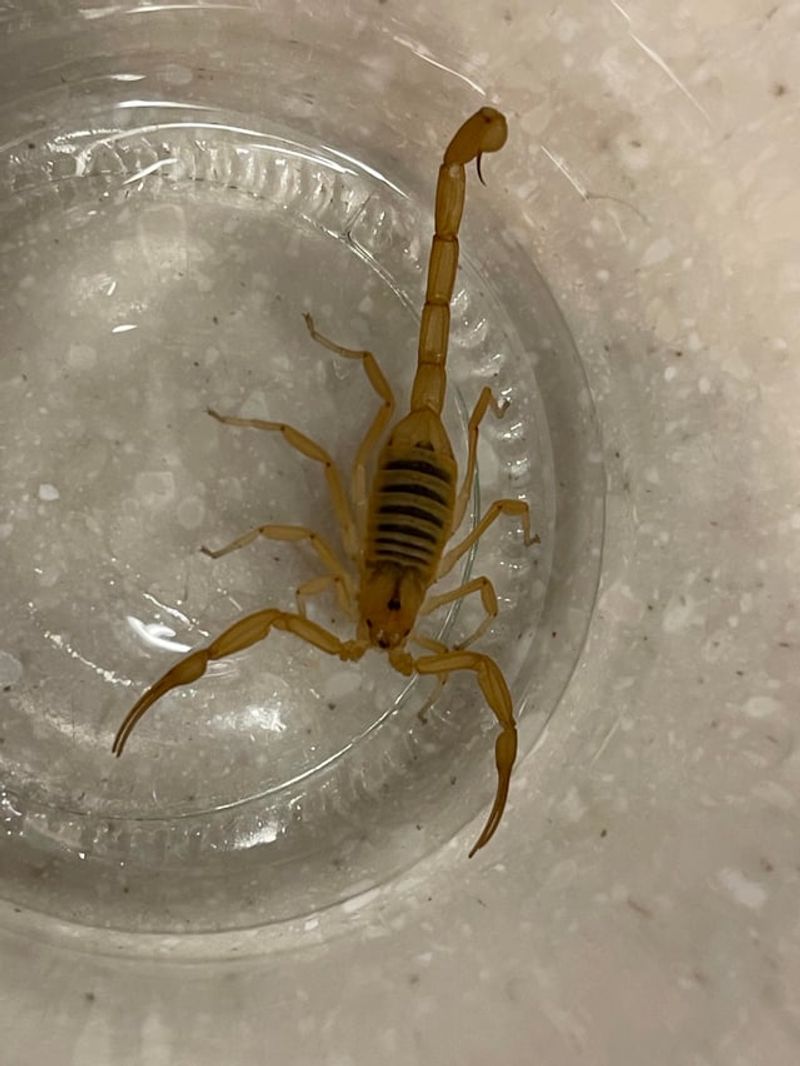
Sticky glue traps are not just for mice. Placed correctly, they are one of the best ways to find out whether scorpions are already active inside your home.
Position traps along baseboards, in closet corners, under appliances, and near entry points. Scorpions travel along walls and edges rather than crossing open floor space.
Placing traps in those pathways increases the chance of catching one.
Check traps every few days, especially during and right after monsoon season. A caught scorpion tells you exactly where activity is happening.
That information helps you focus your sealing and cleaning efforts in the right spots.
Traps work best as a monitoring tool, not a complete solution. If you consistently find scorpions in one area, that signals a nearby entry point or harborage site that needs attention.
Follow the pattern and investigate further.
Garages, laundry rooms, and bathrooms are the highest-priority trap locations in most desert homes. Scorpions gravitate toward moisture and darkness.
Covering those zones gives you a reliable early warning system throughout the season.
Replace traps monthly or sooner if they get dusty. Dust reduces stickiness and makes traps far less effective.
Fresh traps give you accurate, current information about what is moving through your home.
Used alongside sealing and clutter reduction, sticky traps round out a practical, low-cost scorpion management strategy that any homeowner can maintain.