How Michigan Gardeners Can Keep Lettuce From Bolting Too Soon
Every Michigan gardener who has grown lettuce knows the feeling. Spring is going beautifully, the leaves are lush and tender, and then one warm week in June changes everything.
A center stalk appears seemingly overnight, the flavor turns sharp and bitter, and what was a thriving salad garden starts looking more like a science experiment than a dinner ingredient.
Bolting is what lettuce does when long days and summer heat arrive, and in Michigan that transition can happen faster than expected.
The harvest does not have to end there though. Shade cloth, consistent morning watering, mulch, and smart container placement can all extend the window considerably.
A little planning for a fall planting makes the whole summer feel a lot less like a race against the calendar.
1. Move Containers Into Afternoon Shade
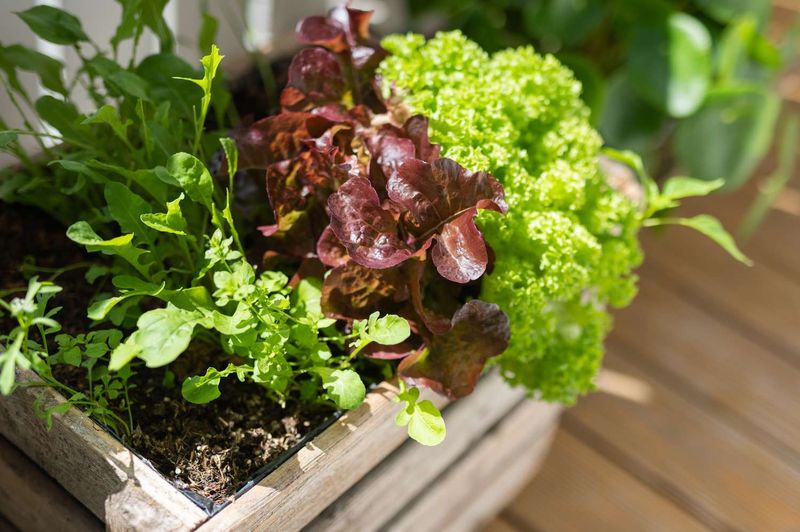
Hot July afternoons in Michigan can push container lettuce to the edge of what it can handle. Unlike raised beds or in-ground rows, containers heat up quickly because the sun warms the pot walls from every direction.
A small lettuce planting sitting on a south-facing porch can go from looking fine in the morning to wilting hard by two in the afternoon.
Moving containers to a spot that gets afternoon shade is one of the simplest adjustments a Michigan gardener can make in summer. East-facing walls, the north side of a fence, or the shaded area beneath a porch overhang can all work well.
The goal is to let the plant get morning light while blocking the most intense heat of the day, which usually falls between noon and five o’clock in most Michigan locations.
Balcony gardeners and patio growers have a real advantage here because their containers are already mobile. Even shifting a pot just a few feet can lower leaf temperature enough to delay stress.
Keep in mind that this step slows the bolting process rather than stopping it completely. Once daytime temperatures stay consistently above 80 degrees Fahrenheit, lettuce will still feel the pressure of summer regardless of shade.
Moving containers helps, but pairing it with other strategies gives the best results.
2. Use Shade Cloth During Hot Spells
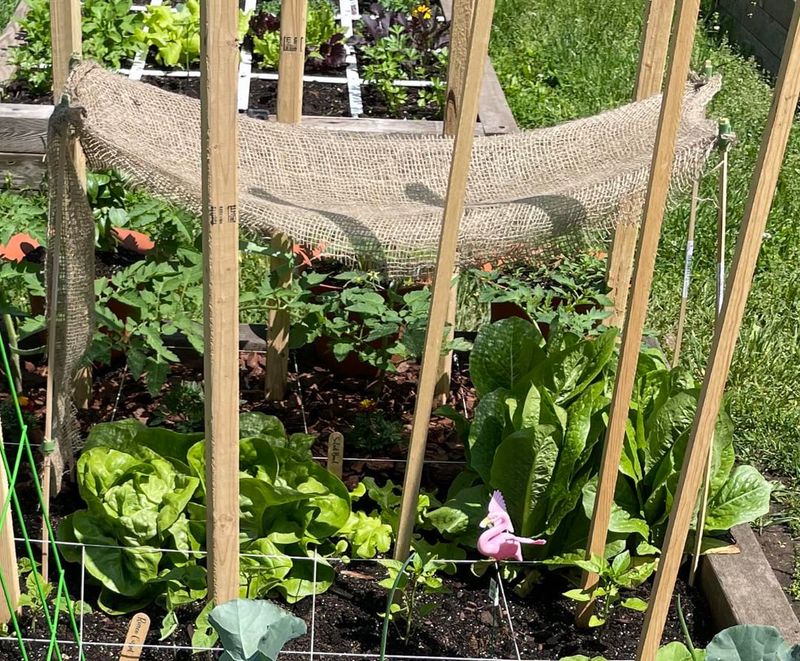
Shade cloth stretched over a raised bed can make a noticeable difference when Michigan summers hit hard.
The fabric filters sunlight rather than blocking it completely, which means lettuce still gets enough light to grow while avoiding the full intensity of a July afternoon.
Most gardeners find that a 30 to 50 percent shade rating works well for leafy greens without making the bed too dark for steady growth.
Setting up shade cloth does not have to be complicated. Simple wire hoops or short wooden stakes can hold lightweight row cover fabric above the plants with enough airflow underneath to prevent overheating.
The idea is to create a buffer between the leaves and direct sun during the hottest hours, which can lower canopy temperature by several degrees on clear summer days in Michigan.
One thing to keep in mind is that shade cloth works best as part of a broader summer strategy. Pairing it with morning watering and mulch gives lettuce the best chance of staying productive through a warm stretch.
Your Michigan Garden Changes Every Week. Your Plan Should Too.
Gardening in Michigan changes quickly throughout the season. Every Friday you’ll receive a simple weekly plan showing exactly what to plant, prune, fertilize, harvest, and protect so you never miss the right timing.
Some gardeners in southern Michigan use shade cloth starting in mid-June, while those in the northern Lower Peninsula or Upper Peninsula may not need it until later in the season.
Pay attention to local forecasts and act early, because lettuce that has already begun bolting will not reverse course once the center stalk starts to rise.
3. Water Early Before Heat Builds
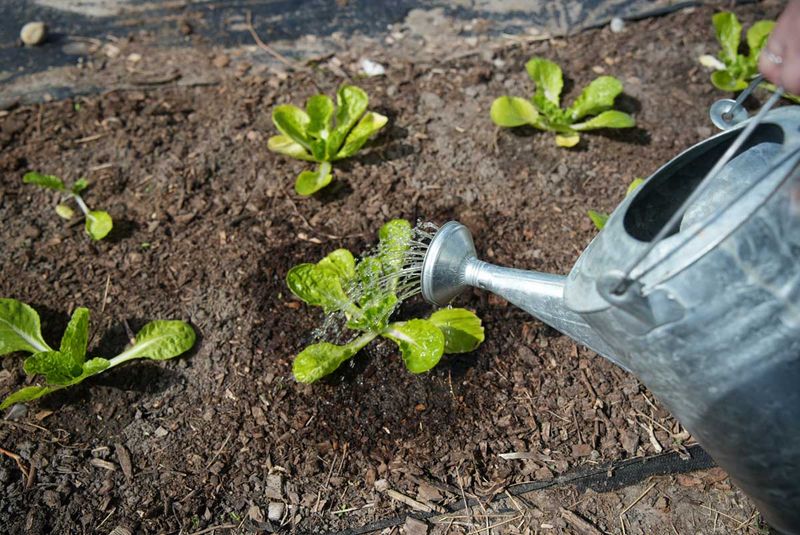
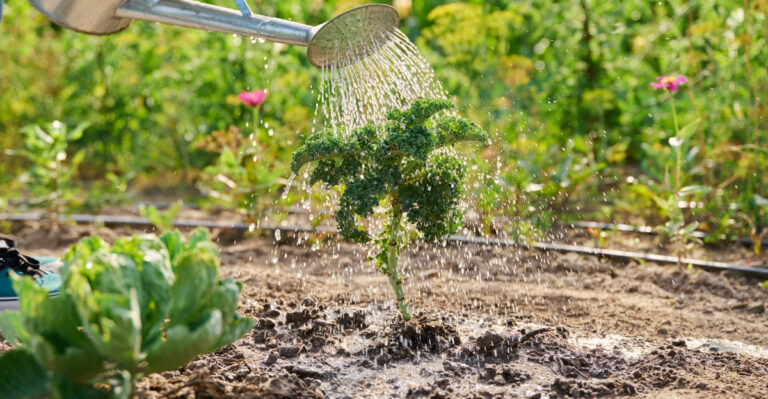
Watering in the early morning is one of the most practical habits a Michigan lettuce grower can develop as summer approaches. Soil that starts the day moist gives lettuce roots a reservoir to draw from before afternoon temperatures climb.
Dry soil combined with heat is one of the fastest ways to push lettuce toward stress and early bolting.
Morning watering also allows the surface of the soil to dry a bit before evening, which reduces the risk of fungal problems that thrive in humid Michigan summers.
Watering in the evening can leave foliage wet overnight, and while that might seem harmless, it can encourage mold or mildew on leaves that are already under heat stress.
Early morning is simply the better window for most home gardeners.
How much water lettuce needs depends on the soil type, container size, and current weather. Sandy soils common in parts of western Michigan drain quickly and may need more frequent watering than clay-heavy soils found in other regions.
Container lettuce dries out faster than in-ground plantings and may need daily attention during a hot spell. A simple finger test works well: push a finger about an inch into the soil, and if it feels dry at that depth, it is time to water.
Consistent moisture does not stop bolting, but it keeps plants healthier and leaves more tender through the warmest weeks.
4. Mulch Around Lettuce To Cool Soil
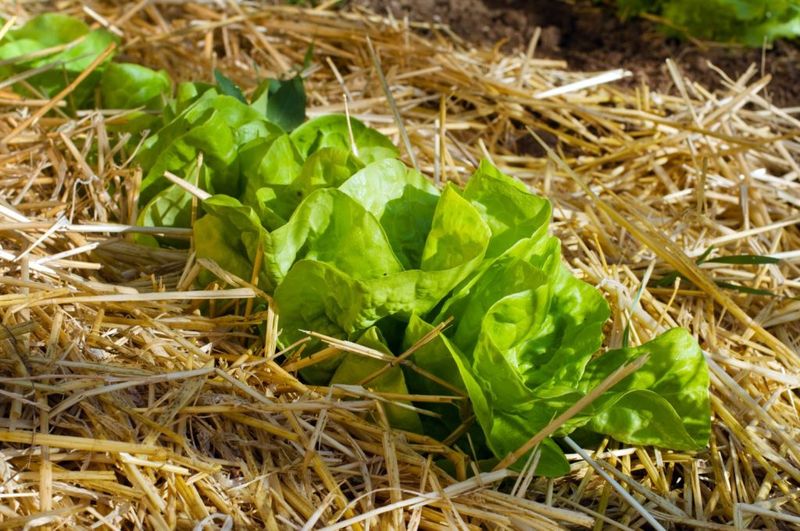
Bare soil heats up fast under a Michigan summer sun, and that warmth moves directly to lettuce roots.
Adding a layer of mulch around the base of lettuce plants helps insulate the soil, slow moisture loss, and keep root-zone temperatures lower during the hottest parts of the day.
Straw, shredded leaves, and grass clippings are all common choices that Michigan home gardeners tend to have on hand.
A two-to-three-inch layer is enough to make a real difference without smothering the crowns of the plants. Mulch should be placed around the base of each plant rather than piled directly on top of the leaves.
Keeping the crown clear allows air to circulate and reduces the chance of rot in humid summer conditions.
Beyond cooling the soil, mulch also cuts down on how often watering is needed. That is a practical benefit during dry stretches in July, when Michigan gardeners may be watching the weather closely and trying to keep young plants from drying out between rain events.
Raised beds and container gardens benefit from mulch too, though containers need slightly less mulch since the pot itself provides some insulation.
Mulch is not a solution that prevents bolting on its own, but it addresses two of the key stressors that speed up the process: heat and drought.
Used alongside shade and consistent watering, it gives lettuce a better environment to keep producing through early summer.
5. Harvest Outer Leaves While They Are Tender
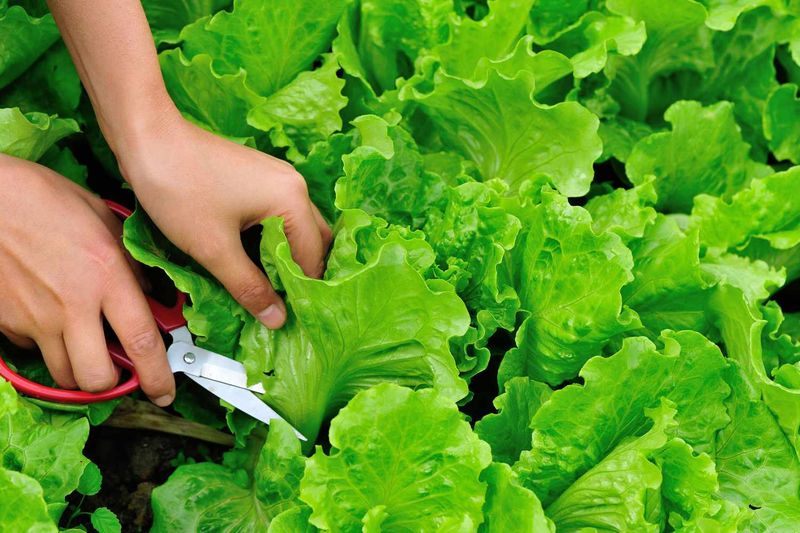
One of the most satisfying parts of growing lettuce is being able to pick leaves regularly without pulling the whole plant.
Harvesting outer leaves while they are still young and tender is a technique that extends the productive life of a planting well into early summer.
The idea is simple: take the older outer leaves first and leave the smaller inner leaves to keep growing from the center.
Leaf lettuce varieties respond especially well to this approach, often called cut-and-come-again harvesting.
Romaine and looseleaf types tend to hold up better to repeated harvesting than head types, which need more time to form a tight center before they are ready.
In Michigan gardens, starting this kind of regular harvest in late May or early June, before the heat really builds, helps gardeners get the most out of each planting.
Frequent harvesting also removes some of the older leaf material that can become bitter as temperatures rise. This keeps the plant looking tidy and encourages fresh growth from the center.
Pay attention to how the leaves taste during each harvest. A noticeable increase in bitterness, even in outer leaves, is often an early sign that a plant is beginning to prepare for bolting.
At that point, it makes more sense to harvest whatever is left and start thinking about the next planting rather than waiting and losing the leaves to toughness.
6. Watch For Tall Center Stalks
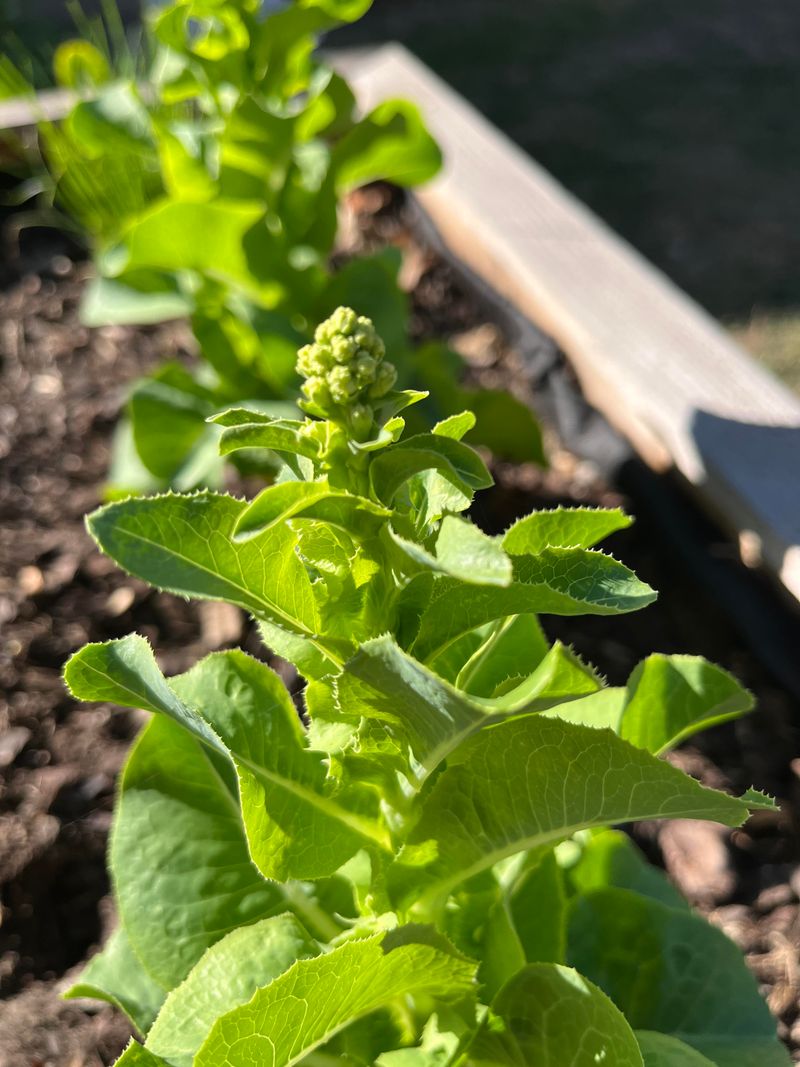
A tall, upright stalk pushing up from the center of a lettuce plant is the clearest sign that bolting has begun. Once that stalk appears, the plant is shifting its energy away from producing leaves and toward making flowers and seeds.
The leaves that remain often turn noticeably bitter at this stage, and the texture becomes tougher than most people enjoy in a salad.
Catching this change early gives Michigan gardeners a small window to harvest whatever usable leaves remain before the plant finishes.
The outer leaves may still be acceptable for eating even after the center stalk appears, especially if the stalk is still short and the plant has not yet flowered.
Taste a leaf before harvesting the whole plant, because bitterness varies between varieties and between individual plants growing in the same bed.
Bolting is a natural part of the lettuce life cycle, not a gardening failure. Long days and warm temperatures are the triggers, and Michigan summers provide both in abundance by late June.
Some gardeners try cutting the center stalk off to slow the process, but this rarely works for long since the plant will continue responding to the same environmental signals.
A more useful response is to pull the bolting plant, add it to the compost, and use that space to start something new.
Seeing a bolting plant as a signal to act rather than a problem to fix makes the whole experience feel much more manageable.
7. Start Fall Lettuce Indoors In July
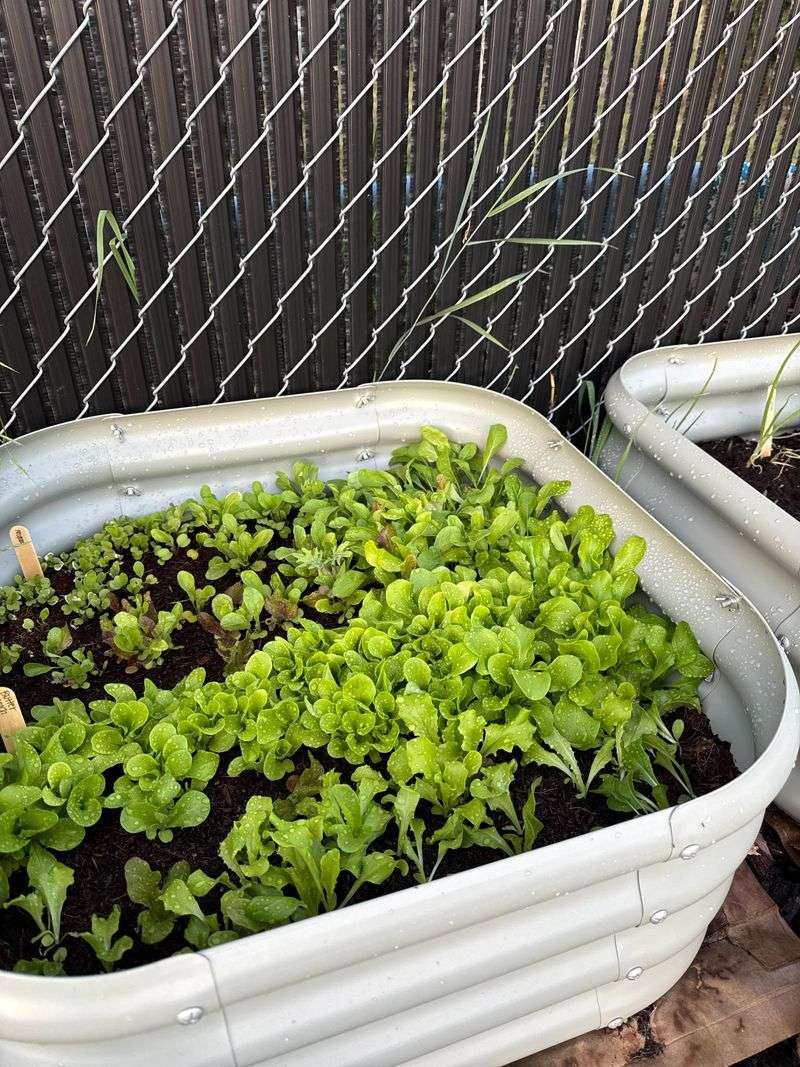
July might feel like an odd time to think about starting lettuce seeds, but for Michigan gardeners, it is exactly the right moment to plan ahead.
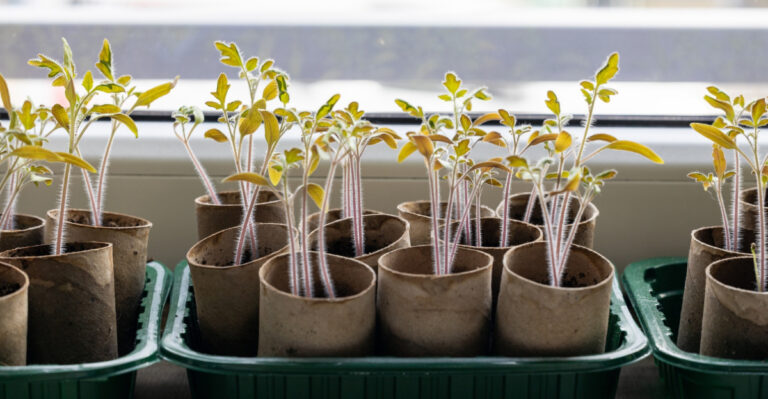
Fall lettuce thrives in the cooler temperatures of August and September, and starting seeds indoors in mid-to-late July gives transplants time to develop before being moved outside into the garden once the worst of summer heat passes.
Starting indoors also protects young seedlings from the intense heat and dry conditions that make direct sowing in midsummer soil difficult.
A cool basement, a shaded garage shelf, or a spot near a window with a small fan for airflow can all work well for germinating lettuce seeds in July.
Lettuce germinates best when soil temperatures are below 75 degrees Fahrenheit, so avoiding hot outdoor surfaces at this time of year matters.
Michigan gardeners in the northern Lower Peninsula and Upper Peninsula often have a longer window for outdoor fall lettuce because temperatures cool earlier in the season.
Those in the southern part of the state may need to time transplanting more carefully to avoid late summer heat while still giving plants enough time before the first frost.
Checking the average first frost date for your specific Michigan location helps with backward planning.
A fall lettuce crop can feel like a fresh start after a challenging summer, and the cool-season conditions that return in September often produce some of the most tender and flavorful leaves of the whole growing year.
8. Switch To Heat-Tolerant Greens For Midsummer
There comes a point in a Michigan summer when working against the heat makes less sense than working with it.
When lettuce is bolting, the soil is warm, and the days are long, shifting attention to greens that actually enjoy summer conditions is a practical and satisfying move.
Several leafy vegetables handle Michigan heat far better than lettuce and can keep a raised bed or container productive through the warmest weeks of the season.
Swiss chard is a strong performer in warm Michigan gardens, producing large colorful leaves that hold up well in heat and can be harvested continuously through summer and into fall.
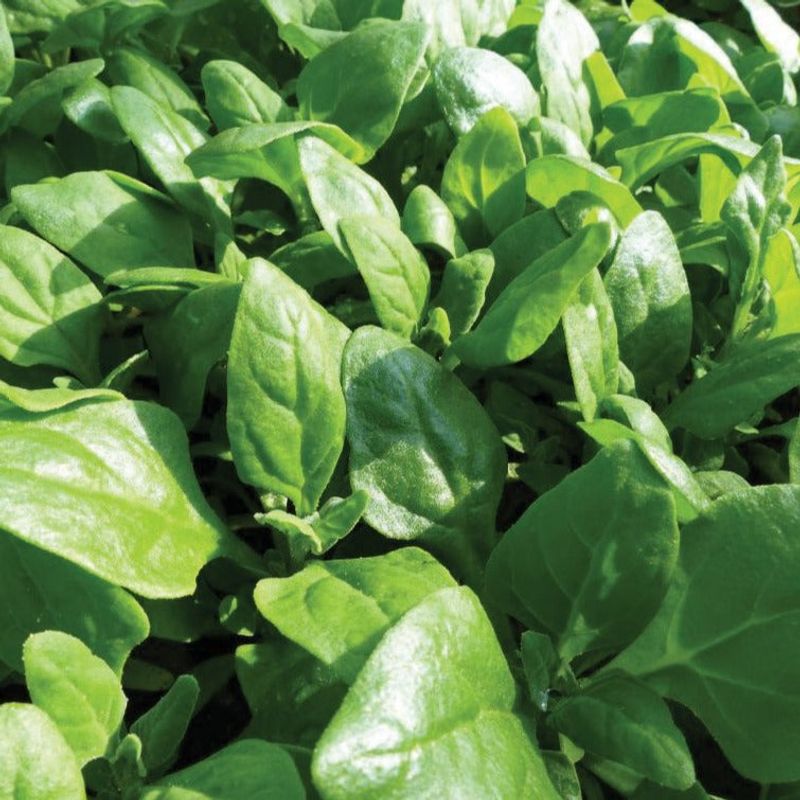
New Zealand spinach is another option that thrives in warm weather and produces tender growing tips that taste similar to regular spinach.
Basil, while technically an herb, fills garden space quickly in summer and pairs well with other warm-season crops already growing nearby.
Some gardeners also try heat-tolerant lettuce varieties labeled for summer growing, such as Jericho, Nevada, or Muir. These varieties have been selected to delay bolting longer than standard types, though they are not immune to Michigan summer conditions.
They can extend the lettuce season by a few weeks, which is worth considering as part of a broader plan.
Thinking of midsummer as a transition period rather than a gap in the garden helps keep things moving forward and makes the return of cool fall weather feel like something to look forward to rather than wait for.