Oregon Gardeners Should Think Twice Before Pulling Comfrey And Nettles
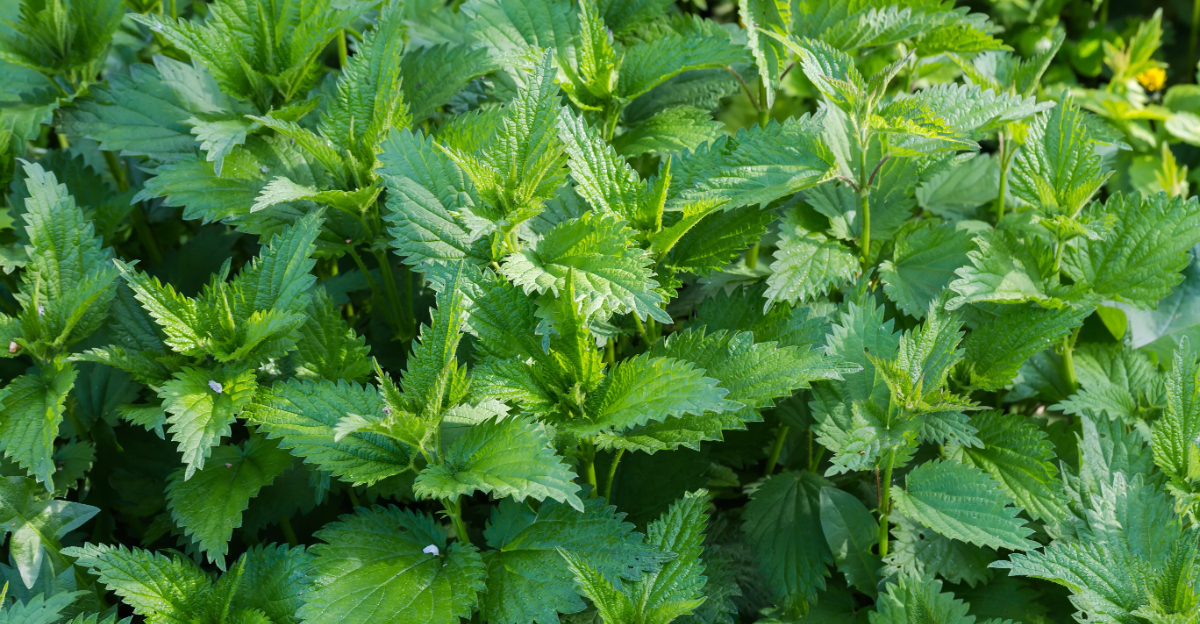
Most gardeners see comfrey and nettles and immediately reach for the gloves, but not for the reason you might expect.
Not to harvest them. To pull them out entirely.
Before you do that, stop for a moment. These two plants have a reputation that does not tell the full story, and Oregon gardeners who know what they are actually looking at treat them very differently than gardeners who do not.
The Pacific Northwest climate grows both in abundance, and that abundance turns out to be genuinely useful in ways that take most people completely by surprise.
Free compost material. Soil indicators. Nutrient cycling. Insect habitat. The list goes further than most gardening guides bother to mention.
Does that mean letting them spread wherever they want? Absolutely not.
But pulling them without understanding what you are removing means tossing out garden resources that cost nothing and work surprisingly hard. Read this before the next one gets yanked.
1. Comfrey Leaves Feed Compost Piles
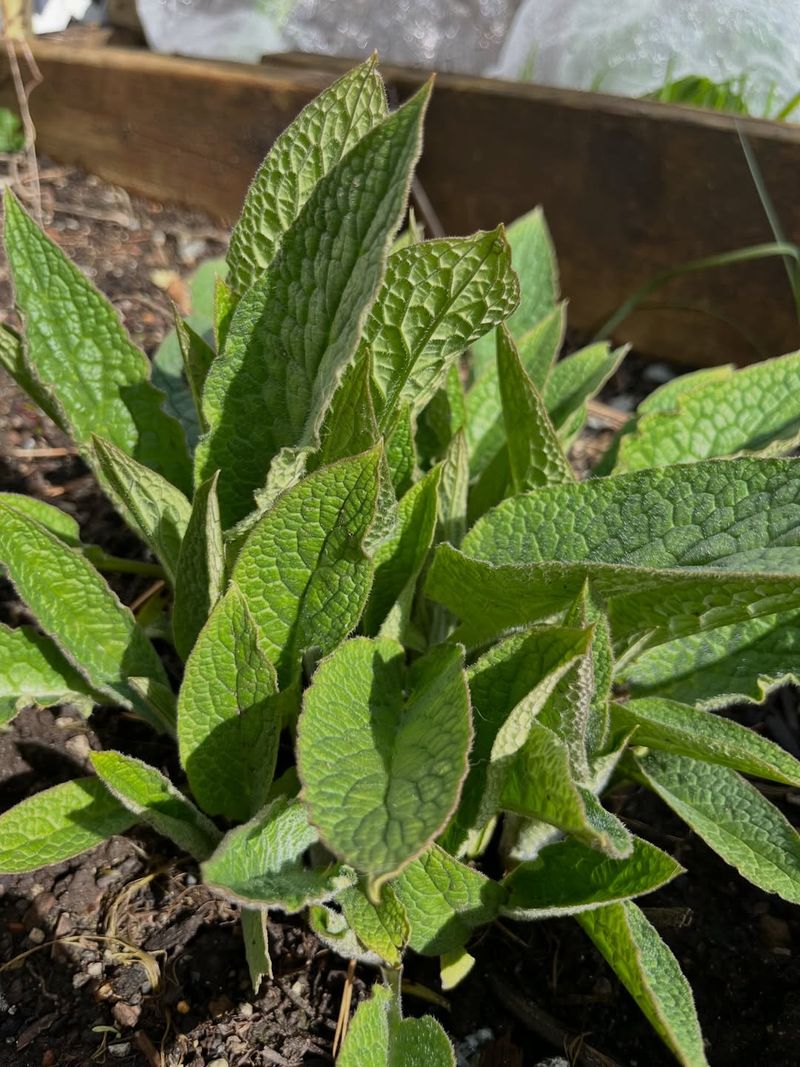
Few garden plants produce as much leafy biomass as comfrey, and in a composting context, that matters enormously.
Chopped comfrey leaves break down quickly because they are soft, moisture-rich, and packed with nutrients that feed the microorganisms doing the actual decomposition work.
Tossing whole leaves in is fine, but chopping them into smaller pieces first speeds the process noticeably and prevents matting.
Comfrey sits firmly in the green material category for composting purposes.
Green materials provide nitrogen, which is the fuel a compost pile needs to heat up and work through carbon-heavy brown materials like straw, cardboard, or dried leaves.
The balance between greens and browns determines how fast and how effectively a pile processes, and comfrey contributes to that balance without any special preparation beyond harvesting.
One important detail worth knowing: comfrey roots can regrow from even tiny fragments, so never add roots or crowns to a compost pile unless it consistently reaches high internal temperatures throughout.
Leaves are completely safe and cause no regrowth concerns whatsoever.
The large outer leaves can be harvested several times through the growing season without setting the plant back, which makes comfrey one of the most consistently generous green material sources available in an Oregon garden.
Most purchased nitrogen amendments for compost are bagged, transported, and priced accordingly. Comfrey growing in the corner of a garden bed provides the same function for free, repeatedly, across the entire growing season.
That is an arrangement worth appreciating before the shovel comes out.
2. Nettles Add Green Material Fast
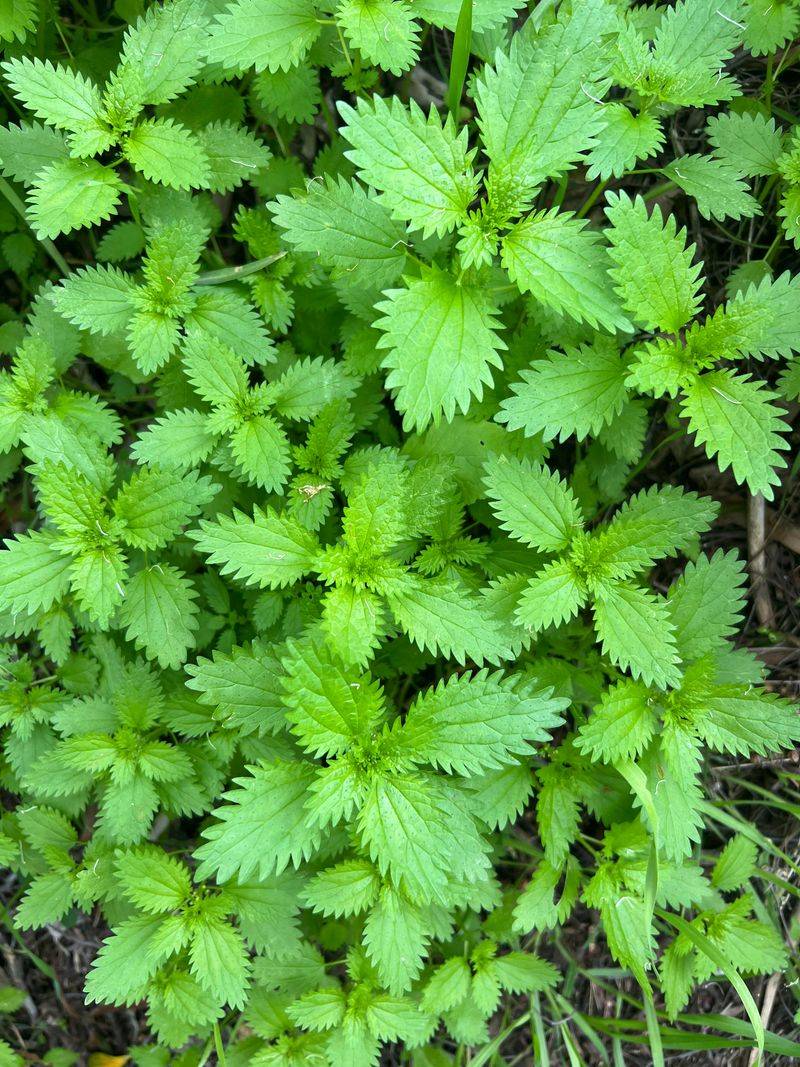
Stinging nettles grow fast, and in composting terms, that speed is a genuine asset.
A small established patch produces a surprising volume of leafy biomass in just a few weeks, particularly during Oregon’s wet spring months when nettles push up aggressively and consistently.
That growth rate creates a steady, renewable source of nitrogen-rich green material without any purchasing or transporting involved.
Nettles carry high nitrogen content alongside iron and other minerals that support microbial activity in the compost pile.
Added fresh to a pile alongside carbon materials like dried grass clippings or shredded paper, they activate the decomposition process effectively and blend into the pile without clumping the way some wet materials do.
Your Oregon Garden Changes Every Week. Your Plan Should Too.
Gardening in Oregon changes quickly throughout the season. Every Friday you’ll receive a simple weekly plan showing exactly what to plant, prune, fertilize, harvest, and protect so you never miss the right timing.
Handling them correctly is the part that requires attention. Thick rubber-coated gloves are essential for cutting and moving fresh nettle stems.
Cut the stems low and drop them directly into a bucket or wheelbarrow without any bare-skin contact with the leaves.
Once nettles are wilted or fully dry, the stinging compounds in the trichomes break down and handling becomes significantly easier.
Oregon gardeners with even a small nettle patch have access to a fast-acting, completely free green compost booster that most people dismiss on contact.
The prickly reputation is entirely manageable with the right gear. A pair of decent gloves and a little awareness transforms nettles from a nuisance into one of the most practical resources a compost-focused garden can have growing nearby.
3. Both Plants Signal Rich Active Soil
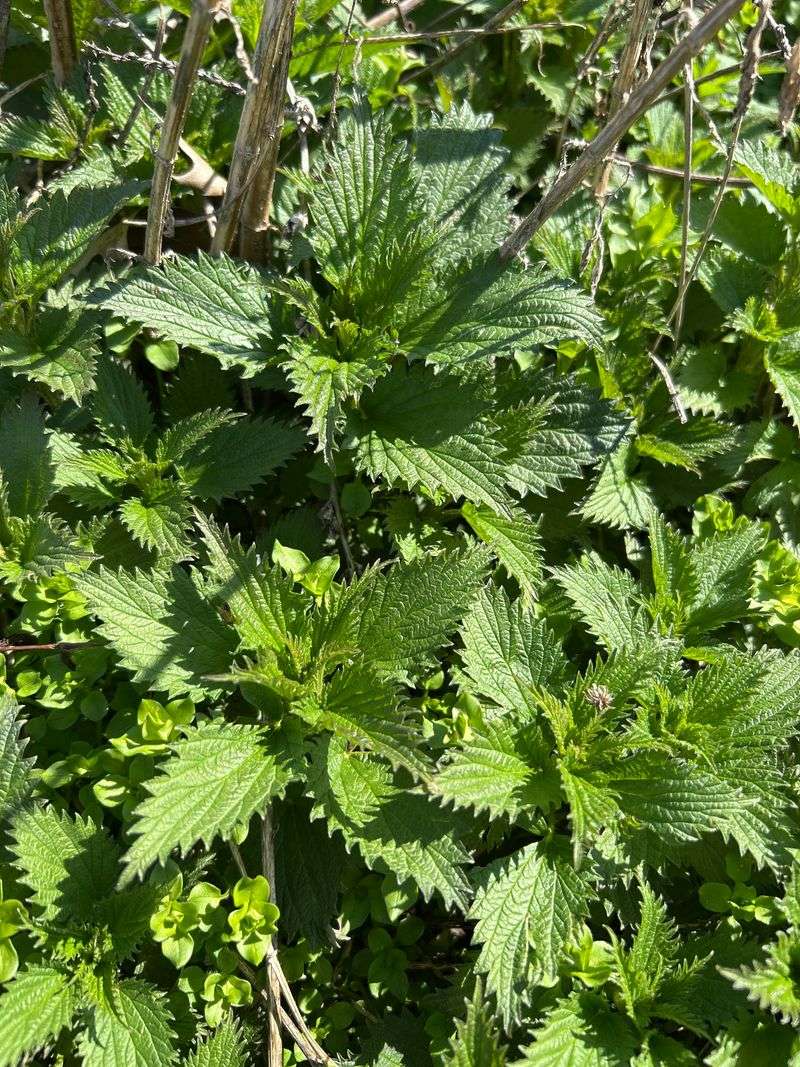
Experienced gardeners sometimes read their weeds before they read a soil test, and comfrey and nettles are two of the most informative plants in that regard.
Both are strongly associated with moist, nitrogen-rich, biologically active ground. Their presence is not always a problem. Sometimes it is a genuine indicator that the soil beneath them has something worth paying attention to.
Nettles in particular are well recognized among Pacific Northwest and European gardeners as indicators of high nitrogen and good moisture retention in the soil.
They tend to establish where organic matter has accumulated, where compost has been applied previously, or where the ground stays consistently damp through the season.
Comfrey similarly favors fertile, well-watered areas and turns up regularly near old homesteads and established garden beds where the soil has been worked and enriched over many years.
This does not mean every nettle patch guarantees ideal growing conditions underneath. Soil testing remains the most reliable method for understanding what a specific site actually contains.
But the presence of these plants provides a useful starting observation point before any testing happens.
Noticing where they grow, how dense the patch is, and what else thrives in the same area costs nothing and adds genuine context to whatever a soil test eventually reveals.
Before pulling them, spend a moment observing the surrounding area. The plants may be communicating something about the ground they are growing in that would otherwise require a lab report to notice.
4. Deep Roots Pull Nutrients Upward
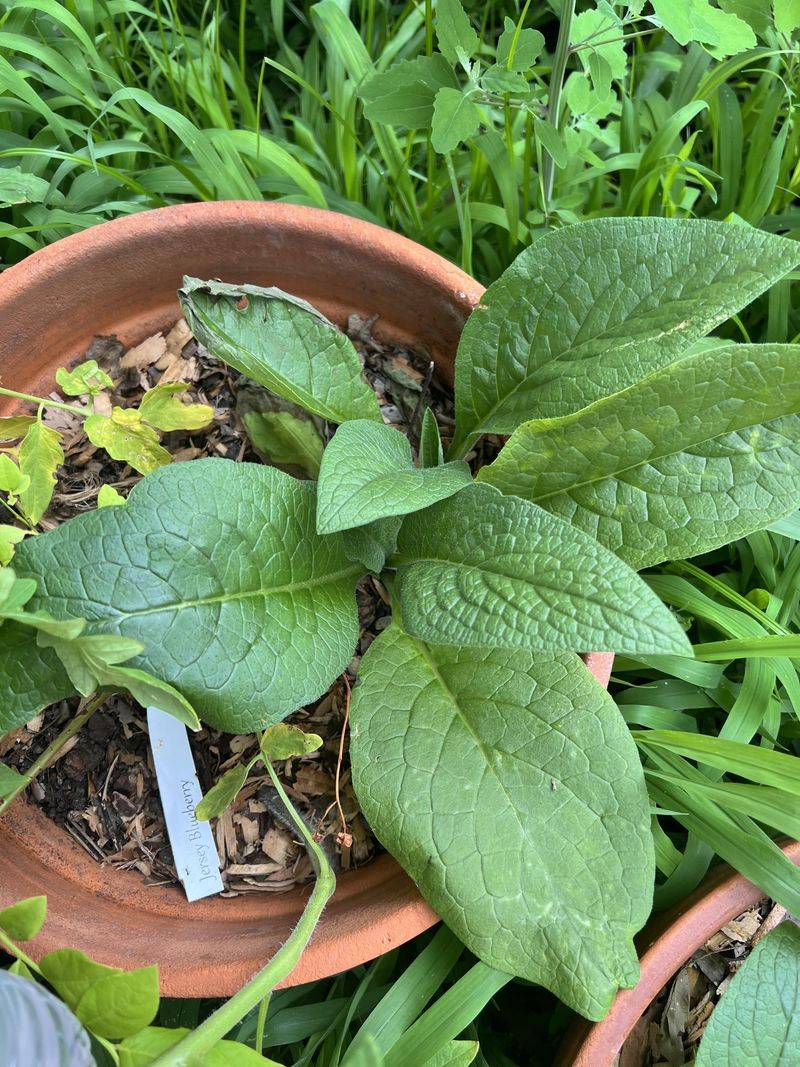
Comfrey has one of the most remarkable root systems of any common garden plant.
The taproot extends several feet into the soil, reaching well past the shallow layer where most vegetable roots operate.
That depth gives comfrey access to minerals and nutrients locked in the subsoil that surface-level plants cannot reach independently.
When those nutrients move into the leaves, they become available to the rest of the garden through a straightforward recycling process.
Harvesting comfrey leaves and adding them to compost or using them as surface mulch returns those deep-sourced nutrients to the top layer where vegetables, flowers, and shrubs can actually access them.
Potassium appears in comfrey leaves in useful concentrations alongside nitrogen and phosphorus, making the leaves a reasonably well-rounded addition to a composting system.
A note of honesty belongs here: comfrey is not a replacement for a balanced soil fertility program or a substitute for regular soil testing and targeted amendments.
What it does provide is a free, self-renewing contribution to organic matter and nutrient cycling that purchased amendments cannot replicate at the same cost.
No bag of fertilizer pulls potassium from four feet underground and deposits it on the surface of a compost pile automatically.
As one component of a broader garden strategy that includes composting, mulching, and informed soil management, comfrey’s deep-rooting habit adds genuine practical value.
The root goes down, the leaves come up, and the garden benefits from both ends of that transaction without the gardener doing much beyond harvesting.
5. Chopped Leaves Can Boost Mulch
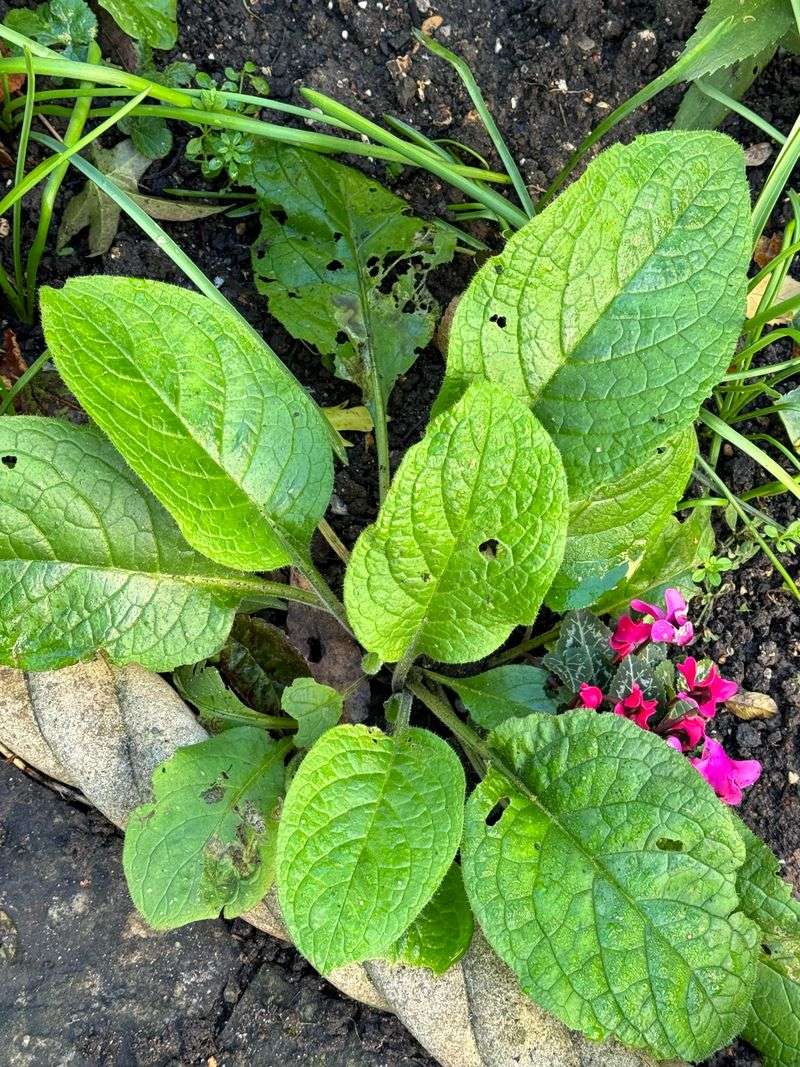
Mulch does not always have to arrive in a bag from the garden center.
Freshly chopped comfrey leaves or wilted nettle stems laid around the base of garden plants serve as a short-term mulch layer that suppresses some weed germination, retains soil moisture, and breaks down into organic matter that feeds the soil below.
For gardeners already growing either plant, this resource is available for free throughout the growing season.
Chopping matters here. Whole comfrey leaves mat together and create a dense, wet layer that holds excessive moisture against plant stems and limits air circulation at the crown.
Cutting or tearing the leaves into smaller pieces before application allows air to move through the layer and promotes more even breakdown into the soil.
Wilted nettle stems handle similarly and lose their sting after drying for a day or two.
Apply the material in a thin layer, no more than an inch or two deep, kept a few inches clear of plant stems to maintain airflow at the base.
This technique works particularly well around fruit trees, berry bushes, and large vegetable plants like tomatoes or squash that benefit from consistent soil moisture through Oregon’s drier summer months.
Store-bought wood chip mulch adds bulk and some moisture retention. Homegrown comfrey or nettle mulch adds those same benefits while also contributing nitrogen and minerals as it decomposes.
Over several seasons of regular application, the difference in organic matter content between beds that receive this treatment and those that do not becomes visible in the soil texture and plant performance.
Free inputs that improve over time are worth keeping around.
6. Flowering Nettles Support Insects
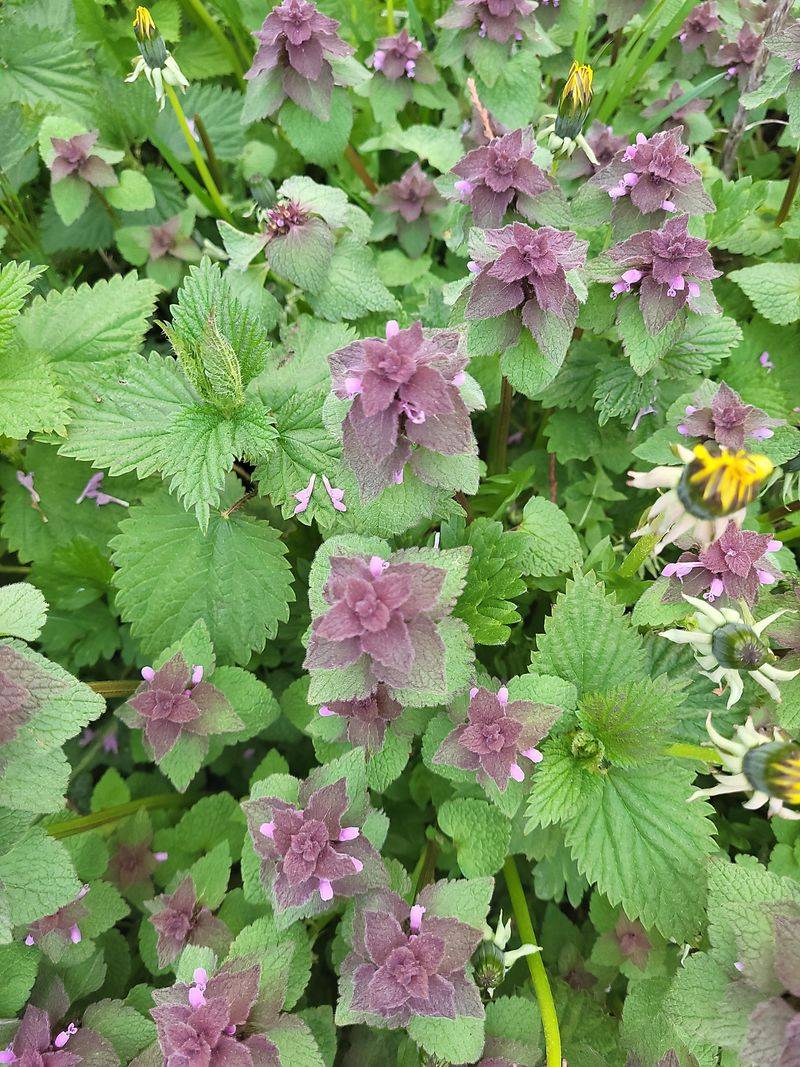
Many gardeners pull nettles before they flower, which means the insects that depend on them never get what they came for.
Stinging nettles are host plants for several butterfly species in the Pacific Northwest, including the red admiral and the satyr comma, both of which lay eggs on nettle leaves as part of their reproductive cycle.
A patch allowed to reach flowering stage supports these insects in a direct and measurable way that most ornamental plantings cannot replicate.
Beyond butterflies, flowering nettles attract small native bees and other pollinators that contribute to vegetable and fruit production across the surrounding garden.
Oregon’s native bee populations face ongoing pressure from habitat loss, and a managed patch of flowering nettles in a low-traffic corner of a yard provides both forage and shelter during periods when other food sources are less available.
Placement determines how well this works in practice.
A patch along a back fence line, at the edge of a property border, or in a semi-wild garden corner provides insect value without creating a hazard for regular foot traffic, children, or pets.
Regular edging with a sharp spade keeps the patch from expanding beyond the designated area.
A purposeful, contained nettle patch of about two feet wide contributes meaningfully to local insect populations without becoming a management problem.
The difference between a useful patch and an invasive one is simply consistent attention to the edges and a clear intention about where the plant belongs. Managed well, it earns its space. Left completely unattended, it earns a different reputation entirely.
7. Spread Needs Careful Control
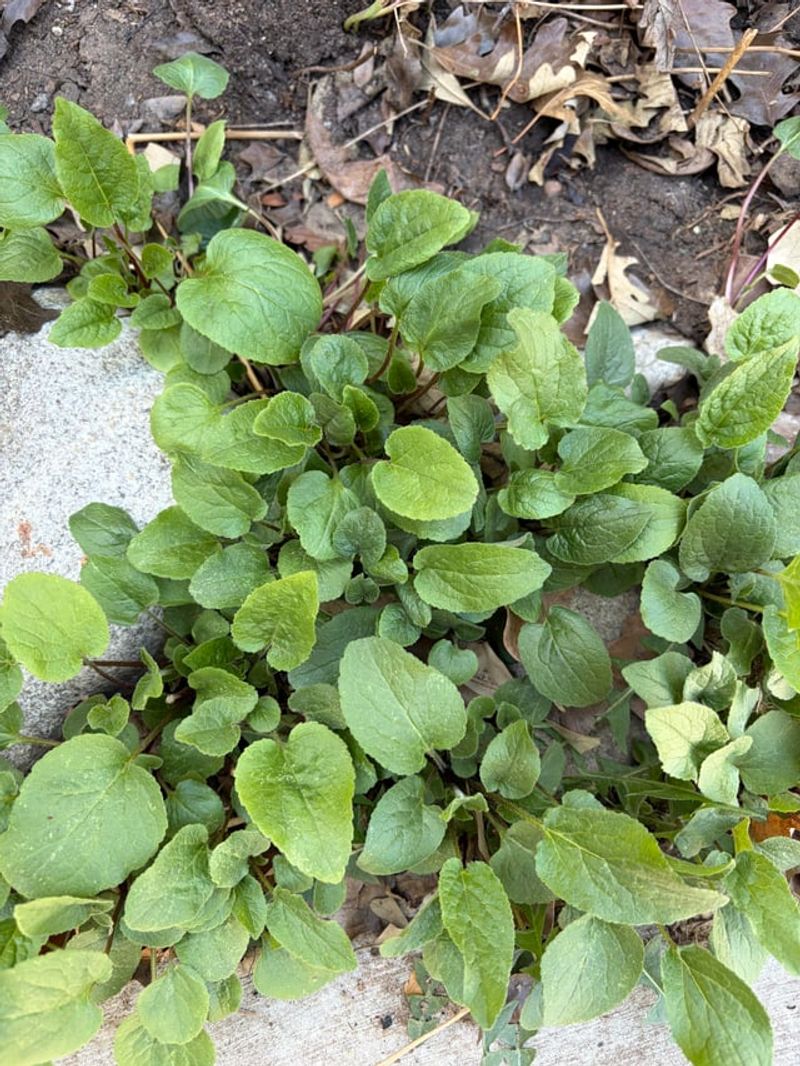
Almost every gardener considering keeping comfrey or nettles needs to understand one thing clearly before making that decision: both plants spread, and getting ahead of that spread is dramatically easier than managing it after the fact.
Comfrey is the more persistent of the two. A single small root fragment left in the soil after digging can produce a new plant, which means careless removal sometimes creates more plants rather than fewer.
Keeping comfrey in a specific area requires defined planting boundaries and a commitment to not disturbing the root zone unnecessarily.
A buried root barrier around an established clump prevents lateral expansion effectively. Harvesting leaves regularly before the plant sets seed reduces seed-based spread.
The Bocking 14 variety is sterile and does not produce viable seed, making it a practical choice for gardeners who want the composting and mulching benefits without any risk of spread through self-seeding.
Nettles spread primarily through underground rhizomes and can expand a patch significantly across one or two Oregon growing seasons if left unmanaged.
Edging the patch regularly with a sharp spade cuts the rhizomes at the boundary and slows expansion consistently.
Pulling young shoots at the outer edge of the patch before they establish prevents the gradual creep that makes nettle management feel like a losing battle.
The management effort required is modest once a system is in place. A few minutes of edging and boundary maintenance each month through the growing season is genuinely sufficient.
Both plants reward intentional management with ongoing garden resources. Without that intention, they reward themselves with more garden than anyone wanted to share.