7 Ohio Yard Habits That Attract Deer And Make Tick Problems Worse

Ohio backyards are becoming part of a tick problem that many homeowners never connect until someone comes inside with one attached.
Deer are genuinely beautiful animals, and watching them move through a yard has a certain appeal that is hard to argue with. The problem is what they bring along.
Every deer passing through a yard is a potential tick transport vehicle, and Ohio’s blacklegged tick population carries Lyme disease and other serious illnesses that public health officials track closely across the state.
The surprising part is how many common yard habits are actively encouraging this situation without the homeowner realizing it. A few of them are probably happening in your yard right now.
These specific habits invite deer closer and create the tick habitat conditions that make encounters more likely, and each one has a practical fix that does not require major landscaping changes or significant expense.
1. Deer-Favorite Plants Near Paths Roll Out The Welcome Mat

Hostas, tulips, and arborvitae are essentially a deer buffet, and placing them along the walkways people use every day sends a consistent dinner invitation to every deer in the neighborhood.
When preferred plants grow beside paths, deer have a reason to come in close, linger, and move through exactly the spaces where family members and pets spend their time.
Deer are most active at dawn and dusk, which overlaps precisely with the hours many Ohio families are outside enjoying their yards.
A deer grazing near a walkway will pause, rest, and potentially drop ticks along the exact route people walk daily.
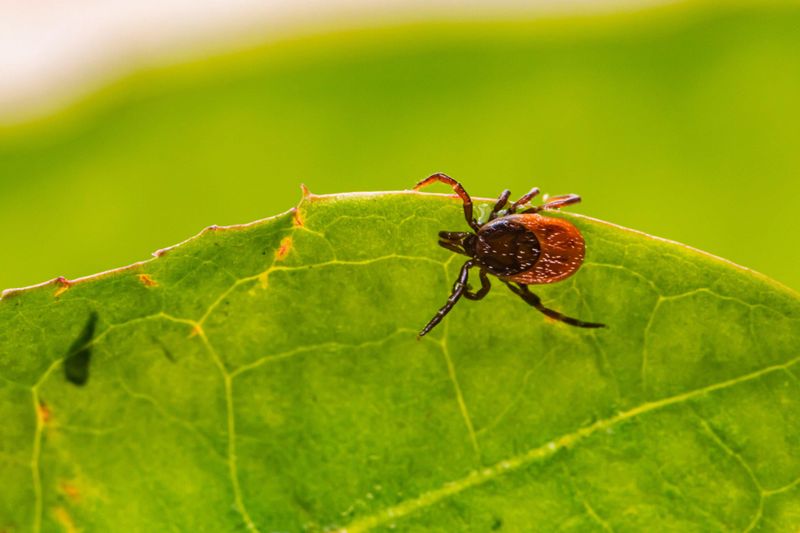
Blacklegged tick nymphs are roughly the size of a poppy seed, which means one can easily complete a journey from deer to person without anyone noticing until much later.
Replacing deer-preferred plants with less appealing alternatives is one of the most durable solutions available.
Native plants like wild ginger, catmint, and ferns are naturally lower on the deer preference list and support pollinators and birds simultaneously.
Ohio State University Extension maintains a list of deer-resistant options suited specifically to Ohio soil types and climate conditions.
Even moving attractive plants ten feet back from a main walkway reduces how closely deer venture to high-traffic areas.
A gravel or mulch path edge added to that buffer also reduces the moist ground cover that ticks prefer for questing.
Two benefits from one set of small adjustments is the kind of efficiency that makes the change genuinely worth making.
2. Fallen Fruit Left On The Ground Keeps Deer Returning
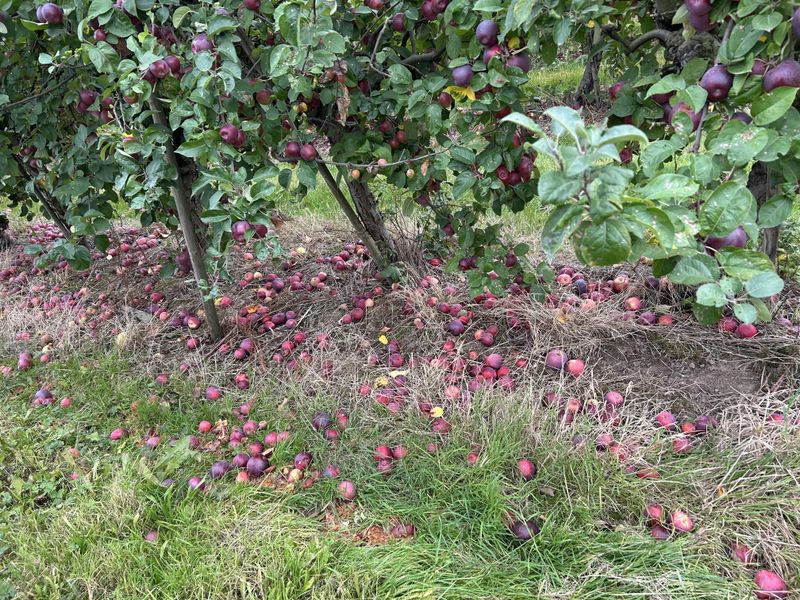
An apple tree sounds like a wonderful backyard addition until the ground underneath becomes a reliable deer destination every fall.
Fallen fruit is one of the most consistently overlooked deer attractants in Ohio yards.
Deer detect rotting apples, pears, and crabapples from a significant distance through their exceptional sense of smell, and once they find a reliable food source, they return to it repeatedly on a predictable schedule.
Every visit deposits more than hoof prints. Deer carry ticks at various life stages, and an animal lingering under a fruit tree while eating gives those ticks time to drop into the surrounding grass and leaf litter.
Your Ohio Garden Changes Every Week. Your Plan Should Too.
Gardening in Ohio changes quickly throughout the season. Every Friday you’ll receive a simple weekly plan showing exactly what to plant, prune, fertilize, harvest, and protect so you never miss the right timing.
Over a full season, a popular feeding spot under a productive fruit tree can quietly become a tick concentration zone in what used to feel like a safe part of the yard.
Picking up fallen fruit every two to three days during peak drop season breaks the reward cycle effectively.
Bagging it and removing it from the property is more thorough than composting it on-site, since even a nearby compost pile keeps drawing deer back.
Ground cloths or collection nets placed under trees make the cleanup faster and more consistent.
Fruit trees positioned toward the far edge of the property, away from play areas and outdoor seating, reduce the impact of any visits that do occur.
Once deer stop finding reliable food at a location, they gradually stop making it a regular stop. That shift in their routine produces measurable results in how often they appear near the house.
3. Dense Brushy Edges Create Perfect Tick Habitat
That tangled strip of shrubs and overgrown weeds along the fence line might look like a natural privacy feature, but it is functioning as something less helpful behind the scenes.
Dense brushy edges create exactly the kind of humid, shaded microhabitat that ticks actively seek out.
Tall grass, brush, and leaf-covered edges represent prime tick territory according to Ohio public health guidance, and they also serve as preferred travel routes and cover for deer.
Ticks do not jump or fly toward hosts. They practice questing, climbing to the tips of grasses and low shrubs and waiting for a warm-blooded host to brush past.
A thick, overgrown edge provides unlimited questing positions right at the boundary between a maintained yard and the wilder area beyond it.
The deer that use those same edges for cover help distribute ticks further into the yard with each pass.
Maintaining a mowed buffer of at least three feet between any wooded or shrubby area and the lawn removes a significant amount of questing habitat.
The CDC recommends this specific practice for residential tick reduction, and it consistently produces measurable results. Wood chips or gravel placed along that border further discourages tick movement into the maintained yard area.
Selective trimming that prevents plants from growing into each other, combined with removal of accumulated dead wood, reduces the humidity levels that tick habitat requires.
A tidy edge is a genuinely less hospitable edge for both ticks and the deer that help transport them through residential properties.
4. Feeders Placed Near Gardens Train Deer To Visit
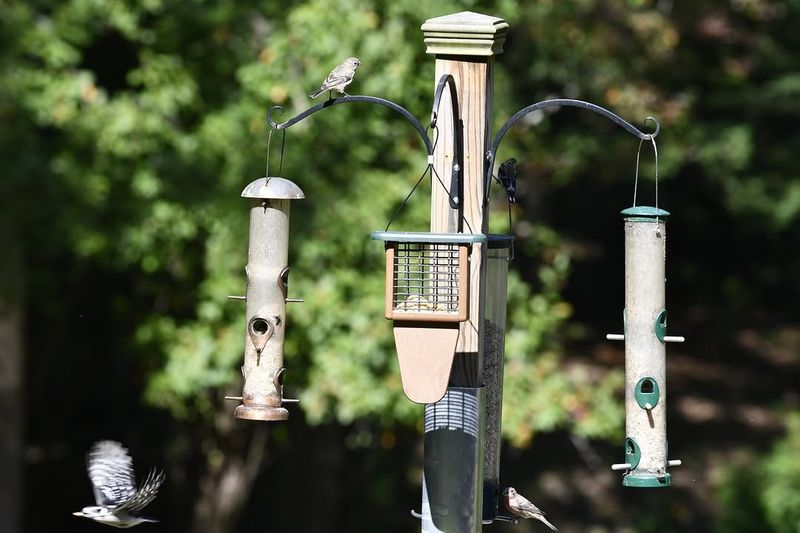
Feeders positioned close to garden beds create a combined attraction that becomes very difficult for deer to pass up.
Spilled seed or corn on the ground provides reliable food, and the garden nearby offers additional browsing opportunities.
Ohio homeowners who set up wildlife feeding areas with genuinely good intentions frequently end up training deer to visit the same location day after day throughout the season.
Repeated deer visits to a fixed location concentrate tick activity in that area over time. Ticks at all life stages, from larvae to adults, can establish in the soil, mulch, and low vegetation surrounding a regularly visited feeder.
Reducing deer congregation near living areas is consistently identified in Ohio wildlife and public health guidance as a meaningful step toward lowering tick encounter risk for families and pets.
Moving any deer-attracting feeder at least one hundred feet from gardens, outdoor seating, and play areas significantly reduces how often deer wander into those zones.
Removing deer-attracting feeders entirely during the warmer months, roughly April through October when tick activity peaks across Ohio, eliminates the congregation problem at its source.
Standard bird feeders can stay, but spilled seed on the ground should be cleaned up regularly since grain attracts deer just as effectively as an intentional deer feeder.
Garden fencing at least eight feet tall provides a physical barrier that most deer will not attempt in a residential setting.
Combining feeder relocation with basic fencing creates two layers of deterrence without eliminating the enjoyment of watching backyard wildlife from a reasonable distance.
5. Woodpiles Beside Living Areas Harbor Tick Hosts
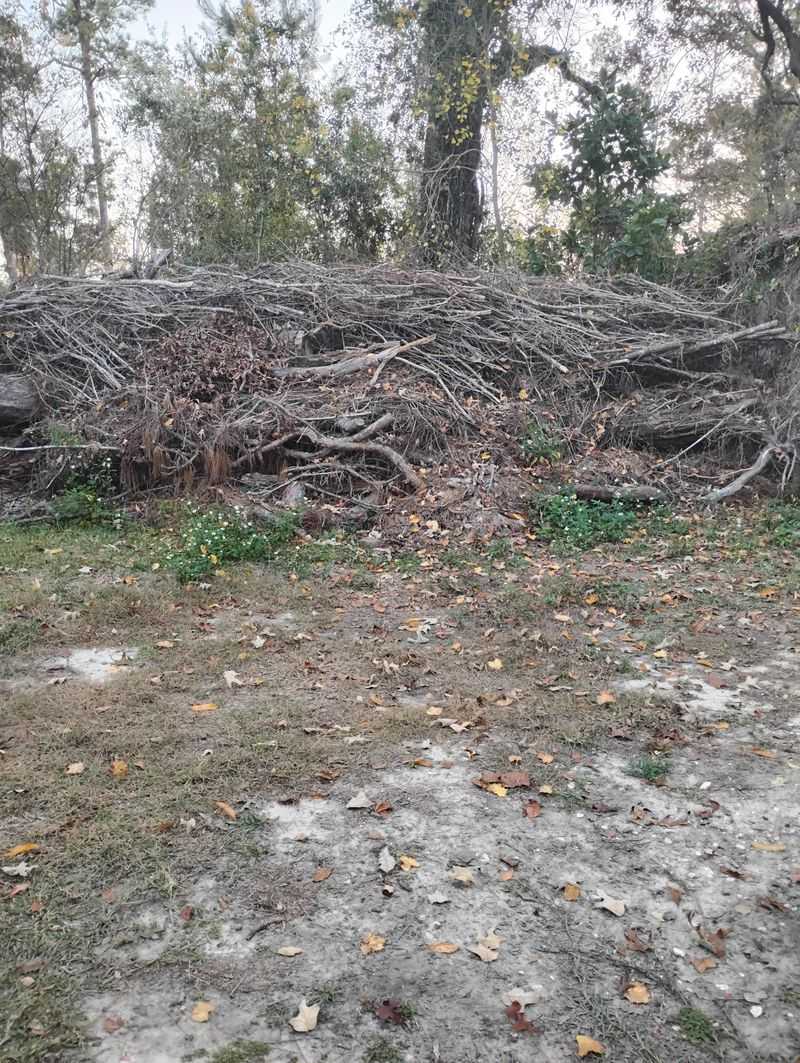
Firewood is a practical Ohio winter necessity, but where it gets stacked affects more than convenience.
A woodpile positioned close to a back porch or garage wall provides comfortable shelter for mice, chipmunks, and other small rodents.
The tick connection runs through those rodents directly: white-footed mice are a primary reservoir host for the bacteria responsible for Lyme disease, and ticks in larval and nymph stages feed on small rodents before moving on to larger hosts.
A woodpile near living areas effectively concentrates rodent activity, and with it, tick activity, right next to spaces where families spend time.
The Ohio Department of Health specifically identifies rodent management as a meaningful component of reducing tick-borne disease risk at the residential level.
Moving the woodpile at least twenty feet from the home and away from patios and play areas addresses the proximity problem directly.
Stacking wood off the ground on a rack or pallets reduces moisture accumulation in the pile itself, which makes the structure less attractive to the rodents and insects that would otherwise shelter inside it.
A sunny location dries the stack faster and creates an environment less suitable for the organisms ticks depend on.
Avoiding placement against the home’s foundation or near garden beds eliminates the combination of edge habitat, moisture, and rodent shelter that makes certain woodpile locations particularly problematic.
Rotating the wood supply regularly and clearing bark debris from the surrounding area completes the management approach. The woodpile stays useful. It just moves to a better address.
6. Leaf Litter Buildup Provides Winter Tick Shelter
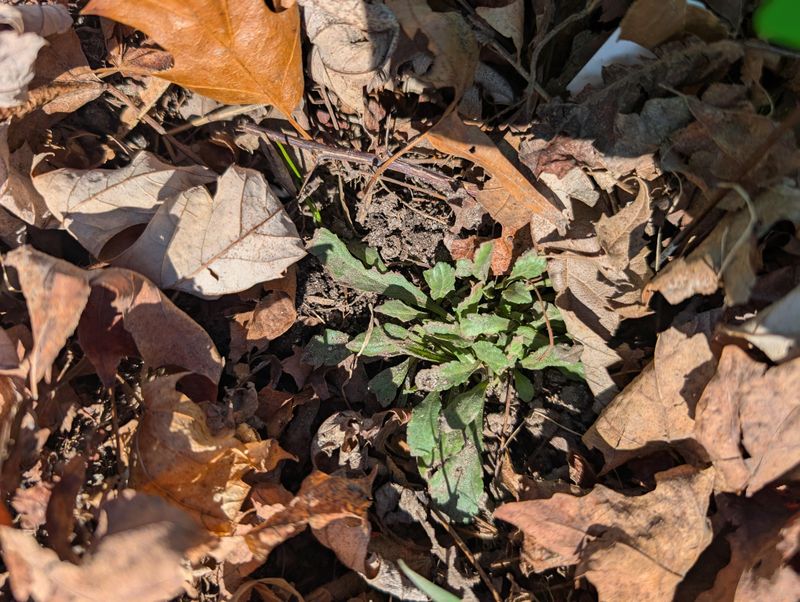
Ohio’s fall foliage is genuinely spectacular, and the leaves it produces are genuinely useful to ticks.
Blacklegged ticks survive Ohio winters by burrowing into accumulated leaf litter, which insulates them from freezing temperatures.
Come spring, they emerge from that shelter active and ready to find a host. The leaf pile that looked harmless in November has been functioning as tick hibernation habitat all winter.
The problem extends beyond the cold months. Damp leaf layers through any part of the year maintain the high humidity that ticks require to stay active and hydrated.
Removing leaf litter from yard edges and areas near the home is consistently identified in Ohio Department of Health guidance as one of the most practical tick habitat reduction steps available to homeowners.
Raking and removing leaves regularly through fall pays the most obvious dividends, but attention to fence lines, the undersides of shrubs, and garden bed edges matters throughout the year.
These are the areas where leaf litter accumulates undisturbed longest and where tick populations build most reliably.
Composting leaves is a reasonable disposal option, but the compost location should be far from the house and primary outdoor activity areas.
Deer moving through yards disturb and scatter existing leaf litter as they walk, potentially distributing ticks into areas closer to the home than they would have reached independently.
Maintaining leaf-free buffer zones around patios, play areas, and garden paths reduces the questing opportunities in precisely the spaces that see the most human activity.
Regular cleanup produces results that most homeowners notice within a single season.
7. Open Side Yards Give Deer A Free Corridor

Side yards are the forgotten sections of most Ohio properties.
Narrow, frequently shaded, and rarely prioritized for maintenance, they tend to stay unmanaged longer than front or back yards while functioning as convenient travel corridors for deer moving between wooded areas and neighborhood green spaces.
In communities near parks, ravines, or undeveloped land, which describes a significant portion of Ohio suburbia, this pattern repeats consistently.
Deer using side yards as regular travel routes move ticks through the least-monitored parts of the property. Ticks drop along the route and establish in whatever grass, mulch, or ground cover is available.
Because side yards run directly alongside the home’s foundation, ticks that settle there are closer to entry points including doors, windows, and low vents than they would be anywhere else on the property.
Simple fencing that makes side yard passage less convenient for deer addresses the corridor problem directly.
A solid privacy fence or a tight panel makes navigating a narrow side yard less appealing than an alternative route. Deer generally avoid confined spaces when easier paths exist.
Even lower decorative fencing combined with dense, deer-resistant plantings discourages regular casual passage without requiring a significant physical barrier.
Keeping side yard ground cover short and dry removes the tick habitat conditions that make the space useful to both ticks and the deer that transport them.
Gravel or pavers along a side yard path eliminate moisture-retaining ground cover while making the space more functional for the homeowner simultaneously.
Consistent attention to a part of the yard most people overlook produces meaningful reductions in how often deer and ticks use it as a thoroughfare.