Georgia Native Privacy Plants To Grow Instead Of Bamboo That Will Never Take Over Your Yard
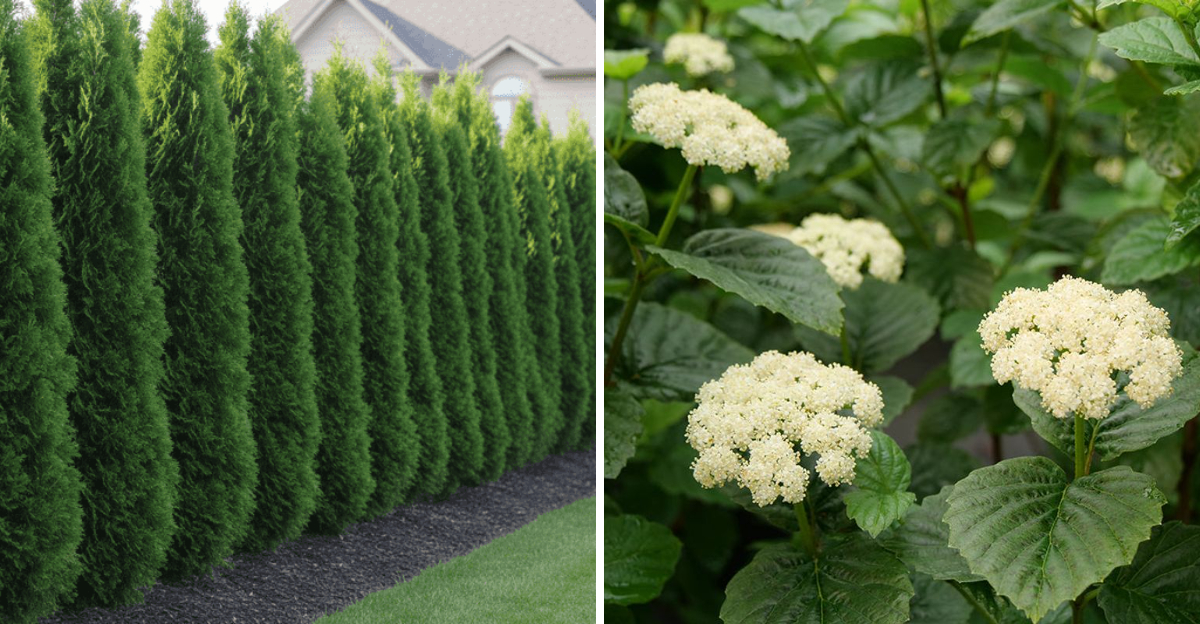
If you’ve ever looked at your back fence and dreamed of a lush, green wall between you and the rest of the world, that’s a completely reasonable thing to want.
What’s less reasonable, as a lot of Georgia homeowners have discovered the hard way, is planting running bamboo to make it happen.
It spreads underground, crosses fence lines, pops up through garden beds, and turns a privacy solution into a full-time management project faster than almost anyone expects.
The good news is that Georgia has some genuinely impressive native alternatives that can build a solid green screen without that same runaway habit.
They’re not completely care-free, because no plant truly is, but they’re far more manageable than running bamboo and many of them bring wildlife value, seasonal interest, and year-round cover that bamboo simply doesn’t offer.
1. Yaupon Holly Makes A Manageable Evergreen Screen
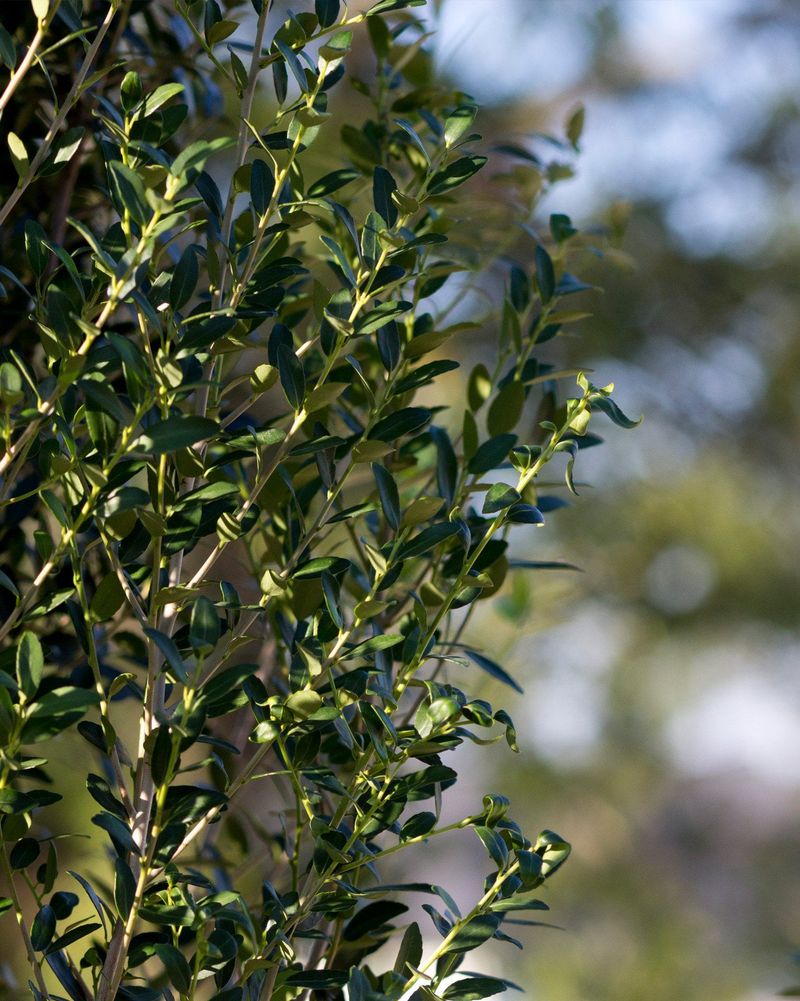
A bare fence line in a Georgia backyard can feel surprisingly exposed, and yaupon holly is one of the most reliable native choices for filling that gap with dense, year-round green.
Yaupon holly is the only native North American plant that contains caffeine, which is a fun fact that tends to surprise most homeowners who plant it strictly for its screening value.
It carries small red or orange berries through winter that birds absolutely love, making it a living habitat feature as much as a privacy plant.
Yaupon holly handles a wide range of Georgia soil conditions, tolerating both dry sandy soils and occasionally wet spots better than most native shrubs.
It grows in full sun to partial shade, which gives homeowners flexibility when placing it along fence lines that shift between sun and shadow through the day.
Without any pruning, yaupon can reach heights of ten to fifteen feet depending on the cultivar, though many cultivars stay more compact.
Compared with running bamboo, yaupon holly does not spread through underground rhizomes in the same aggressive way. It can produce seedlings near the parent plant if birds drop seeds nearby, so light management may occasionally be needed.
Still, that kind of gentle spread is far simpler to handle than bamboo rhizomes pushing under a fence into a neighbor’s yard.
For homeowners who want a tough, attractive, low-fuss evergreen screen, yaupon holly earns a top spot on any planting list.
2. American Holly Gives Larger Yards Year-Round Cover
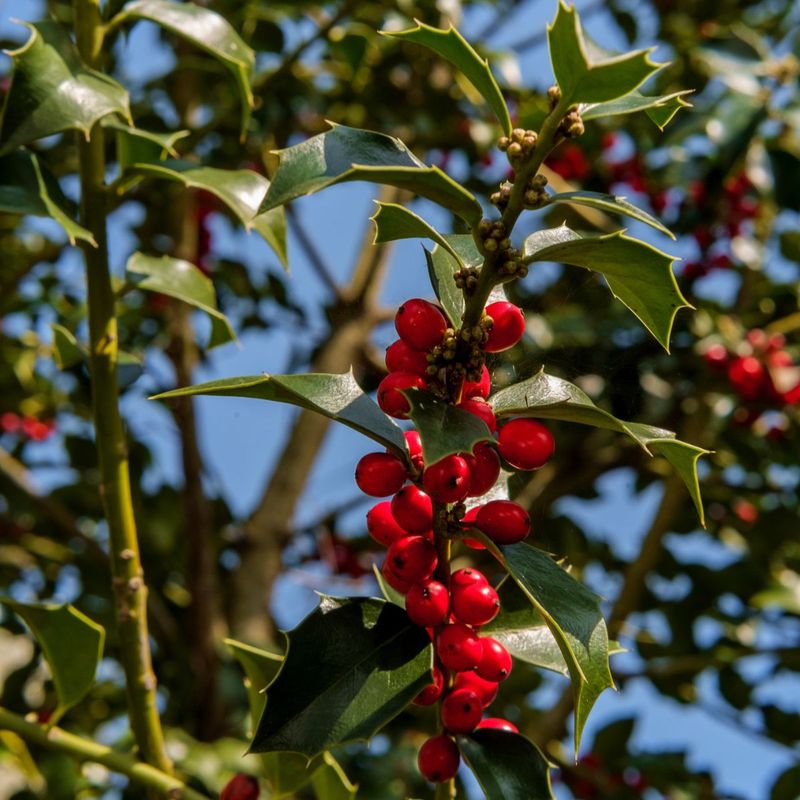
Wide open backyards in Georgia sometimes need more than a shrub to create real privacy, and that is exactly where American holly steps in with confidence.
This native tree can reach thirty to fifty feet tall at maturity, making it one of the most substantial evergreen screening options available to Georgia homeowners who have the room to let it grow.
Its glossy, dark green leaves and bright red winter berries give it genuine four-season appeal that goes well beyond simple function.
American holly grows well in full sun to partial shade and adapts to a variety of Georgia soils, including clay-heavy sites that frustrate many other plants.
Your Georgia Garden Changes Every Week. Your Plan Should Too.
Gardening in Georgia changes quickly throughout the season. Every Friday you’ll receive a simple weekly plan showing exactly what to plant, prune, fertilize, harvest, and protect so you never miss the right timing.
It tends to grow at a moderate pace, so patience is part of the commitment, but the long-term payoff is a dense, tall, wildlife-friendly screen that requires relatively little intervention once it is established.
Female trees produce the berries, and planting at least one male tree nearby supports fruit production.
Unlike running bamboo, American holly does not spread through rhizomes. It may occasionally reseed in favorable spots, but scattered seedlings are easy to manage compared with bamboo’s underground network.
Homeowners should plan for its mature size before planting, giving each tree enough space to develop its full natural canopy without crowding structures or neighboring plants.
For larger properties where a tall, stately evergreen screen is the goal, American holly offers a native solution with real staying power and genuine landscape character.
3. Eastern Red Cedar Works Along Sunny Property Lines
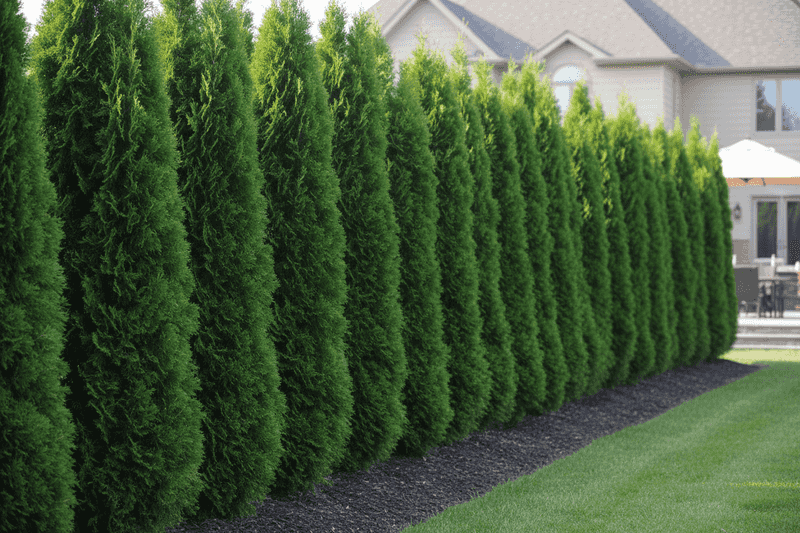
Sunny property lines with little shade can be tricky spots to screen, and eastern red cedar handles those exposed conditions with a toughness that few other native trees can match.
Despite its common name, eastern red cedar is actually a juniper, and it thrives across much of Georgia in well-drained to dry soils where other evergreens might struggle.
Its dense, blue-green to dark green foliage creates a solid visual barrier that holds color through every season without dropping its leaves.
Eastern red cedar grows in a naturally columnar to pyramidal form, which makes it well-suited for planting in rows along property edges without taking up excessive horizontal space in smaller yards.
It handles drought reasonably well once established, tolerates poor soils, and asks for very little in terms of fertilizing or regular pruning when given enough room to develop naturally.
Growth rates tend to be moderate, and trees can eventually reach forty feet or more, so spacing and long-term planning still matter.
Birds, especially cedar waxwings, rely heavily on the small blue berry-like cones for winter food, adding wildlife value that bamboo simply does not provide.
Eastern red cedar does not spread through rhizomes the way running bamboo does, though it can reseed in open areas if birds carry seeds.
Keeping a short mowing buffer around young plantings usually manages any seedling volunteers without much effort.
For Georgia homeowners with a sunny, exposed property line, eastern red cedar is a hardworking and genuinely native option worth considering.
4. Southern Magnolia Creates A Broad Native Screen
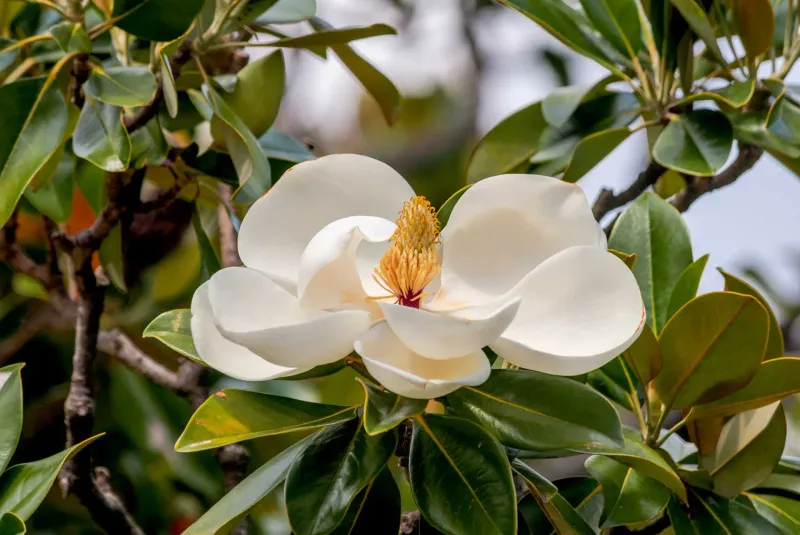
Few plants say Georgia quite like southern magnolia, and beyond its iconic flowers and glossy leaves, it is a genuinely effective privacy tree for homeowners who have enough space to let it spread.
Southern magnolia is native to the southeastern United States, including Georgia, and in favorable conditions it can grow into a broad, dense evergreen tree reaching sixty feet tall with an equally impressive spread.
That size makes it one of the more dramatic screening choices available, but it also means placement decisions matter greatly before the first tree goes in the ground.
The large, leathery leaves stay on the tree year-round, providing a thick visual barrier even in the middle of winter when deciduous plants go bare.
Southern magnolia prefers moist, well-drained soil and does best in full sun to light shade, making it a natural fit for open backyard settings with enough room to grow.
Dropped leaves and seed pods do require some cleanup beneath the canopy, so homeowners should expect light but consistent seasonal maintenance.
Compared with running bamboo, southern magnolia stays in place. It does not spread through underground rhizomes, and while it may produce seedlings from its large red seeds, those volunteers are easy to spot and remove.
Homeowners planting southern magnolia for privacy should think long-term, giving each tree at least fifteen to twenty feet of clearance from structures and other trees.
When sited correctly in a Georgia landscape, southern magnolia creates a screening presence that is both beautiful and genuinely manageable over time.
5. Small Anise-Tree Fits Moist Shaded Edges
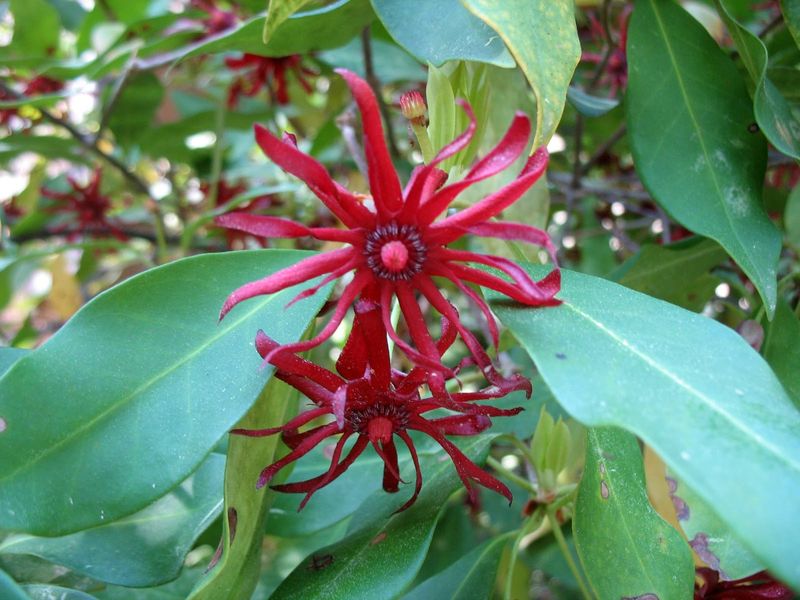
Shaded side yards and moist woodland edges in Georgia are often the hardest spots to screen, and small anise-tree, also called Florida anise, is one of the few native shrubs that actually thrives in those conditions.
It grows naturally in moist, shaded areas across parts of Georgia and the southeastern United States, making it a well-adapted choice for spots under tree canopies or along stream-adjacent garden borders where many other evergreen shrubs struggle to establish.
The glossy, dark green leaves stay on the plant year-round and carry a pleasant anise scent when gently bruised.
Small anise-tree typically grows six to fifteen feet tall with a spreading, layered form that fills in shaded edges gradually and attractively.
It tolerates deep shade better than most native evergreen shrubs, which is a meaningful advantage for homeowners dealing with heavily shaded backyards.
It performs best in consistently moist, organically rich soil, and it appreciates mulching to retain moisture and moderate soil temperature through Georgia’s warmer months.
Unlike running bamboo, small anise-tree does not push through underground rhizomes to colonize neighboring spaces. It may spread slowly through suckering at the base over time, but that kind of gradual expansion is simple to manage with occasional pruning.
Homeowners should note that all parts of this plant are toxic if consumed, so it is worth keeping in mind for households with curious pets or young children.
For shaded moist edges in Georgia, few native plants offer this level of evergreen screening with so little aggressive spread.
6. Wild Olive Adds Fragrant Evergreen Privacy
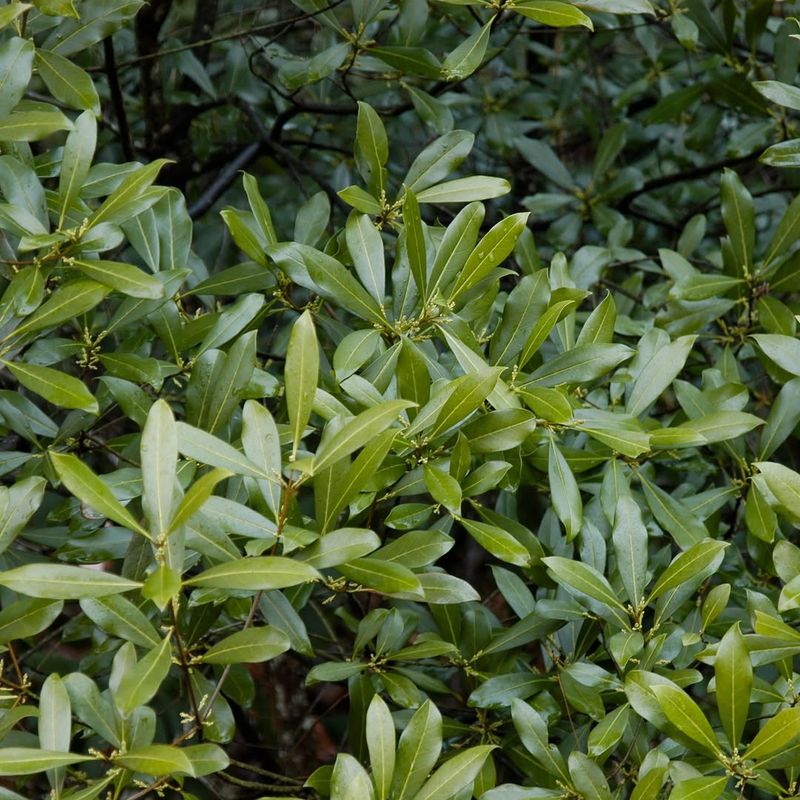
Imagine walking past your backyard privacy screen and catching a sweet, jasmine-like fragrance drifting through the air on a warm Georgia afternoon. That is exactly what wild olive, also known as devilwood, brings to a planting along a fence line or property edge.
Wild olive is a native evergreen shrub or small tree found naturally across parts of Georgia and the southeastern coastal plain.
Its clusters of small white flowers in spring fill the surrounding garden with a scent that is genuinely hard to match among native screening plants.
Wild olive grows ten to thirty feet tall depending on site conditions, and its dense, leathery foliage provides solid year-round screening value even when it is not in bloom.
It grows best in full sun to partial shade and adapts to a range of well-drained Georgia soils, including sandy soils common in the state’s coastal and Piedmont regions.
Growth tends to be moderate, and established plants are reasonably drought-tolerant once their root systems are well settled into the soil.
Compared with running bamboo, wild olive is a calm and cooperative neighbor in the landscape. It does not spread through rhizomes, and while it may occasionally reseed, volunteer seedlings are easy to manage.
Pruning can help maintain a desired height and shape if needed, but wild olive also works beautifully as an informal naturalized screen with minimal intervention.
For homeowners who want fragrance, evergreen cover, and native credentials all in one plant, wild olive is a genuinely rewarding choice.
7. Inkberry Holly Builds A Lower Native Hedge
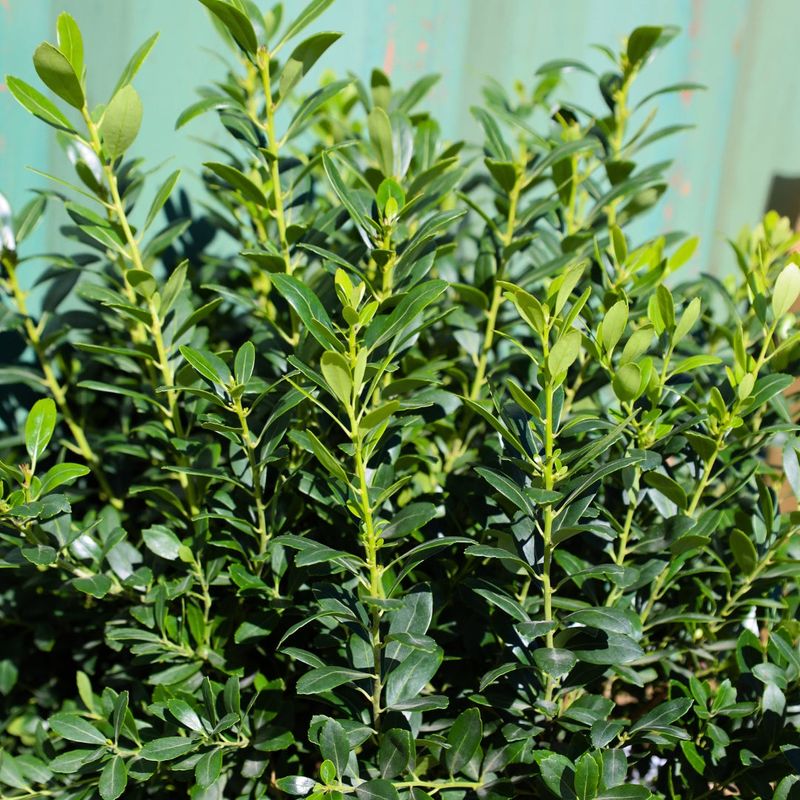
Not every privacy planting needs to reach the roofline, and inkberry holly proves that a lower native hedge can still create meaningful separation between a patio, a garden bed, or a property edge and the world beyond it.
Inkberry holly is a native evergreen shrub that grows naturally in moist, low-lying areas across much of Georgia, and it brings a clean, dense form to landscape borders that need structure without excessive height.
It typically reaches six to eight feet tall, making it well-suited for hedging along fences, around patios, or as a foundation layer beneath taller screening trees.
Inkberry holly grows in full sun to partial shade and genuinely thrives in wet or poorly drained soils that challenge many other shrubs, which makes it a smart choice for low spots in Georgia yards that collect water after rain.
Its small black berries provide excellent winter food for birds, and the dark green foliage holds its color through the colder months without much fuss.
Female plants produce the most berries, and including a male plant nearby supports fruit set.
Unlike running bamboo, inkberry holly does not spread through aggressive underground rhizomes.
It can spread gradually through suckering, forming a slowly expanding colony over time, so periodic pruning or removal of suckers at the outer edges keeps it tidy and contained.
That kind of light management is a far simpler task than controlling bamboo rhizomes. For homeowners who need a reliable lower evergreen hedge in a moist site, inkberry holly is a practical and genuinely native solution.
8. Arrowwood Viburnum Softens Screening With Seasonal Interest
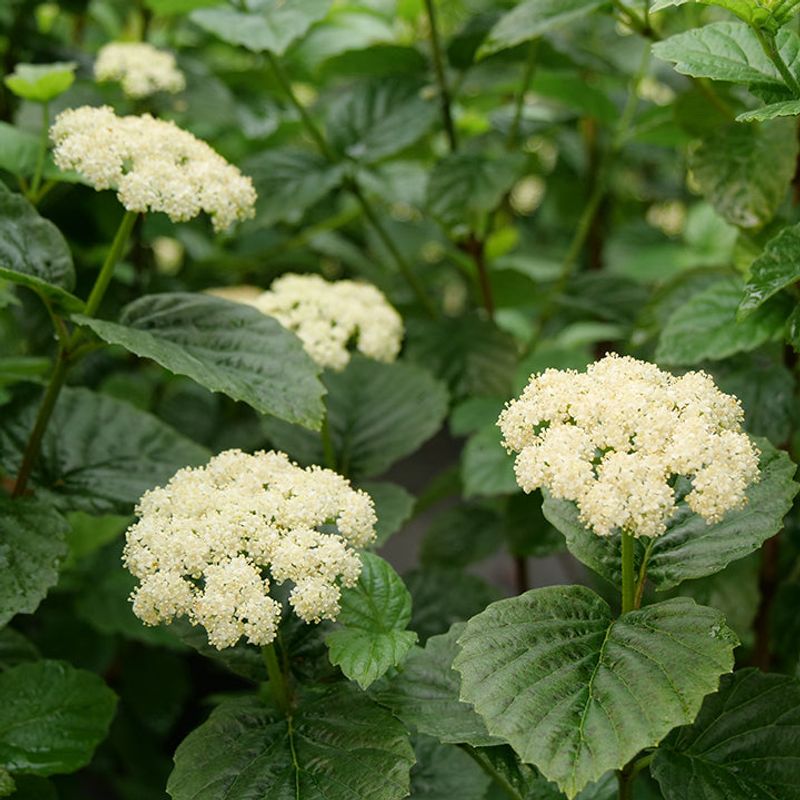
Privacy screens do not have to look like a solid green wall, and arrowwood viburnum makes the case for layered, seasonal interest as part of a thoughtful backyard border in Georgia.
This native deciduous shrub puts on a genuine show across multiple seasons, opening with flat-topped clusters of white flowers in late spring before transitioning to clusters of blue-black berries in late summer and fall.
It closes the year with foliage that often turns attractive shades of red and purple before dropping, making it one of the more seasonally interesting screening options available to Georgia gardeners.
That kind of four-season performance gives a privacy planting life and personality that an evergreen monoculture simply cannot match.
Arrowwood viburnum grows six to ten feet tall with a rounded, multi-stemmed form that fills in a border gradually and naturally.
It adapts to full sun or partial shade and tolerates a range of Georgia soil types, including heavier clay soils that can be tricky for other native shrubs.
Because it is deciduous, it does offer less winter screening than an evergreen choice, so pairing it with an evergreen layer in a mixed planting often gives the best year-round results.
Compared with running bamboo, arrowwood viburnum stays put in a manageable and predictable way. It may slowly spread through suckering at the base, but that kind of gradual expansion is easy to manage with occasional pruning.
Its value to pollinators and birds adds another layer of benefit that bamboo does not provide.
For homeowners who want a privacy border that feels alive and connected to the local landscape, arrowwood viburnum is a rewarding native choice.