These Are The Texas Weather Patterns That Drive The Most Dangerous Scorpion Activity Into Homes
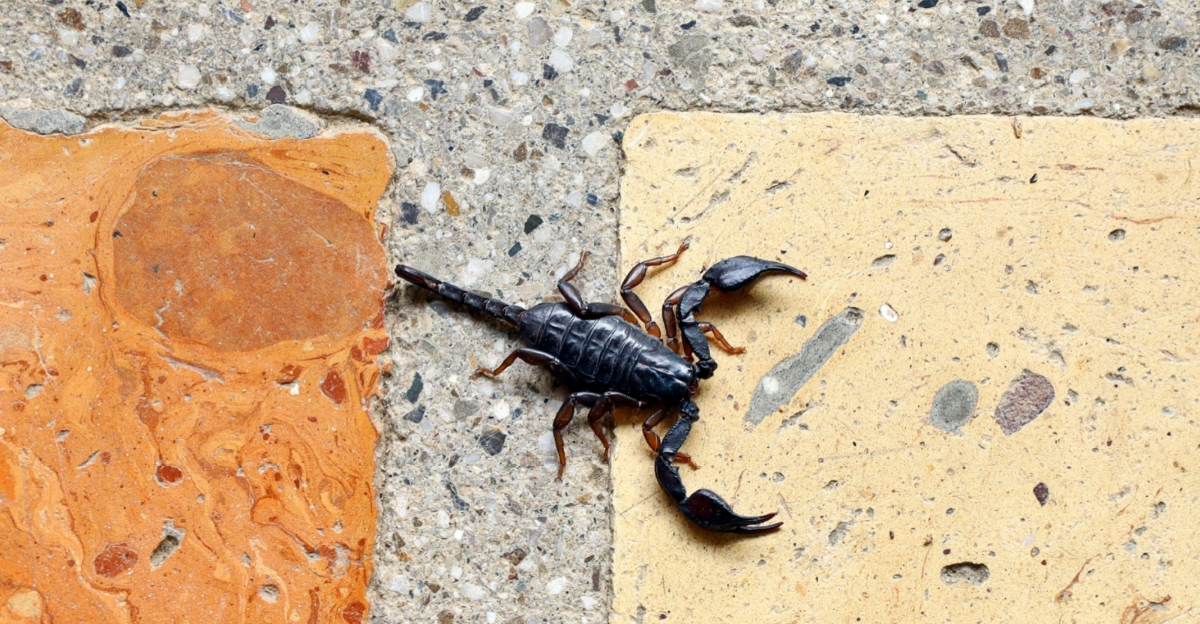
Texas weather has a talent for keeping everyone on their toes, and it turns out scorpions are paying close attention too.
That stretch of brutal heat that dries out the soil, the heavy rain that floods their favorite hiding spots, the warm nights that just keep going: all of it influences how scorpions move, and sometimes that movement heads straight toward your walls, doors, and living spaces.
Not exactly the houseguests anyone was hoping for. Here’s the thing though: scorpion activity is not completely random.
There are real patterns connected to Texas weather conditions, and once you understand what triggers increased movement, you’re in a much better position to stay ahead of it.
No weather event makes an indoor encounter a certainty, but knowing what to watch for throughout the year can make a genuine difference in keeping your home better protected.
1. Long Hot Dry Spells
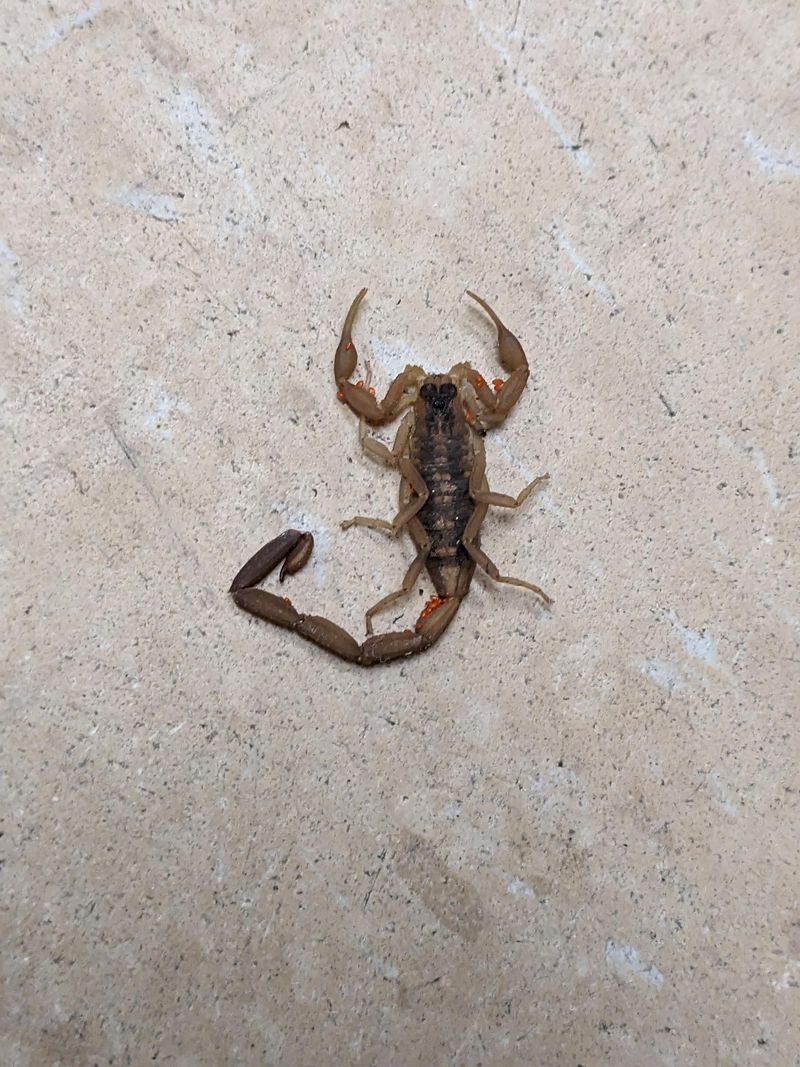
Cracked soil, brown grass, and a patio that feels like a skillet in July are all signs that a long dry spell has settled over Texas.
During these stretches, the striped bark scorpion, which is the most common scorpion pest found near Texas homes, may begin moving in search of better conditions.
Dry spells reduce the moisture in the soil and in the organic matter where scorpions often shelter, which can make their usual outdoor hiding spots less appealing.
When the ground dries out around a foundation, small gaps in concrete, brick weep holes, and door thresholds can become entry points that scorpions may use to get inside. They are not always looking for food during these times.
Sometimes they are simply following cooler air or slight traces of moisture that drift out from an air-conditioned home.
Checking around door sweeps, inspecting garage door seals, and looking along fence lines and garden beds for debris that scorpions might rest under can all help during dry spells.
Removing wood piles, loose stones, and yard clutter reduces the number of resting spots near your home.
Dry Texas summers can last for weeks, so staying consistent with these checks rather than doing a one-time sweep tends to give better results over time.
2. Drought That Pushes Scorpions Toward Water
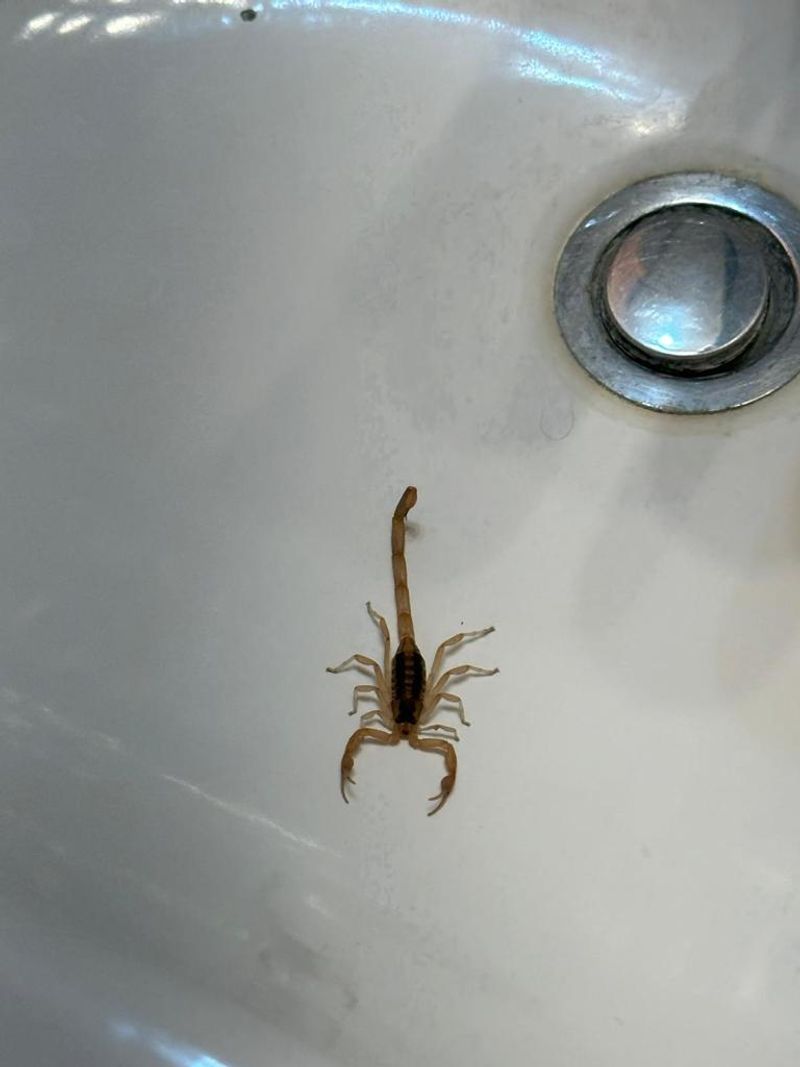
Drought conditions across Texas can last for months, and during that time the pressure on wildlife, including scorpions, builds steadily.
When natural water sources dry up and the soil becomes hard and parched, scorpions may travel farther than usual in search of moisture.
This behavior can bring them closer to homes where irrigation systems, leaky pipes, dripping faucets, or even pet water dishes create small pockets of available water.
The striped bark scorpion is well adapted to dry conditions and can survive without water for extended periods, but during severe drought, moisture becomes a stronger motivator for movement.
Spaces under sinks, near water heaters, along laundry room walls, and inside bathrooms can attract scorpions looking for a drink.
Garages with utility sinks or outdoor spigots that drip near the foundation are also worth inspecting.
Fixing leaky outdoor faucets, checking irrigation lines for slow drips near the foundation, and eliminating standing water in garden areas can all reduce the moisture signals that draw scorpions closer during drought.
Your Texas Garden Changes Every Week. Your Plan Should Too.
Gardening in Texas changes quickly throughout the season. Every Friday you’ll receive a simple weekly plan showing exactly what to plant, prune, fertilize, harvest, and protect so you never miss the right timing.
Gutters that drip near entry points and low spots where water pools after brief rains are also worth monitoring.
Texas droughts can be intense and prolonged, so combining moisture control with regular inspection of entry points gives homeowners a more well-rounded approach to managing scorpion pressure during dry seasons.
3. Extreme Summer Heat Near Doors And Cracks
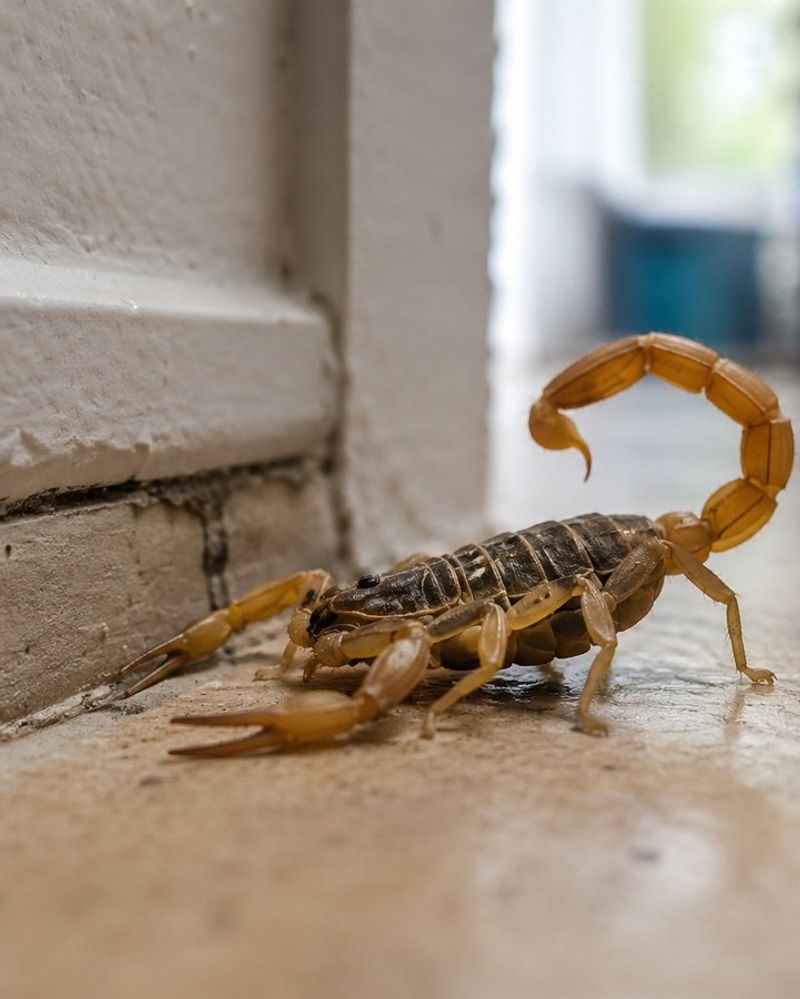
Standing barefoot on a Texas driveway in August tells you everything you need to know about how extreme the heat can get.
That same heat radiates off pavement, brick, and concrete walls throughout the day and into the evening, creating surface temperatures that even heat-tolerant scorpions may want to escape.
When exterior walls and ground surfaces become too hot, scorpions may seek shelter in shaded areas near door thresholds, garage edges, or weep holes in brick veneer.
Cracks along foundation lines, gaps where pipes enter the home, and spaces beneath door sweeps that have worn down over time can all serve as entry points when a scorpion is looking for a cooler spot.
Homes with brick exteriors often have weep holes that open directly into wall cavities, which can allow scorpions to travel inside without much resistance if those openings are not screened or inspected.
Replacing worn door sweeps, applying weatherstripping along door frames, and using caulk to seal visible cracks along exterior walls and around pipe penetrations are practical steps that apply directly to this type of heat-driven movement.
Checking these areas in late spring before peak summer heat arrives gives you a head start.
During extreme Texas heat waves, even small gaps that seemed minor in cooler months can become more significant entry points worth addressing right away.
4. Hot Attics That Push Scorpions Into Living Areas
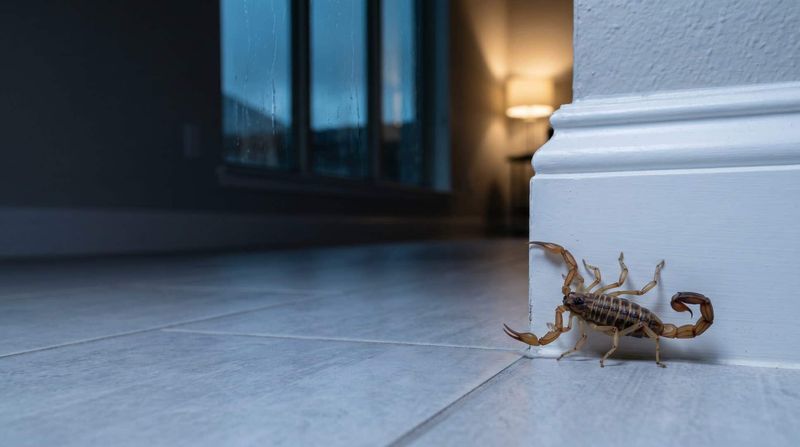
Few places in a Texas home get as brutally hot as the attic during summer. Temperatures up there can reach well above 130 degrees Fahrenheit on a clear July afternoon, and that kind of heat can make even a scorpion uncomfortable.
The striped bark scorpion is a skilled climber and is known to move through wall voids, along framing members, and into attic spaces where it may shelter behind insulation or near eave vents.
When attic temperatures spike, scorpions that have been living in that space may move downward through wall voids, light fixture gaps, or spaces around recessed lighting to reach cooler areas inside the home.
This is one reason why scorpions sometimes appear in unexpected indoor locations like bedrooms, closets, or on ceilings rather than just near ground-level entry points.
Sealing gaps around recessed lighting, checking attic vent screens for damage, and inspecting where interior walls meet the ceiling for any openings can help reduce downward movement from attic spaces.
Foam insulation applied around light fixtures that penetrate the ceiling is another option worth considering.
Keeping the attic as well ventilated as possible also helps moderate temperatures, which may reduce how often scorpions find that space attractive in the first place. Consistent attic checks in late spring before peak Texas heat arrives can make a real difference.
5. Late Spring And Early Summer Rains
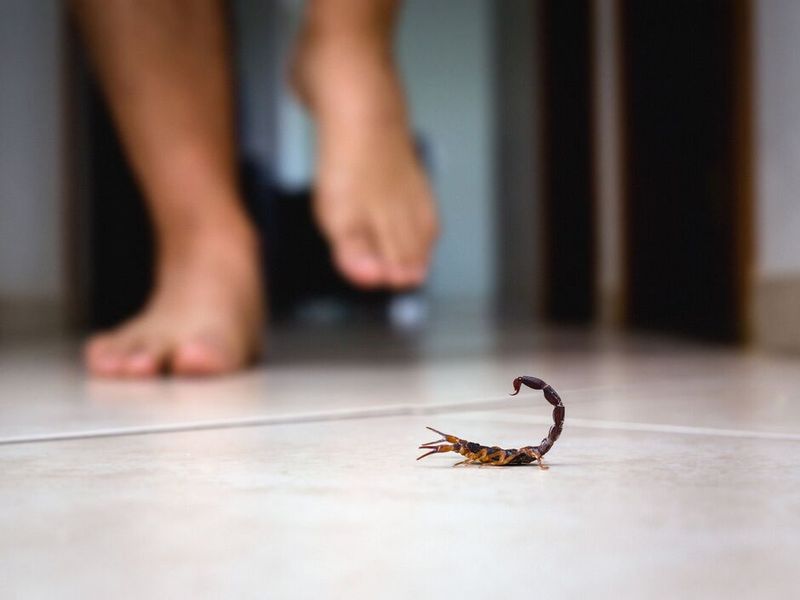
Late spring in Texas often brings a mix of warm temperatures and scattered rain that feels like a relief after a dry winter. But those same rains can create conditions in the yard that shift where scorpions rest and move.
Damp mulch, wet leaf piles, saturated garden beds, and soggy soil near the foundation can all make outdoor hiding spots less comfortable for scorpions that prefer drier shelter.
When the ground stays wet for several days after a rain event, scorpions may move toward drier edges, which sometimes means moving toward a home’s foundation, garage slab, or covered patio.
This is not a guaranteed response, and scorpion behavior during spring rains can vary depending on the site, the drainage, and the specific conditions around a home.
However, it is worth paying attention to what happens in your yard after a rainy stretch.
Pulling mulch back from the foundation so it does not sit directly against the wall, improving drainage in low spots near the home, and keeping garden beds tidy can all reduce the number of moist hiding places that collect near entry points.
Checking under potted plants, garden stones, and decorative landscape features after spring rains is also a good habit.
Texas spring weather can change quickly, so staying observant during these wetter periods helps you catch any new scorpion activity around your home before it becomes a bigger concern.
6. Heavy Rain That Floods Outdoor Hiding Spots
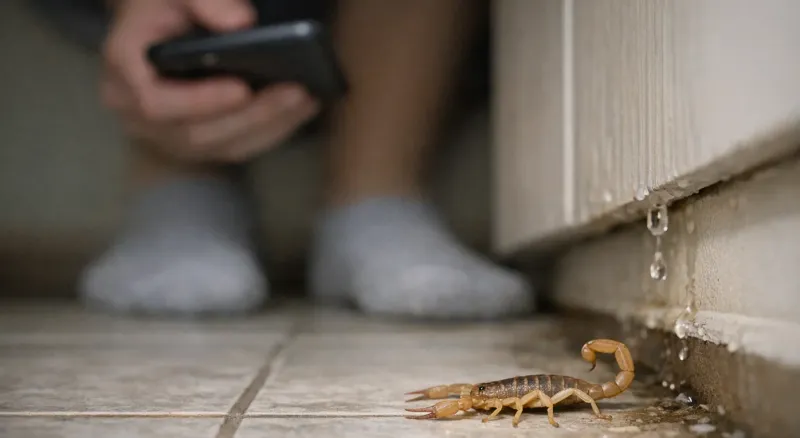
A heavy Texas downpour can drop several inches of rain in just a few hours, and when that happens, low-lying areas around a home can flood quickly.
Wood piles, rock beds, compost areas, and dense ground cover near the foundation can become waterlogged, which may push scorpions that were resting in those spots toward drier ground.
When drier ground happens to be a covered porch, a garage floor, or a gap near a door, the chances of an indoor encounter can increase.
It is worth being clear that heavy rain does not reliably send scorpions marching into homes. Behavior varies depending on how much rain fell, how well the yard drains, how close the outdoor hiding spots are to entry points, and how sealed the home is.
However, after a significant rain event, it makes sense to check around the perimeter of your home for any scorpions that may have relocated to drier surfaces.
Clearing debris from rain gutters, making sure downspouts direct water away from the foundation, and removing wood piles or stone piles that sit close to the home can all reduce the number of hiding spots that flood and push scorpions toward your walls.
Checking under outdoor furniture, around utility boxes, and along fence lines after heavy rain is also a smart step.
Texas storms can be sudden and intense, so having a quick post-rain inspection routine is genuinely useful.
7. Warm Nights With More Outdoor Movement
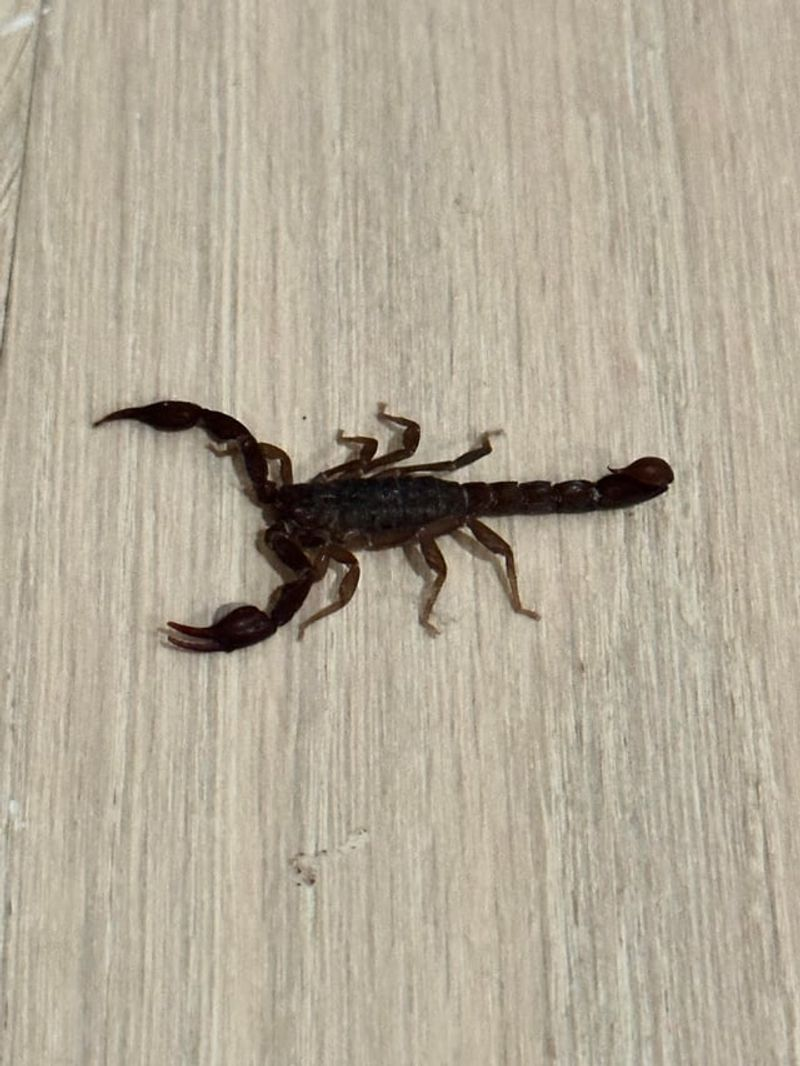
Scorpions are nocturnal, which means warm Texas nights are when they are most active. When nighttime temperatures stay above 70 degrees Fahrenheit for extended stretches, as they often do during a Texas summer, scorpion activity outdoors increases significantly.
They hunt insects, move between shelter spots, and cover more ground during these warm nights than they would during cooler seasons.
Porch lights attract insects, and insects attract scorpions. A well-lit Texas patio on a warm summer night can become a feeding ground, which brings scorpions right up to the exterior walls of your home.
From there, any gap in a door sweep, a crack near a utility line, or an unscreened weep hole becomes a potential entry point for a scorpion that wanders too close.
Switching porch and exterior lights to yellow or amber bulbs, which attract fewer insects, can help reduce the insect activity near your walls at night.
Keeping sliding door tracks clean and free of gaps, checking that window screens fit tightly, and inspecting the area near exterior light fixtures for cracks or openings are all worthwhile steps during warm months.
Texas summers stretch well into September, so warm nights are not just a July problem. Staying consistent with outdoor lighting adjustments and perimeter checks throughout the warm season tends to produce better results than addressing the issue only once.
8. Weather Swings That Make Outdoor Shelter Less Comfortable
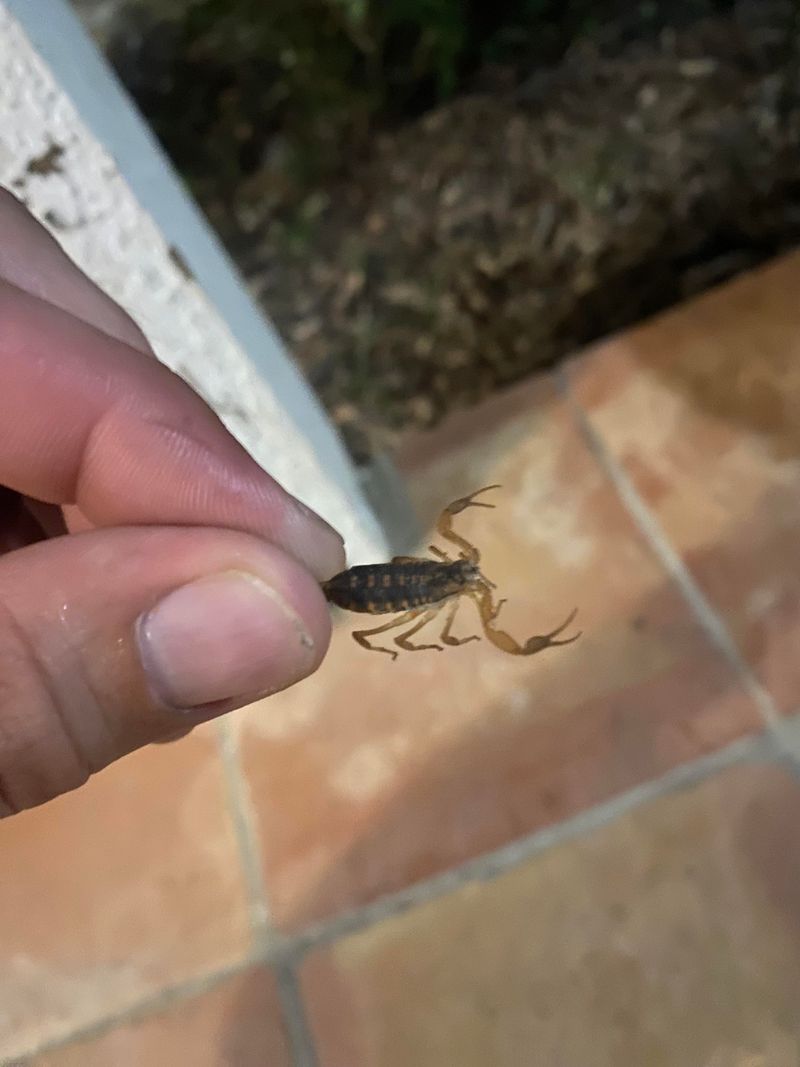
Texas weather has a reputation for changing fast.
A warm week can be followed by a cool front, or a dry stretch can be broken by sudden storms, and those rapid swings in temperature and moisture can disrupt the conditions that scorpions rely on for stable shelter.
When the outdoor environment shifts quickly, scorpions may move more than usual as they try to find spots that offer consistent temperature and humidity.
Foundation edges, garage walls, and the spaces around door frames can provide more stable microclimates than open yard areas during these weather swings.
That stability may make the perimeter of your home more attractive to scorpions that are adjusting to changing outdoor conditions.
This is especially relevant during the transition from spring to summer and from summer into fall, when Texas weather tends to be less predictable.
Inspecting the foundation perimeter after a notable weather change, checking that crawl space vents are screened and intact, and looking along fence lines and garden bed edges for any new scorpion activity can all be useful habits during transitional weather periods.
Sealing entry points before these swings occur, rather than reacting after a scorpion has already been found inside, is a more effective approach.
No prevention method removes all risk, but combining consistent inspections with solid entry-point sealing gives Texas homeowners a practical and reasonable way to reduce indoor encounters year-round.