A Complete Guide To Growing Horseradish Successfully In Michigan
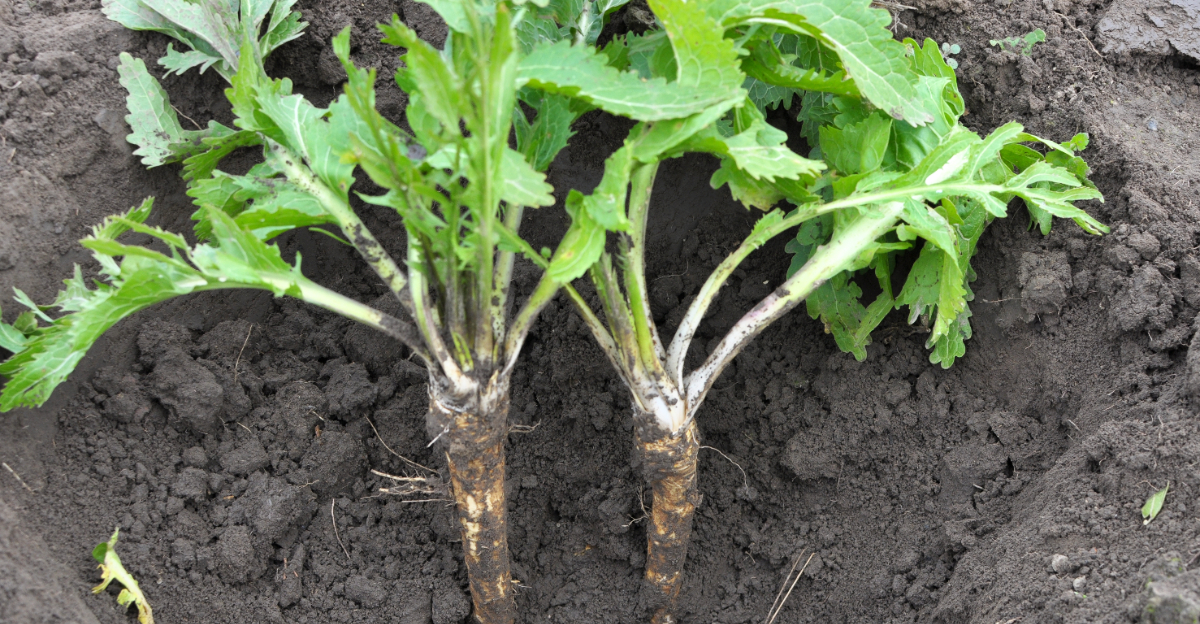
Horseradish is one of those plants that rewards Michigan gardeners generously once it is established and causes real regret if it is planted without understanding what it does once it settles in.
It is cold-hardy, deeply rooted, and enthusiastic about spreading in ways that surprise first-time growers who did not plan for containment from the start. Michigan’s climate is actually very well suited to horseradish production.
The cold winters trigger the dormancy cycle the plant needs, and the summer warmth drives the vigorous root development that makes homegrown horseradish so much more pungent and flavorful than anything available at a grocery store.
Growing it well is mostly a matter of knowing where to put it, how to manage it, and when and how to harvest for the best possible heat and flavor.
1. Choose A Permanent Spot First
Before you even pick up a root piece, think hard about where horseradish will live in your yard. This plant is a tough, hardy perennial, meaning it comes back every single year without you replanting it.
Michigan gardeners often underestimate just how persistent horseradish can be once it settles in.
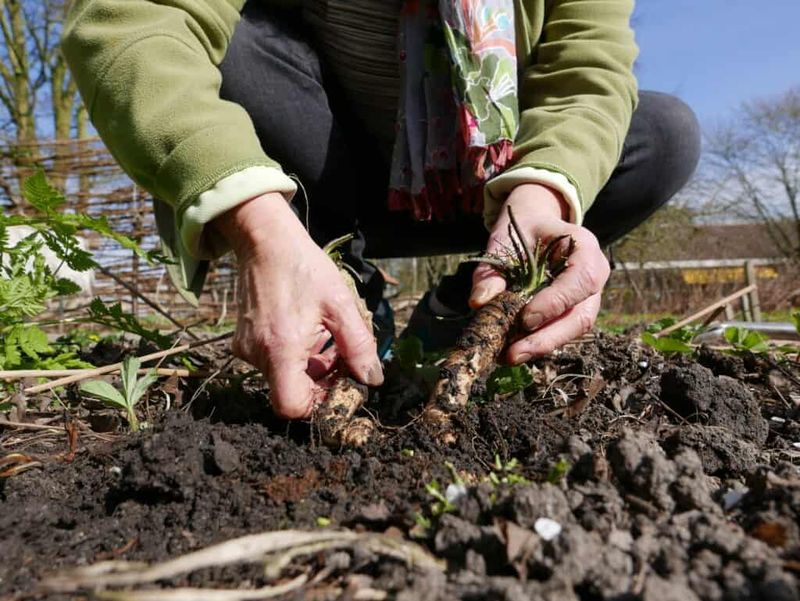
Even tiny root pieces left in the ground after harvest can sprout new plants the following spring. That makes choosing the right spot one of the most important decisions you will make before planting.
You want a location where the plant can stay long-term without causing problems for the rest of your garden.
Avoid placing horseradish in a bed where you rotate delicate vegetables every season. Carrots, lettuce, and other sensitive crops do not enjoy competing with aggressive perennial roots.
A corner of the yard, a dedicated raised section, or the edge of a property line works much better.
Think about sun access, soil depth, and how close the spot is to other garden beds you want to protect. Planning ahead saves a lot of frustration later when you realize the roots have wandered into places you did not expect.
Pick the right permanent home and horseradish will reward you with a reliable harvest year after year without much fuss.
2. Use A Large Container If You Want Control
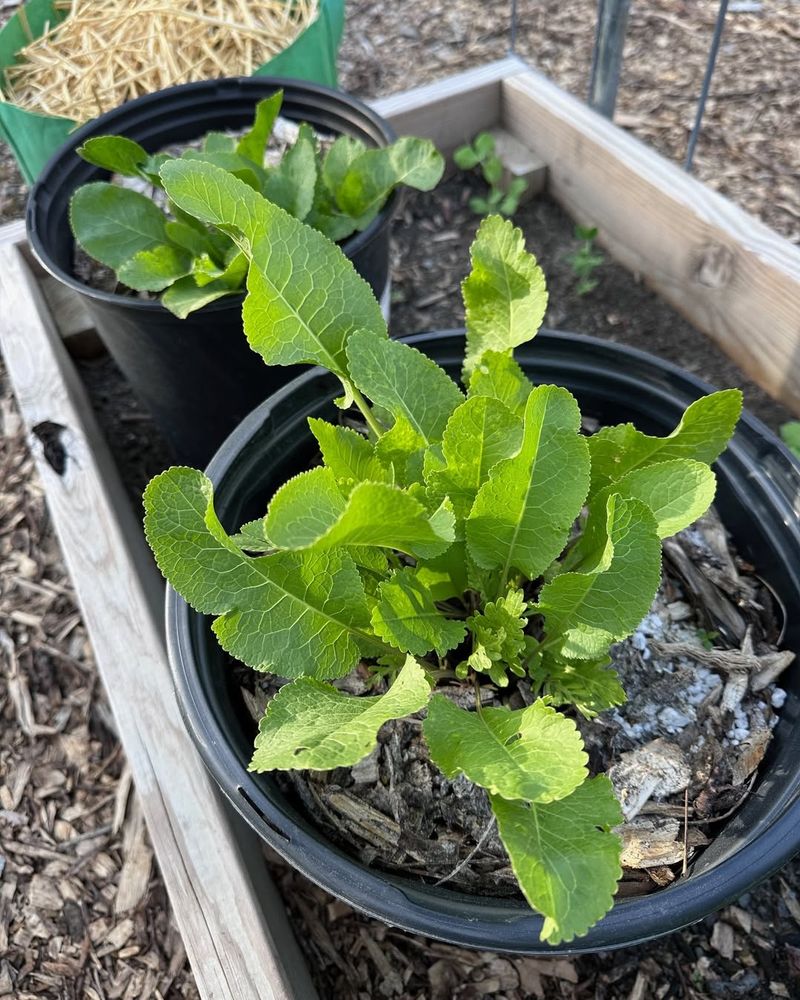
Growing horseradish in a container is honestly one of the smartest moves a home gardener can make. When roots stay confined inside a pot, they cannot wander into vegetable beds or take over sections of the yard you want to keep tidy.
It gives you total control over where the plant grows and how far it spreads.
Choose a container that is at least 18 to 24 inches deep, because horseradish roots grow long and straight down. A wide container also helps, since the plant produces large leafy growth on top that needs a stable base.
Plastic, wood, or heavy-duty fabric pots all work well as long as drainage holes are present. Good drainage is non-negotiable. Roots sitting in waterlogged soil will rot rather than grow thick and healthy.
Fill the container with a mix of quality garden soil and compost for the best results.
Your Michigan Garden Changes Every Week. Your Plan Should Too.
Gardening in Michigan changes quickly throughout the season. Every Friday you’ll receive a simple weekly plan showing exactly what to plant, prune, fertilize, harvest, and protect so you never miss the right timing.
Place the container in a sunny spot on your patio, deck, or yard where it gets at least six hours of light daily. Water it regularly during dry stretches, and you will be surprised how productive a single container can be.
At harvest time, simply tip the container and collect your roots without any digging. It is clean, simple, and highly effective for gardeners who want horseradish without the spreading headache.
3. Give It Full Sun To Partial Shade
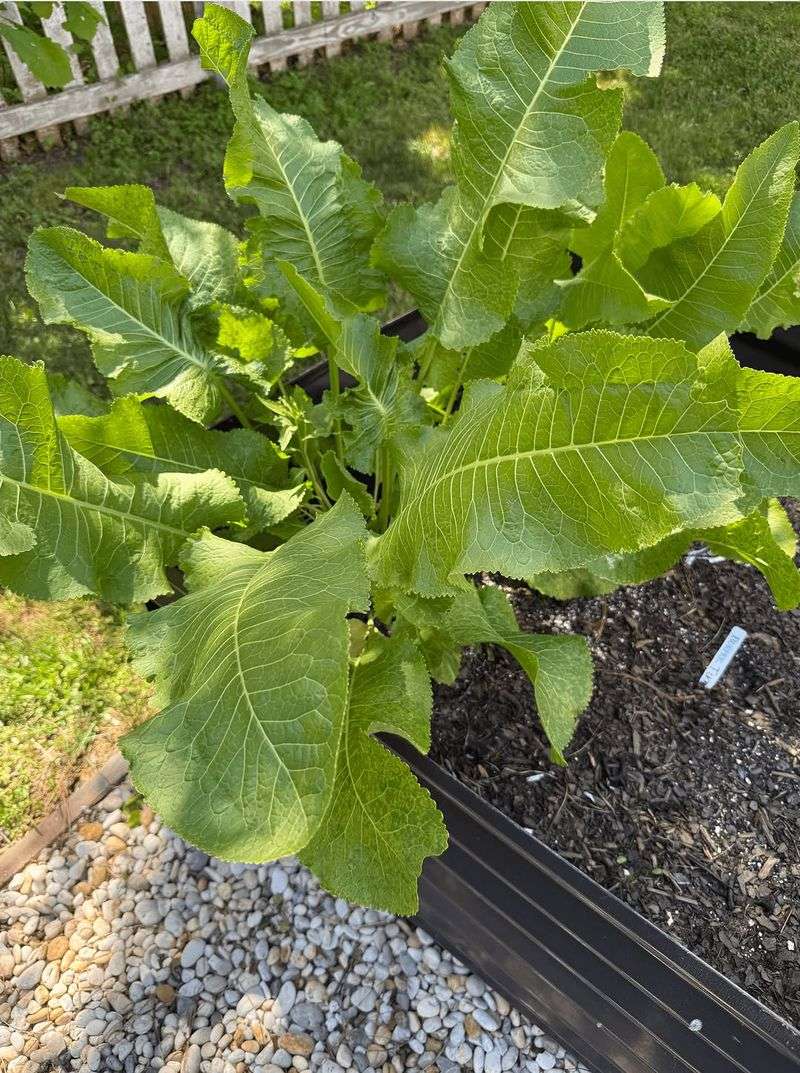
Sunlight is fuel for any garden plant, and horseradish is no exception. It performs best in full sun, which means at least six hours of direct sunlight each day.
Under those bright summer skies, full sun pushes the plant to produce large, lush leaves and thick, well-developed roots that are worth harvesting.
Partial shade can still work if your yard does not offer a fully sunny spot. Areas that receive four to five hours of sun daily can support reasonable horseradish growth, though the roots may not grow quite as large or as quickly.
Many gardeners successfully grow horseradish along the eastern or western side of a fence where morning or afternoon sun reaches the plants.
What you want to avoid is deep shade. Spots under dense tree canopies or against north-facing walls where sunlight barely reaches will produce weak, spindly plants with thin roots that are hardly worth harvesting.
The plant needs light to build energy and push growth downward into the soil. If your garden has a mix of sun and shade throughout the day, watch how the light moves across the space before choosing a planting location.
Morning sun with some afternoon shade is often a comfortable middle ground for horseradish in Michigan.
Prioritize the sunniest available spot and the plant will respond with noticeably stronger growth all season long.
4. Add Compost Before Planting
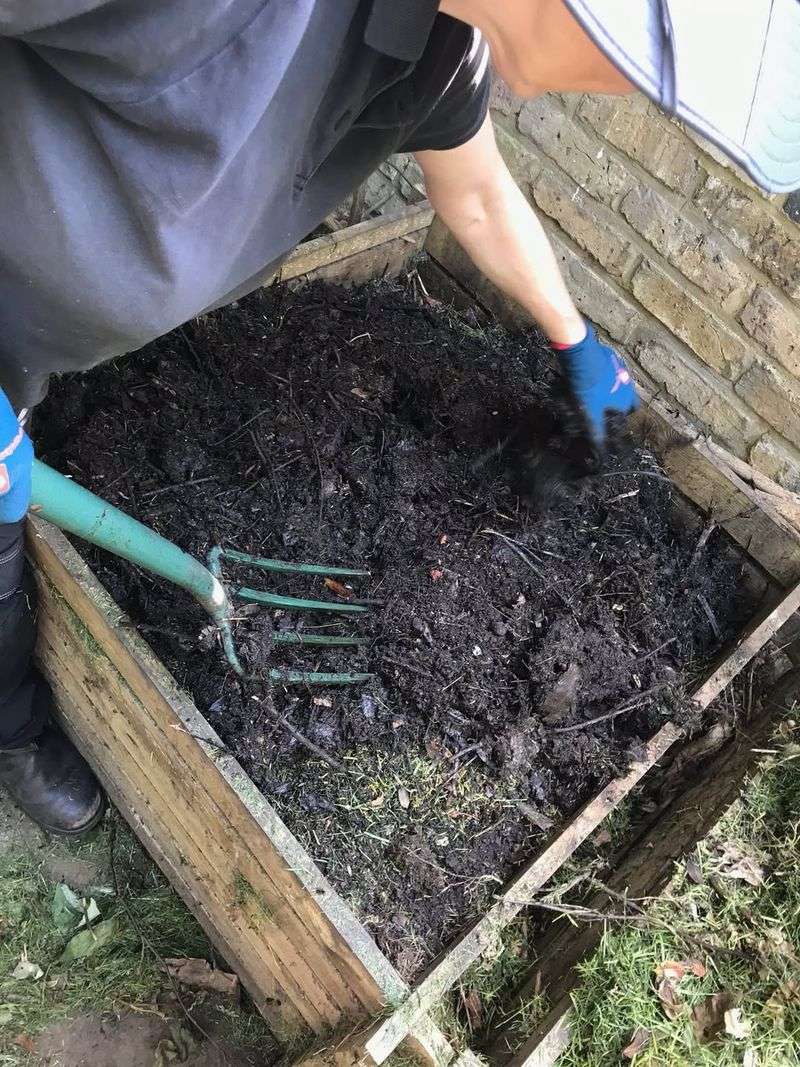
Compost is one of the best gifts you can give your horseradish bed before the roots ever go in the ground. Working a generous layer of finished compost into the top 12 inches of soil improves almost every aspect of the growing environment.
It loosens heavy clay soils, improves drainage, and adds a slow, steady supply of nutrients that roots can draw from all season long.
Michigan gardeners dealing with heavy clay in their yards will especially appreciate what compost can do. Clay holds moisture well but drains poorly and can become rock-hard when dry.
Adding compost opens up the texture, creating the kind of loose, crumbly soil that horseradish roots absolutely love to grow through.
Aim for two to four inches of compost worked thoroughly into the planting area before you settle the root sets in place. Homemade compost, aged manure, or bagged compost from a garden center all work well.
Avoid fresh manure, which can burn young roots and introduce unwanted pathogens into the soil.
Keep in mind that while fertility matters, drainage matters just as much. Soil that holds moisture without becoming waterlogged is the sweet spot for strong root development.
Rich, well-draining soil creates the ideal foundation for horseradish to establish quickly, grow vigorously through summers, and deliver a satisfying harvest come fall.
5. Plant Root Sets At An Angle
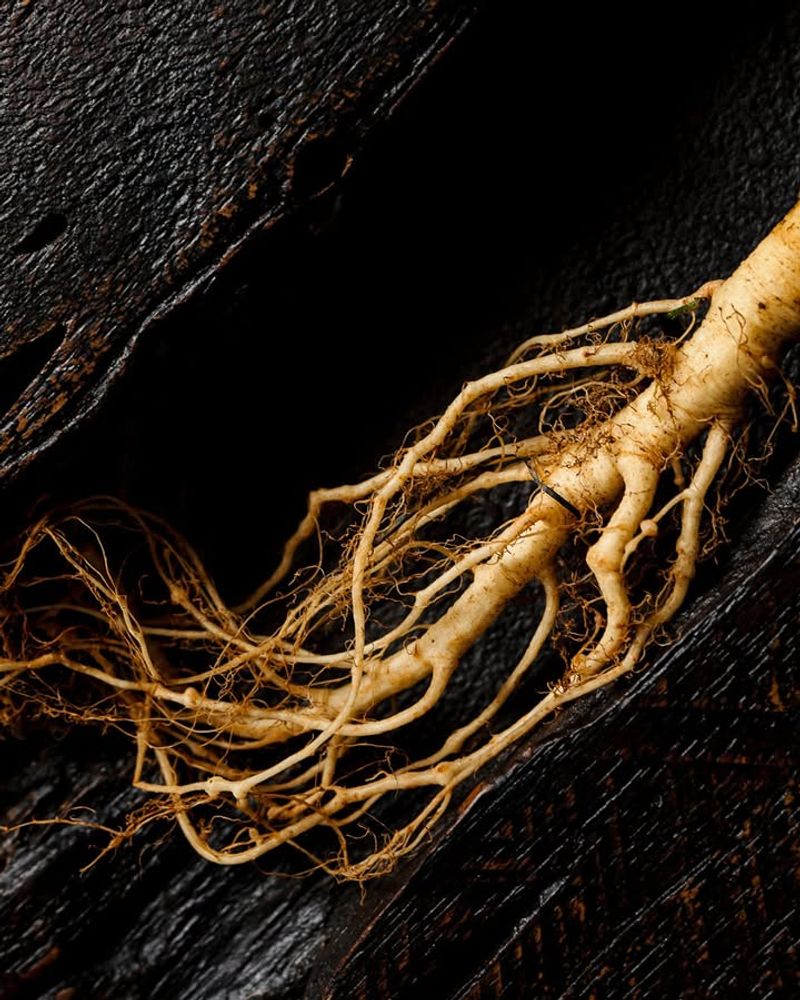
Planting technique matters more than most gardeners expect, and horseradish has a specific method that gives the best results. Rather than placing root sets straight up and down, you want to angle them at about 45 degrees in the soil.
This simple trick helps the root settle naturally and encourages strong, even growth from the very beginning of the season.
Position the top of the root set roughly two inches below the soil line. The wider, smoother end of the root piece is typically the top, while the narrower, more tapered end points downward.
Getting this orientation right ensures the plant sends shoots upward toward the light and roots deeper into the soil where they belong.
Why does the angle matter? Planting at a slant rather than straight down has been shown to produce better lateral root development, which means more harvestable root material at the end of the season.
Many experienced growers swear by this method and notice a clear difference in root quality compared to straight planting.
After placing the root set at the correct angle, firm the soil gently around it and water the area thoroughly. Mark the spot with a stake so you remember where it is during the first few weeks before leafy growth appears.
Proper planting technique from day one puts your horseradish on the fastest possible path to a strong, productive growing season.
6. Space Plants Eighteen To Twenty-Four Inches Apart
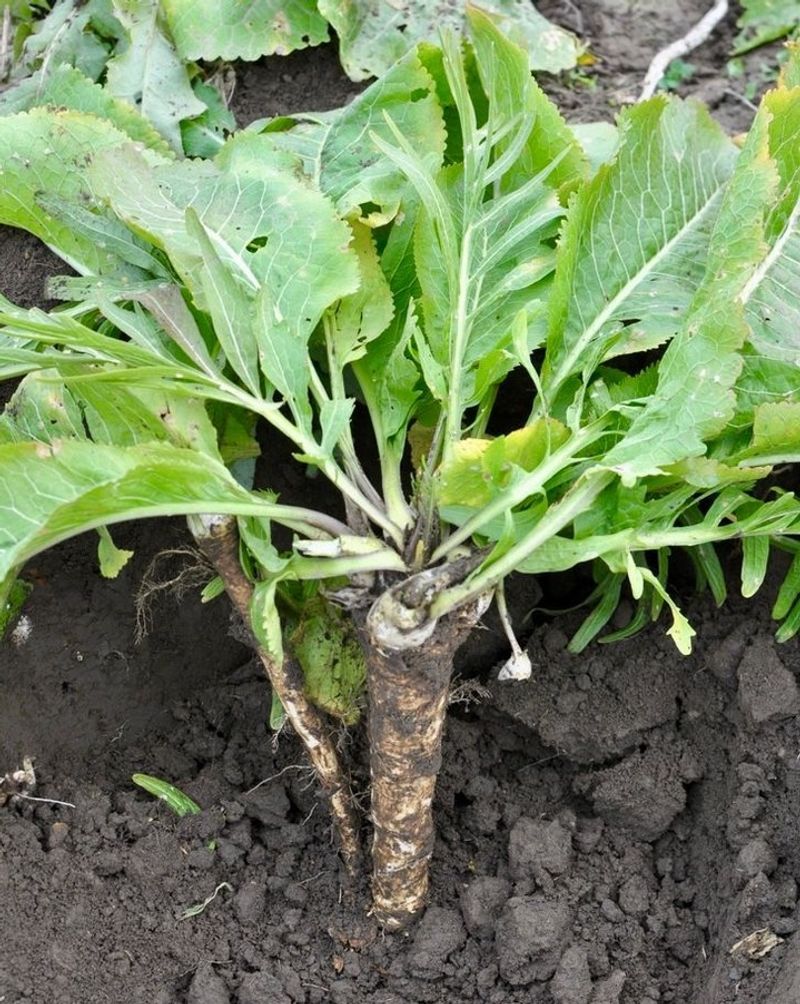
Horseradish is not a small plant. By midsummer, each one produces a bold cluster of large, dark green leaves that can spread two feet or more in all directions.
Giving each plant enough room from the start makes a real difference in how well the roots develop and how easy the garden is to manage through the season.
Space individual plants eighteen to twenty-four inches apart in all directions. If you are planting multiple rows, keep rows at least two to three feet apart so you can walk between them comfortably for weeding, watering, and eventual harvest.
Tight spacing creates competition for water and nutrients, and it also makes digging up roots at harvest time much more difficult and frustrating.
Wider spacing also improves air circulation around the leaves, which helps reduce the risk of fungal issues during humid summer stretches. Good airflow is a quiet but important factor in keeping plants healthy and productive all season long.
If you are working with a container garden, stick to one plant per large pot. Trying to squeeze two plants into a single container almost always results in crowded, stunted roots that disappoint at harvest time.
Whether you are planting in the ground or in containers, giving horseradish the room it needs is one of the simplest ways to guarantee a more rewarding and productive Michigan growing season.
7. Keep Soil Evenly Moist
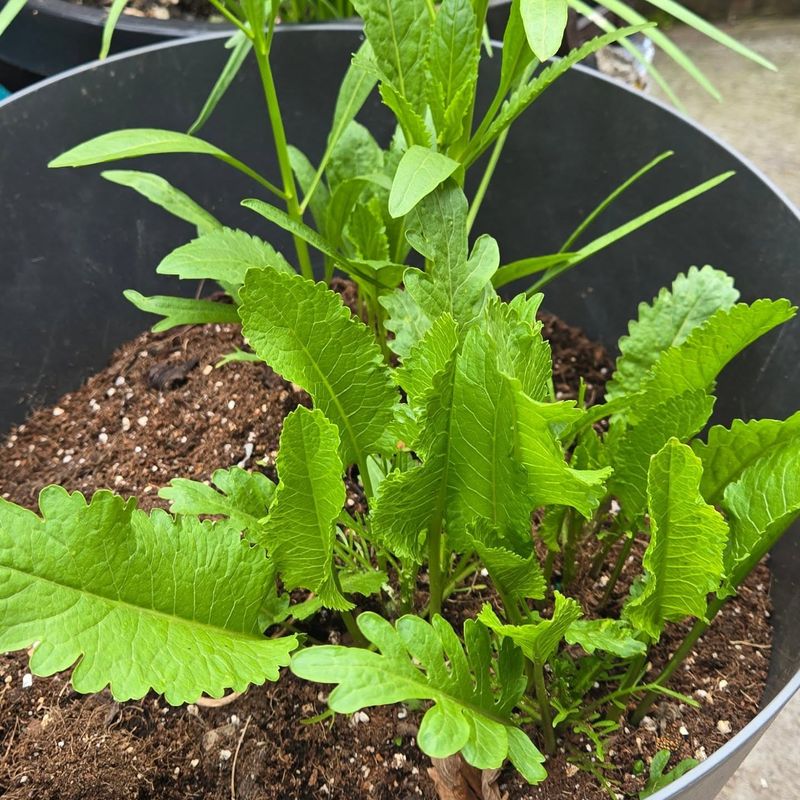
Water is the quiet engine behind every strong horseradish root. Consistent moisture throughout the growing season keeps the roots expanding steadily rather than stalling during dry stretches.
Michigan summers can bring weeks of dry weather, especially in July and August, and those are exactly the moments when your watering routine matters most.
Aim to keep the soil evenly moist but never soggy. Horseradish roots need both water and air in the soil to grow properly.
Waterlogged conditions suffocate roots and invite rot, which can ruin an otherwise healthy plant. The goal is a soil texture that feels damp when you press your finger an inch or two below the surface, not muddy or dripping.
Deep, infrequent watering works better than shallow daily sprinkles. When you water deeply, moisture reaches further down into the soil where the roots are actively growing.
Shallow watering encourages roots to stay near the surface, which limits their size and makes them more vulnerable during dry spells.
A soaker hose or drip irrigation system works beautifully for horseradish because it delivers water directly to the root zone without wetting the leaves. Wet foliage over long periods can encourage fungal problems during humid seasons.
Set up a consistent watering schedule, check soil moisture regularly, and your horseradish roots will grow thick, straight, and deeply satisfying come harvest time.
8. Dig Deep To Get The Main Roots
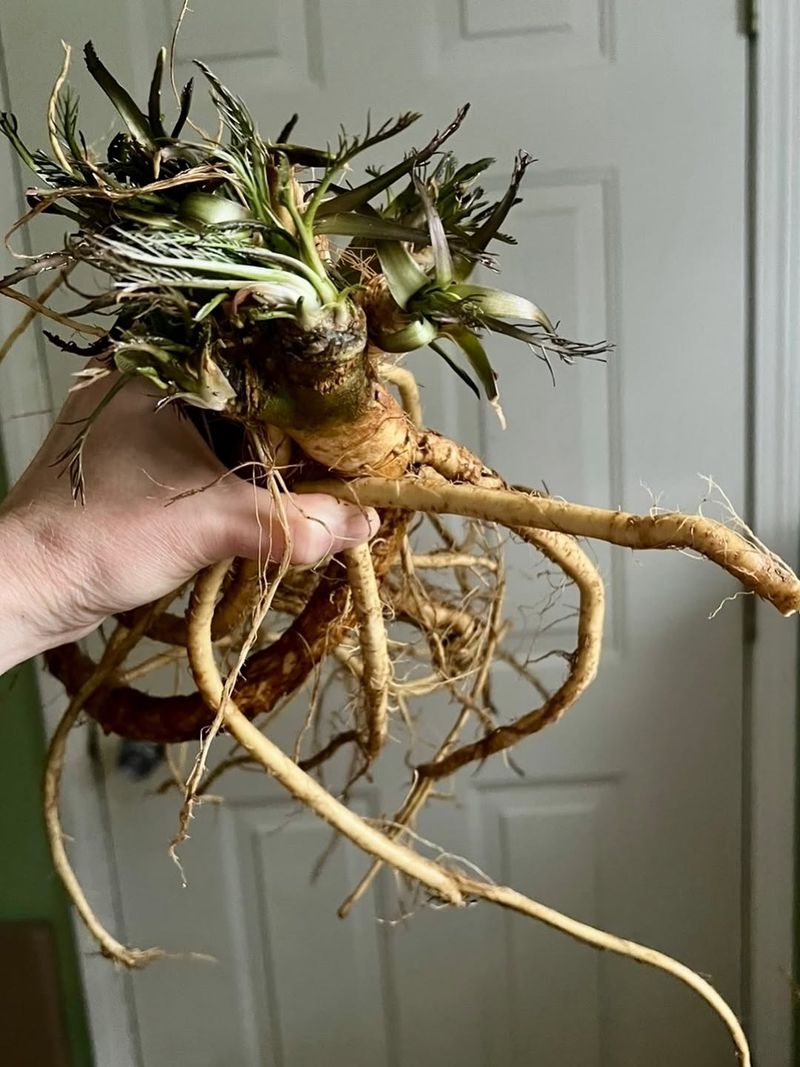
Horseradish roots are stubborn in the best possible way. They grow deep, sometimes pushing 18 inches or more straight down into the soil, and they are not going to come out easily if you just grab the leaves and pull.
The right approach is patience and the right tool, and a sturdy garden fork or long-handled spade is your best friend at harvest time.
Start by working the fork or spade into the soil several inches away from the crown of the plant. Push it deep, at least 12 to 15 inches if possible, and work it back and forth to loosen the surrounding earth before you try to lift anything.
This breaks the soil’s grip on the roots and prevents them from snapping off deep underground where you cannot reach them.
Work your way around the plant in a circle, loosening from multiple angles before attempting to lift the root mass. Once the soil is loose enough, you can gently lever the crown upward and pull the main roots free.
The thick central roots are the real prize, packed with flavor and ideal for grating fresh in the kitchen.
Do not be discouraged if a few root pieces break off and stay in the ground. That is normal with horseradish.
Just be intentional about which pieces you leave behind, because anything remaining in the soil will sprout again next spring and continue your Michigan horseradish patch without any extra effort on your part.
9. Handle Fresh Horseradish Carefully In The Kitchen
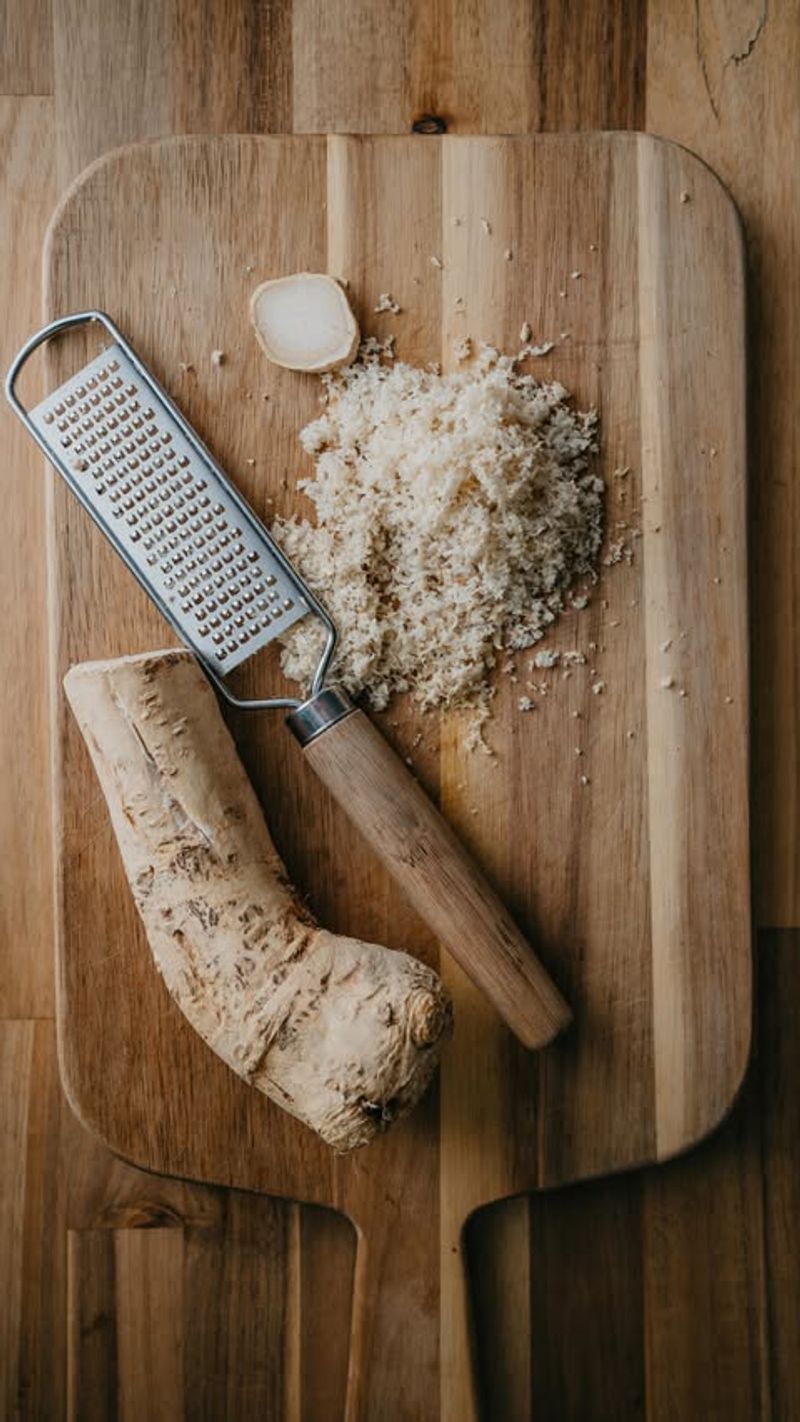
Fresh horseradish straight from your garden is a completely different experience from anything you buy in a jar at the grocery store.
The heat is sharper, the aroma is stronger, and the flavor is more alive in a way that is hard to describe until you taste it.
That intensity, however, means you need to handle it with a little respect when you bring it into the kitchen. Always grate horseradish in a well-ventilated space.
Open a window or turn on a kitchen fan before you start. The moment you cut into horseradish, its powerful volatile compounds release, making your eyes water and nose tingle within seconds.
Working near fresh air makes the whole process much more comfortable. Grate only what you need for immediate use, since freshly grated horseradish loses its punch quickly once exposed to air.
If you want to store it, mix the grated root immediately with a small amount of white vinegar, which stops the enzymatic reaction and locks in the flavor.
Store prepared horseradish in a sealed glass jar in the refrigerator for up to two weeks.
The best Michigan horseradish plan is refreshingly straightforward: plant early, contain the roots when possible, build deep loose soil, water through dry spells, harvest in fall, and manage every root piece with intention.
Follow those steps and you will have a thriving, flavorful horseradish patch that keeps delivering season after season.