Try These 8 Strategies When Delaware Summer Heat And Water Scarcity Peak
Delaware gardens live on borrowed time once July arrives. One week your roses look great. The next, clay soil locks up, the hose feels pointless, and tomatoes are wilting by noon.
This state cooks differently than most. The humidity tricks you into thinking relief is coming, and then temperatures push past 95°F and stay there.
Most gardeners react too late. They water more, lose more, and wonder why the plants keep struggling.
The real problem is not the heat itself. It is the gap between what your soil holds and what your plants actually need during the worst weeks of a Delaware summer.
These strategies can close that gap. Some change how you water. Some change when. A few will feel counterintuitive until you see the results.
None of them require expensive equipment or a complete garden overhaul, just a smarter approach before the next heat wave finds your yard unprepared.
1. Mulch Beds Deeply To Retain Soil Moisture
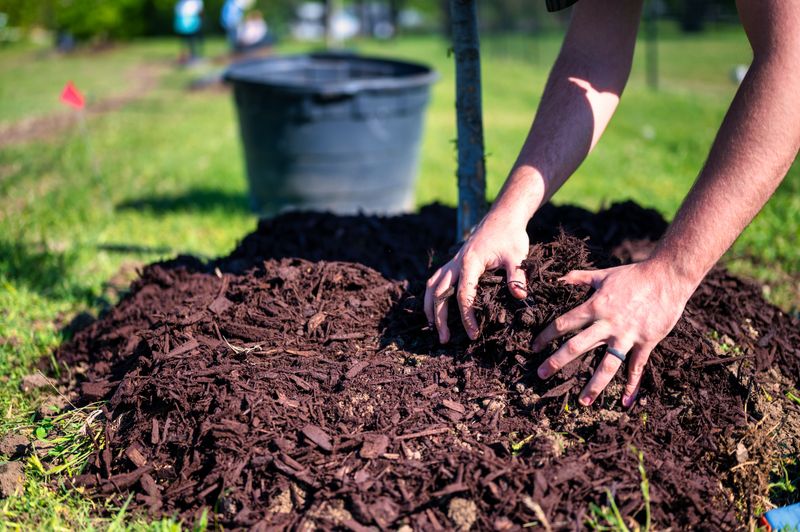
Picture crouching down and pressing your hand into cool, damp soil on a scorching July afternoon. That is the magic of mulch, and it works harder than most gardeners expect.
Spreading a thick layer of organic mulch around your plants slows evaporation dramatically. Bare soil loses moisture fast under direct sun, but mulch acts like a blanket that keeps water locked in.
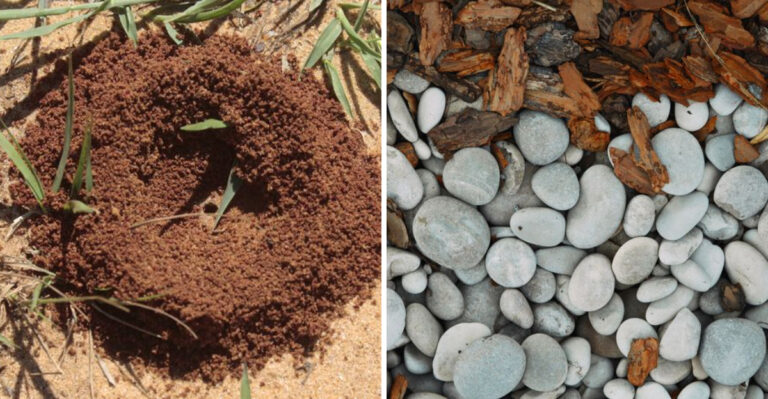
Aim for three to four inches of wood chips, straw, or shredded bark. Going thinner than two inches leaves soil exposed and vulnerable to rapid drying.
Pull the mulch slightly away from plant stems to prevent rot. That small gap keeps airflow healthy while still protecting the root zone below.
Pine bark and shredded hardwood are popular choices at Delaware garden centers. Both break down slowly, feeding the soil while holding moisture through the hottest weeks.
Refreshing your mulch layer mid-season is a smart move if you notice it thinning out. Summer rain and foot traffic can compress and scatter it over time.
Freshly mulched beds also suppress weeds, which compete with your plants for every precious drop of water. Fewer weeds mean more moisture stays where your roots actually need it.
When Delaware summer heat and water scarcity peak together, mulch is your cheapest and most effective defense. A single afternoon of spreading it can protect your entire garden for weeks.
2. Water Early Morning Before Heat Peaks
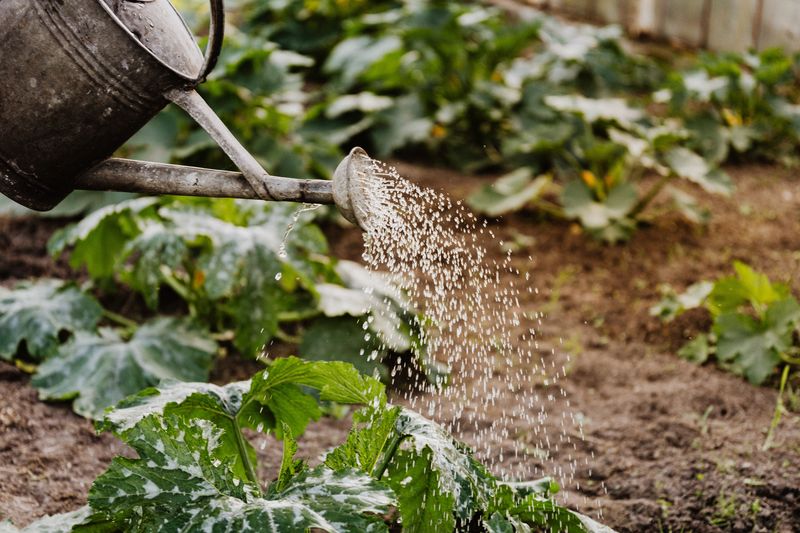
Set your alarm a little earlier because your garden is already awake at dawn. Morning watering is one of the simplest shifts you can make with the biggest payoff.
When you water in the early hours, soil absorbs moisture before the sun cranks up intensity. Less evaporation means every gallon you use actually reaches plant roots.
Afternoon watering is a common mistake that wastes both water and effort. The midday sun pulls moisture off the surface before roots get a fair chance to drink.
Evening watering is slightly better than afternoon, but it leaves foliage damp overnight. Wet leaves in the dark create conditions where mold and fungal problems spread quickly.
Your Delaware Garden Changes Every Week. Your Plan Should Too.
Gardening in Delaware changes quickly throughout the season. Every Friday you’ll receive a simple weekly plan showing exactly what to plant, prune, fertilize, harvest, and protect so you never miss the right timing.
Morning watering lets leaves dry naturally as temperatures rise through the day. That drying process keeps plants healthier and reduces disease pressure during humid Delaware summers.
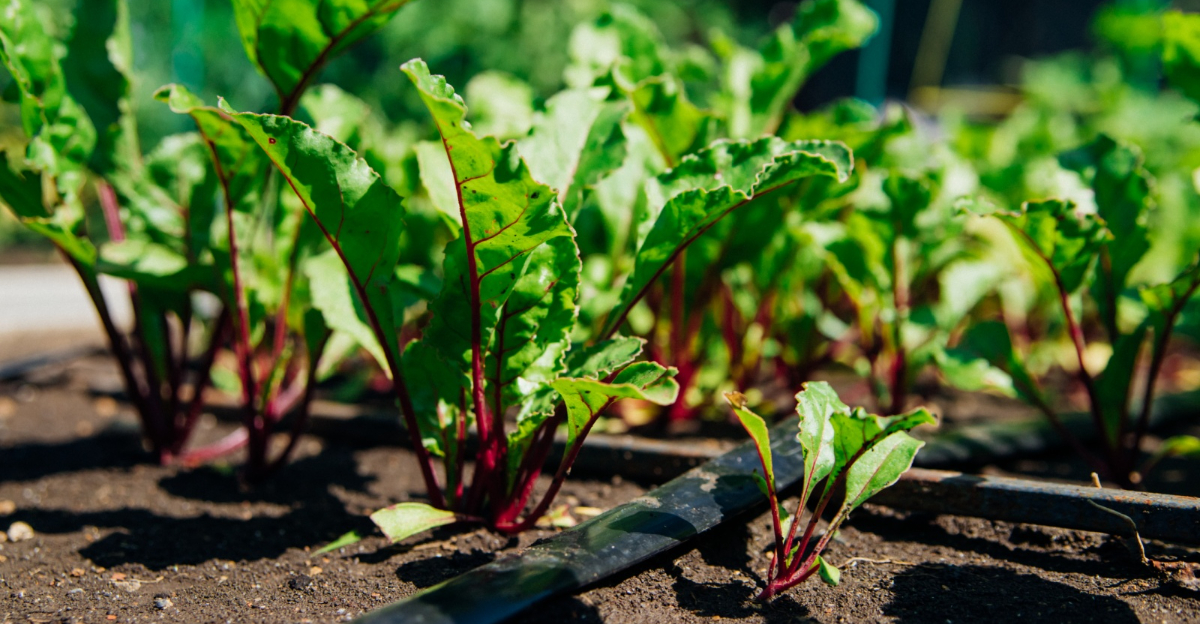
A soaker hose or drip irrigation system makes morning routines even easier. Set a timer and let the system run while you enjoy your coffee inside.
Deep, slow watering at the root zone beats a quick surface spray every time. Roots chase moisture downward when you water deeply, making plants more drought-tolerant over time.
Consistency matters more than volume when you are working through a dry stretch. Watering at the same time each morning trains roots and keeps soil conditions predictably stable.
When Delaware summer heat and water scarcity peak, your early alarm becomes your garden’s best friend. Rise early, water smart, and watch your plants reward the effort.
3. Group Thirsty Plants Together For Efficient Irrigation
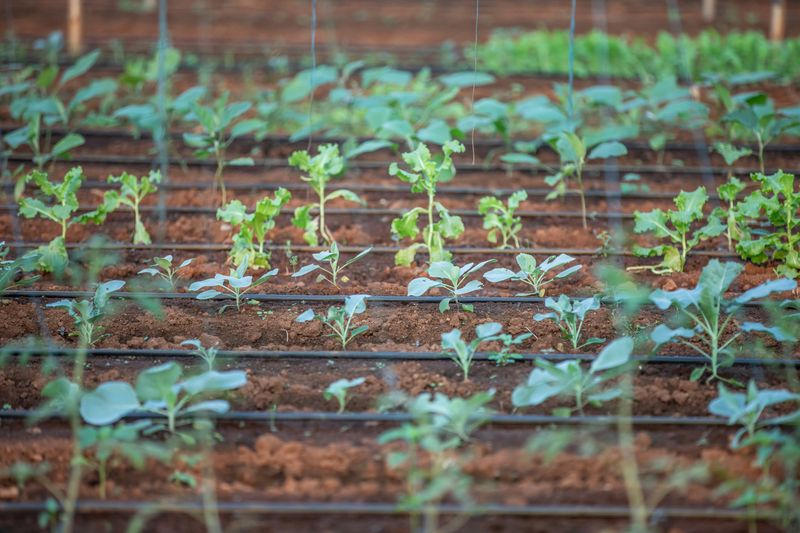
Not every plant in your garden drinks at the same pace, and treating them all the same wastes serious water. Grouping plants by their moisture needs is a game-changer for summer efficiency.
Water-loving plants like tomatoes, cucumbers, and basil placed together allow you to soak one zone deeply. Drought-tolerant herbs and natives in a separate zone need far less attention from the hose.
This approach is called hydrozoning, and professional landscapers swear by it. Home gardeners who adopt it frequently report noticeable reductions in outdoor water use within one season.
Mixing thirsty plants with drought-tolerant ones creates an impossible balancing act. Either the water-lovers suffer or the tougher plants get overwatered and develop root problems.
Start by making a simple sketch of your yard and labeling each plant’s water needs. High, medium, and low categories are enough to build a smarter watering plan.
Container plants can join this system too by clustering pots on a single drip line. Grouping pots also creates a microclimate that slightly reduces moisture loss from each individual container.
When you irrigate a tight group of thirsty plants, runoff is minimal and absorption is efficient. Water goes exactly where it is needed without spreading across dry paths or lawn areas.
Reorganizing your garden layout takes one weekend of planning and planting. The payoff lasts the entire season and makes every watering session faster and more effective through peak heat.
4. Trim Back Overgrown Stems To Reduce Water Demand
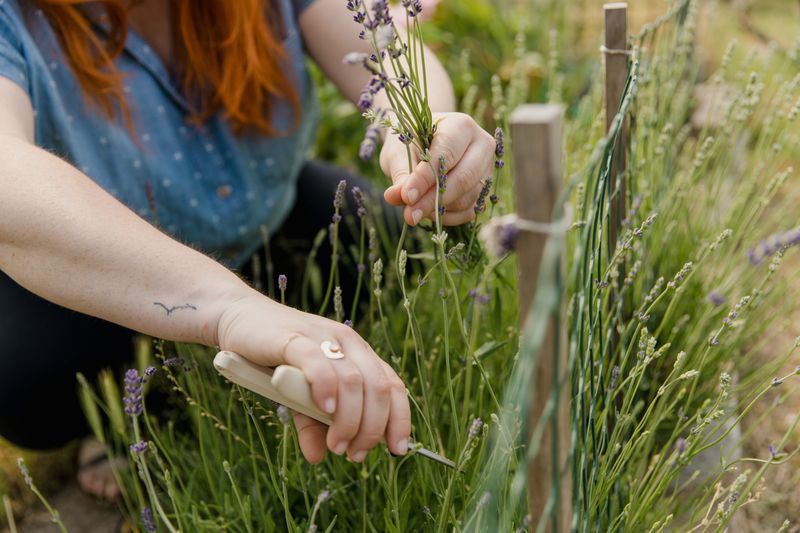
Overgrown plants look lush, but they are quietly increasing your water demand faster than you realize. More leaf surface means more moisture lost through a process called transpiration.
Pruning during summer drought is a counterintuitive but powerful strategy. Cutting back excess growth reduces how much water a plant needs to sustain itself each day.
Focus on removing spent or yellowing stems first since those are pulling resources without giving anything back. Healthy green growth can stay, but sprawling excess stems are fair game for the shears.
Tomato suckers are a classic example of growth that quietly increases water demand. Pinching them off keeps the plant focused on fruiting rather than growing more foliage to feed.
Shrubs and perennials benefit from a light trim that removes leggy, soft growth. Reducing their canopy size lowers the total surface area losing moisture to summer air.
Always use clean, sharp tools when pruning in hot weather. Dull blades crush stems rather than cutting cleanly, and that damage invites stress and disease during already tough conditions.
Avoid heavy pruning during the absolute peak of a heat wave. Wait for a slightly cooler morning and trim conservatively so the plant is not shocked while already stressed.
Think of pruning as putting your plant on a budget. Fewer stems mean fewer expenses, and your garden gets to stretch its water supply much further through the dry stretch ahead.
5. Shade Newly Planted Seedlings From Afternoon Sun
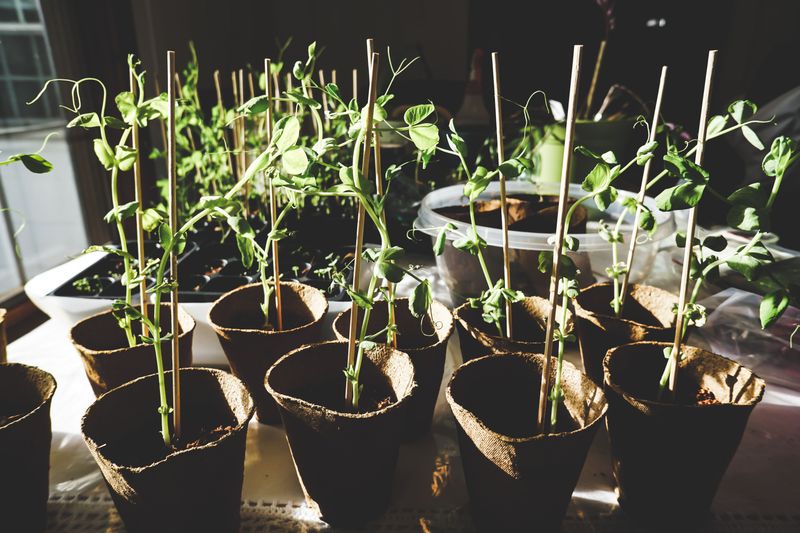
Fresh seedlings are the most vulnerable members of your garden during a heat wave. They have not built the root systems needed to pull water fast enough when afternoon sun is at its most intense.
A simple shade cloth draped over young plants can drop soil temperature by ten degrees or more. That temperature difference is often the gap between a seedling that survives and one that wilts permanently.
Shade cloth comes in different percentages, typically 30 to 50 percent light reduction for vegetables. A 30 percent cloth is usually enough to take the edge off without stunting growth from lack of light.
You can also use repurposed materials like old bed sheets or lightweight row cover fabric. Prop them up with stakes or hoops so the fabric does not rest directly on tender leaves.
Afternoon shade matters most because that is when sun angle and heat combine for maximum intensity. Morning sun is gentler and actually helps seedlings photosynthesize without the scorching risk.
Remove shade protection on cloudy days so plants still get the light they need to grow. Consistent partial shading, rather than constant full shade, produces the strongest transplants.
Transplanting seedlings in the evening instead of midday gives them overnight recovery time. Roots settle into new soil during cooler hours, and plants arrive at morning light in much better shape.
Protecting new seedlings is an investment in your future harvest. A little afternoon shade now means a full, productive plant ready to deliver all summer long.
6. Avoid Fertilizing During Drought To Protect Root Health
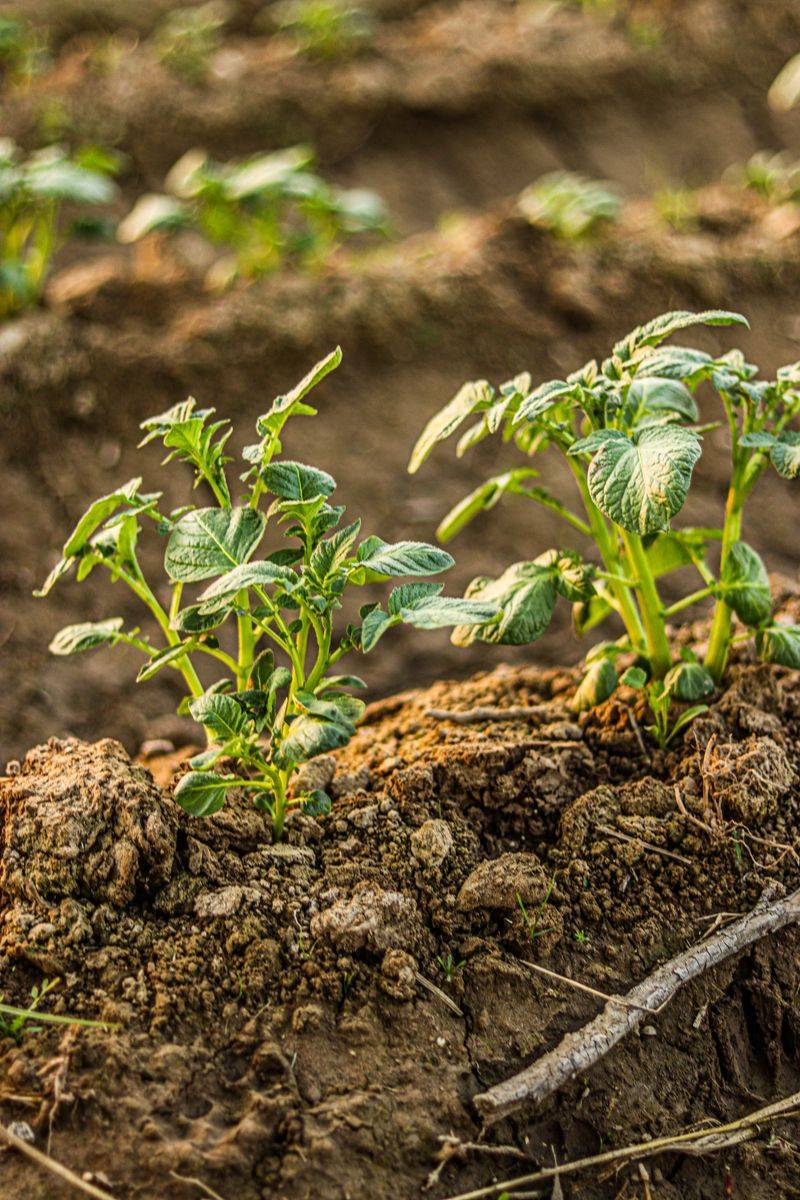
Fertilizer during a drought sounds helpful, but it can turn into one of the fastest ways to damage your plants.
Concentrated nutrients in dry soil create a chemical imbalance, known as osmotic stress, that pulls moisture away from roots.
Plants already struggling with heat do not have the reserves to recover from that kind of added pressure.
Granular fertilizers are especially risky when soil moisture is low. The salts in those granules need water to dilute safely, and without it, they sit against roots and cause lasting damage.
Liquid fertilizers are slightly gentler but still carry risk during extreme dry spells. Even diluted formulas can tip the balance when roots are already working overtime just to survive.
Hold off on any feeding program until your plants have consistent moisture again. Resuming fertilizer after a good rain or thorough watering gives roots the buffer they need to absorb nutrients safely.
Compost is the one exception worth mentioning here. A thin layer of finished compost around plant bases adds gentle, slow-release nutrition without the salt content that causes burn.
Healthy soil built with organic matter over time actually reduces the need for heavy feeding. Plants in rich, biologically active soil handle drought and nutrient cycles much more gracefully.
Patience is a real garden strategy, not just a platitude. Skipping fertilizer during the toughest weeks protects your plants and sets them up to thrive once conditions improve.
7. Check Soil Moisture Before Reaching For The Hose
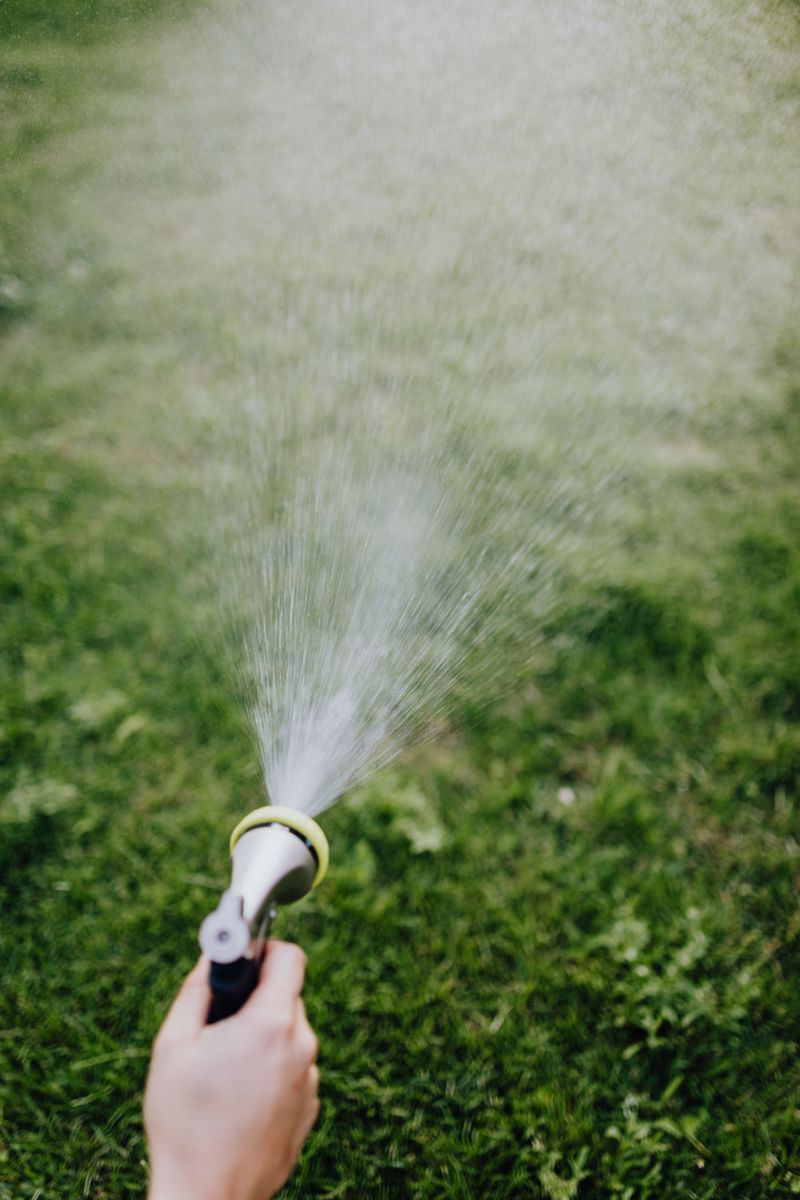
Most gardeners overwater, and they do it with the best intentions. Seeing a droopy plant on a hot afternoon triggers an instinct to water, but sometimes that droop is temporary and not a sign of thirst.
Plants naturally wilt slightly during peak afternoon heat as a self-protective response. They bounce back on their own once temperatures drop in the evening, no extra water needed.
Before grabbing the hose, stick your finger two inches into the soil near the plant base. If it feels damp at that depth, the plant does not need water yet regardless of how it looks above ground.
A wooden chopstick or simple soil moisture meter works just as well as your finger. Pull it out and check for clinging soil or a damp tip, and let that reading guide your decision.
Overwatering during summer heat causes root rot, which is far harder to fix than underwatering. Roots sitting in waterlogged soil suffocate and become vulnerable to fungal infections fast.
Sandy soils common in some Delaware areas drain quickly and may need more frequent checks. Clay-heavy soils hold moisture longer, so plants in those beds often need less water than you expect.
Building a habit of checking before watering takes about ten seconds per plant. That small pause prevents thousands of gallons of wasted water over an entire summer season.
When Delaware summer heat and water scarcity peak, every drop counts. Checking soil moisture first turns you from a reactive waterer into a genuinely strategic one.
8. Harvest Vegetables Promptly To Keep Plants Productive
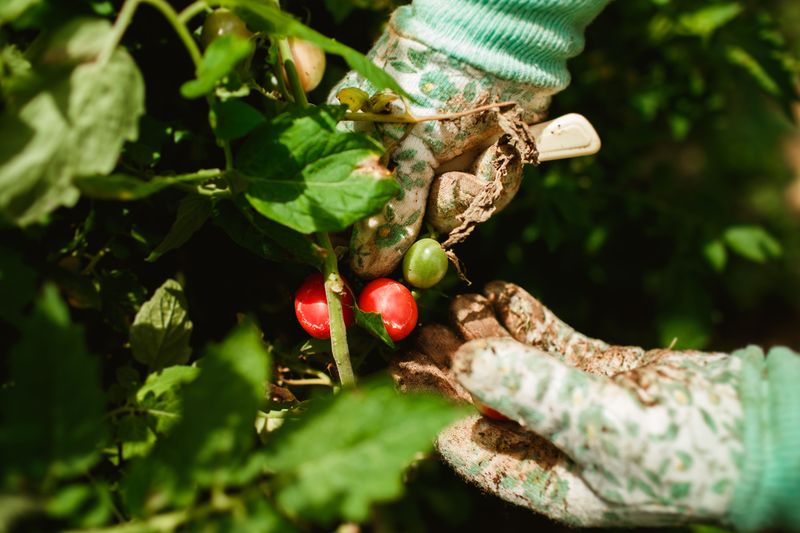
Leaving ripe vegetables on the vine feels harmless, but it quietly signals the plant to slow down production. Once a plant senses it has achieved its reproductive goal, it redirects energy away from making new fruit.
Picking promptly keeps the plant in active production mode all season long. Regular harvesting tells the plant its job is not done yet, and it keeps flowering and fruiting in response.
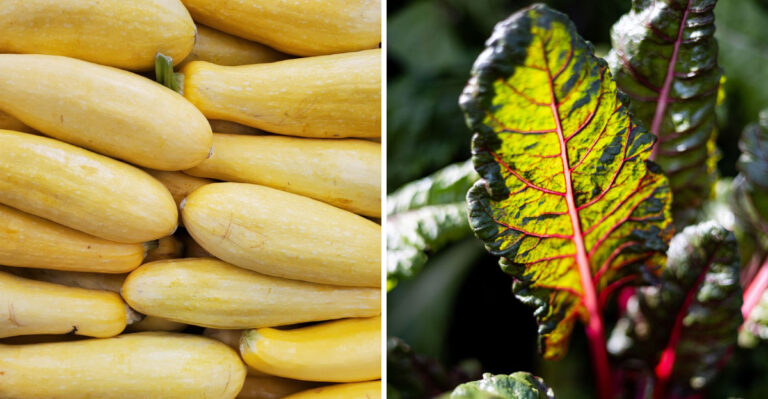
During water-scarce summers, this matters even more because every bit of plant energy is precious. A zucchini left to grow oversized and past its prime is pulling resources that could feed a dozen smaller fruits.
Check your garden every one to two days during peak season. Summer heat speeds up ripening dramatically, and what was a small green tomato Monday can be overripe and splitting by Thursday.
Beans and cucumbers are especially fast producers that need frequent harvesting to stay ahead of the curve.
Miss a few days and you will find tough, seedy pods that signal the plant has completed its reproductive cycle.
Overripe fruit left on the plant also attracts pests and disease pressure. Removing it promptly keeps the garden cleaner and reduces stress on plants already coping with heat and limited moisture.
Harvesting in the cool of early morning is easier on both you and the plant. Produce picked before heat peaks stays fresher longer and the plant experiences less stress during the process.
When Delaware summer heat and water scarcity peak together, a harvested garden is a thriving one. Pick often, pick early, and let your plants keep doing their best work all season.