What Nevada Gardeners Know About Thriving In June That Every New Homeowner Should Learn Immediately
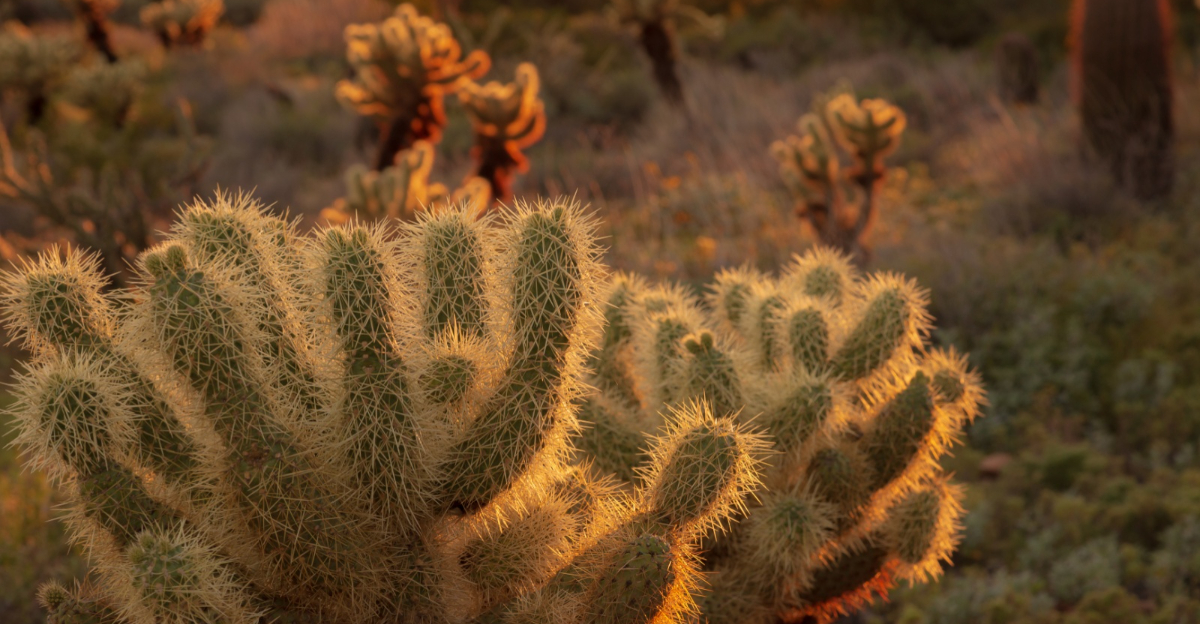
Nevada soil does not ease you in. It bakes, it cracks, it pulls moisture out of leaves before noon and asks no permission.
Move here from anywhere with a reasonable summer and your gardening instincts become a liability. The timing is wrong. The plants are wrong.
Even the watering schedule you swore by will quietly stop working. June is where new homeowners learn this the hard way.
Usually kneeling over something brown that was green three days ago. But locals have been quietly cracking this code for years.
Their approach looks almost effortless once you understand the logic behind it. They water at strange hours.
They grow things that sound unfamiliar, and mulch like their lives depend on it. Turns out, in a Nevada June, those plants’ lives do.
What follows is practical knowledge that does not show up in general gardening resources. Because those resources were not written for this particular kind of heat.
Nevada’s Unforgiving June Climate Explains Why New Homeowners Struggle
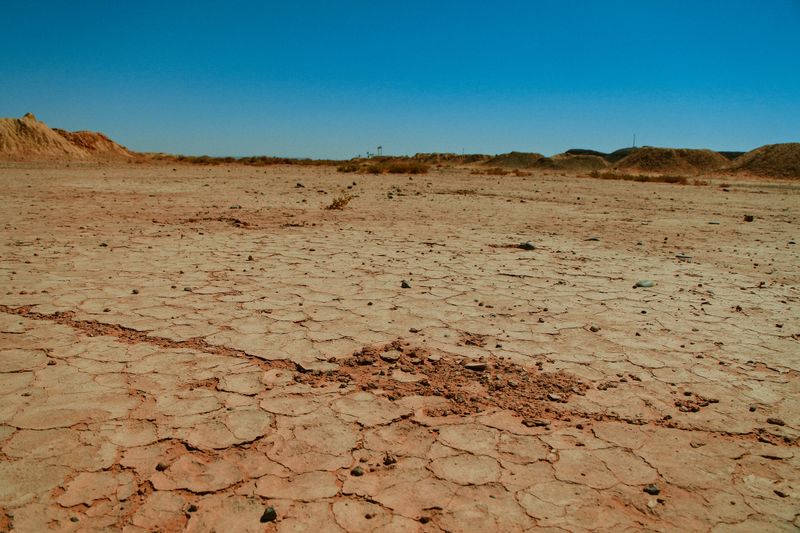
The ground feels like a brick oven by 8 a.m. Nevada’s June climate is not just warm, it is consistently and severely hot in ways that catch newcomers off guard.
Temperatures regularly climb past 105 degrees Fahrenheit across Las Vegas and Henderson, while Reno sees its own punishing heat, typically reaching the mid-90s to low 100s in June.
The air carries almost no humidity, which means moisture vanishes from soil faster than you can imagine. New homeowners often assume their plants wilted because of a missed watering.
The real problem is usually a combination of intense UV radiation, reflected heat from concrete, and overnight temps that barely drop.
Standard gardening advice from other states does not apply here. A plant that thrives in Georgia summers may collapse within days under a Nevada June sky.
Understanding the local climate is the first step every smart Nevada gardener takes. Without that foundation, every other effort becomes a guessing game played in punishing heat.
What Nevada gardeners know about thriving in June starts with respecting the environment they are working in. The desert does not negotiate, but it does reward those who pay attention and adapt quickly.
Water Is Your Scarcest Resource So Treat It That Way
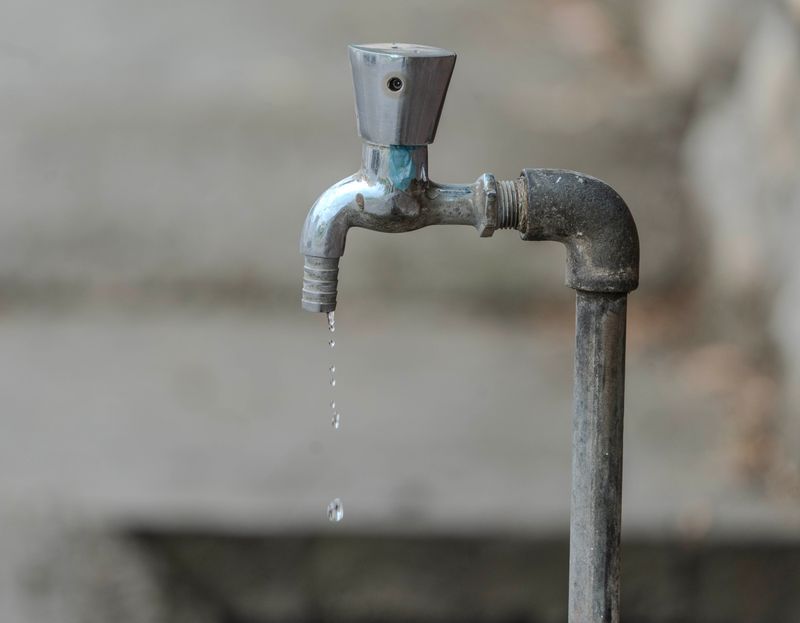
Forget the garden hose habit you brought from back home. Water in Nevada is precious, expensive, and regulated in ways most newcomers do not expect until their first utility bill arrives.
The Southern Nevada Water Authority actively encourages residents to reduce outdoor water use.
Rebate programs have been available for removing grass and installing desert-friendly landscaping, though eligibility and funding vary by year.
Drip irrigation is the gold standard for desert gardening. It delivers water directly to plant roots, using significantly less water than traditional sprinkler systems.
Watering deeply and infrequently trains plant roots to grow downward, seeking moisture stored deeper in the soil. Shallow, frequent watering keeps roots near the surface where heat destroys them fast.
Early morning is the only smart time to water in June. Midday watering evaporates before it soaks in.
Your Nevada Garden Changes Every Week. Your Plan Should Too.
Gardening in Nevada changes quickly throughout the season. Every Friday you’ll receive a simple weekly plan showing exactly what to plant, prune, fertilize, harvest, and protect so you never miss the right timing.
Evening watering can encourage fungal growth in some climates, though Nevada’s dry overnight air reduces this risk significantly compared to more humid states.
Mulch is water’s best friend in a desert garden. A three-inch layer of organic or gravel mulch reduces soil moisture loss dramatically and keeps root zones noticeably cooler throughout the day.
Every drop counts when Nevada summers stretch long and dry. Gardeners who master water management early build landscapes that stay green without breaking the bank.
Plants That Actually Thrive When Temperatures Hit 110°F
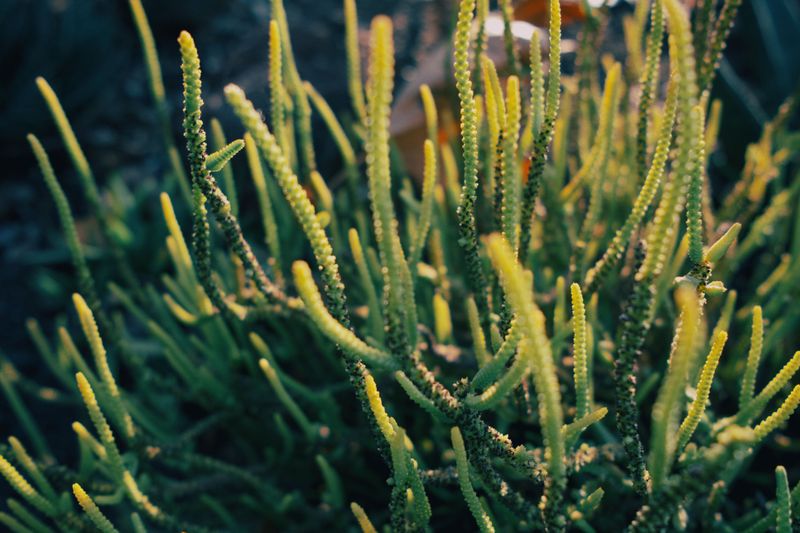
Not every plant gets a fair shot in a Nevada June. Choosing the wrong species is like sending a snowflake to a bonfire and expecting it to hold its shape.
Desert-adapted plants are the obvious winners here. Agave, bougainvillea, desert marigold, red yucca, and penstemon all handle extreme heat with no drama.
Oleander is a classic Nevada landscape shrub that blooms brilliantly through summer without constant attention. It handles reflected heat from walls and driveways better than almost any other flowering plant.
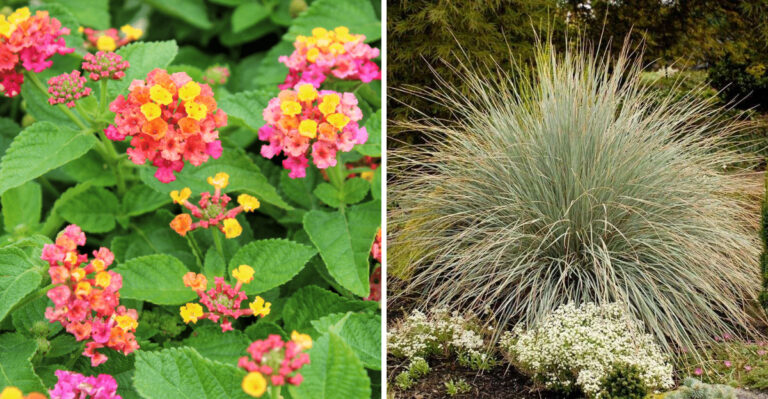
Lantana is another powerhouse for hot climates. Its cheerful clusters of orange, yellow, and red flowers attract butterflies even on the hottest afternoons.
Vegetables are trickier but not impossible. Heat-tolerant options like Armenian cucumber, black-eyed peas, and sweet potatoes can produce well when planted correctly and shaded during peak afternoon hours.
Native plants are always a smart bet for Nevada gardeners. They evolved here over thousands of years and know exactly how to handle the intense summer conditions without extra coddling.
Choosing the right plants is not about limiting yourself. It is about working with the desert’s strengths instead of constantly fighting against them, and the results can be genuinely stunning.
Time Your Garden Work Around The Desert Sun
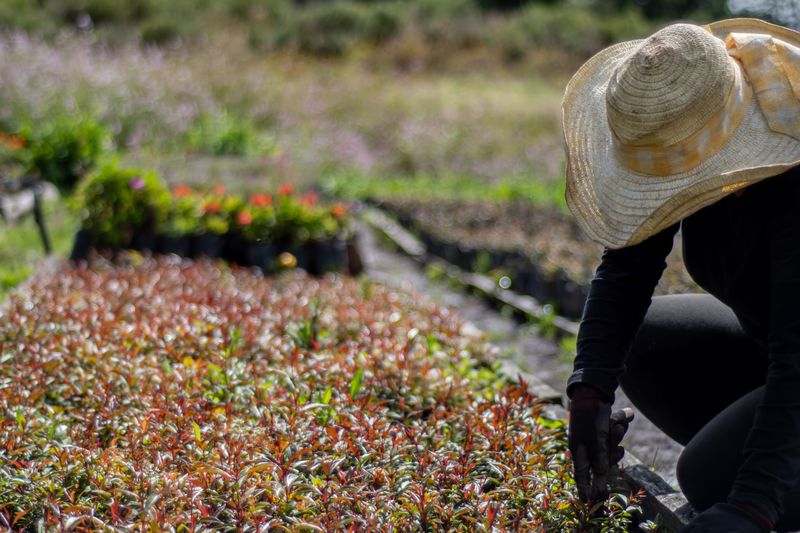
The desert sun does not play favorites. Work outside between 10 a.m. and 5 p.m. in June and you are competing with conditions that can cause heat exhaustion quickly, especially without water and shade.
Experienced Nevada gardeners treat early morning like prime time. From 5:30 a.m. to 9 a.m., the air is cooler, the soil holds more moisture, and the work actually feels enjoyable.
Evening hours after 6 p.m. offer a second window. Temperatures drop enough to make planting, pruning, and inspecting your garden safe and productive again.
Midday hours are best used for planning, not planting. Sit inside, sketch your garden layout, research plants, or watch your yard to notice where shadows fall and heat reflects hardest.
Wearing the right gear matters more than most new homeowners realize. A wide-brim hat, UV-protective clothing, and breathable fabrics make early morning sessions much more comfortable and sustainable long-term.
Your plants follow the same logic. Transplanting seedlings during cooler hours gives them a fighting chance to establish roots before the afternoon heat bears down.
Timing is one of the simplest tools in a desert gardener’s toolkit. Mastering it costs nothing but a slightly earlier alarm clock, and the payoff shows up fast in healthier plants.
Nevada Soil Preparation Requires A Completely Different Approach
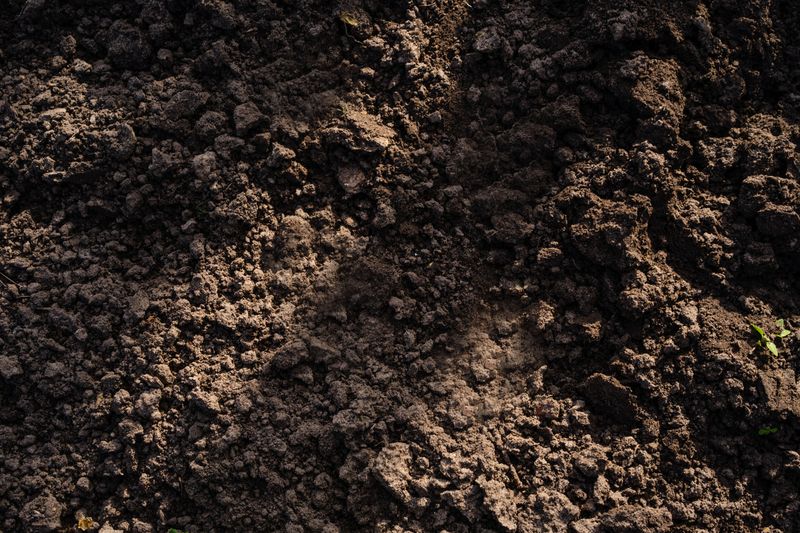
Reach down and grab a handful of Nevada soil and you will quickly understand why plants struggle here. It is often alkaline, compacted, and packed with caliche, a concrete-like calcium layer that blocks root growth.
Standard potting soil mixed straight into native ground often fails because the pH levels are completely mismatched. Most Nevada soils run between 7.5 and 8.5 on the pH scale, which is too alkaline for many common plants.
Amending soil with sulfur helps lower pH gradually over time. Compost is also essential for improving drainage and adding the organic matter that desert soil desperately lacks.
Raised garden beds are a popular solution among Nevada homeowners. Filling them with a custom mix of topsoil, compost, and sand gives you full control over the growing environment from day one.
Breaking through caliche layers requires a pickaxe or a rented jackhammer in some yards. Skipping this step means roots hit a hard ceiling and plants never reach their full potential.
Testing your soil before planting saves time, money, and frustration. Local university extension offices often offer affordable soil testing kits with specific Nevada recommendations included.
Good soil is the foundation of everything a Nevada gardener builds. Fix what is underground first, and every plant you choose afterward has a real chance to succeed.
Shade Structures And Microclimates Are Not Optional In June
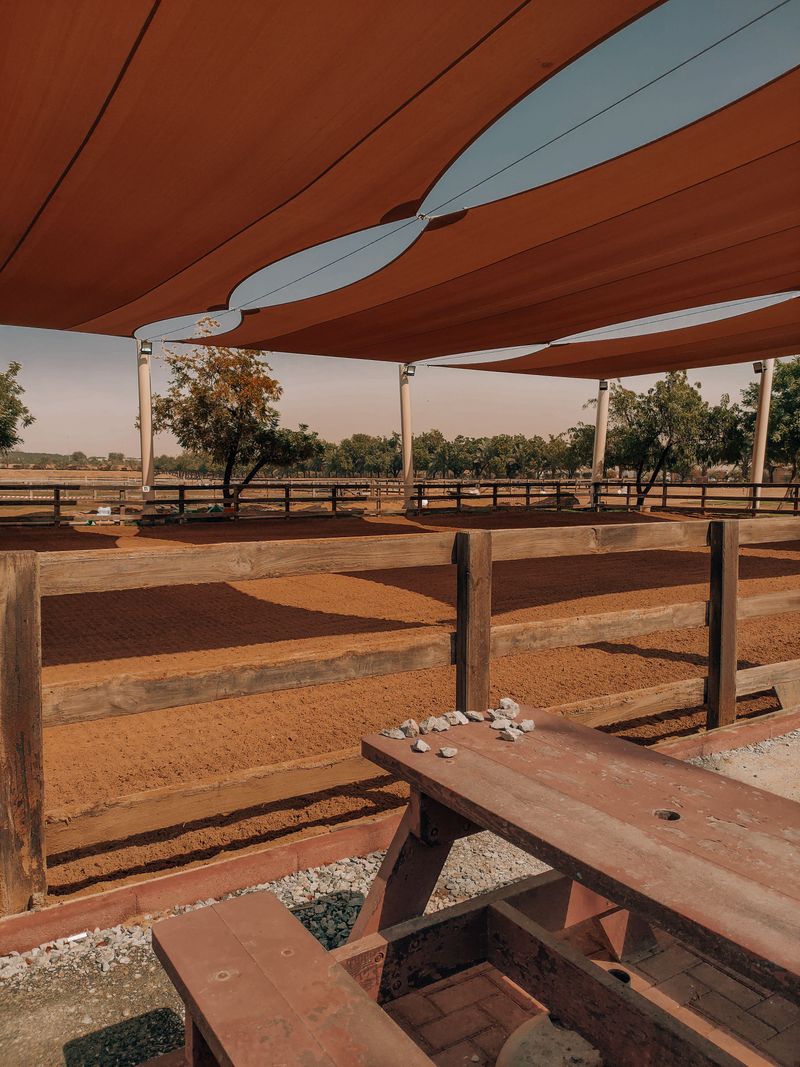
Shade is not a luxury in a Nevada June garden. It is essential equipment, plain and simple, and the gardeners who figure that out early keep far more plants alive.
A well-placed shade cloth can reduce soil temperature by 10 to 20 degrees Fahrenheit. That difference alone can mean the gap between a thriving tomato plant and one that does not make it through July.
Pergolas, shade sails, and lattice structures create microclimates, small zones with noticeably different temperature and humidity than the surrounding area. Plants tucked into these zones behave as if they are in a gentler climate altogether.
South-facing walls absorb and radiate enormous heat throughout the day. Placing heat-sensitive plants on the north side of a wall or fence shields them from the worst afternoon punishment.
Tall, established desert trees like mesquite and palo verde provide natural shade that also cools the surrounding soil. Planting smaller, less hardy species beneath them is a clever layering strategy.
Container gardens benefit hugely from afternoon shade. Moving pots under a covered patio between noon and five o’clock protects roots from the scorching temperatures that build inside dark containers.
Creating shade is one of the most empowering moves a new Nevada homeowner can make. It transforms a harsh outdoor space into one where both people and plants can breathe easy.
What Experienced Nevada Gardeners Do Every June Without Fail
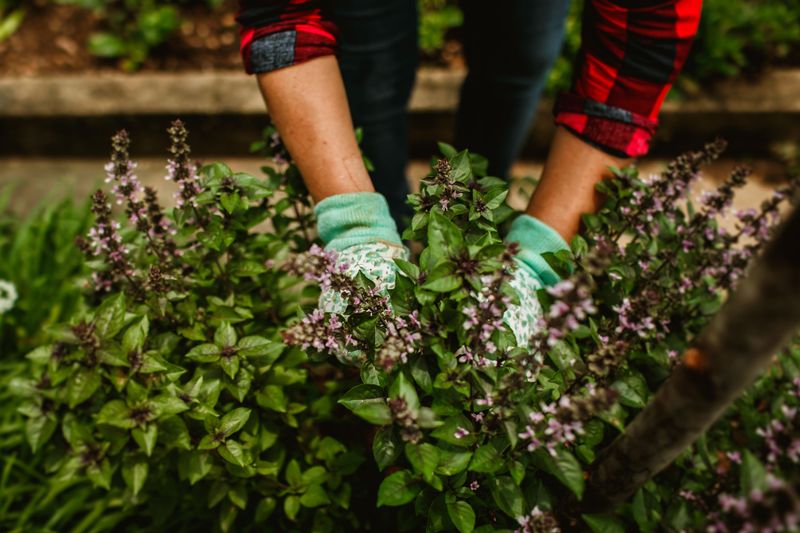
Seasoned local gardeners have a June rhythm that looks almost automatic. They are not guessing, they are running a system refined over many seasons of desert trial and hard-earned success.
Every June, they audit their irrigation systems first. Clogged drip emitters or cracked lines waste water and quietly stress plants for weeks before the damage becomes visible.
They also pull weeds early and aggressively. Desert weeds spread rapidly in warm soil and compete fiercely with established plants for the limited water available.
Fertilizing is done carefully and sparingly in June. Heavy feeding during peak heat can actually burn roots, so experienced growers use slow-release formulas or skip feeding altogether until fall.
Pruning spent or damaged growth happens every few weeks. Removing stressed branches redirects the plant’s energy toward healthy new growth instead of wasting resources on recovery.
Local gardeners also stay connected to their community. Nevada cooperative extension offices, neighborhood garden clubs, and online forums share hyper-local advice that no national gardening guide can replicate.
What Nevada gardeners know about thriving in June comes down to consistent, intentional habits built around the desert’s specific demands.
New homeowners who adopt this same mindset stop struggling and start growing something worth being proud of.