The Most Expensive Gardening Mistakes North Carolina Homeowners Make
Some gardening mistakes cost a flat of annuals and a bruised ego. Others cost thousands of dollars and years of recovery time.
North Carolina’s specific combination of clay soil, humidity, and a long growing season creates conditions where certain common errors compound faster and more expensively than they would in more forgiving climates.
The mistakes that landscape professionals see most often are rarely dramatic blunders. They are quiet, reasonable-looking decisions that seem fine at the time and reveal their true cost slowly over several seasons.
Knowing what those mistakes are before making them is the kind of information that saves North Carolina homeowners serious money and genuine heartbreak in their outdoor spaces.
1. Buying Plants Before Testing The Soil
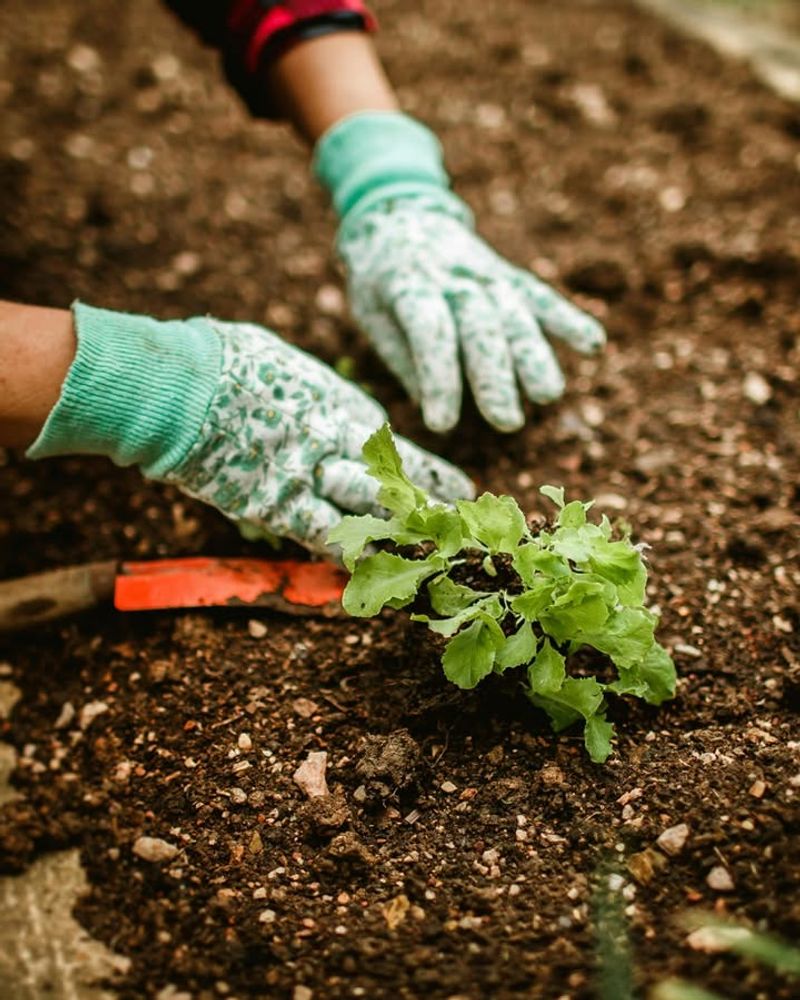
Skipping a soil test might seem like no big deal, but it can quietly drain your wallet faster than almost any other gardening habit. North Carolina soils vary widely across the state.
The Piedmont region is known for heavy red clay, the mountains tend to have acidic, rocky ground, and the coastal plain often has sandy, low-nutrient soil. Without knowing what you are working with, planting becomes a guessing game.
Soil pH is one of the biggest factors in plant health. Most vegetables and flowering shrubs prefer a pH between 6.0 and 7.0.
When the pH is off, plants cannot absorb nutrients properly, even if you add fertilizer. You end up spending money on products that simply do not work because the soil chemistry is blocking them from being used.
North Carolina State University Extension offers affordable soil testing through local cooperative extension offices, often for just a few dollars. The results tell you exactly what nutrients are lacking and what amendments your soil needs.
That small upfront cost can prevent you from wasting money on lime, fertilizer, and replacement plants over and over again.
Homeowners who skip this step often notice their plants growing slowly, producing fewer flowers or fruit, and looking generally weak despite regular care. Replacing struggling plants year after year adds up quickly.
A simple soil test takes about ten minutes to complete and gives you a clear picture of what your yard actually needs before you spend a single dollar at the nursery.
2. Choosing Plants That Outgrow The Space
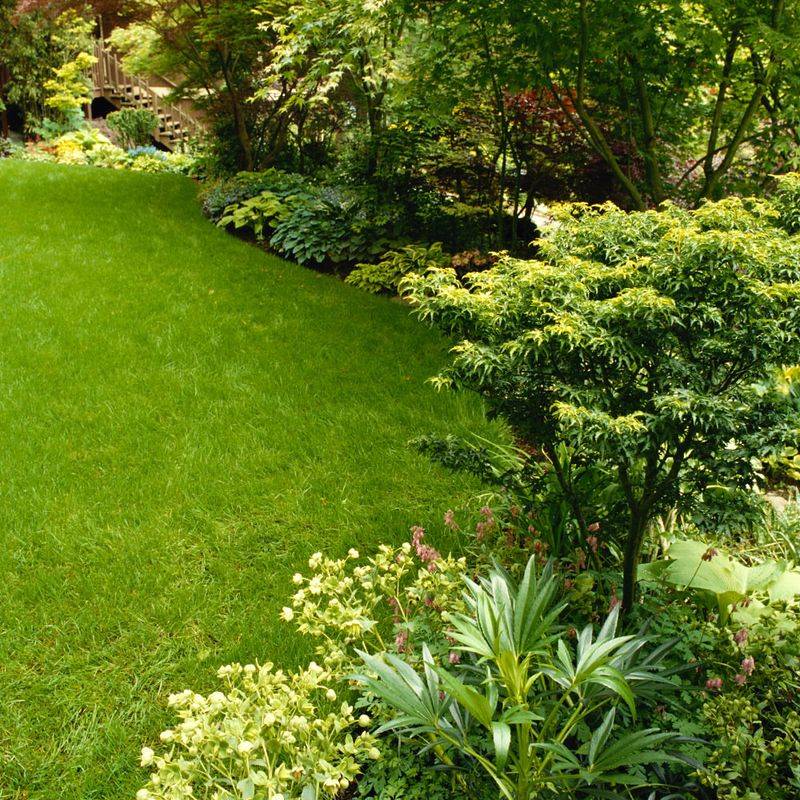
That adorable little shrub at the garden center can look perfectly harmless in its one-gallon container. Fast forward five years, and it is blocking your front door, cracking your driveway, or swallowing your fence.
Mature plant size is one of the most overlooked details in residential landscaping, and the cost of ignoring it is very real.
Some of the most common offenders in North Carolina yards include oversized hollies, Southern magnolias planted too close to structures, crape myrtles shoved into tight spaces, and fast-growing screening shrubs like Leyland cypress.
These plants are beautiful when given room to grow, but they become a serious problem when they are planted without checking their mature width and height.
Pruning oversized plants year after year is not just time-consuming, it actually stresses the plant and ruins its natural shape.
Your North Carolina Garden Changes Every Week. Your Plan Should Too.
Gardening in North Carolina changes quickly throughout the season. Every Friday you’ll receive a simple weekly plan showing exactly what to plant, prune, fertilize, harvest, and protect so you never miss the right timing.
In many cases, the plant eventually needs to be removed entirely, which can cost hundreds to thousands of dollars depending on the size.
Utility line conflicts, root damage to sidewalks, and structural interference with your home are all real risks that come with planting the wrong-sized plant in the wrong spot.
Always read the plant tag before buying and look up the mature dimensions online. Give shrubs and trees the full space they need at maturity, not just the space they take up today.
Choosing compact or dwarf varieties for smaller spaces is a smart and affordable solution. A little research at the nursery can prevent a very expensive removal project just a few years down the road.
3. Planting Sun Lovers In Too Much Shade
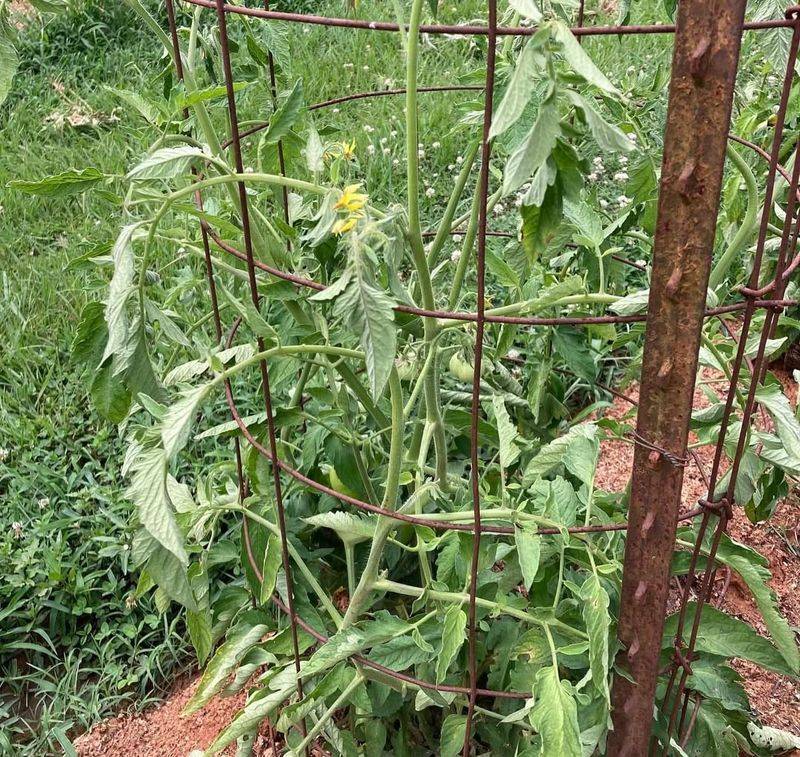
Picture this: you spend thirty dollars on a beautiful rose bush at the nursery, bring it home, plant it under your oak tree, and wait for the blooms. Weeks pass and nothing much happens.
The plant looks weak, produces barely any flowers, and just never seems to take off. The problem is not the plant.
It is the light.
Many of the most popular plants sold at North Carolina garden centers need full sun to perform well.
Tomatoes, roses, lavender, most warm-season vegetables, and a wide range of flowering shrubs all need at least six to eight hours of direct sunlight each day.
When they do not get that light, they put out thin, stretched growth, produce fewer blooms, and become more vulnerable to pests and fungal issues.
North Carolina yards can be tricky because mature trees create deep shade that shifts throughout the seasons. A spot that looks sunny in March can become heavily shaded by June once the canopy fills in.
Many homeowners do not realize how dramatically the light changes until their sun-loving plants are already struggling through the summer.
Before buying any plant, spend a day observing how much direct sunlight different parts of your yard actually receive. Morning sun versus afternoon sun matters too, especially for sensitive plants like roses.
Matching the right plant to the right light condition is one of the simplest and most effective ways to protect your garden investment.
Shade-tolerant alternatives like hydrangeas, hostas, and ferns can bring beauty to darker spots without the constant frustration of failed plantings.
4. Ignoring Drainage Before Installing Beds
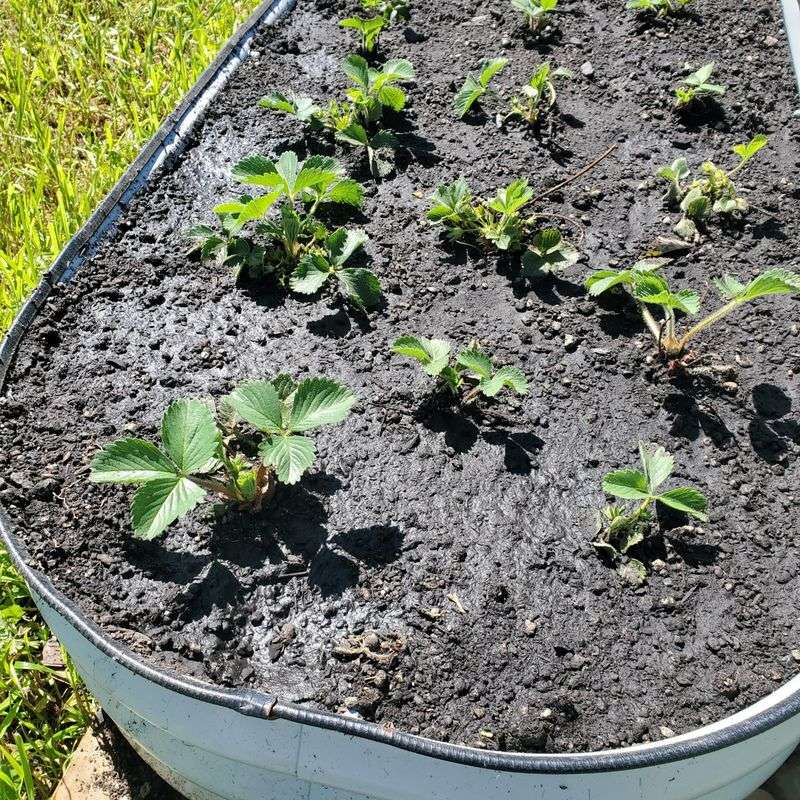
Water sitting in your garden bed for hours after a rainstorm is not just annoying, it is a warning sign that your drainage situation needs attention before you spend another dollar on plants.
North Carolina clay soil is notoriously slow to drain, and low spots in the yard can turn into temporary ponds every time a storm rolls through.
Planting expensive shrubs, perennials, or fruit trees in these areas without addressing the drainage first is one of the costliest mistakes a homeowner can make.
Many homes built in North Carolina have compacted builder soil around the foundation, which makes drainage even worse. Grading issues, downspouts that discharge too close to beds, and low-lying areas all contribute to standing water that suffocates plant roots.
Most plants simply cannot survive in saturated soil for extended periods, and once root rot sets in, the plant is nearly impossible to save.
The good news is that there are several practical solutions available before you plant. Raised beds are one of the most affordable options, lifting plants above the problem zone entirely.
Adding generous amounts of organic matter like compost improves drainage in clay soil over time. Grading the area to redirect water flow is another smart fix.
For spots that stay consistently wet, choosing moisture-tolerant plants like swamp rose mallow, cardinal flower, or Louisiana iris is a smarter investment than fighting the natural conditions.
Walking your yard during and after a heavy rain gives you a clear picture of where water collects. That simple observation, done before you plant, can save you from replacing expensive plants season after season.
5. Making Mulch Volcanoes Around Trees
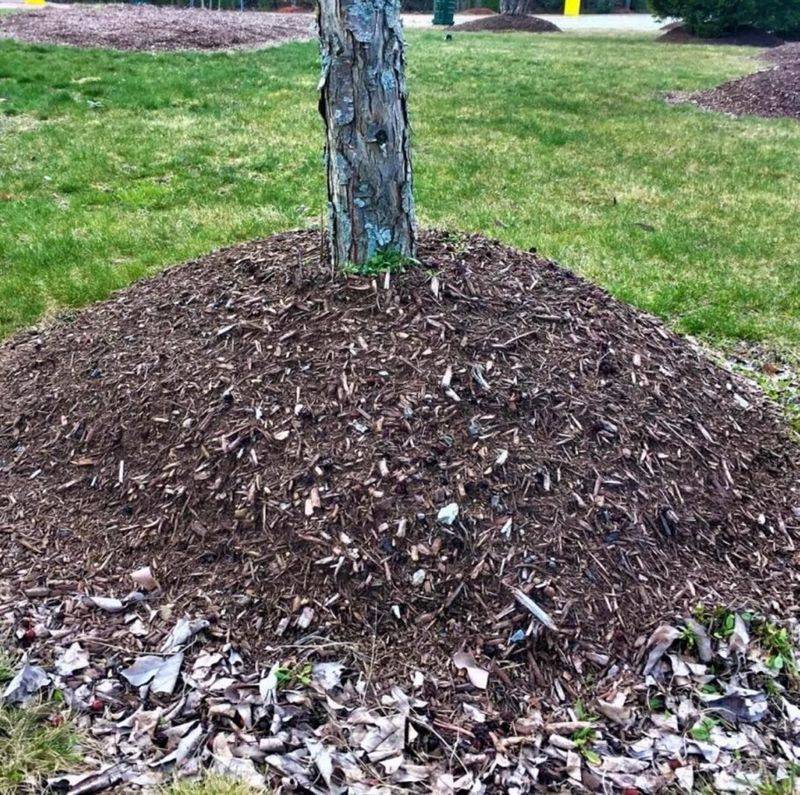
Mulch volcanoes are everywhere in North Carolina neighborhoods, and most homeowners who create them have no idea they are doing anything wrong.
A mulch volcano is exactly what it sounds like: a cone-shaped pile of mulch built up high against the base of a tree trunk.
It looks tidy from the curb, but underneath that pile, the tree is quietly suffering in ways that take years to fully show up.
When mulch is piled against the trunk, it keeps the bark constantly moist. Tree bark is designed to stay dry, and prolonged moisture softens it, making it vulnerable to fungal growth, insect activity, and decay.
Over time, roots can also start growing into the mulch pile itself, circling back toward the trunk and causing structural problems that compromise the entire tree.
A mature tree lost to these long-term issues can cost thousands of dollars to remove and replace.
Proper mulching is actually straightforward. Spread mulch in a flat, even layer two to three inches deep over the root zone, which typically extends out to the drip line or beyond.
Keep the mulch pulled back several inches from the trunk flare, which is the area where the trunk widens at the base. That flare needs air and needs to stay dry.
Good mulching does real good for your trees and garden. It holds soil moisture during hot North Carolina summers, moderates soil temperature, and reduces weed competition.
The fix for a mulch volcano takes about ten minutes and costs nothing. Spreading it correctly from the start protects your trees and keeps your landscape investment growing strong for decades.
6. Watering Everything On The Same Schedule
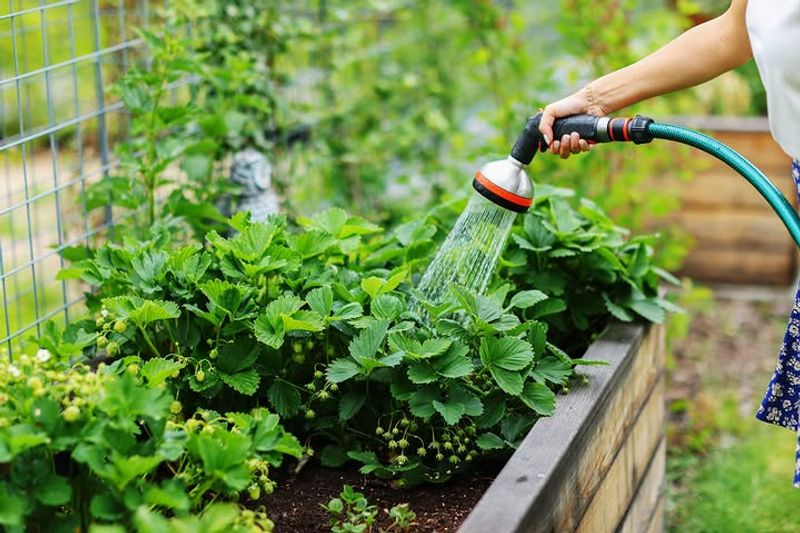
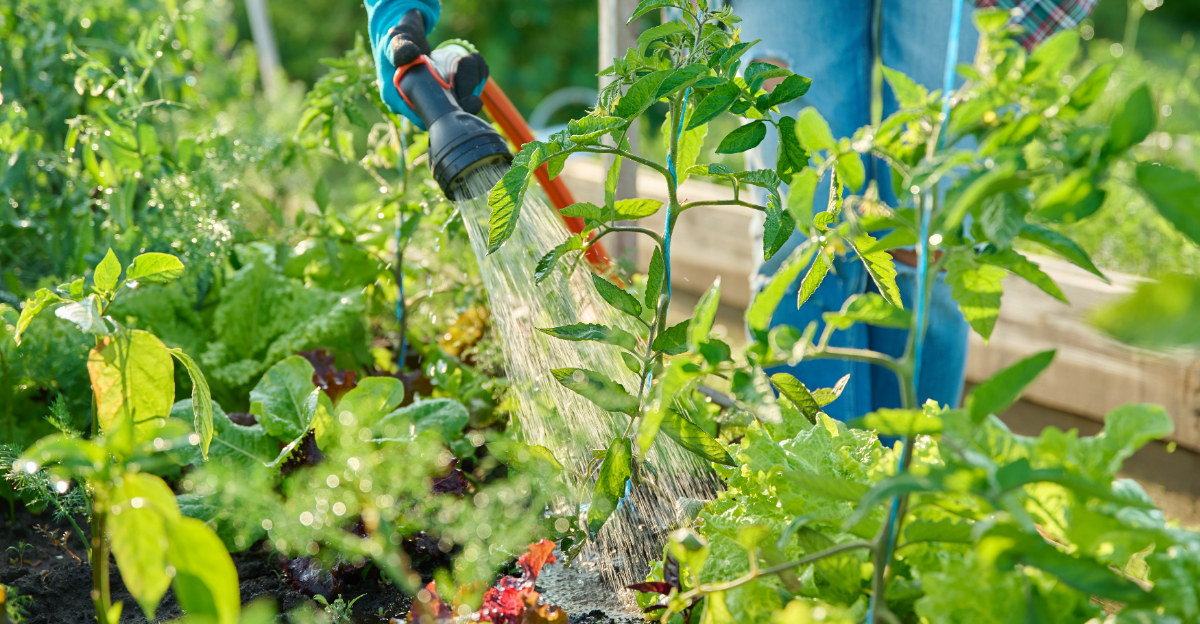
Setting one watering schedule for your entire yard and calling it done sounds efficient, but it is one of the fastest ways to waste both water and money in a North Carolina garden.
Different plants have wildly different water needs, and treating them all the same often means some are drowning while others are quietly drying out.
Newly planted shrubs and trees need consistent moisture while their root systems are getting established, sometimes requiring watering two to three times per week during the first growing season.
Containers dry out much faster than in-ground beds and may need daily attention during the heat of summer.
Vegetable gardens, especially tomatoes and peppers, need steady, even moisture to produce well and avoid problems like blossom end rot.
On the other end of the spectrum, established native plants like beautyberry, inkberry, and switchgrass are built for North Carolina conditions and rarely need supplemental watering once settled in.
North Carolina summers bring intense heat and humidity, but that does not always mean consistent rainfall.
Dry spells can sneak up fast, and overwatering during humid stretches can lead to root problems and fungal diseases that are expensive to manage.
Checking the soil moisture with your finger before watering is one of the easiest and most reliable habits you can build.
Grouping plants with similar water needs together, sometimes called hydrozoning, makes irrigation much more efficient. Drip irrigation systems and soaker hoses deliver water directly to the root zone, cutting down on evaporation and runoff.
Smarter watering habits protect your plants and keep your water bill from climbing unnecessarily through the hottest months of the year.
7. Building A Garden Without A Maintenance Plan
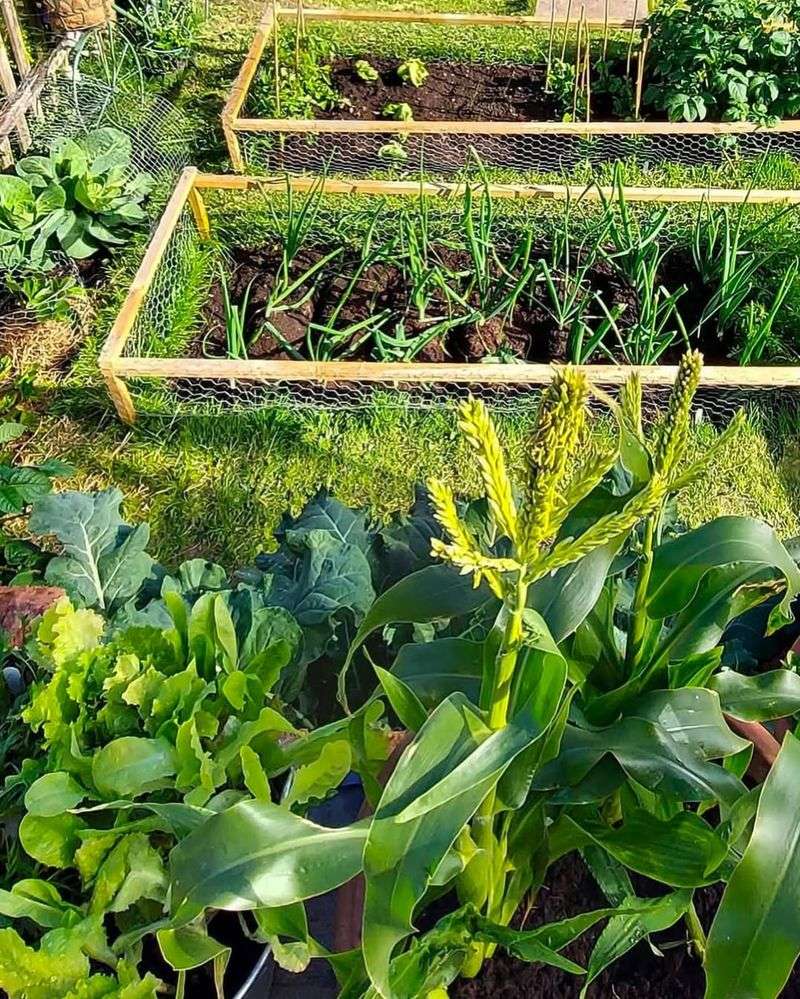
A brand-new garden looks great on planting day. Everything is fresh, spaced out, and full of potential.
But without a realistic maintenance plan in place, that same garden can start looking chaotic within a single season.
North Carolina landscapes grow fast, especially with the warm temperatures, humidity, and long growing season that this region is known for.
Pruning is one of the most overlooked maintenance tasks. Shrubs that are not pruned on a regular schedule can quickly outgrow their space, block windows, and crowd neighboring plants.
Weeding is another constant need, and when it gets away from you, it takes far more time and effort to bring back under control.
Mulch breaks down over time and needs to be refreshed annually to keep doing its job of suppressing weeds and holding moisture.
Pest scouting is a habit that pays off enormously. Catching a problem like scale insects, aphids, or fungal disease early means a simple, inexpensive treatment.
Ignoring it until the plant is severely damaged often means replacement. Seasonal cleanup, removing old foliage, cutting back perennials, and clearing debris reduces pest and disease pressure going into the next growing season.
Plant spacing is another detail that trips up many homeowners. Crowded plants compete for water, nutrients, and light, and they create conditions where disease spreads more easily.
The smartest garden plan is one that honestly matches your soil, light conditions, drainage situation, budget, and the amount of time you realistically have to spend on upkeep.
A garden built around your actual lifestyle will always look better and cost less to maintain than one that demands more than you can give.