What It Really Means When A Box Turtle Shows Up Near Your North Carolina Garden Beds
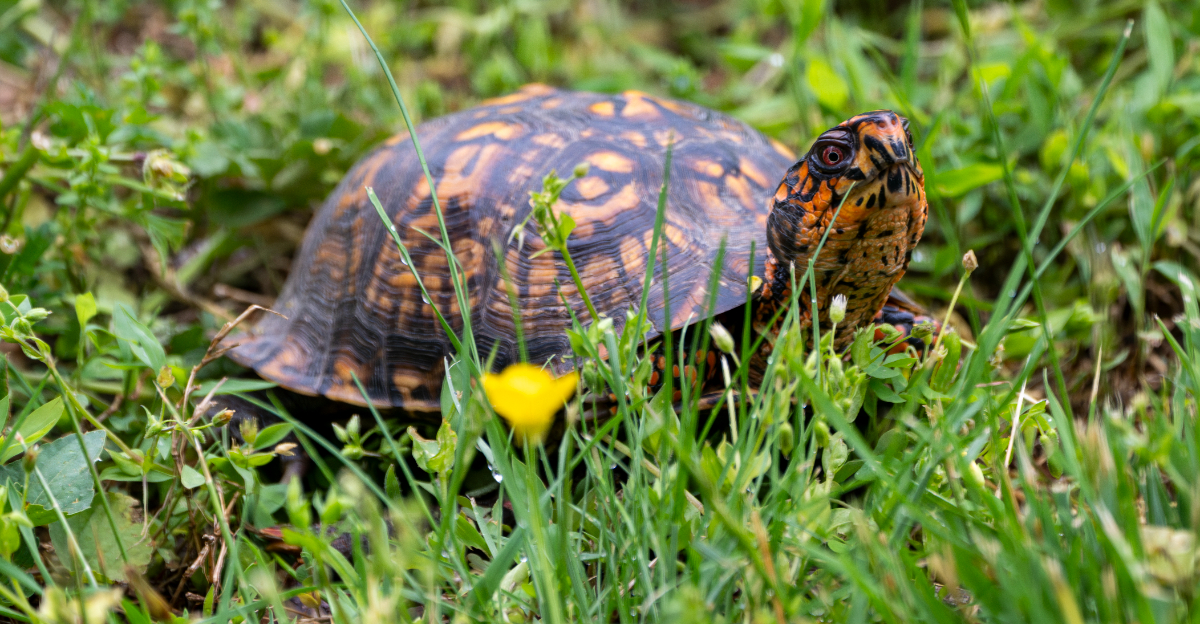
A box turtle moving slowly along the edge of a garden bed looks like a charming coincidence. It is actually something much more specific than that. Box turtles in North Carolina do not wander into garden spaces by accident.
They navigate deliberately toward conditions that offer what they need, and a garden bed that attracts them is communicating something clear about its ecosystem health, moisture levels, and the biological activity happening at ground level.
Gardeners who understand what a box turtle is actually responding to when it visits gain a surprisingly accurate read on the condition of their soil and the broader health of their outdoor space.
It is one of the most overlooked indicators a North Carolina garden can offer.
1. It Means Your Yard Has Useful Habitat
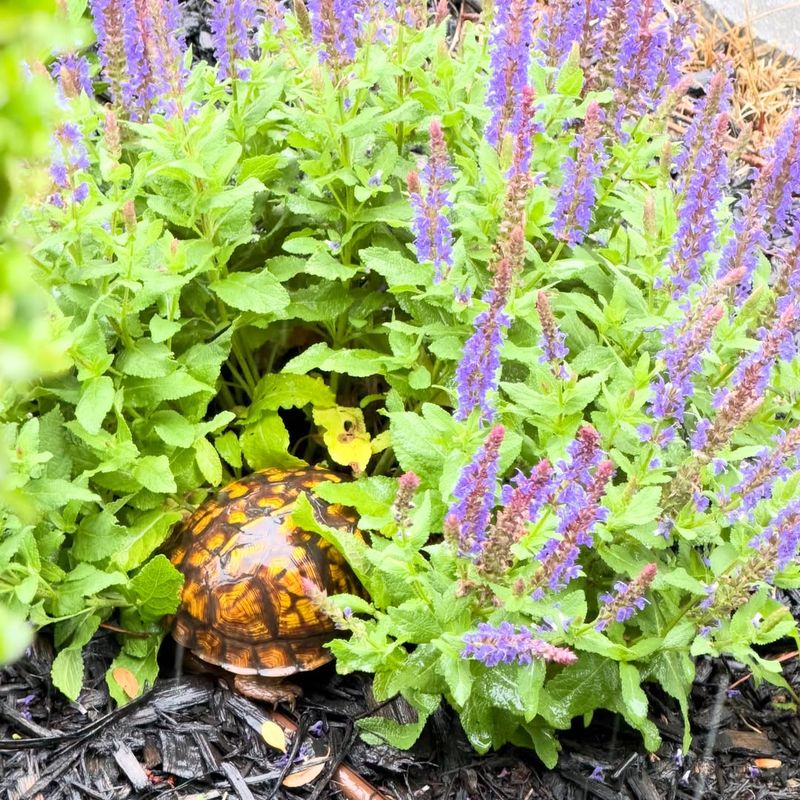
A box turtle does not wander into just any yard. When one shows up near your garden beds, it usually means your outdoor space already has something worth visiting.
Think of it as a quiet stamp of approval from a creature that has been navigating Carolina woodlands long before suburbs existed. Box turtles look for very specific things when they move through an area.
Shade from trees or shrubs, loose and slightly moist soil, leaf litter to hide under, and access to small food sources like earthworms, beetles, and wild berries all make a yard feel like home to them.
If your garden beds have mulch, low-growing plants, or shady corners, you have already created the kind of layered habitat these turtles prefer.
Mushrooms growing near your beds are another bonus. Box turtles eat wild mushrooms regularly and actively seek them out.
A yard with natural edges, native groundcovers, and a little messiness is far more attractive to them than a perfectly manicured lawn. The turtle near your beds is not there to cause trouble or damage your plants.
It found something useful, something sheltering, something that felt right, and that says a lot about the kind of space you have built without even trying.
2. It May Be Moving Through A Familiar Home Area
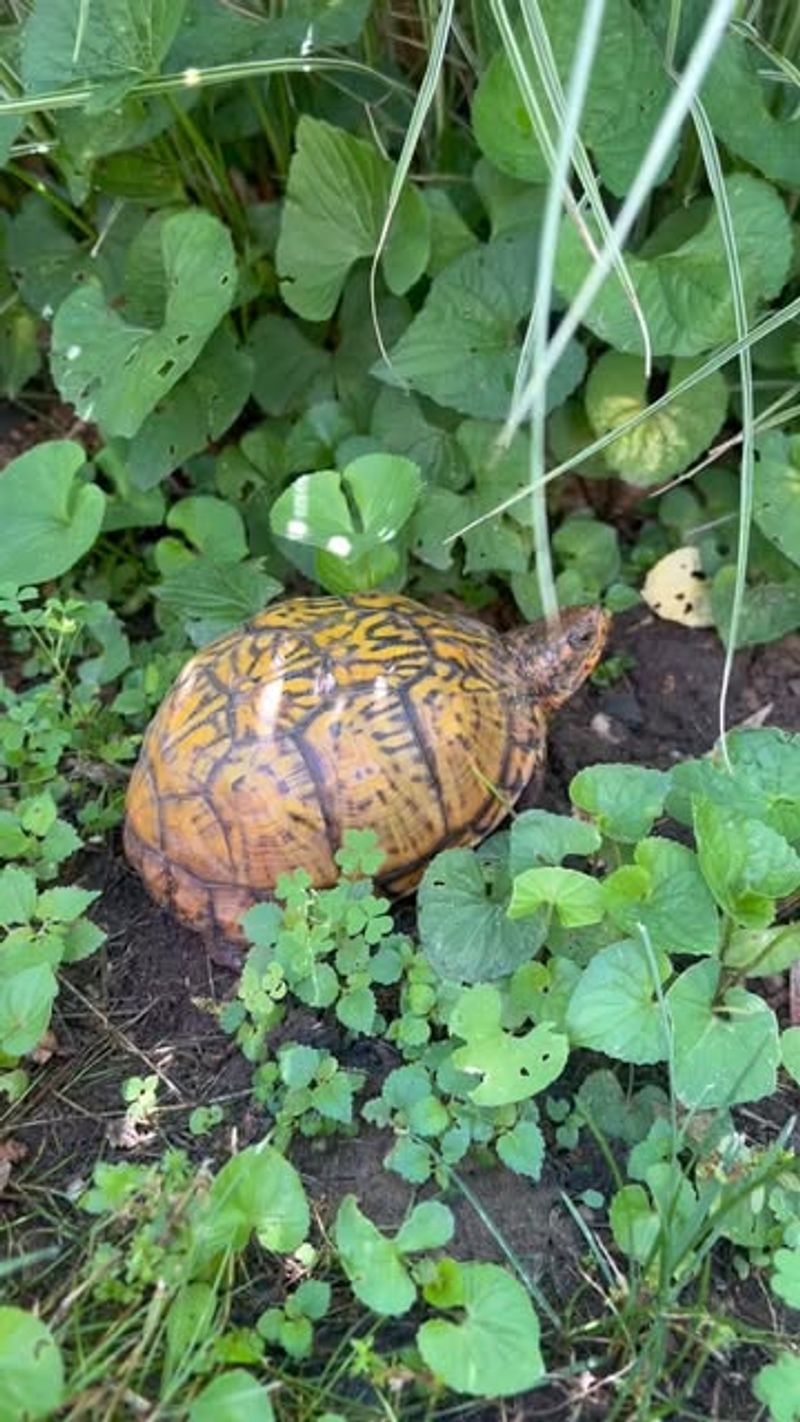
Box turtles are creatures of habit in a way that might surprise most people. Unlike many animals that roam widely, a box turtle typically spends its entire life within a home area of just a few acres.
That means the turtle in your yard today may have been quietly passing through your neighborhood for years without you ever noticing.
Research on Eastern box turtles shows that they memorize landmarks, travel routes, and food sources within their home territory.
A wooded fence line, a garden path, a low spot that holds rainwater, or a brushy corner near your beds could all be regular stops on this turtle’s personal map.
That is what makes relocating them so harmful. Moving a box turtle even a mile away can leave it completely disoriented, and it will often spend enormous energy trying to return home.
If you find a box turtle in your yard, the best thing you can do is simply let it continue on its way. It knows where it is going far better than you might think.
Your North Carolina Garden Changes Every Week. Your Plan Should Too.
Gardening in North Carolina changes quickly throughout the season. Every Friday you’ll receive a simple weekly plan showing exactly what to plant, prune, fertilize, harvest, and protect so you never miss the right timing.
Avoid the urge to carry it to a nearby park, creek, or wooded area that seems more natural. Your yard is already part of its world, and giving it safe passage through your space is the kindest and most helpful response you can offer.
3. It Is Probably Looking For Food
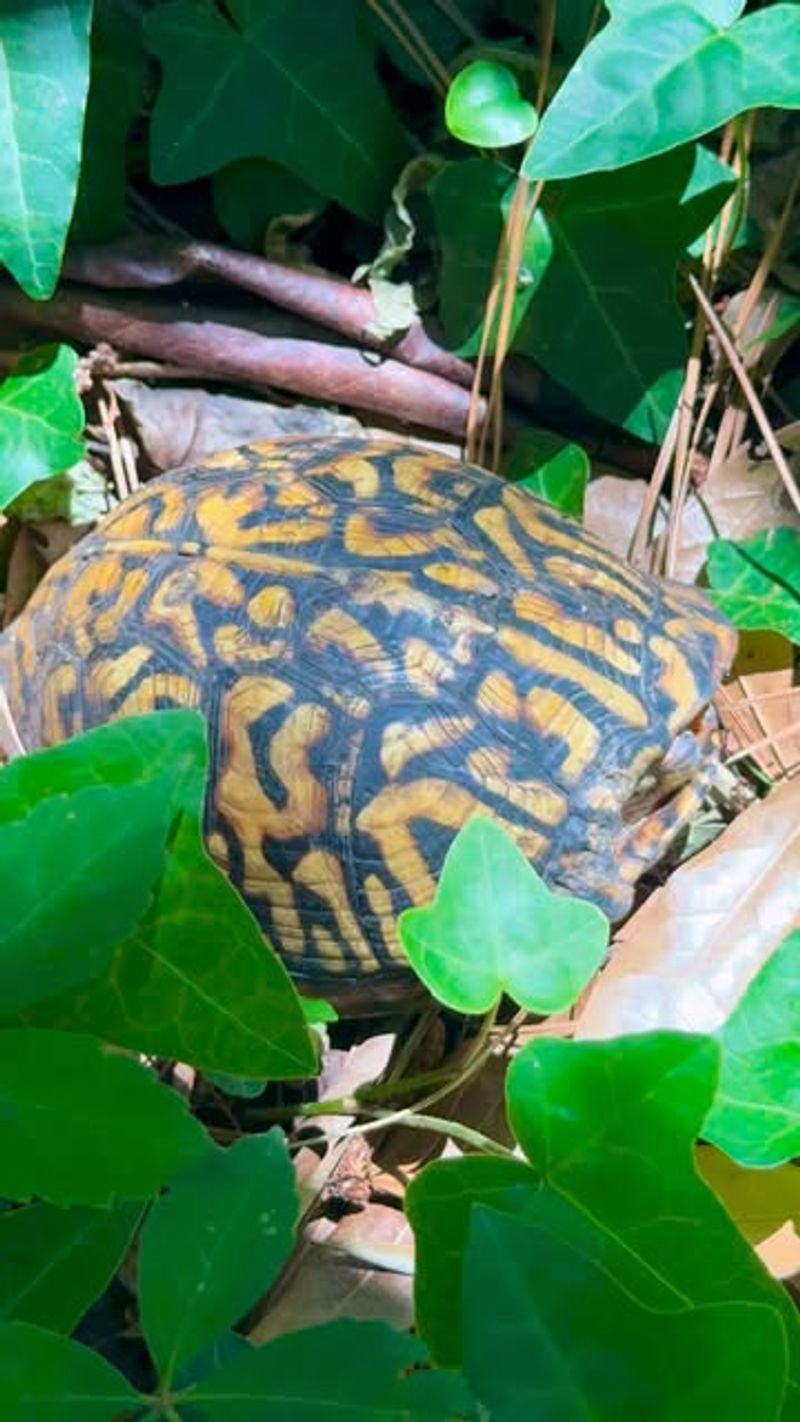
Garden beds are basically a buffet for box turtles, and they know it. These reptiles are true omnivores, meaning they eat both plant and animal matter depending on what the season and the soil offer.
A turtle poking around your garden beds is almost certainly on the hunt for something to eat.
Earthworms and slugs top the list of garden snacks a box turtle will eagerly pursue. Beetles, caterpillars, and other soft-bodied insects hiding in mulch or loose soil are also fair game.
On the plant side, fallen berries, soft fruit near the ground, wild mushrooms, and even some leafy plant material can all show up on the menu.
This makes box turtles a surprisingly useful presence in shady or moist garden beds where pest populations can quietly build up.
Think of the turtle as a slow-moving, low-key part of your garden’s food web. It is not eating your vegetable crops in any meaningful way.
Instead, it is picking off the kinds of small creatures that gardeners often wish would disappear. A box turtle foraging through your beds is doing gentle, natural pest management without any effort on your part.
Welcoming that kind of help by keeping beds moist, leaf-covered, and chemically minimal gives the turtle a reason to keep coming back.
4. It May Be Seeking Cool Moist Cover

North Carolina summers can be brutal. Temperatures climb fast, the sun bakes open ground, and small reptiles like box turtles feel that heat in a very real way.
When the temperature spikes, these turtles actively seek out the coolest, most sheltered spots available, and a well-mulched garden bed can look like paradise.
Thick mulch holds moisture longer than bare soil and stays noticeably cooler beneath the surface. Low-growing plants create a canopy of shade that blocks the harshest midday sun.
Damp soil near rain garden edges, downspout splash zones, or shady north-facing beds can drop several degrees compared to surrounding areas. For a turtle trying to regulate its body temperature, all of those features matter enormously.
When you spot a turtle sitting quietly near a clump of plants or tucked against a garden border, it is not injured or confused. It is simply resting in a spot that feels cool and protected.
Box turtles are ectotherms, meaning they rely on their environment to manage body temperature rather than generating their own internal heat.
A shaded garden bed with moist soil is genuinely useful shelter on a hot Carolina afternoon.
Leaving the turtle alone to rest there costs you nothing and gives it exactly what it needs to stay comfortable until the temperature drops again in the evening.
5. It Could Be A Female Looking For Nesting Soil
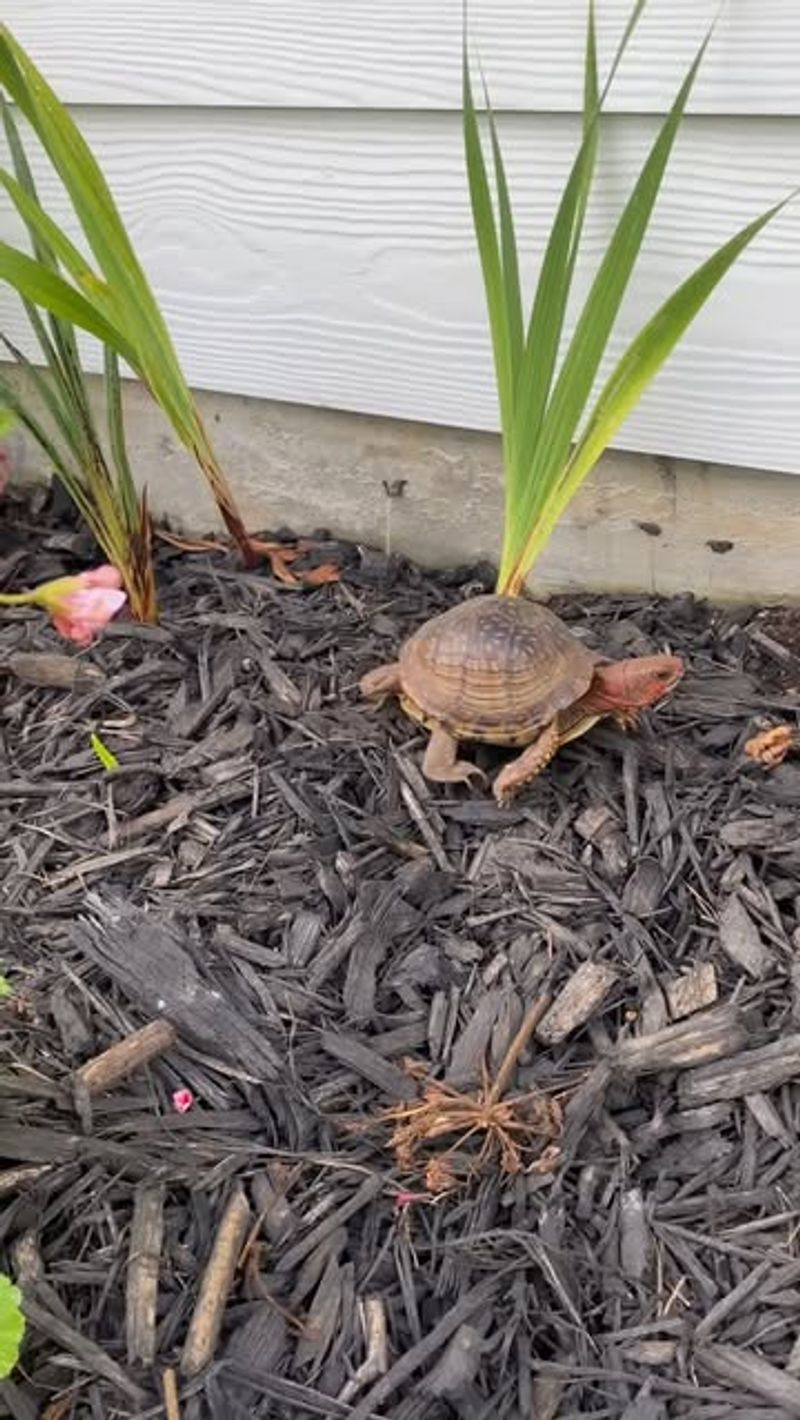
Not every box turtle near your garden is just passing through or grabbing a snack.
If you notice a turtle moving slowly and deliberately along the edge of a bed, pausing to sniff or nudge the soil, there is a good chance you are watching a female on a very important mission.
Female box turtles search carefully for the right nesting spot, and your garden could be exactly what she has in mind.
Nesting box turtles prefer loose, well-drained soil that gets plenty of sunlight. Sandy patches, soft mulch edges near open ground, and quiet garden corners away from heavy foot traffic all fit the bill.
A female may take hours exploring an area before she commits to a spot and begins digging. She uses her hind legs to create a small flask-shaped hole where she deposits her eggs, usually between May and July in North Carolina.
If you notice a turtle digging carefully near a bed, please resist the urge to disturb the area. The eggs are small, leathery, and easy to accidentally damage.
Mark the general area lightly if you need to, and avoid heavy digging or soil turning nearby until late summer or early fall. Watching a box turtle nest is a rare and wonderful thing to witness.
Giving her the space and quiet she needs is one of the best gifts a gardener can offer.
6. It Is A Sign To Check Before Mowing Or Trimming
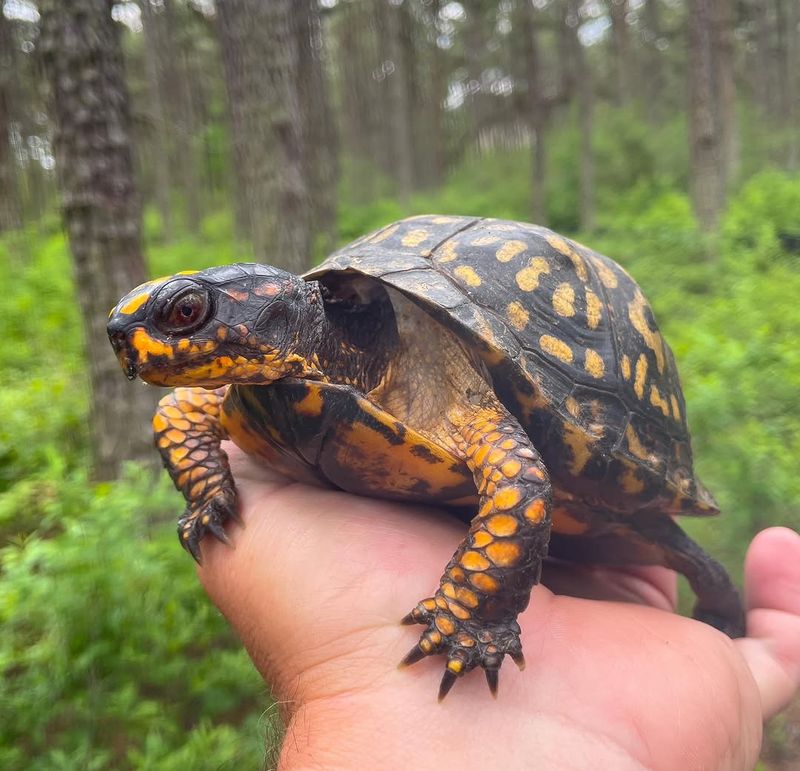
One of the most practical things a box turtle near your yard should remind you to do is slow down before you start any yard work.
Lawn mowers and string trimmers are among the leading causes of serious injury to box turtles, and the trouble is that these turtles are remarkably easy to miss.
Their domed shells blend almost perfectly with fallen leaves, dark mulch, and soil clumps.
Before you fire up any equipment, take a few minutes to walk the area slowly. Check around garden bed edges, along path borders, near leaf piles, under low shrubs, and in any patches of tall grass.
Box turtles often tuck themselves right up against something solid, which makes them even harder to spot at a glance. Moving at a casual walking pace and keeping your eyes on the ground rather than ahead of you makes a real difference.
The same caution applies when moving heavy materials like mulch bags, stepping stones, or stacked pots that have been sitting for a while. A turtle may have settled underneath without you realizing it.
Getting into the habit of checking before mowing or trimming costs only a few minutes of your time, but it can completely change the outcome for a turtle that has chosen your yard as part of its home territory.
Yard work and wildlife can coexist when you stay alert.
7. It Does Not Need Lettuce Or A Backyard Cage
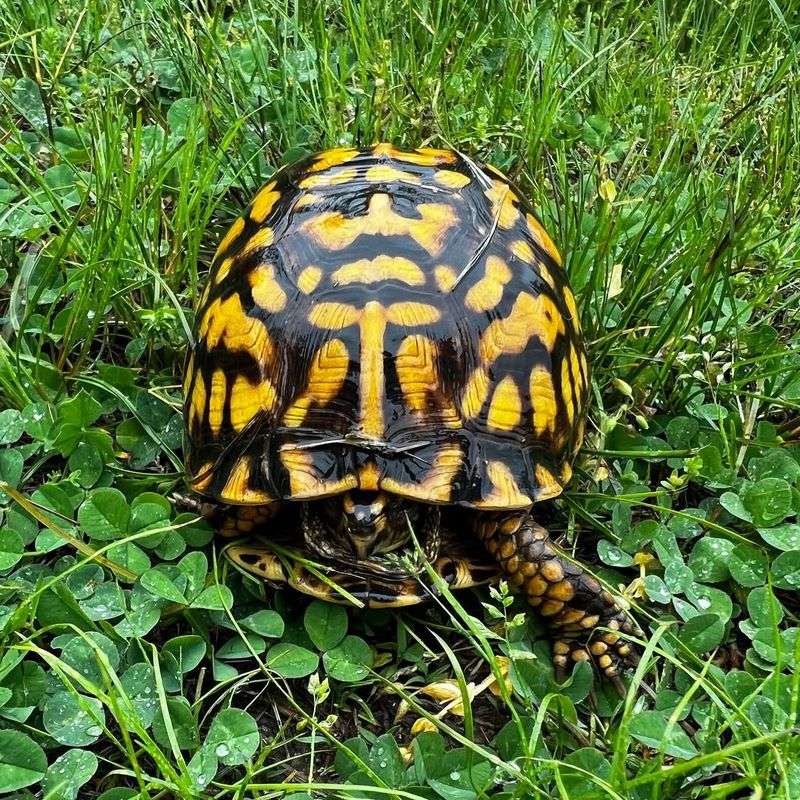
When people spot a box turtle in their yard, the instinct to help is completely understandable. It looks slow, maybe a little lost, and somehow vulnerable.
But the most important thing to understand is that a wild box turtle does not need to be rescued, fed by hand, or placed in a temporary enclosure while you figure out what to do with it.
Wild box turtles have highly specific nutritional needs that shift with the seasons, and a diet of lettuce, strawberries, or store-bought reptile food simply does not match what their bodies require.
Keeping one confined, even briefly, adds stress that can weaken its immune system over time.
Box turtles also develop strong attachments to their home territory, so any prolonged removal from that area makes it harder for them to return to normal behavior.
The best way to help a wild box turtle is surprisingly hands-off. Leave it alone to move through your yard at its own pace.
If your yard has a shallow dish of clean water placed at ground level, that is genuinely useful, especially during hot dry stretches.
Native plants that produce berries or support insect populations are a far better offering than anything you could put in a bowl.
A healthy, chemical-minimal yard with natural cover is the most supportive environment you can provide, no cage required.
8. It Needs Safe Passage Through The Yard
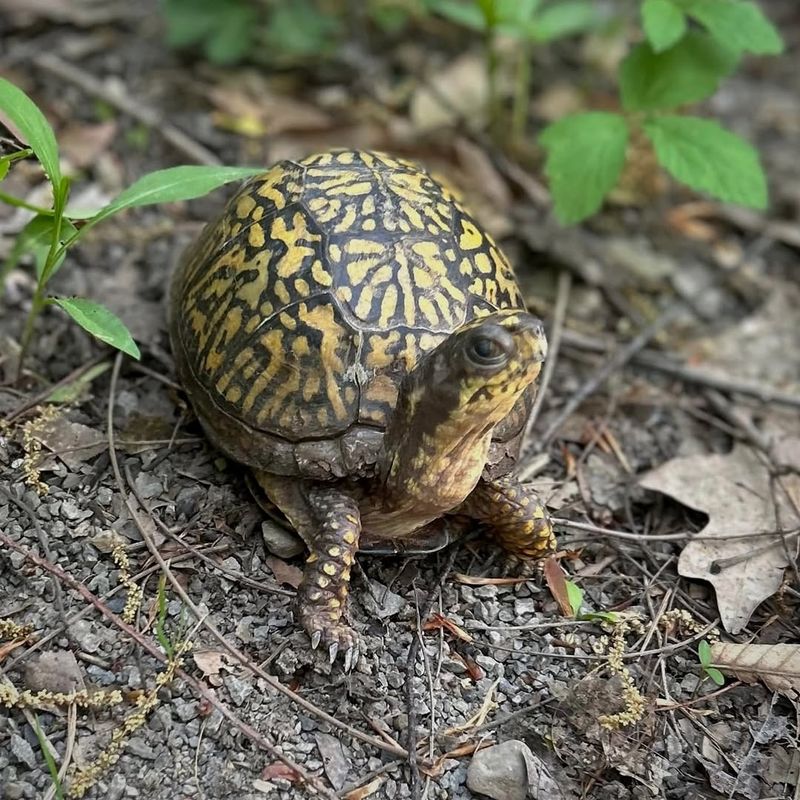
Box turtles do not stay in one spot forever. They move through their home territory regularly, navigating garden paths, crossing driveways, slipping under fences, and making their way from one part of the yard to another.
When a turtle shows up near your beds, it is often mid-journey, and your yard is simply the terrain it needs to cross.
Helping a box turtle travel safely through your space does not take much effort. If you have solid fencing with no ground-level gaps, consider leaving a small opening in a low-traffic, pet-free area so turtles can pass through rather than getting trapped.
Keep dogs and cats away from any turtle you spot, since even a curious pet can cause serious harm without meaning to. Watching from a distance is always the right call.
If a turtle is in immediate danger, like sitting in an active driveway or a work zone where heavy equipment is moving, you can gently move it. The key rule is to carry it only a short distance and only in the direction it was already heading.
Box turtles have a destination in mind, and moving them the wrong way or too far away works against their instincts. Once it is clear of danger, set it down and step back.
Safe passage through your yard is one of the most meaningful things you can offer.
9. It Reminds Gardeners To Avoid Careless Chemicals
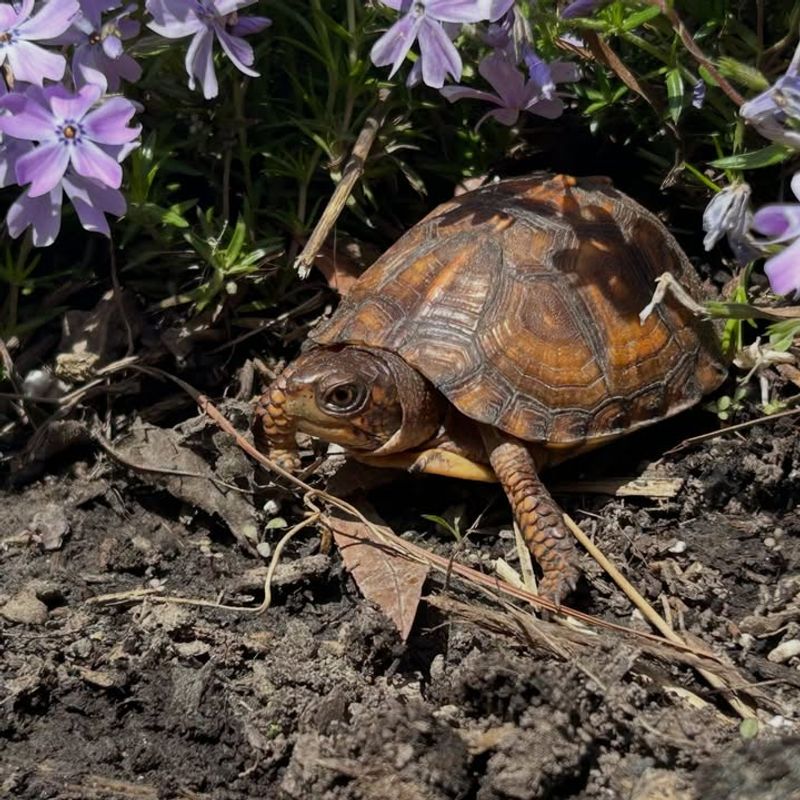
A box turtle moving through your garden beds is not just a wildlife sighting. It is a reminder that your yard is a living system, and what you put into the soil, mulch, and leaf litter affects far more than your plants.
Box turtles spend significant time in close contact with the ground, and they absorb what is in it through their skin and through the food they eat.
Pesticides, herbicides, and fungicides can linger in soil and mulch long after application. A turtle foraging through a treated bed may consume earthworms or beetles that have already absorbed those chemicals.
Broad-spray applications of pest control products are especially risky because they coat large areas of ground where turtles travel and rest.
Reading product labels carefully and using targeted, minimal applications when truly necessary is a smarter approach for any yard that wildlife visits.
Switching to organic mulches, encouraging natural predators for common garden pests, and planting native species that support insect diversity all help reduce the need for chemical intervention in the first place.
A garden bed that supports beetles, earthworms, and beneficial fungi is also a garden bed that naturally attracts and supports a box turtle.
The presence of this reptile near your plants is a gentle nudge to think about the full picture of what a healthy garden bed actually means, beyond just the plants you are growing.
10. It Is A Reason To Build Better Backyard Habitat
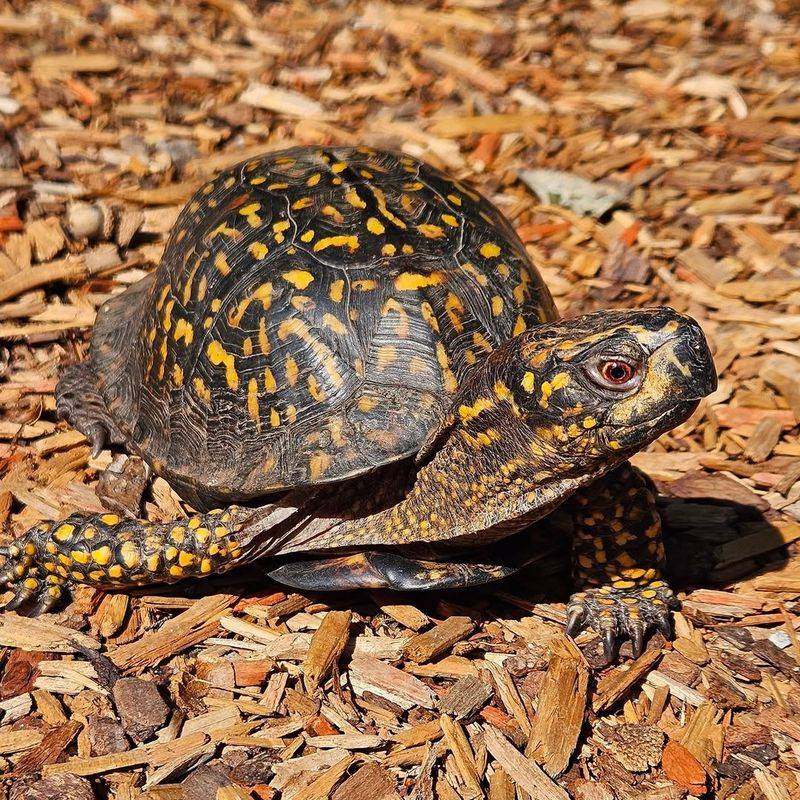
A box turtle visiting your garden beds is genuinely good news, and the best response is to make your yard even more welcoming for the next visit. You do not need a wildlife sanctuary or a large property to make a difference.
Small, thoughtful changes to your outdoor space can create real value for box turtles and the wider community of creatures that share your neighborhood.
Start by letting leaf litter build up under shrubs and along garden edges rather than raking everything bare. Add a shallow dish of fresh water set directly at ground level so turtles can reach it without climbing.
Native groundcovers like wild ginger, partridgeberry, and Virginia creeper provide both food and cover. A brushy corner away from mowing zones gives turtles a place to rest without risk.
Keeping clear, unobstructed ground paths between planted areas allows turtles to travel without getting tangled or stuck.
The turtle that found your yard has already told you something valuable: your space has potential.
Building on that potential means observing more, intervening less, protecting pets during garden time, skipping unnecessary chemical treatments, and never relocating a turtle you find on your property.
North Carolina’s box turtles have navigated these landscapes for centuries.
Your garden can be a small but meaningful part of the territory they continue to call home, and that connection between your yard and the natural world around it is worth protecting.