How Georgia Gardeners Keep Container Blueberry Bushes Healthy In July
Some plants seem perfectly healthy until July arrives. Then, after a stretch of hot, humid weather, they suddenly start looking different, even when you have been watering and caring for them.
It is easy to wonder what changed and whether there is still time to help them recover.
That often happens with container blueberry bushes across Georgia.
Growing blueberries in pots makes it easier to control soil conditions, but it also means the roots heat up and dry out much faster during the state’s long summer days.
A plant that looked great in June can begin showing signs of stress surprisingly quickly.
The good news is that July does not have to be a difficult month for container blueberries. A few simple adjustments can help them cope with the summer heat and keep growing well.
Knowing what deserves your attention now can make a big difference in how healthy your blueberry bush looks through the rest of the season.
1. Keep The Potting Mix Evenly Moist Throughout July
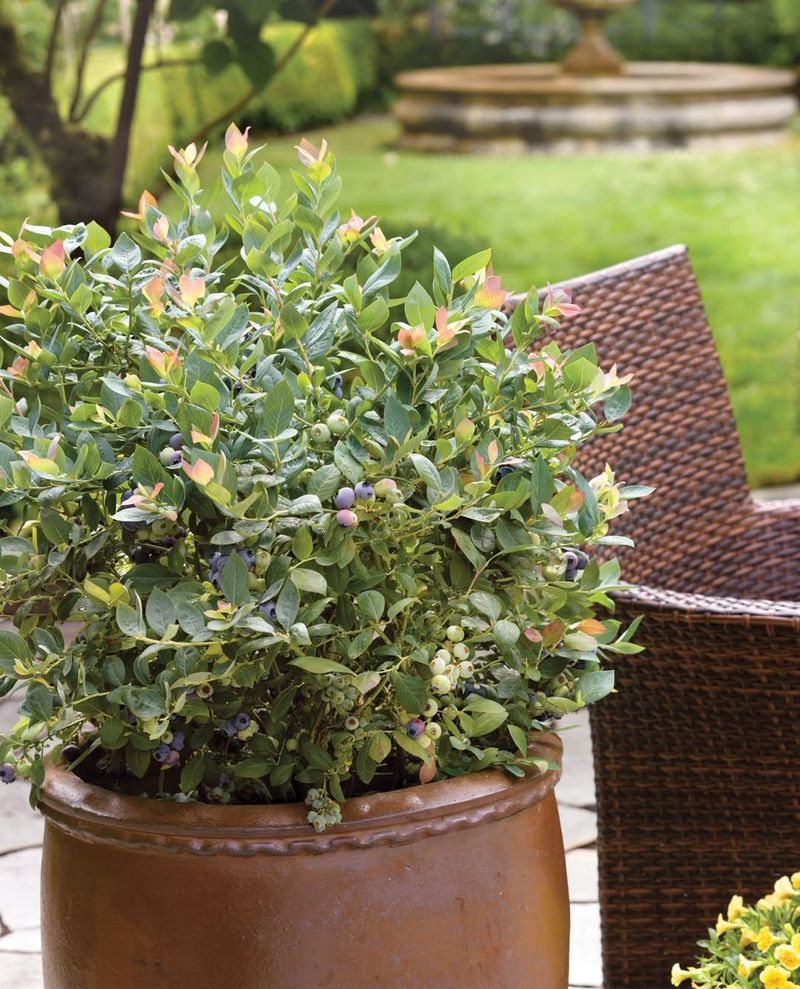
Dry soil is the fastest way to stress a container blueberry in summer. Unlike plants in the ground, potted blueberries cannot pull moisture from surrounding earth.
Whatever is in that container is all they have.
Check the top inch of soil every single day in July. If it feels dry, water deeply until it drains from the bottom holes.
Shallow watering only wets the surface and leaves roots thirsty.
Aim for even moisture, not soaking wet and not bone dry. Swinging between those two extremes stresses roots and can cause fruit to crack or drop early.
Consistency matters more than any single watering session.
Blueberries prefer slightly acidic soil with a pH around 4.5 to 5.5. Using water with a neutral pH repeatedly can gradually raise the soil pH over time.
Adding a splash of diluted white vinegar occasionally can help, though testing your soil first is always the smarter move.
Self-watering containers work well for busy gardeners. They hold a reservoir at the base and let roots draw up moisture as needed.
Not everyone has one, but they are worth considering if you struggle to water consistently during a hot Georgia July.
2. Morning Sun Helps Reduce Heat Stress On Foliage
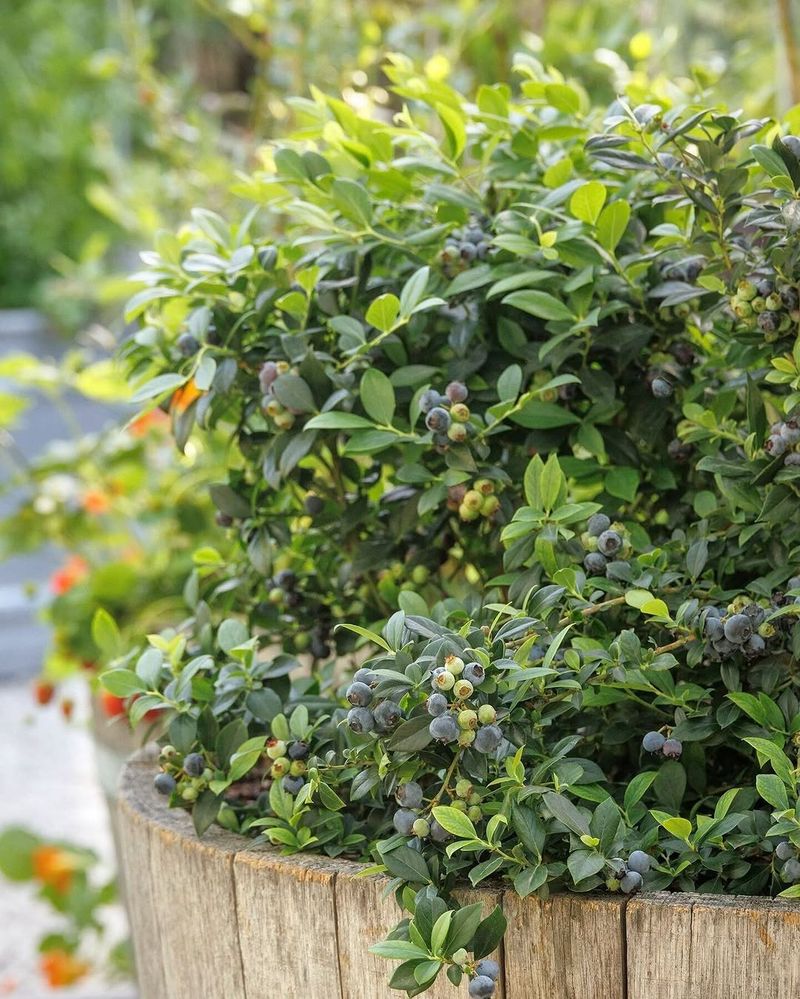
Container placement is a tool most gardeners underuse. Where you set your blueberry pot in July can change how well it survives the afternoon heat.
Morning sun is gentler and gives leaves the light they need without scorching them. After about 2 p.m., direct sunlight in Georgia becomes brutal.
Leaves can show brown edges or curl when exposed too long.
Moving containers to a spot with afternoon shade is a practical fix. A porch overhang, a large tree, or even a privacy fence can provide enough relief.
You do not need full shade, just a break from the most intense hours.
Blueberries need at least six hours of sun daily to fruit well. So pulling them into total shade is not the answer.
Early morning exposure from roughly 7 a.m. to 1 p.m. usually covers that requirement without the heat damage risk.
Your Georgia Garden Changes Every Week. Your Plan Should Too.
Gardening in Georgia changes quickly throughout the season. Every Friday you’ll receive a simple weekly plan showing exactly what to plant, prune, fertilize, harvest, and protect so you never miss the right timing.
Watch the leaves closely during the first week after repositioning. Healthy foliage should be deep green and slightly glossy.
Yellowing or wilting after repositioning may point to a watering issue rather than a sun problem, so rule that out before making more changes.
Rotating the pot every week or two also ensures all sides of the bush get even light exposure.
3. Larger Containers Hold Moisture Longer In Summer
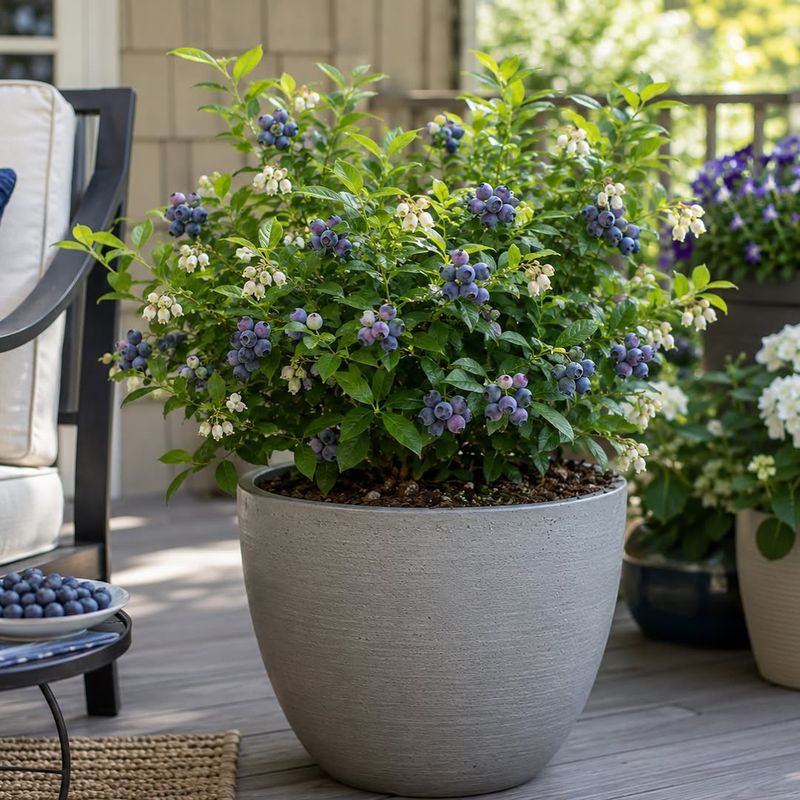
Pot size matters far more than most people expect. Small containers dry out within hours on a hot July afternoon.
Larger ones give roots more room and hold moisture much longer between waterings.
A five-gallon pot might work for a young plant, but a mature blueberry bush needs at least 15 to 20 gallons. Going bigger also means the soil temperature stays more stable.
Roots in a tiny pot can get dangerously warm when the container absorbs heat from direct sun.
Fabric grow bags are popular with many gardeners because they allow air pruning of roots and prevent overheating better than black plastic pots. Light-colored containers also reflect heat rather than absorbing it.
Both choices make a noticeable difference in summer.
If your current pot is too small, July is not the ideal time to repot. Transplanting during peak heat adds stress to an already struggling plant.
Wait until fall when temperatures drop, then move up to a larger container before next season.
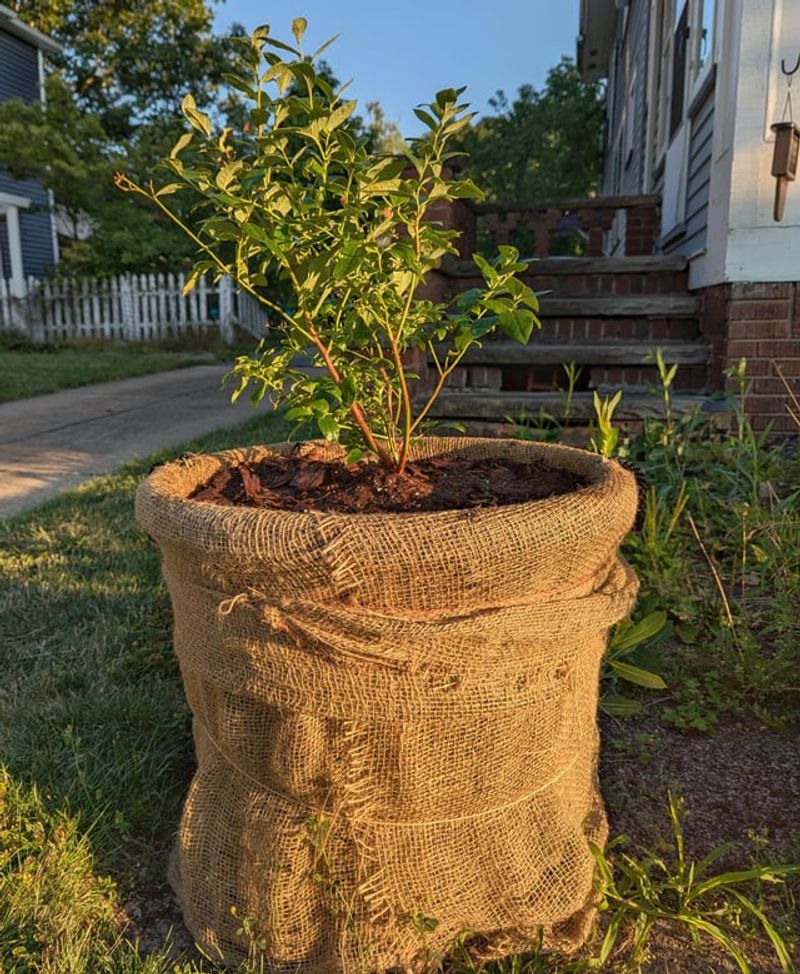
For now, you can wrap smaller dark pots in burlap or light fabric to reduce heat absorption. It is a low-cost fix that actually works.
Pair that with consistent watering and afternoon shade, and even an undersized container can get through July in decent shape.
4. Refresh Mulch To Slow Moisture Loss
Mulch does quiet, steady work that most gardeners only notice when it is missing. Laying a fresh layer on top of your container soil in July slows evaporation and keeps roots cooler during hot afternoons.
Pine bark mulch or pine straw works especially well for blueberries. Both are slightly acidic, which supports the low pH environment blueberries need.
Avoid dyed mulches or wood chips from unknown sources, as they can introduce unwanted chemicals or alter soil chemistry.
Apply about one to two inches on top of the potting mix. Do not pile it directly against the main stem.
Keeping mulch a half inch away from the stem reduces the chance of moisture-related rot at the base.
Refresh the mulch every four to six weeks during summer. It breaks down over time and loses its insulating effect.
A quick top-up takes only a few minutes and pays off in reduced watering frequency.
Pine straw is easy to find throughout Georgia and is inexpensive. Many gardeners use it straight from their yards if they have pine trees nearby.
Just make sure it has not been treated with herbicides or pesticides before spreading it over your blueberry container.
Mulching is one of those small habits that compounds over a whole season.
5. Good Drainage Prevents Waterlogged Roots After Heavy Rain
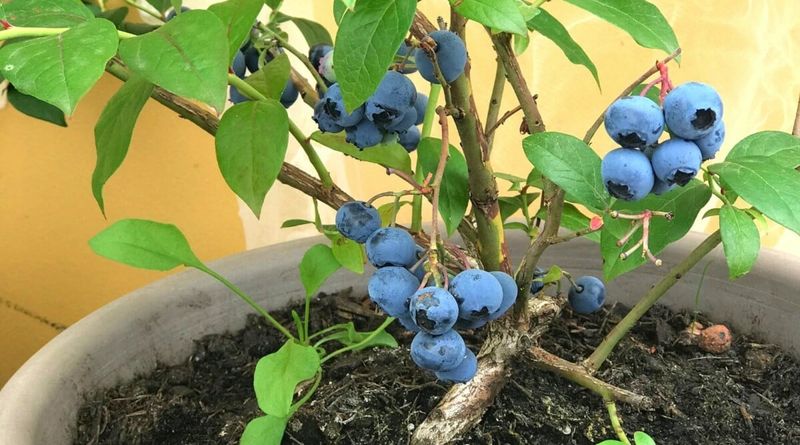
Heavy summer rain in the South can drop an inch or more in under an hour. For container blueberries, that means a waterlogged pot if drainage is not working properly.
Soggy roots cannot absorb oxygen, and that leads to rapid root decline.
Check your drainage holes before July gets going. They should be open and clear.
Roots, compacted soil, or debris can block them over time. A simple poke with a pencil or stick can clear minor blockages.
Elevating your container slightly improves drainage flow. Pot feet or even a couple of bricks underneath allow water to exit freely.
Without elevation, the pot can sit in a puddle and pull water back up through the drainage holes.
Well-draining potting mix matters just as much as the holes themselves. A mix designed for acid-loving plants, or one blended with perlite, drains faster and holds less standing water.
Standard garden soil is too dense for containers and should be avoided entirely.
After a heavy downpour, tip the container slightly to help any pooled water escape. If your pot is too heavy to move, use a turkey baster or small pump to remove standing water from saucers underneath.
Leaving water in a saucer for more than a day is asking for trouble.
Good drainage and good watering habits work together.
6. Harvest Blueberries Every Few Days During Peak Season
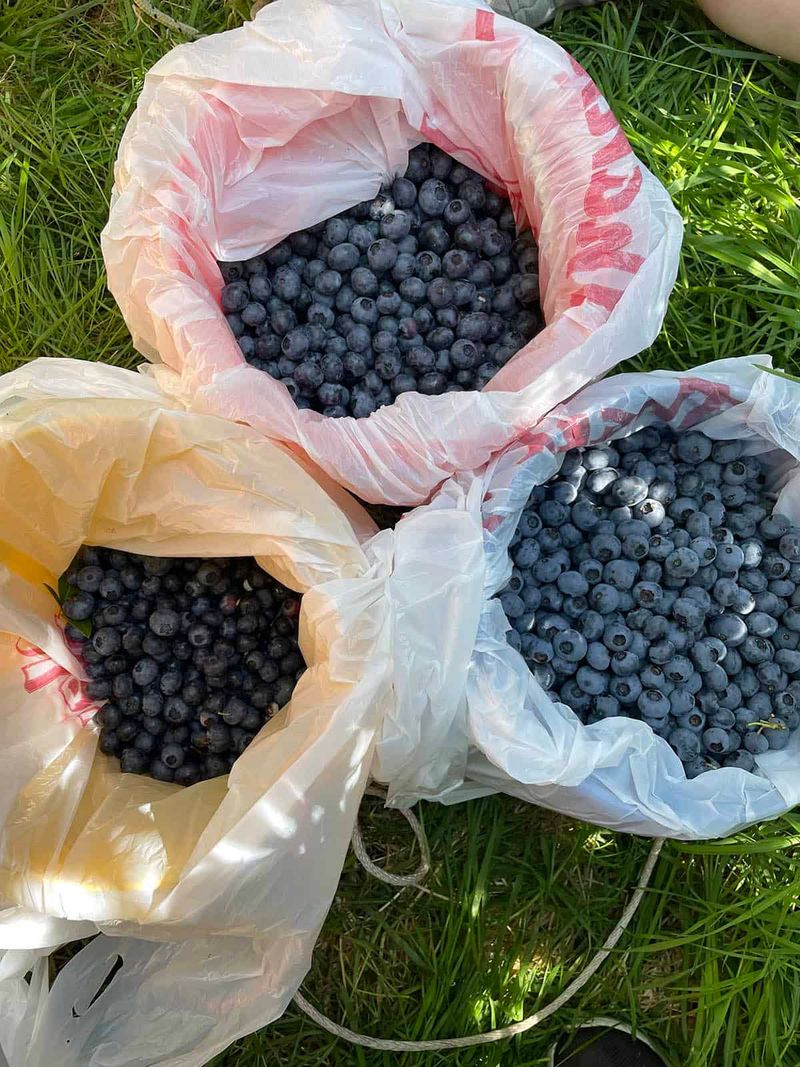
Peak blueberry season and Georgia’s hottest days arrive at the same time. Ripe berries do not wait around in 95-degree heat.
Leaving fruit on the bush too long leads to shriveling, fermentation, or pest problems.
Check the bush every two to three days once berries start turning fully blue. A ripe blueberry releases easily with a gentle roll of the fingers.
If you have to tug, give it another day or two.
Harvesting regularly does more than fill your bowl. It reduces the energy load on the plant.
Every ripe berry left behind keeps the bush working to support fruit that is past its prime. Removing it lets the plant redirect energy toward remaining berries and root health.
Early morning is the best time to harvest. Berries are firm and cool, and they hold up better after picking.
Harvesting in afternoon heat speeds up softening and shortens shelf life considerably.
Sort through what you pick and remove any soft or damaged berries right away. Leaving them in the bowl with firm ones causes faster spoilage.
Refrigerate your harvest promptly for the longest shelf life.
Container blueberries often produce in smaller quantities than in-ground plants, but the quality can be just as good. Picking often and picking early in the day keeps the fruit at its best and keeps the plant healthier through the rest of the summer season.
7. Watch For Spider Mites As Temperatures Rise
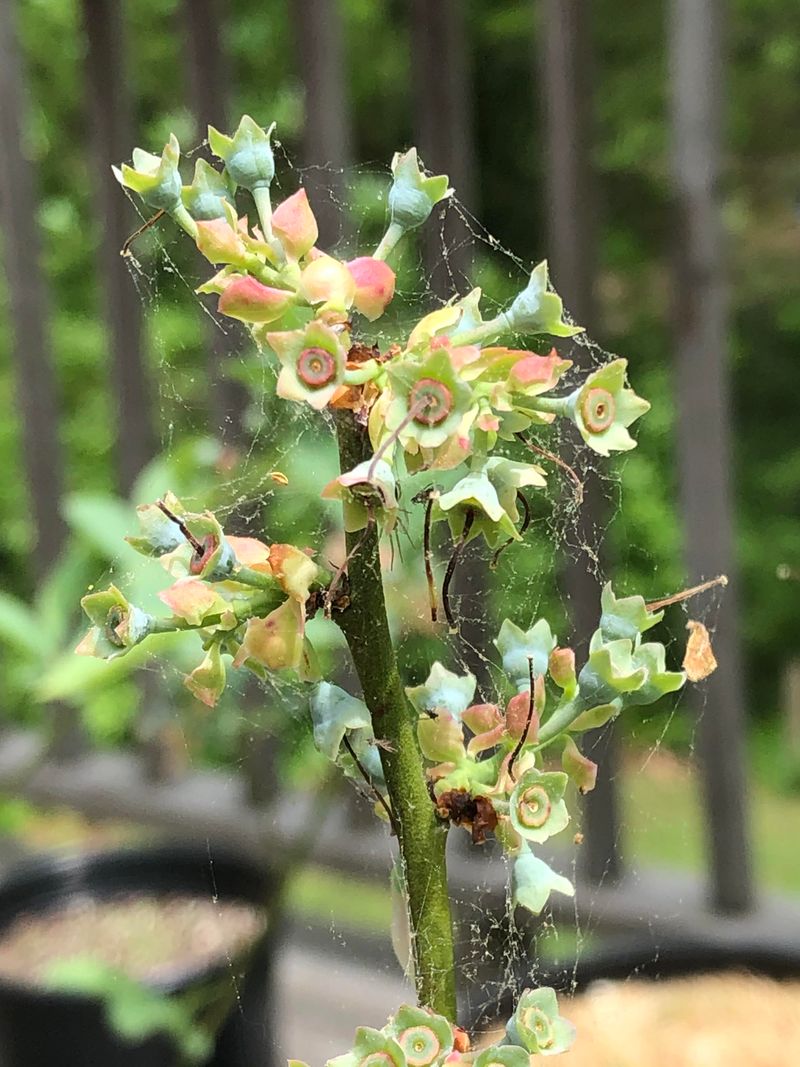
Spider mites thrive in hot, dry conditions, which makes July their favorite month. Container blueberries that are slightly water-stressed are especially vulnerable.
Catching an infestation early is the only way to manage it without losing significant foliage.
Look for tiny yellow or bronze speckling on the upper surface of leaves. Turn a leaf over and check the underside for fine webbing or barely visible moving dots.
Both are clear signs mites have moved in.
A strong spray of water from a garden hose can knock mites off leaves. Do this in the morning so foliage dries before evening.
Repeat every two to three days for a week to break the cycle.
Neem oil spray is another effective option. Mix it according to the label and apply in the early morning or late evening, never during peak heat.
Applying any oil-based spray in direct sun can scorch leaves quickly.
Insecticidal soap also works on contact. Both neem oil and insecticidal soap need repeat applications to address newly hatched mites.
One treatment rarely solves the problem on its own.
Keeping plants well-watered reduces vulnerability. Mites spread fast when conditions are hot and dry, so a consistently moist container is a natural deterrent.