Minnesota Garden Plants That Faded First And The Ones Still Going Strong
Nobody warns you that a Minnesota garden can look completely different from one week to the next, and not in a good way.
One moment your yard is lush and loud, the next it looks like something quietly gave up while you were not paying attention.
A few bare patches appear. The colors dull. You walk outside and just stare. Here is what nobody tells beginners: your garden is not failing.
You just planted a mix of sprinters and long-distance runners without knowing which was which.
Some plants peak hard and fast, then tap out before the season even gets interesting. Others are quiet overachievers, saving their best performance for the moment the air turns cool and the light goes golden.
Plants you will recognize from yards all across the upper Midwest are broken down here, sorted by exactly which ones fade early and which ones earn their keep well into fall.
Minnesota gardeners who know the difference plan better, spend less, and actually enjoy the whole season.
Hosta
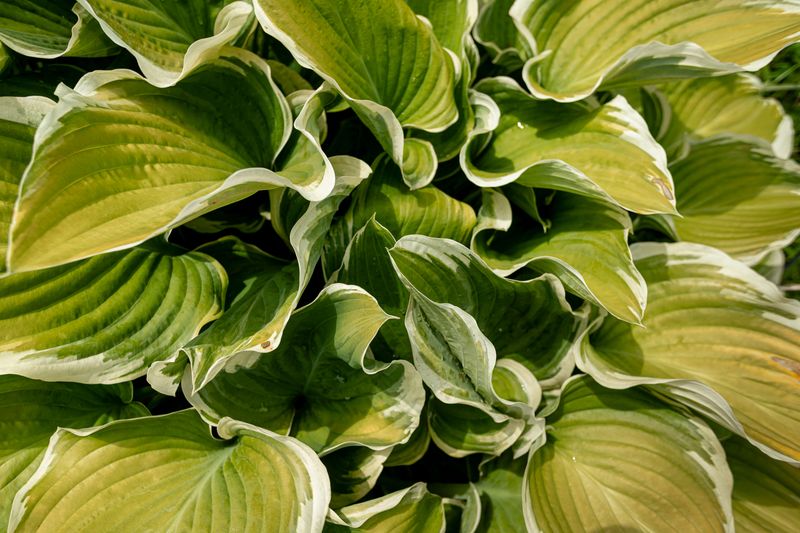
Hostas are the reliable friends of the shade garden, but even reliable friends have limits. By mid-August in a typical Minnesota yard, many hosta varieties start showing their age fast.
The edges of the leaves turn yellow or brown, especially if summer heat was intense. Once that happens, no amount of watering brings back the crisp look they had in June.
Hostas are not total quitters, though. The foliage holds its basic shape through early September, giving you some ground cover even as it declines in color.
The biggest issue is sun scorch and slug damage, both of which pile up over the season. By the time September arrives, many plants look more tired than thriving.
Planting hostas in deeper shade slows the fading process noticeably. A north-facing bed or a spot under a large tree gives them the best chance of looking sharp into fall.
Pairing hostas with late-blooming perennials nearby helps disguise their decline. Astilbe or ferns can fill the visual gap when your hostas start looking worn.
One underrated tip is cutting back the worst-looking leaves in August. Fresh cuts tidy the plant and let the healthier remaining leaves carry it through to frost.
Hostas are one of the Minnesota garden plants that faded first in many yards, but smart placement keeps them in the game longer than most people expect.
Peony
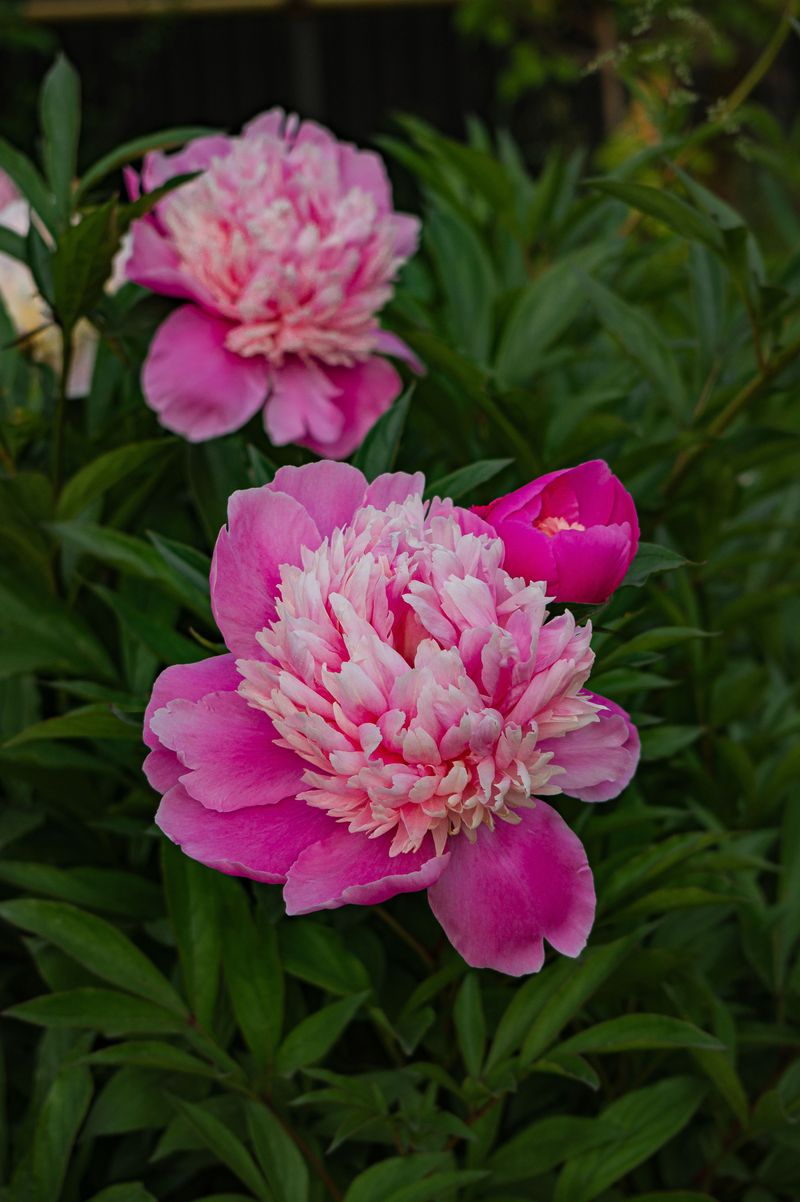
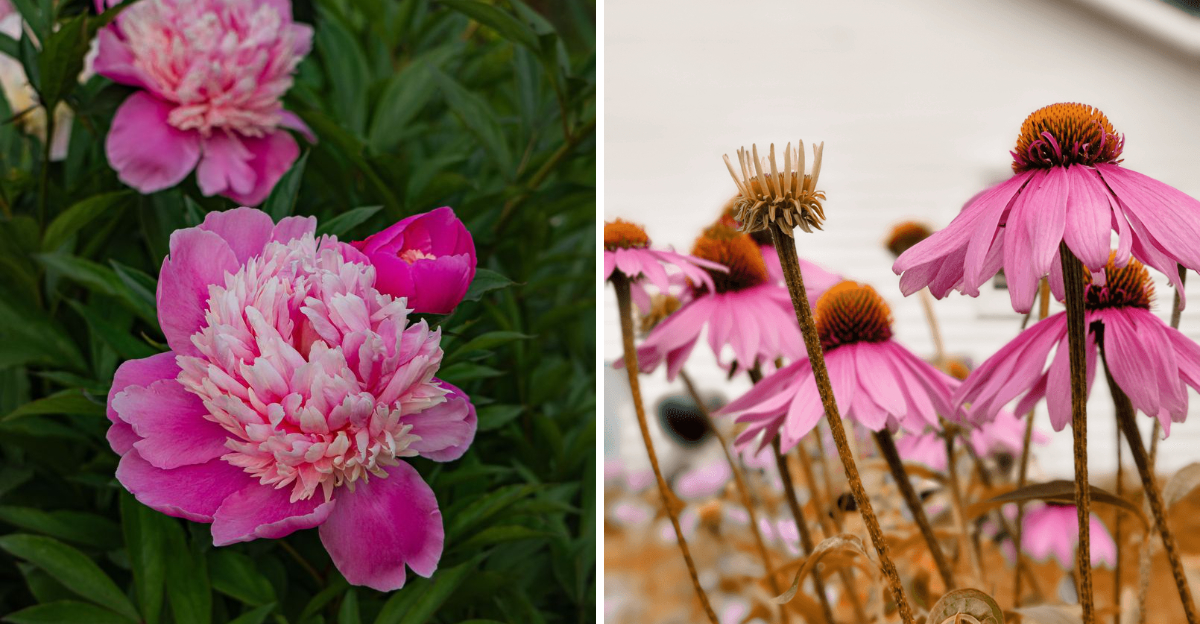
Peonies are the showiest plants of early summer, arriving big, bold, and hard to ignore. Then, almost as quickly as they appeared, the blooms are gone.
In most Minnesota yards, peonies peak in late May or early June and finish blooming within two to three weeks. After that, the show is essentially over for the season.
The foliage sticks around and stays reasonably green through summer, but it offers no flowers and little excitement. Gardeners who planted peonies expecting a long season often feel let down by July.
That said, the foliage does serve a purpose. It fills space and provides a lush green backdrop for other plants that bloom later in the season.
Your Minnesota Garden Changes Every Week. Your Plan Should Too.
Gardening in Minnesota changes quickly throughout the season. Every Friday you’ll receive a simple weekly plan showing exactly what to plant, prune, fertilize, harvest, and protect so you never miss the right timing.
Peonies are also incredibly long-lived plants. A well-established clump can thrive for decades with minimal care, which makes the short bloom window easier to accept.
Ant activity on peony buds is a classic sign that blooms are opening soon. Those ants are harmless and are actually attracted to the sweet nectar the buds produce.
To extend the visual interest, plant peonies near black-eyed Susans or coneflowers. Those companions take over the color duties right when peonies step back.
Removing spent blooms keeps the plant tidy and prevents energy from going into seed production. A little maintenance goes a long way with these classic perennials.
Peonies fade fast, but their staying power as a plant makes them worth every inch of garden space they occupy.
Bleeding Heart
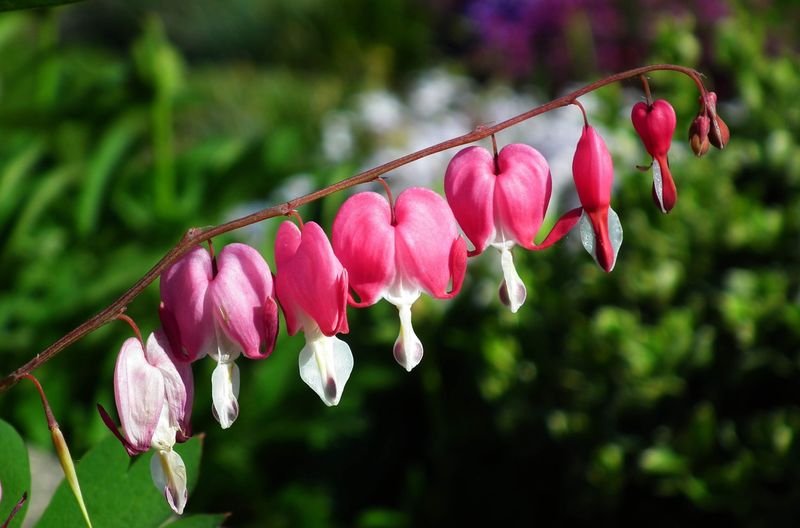
Bleeding heart is one of the most distinctive-looking plants you can grow. But it is also one of the earliest plants to completely disappear from your garden.
By midsummer in most Minnesota yards, bleeding heart has gone fully dormant. The stems yellow, collapse, and vanish like they were never there.
This disappearing act catches new gardeners off guard every single year. You plant it in spring, fall in love with the blooms, and then find an empty patch of dirt by July.
The trick is planning for the gap. Hostas, ferns, or astilbe planted nearby will fill in the space as bleeding heart retreats underground for the season.
There is a variety called fringed bleeding heart, or Dicentra eximia, that blooms longer than the traditional type. It can push flowers into summer if conditions stay cool and moist.
Traditional bleeding heart, now reclassified as Lamprocapnos spectabilis, is the one most gardeners grow. Knowing this upfront saves a lot of confusion and disappointment.
The good news is that bleeding heart comes back reliably each spring without any fuss. It is one of those plants that rewards patience with a stunning seasonal payoff.
Mark where it grows so you do not accidentally dig it up during its dormant period. A small plant marker saves a lot of accidental damage to the roots below ground.
Impatiens
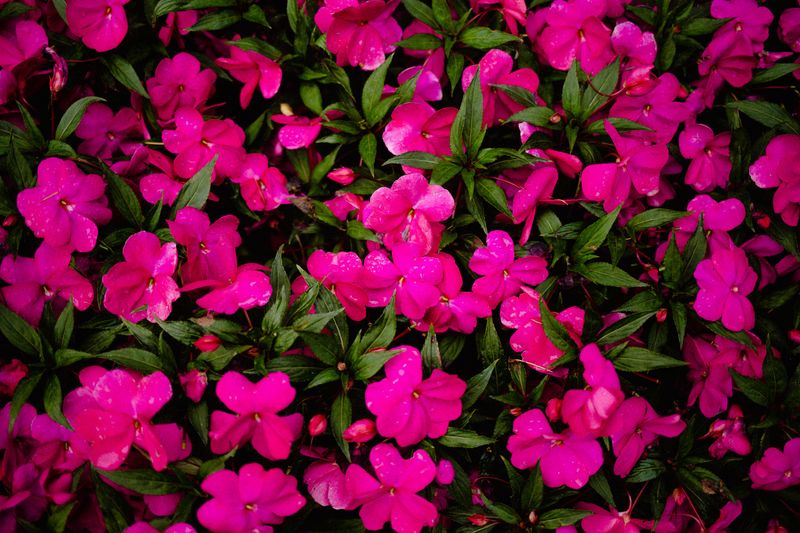
Impatiens have been a go-to annual for shady spots for decades, and for good reason. They pump out color from planting time all the way through summer without much fuss.
However, Minnesota gardeners know that impatiens have a weak spot, and it shows up fast when the weather turns. Hot, dry spells cause them to wilt dramatically, and they rarely bounce back to their original fullness.
Downy mildew is another serious problem that has plagued impatiens across the Midwest in recent years. This fungal disease can spread through entire plantings within days, leaving nothing but bare stems.
When impatiens fade, they fade hard and fast. One week they look lush, and the next they are a crispy, collapsed mess that no amount of water can rescue.
New Guinea impatiens are a more resilient option that handles heat and sun much better than standard varieties. They cost a bit more, but the extended performance is worth the extra spend.
For traditional impatiens, keeping the soil consistently moist is the biggest factor in how long they last. A layer of mulch around the base locks in moisture and extends their run.
Spacing plants with good airflow between them also reduces the risk of mildew taking hold. Crowded plantings are basically an invitation for that disease to spread fast.
Impatiens are a classic Minnesota garden plant that faded first in tough summers, but the right variety and care routine can push them much further into the season.
Black-Eyed Susan
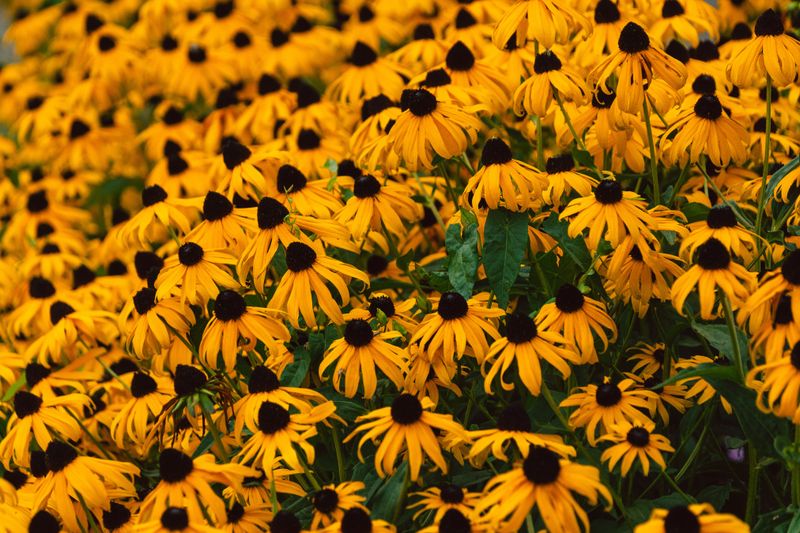
If there is one plant that defines a late-summer Minnesota garden, it is the black-eyed Susan. These sunny yellow blooms are exceptionally well-adapted to the upper Midwest climate.
They start blooming in July and keep going strong well into September, outlasting most of their garden neighbors by several weeks. Few plants deliver that kind of reliable, long-season color.
Black-eyed Susans thrive in full sun and handle dry spells better than most perennials. Once established, they are surprisingly low maintenance compared to other flowering plants.
They also self-seed freely, which means a single plant can multiply into a beautiful colony over a few seasons. Some gardeners love this, while others prefer to remove blooms to control the spread.
Rudbeckia hirta is the annual or biennial type, while Rudbeckia fulgida is a true perennial that comes back stronger each year. Knowing which type you have helps set expectations for spring.
Goldfinches are obsessed with black-eyed Susan seed heads in fall. Leaving the spent blooms standing through winter feeds wildlife and adds textural interest to the garden.
Powdery mildew can affect the lower leaves in humid years, but it rarely stops the plant from blooming. A little cosmetic damage does not slow these tough plants down much.
Black-eyed Susans are standout performers among Minnesota garden plants still going strong when others have long since called it a season.
Coneflower
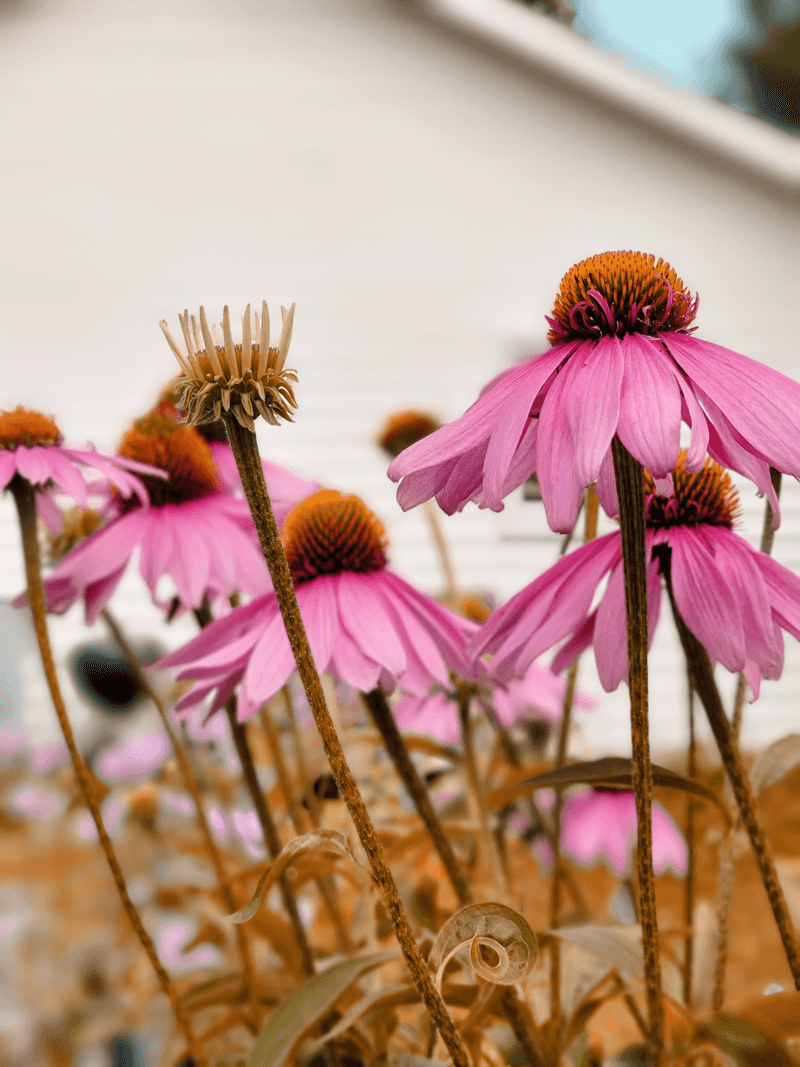
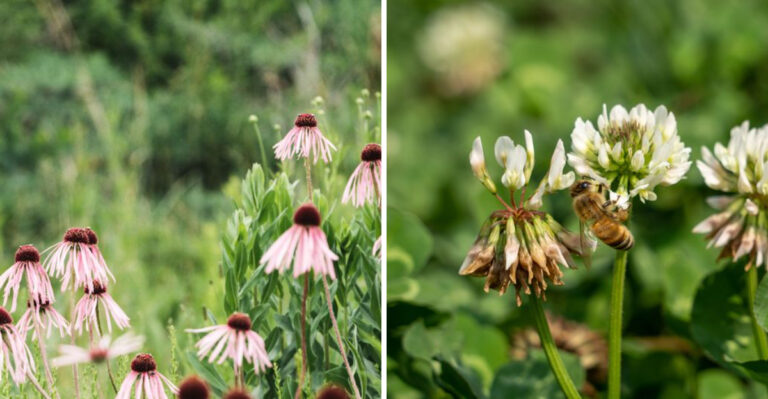
Coneflowers, known botanically as Echinacea, are the workhorses of the summer perennial garden. They bloom from July through September and rarely need any help getting started.
Purple is the classic color, but modern varieties come in orange, yellow, white, and deep red. The expanded palette has made coneflowers even more popular in home gardens across the Midwest.
One of the best things about coneflowers is how they handle heat and drought. They are exceptionally well-suited to the conditions that flatten other plants mid-season.
Bees and butterflies treat coneflower patches like an all-you-can-eat buffet all summer long. If you want to support pollinators, this plant is one of the smartest choices you can make.
The spiky seed heads that form after the petals drop are just as valuable as the blooms. Birds flock to them in fall, and they add sculptural interest through the winter months.
Dividing coneflower clumps every three to four years keeps them blooming at full strength. Plants that get too crowded start to produce fewer flowers and smaller blooms over time.
Aster yellows disease can occasionally affect coneflowers, causing distorted blooms and stunted growth. Removing infected plants quickly prevents the disease from spreading to healthy ones nearby.
Coneflowers are absolutely among the Minnesota garden plants still going strong in late summer, and they earn their place in any yard that wants color without constant coddling.
Sedum
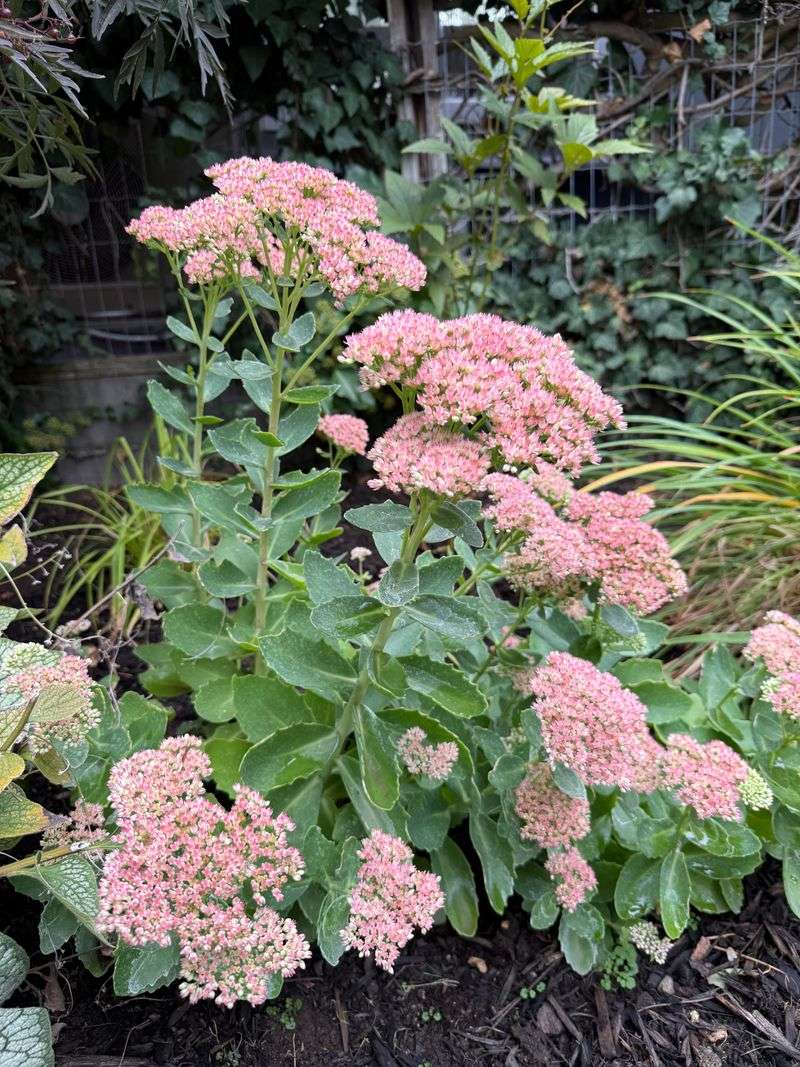
Sedum is the plant that shows up to the party right when everyone else is heading home. It blooms in late summer and fall, just as most other perennials are wrapping up for the year.
Autumn Joy is the most popular variety, and it earns its name completely. The flower heads shift from pale green in summer to dusty pink and eventually rusty red by October.
Sedums are succulents, which means they store water in their thick leaves. This adaptation makes them extremely drought-tolerant and nearly impossible to neglect into failure.
They thrive in full sun and poor soil, which is actually where they perform best. Overly rich or wet soil causes sedums to flop over from excessive leafy growth.
Butterflies, especially monarchs passing through during migration, absolutely love sedum blooms in September. Planting a patch near a sunny window gives you a front-row seat to that annual show.
Sedum flower heads are stunning even after the blooms fade. The dried seed heads hold their structure through snow and add quiet beauty to a winter garden.
Cutting sedum stems back by half in late June, a technique called the Chelsea chop, creates bushier plants that stand upright better. Skipping this step often leads to flopped stems by fall.
Among the Minnesota garden plants still going strong into the season’s final weeks, sedum stands out as one of the most reliable and rewarding choices any gardener can make.
Ornamental Grass
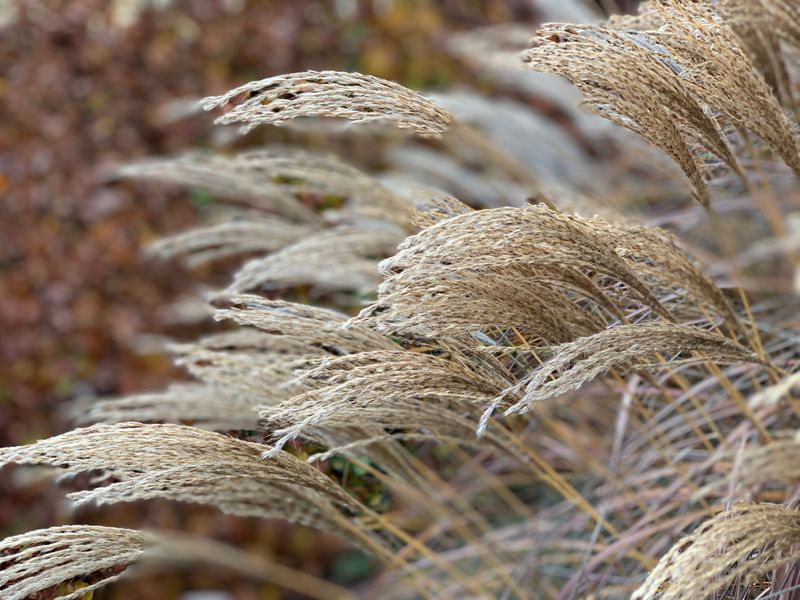
Ornamental grasses are the unsung heroes of the fall garden, and they hit their peak exactly when most other plants have already checked out. Few plants offer the same combination of movement, texture, and staying power.
Varieties like Karl Foerster feather reed grass and Prairie Dropseed are exceptionally well-suited to Minnesota winters.
Karl Foerster establishes quickly, while Prairie Dropseed takes two to three years to settle in fully, but both come back each spring with almost no intervention needed.
The feathery plumes that emerge in late summer add a softness to the garden that flowers cannot replicate. When the wind catches them, the whole planting feels alive and dynamic.
Ornamental grasses also turn stunning shades of gold, bronze, and copper as temperatures drop. That fall color rivals any flowering perennial in terms of raw visual impact.
One common mistake is cutting grasses back too early in fall. Leaving the plumes standing through winter protects the crown and gives birds shelter and seeds during cold months.
Wait until late March or early April to cut them back, just before new growth emerges from the base. This timing ensures you get maximum winter interest without sacrificing spring regrowth.
Large varieties like miscanthus can get quite wide over several years, so give them room when planting. Crowded grasses lose their graceful form and become harder to manage over time.
Ornamental grasses are the ultimate late-season performers among Minnesota garden plants, holding their ground and their good looks long after everything else has faded away for the year.