Backyard Habits That Attracts Wildlife To North Carolina Gardens And Ticks Along With It
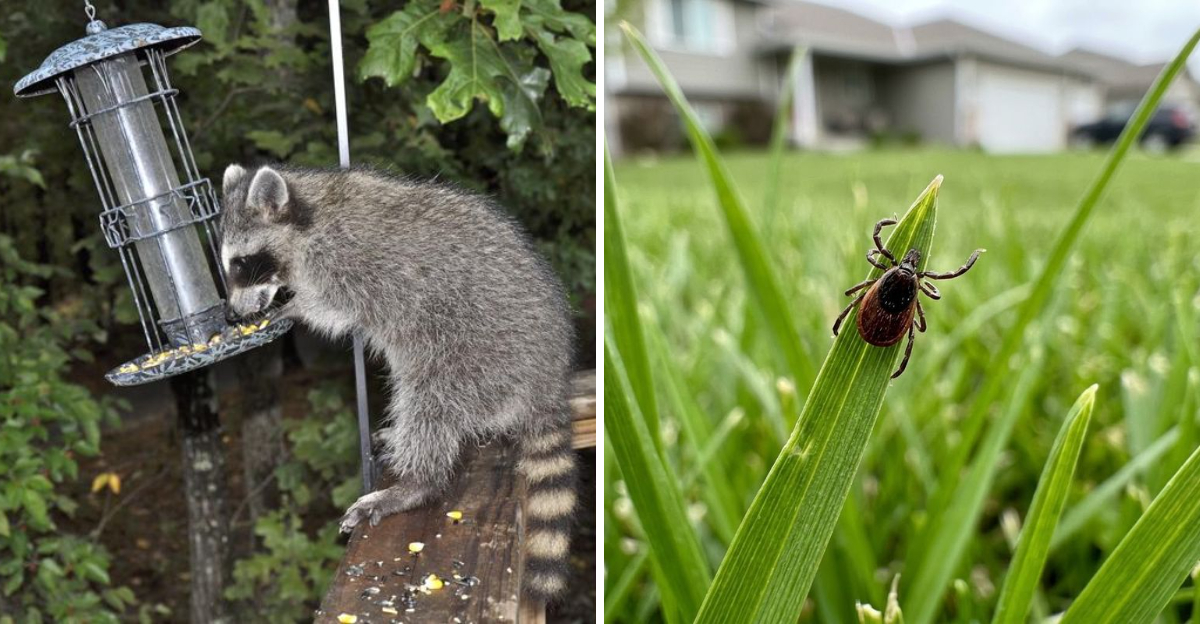
A North Carolina backyard with deer drifting through at dusk, songbirds crowding the feeders, and rabbits peeking out from the garden border is a genuinely beautiful thing.
A lot of Piedmont, Coastal Plain, and mountain homeowners put real effort into making their yards feel welcoming to local wildlife, and that effort absolutely shows.
But here is something that does not always make it onto the wildlife gardening radar: several common backyard habits can quietly encourage tick activity right alongside all those lovely wildlife visits.
Leaf litter, tall grass, brushy edges, wood piles, dense ground covers: these are the kinds of conditions where wildlife and ticks both feel completely at home.
The encouraging part is that enjoying a wildlife-friendly North Carolina yard and reducing tick risk are not mutually exclusive goals. Knowing which habits carry the most risk makes all the difference.
1. Leaving Leaf Litter Along Garden Edges
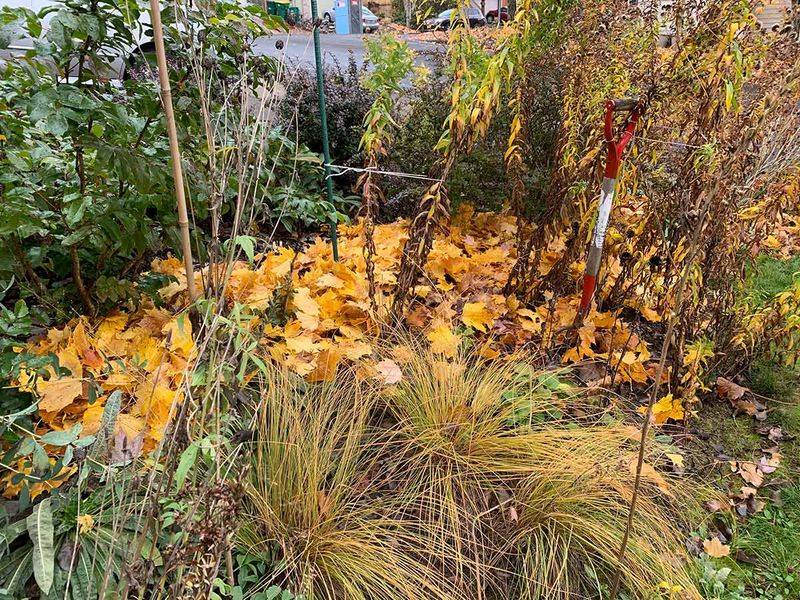
Shaded garden borders piled with fallen leaves look cozy and natural, and for many North Carolina gardeners, leaving that leaf litter in place feels like the environmentally friendly thing to do.
Leaf litter does support beneficial insects, ground-nesting birds, and small amphibians, so the instinct is not wrong.
The challenge is that thick, damp leaf layers along garden edges also create exactly the kind of cool, moist environment where ticks prefer to wait for a passing host.
Ticks do not jump or fly. They sit low in vegetation, on leaf surfaces, or along the edges of paths and lawns, waiting for contact.
A deep layer of decomposing leaves near a frequently used garden path can put ticks much closer to people, pets, and children than most homeowners realize.
In North Carolina, where humid summers keep leaf litter moist for extended periods, this risk can be more pronounced than in drier climates.
Raking leaves away from high-traffic areas or composting them in a designated spot farther from the house can reduce that exposure significantly.
Gardeners who want to support ground-level wildlife can still leave some leaf litter in low-traffic corners of the yard while keeping main paths and play areas clear.
2. Letting Tall Grass Grow Near Paths And Beds
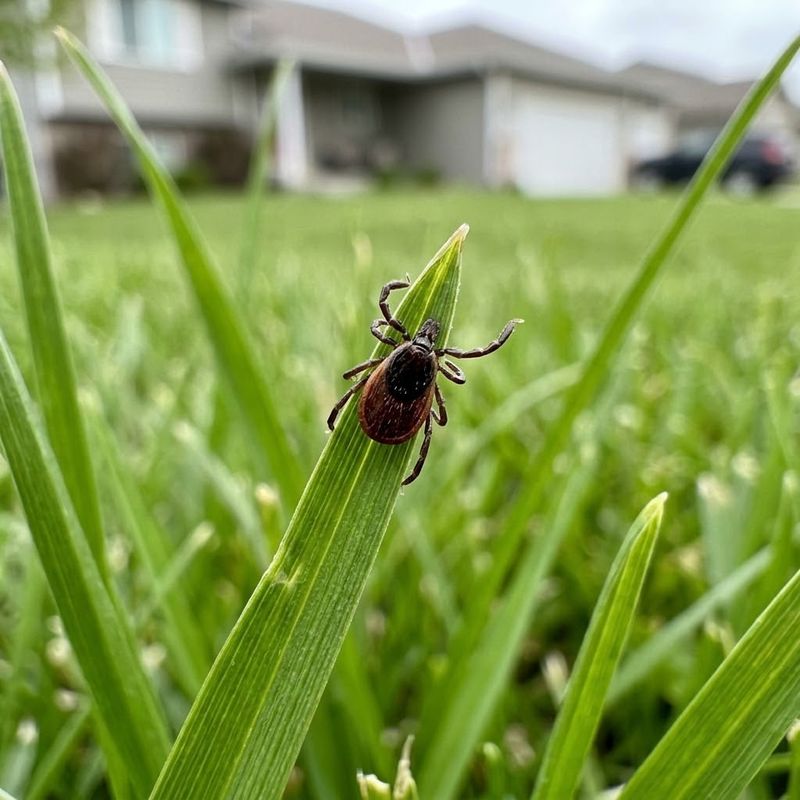
An unmowed strip of grass left to grow along a garden path can look charmingly wild, and plenty of North Carolina homeowners let grass grow a little longer near flower beds to attract pollinators and provide cover for small wildlife.
Grasshoppers, field mice, rabbits, and even ground-feeding birds appreciate that kind of habitat.
Unfortunately, tall grass is also one of the most well-documented tick habitats around residential properties.
Ticks climb grass blades and wait with their front legs extended, ready to latch onto any warm-blooded animal or person brushing past.
Grass left taller than a few inches near regularly used paths, garden beds, or play areas creates a reliable corridor where tick encounters become more common.
The problem is especially noticeable during late spring and early summer in North Carolina, when young nymphal ticks are most active and hardest to spot.
Your North Carolina Garden Changes Every Week. Your Plan Should Too.
Gardening in North Carolina changes quickly throughout the season. Every Friday you’ll receive a simple weekly plan showing exactly what to plant, prune, fertilize, harvest, and protect so you never miss the right timing.
Keeping grass mowed short within about ten feet of paths, seating areas, and vegetable beds removes much of that exposure risk without eliminating wildlife value from the broader yard.
Leaving taller grass sections in the far corners of the property, away from high-traffic spots, offers a reasonable middle ground for gardeners who want to support both wildlife and safer outdoor time.
3. Keeping Brushy Borders Next To The Garden
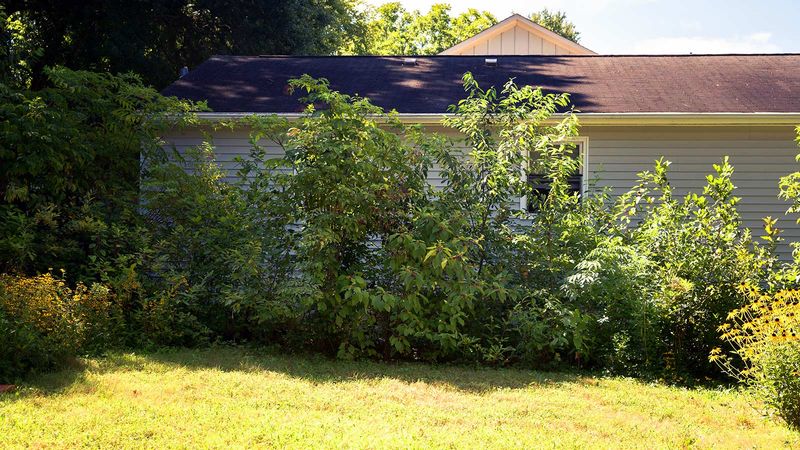
Brushy fence lines and wild shrub borders give North Carolina backyards a layered, naturalistic feel that many homeowners love.
Those tangled edges attract a wide range of wildlife, from songbirds and pollinators to rabbits, opossums, and the occasional fox passing through.
For gardeners trying to support biodiversity, a brushy border next to the vegetable garden or flower bed seems like a smart and attractive design choice.
What those dense borders also do is create a sheltered transition zone where wildlife moves through regularly, and where ticks can persist in good numbers.
The combination of shade, moisture, plant debris, and frequent animal activity makes brushy borders a productive habitat for ticks throughout much of the year.
In North Carolina, where mild winters allow some tick species to remain active even in cooler months, brushy garden edges can stay risky longer than many people expect.
Trimming back the inner edge of a brushy border to create a cleaner gap between the wild zone and the garden area can reduce tick movement into the garden itself. Even a modest cleared strip of a few feet helps.
Gardeners do not need to eliminate the brushy border entirely. Pulling it back slightly from frequently used garden spaces makes a meaningful difference without sacrificing the wildlife value that made the border appealing in the first place.
4. Stacking Wood Piles Close To The House
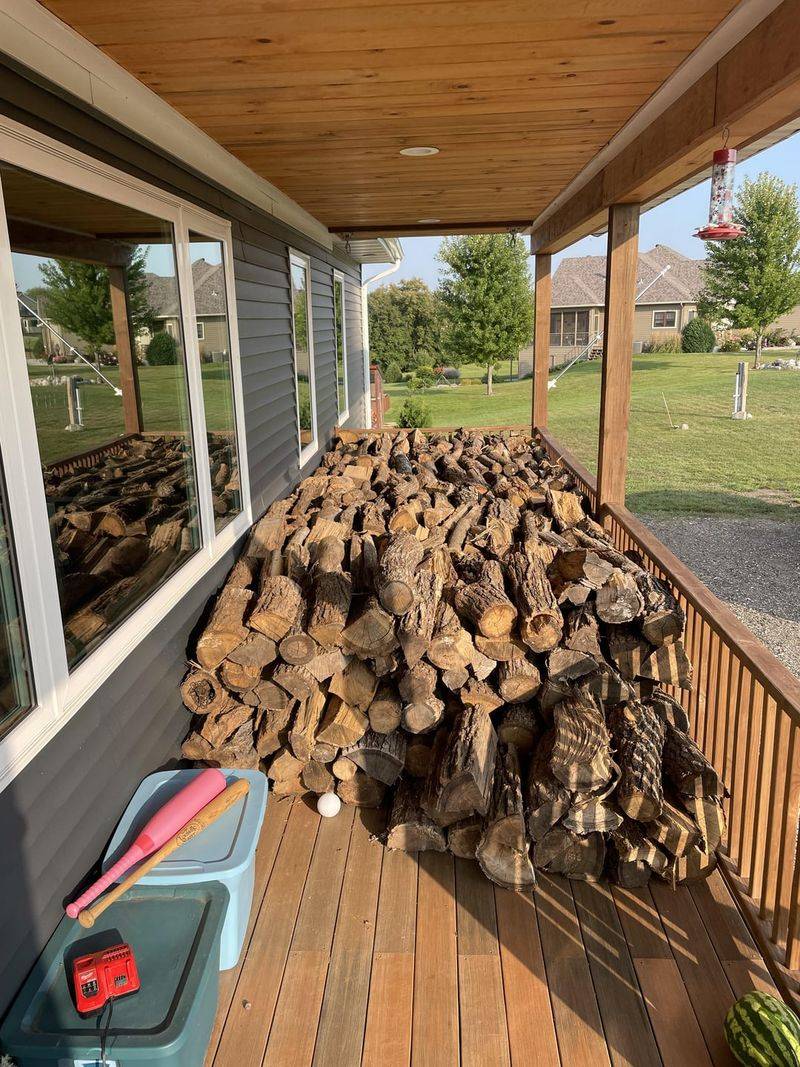
Few things feel more satisfying on a cool North Carolina evening than knowing a well-stocked woodpile is ready for the fireplace.
Most homeowners stack firewood wherever it is convenient, which often means right against the house or tucked into a shaded corner near the back door.
That habit is understandable, but wood piles positioned close to the house can quietly become a hub for wildlife activity that also brings ticks closer to living spaces.
Mice, chipmunks, and squirrels frequently nest in or around stacked wood. Opossums and raccoons may shelter near piles as well.
These animals are capable of carrying ticks, and when wildlife regularly moves between a wood pile near the house and the surrounding yard, it creates a pathway for ticks to move closer to doors, patios, and entry points.
Moving the wood pile at least fifteen to twenty feet from the house, and placing it in a sunny, open spot rather than a shaded corner, makes it less attractive to nesting rodents and less hospitable to ticks.
Stacking wood on a raised platform also helps by reducing ground moisture and limiting the dark, damp spaces that small animals and ticks both prefer.
These small adjustments do not require giving up firewood storage. They just make the storage spot a little less welcoming to uninvited wildlife neighbors.
5. Leaving Pet Food Or Animal Feed Outside
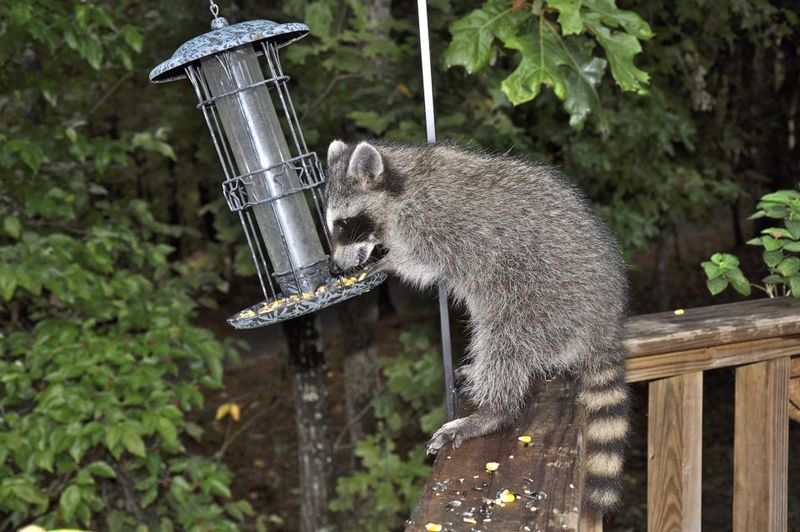
Leaving a bowl of pet food on the porch or setting out animal feed near the garden might seem harmless, especially for North Carolina homeowners who enjoy watching deer, raccoons, or birds stop by.
The problem is that outdoor food sources draw a wider range of animals than most people intend, and more animal activity around the house means more opportunities for ticks to arrive with those visitors.
Raccoons, opossums, deer, squirrels, and rodents are all attracted to accessible food. These animals can carry ticks, and when they visit regularly, especially near the house, deck, or patio, they may leave ticks behind in areas where people and pets spend time.
Rodents in particular are known to be efficient hosts for certain tick life stages, and a reliable food source near the home can encourage rodents to nest nearby.
Bringing pet food inside after feeding time is one of the simplest ways to reduce this type of wildlife draw.
If livestock or backyard chickens are kept, storing feed in sealed containers and cleaning up spills promptly reduces the attraction for unwanted wildlife visitors.
North Carolina gardeners who enjoy watching wildlife can still set up feeding stations, but locating them away from the house and high-use areas makes the habit considerably less likely to bring ticks into everyday outdoor spaces.
6. Letting Trash, Compost, Or Fallen Fruit Stay Accessible

Open compost bins, overflowing trash cans, and fallen fruit left on the ground are reliable wildlife magnets in North Carolina backyards.
Deer, raccoons, opossums, rats, and squirrels are all drawn to easy food sources, and once animals find a dependable spot, they tend to return regularly.
That steady traffic through the yard can raise the chances of ticks being carried into areas closer to the house and garden.
Compost piles that are actively turned and managed tend to attract less wildlife than neglected piles sitting open near the garden.
Fallen fruit from apple trees, pear trees, or berry shrubs left on the ground for extended periods draws both insects and mammals, creating a busy feeding zone that ticks can take advantage of as animals move through.
In North Carolina, where fruit trees are common in residential yards and wildlife populations are healthy, this situation comes up more often than many gardeners expect.
Using a compost bin with a secure lid, collecting fallen fruit regularly, and keeping trash containers tightly closed are straightforward steps that reduce wildlife congregation near the garden.
Moving compost to a spot farther from the main garden and high-traffic yard areas also helps.
None of these changes require giving up composting or fruit trees. They just make those features a little less attractive to wildlife that might carry ticks along on their visits.
7. Using Bird Feeders Too Close To Busy Yard Areas
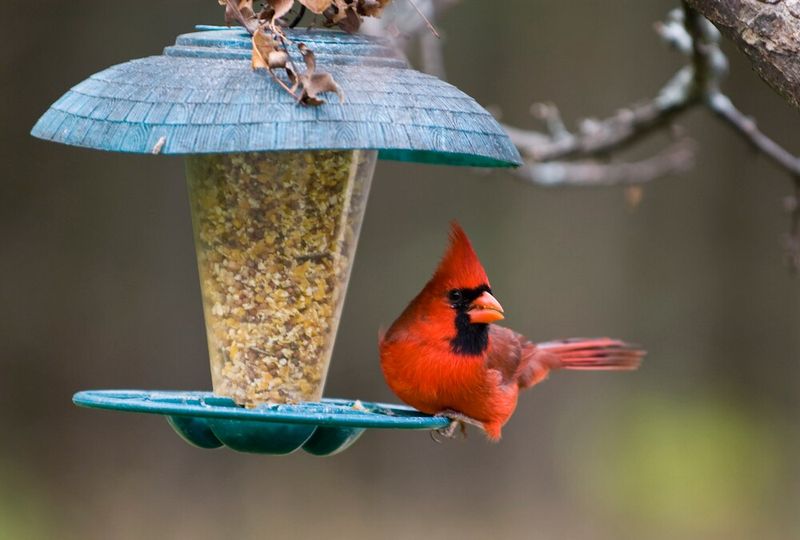
Bird feeders are one of the most popular wildlife features in North Carolina gardens, and for good reason. They bring color, movement, and life to the yard year-round, attracting everything from chickadees and finches to woodpeckers and nuthatches.
Most homeowners hang feeders wherever they can enjoy the view easily, which often means close to the porch, patio, or main garden area.
The challenge with feeders placed in high-traffic yard zones is the seed that falls to the ground. Spilled seed attracts rodents, and rodents are efficient hosts for certain tick life stages.
When mice and rats visit a feeder area regularly, especially one tucked near shrubs or garden borders with decent cover, they create ongoing wildlife activity in a spot where people and pets spend a lot of time.
That combination can quietly increase tick exposure without the homeowner connecting the two.
Moving bird feeders to a spot that still allows for easy viewing but sits farther from main seating areas, play spaces, and garden paths can reduce that risk meaningfully.
Placing feeders over a clear, open area rather than near dense shrubs or leaf litter makes spilled seed easier to spot and clean up.
A feeder located twenty or thirty feet from the patio can still be enjoyed through a window or from a comfortable chair, and it keeps the busiest wildlife activity at a safer distance from everyday outdoor living.
8. Allowing Deer To Browse Freely Through The Garden

Watching deer move quietly through a North Carolina backyard at dusk is genuinely beautiful, and many homeowners enjoy the experience enough that they make no effort to discourage it.
Deer are part of the natural landscape across much of the state, from the Piedmont to the Coastal Plain, and they often become familiar visitors to suburban and rural gardens alike.
The concern with regular deer movement through the yard is that deer are known to carry adult ticks, and as they travel through garden beds, along fence lines, and across lawns, they can drop ticks in areas where people and pets spend time.
A single deer passing through the yard can carry a significant number of adult ticks, and in North Carolina, where deer populations are substantial in many residential areas, frequent garden visits add up over time.
Discouraging deer from entering the core garden and high-use yard areas does not mean eliminating deer from the property entirely.
Deer-resistant plantings along the outer edges, low fencing around vegetable beds, and motion-activated lighting near the main garden can reduce how often deer pass through the busiest parts of the yard.
Letting deer move along the wooded perimeter of the property, rather than through the garden itself, keeps the wildlife experience enjoyable while reducing the chance of ticks being deposited in everyday outdoor spaces.
9. Keeping Dense Groundcovers In High-Traffic Areas
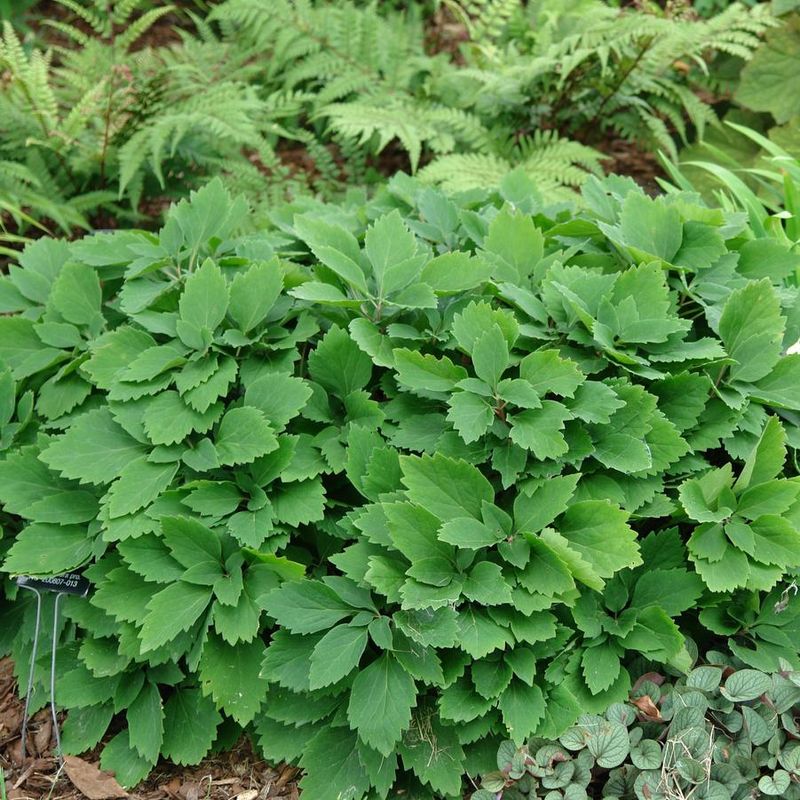
Dense, low-growing groundcovers like English ivy, pachysandra, and creeping juniper are popular in North Carolina yards because they look tidy, suppress weeds, and cover difficult shaded spots under trees.
They require relatively little maintenance once established, which makes them appealing to busy homeowners who want attractive garden coverage without a lot of upkeep.
What dense groundcovers also do is create a thick, humid layer of vegetation very close to the ground, which is exactly the kind of environment where ticks rest and wait between hosts.
When these plantings are installed in areas where children play, pets roam, or people walk regularly, they bring tick habitat directly into the most-used parts of the yard.
Rodents and other small wildlife also move through dense groundcovers easily, which adds another layer of tick activity to those areas.
In North Carolina, where humidity keeps groundcover plantings moist through much of the growing season, this combination of dense vegetation and frequent animal movement can make certain yard areas more tick-active than homeowners realize.
Replacing dense groundcovers in high-traffic zones with mulched paths, low-cut grass, or open planted beds reduces that habitat significantly.
Gardeners who prefer groundcovers for aesthetic or practical reasons can reserve them for lower-traffic areas of the yard, away from where children and pets spend most of their time outdoors.
10. Skipping A Dry Barrier Between Woods And Lawn
Many North Carolina properties back up to wooded areas, and the transition between the lawn and the tree line is one of the most important zones to think about when managing tick exposure around the home.
When the lawn simply runs up to the edge of the woods with no separation, wildlife moves easily from the forested area straight into the yard, carrying ticks along with them.
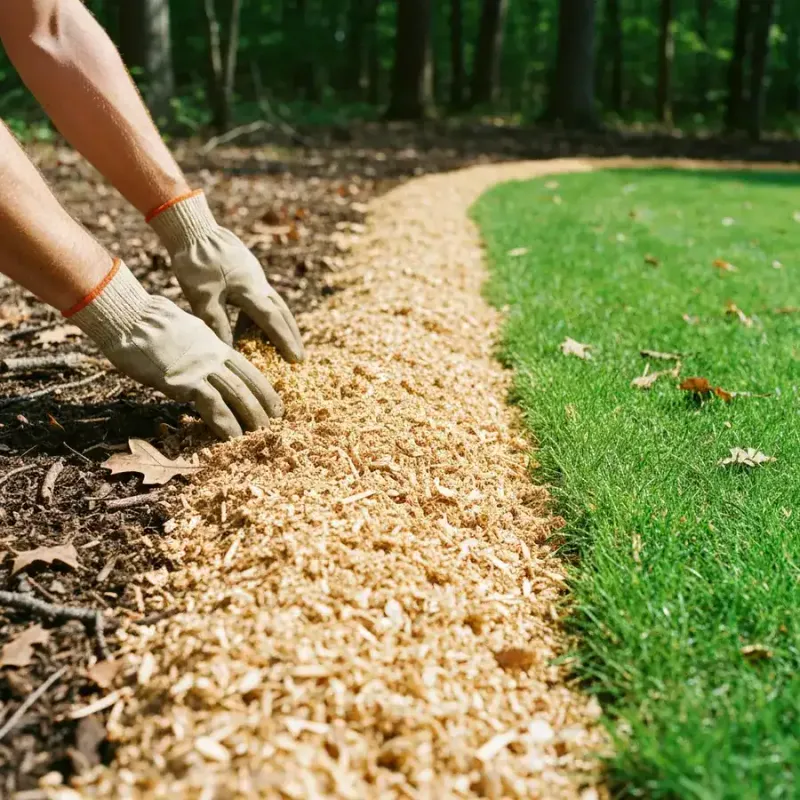
A dry barrier, typically a strip of wood chip mulch, gravel, or another dry ground material three feet or wider, placed between the lawn and the wooded edge creates a simple buffer that ticks tend to avoid crossing.
Ticks prefer cool, moist environments and are less likely to move through dry, open material.
That modest strip can meaningfully reduce how many ticks migrate from the woods into the main yard areas where people and pets spend time.
In North Carolina, where wooded backyards are common across the Piedmont, mountains, and Coastal Plain, skipping this barrier is one of the most overlooked tick-risk factors in residential landscapes.
Installing the barrier does not require major landscaping work.
A three-foot-wide strip of wood chip mulch along the woodland edge, kept clear of leaf debris and plant overgrowth, is enough to create a meaningful transition zone.
North Carolina homeowners who add this simple feature often notice a real difference in how comfortable the yard feels for outdoor time close to the wooded edge.