9 Native Trees North Carolina Gardeners Are Planting Instead Of Bradford Pear
Bradford pear trees have had a very long run in North Carolina yards, and honestly that run is wrapping up fast.
Those showy white spring blooms are pretty for about two weeks, and then you are left with a tree that splits in storms, smells questionable when it flowers, and spreads aggressively into natural areas where it absolutely does not belong.
North Carolina has actually been phasing them out for good reason. But here is the genuinely exciting part: swapping a Bradford pear for a native alternative is not a compromise at all.
North Carolina is home to some truly outstanding native trees that bring beautiful spring flowers, real wildlife value, stunning fall color, and in some cases edible fruit too.
Better looking, better behaved, and way better for the local ecosystem. That is a pretty easy upgrade.
1. Flowering Dogwood Blooms In Spring
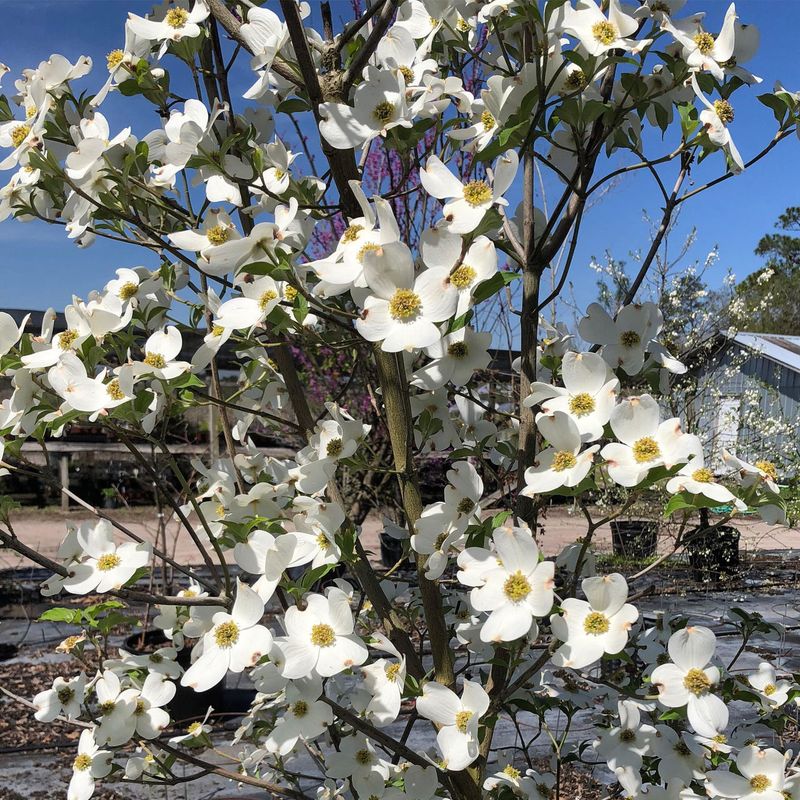
Few trees say “North Carolina spring” quite like the flowering dogwood. Its wide, layered branches and showy white blooms have made it a favorite in home landscapes for generations.
Where Bradford pear offers a cloud of white flowers that quickly fade, dogwood delivers something more refined, with blooms that linger and a branching structure that adds interest even in winter.
Flowering dogwood grows well across most of North Carolina, fitting naturally into front yards, woodland garden edges, and mixed shrub borders. It tends to do best with some afternoon shade, especially in the warmer Piedmont and Coastal Plain regions.
Moist, well-drained, slightly acidic soil gives it the best start.
Beyond the spring flowers, this tree offers red berries that birds love, deep red fall foliage, and attractive bark on mature trunks. It typically reaches 15 to 30 feet tall, making it a manageable size for most residential lots.
Gardeners should avoid planting it in full sun or compacted soil, as those conditions can cause stress over time. When sited thoughtfully, flowering dogwood can be one of the most rewarding native trees a homeowner can choose.
2. Eastern Redbud Adds Pink Flowers
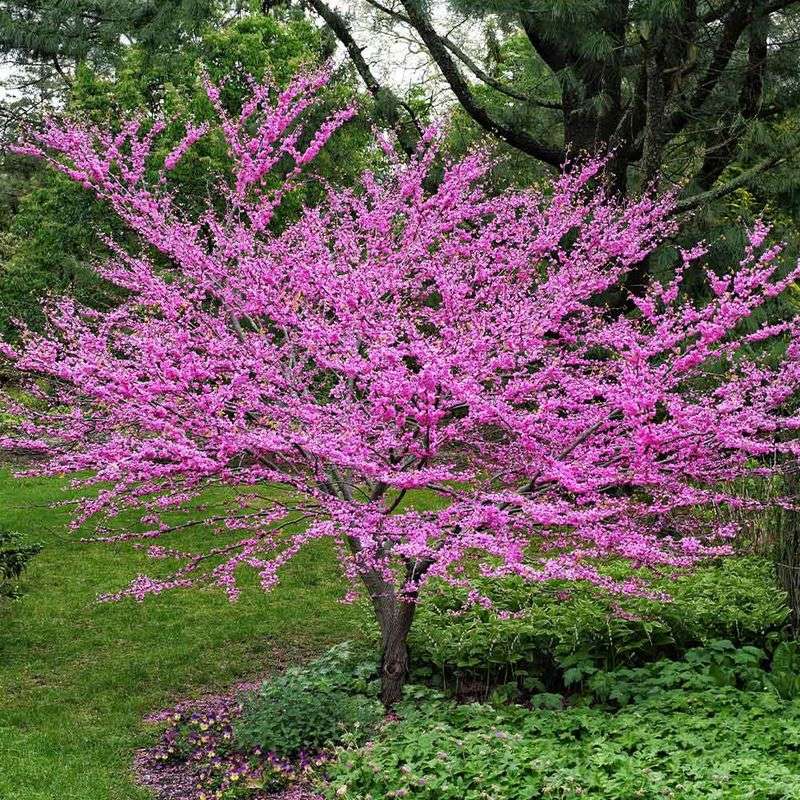
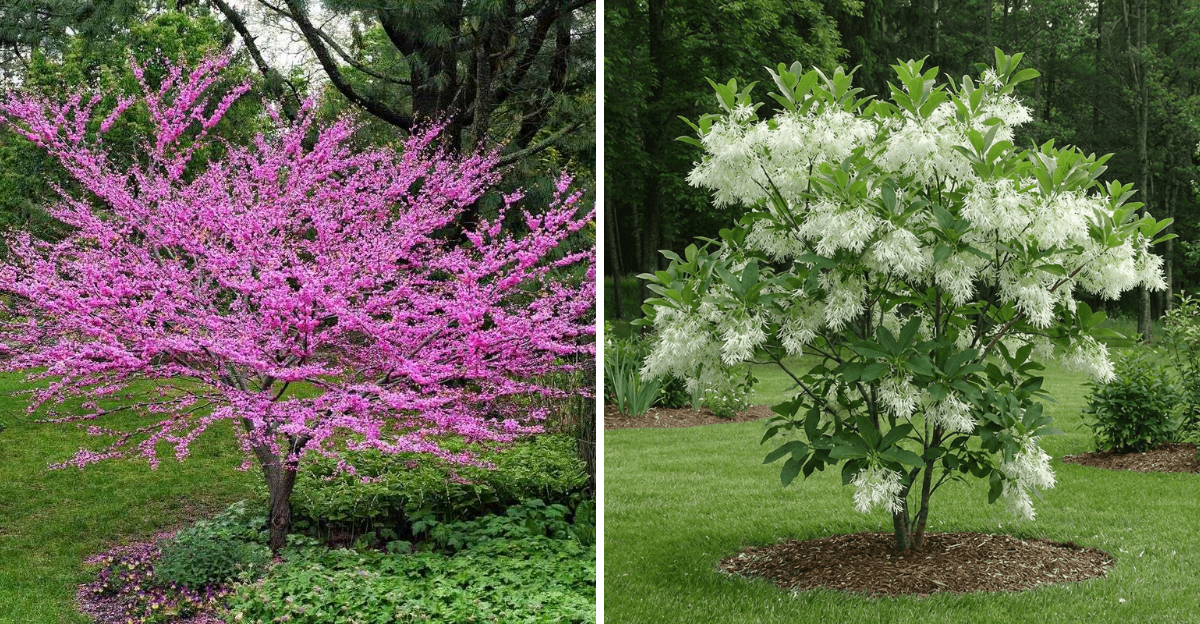
Before the leaves even open, eastern redbud puts on a show that stops traffic. Clusters of rosy pink-purple flowers cover every branch in early spring, creating a display that rivals anything Bradford pear can offer.
For gardeners who love that seasonal burst of color, redbud delivers it with far less risk of storm damage or invasive spread.
Eastern redbud is a native understory tree that grows naturally across North Carolina from the mountains to the Piedmont and parts of the Coastal Plain.
It adapts to a range of soil types and handles both full sun and partial shade, making it flexible enough for many different yard situations.
Most mature trees reach 20 to 30 feet tall with a rounded, spreading canopy that provides light shade beneath.
The heart-shaped leaves that follow the flowers are attractive all season long, and the seedpods add subtle winter texture. Redbud also supports specialist native bees that depend on its early flowers when few other blooms are available.
It works well as a specimen tree, planted near a patio or along a driveway where the spring color can be fully appreciated. Choosing a locally sourced plant can improve long-term performance in your specific region of North Carolina.
Your North Carolina Garden Changes Every Week. Your Plan Should Too.
Gardening in North Carolina changes quickly throughout the season. Every Friday you’ll receive a simple weekly plan showing exactly what to plant, prune, fertilize, harvest, and protect so you never miss the right timing.
3. Common Serviceberry Offers Flowers And Fruit
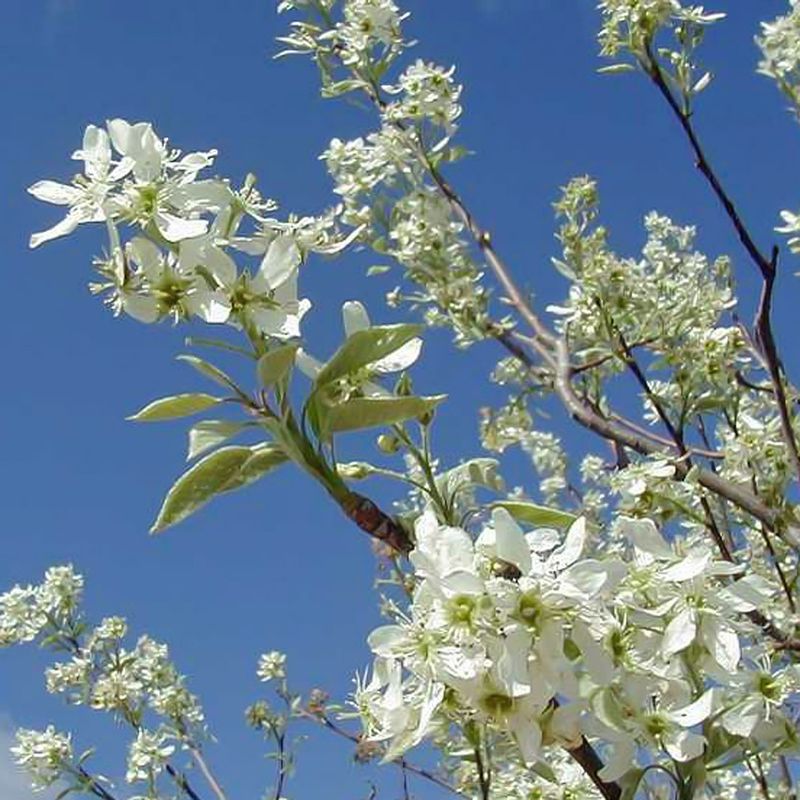
Homeowners who want more than just spring flowers often fall for common serviceberry once they discover how much it brings to a yard.
White blooms appear very early in the season, sometimes even before redbud, giving North Carolina gardens one of their first real signs of spring.
Then, as summer approaches, small edible berries ripen to a deep red-purple that birds find irresistible.
Serviceberry, sometimes called Juneberry or shadbush, grows as either a large multi-stemmed shrub or a small tree reaching around 15 to 25 feet. It fits well in smaller yards where a Bradford pear would eventually become too large and structurally risky.
In North Carolina, it thrives along woodland edges and in spots with moist, well-drained, acidic soil, though it tolerates a range of conditions once established.
Fall color is another bonus, with leaves turning shades of orange and red before dropping. The berries, if you can get to them before the birds do, are sweet enough to use fresh or in baked goods.
Serviceberry also supports a wide range of pollinators and caterpillars that depend on native plants in the rose family. It is a genuinely multi-season tree that earns its place in a thoughtfully planted yard.
4. American Plum Brings White Blooms
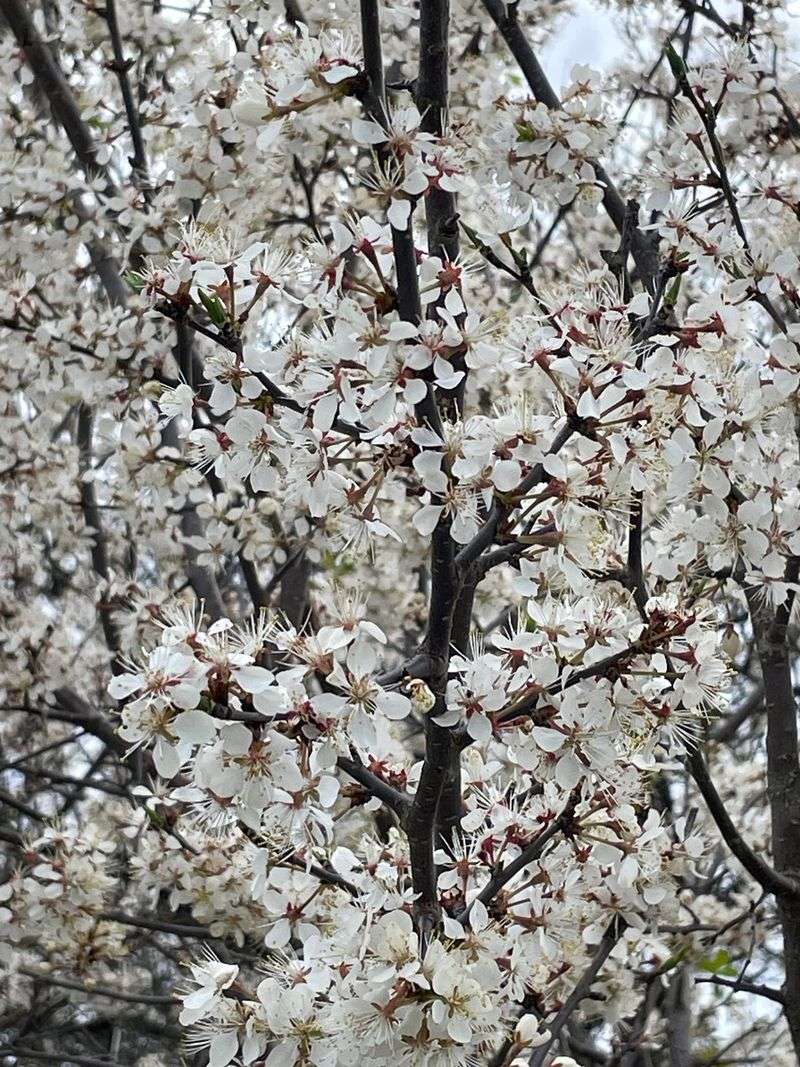
Gardeners who want to replace Bradford pear with something equally floriferous but far more useful to wildlife should take a close look at American plum.
In early spring, this native tree covers itself in fragrant white flowers that are nearly as showy as anything in the ornamental landscape.
The difference is that those flowers lead to actual fruit that feeds birds, mammals, and even people.
American plum is a tough, adaptable native that grows across much of North Carolina.
It tends to form thickets over time through root sprouting, which makes it a natural choice for informal hedgerows, wildlife borders, or the back edge of a larger yard rather than a manicured front lawn setting.
In sites with full sun and well-drained soil, it establishes readily and grows to around 10 to 25 feet tall.
The small yellow-red plums that ripen in summer attract a wide range of wildlife, from songbirds to foxes. Pollinators work the early flowers heavily, making this tree a valuable addition to any pollinator-friendly landscape.
Gardeners with limited space should plan for its spreading habit and give it room to naturalize. When planted where it has space to do its thing, American plum rewards low maintenance with consistent seasonal interest across spring, summer, and fall.
5. Black Cherry Fits Larger Yards
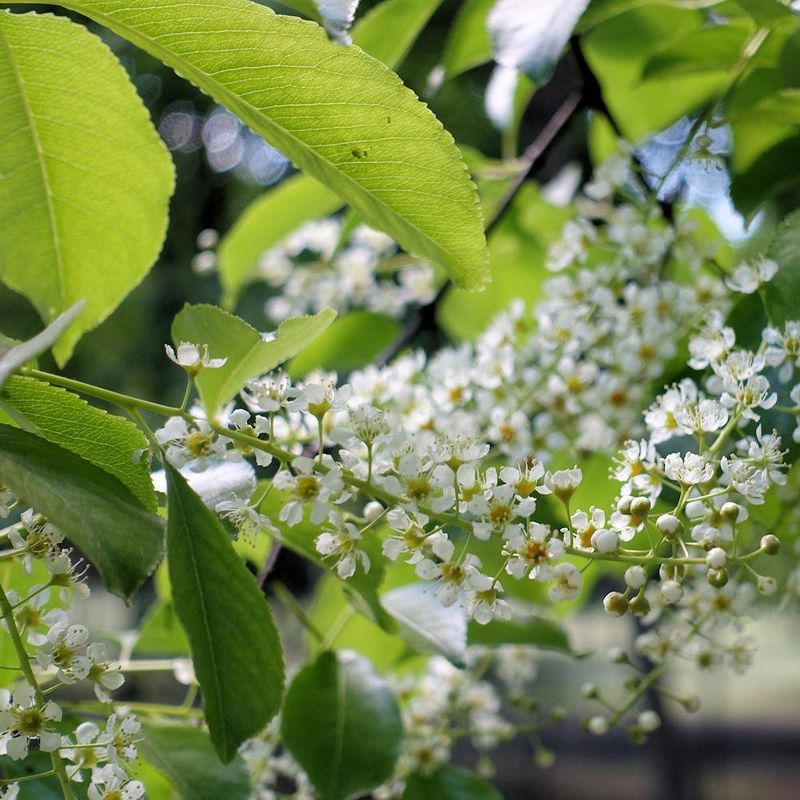
When a North Carolina yard has the room for a larger tree, black cherry is worth serious consideration. It grows quickly, reaches 30 to 60 feet tall at maturity, and produces long drooping clusters of small white flowers each spring that have their own quiet elegance.
It is not as flashy as Bradford pear in bloom, but it supports more wildlife species than almost any other native tree in eastern North America.
Black cherry is native throughout North Carolina and grows naturally in a wide range of conditions, from rich bottomlands to dry upland slopes.
In residential settings, it works best in larger back yards or along property lines where its eventual size and fruit drop will not create problems near driveways or walkways.
The small black cherries that ripen in late summer are eaten by dozens of bird species, making this tree a genuine wildlife magnet.
Fall foliage turns yellow to orange, adding seasonal color before leaf drop. The bark develops a distinctive scaly, dark texture with age that adds character to the landscape.
Gardeners should be aware that the foliage and fruit pits contain compounds that are harmful to livestock, so placement near pasture areas is something to consider carefully.
For large residential properties, few native trees offer this level of ecological value.
6. White Fringetree Adds White Flowers
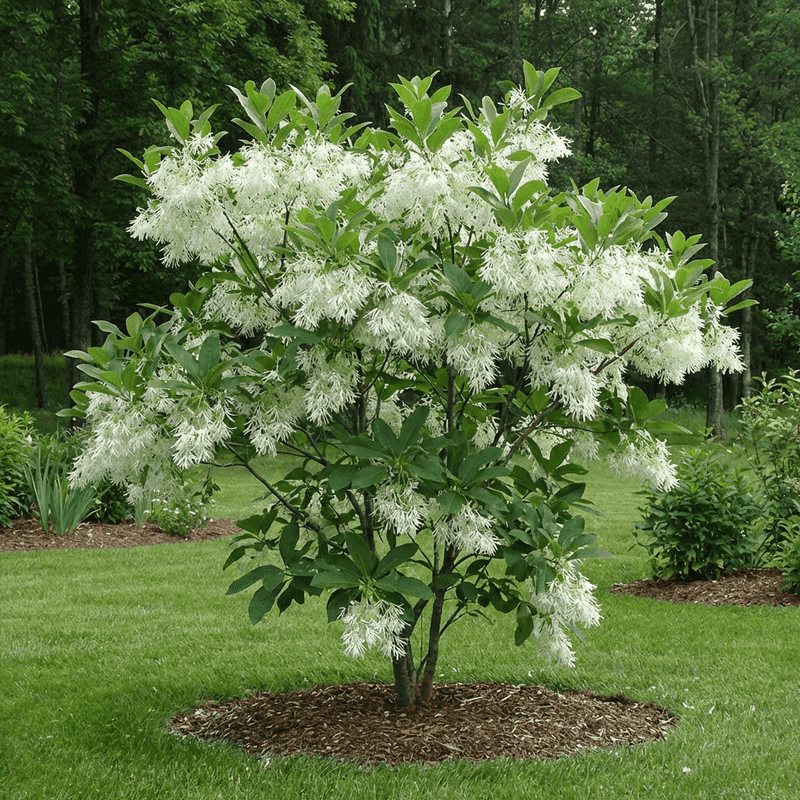
There is something genuinely memorable about a white fringetree in full bloom.
The flowers hang in loose, feathery clusters that give the tree a soft, almost cloud-like appearance in late spring, usually blooming a few weeks after dogwood and redbud.
For gardeners who want a white-flowering ornamental tree without the headaches of Bradford pear, this native species deserves a spot on the shortlist.
White fringetree, also called Grancy Graybeard in parts of the South, is native to North Carolina and grows well across the Piedmont and Coastal Plain regions. It typically reaches 12 to 20 feet tall, making it a manageable size for most residential lots.
It adapts to a range of soils but does best in moist, well-drained conditions with full sun to partial shade.
Female trees produce small blue-black fruits in late summer that birds, particularly thrushes and other fruit-eating species, seek out. Male trees tend to have slightly showier flower clusters.
Fringetree leafs out later in spring than many other trees, which can initially make gardeners worry it has not survived winter, but patience is rewarded with those remarkable blooms.
It works well as a specimen tree near a patio, along a foundation, or anchoring a mixed native shrub border in a North Carolina yard.
7. Pawpaw Grows In Shady Spots
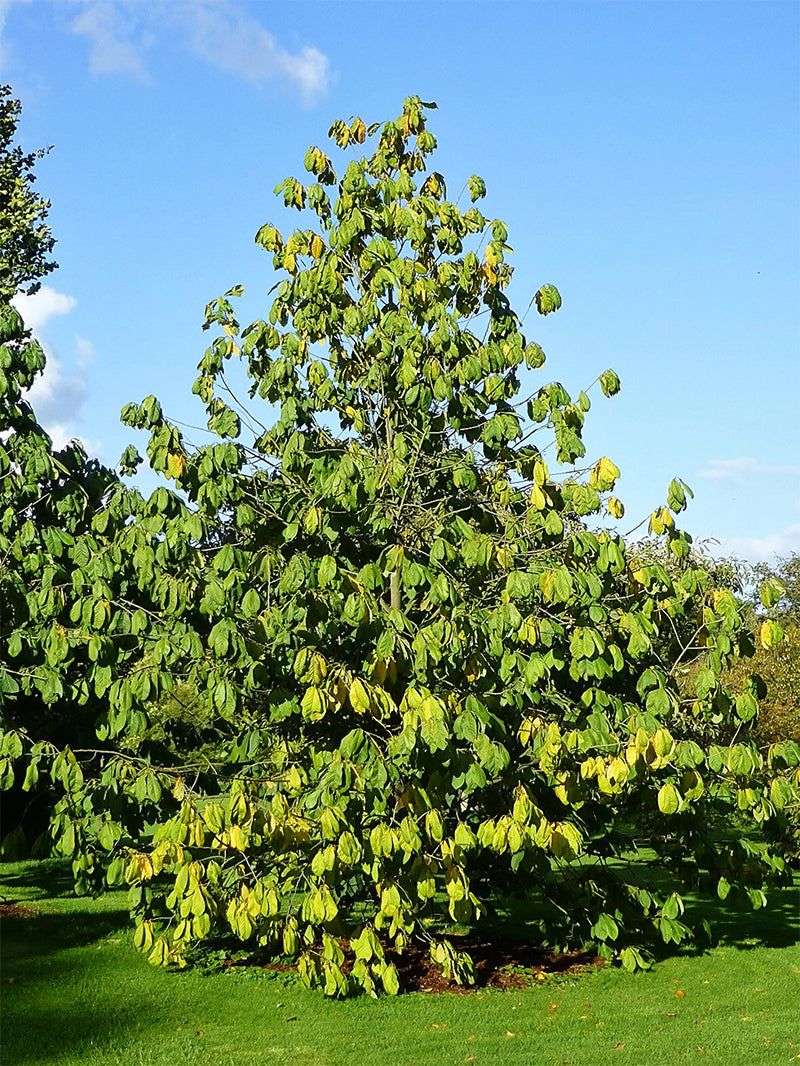
Shaded corners of a North Carolina yard can be tricky spots for ornamental trees, but pawpaw handles low light better than most.
This native understory tree grows naturally along stream banks and beneath larger forest trees, which means it is genuinely adapted to the kind of dappled shade that frustrates gardeners trying to establish other species.
It also happens to produce the largest edible fruit native to North America.
Pawpaw typically grows 15 to 25 feet tall and spreads through root sprouting to form colonies over time.
In a home landscape, that spreading habit can be managed with occasional pruning or by allowing a small grove to develop in a naturalistic corner of the yard.
The large, tropical-looking leaves give it an unusual texture that stands out in a North Carolina garden.
Small maroon flowers appear in early spring before the leaves, and though they are not showy from a distance, they have an interesting structure up close.
The yellow-green fruit that ripens in late summer and early fall has a custard-like texture and a flavor often compared to banana and mango.
Planting two or more trees from different sources improves fruit set. Pawpaw supports the zebra swallowtail butterfly, whose caterpillars feed exclusively on pawpaw foliage, adding another layer of ecological value to this underused native tree.
8. Sweetbay Magnolia Has Fragrant Blooms
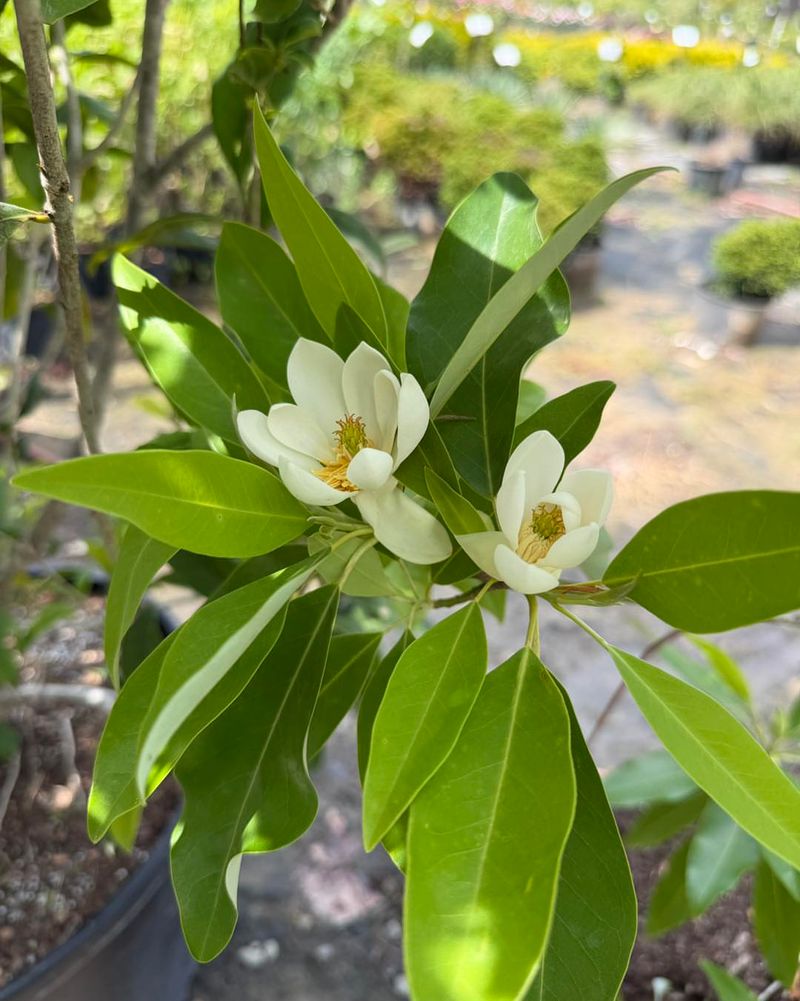
Magnolias have a way of making a yard feel special, and sweetbay magnolia does it without the overwhelming size of southern magnolia or the invasive problems of Bradford pear.
Creamy white flowers with a sweet lemon fragrance open from late spring into summer, providing a longer bloom season than most ornamental trees.
Walking past one in bloom on a warm evening is a genuinely pleasant experience.
Sweetbay magnolia is native to North Carolina, particularly in the Coastal Plain and Piedmont regions where moist, acidic soils are common. It grows well near rain gardens, pond edges, low spots in the yard, or any area that stays consistently moist.
In North Carolina, it can behave as semi-evergreen, holding some of its glossy leaves through mild winters before dropping them in colder seasons.
Mature trees typically reach 10 to 20 feet tall, though some specimens in ideal conditions grow larger over time. The cone-like seed structures that follow the flowers produce red seeds that attract birds in late summer and fall.
Sweetbay fits well in smaller residential yards and works nicely as a patio tree or near a seating area where the fragrance can be appreciated.
It is a low-fuss native that rewards gardeners with multi-season interest when placed in a site that suits its moisture preferences.
9. Black Gum Brings Fall Color
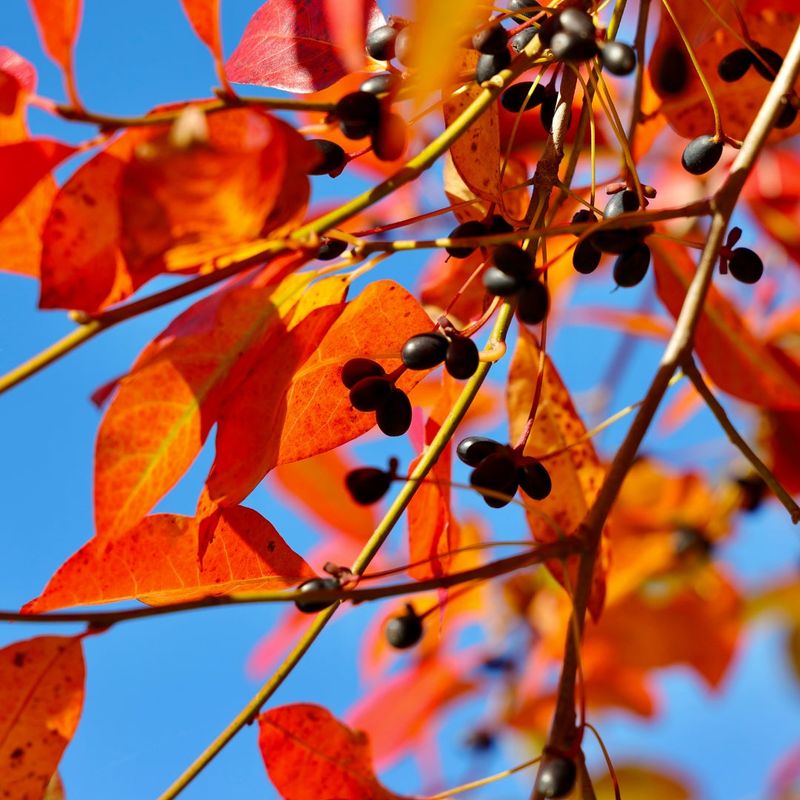
If fall color is what a North Carolina yard is missing, black gum might be the most reliable solution available in the native plant palette.
Few trees can match the intensity of its scarlet red leaves in autumn, and unlike some trees that turn color only in ideal conditions, black gum tends to color up consistently each year across a range of sites and climates throughout the state.
Black gum, also called black tupelo, is native to North Carolina and grows naturally in a wide variety of habitats, from moist bottomlands to drier upland slopes.
In residential landscapes, it adapts well to average garden soils with decent drainage and full sun to partial shade.
It grows slowly to moderately, eventually reaching 30 to 50 feet tall, making it more suited to larger yards or open spaces where it can develop its naturally pyramidal shape.
Spring brings small, inconspicuous flowers that are highly attractive to bees, and the small blue-black fruits that ripen in fall are eagerly eaten by migrating birds.
Black gum has a deep taproot that makes it somewhat challenging to transplant, so starting with a smaller nursery-grown tree and planting it in its permanent spot from the beginning tends to give the best results.
For homeowners wanting a long-lived, ecologically valuable shade tree with outstanding fall color, black gum is hard to overlook.