The Outdoor Faucet Mistake That Can Ruin A Michigan Garden Setup Fast
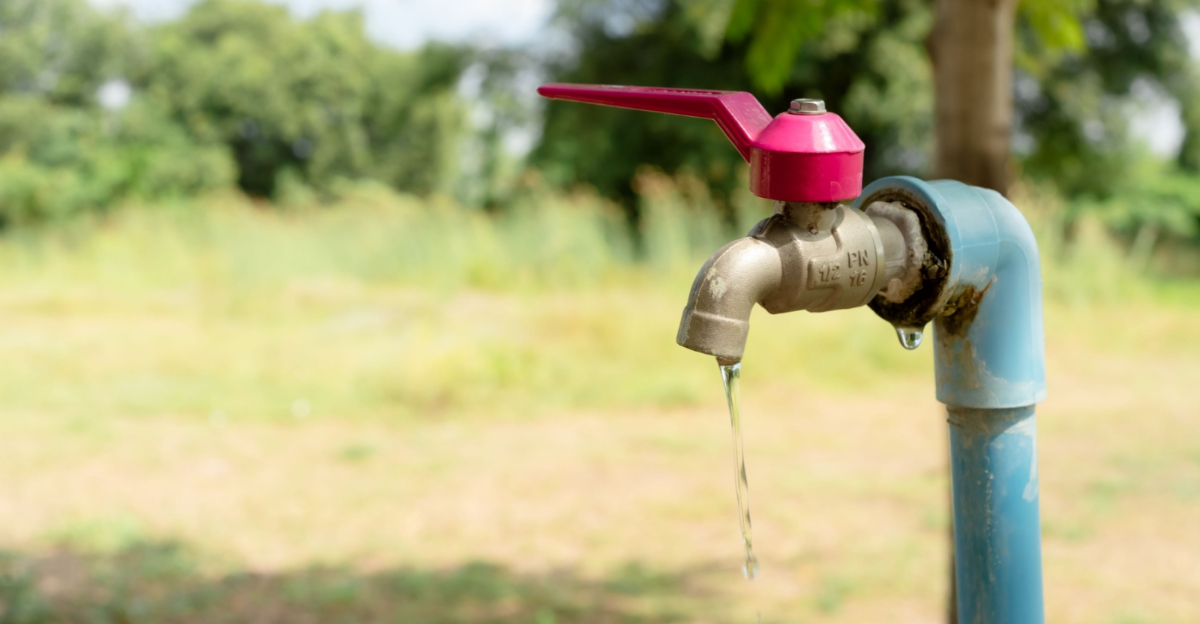
Most Michigan gardeners spend real time and money setting up outdoor watering systems. Hoses, drip lines, fertilizer attachments, hose-end sprayers – the setup at the spigot can get surprisingly involved by midsummer.
What tends to get skipped in all of that planning is backflow protection, and it is the one detail that actually matters most from a household safety standpoint.
Connecting irrigation tools to an outdoor faucet without a vacuum breaker or approved backflow-prevention device creates a pathway for garden water to potentially move back toward the home water supply under certain pressure conditions.
It is not a complicated fix. It is actually a quick and inexpensive one.
But it is the kind of thing that needs to be in place before the hose goes on, not after.
1. The Mistake Is Skipping Backflow Protection
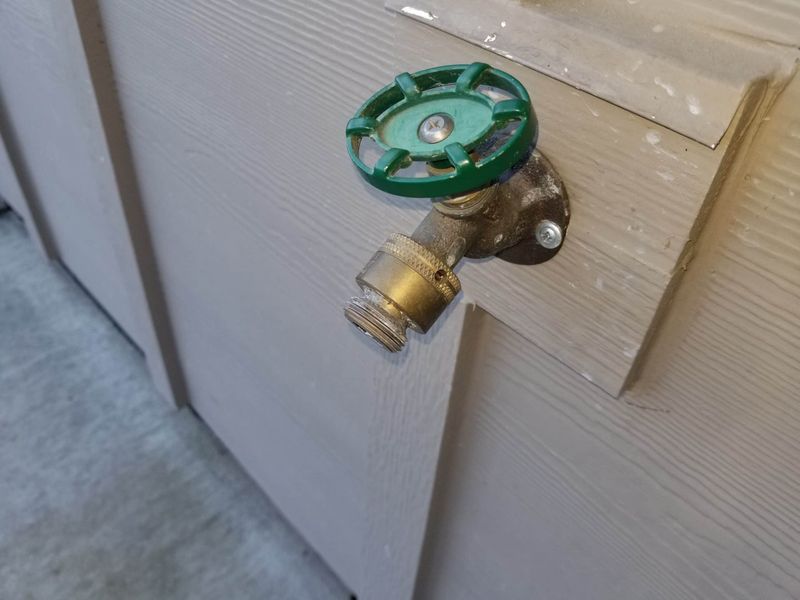
Skipping backflow protection on an outdoor faucet is one of those mistakes that is easy to make because it is invisible. There is no alarm, no drip, and no obvious sign that anything is missing.
A Michigan homeowner can water a vegetable garden all summer without noticing that the spigot lacks a basic safety device.
Backflow happens when water pressure drops or reverses direction inside a pipe. When that occurs, water sitting in a connected hose or irrigation attachment can potentially be pulled back toward the home water supply.
That water may have been sitting in a hot hose on a sunny Michigan afternoon, picking up contaminants from fertilizer residue, soil particles, or chemical sprays along the way.
Backflow protection is not a complicated concept. It simply means placing an approved device between the outdoor faucet and whatever is connected to it, so water can only flow in one direction.
Some Michigan homes already have vacuum breakers built into their outdoor spigots, while others do not. Homeowners should check their faucet and consult a plumber or local water authority to confirm whether their current setup meets local requirements.
The goal is not to create anxiety about every hose connection but to take a practical step that protects drinking water from an unexpected and avoidable source of contamination.
2. Garden Hoses Can Create A Backflow Risk
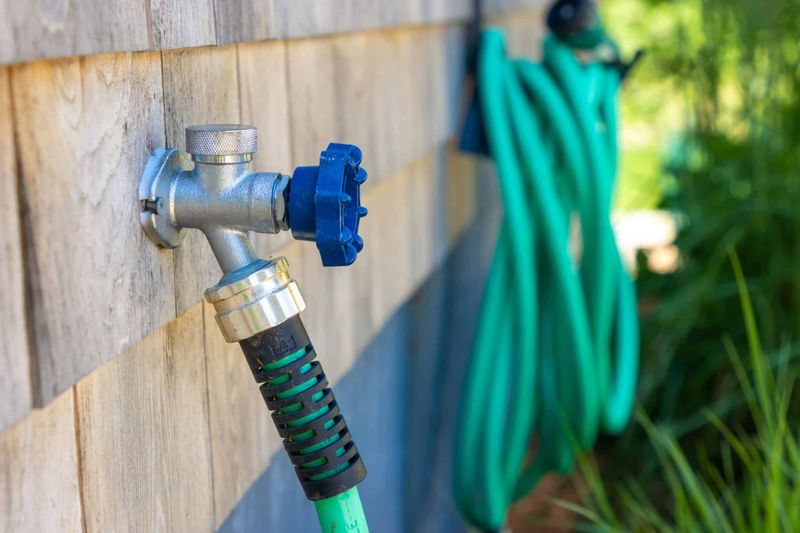
Picture a hose stretched across the lawn on a warm Michigan July afternoon, its far end resting in a raised vegetable bed or tucked near the base of a tomato plant. That hose has been sitting in the sun for hours, and the water inside it is warm.
If pressure in the water supply line drops for any reason, that warm hose water can potentially be pulled back through the faucet.
Garden hoses are long, flexible, and often left connected to the spigot for the entire growing season. In Michigan, that can mean months of continuous connection from late spring through early fall.
During that time, the hose may come into contact with soil, mulch, fertilizer runoff, or puddles near the garden bed. Any of those materials sitting inside the hose could become a concern if backflow occurs.
Your Michigan Garden Changes Every Week. Your Plan Should Too.
Gardening in Michigan changes quickly throughout the season. Every Friday you’ll receive a simple weekly plan showing exactly what to plant, prune, fertilize, harvest, and protect so you never miss the right timing.
The risk is not guaranteed to happen every time a hose is connected, and most homeowners will never notice a pressure drop severe enough to cause obvious problems.
But backflow protection is considered a standard safety measure precisely because pressure changes in residential plumbing systems can be unpredictable.
A simple hose bib vacuum breaker that threads onto the spigot before the hose is attached is one common option. Homeowners should confirm that any device they choose is approved for their water system and local code before installing it.
3. Hose-End Sprayers Raise The Stakes
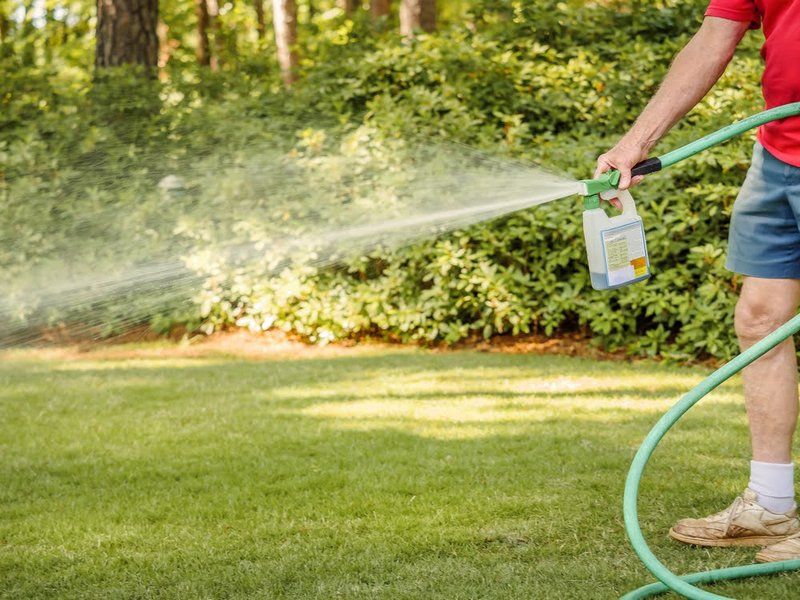
Hose-end sprayers are popular tools in Michigan gardens because they make applying liquid fertilizer, pest control products, and foliar treatments quick and easy. You simply fill the jar, attach it to the hose, and spray.
The problem is that those jars hold concentrated solutions that sit just inches away from the water line during use.
When a hose-end sprayer is in use, the product inside the jar mixes with water as it flows through the sprayer head.
If water pressure drops or reverses during that process, there is a possibility that some of the concentrated solution could be drawn back through the hose and toward the faucet.
That is a meaningful concern when the jar contains fertilizer concentrates, pest control liquids, or other garden chemicals not intended for drinking water contact.
Many hose-end sprayers are sold without built-in backflow protection, so the responsibility falls on the homeowner to make sure the connection at the faucet is protected before attaching the sprayer.
Some sprayers include a built-in anti-siphon feature, but not all of them do, and those features vary in design and effectiveness.
Michigan gardeners who use hose-end sprayers regularly should look at both the sprayer label and the spigot setup before each use.
Choosing a sprayer with a clearly labeled anti-siphon valve and pairing it with a vacuum breaker at the faucet offers a more complete layer of protection for the water supply.
4. Drip Lines Still Need Safe Connections
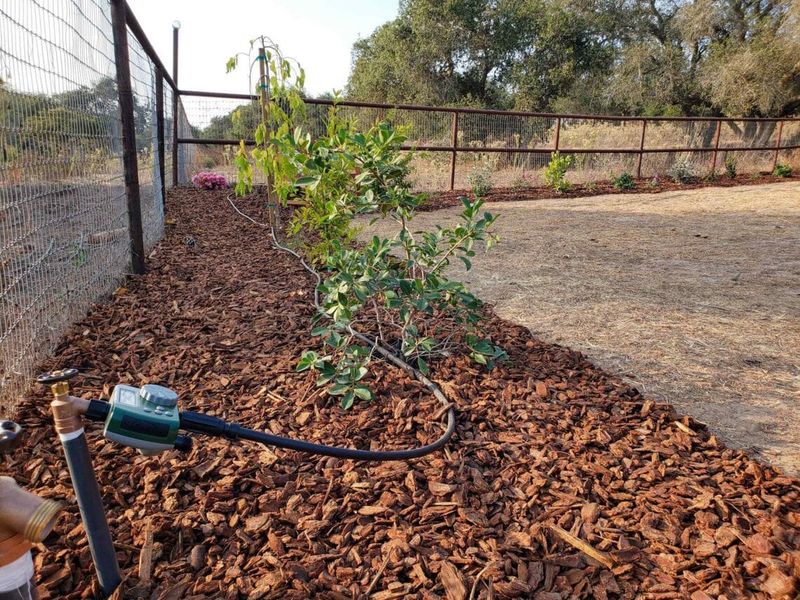
Drip irrigation kits have become a go-to choice for Michigan gardeners who want to water raised beds, vegetable rows, and container gardens more efficiently.
They deliver water directly to the root zone, reduce evaporation, and can be paired with a timer for hands-off watering.
But the connection point between the drip line and the outdoor faucet still needs attention.
Drip systems often run close to the soil surface, and emitters sit right at or just below the mulch line. That means the tubing can come into contact with moist soil, fertilizer granules, and organic material throughout the growing season.
If pressure in the water line drops, water sitting inside that tubing near the soil could potentially be pulled back through the system toward the faucet.
Drip kits sold at garden centers sometimes include a pressure regulator and filter but may not include a backflow preventer.
Homeowners setting up a drip system should read the kit instructions carefully and check whether a backflow-prevention device is recommended or required for their setup.
Adding a vacuum breaker or other approved backflow preventer between the faucet and the drip kit is a straightforward step that adds a meaningful layer of protection.
In Michigan, where gardeners often run drip lines through the entire summer growing season, making that connection properly at the start saves a lot of uncertainty later in the season.
5. Dirty Water Should Stay Out Of The Hose
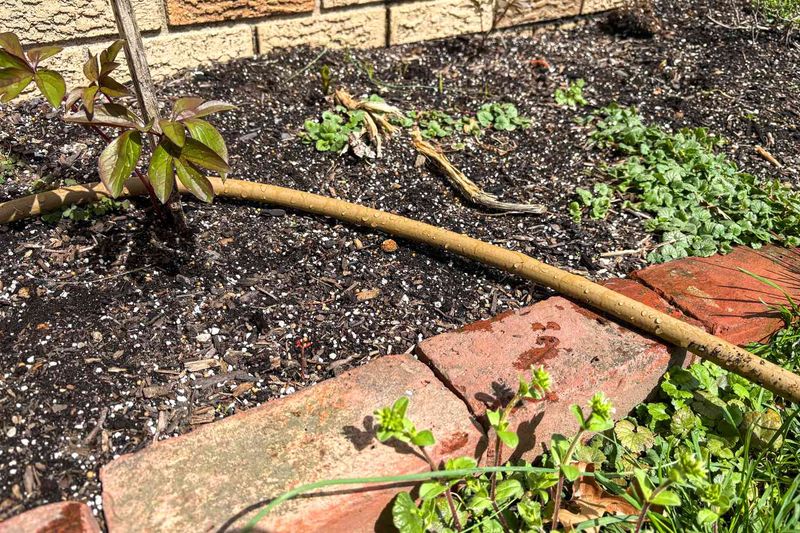
A hose end that has been sitting in garden soil, resting in a puddle, or submerged near a drip emitter is more than just a little muddy. Soil carries bacteria, fungi, organic material, and residue from fertilizers or other garden products.
When a hose end is left in contact with that kind of environment, the water inside the hose picks up whatever is nearby.
Most Michigan gardeners do not think twice about setting a hose down in the garden while they move containers or adjust a drip line. It is a completely normal part of working in the yard.
But if a pressure drop causes water to move backward through the hose while the end is resting in soil or sitting in a bucket of diluted fertilizer, that contaminated water has a path back toward the faucet.
Keeping the hose end off the ground when not in use is a simple habit that reduces contact with soil and standing water. A hose hanger near the faucet or a hook on a raised bed frame can help with that.
Pairing that habit with a backflow preventer at the faucet creates a two-layer approach that is practical and easy to maintain.
Neither step is complicated, and together they reduce the chance that dirty water from the garden bed makes its way back through the outdoor spigot during an ordinary Michigan watering session.
6. A Vacuum Breaker Adds Simple Protection
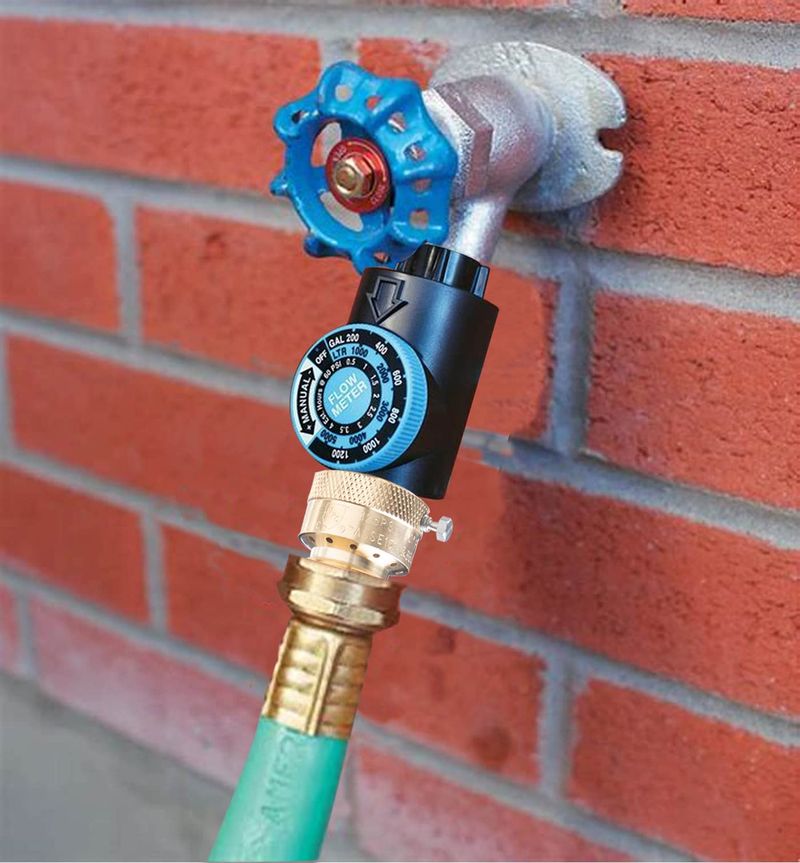
One of the most common and affordable tools for protecting an outdoor faucet from backflow is the hose bib vacuum breaker.
It threads directly onto the spigot before the hose or irrigation attachment is connected, and it works by allowing air into the line if pressure drops or reverses.
That air break stops water from being pulled back through the faucet.
Vacuum breakers are widely available at hardware stores across Michigan and come in sizes designed to fit standard outdoor faucet threads. They are typically made from brass or durable plastic, and most require no tools to install.
A homeowner can thread one onto the spigot by hand in a couple of minutes. Some outdoor faucets sold in recent years already include a built-in vacuum breaker, so it is worth checking the existing spigot before purchasing an add-on device.
Not every vacuum breaker is rated for every application.
A basic hose bib vacuum breaker may be appropriate for general hose use, while a more robust backflow preventer might be recommended for irrigation systems with multiple zones or chemical injection.
Local plumbing codes and water authority guidelines vary across Michigan municipalities, so checking with a licensed plumber or the local water utility is a reasonable step before deciding which device to use.
The goal is to choose the right approved device for the specific setup rather than assuming one size fits every outdoor faucet situation in every Michigan yard.
7. Fertilizer Attachments Need Extra Caution
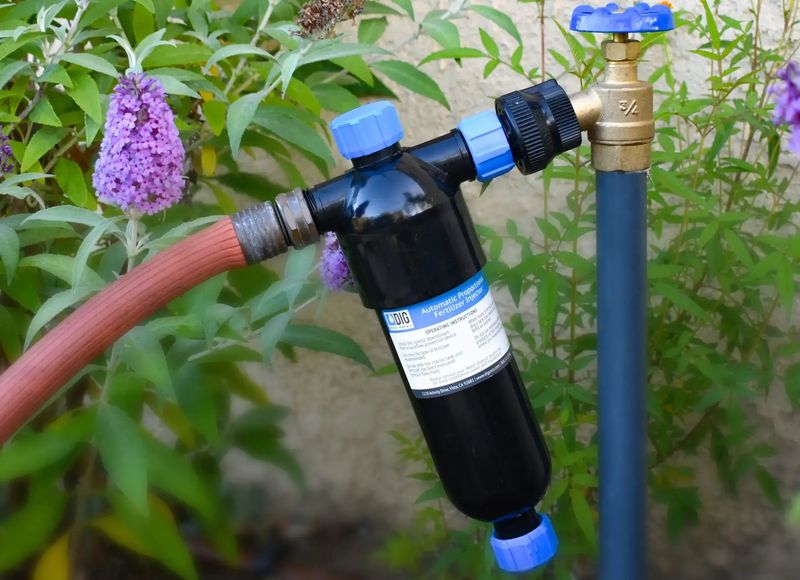
Fertilizer injectors and siphon mixers work by drawing concentrated liquid fertilizer from a container into the water stream as it flows through the hose.
They are popular among Michigan gardeners who feed container plants, raised beds, and vegetable gardens on a regular schedule.
The setup is convenient, but it puts concentrated fertilizer solution very close to the outdoor water supply connection.
Siphon-style injectors work partly by creating a pressure differential that pulls liquid from a separate container into the hose line.
That same principle means that if water pressure reverses unexpectedly, fertilizer solution could potentially be drawn back through the hose and toward the spigot.
Fertilizer concentrates are not safe for drinking water, and even small amounts reaching the water line would be a concern worth avoiding.
Before attaching any fertilizer injector or siphon mixer to an outdoor faucet, Michigan homeowners should check whether the device includes a built-in backflow-prevention feature and whether it is approved for use with potable water connections.
Product labels and packaging usually include this information.
Adding a vacuum breaker or approved backflow preventer at the faucet before connecting the injector is a practical step that most plumbing and water safety guidance supports.
Fertilizing the garden is a normal and beneficial part of Michigan horticulture, and doing it safely simply means paying attention to what is happening at the connection point before turning on the water.
8. Check Irrigation Setups Before Watering
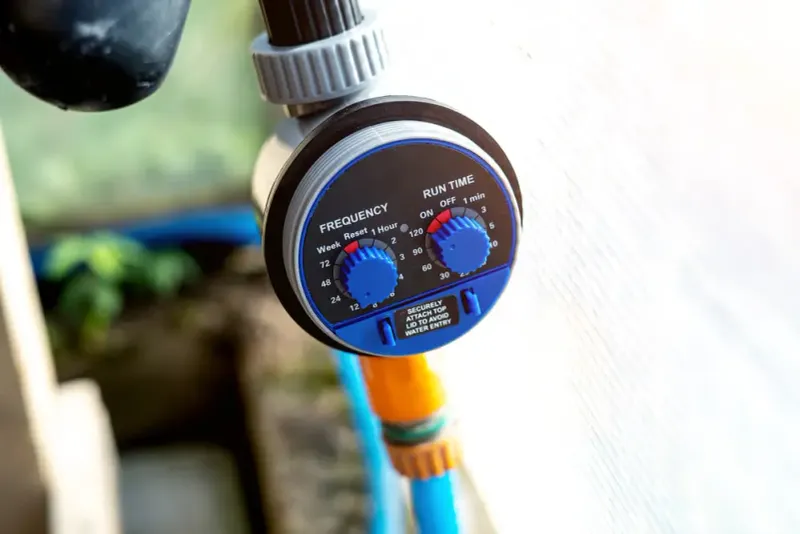
Watering timers and automated irrigation setups make Michigan garden maintenance easier, especially during busy weeks when hand-watering every bed is not realistic.
A timer connected to a drip line or sprinkler system can run through its cycle without anyone outside to monitor it.
That convenience is worth protecting with a quick check of the connection point before the season begins.
Before turning on an irrigation system at the start of the Michigan growing season, it helps to look at each component connected to the outdoor faucet. Check that the backflow preventer or vacuum breaker is in place and undamaged after winter.
Look at the condition of washers and fittings, since worn-out parts can affect how well the connection seals. Confirm that any new attachments added to the system are compatible with the backflow device already in place.
Irrigation systems that run on a timer may operate early in the morning when no one is outside, which means any issue at the faucet connection goes unnoticed until later.
Taking ten minutes at the beginning of the season to review the full setup, from the spigot to the last emitter or sprinkler head, helps catch problems before they become a bigger concern.
Michigan homeowners who are unsure whether their irrigation setup has adequate backflow protection can contact a licensed plumber or reach out to their local water utility for guidance specific to their home and municipality.