The Most Underrated Michigan Shrub That Helps Crowd Out Weeds Without Any Chemicals
Weed pressure in Michigan garden beds is a season-long reality, and most gardeners respond to it with mulch, fabric, or chemical treatments that need to be repeated year after year without ever really solving the underlying problem.
A particular native shrub takes a fundamentally different approach by simply outcompeting weeds for the resources they need to get established.
It spreads steadily through its root system, casts shade that suppresses germination beneath it, and once it reaches a certain density, most weeds stop trying.
The shrub itself is attractive through multiple seasons, handles the full range of Michigan weather without any protection, and supports pollinators during its bloom period.
Gardeners who added it to problem beds expected a decent shrub and got a weed suppression solution that keeps improving every year without any additional input from them.
1. Northern Bush Honeysuckle
Gardeners across Michigan spend hundreds of dollars every year on weed control products, and most of them have never heard of Diervilla lonicera.
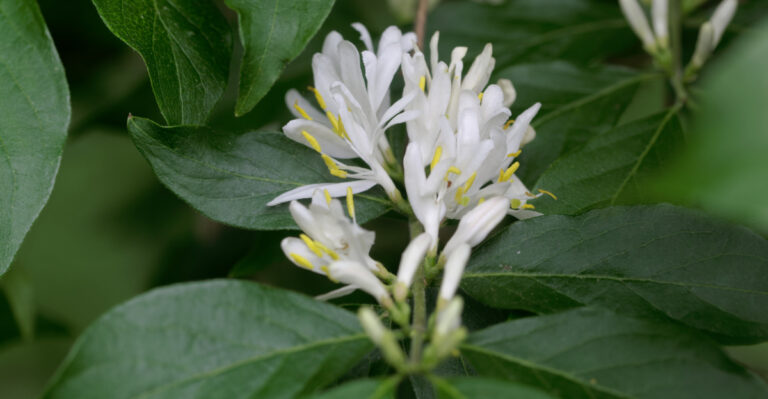
Northern Bush Honeysuckle is a native shrub that quietly does the job better than any chemical spray, simply by growing so densely that weeds never get a fair chance to establish.
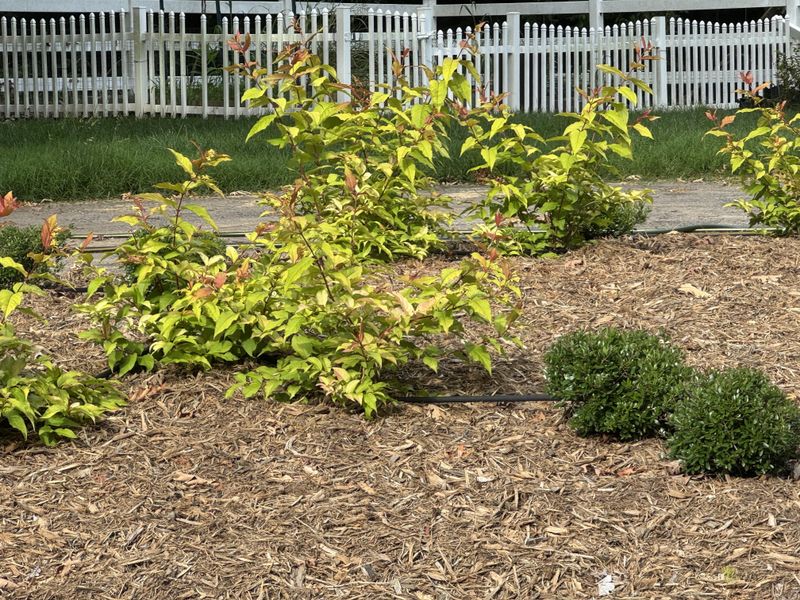
The shrub typically reaches two to four feet tall and spreads steadily through underground stems called rhizomes.
As it expands outward, it creates a thick mat of roots and foliage that blocks sunlight from reaching the soil surface.
Weed seeds need light to germinate, so when that light disappears, the weeds simply stop showing up. Planting is straightforward for Michigan homeowners.
Space individual plants about three feet apart in a spot that gets part shade to full shade, which is exactly the kind of difficult area where most other shrubs refuse to perform.
Diervilla lonicera actually prefers these shadier spots, filling in gaps under tree canopies where grass never grows well anyway.
Within two to three growing seasons, a small group of starter plants can spread into a solid, weed-suppressing groundcover that needs almost no attention.
For gardens dealing with persistent weeds in shady corners, this shrub is genuinely one of the smartest investments a homeowner can make.
2. Thrives In Varied Soil Conditions Across Michigan Yards
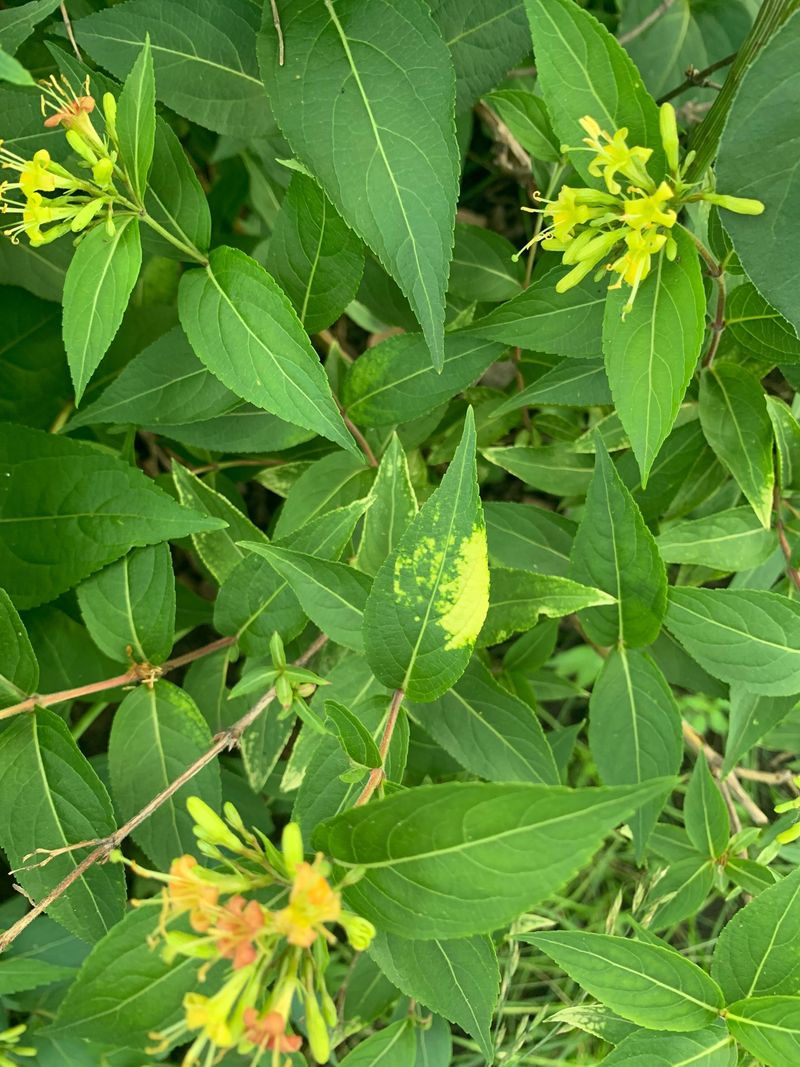
Most shrubs are picky about soil, and that pickiness costs gardeners a lot of frustration. Northern Bush Honeysuckle operates by completely different rules.
Whether your backyard has heavy clay, loose loam, or rocky, shallow ground near a hillside, this shrub adapts and keeps right on growing.
Clay soil is one of the most common challenges Michigan homeowners face. Water pools, roots struggle to breathe, and many plants simply give up.
Diervilla lonicera pushes through clay with its fibrous root system, anchoring firmly and spreading outward even in compacted ground.
That spreading habit is exactly what builds the dense coverage needed to crowd out weeds naturally.
Rocky or sandy soils near woodland edges are another area where this shrub genuinely shines. Nutrients are limited in these spots, but Diervilla lonicera is not a heavy feeder.
It manages well with whatever the soil offers, which means you skip the fertilizer bags entirely and still get excellent coverage.
Your Michigan Garden Changes Every Week. Your Plan Should Too.
Gardening in Michigan changes quickly throughout the season. Every Friday you’ll receive a simple weekly plan showing exactly what to plant, prune, fertilize, harvest, and protect so you never miss the right timing.
One practical tip worth remembering is that good drainage always helps, even for a tough plant like this one.
If you have an area with standing water after heavy rain, amending with a little organic matter before planting gives the shrub the best possible start.
Beyond that first step, the soil work is basically done, and the plant handles everything else on its own terms.
3. Deer-Resistant Foliage That Keeps Growing Season After Season
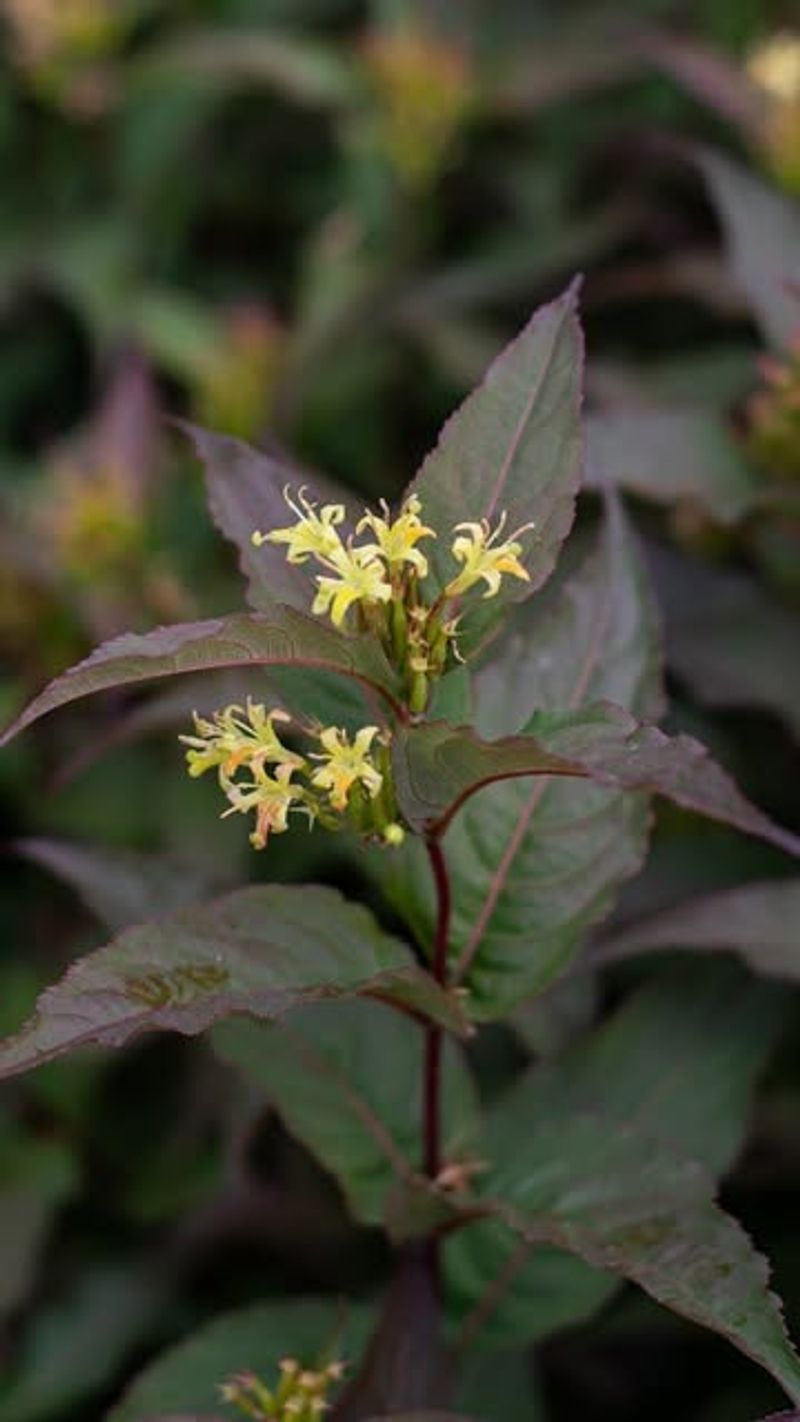
Anyone who gardens in Michigan knows the sinking feeling of walking outside to find a favorite shrub browsed down to bare sticks overnight.
Deer pressure is a real problem in suburban and rural yards, and it stops many gardening plans before they even get started.
Northern Bush Honeysuckle sidesteps that problem almost entirely. The foliage of Diervilla lonicera has an aromatic quality that deer tend to find unappealing.
While no plant is completely deer-proof in every situation, gardeners consistently report that deer pass right by this shrub even when other nearby plants get heavily browsed.
That makes it a reliable choice for creating a weed-suppressing groundcover in areas where deer visits are frequent.
From a practical standpoint, this resistance matters a lot for weed control. A groundcover that gets repeatedly browsed never builds the density needed to shade out weeds effectively.
Northern Bush Honeysuckle keeps its foliage intact through the growing season, which means its canopy stays thick and weeds stay suppressed without any intervention from you.
Pairing Diervilla lonicera with other deer-resistant Michigan natives creates a layered planting that looks intentional and stays full all season long.
The shrub holds its ground beautifully, filling in steadily while deer move on to easier targets elsewhere in the neighborhood.
For homeowners tired of replanting, this shrub brings some much-needed peace of mind.
4. Bright Yellow Flowers That Bring Pollinators Straight To Your Yard
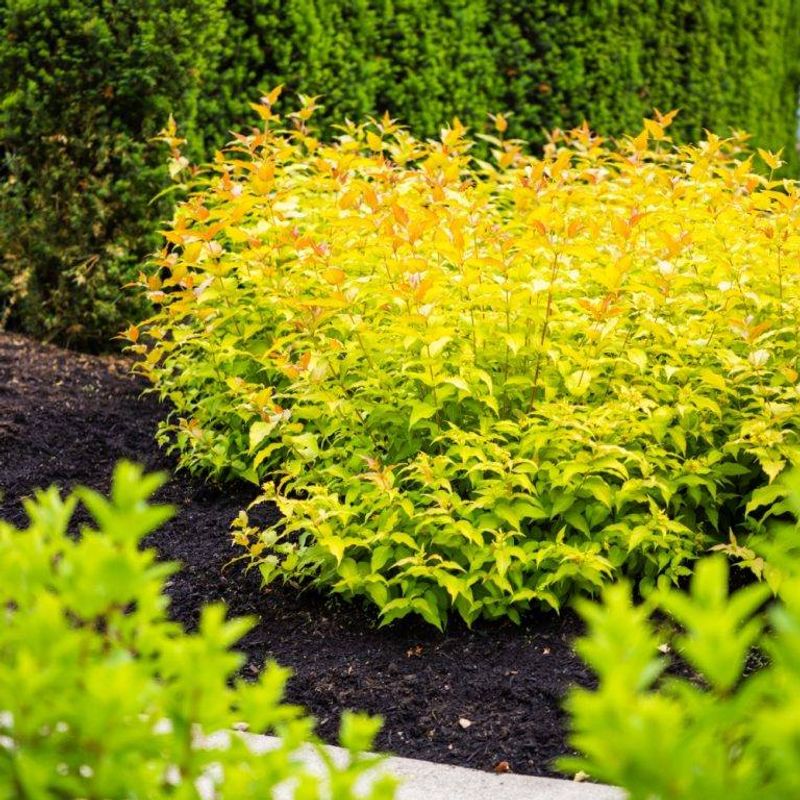
Somewhere between June and August, Northern Bush Honeysuckle transforms.
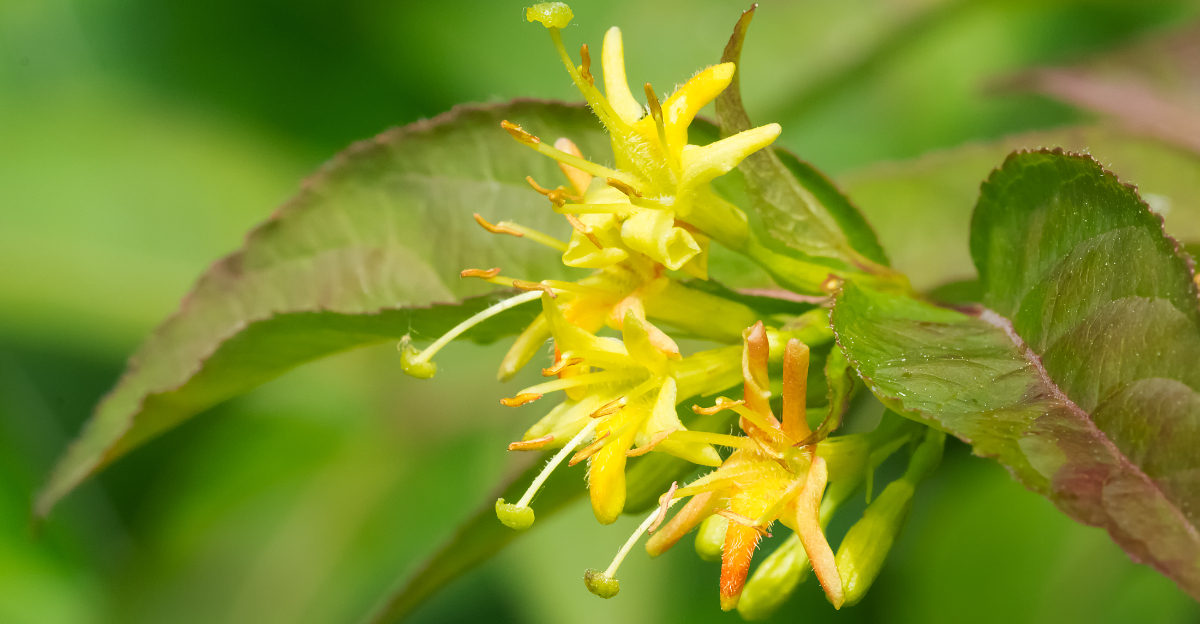
Small clusters of bright yellow, tubular flowers appear along the stems, and almost immediately, bees and butterflies start showing up.
For a shrub that most people overlook, its pollinator appeal is surprisingly impressive. Native bees are especially drawn to these flowers.
Bumblebees, sweat bees, and several specialist bee species visit Diervilla lonicera regularly, collecting both nectar and pollen.
Butterflies land on the blooms too, adding color and movement to the garden at exactly the time of year when yards should feel most alive.
What many gardeners do not realize is that a healthy pollinator population actually supports better weed control over time.
When beneficial insects thrive in your yard, they create a more balanced ecosystem where plants you want, rather than plants you do not, tend to establish more successfully.
A yard buzzing with native bees is a yard where the ecology is working in your favor.
The flowers also add genuine visual appeal to what might otherwise be a purely functional planting.
Yellow blooms glow softly in shaded spots, brightening areas under tree canopies where color is often hard to find.
After the flowers fade, small reddish seed capsules appear, adding another layer of texture and interest.
Diervilla lonicera earns its place in the garden on beauty alone, but the weed-suppressing habit makes it an absolute winner.
5. Natural Layering Habit That Expands Coverage Without Extra Planting
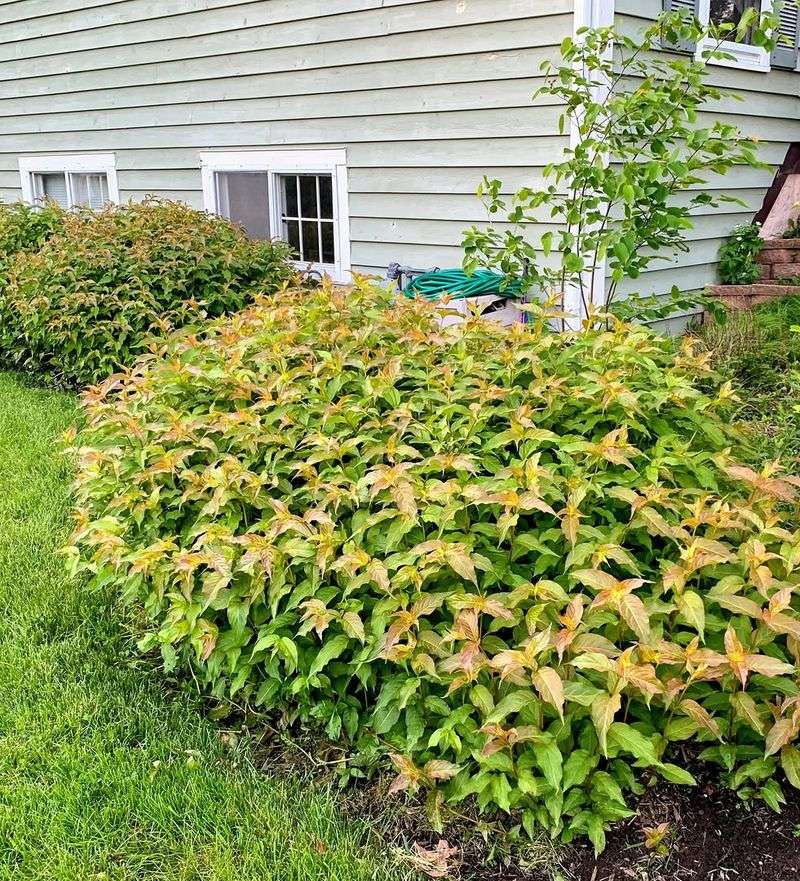
Some plants need a lot of help to spread. Northern Bush Honeysuckle practically does it on its own.
When the flexible stems arch outward and touch the soil, they root right where they land, a process called layering, and a brand new plant begins growing from that contact point. For weed control purposes, this habit is incredibly useful.
Each new rooted stem adds another node of coverage, gradually stitching together a dense mat of foliage that leaves less and less open ground for weeds to colonize.
You are essentially getting free plants and free weed suppression at the same time, without doing any extra work. Michigan homeowners with large shady areas to cover will especially appreciate this trait.
Instead of buying dozens of plants upfront, you can start with a modest number of Diervilla lonicera plants and let the natural layering process fill in the gaps over two or three seasons.
The result is a seamless, natural-looking groundcover that costs far less than artificial alternatives.
If you want to speed things up, you can pin a stem to the soil with a small garden staple and keep it lightly moist.
Roots typically form within a few weeks, and once established, you can sever the connection to the parent plant and let the new one grow independently.
It is one of the simplest and most rewarding propagation tricks in the Michigan native plant garden.
6. Low Maintenance Once Established: Less Work, More Coverage
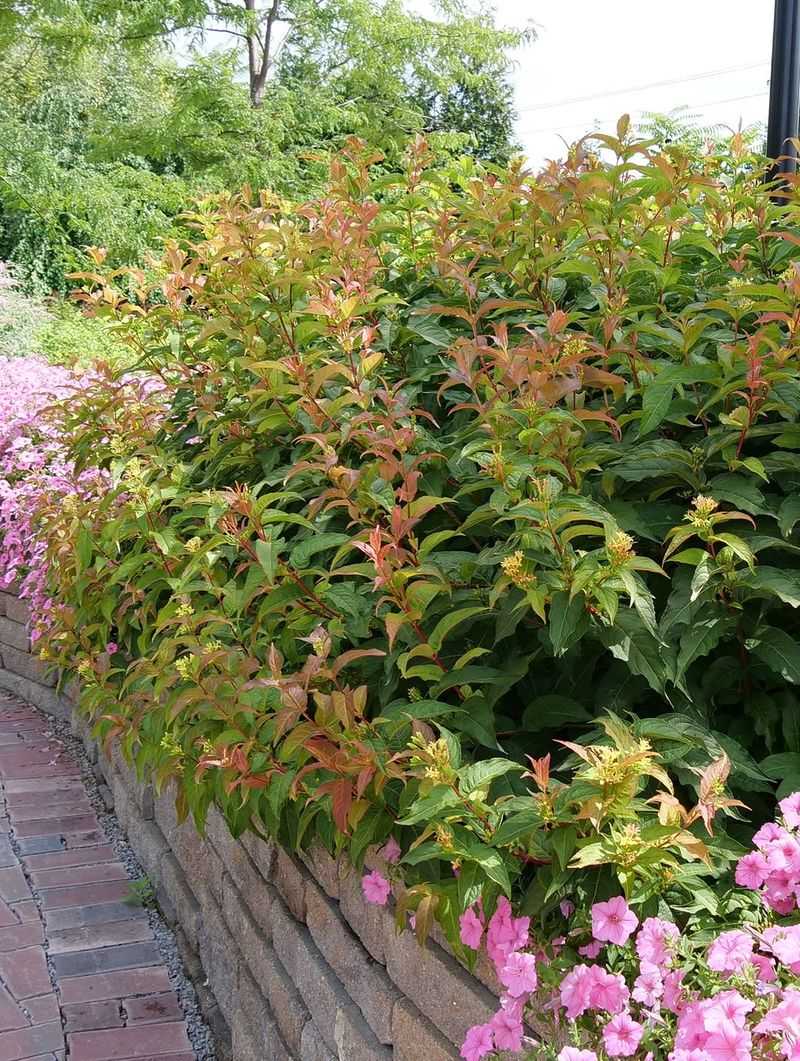
After the first season or two, Northern Bush Honeysuckle basically runs itself. That is not an exaggeration.
Once the roots are established and the rhizomes start spreading, the shrub requires very little from you in terms of time, products, or ongoing attention.
Fertilization is rarely needed. Diervilla lonicera evolved in Michigan’s native woodlands, where nutrient levels are naturally modest.
Adding fertilizer can actually push it toward leafy growth at the expense of the dense, spreading habit that makes it such a good weed suppressor.
Skipping the fertilizer bag is not laziness here, it is actually the smarter move. Pruning is optional rather than essential.
If the planting starts to look a little ragged after a few years, cutting it back hard in early spring encourages fresh, vigorous new growth. The shrub rebounds quickly and often comes back fuller and denser than before.
Most Michigan gardeners find that light cleanup every two or three years is all it takes to keep things looking sharp. Watering needs drop significantly once the plant is through its first summer.
Michigan’s natural rainfall usually provides enough moisture to keep an established planting healthy, though a deep watering during extended dry spells is always a good idea.
For gardeners who want maximum weed suppression with minimum effort, Diervilla lonicera delivers exactly that combination, season after season, without complaint.
7. Multi-Season Appeal That Keeps Your Garden Looking Great Year-Round
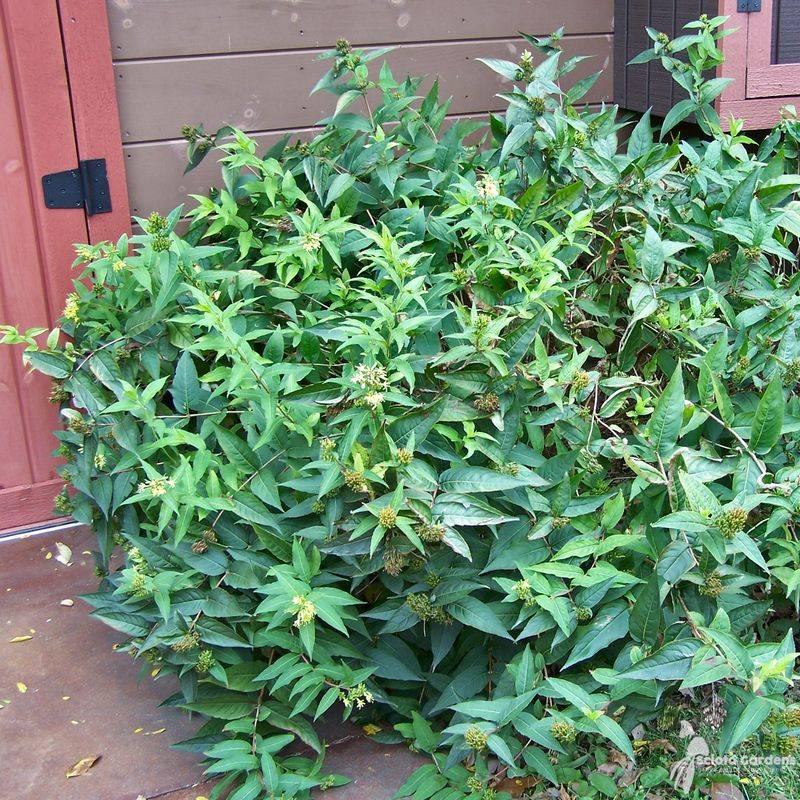
A shrub that only looks good for one month of the year is hard to justify in a Michigan garden.
Northern Bush Honeysuckle earns its spot across multiple seasons, offering something interesting from late spring all the way through autumn without any extra effort on your part.
Summer brings those cheerful yellow flowers that attract pollinators and brighten shaded corners of the yard.
After the blooms fade, small reddish-brown seed capsules take their place along the stems, adding a different kind of texture that holds visual interest well into late summer.
Birds occasionally visit these capsules too, picking at the seeds and adding life to the planting.
Fall is where Diervilla lonicera surprises people most.
The foliage shifts from green into warm shades of red, orange, and burgundy as temperatures cool, creating a colorful display that rivals many shrubs specifically grown for autumn interest.
For a plant that spends most of the season quietly suppressing weeds, that fall color feels like a bonus reward. Even in winter, the structure of the plant adds something to the landscape.
The arching stems and dried capsules catch snow and create subtle texture in an otherwise bare yard.
Across all four seasons, this shrub contributes consistently to the garden’s appearance while its root system keeps working underground to hold soil and prevent weed establishment.
Few native plants offer that much value in one package.
8. Erosion Control On Slopes And Hillsides Where Other Plants Struggle
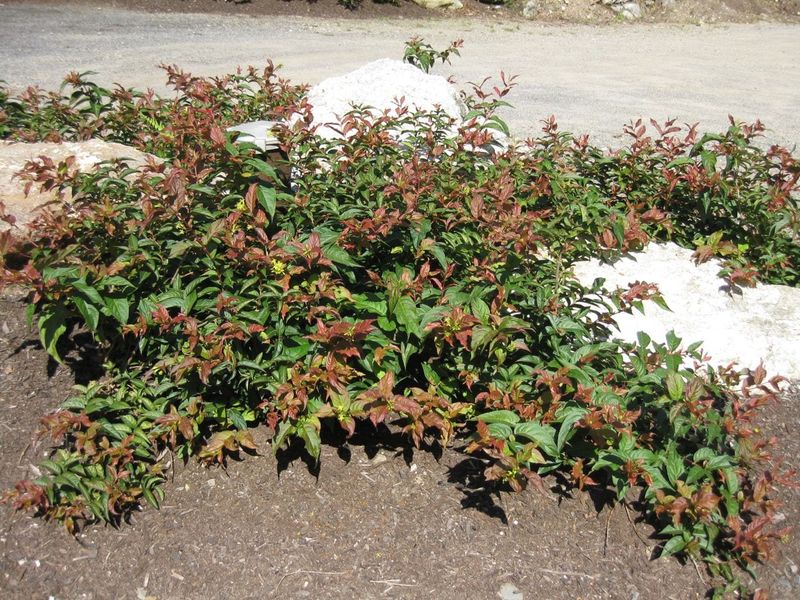
Slopes and hillsides are some of the most frustrating spots in a Michigan yard.
Rain washes soil downhill, weeds rush in to fill bare patches, and most shrubs either slide out of place or simply refuse to establish on uneven ground.
Northern Bush Honeysuckle handles these conditions with remarkable ease. The rhizomatous root system is the key.
As the shrub spreads, it sends underground stems in multiple directions, each one anchoring into the soil and sending up new shoots.
On a slope, this creates a web of roots that physically holds the soil in place, reducing erosion during heavy Michigan rainstorms when runoff is at its worst.
Bare slopes are also prime real estate for weeds, since open soil and direct sunlight give opportunistic plants exactly what they need to establish quickly. Diervilla lonicera closes that window fast.
As the canopy fills in and the roots spread, both sunlight and open soil disappear, and weed pressure drops noticeably within a single growing season.
For Michigan homeowners dealing with challenging terrain near drainage areas, pond edges, or steep backyard slopes, this shrub offers a chemical-free solution that actually improves with age.
The older and more established the planting becomes, the better it holds the ground.
Replacing erosion fabric and constant replanting with one tough native shrub is a practical switch that pays off for years to come.
9. Wildlife-Friendly Habitat That Supports Biodiversity Naturally
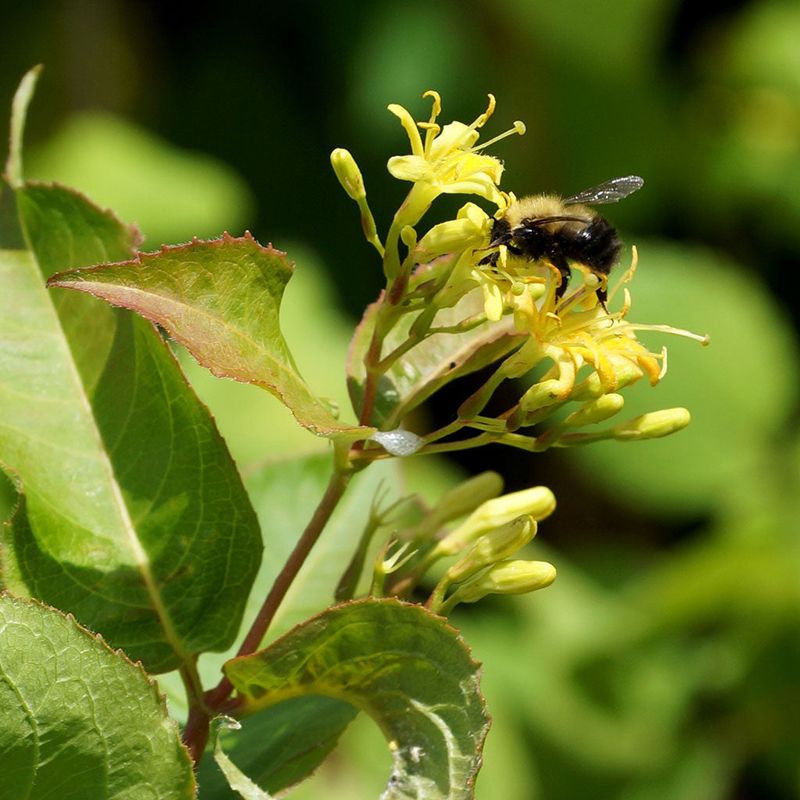
A yard full of dense native shrubs is more than just a pretty landscape.
It is a living habitat, and Northern Bush Honeysuckle contributes to that habitat in ways that extend well beyond simple weed control.
Small birds find shelter and nesting cover in the thick clumps, especially during nesting season when low, dense vegetation is exactly what they need. Beneficial insects use the shrub differently.
Ground beetles, spiders, and predatory wasps hide among the stems and leaf litter beneath the plant, hunting the pest insects that gardeners spend so much energy trying to manage.
A robust population of these natural predators is one of the best forms of pest control available, and it costs absolutely nothing.
The connection between biodiversity and weed suppression is real and worth understanding.
Healthy, biodiverse plantings create competition at multiple levels of the ecosystem.
Weed seeds that land in a thriving native planting face not just shade from the canopy above but also active competition from roots below and browsing from insects at ground level.
The whole system works together to keep unwanted plants from gaining a foothold. Choosing Diervilla lonicera is a decision that ripples outward through the entire yard ecosystem.
More pollinators, more beneficial insects, more birds, and fewer weeds all follow from that one straightforward planting choice.
For Michigan homeowners who want their yard to feel genuinely alive, this native shrub is one of the most powerful tools available.