Pennsylvania July Garden Pests That Show Up When Heat And Drought Peak Together
July in Pennsylvania can be relentless. When the heat builds and the rain stops showing up, your garden is already working hard just to survive.
But dry, hot conditions don’t just stress your plants. They also create the perfect environment for some of the most damaging garden pests of the entire season to move in and take over.
This is when things can go wrong fast. Certain pests thrive specifically in hot, dry conditions.
They spread more quickly, cause more damage, and are harder to control when your plants are already weakened by heat stress.
What might be a minor nuisance during a cooler, wetter stretch of summer can turn into a serious infestation when heat and drought hit at the same time.
Knowing which pests to watch for in July gives you a real advantage. Catch them early and you can protect your garden before the damage gets out of hand. Here’s what’s coming and how to stop it.
1. Spider Mites
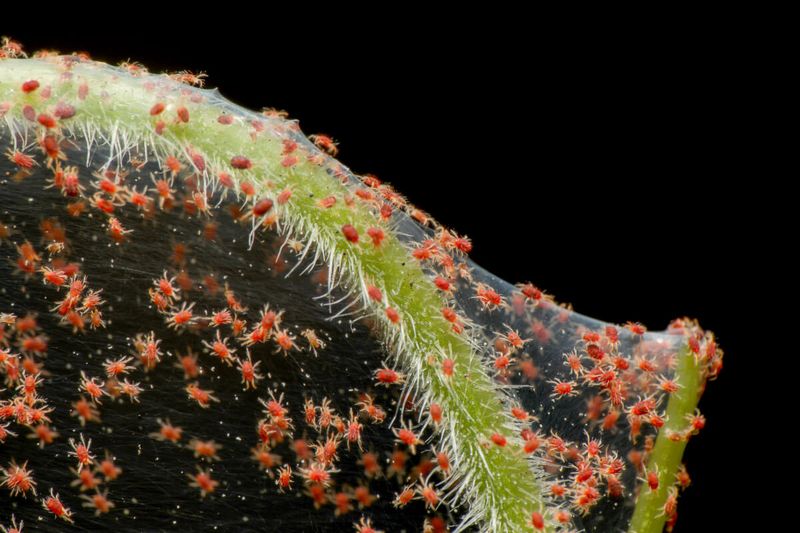
You might not even see them at first. Spider mites are so tiny they look like little moving dots on the underside of leaves.
But once a colony gets going, they can do serious damage in just a few days, especially when July heat and drought make conditions perfect for them to multiply fast.
These tiny arachnids are not actually insects. They belong to the spider family, which means most insecticides do not affect them at all.
They pierce plant cells and suck out the sap, leaving behind a speckled, yellowish pattern called stippling. If you look closely at a heavily infested leaf, you might also spot fine silky webbing stretched across the surface.
Spider mites love hot, dry air. When temperatures climb above 85 degrees and humidity drops, their population can double in just a few days.
Ornamental plants like roses, marigolds, and impatiens are common targets, but they also attack tomatoes, beans, and cucumbers in the vegetable garden.
A simple way to check for spider mites is to hold a white sheet of paper under a leaf and tap it gently. If tiny specks fall onto the paper and start moving around, you have got mites. Catching them early makes a huge difference.
Spraying plants with a strong blast of water from a garden hose can knock mites off leaves and lower their numbers quickly. Neem oil and insecticidal soap are also effective and safe for most gardens.
Water your plants consistently during dry spells to reduce plant stress and make them less attractive to these sneaky little pests.
2. Japanese Beetles
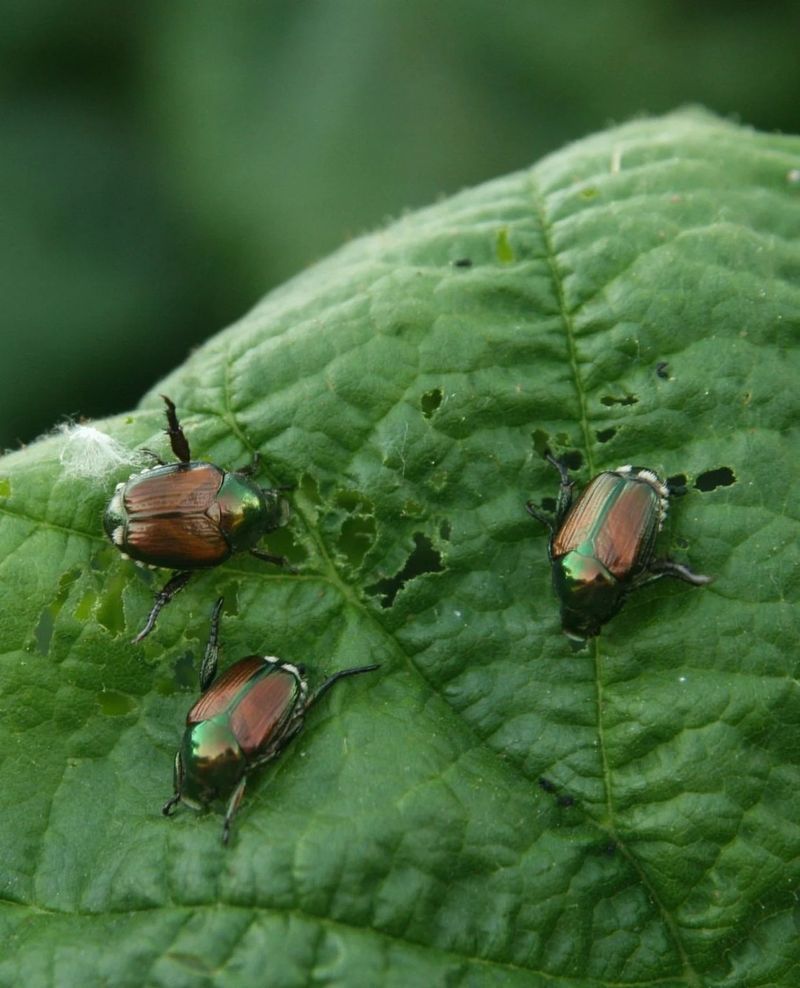
Few garden pests are as recognizable as the Japanese beetle. With its shiny, copper-colored wings and metallic green head, this beetle almost looks too pretty to be causing so much trouble.
But do not let the looks fool you. These beetles can strip a plant bare in a matter of days, and July is exactly when they are most active in Pennsylvania.
Adult Japanese beetles chew through leaves, flowers, and fruit, leaving behind a lacy skeleton of just the veins. Roses, grapes, raspberries, and linden trees are among their favorite targets, but they will also attack beans, corn, and many ornamental shrubs.
Your Pennsylvania Garden Changes Every Week. Your Plan Should Too.
Gardening in Pennsylvania changes quickly throughout the season. Every Friday you’ll receive a simple weekly plan showing exactly what to plant, prune, fertilize, harvest, and protect so you never miss the right timing.
When plants are already stressed from summer heat and lack of water, they have a much harder time recovering from this kind of feeding damage.
One thing that makes Japanese beetles especially frustrating is their social feeding behavior. When one beetle finds a good plant to eat, it releases a chemical signal that attracts more beetles to the same spot.
Before you know it, you have got dozens of them on one plant at the same time. Hand-picking is one of the most effective ways to manage small infestations. Go out in the early morning when beetles are sluggish, and drop them into a bucket of soapy water.
Neem oil sprays can also deter feeding when applied regularly. Avoid using Japanese beetle traps near your garden. Research shows these traps attract far more beetles than they catch, which can actually make the problem worse.
Instead, focus on keeping your plants healthy and well-watered so they can better handle any feeding pressure that does occur.
3. Aphids
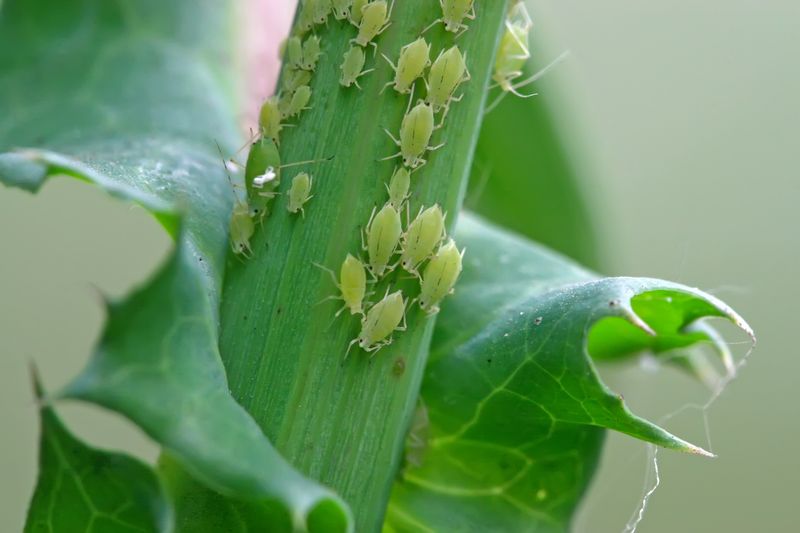
Aphids are one of those pests that seem to appear out of nowhere. One day your plants look fine, and the next day you notice clusters of tiny, soft-bodied insects crowded onto new growth and tender stems.
During hot, dry July weather in Pennsylvania, aphid populations can explode almost overnight, making early detection really important.
There are hundreds of aphid species, and they come in many colors including green, black, yellow, and even pink. All of them feed the same way, using needle-like mouthparts to pierce plant tissue and suck out the sugary sap inside.
This weakens the plant, causes leaves to curl and yellow, and can also spread plant viruses from one plant to another as the aphids move around your garden.
As aphids feed, they produce a sticky waste called honeydew. This coats the leaves below them and quickly attracts a black fungus called sooty mold.
While sooty mold does not directly harm the plant, it blocks sunlight and makes the plant look terrible. Ants are also attracted to honeydew, and they will actually protect aphid colonies from natural enemies to keep that sugary supply flowing.
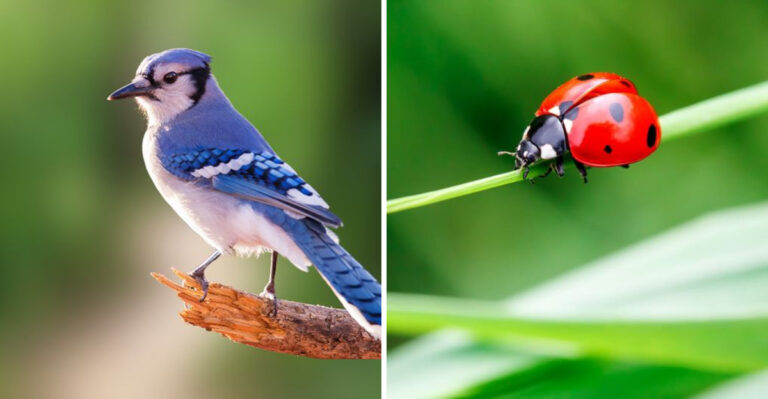
Ladybugs and lacewings are natural aphid hunters, so try to avoid broad-spectrum pesticides that would harm these helpful insects. A strong spray of water from your hose is often enough to knock aphids off plants and reduce their numbers significantly.
For heavier infestations, insecticidal soap or neem oil works well. Spray in the early morning or evening to avoid burning stressed plants in the heat.
Consistent watering also helps plants stay strong enough to handle some aphid feeding without serious setbacks.
4. Grasshoppers
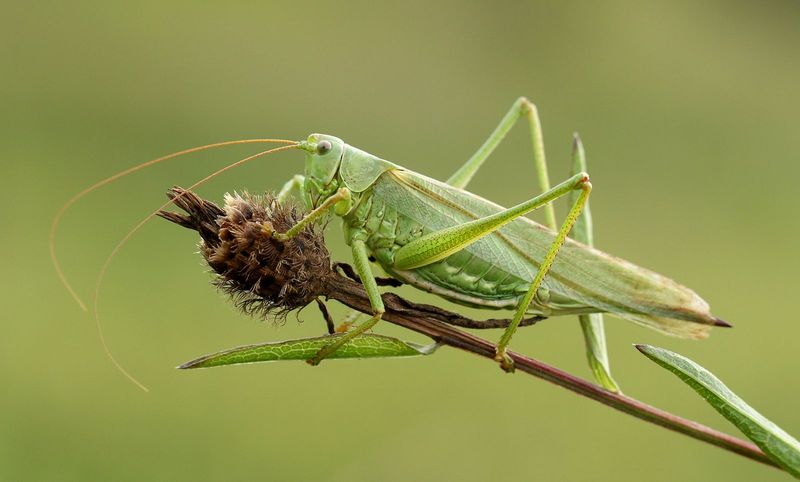
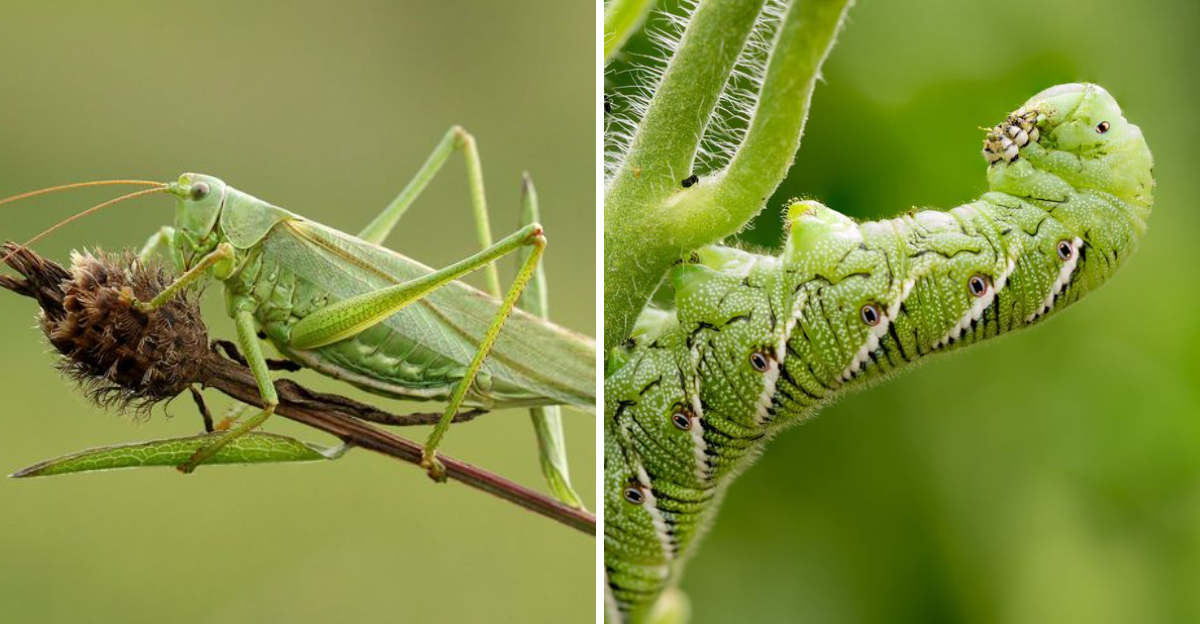
Grasshoppers are the kind of pest that catches you off guard. Most of the year they stay out in grassy fields and meadows, but when July heat dries everything out, they start moving into gardens looking for greener, juicier plants to eat.
And once they find your garden, they are not easy to get rid of. A single adult grasshopper can eat about half its body weight in plant material every single day.
Multiply that by dozens or even hundreds of grasshoppers, and you start to understand how quickly they can wreck a garden.
They chew on the leaves of vegetables, flowers, and grasses, leaving behind ragged edges and sometimes eating entire leaves down to the stem.
Drought-stressed plants have a much harder time bouncing back from this kind of damage. When a plant is already struggling to find water, losing a big chunk of its leaves makes it nearly impossible to keep growing well.
Grasshoppers tend to be worse in years when drought hits early and lasts through July, which pushes large numbers of them out of their natural habitat and into home gardens.
Row covers made of lightweight fabric can physically block grasshoppers from reaching your plants.
They work especially well for vegetable beds and can be removed for a few hours each day to allow for pollination. Floating row covers are affordable and easy to find at most garden centers.
A naturally occurring pathogen called Nosema locustae, sold as a biological bait, can help reduce grasshopper populations over time. It works slowly but is safe for people, pets, and beneficial insects.
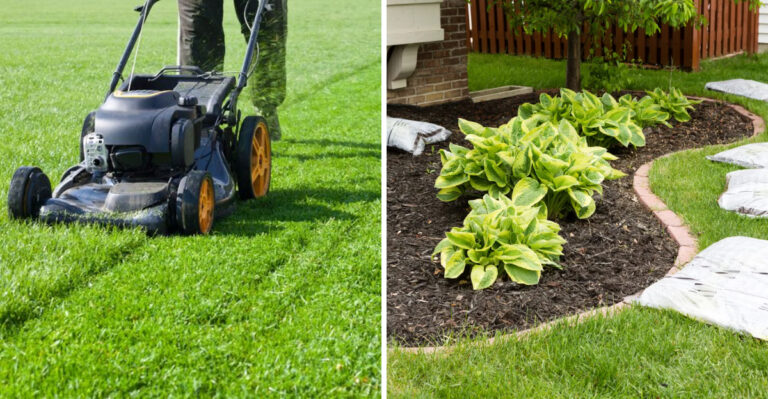
Keeping garden edges mowed short also removes the tall grass where grasshoppers like to rest and lay eggs.
5. Leafminers
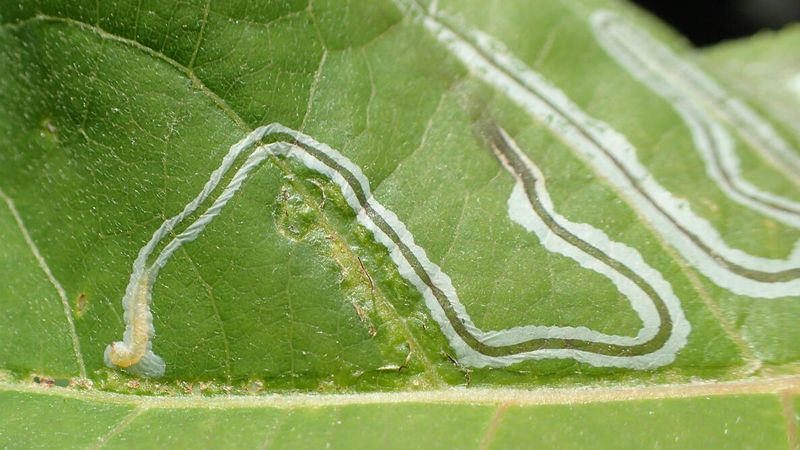
Leafminers leave behind some of the most unusual-looking damage you will ever see in a garden.
Instead of chewing holes in leaves from the outside, the larvae of these small flies and moths actually tunnel inside the leaf itself, eating the soft tissue between the upper and lower surfaces.
The result is a winding, pale trail or blotchy patch that looks like someone drew on the leaf with a light-colored marker.
Several different species of leafminers attack Pennsylvania gardens in July. Vegetables like spinach, beets, tomatoes, and peppers are common targets, along with ornamentals like columbine and chrysanthemum.
The adult flies lay their eggs directly on or inside the leaf, and once the larvae hatch, they start tunneling immediately, completely protected from most sprays by the leaf tissue surrounding them.
Summer heat speeds up the entire life cycle of leafminers. Warmer temperatures mean eggs hatch faster, larvae develop more quickly, and new adult flies emerge sooner to lay even more eggs.
This is why infestations seem to suddenly get much worse during July heat waves. A plant that looked fine last week can have dozens of mined leaves by the weekend.
Because the larvae feed inside the leaf, contact insecticides are mostly useless against them. The best approach is to remove and bag heavily mined leaves before the larvae finish developing and emerge as adults.
This breaks the cycle and reduces future generations. Spinosad-based products can offer some control when applied at the right time. Yellow sticky traps near your plants help catch adult flies before they lay eggs.
Keeping plants well-watered during dry spells also helps them tolerate some leafminer activity without losing too much vigor.
6. Whiteflies
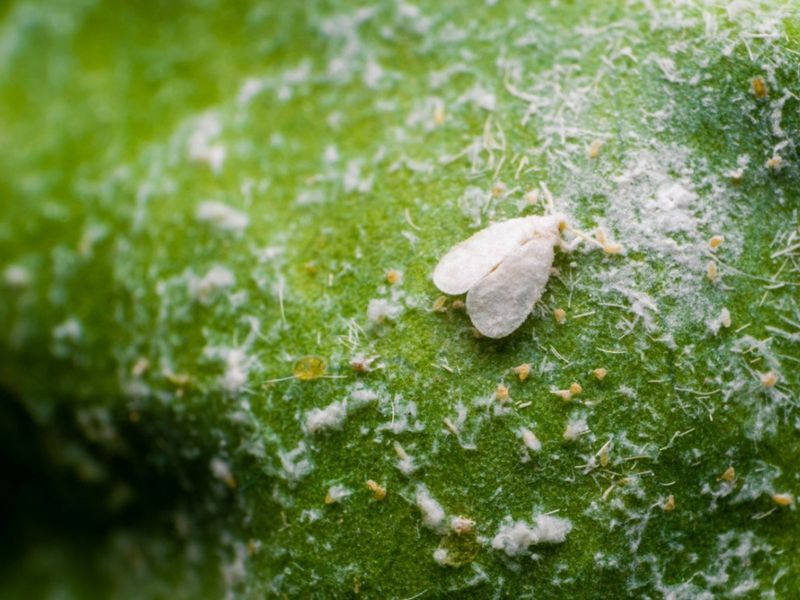
Shake a plant that has whiteflies on it, and you will know immediately. A tiny white cloud of insects will flutter up into the air, hover for a moment, and then settle right back down on the same plant.
It is one of the most frustrating sights a gardener can experience, especially in the middle of a hot, dry Pennsylvania July when plants are already struggling.
Whiteflies are not true flies despite the name. They are more closely related to aphids and scale insects.
Like aphids, they use piercing mouthparts to suck sap from plant tissue, and they also produce sticky honeydew as a waste product.
That honeydew coats leaves and stems, encouraging the growth of black sooty mold that blocks sunlight and weakens plants further over time.
Tomatoes, peppers, cucumbers, and squash are among the vegetables most commonly attacked by whiteflies in Pennsylvania gardens. Ornamental plants like lantana and hibiscus also attract them in large numbers.
Hot, dry conditions cause plant stress that makes it harder for the plant to defend itself, and warm temperatures speed up whitefly reproduction dramatically.
Yellow sticky traps are one of the easiest ways to monitor and reduce whitefly numbers. Hang them just above plant height and check them every few days.
Reflective mulch around the base of plants can also confuse whiteflies and keep them from landing.
Insecticidal soap and neem oil are effective treatments when applied directly to the undersides of leaves where whiteflies congregate.
Repeat applications every five to seven days are usually needed to stay ahead of new hatchlings. Early morning is the best time to spray so plants do not get scorched by the midday sun.
7. Tomato Hornworms
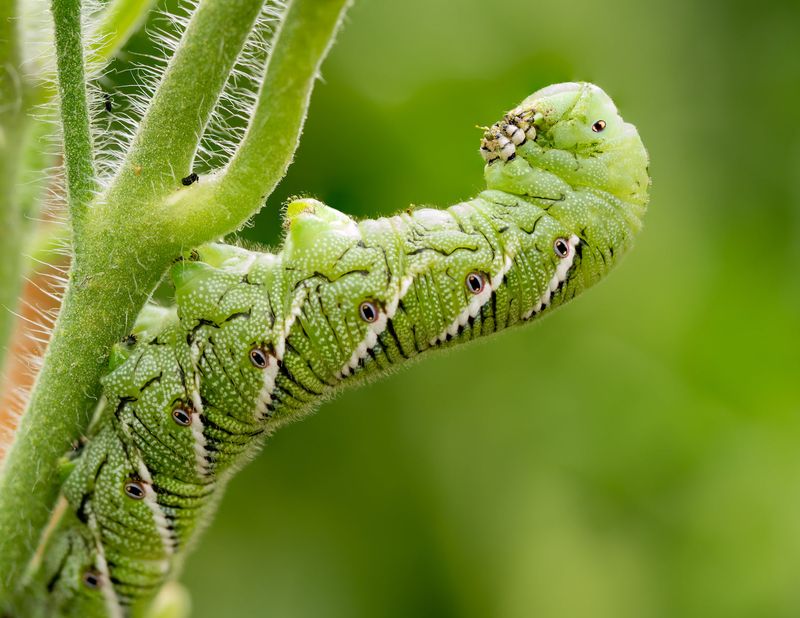
Finding a tomato hornworm for the first time is genuinely shocking.
These caterpillars are enormous, sometimes reaching four inches long, and they are the same bright green as tomato leaves, which makes them incredibly hard to spot until they have already eaten a significant portion of your plant.
By July in Pennsylvania, when tomato plants are growing fast and heat stress is building, hornworm damage can seem to appear out of nowhere.
Tomato hornworms are the larvae of the five-spotted hawk moth, a large, fast-flying moth that lays individual eggs on the leaves of tomatoes, peppers, eggplant, and other plants in the same family. Once the caterpillar hatches, it eats almost constantly.
A single large hornworm can strip several branches of leaves in just a day or two, and heat-stressed plants have very little ability to bounce back from that kind of loss.
Look for dark green or black droppings on leaves below the damage. These droppings, called frass, are a reliable sign that a hornworm is feeding nearby.
Trace the damage upward and look carefully along stems and on the undersides of leaves. The caterpillars grip tightly and blend in almost perfectly with the plant.
Hand-picking is the most reliable control method for hornworms. Drop them into soapy water or move them far from your garden.
If you spot a hornworm covered in small white rice-like capsules, leave it alone. Those are the cocoons of parasitic wasps that will naturally reduce future hornworm populations.
Bacillus thuringiensis, commonly sold as Bt, is a safe and effective biological spray that works well against young caterpillars. Apply it in the evening for best results, and reapply after rain or heavy watering to maintain protection throughout the season.