How To Grow Melons Successfully In Arizona Summer Heat
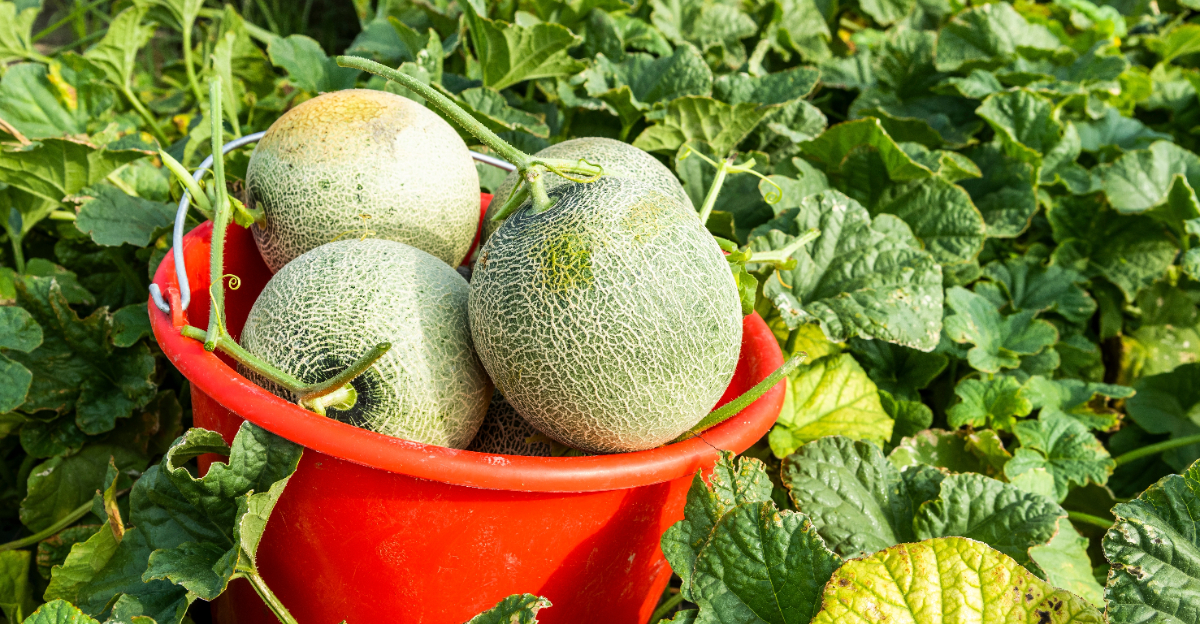
Sweet, homegrown melons are one of those summer rewards that make every trip to the garden worthwhile. It is disappointing when vines grow well for weeks, only to produce small fruit or struggle once the hottest weather settles in.
Many gardeners assume the heat is simply too much, but that is not always the real problem.
Melons actually enjoy warm conditions, although they still need the right care to perform their best. Timing, watering, and a few everyday habits can have a much bigger impact than most people expect.
Missing one small detail can affect the entire harvest before you even notice something is wrong.
Growing melons in Arizona can be surprisingly productive when you work with the season instead of against it.
A few smart decisions early on can help your plants stay vigorous and reward you with a much better harvest by the end of summer.
1. Start With Heat-Loving Melon Varieties
Not every melon can handle triple-digit heat, and choosing the wrong variety is where most beginners go wrong. Cantaloupes like Hale’s Best and Athena were practically made for hot, dry climates.
Honeydew varieties such as Earlidew also perform well when temperatures stay extreme for weeks at a stretch.
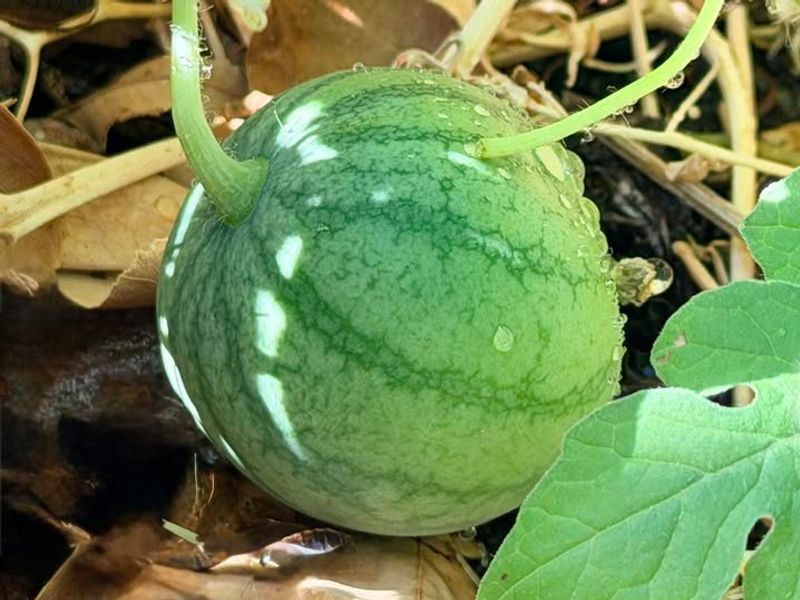
Watermelons labeled as short-season or desert-adapted are your best bet in the Southwest. Sugar Baby and Crimson Sweet both ripen fast before the most brutal heat peaks.
Avoid heirloom varieties bred for cooler Northern climates since they often stall or fail to set fruit in intense heat.
Seed packets labeled 70 to 85 days to maturity work best. Shorter maturity windows mean fruit develops before the season pushes past its productive window.
Local nurseries in the Phoenix and Tucson areas often stock regionally tested varieties that big box stores overlook.
Shopping locally gives you access to seeds that have already been trialed in your specific climate zone. Staff at independent garden centers often grow melons themselves and give honest advice.
Starting with the right genetics saves a lot of frustration later in the season.
2. Plant In Full Sun With Well-Drained Soil
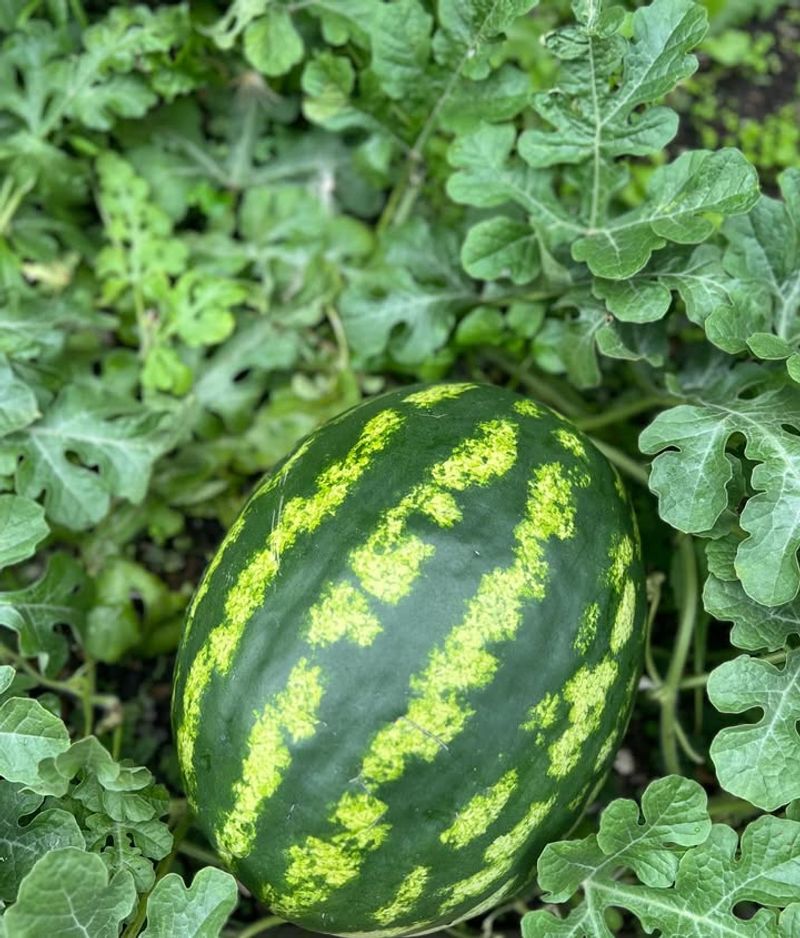
Melons are sun chasers. Eight to ten hours of direct sunlight every day is not optional.
Shaded spots might feel cooler, but fruit development slows dramatically without full exposure, and sugar content drops noticeably in under-lit plants.
Soil drainage matters just as much as sunlight. Roots sitting in soggy ground invite root rot fast, especially when summer monsoon rains arrive.
Raised beds or mounded rows give roots the drainage they need without constant intervention.
Sandy desert soil drains well naturally, but it can be too lean on nutrients. Work in a few inches of compost before planting to improve structure and add organic matter.
Skip heavy clay amendments since they hold moisture too long and create compaction problems over time.
Spacing plants correctly also shapes how well they grow. Melon vines spread aggressively and need room to breathe.
Plan for at least six feet between plants so air circulates freely and fruit develops without crowding.
Rows oriented east to west allow maximum sun exposure throughout the day. Soil temperatures in the Southwest can climb well above 90 degrees at the surface, so checking drainage before the first watering saves a lot of trouble.
Your Arizona Garden Changes Every Week. Your Plan Should Too.
Gardening in Arizona changes quickly throughout the season. Every Friday you’ll receive a simple weekly plan showing exactly what to plant, prune, fertilize, harvest, and protect so you never miss the right timing.
3. Water Deeply To Build Strong Roots
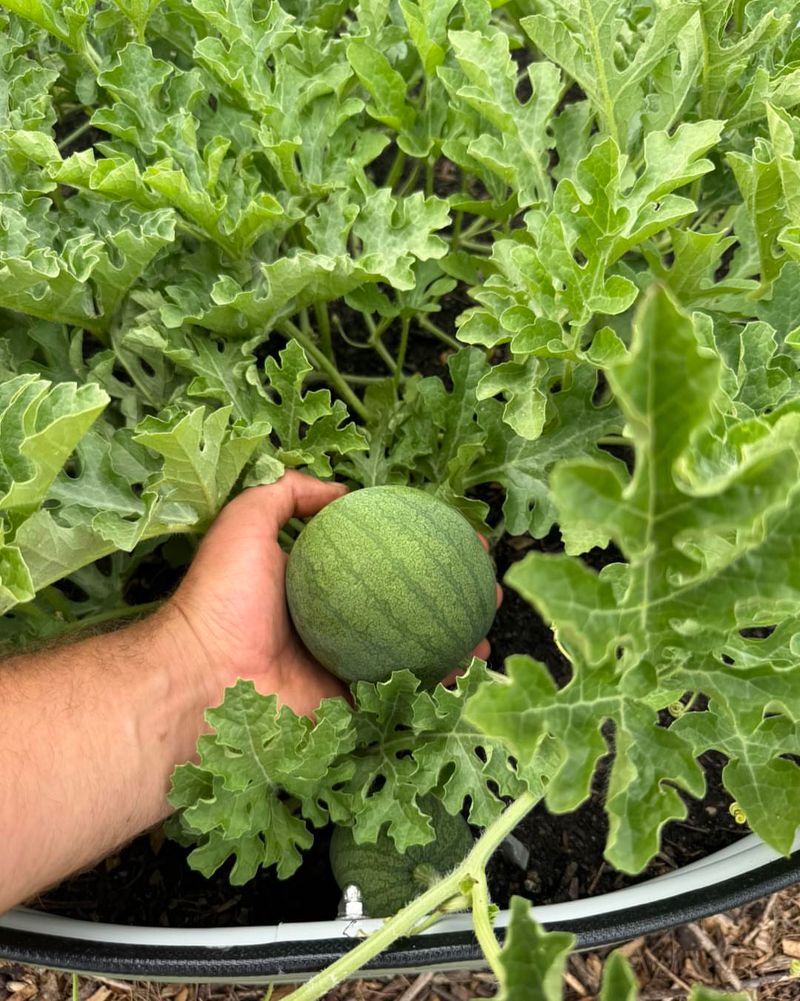
Shallow watering grows shallow roots, and shallow roots cannot survive weeks of brutal desert heat. Deep, infrequent watering pushes roots down where soil stays cooler and moisture lasts longer between sessions.
Aim to wet the soil at least 12 to 18 inches deep each time you water.
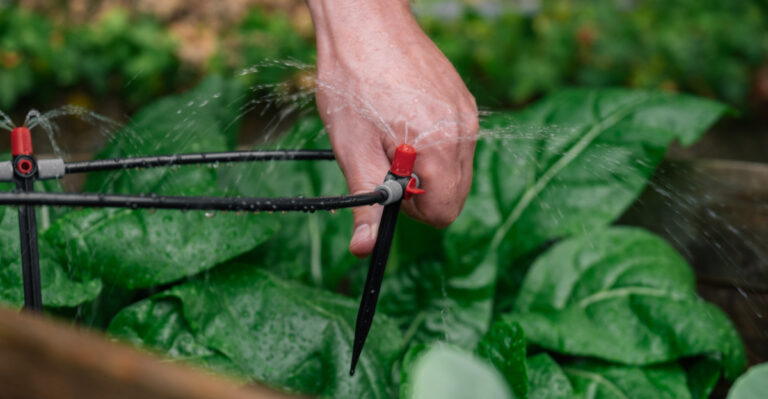
Drip irrigation is the most efficient method for desert melon growing. It delivers water directly to the root zone without wetting leaves or wasting moisture to evaporation.
Surface sprinklers lose a significant amount of water before it even reaches the roots in low-humidity, high-heat conditions.
Newly planted seedlings need more frequent watering to get established. Once vines are actively growing and spreading, cut back frequency but increase volume per session.
A good rule is watering every three to four days during peak summer, adjusting based on how fast your specific soil dries out.
Moisture meters are inexpensive tools worth every cent. Push one into the root zone before each watering session to avoid over-watering, which is actually a common problem even in desert gardens.
Roots need oxygen too, and waterlogged soil cuts off that supply quickly.
Watch vine tips closely. Slight wilting in the early afternoon is normal during peak heat.
Wilting that persists into evening signals the plants genuinely need water.
4. Mulch To Keep Soil Cooler And Moist
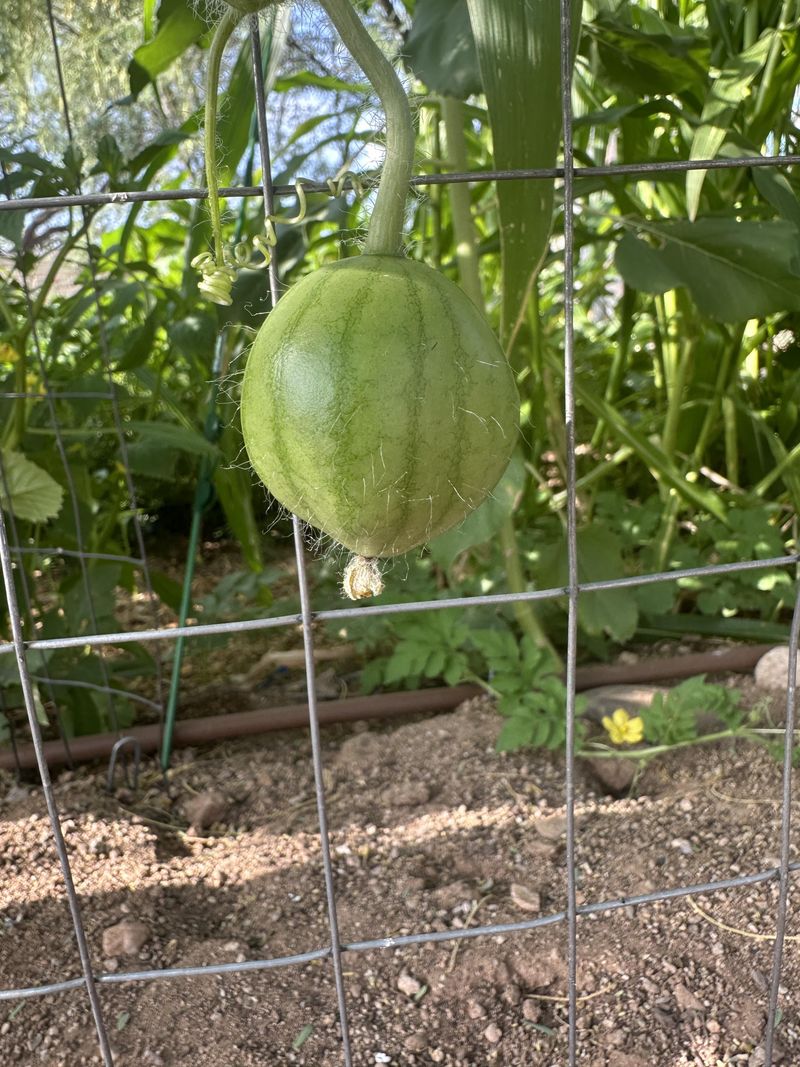
Bare desert soil in summer becomes an oven. Surface temperatures can exceed 140 degrees Fahrenheit on a cloudless afternoon, scorching shallow roots and baking out soil moisture within hours.
A thick mulch layer changes that equation completely.
Straw is one of the easiest mulch options and works extremely well around melon vines. Lay it three to four inches thick around the base of plants, keeping it pulled back a few inches from the main stem to prevent moisture buildup against the crown.
Wood chips and shredded leaves also work well depending on what you have available.
Mulch cuts soil water loss dramatically. Research on desert vegetable gardens consistently shows mulched beds retain moisture two to three times longer than bare soil.
Fewer watering sessions become possible once a solid mulch layer is established.
Black plastic mulch is another option used by commercial growers in hot climates. It warms soil early in spring, which helps with germination, but it can overheat root zones once temperatures climb past 100 degrees.
Light-colored or reflective plastic mulch works better during peak summer heat periods.
Organic mulches break down slowly and add nutrients back into soil over time. Reapply straw or wood chips mid-season if the layer compresses or thins out.
5. Protect Young Seedlings During Extreme Heat
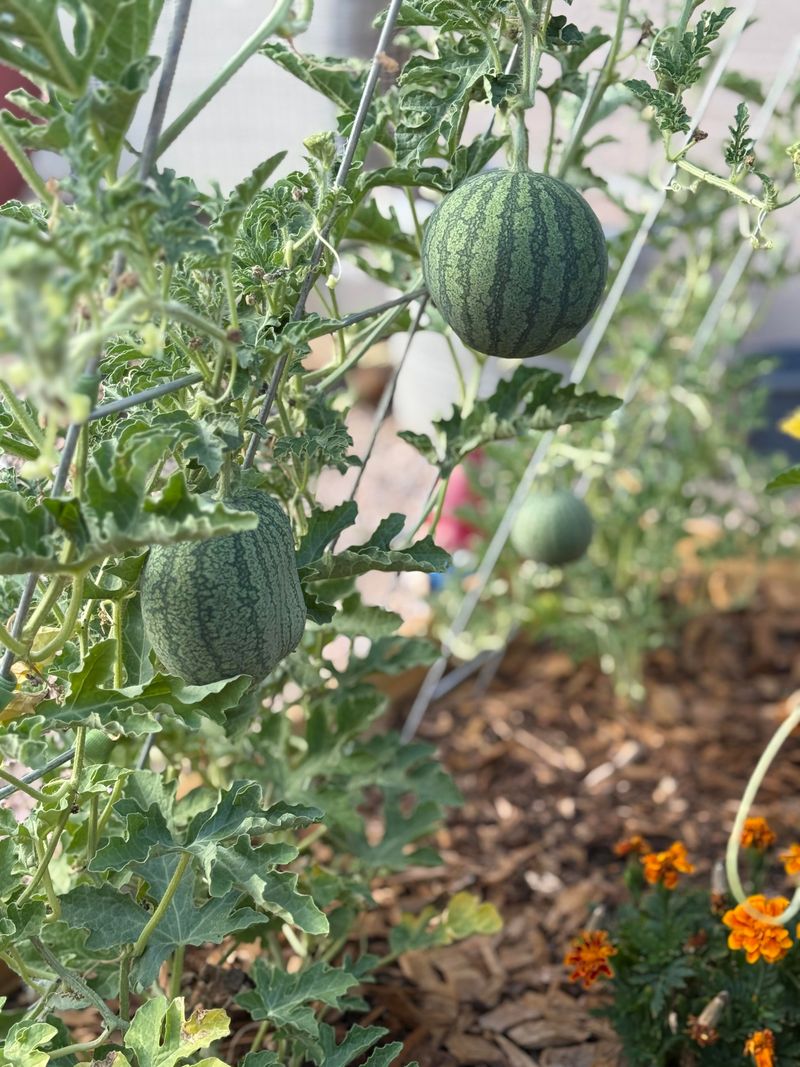
Young seedlings are far more fragile than established vines. A week of 110-plus degree days right after transplanting can stress tender plants severely before they ever get a chance to root in properly.
A little protection in those first two weeks makes a lasting difference.
Shade cloth rated at 30 to 40 percent light reduction works well for seedling protection. Stretch it over simple wire hoops or a basic frame above the plants.
It cuts heat intensity without blocking the sunlight melons still need to grow and photosynthesize effectively.
Transplanting in the late afternoon rather than midday also reduces transplant shock. Soil is still warm but air temperatures begin dropping as evening approaches.
Seedlings get several cooler hours to settle in before facing the next day’s full sun exposure.
Avoid fertilizing seedlings immediately after transplanting. Roots are stressed and cannot effectively take up nutrients right away.
Wait until new leaf growth appears, which signals that roots have established and the plant is ready to support active growth again.
Row covers made from lightweight fabric offer both shade and mild wind protection. Desert winds can be brutal during spring and early summer, pulling moisture from leaves faster than roots can replace it.
6. Feed Plants Before Heavy Fruiting Begins
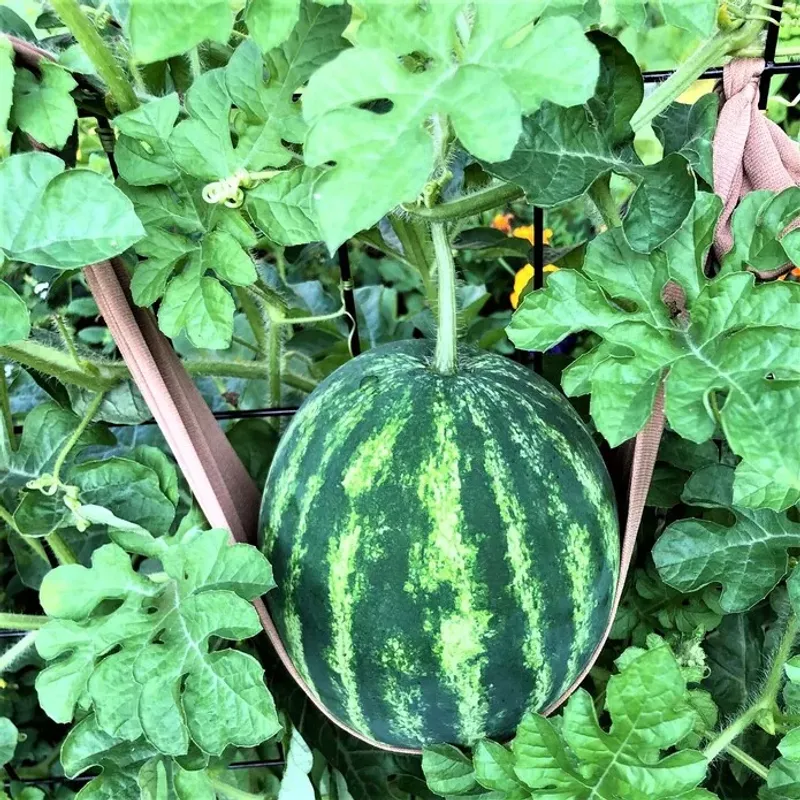
Melons are heavy feeders, but timing matters more than quantity. Dumping fertilizer on plants right before fruit sets can push leafy growth at the expense of actual fruit development.
Feed plants at the right stage and results improve significantly.
Start with a balanced fertilizer when vines begin actively spreading. A 10-10-10 or similar balanced formula supports early stem and leaf growth without overloading nitrogen.
Too much nitrogen at this stage produces massive vines with very little fruit, which is a frustrating outcome after months of effort.
Once flowers appear, switch to a lower-nitrogen fertilizer with higher phosphorus and potassium. Phosphorus supports root strength and flower development.
Potassium improves fruit quality, sugar content, and overall plant resilience under heat stress.
Foliar feeding with diluted liquid fertilizer can supplement soil applications during peak growing periods. Spray early in the morning so leaves dry quickly and avoid any potential for burn in direct sunlight.
Mid-season foliar feeding is especially helpful when plants look pale or growth slows unexpectedly.
Compost tea is a low-cost organic option worth trying. Brew it from finished compost, dilute it heavily, and water it into the root zone every few weeks.
It will not replace balanced mineral fertilizers, but it does support soil biology and adds trace nutrients that improve overall plant health.
7. Harvest Melons Only When They Are Fully Ripe
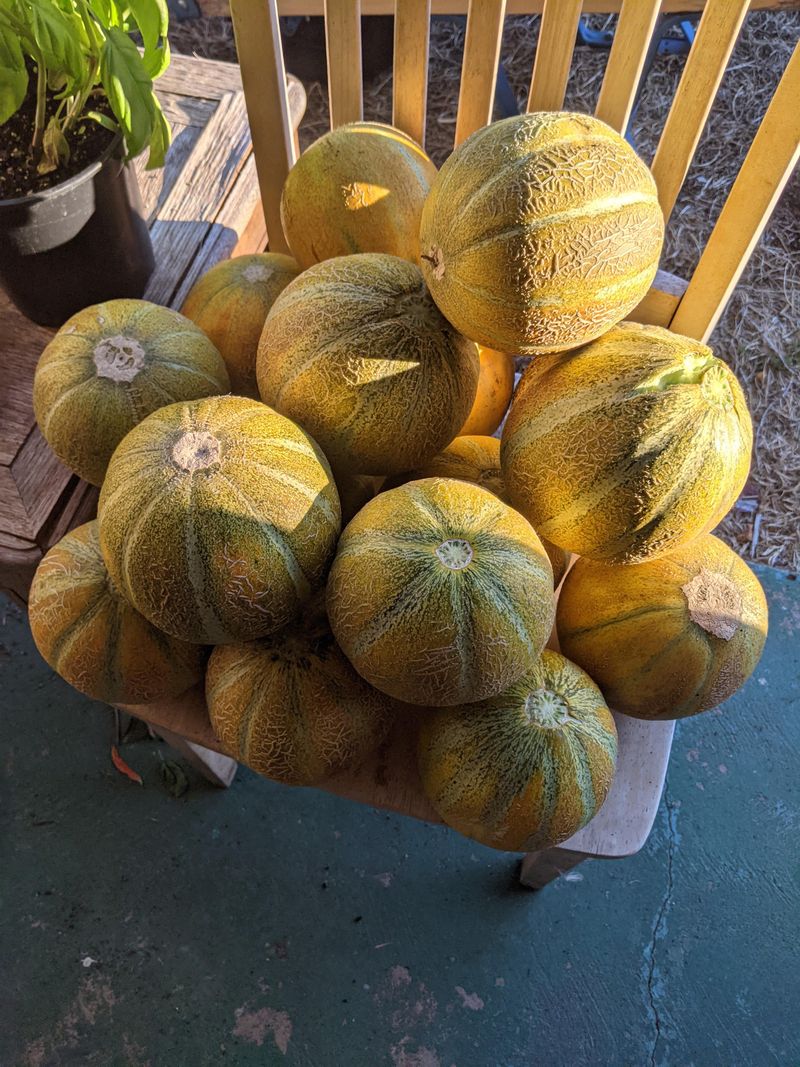
Picking too early is one of the most common melon mistakes backyard growers make. Unlike tomatoes or bananas, melons do not continue ripening once removed from the vine.
What you harvest is exactly what you get, so patience pays off every single time.
Cantaloupes give clear signals when they are ready. The skin develops a tan or cream-colored background beneath the netting pattern.
More reliably, the stem begins to separate from the fruit on its own, a stage called slip. A ripe cantaloupe should detach with almost no resistance when gently pressed near the stem.
Watermelons are trickier to read. Thump the fruit and listen for a deep, hollow sound rather than a sharp, high-pitched one.
Check the ground spot, the pale patch where the melon rests on soil. A ripe watermelon’s ground spot turns from white or pale green to a creamy yellow color.
Honeydews ripen differently from cantaloupes. Skin color shifts from greenish-white to a pale creamy yellow as they mature.
Slight softening at the blossom end and a faint sweet fragrance are the most reliable indicators that harvest time has arrived.
Hot desert summers actually concentrate sugars in melons more effectively than cooler climates. Fruit grown through intense heat often tastes noticeably sweeter than store-bought versions.